台灣 / 屏東縣 – 文 化
* * * * *

( ontheworldmap.com )

& Penghu, Kinmen & Matsu Islands
Also shown are:
Green Island ( Lu Dao ) & Orchid Island ( Lan Yu )
( cia.gov )

( wikipedia.org )
* * * * *
Links to individual topics for PINGTUNG – CULTURE
are presented on this site in the following categories :

ART – 美術 … BELIEFS – 信仰 … BLOGS – 部落格 … CINEMA – 電影 … CULTURE – 文化 … DINING – 餐館及餐 … ”FAVORITES” (LOCAL SPECIALTIES…) – 最愛 … FENG SHUI – 風水 … FESTIVALS – 節慶 … FLAG/EMBLEM – 旗幟或標誌 … HISTORY – 歷史 … JADE MARKETS – 玉石市場 … MARTIAL ARTS – 武術 … MUSEUMS – 博物館 … NIGHT MARKETS – 夜市 … PAGODAS – 寶塔 … PERFORMING ARTS – 表演 … POTTERY – 瓷器 … SHOPPING – 購屋 … SHRINES – 聖地 … TEA – 茶 … WINE & SPIRITS – 酒
* * * * *
Click here for the CloudBridge Home Page for Pingtung
Click here for links to Language & Peoples of Pingtung
Click here for links to Business for PIngtung
Click here for links to Travel for PIngtung
Click here for links to Nature and Environment of Pingtung
For links to Culture of PIngtung . . . . .
. . . . . please continue to scroll down through this page
* * * * *
PINGTUNG – 台灣 / 屏東縣
CULTURE – 文化
* * * * *
ART – 美 術
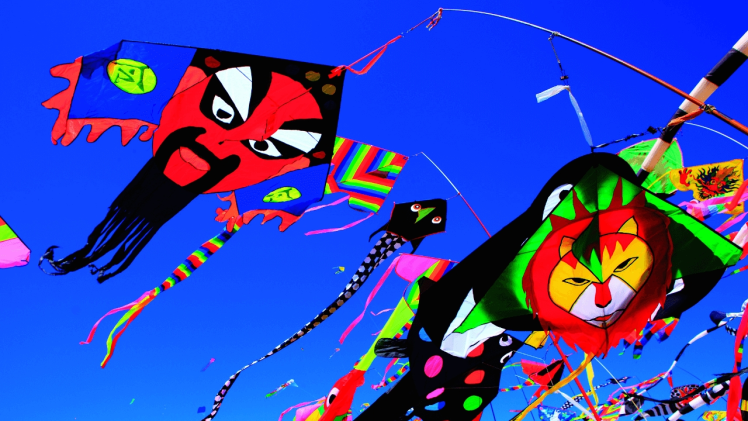
- Art scene in Pingtung – 屏東縣文化中美術的角色
- The contemporary art scene in Pingtung is more diverse & lively than people might expect. It effectively blends local history, indigenous & folk culture, contemporary art & community-driven experimentation.
- What makes Pingtung’s Art Scene Special? (i.) Diversity of backgrounds & media, from contemporary fine art to indigenous crafts; from theater/music to installations; from community-based art villages to ethnic & folk heritage; (ii.) Strong local-government support combined with community initiatives. Many art spaces & festivals are supported or developed by Pingtung County government. There is also a grassroots-driven art movement, which helps sustain a lively ecosystem beyond just tourist attractions; (iii.) Connection of the artistic expression to land, identity, & heritage. Pingtung’s art scene frequently draws from its ethnic diversity (indigenous, Hakka & folk traditions), rural landscapes, coastal culture, ports & history. The contribution from each of these sources makes the art scene in Pingtung County both meaningful & grounded; and finally (iv.) Access & affordability. Many venues (art villages, cultural parks, community-based exhibitions) are more relaxed, open & accessible when compared to the art experience in high-end galleries. This benefits local artists, emerging creators & everyday people.
- Recent Trends & Events: (i.) The 2025 Pingtung Lantern Festival (2025 屏東燈節) turned the city into a “light museum”— combining art, technology, community & cultural heritage. The festival included themed lantern installations created by local & indigenous artists, blending tradition with creative expression; (ii.) There’s an increasing emphasis on the intersection of creative industry with local identity. Since 2020, the county government has been promoting its “Cultural & Creative Brand Development Plan,” whose goals are to highlight Pingtung’s unique culture & artistic sensibility; boost local art production & enhance cultural tourism; (iii.) Activities like the “2025 藝起派對 – 屏東縣寫生嘉年華” encouraged plein-air painting and community art, using local landscapes (like fishing ports) as subject matter to help meet the growing interest in place-based art & community involvement rather than just gallery-based exhibitions; and (iv.) New festivals continue to emerge. For example, the 2024 inaugural HIGH客入青藝術節 merged traditional Hakka culture with contemporary creative arts & music. This is a positive sign of growing explorations into cultural hybridity & youth engagement.
- The Pingtung Art Museum occupies a historic building & blends old-style architecture with modern gallery functions. Inside, beyond static exhibitions, there are interactive spaces for printmaking, collage & creative workshops. This furnishes visitors with an opportunity for a “hands-on” experience rather than just observation of art pieces. The museum is often used for events beyond fine art — for example, in 2023/2024 the city government hosted a photography contest & exhibition (“Ping Tung 市之美”) which highlighted everyday local life & community stories.
- Pingtung Performing Arts Center & Pingtung Art Center (屏東藝術館) is Southern Taiwan’s first county/city-level concert hall with a pipe organ & includes a music hall, multipurpose theater & open-air plaza. The Art Center showcases theater, dance, film & cultural lectures. It supports both traditional & contemporary performance, making it a crucial node for locally-grown arts.
- Fangliao Railway Art Village is a grassroots-origin art space. Former railway dormitories & warehouses at Fangliao Station were repurposed starting in 2002 into studios & exhibition spaces. Artists have space to work in varied media, including sculpture, wood/stone carving, printmaking, installation art, mosaic & mixed media. The village hosts exhibitions & small events, as well as workshops in printmaking & mosaics. The vibe in the Railway Art Village is informal, community-driven & exploratory. It furnishes an outlet for alternative art, indie creators & visitors wanting to see the raw creative energy in Pintung.
- The Indigenous Peoples Cultural Park (Majia) showcases the heritage of Taiwan’s aboriginal tribes with exhibits of traditional houses, cultural performances & art exhibitions.
- Liudui Hakka Cultural Park is another major center & focuses on Hakka architecture, farming heritage, exhibitions & cultural events.
- The King Boat Cultural Museum in Donggang is aimed at preserving a unique local folk-religious tradition.
- edu.tw – Museums in Taiwan @ Taiwan Mandarin Educational Resources Center
- jotarofootsteps.com – Taiwan Street Art @ Fangliao Railway Art Village (枋寮鐵道藝術村) @ Jotaro’s Travels blogs
- mapcarta.com – Pingtung Art Museum – 屏東藝術館 @ Mapcarta . com
- localculturetw.com – 2025 Pingtung Lantern Festival @ Local culture Tw blog
- amazing-pingtung.com – Sunset Wind Art Festival @ Amazing Pingtung . com
- amazing-pingtung.com – Falling Wind Art Festival @ Amazing Pingtung . com
- piliwu-design.com – Taiwan Design Expo @ Piliu Design website
- https://www.govserv.org
- https://www.trip.com
- taiwantoday.tw – Pingtung Art backgrounder @ Taiwan Today . tw
- pthg.gov.tw – Cultural Affairs Dept of Pingtung County Government – website
- independent.co.uk – Indigenous artists are reclaiming Taiwan’s cultural heritage @ The Independent (U.K.)
- EASY SEARCH FOR MORE LINKS ! . . . . .
- scholar.google.com – Art scene in the culture of Pingtung – 屏東縣文化中美術的角色 @ Google Scholar
- youtube.com – Art scene in the culture of Pingtung – 屏東縣文化中美術的角色 @ You Tube . com
- images.google.com – Art scene in the culture of Pingtung – 屏東縣文化中美術的角色 @ Google Images
- Art Villages in Pingtung – 屏東縣文化中藝術村的角色
- The principal art villages in Pingtung County are located in abandoned military sites, railway facilities & old settlements which have been transformed into creative districts. These are all locales where Pingtung’s most experimental community-driven art happens. The 3 Key Art Villages are: (i.) Fangliao F3 Art Village which is regarded as the most authentic & is run by local artists; (ii.) Shengli Star Village which is regarded as the most commercial & youth-oriented; and (iii.) Chaozhou Railway Art Area, which is an emerging, community exhibition zone.
- Fangliao Railway Art Village (F3 Art Village, 枋寮F3藝文特區) is located in Fangliao Township in southern coastal Pingtung. This is Pingtung’s most famous true “art village.” It used to be a complex of old railway dormitories, warehouses & repair buildings. The area has been repurposed into a village of artist studios, small galleries, outdoor sculpture spaces, DIY craft workshops, weekend markets & pop-up exhibitions. Art styles integrated into the village include: sculpture including metal, driftwood & stone; printmaking & woodblock; mosaic & recycled art; installation art; & mixed-media experimental work. The Art Village is very grassroots & non-commercial. Visitors have the opportunity to talk directly to artists while they work.
- Shengli Star Village Creative Life Park (勝利星村創意生活園區) is Pingtung’s most polished & urban creative village. The park used to be housing for military officers in the Japanese-era & KMT-era. It has been repurposed into design studios, independent bookstores, handicraft shops, cafés & dessert shops, cultural exhibitions & intimate spaces for live performance. This is not a pure fine-art village; rather it is the center of Pingtung’s creative economy.
- Chaozhou Railway Art Area (潮州鐵道藝術村) is located in Chaozhou Township. This is a smaller, emerging railway-based art zone, similar in spirit to Fangliao but less famous. The art area has transformed former railway buildings into space for temporary exhibitions, youth art projects & exhibitions of photography & painting and community art festivals. The Railway Art Area is more event-based than a facility for permanent installations, but it plays an important role in spreading art beyond the city.
- https://j4ipingtung.com
- travelking.com.tw – Sandimen Craft Village @ Travel KIng . com . tw
- taiwaneverything.cc – A walking tour of PIngtung’s Wutai, Majia, and Sandimen Townships @ Taiwanese Everything . cc
- moc.gov.tw – Kacalisian Art Village @ Taiwan Arts Residency Network
- taiwantoday.tw – Sandimen and Wutai Arts Villages @ Taiwan Today . tw
- travelking.com.tw – Taiwan Indigenous Peoples Culture Park @ Travelking . com . tw
- EASY SEARCH FOR MORE LINKS ! . . . . .
- scholar.google.com – Art villages in the culture of Pingtung – 屏東縣文化中藝術村的角色 @ Google Scholar
- youtube.com – Art villages in the culture of Pingtung – 屏東縣文化中藝術村的角色 @ You Tube . com
- images.google.com – Art villages in the culture of Pingtung – 屏東縣文化中藝術村的角色 @ Google Images
- Art Streets in Pingtung – 屏東縣文化中藝術街的角色
- Art-oriented streets & districts in Pingtung County are more urban-scale than “art villages,” but, like art villages, the Art Streets are spaces where art, design, heritage & local culture meet. Some are former neighborhoods that are currently re-imagined; others are traditional “old streets” with crafts, heritage & street-level culture.
- Shengli Star Village Creative Life Park (also called “VIP Zone” / “Shengli New Village”) is a former military-dependents’ village of dormitories & officer housing from the Japanese-era & postwar-era. It has been renovated into a creative district with boutiques, cafés, design shops, art studios, and cultural spaces. The park offers pleasant walks through alleys & bungalow-lined streets lined with restored houses, public art installations, murals & creative-industry shops.
- Craftsman Residential District (職人町 / “little Paris”-style street-art district) is located near the Pingtung City Center. This district consists of old forestry-bureau dormitories that have been re-imagined as an art cluster for young artisans & small design / craft / creative-industry startups. The atmosphere is quite “European/bohemian” and especially lively at night when the murals & lighting make for good photos.
- Chaozhou Old Street (潮州老街) is a classic “old street” area. It offers an experience of a heritage lane with historical architecture & long-established businesses offering traditional crafts, furniture, printing & shops. Along the street there’s also a traditional temple (Sanshan Guowang Temple) and historic storefronts maintaining older trades and crafts. Chaozhou Old Street offers cultural history, folk crafts & old-town heritage & traditions as a good complement to the modern & contemporary art-village districts.
- Donggang Old Street & Fishery Art Streets (東港老街・漁村藝術街)
Location: Donggang Township (coastal port town)
What you’ll find
Seafood-market streets turned into harbor-life art corridors
Murals of:
Bluefin tuna
Fishing boats
Sea gods & temple culture
Street shrines + fishery tool installations
Artistic character
Folk-religion inspired street art
Ocean-themed installations
King Boat Festival visuals outside festival season - Wanluan Old Street & Hakka Craft Lanes (萬巒老街・客家工藝巷)
Location: Wanluan Township
What you’ll find
Red-brick Hakka shop houses
-:
Paper-cut art
Traditional signage calligraphy
Woodcraft & food-culture murals
Cultural focus
Hakka folk aesthetics
Temple-centered street life
Food + heritage design integration - Linluo Hakka Art Street (麟洛客家彩繪街)
Location: Linluo Township (north of Pingtung City)
What you’ll find
Entire village lanes decorated with:
Farming murals
Hakka migration stories
Family-history wall paintings
Community-designed public art
Artistic character
Social-storytelling murals
Heritage-education street art
Intergenerational village creativity - Jiadong Rice-Field Art Lanes (佳冬稻田藝術巷)
Location: Jiadong Township (agricultural coast)
What you’ll find
Murals painted directly on:
Farm walls
Storage barns
Irrigation gates
Themes of:
Rice cultivation
Seasonal labor
Rural ecology
Style
Environmental art
Earth-tone palettes
Agriculture-as-a-gallery concept - Neipu Old Street Culture Corridor (內埔老街文化走廊)
Location: Neipu Township
What you’ll find
Old signboards preserved as design objects
-:
Handmade umbrellas
Traditional pharmacy signage
Brush-calligraphy street labels
Art form
Typography heritage
Traditional façade design
Living street museum vibe - Fangliao Coastal Art Streets (枋寮海線藝術街)
Location: Near Fangliao F3 Art Village
What you’ll find
Public sculptures along harbor roads
Driftwood installations
Iron welding art from shipyard waste
Artistic style
Recycled ocean materials
Post-industrial coastal aesthetics
Artist-village overflow zone - Chaozhou Cultural Backstreets (潮州文化背巷)
Location: Behind Chaozhou Old Street
What you’ll find
Hidden:
Traditional printing workshops
Wood-carving studios
Old bookbinding stores
Youth mural overlays on heritage walls
Character
Craft preservation + youth art dialogue
Small-scale workshop culture - Hengchun Old Town Art Alleys (恆春古城藝術巷) Location: Hengchun (near Kenting)
What you’ll find
Art alleys built into:
Old city walls
Coral-stone houses
Installations about:
Monsoon winds
Sailing routes
Indigenous & Han coexistence - Ligang Sugar-Factory Art Zone Streets (里港糖廠藝術外圍街) is located in Ligang Township. The streets are within an Industrial heritage mural zone. The art zone includes Post-sugar-industry murals, Factory-wall art, and Community painting festivals. The main events are: (i) Industrial heritage art festival (once per year); (ii) Community mural painting week; and (iii) Youth photography contests.
- Art streets show you how art survives inside real community life, not just inside creative parks
- Shengli Star Village (勝利星村) – Pingtung City
Type: Creative street + night art district
Activity Level: ⭐⭐⭐⭐⭐ (Most Active)
Regular Events
Every weekend:
Creative handicraft markets
Street performers & acoustic music
Pop-up design brands
Friday–Sunday nights:
Light installations
Outdoor film & music nights (seasonal)
Major Annual Events
Pingtung Lantern Festival (Feb–Mar)
Creative Life Festival (Summer)
Christmas & Year-End Art Market (Dec)
- Craftsman Residential District (職人町) – Pingtung City
Type: Street art + startup craft street
Activity Level: ⭐⭐⭐⭐
Regular Events
2–3 weekends per month:
Youth craft markets
Illustration & handmade brand fairs
Night mural lighting displays
Occasional Events
Tattoo art pop-ups
Photography street exhibitions
Design student showcases
- Donggang Old Street & Harbor Art Streets (東港老街)
Type: Port-town folk art + temple culture
Activity Level: ⭐⭐⭐⭐
Regular Events
Weekends:
Seafood + street art night market
Temple plaza performances
Major Festival Cycles
King Boat Festival cycle (every 3 years)
Lunar New Year street shows
Mid-Autumn harbor light events
- Chaozhou Cultural Backstreets (潮州文化背巷)
Type: Craft heritage + youth mural alleys
Activity Level: ⭐⭐⭐
Regular Events
Once or twice monthly:
Calligraphy live demos
Wood-carving open studios
Handmade bookbinding pop-ups
Annual Events
Chaozhou Cultural Festival (Autumn)
Traditional Crafts Month (Summer)
- Linluo Hakka Art Street (麟洛彩繪街)
Type: Village mural street
Activity Level: ⭐⭐⭐
Regular Events
Monthly village art day:
Community painting
Hakka food culture demos
Family history exhibitions
Major Festival
Hakka Cultural Festival (Late Summer / Autumn)
- Jiadong Rice-Field Art Lanes (佳冬稻田藝術巷)
Type: Agricultural eco-art streets
Activity Level: ⭐⭐ (Seasonal)
Main Event Window
Rice planting & harvest seasons:
March–April
September–October
Activities
Eco-art walking tours
Farm-wall mural painting
Photography workshops
- Fangliao Coastal Art Streets (枋寮海線藝術街)
Type: Harbor sculpture + recycled art zone
Activity Level: ⭐⭐⭐
Regular Events
Monthly weekend:
Artist open studios
Welding & driftwood sculpture demos
DIY recycled-art workshops
Annual Events
Coastal Art Festival (Summer)
Sea & Wind Installation Show (Autumn)
- Hengchun Old Town Art Alleys (恆春古城藝術巷)
Type: Old-city wall installations + Kenting overflow
Activity Level: ⭐⭐⭐⭐ (Seasonal Tourism)
Regular Events
Every weekend (tourist season):
Street musicians
Alley light installations
Indigenous + maritime pop-up art
Peak Seasons
Spring Break
Summer Kenting season
Autumn music festivals
- EASY SEARCH FOR MORE LINKS ! . . . . .
- scholar.google.com – Art streets in the culture of Pingtung – 屏東縣文化中藝術街的角色 @ Google Scholar
- youtube.com – Art streets in the culture of Pingtung – 屏東縣文化中藝術街的角色 @ You Tube . com
- images.google.com – Art streets in the culture of Pingtung – 屏東縣文化中藝術街的角色 @ Google Images
- Folk arts in Pingtung – 屏東縣文化中民間藝術的角色
- Pingtung County has one of Taiwan’s richest living folk-art landscapes—where religion, ritual, craft, performance, and daily life are inseparable. Because Pingtung sits at the crossroads of Hoklo, Hakka, and Indigenous cultures, its folk arts are especially diverse and vibrant.
- Folk arts in Pingtung differ from folk arts in other counties. Folk arts in Pingtung have a heavy emphasis on ocean and boat culture. Folk arts are also heavy on rituals. The folk arts in Pingtung also have a strong mixed cultural blend of indigenous peoples, Hakka & Hoklo cultures.
- King Boat (Wang Ye) Ritual Arts – 東港迎王平安祭典. A massive ritual cycle (every 3 years in Donggang) to:
Invite plague-dispelling deities (Wang Ye)
Build a giant ritual wooden boat
Parades, exorcisms, music, dance
Finally burn the boat at sea
Why it’s folk art (not just religion)
Wood carving & boat sculpture
Temple painting & deity banners
Ritual costumes
Percussion orchestration
Processional choreography - Lion Dance & Battle Formations (獅陣文化)
Southern Taiwan’s most powerful lion-dance tradition
Pingtung’s unique style
More martial, aggressive, and acrobatic
Often trained with real kung-fu schools
Linked to:
Temple festivals
King Boat ceremonies
Lantern festivals
Folk-art elements
Hand-painted lion heads
Embroidered costumes
Drum choreography
Martial formations - Temple Woodcarving & Deity Sculpture (廟宇木雕)
Pingtung is a major center of southern Taiwanese temple carving. What you’ll see
Dragons, phoenixes, door gods
Roof ridge beasts
Narrative relief panels
Life-size deity statues
Special feature in Pingtung
Carvings are often:
More dramatic
More three-dimensional
More movement-oriented
Because they are closely tied to:
King Boat rituals
Sea-protection deities
Plague-dispelling gods - Glove Puppetry (布袋戲) – Temple & Street Performance Art. Performed during:
Temple birthdays
Ghost Month
King Boat rituals
Combines:
Hand-carved puppets
Painted faces
Sung narrative + percussion
Pingtung style
Strong ritual function
Often performed outdoors in temple courtyards
Still hired by temples today - Hakka Folk Arts – Paper Cutting, Lanterns, Opera (客家民間藝術). Paper cutting (剪紙) – weddings, temple events
Lantern construction
Hakka tea ceremony performance
Hakka folk opera
Cultural theme
Farming life
Family lineage
Ancestral worship
Seasonal rituals - Liudui Hakka Cultural Park (Neipu 內埔) – living Hakka folk-arts center
- Indigenous Arts (排灣・魯凱等原住民族工藝). Main forms
Glass-bead jewelry (Paiwan)
Weaving & embroidery
Wood carving
Body ornament & costume arts
Song + circle dance performance
Key features
Art is linked to:
Status
Marriage
Ancestry
Mythology
Main center:
Taiwan Indigenous Peoples Cultural Park (Majia 瑪家) - Folk Painting & Door-God Art (門神彩繪)
Characteristics
Bold facial expressions
Strong red, gold, black contrasts
Painted directly onto:
Temple doors
Interior beams
Shrine panels
In Pingtung
Often shows:
Sea gods
Plague-warding gods
Warrior generals
Connected again to Wang Ye culture
- EASY SEARCH FOR MORE LINKS ! . . . . .
- scholar.google.com – Folk Arts in the culture of Pingtung – 屏東縣文化中民間藝術的角色 @ Google Scholar
- youtube.com – Folk Arts in the culture of Pingtung – 屏東縣文化中民間藝術的角色 @ You Tube . com
- images.google.com – Folk Arts in the culture of Pingtung – 屏東縣文化中民間藝術的角色 @ Google Images
BELIEFS – 道 德

- BELIEFS – 信仰
- Pingtung County (屏東縣), in southern Taiwan, has diverse religious and cultural beliefs shaped by Han Chinese traditions, Indigenous cultures, and modern Taiwanese society. Rather than a single dominant “belief system,” people often hold multiple, overlapping beliefs and practices. But several core values are shared across different beliefs in Pingtung: (i.) Filial piety (孝) and family responsibility; (ii.) Respect for elders and ancestors; (iii.) Community solidarity; (iv.) Balance between humans, spirits & nature.
- Folk Religion (Most Widespread)
The majority of residents—especially among Han Taiwanese—practice traditional Chinese folk religion, often blended with Taoism and Buddhism.
Common features include:
Ancestor veneration (ancestral tablets, home altars)
Temple worship for protection, health, business success, and family well-being
Belief in spirits, fate, and cosmic balance
Popular deities in Pingtung include:
Mazu (媽祖) – sea goddess, especially important in coastal communities
Guandi (關帝) – loyalty, righteousness, and protection
Earth God (土地公) – local prosperity and safety
Wang Ye (王爺) – plague-prevention and community protection
Temple festivals, processions, and rituals play a major role in community life.
- Buddhism
Buddhism is widely practiced, often alongside folk religion rather than separately.
Characteristics:
Emphasis on karma, compassion, and moral living
Participation in chanting, vegetarian days, and memorial rituals
Both Mahayana Buddhism and popular devotional practices are common
Many residents visit temples occasionally rather than identifying as strictly Buddhist.
- Taoism. Taoist beliefs are deeply embedded in folk religion and ritual life.
Key ideas:
Harmony between yin and yang
Balance with nature and spiritual forces
Use of rituals for health, exorcism, and fortune
Taoist priests are often called upon for:
Funerals
House blessings
Spirit appeasement ceremonies
- Indigenous Beliefs
Pingtung has one of Taiwan’s largest Indigenous populations, including:
Paiwan
Rukai
Amis
Bunun
Traditional Indigenous beliefs include:
Ancestor spirits who guide and protect the living
Sacred relationships with mountains, animals, and land
Rituals marking life stages, harvests, and community leadership
Although Christianity has spread among Indigenous groups (see below), traditional beliefs still influence identity and ceremony.
- Christianity
Christianity is minority overall, but significant among Indigenous communities.
Many Paiwan and Rukai villages are Presbyterian or Catholic
Churches often serve as social and cultural centers
Christian belief sometimes blends with traditional customs
- Modern & Secular Views
Like much of Taiwan:
Many people are religiously flexible rather than doctrinal
Younger generations may identify as non-religious but still:
Participate in festivals
Honor ancestors
Visit temples during major life events
Belief is often practical and relational, focused on harmony, respect, and community rather than exclusive faith commitments.
- EASY SEARCH FOR MORE LINKS ! . . . . .
- scholar.google.com – Beliefs in the culture of Pingtung @ Google Scholar
- youtube.com – Beliefs in the culture of Pingtung @ You Tube . com
- images.google.com – Beliefs in the culture of Pingtung @ Google Images
- Myths in Pingtung – 屏東縣文化中神话的角色
- Pingtung County’s folk myths reflect its southern Taiwanese setting, Indigenous Paiwan–Rukai heritage, and Han Chinese folk religion, all shaped by mountains, rivers, and the sea. Rather than a single mythic tradition, Pingtung has overlapping myth systems that coexist and influence everyday ritual life.
Below is a clear overview, moving from Indigenous myths to Han folk beliefs and then to shared local legends.
- Indigenous Folk Myths (Especially Paiwan & Rukai)
Pingtung is one of the cultural heartlands of Taiwan’s Paiwan and Rukai peoples, whose myths remain deeply alive in oral tradition, ceremonies, and art.
- The Hundred-Pacer Snake (百步蛇)
This is the most important mythic figure in southern Taiwan Indigenous cultures.
The hundred-pacer viper is regarded as:
A sacred ancestor
A protector spirit
A symbol of nobility and legitimacy
Many Paiwan myths tell of:
Humans descending from unions between snakes and ancestral women
Chiefs receiving divine authority from snake spirits
The snake appears frequently in:
Wood carvings
Embroidery
House pillars
Ceremonial objects
Killing a hundred-pacer was traditionally taboo and believed to bring disaster.
- Sun, Egg, and Noble Lineage Myths
Several Paiwan and Rukai myths explain human origins through celestial imagery:
The sun laid an egg, from which noble ancestors emerged
Others tell of ancestors descending from sunlight or mist
These myths reinforce:
Social hierarchy
Clan identity
Ritual responsibilities
- Flood and Mountain-Origin Myths
Common elements include:
A great flood wiping out earlier peoples
Survivors escaping to mountain peaks in southern Pingtung
The re-establishment of clans after the waters receded
These myths connect people spiritually to specific mountains and landscapes still considered sacred today.
- Han Chinese Folk Myths & Popular Religion
Han settlers brought southern Fujian and Hakka folk traditions, which adapted to Pingtung’s tropical environment.
👻 Wandering Spirits & “Yin Places”
Pingtung folklore includes many ghost-related beliefs:
Spirits of those who:
Drowned
Died violently
Were buried improperly
Rivers, crossroads, banyan trees, and abandoned buildings are seen as spiritually active
Offerings are still made during Ghost Month (中元節) to prevent misfortune.
- Sea Deities & Maritime Myths
Coastal Pingtung communities (e.g., Donggang, Checheng) preserve sea-centered myths:
Mazu protects fishermen and travelers
Wang Ye (Royal Lords) are plague-expelling spirits
Stories tell of:
Gods appearing in dreams before storms
Divine intervention saving fishing boats
The famous Donggang King Boat Festival reflects these mythic beliefs.
- Tree, Rock, and Spring Spirits
Many rural villages believe certain natural features possess spirit power:
Old banyan trees house protective beings
Springs are linked to dragon veins (龍脈)
Stones may be inhabited by earth spirits (土地靈)
People traditionally avoided damaging such places without ritual permission.
- Dragon Veins & Fengshui Myths
Mountains in Pingtung are often explained through geomantic mythology:
Ridges are imagined as sleeping dragons
Rivers are their flowing breath
Villages prosper or decline depending on harmony with these forces
- Myth Blending & Living Tradition
One of the most distinctive features of Pingtung folklore is myth blending:
Indigenous snake ancestors coexist with Taoist deities
Indigenous villages may honor Mazu alongside ancestral spirits
Han temples sometimes incorporate Indigenous symbols
This coexistence is practical rather than doctrinal—beliefs are valued for their protective and moral power, not exclusivity.
- Why These Myths Still Matter
In Pingtung today, folk myths continue to influence:
Festival timing
Burial practices
Temple locations
Artistic motifs
Environmental taboos
They form a living worldview, not just stories from the past.
- EASY SEARCH FOR MORE LINKS ! . . . . .
- scholar.google.com – Myths in the culture of Pingtung – 屏東縣文化中神话的角色 @ Google Scholar
- youtube.com – Myths in the culture of Pingtung – 屏東縣文化中神话的角色 @ You Tube . com
- images.google.com – Myths in the culture of Pingtung – 屏東縣文化中神话的角色 @ Google Images
- Legends in Pingtung – 屏東縣文化中传说的角色
- Pingtung County in southern Taiwan has a rich tapestry of folk legends, indigenous mythologies, and cultural stories woven from its diverse ethnic heritage — including the Paiwan and Rukai indigenous peoples, Hakka, Hoklo (Holo), and later Han Chinese settlers. The area’s oral traditions and temple lore reflect both ancient Indigenous beliefs and Chinese folk religion. The stories of legends reflect Pingtung’s history as a frontier region where indigenous cultures, Chinese settlers & foreign sailors all met in historic times.
- Several recurring themes appear in the local folklore of Pingtung: (i.) Sea voyages and shipwrecks; (ii) Spirits living in natural places (mountains, caves, trees); (iii) Indigenous sacred landscapes; (iv) Temple miracles and protective deities; (v) Encounters between foreign cultures and Taiwan.
- Cultural Context & Oral Tradition: (i) Indigenous Rituals & Oral Lore. Many stories in Pingtung — especially from the Paiwan and Rukai — aren’t always widely published but are preserved through community rituals, ceremonial dances, songs, and storytelling. These often address creation myths, spirit guardians, animal totems, and ancestral communication. Respect for ancestors and nature spirits is central to these narratives; (ii) Folk Practices in Local Rituals. While not a singular legend, local practices like ritual processions, ancestor celebrations, and traditional puppet performances serve as living repositories of myths and moral tales that have shaped community values over generations.
- Sacred Origins — The Tale of the Sacred Egg (Makatao). Among the Makatao people (one of the Plains Indigenous groups in Pingtung), there is an annual ritual tied to a creation legend known as the Tale of the Sacred Egg. According to oral tradition, the community believes their ancestors originated from a sacred egg, celebrated during a Lantern Festival-period ceremony where oval sticky-rice “eggs” are eaten in hopes of a bountiful new year.
- Tawu Mountain (Taiwu Mountain) — Spirit Abode. In Paiwan and Rukai spirituality, Tawu Mountain (大武山) in southeastern Pingtung is considered sacred, believed to be a dwelling place of heavenly gods and the resting place of souls after death. Loud noises on the mountain are seen as sacrilegious — a belief that illustrates how the spiritual worldview intertwines with the natural landscape.
- Paiwan Mythical Traditions. The Paiwan people have a rich mythological heritage. One example in broader Paiwan lore (relevant to the tribal cultural sphere in Pingtung) centers on guardian spirits, animal totems, and ancestral beings important for teaching moral codes and explaining natural phenomena. Their traditional rituals like maljeveq (ancestor spirit ceremonies) reflect these deep spiritual beliefs linked to cosmology and ancestry.
- Chinese Folk Legends & Temple Spirits: (i) Princess Babao — The White Princess of Hengchun. In Hengchun Township, local legend tells of a Dutch (or European) woman whose ship wrecked off the coast. According to the story, she was killed during the ordeal, and the tribesman who found her took eight treasured items (clogs, jewelry, a feather pen, etc.). She later became revered — known locally as Princess Babao (八寶公主, meaning “eight treasures princess”) — and is worshipped at the Princess Babao Temple, where offerings like coffee and red wine are made to her spirit; (ii) Wang Ye and the King Boat Ritual. A distinctive folk belief in southern Taiwan — especially around Donggang Township in Pingtung — involves the Wang Ye (“Royal Lords”) deities. The ritual centers on constructing a sacred boat, pilgrimage processions, and ultimately burning the boat to send the deities (and community prayers) back to heaven to avert plagues or disasters. This practice blends Chinese maritime folk religion with local identity and occurs every few years (iii) Legend of the Carp Spirit and Plow Blades. In Xinyuan Township, a local tale tells of a carp spirit on Liyu Mountain that caused persistent flooding. Villagers prayed for divine help, and Mazu instructed them to bury twelve coral “plow blades” to suppress the floods — folklore explaining both the landscape and a spiritual intervention in community life.
- Folk Characters & Myths Celebrated in Pingtung: White Snake Lady Bai (Bai Suzhen). Though originally a broader Chinese folktale, the legend of the White Snake has a distinct local presence in Fangliao Township, where the White Snake Temple honors Bai Suzhen (白素貞) as a deity. Rather than only a literary character, she’s integrated into local folk worship, showing how classic mythology blends with regional belief.
- Pingtung County, Taiwan. The region has a mix of Han Chinese, Hakka, and Indigenous Paiwan/Rukai traditions, so many legends combine different cultures.
- The Legend of Princess Babao
One of the most famous local legends is tied to the
Princess Babao Temple.
According to folklore:
A Dutch ship wrecked near the southern coast of Taiwan in the 1600s.
Indigenous people attacked the survivors.
A European woman named Margaret was killed accidentally.
Eight valuables were taken from her body (shoes, scarf, pearl necklace, ring, suitcase, earrings, pen, paper).
These items became known as the “Eight Treasures” (Babao).
Locals later believed her spirit lingered and protected the area, so a temple was built to honor her.
This legend reflects Taiwan’s early encounters with Europeans during the Dutch colonial period.
- The Beauty Cave Maiden
On the small island of Xiaoliuqiu off Pingtung lies
Beauty Cave.
Local legend says:
A beautiful young woman survived a shipwreck.
She hid in the cave and lived there alone.
She survived on fruit and spring water.
Some versions claim she was a Ming loyalist fleeing the Qing conquest.
The cave became known as “Beauty Cave.”
- The Taiwanese “Bigfoot” Giant
A regional folktale tells of a giant named Xu Dapao.
Story highlights:
Born to poor farmers in southern Taiwan.
Possessed superhuman strength.
Could plow fields without animals.
Giant footprints left in stone were believed to be his.
Some villagers treated the footprint as sacred and built shrines around it.
- The White Snake Goddess of Fangliao connects a famous Chinese folktale with local Taiwanese religion. In the White Snake Temple people worship the legendary White Snake Lady (Bai Suzhen). According to local belief, a man had a dream in which a spirit of the White Snake that a temple be constructed in honor of the White Snake spirit. After building the shrine, devotees believed the goddess brought protection and prosperity. Live snakes in the temple are considered sacred.
- The Flood-Stopping Carp Spirit
A local story from Xinyuan Township tells of:
A carp spirit living in the mountains causing floods.
Villagers prayed for help.
The sea goddess Mazu instructed them to bury twelve coral “plow blades.”
The ritual subdued the spirit and ended the flooding.
This type of myth explains natural disasters through spiritual forces.
- The Sacred Mountain of the Paiwan and Rukai
Indigenous legends surround Mount Tawu.
Beliefs include:
The mountain is inhabited by powerful spirits.
It receives the souls of the dead.
Shouting loudly there can anger the gods and bring misfortune.
For many indigenous communities, it is the spiritual center of the region.
- The Flood and the Child God of Chaolin Temple
At Chaolin Temple a story tells of divine intervention: A feng shui master warned a temple should not be built. Later floods struck the village. A mysterious child spirit (linked to Nezha) appeared and diverted the water. The temple was finally built after the miracle.
- The Plague-Fighting Boat Ritual
The famous ceremony at
Donglong Temple
is based on a long-standing legend.
People believe:
Plague spirits visit the region.
The gods send Royal Lords (Wang Ye) to capture them.
A large wooden boat is burned to carry the spirits away and restore health.
The ritual is still held periodically today.
- https://taiwantoday.tw
- https://www.taipeitimes.com
- https://islandfolklore.com
- https://en.wikipedia.org
- https://taiwantoday.tw
- https://en.wikipedia.org
- https://yuartheworld.com
- https://iplmyths.com
- https://indigpeople.com
- https://taiwaneverything.cc
- https://focustaiwan.tw
- https://www.taipeitimes.com
- https://focustaiwan.tw
- https://taiwan-scene.com
- https://www.lonelyplanet.com
- https://www.taipeitimes.com
- https://taiwantoday.tw
- https://www.taipeitimes.com
- https://focustaiwan.tw
- https://www.taiwandc.org
- https://taiwantoday.tw
- https://cryptidz.fandom.com
- https://www.taipeitimes.com
- https://en.wikipedia.org
- https://en.wikipedia.org
- https://taiwantoday.tw
- https://en.trippois.com
- https://wanderlog.com
- https://chineseculture.github.io
- https://www.pingtungtour.com.tw
- https://www.i-pingtung.com
- https://www.taipeitimes.com
- https://www.taipeitimes.com
- https://indigpeople.com
- https://travelintaiwan.net
- https://taiwaneverything.cc
- https://en.wikipedia.org
- https://yuartheworld.com
- https://grokipedia.com
- https://en.wikipedia.org
- https://www.pingtungtour.com.tw
- https://www.taipeitimes.com
- EASY SEARCH FOR MORE LINKS ! . . . . .
- scholar.google.com – Legends in the culture of Pingtung – 屏東縣文化中传说的角色 @ Google Scholar
- youtube.com – Legends in the culture of Pingtung – 屏東縣文化中传说的角色 @ You Tube . com
- images.google.com – Legends in the culture of Pingtung – 屏東縣文化中传说的角色 @ Google Images
- Folklore in Pingtung – 屏東縣文化中民間传说的角色
- Folklore in Pingtung County is rich and layered because the region blends Indigenous traditions (especially Paiwan and Rukai), Han Chinese folk religion, coastal fishing culture, and colonial history. Many stories are still connected to local temples, mountains, and rituals rather than existing only as old tales.
Folklore of Pingtung, Taiwan 🌿
1. Sacred Mountains and Indigenous Cosmology
One of the most important spiritual landscapes in Pingtung is Mount Tawu (Dawu Mountain).
Among the Paiwan and Rukai peoples, the mountain is considered sacred.
It is believed to be a dwelling place of heavenly spirits and the destination of souls after death.
Loud noises or disrespect on the mountain are traditionally thought to bring misfortune.
Many Indigenous myths in the region also involve:
animal ancestors
guardian spirits
communication with ancestral souls
natural forces explaining the origin of rivers, villages, and clans.
These beliefs connect morality, environment, and social identity.
2. Nature Spirits and Fengshui Landscapes
In rural Pingtung folklore, the land itself is alive.
Common traditional beliefs include:
Old banyan trees containing protective spirits
Stones and springs inhabited by earth spirits
Mountains described as sleeping dragons whose “dragon veins” determine the fortune of nearby villages.
Because of this, people historically avoided cutting certain trees or altering landscapes without rituals.
3. The Princess Babao Legend
A famous coastal legend centers on Princess Babao Temple.
Story elements include:
A Dutch ship wrecked near southern Taiwan.
A European woman was killed during the aftermath.
A tribesman took eight treasures from her belongings.
Her spirit later became revered as “Princess Babao.”
Today she is worshipped at a temple, where unusual offerings such as coffee or wine may be made.
This legend shows how local history, colonial contact, and spiritual beliefs merged.
4. The King Boat Ritual (Wang Ye Folk Religion)
One of the most dramatic living traditions occurs at Donglong Temple.
Every few years the Donggang King Boat Festival takes place:
A large wooden boat is built.
Deities called Wang Ye (Royal Lords) are invited into the community.
The boat carries away disease, misfortune, and evil spirits.
The boat is then burned in a massive ceremony.
The ritual symbolically sends the spirits back to heaven and purifies the region.
This festival blends maritime culture, Taoist religion, and local myth.
5. The White Snake Lady in Fangliao
A rare example of a literary legend becoming local religion occurs at White Snake Temple.
The temple honors Bai Suzhen, the heroine of the Chinese folktale Legend of the White Snake.
Unique features:
Devotees treat snakes as sacred.
The legendary character is worshipped like a deity.
The story symbolizes love, transformation, and spiritual power.
6. The Beauty Cave Legend
On Liuqiu Island lies Beauty Cave.
According to folklore:
A beautiful woman survived a shipwreck centuries ago.
She lived alone in the cave on fruit and spring water.
Another version says she was a Ming loyalist hiding from the Qing.
The cave’s name comes directly from this legend.
7. Giants and Strange Creatures
Local storytelling also includes unusual figures like the “Taiwanese Bigfoot.”
One story tells of a giant named Xu Dapao:
Born to farmers in Pingtung
Possessed extraordinary strength
Left enormous footprints that later became objects of reverence.
Such stories likely mixed folklore with memories of historical events from the Dutch or Qing periods.
8. Indigenous Creation Story: The Sacred Egg
Among the Makatao people, a creation legend says their ancestors emerged from a sacred egg.
The story is remembered through ritual food shaped like eggs eaten during festival periods to bring good fortune.
Why Pingtung Folklore Is Unique
Several factors make the region’s folklore distinctive:
• Strong Indigenous traditions
• Maritime myths from fishing communities
• Han Chinese temple religion
• Stories linked to colonial encounters (Dutch, Qing era)
• Sacred landscapes tied to mountains and rivers
Because of this mixture, different belief systems often coexist rather than compete.
1. Indigenous Legends
Pingtung is home to several Taiwanese indigenous groups, notably the Rukai, Paiwan, and Amis. Their folklore often blends nature, spirits, and moral lessons.
Rukai Stone Spirits – The Rukai tell of stones that are inhabited by ancestral spirits. Certain sacred stones in villages mark clan territories and are believed to protect the community.
Paiwan Ancestral Masks – Paiwan masks, used in ceremonies, represent guardian spirits and heroic ancestors. Folklore says that invoking these spirits during rituals can protect crops, heal illness, or bring rain.
2. Sea and River Spirits
Pingtung’s coastal towns and river valleys led to a strong maritime culture, which produced tales of water spirits and sea monsters.
Donggang Mazu Stories – The town of Donggang, known for its Mazu (媽祖) temple, is central to legends about the sea goddess saving fishermen from storms. Mazu processions and rituals keep these stories alive.
White Deer of the Kaoping River – Some local tales tell of a magical white deer appearing near the Kaoping River, symbolizing good harvests or omens depending on its behavior.
3. Ghosts and Supernatural Beings
Haunted Huts in Fangliao – Villagers tell stories of old huts inhabited by restless spirits or wandering souls. These tales were traditionally shared to teach caution and respect for the deceased.
Mountain Spirits in the Central Pingtung Hills – The hills are said to be home to mountain spirits who protect sacred forests. Hunters or travelers who disrespect nature may face supernatural consequences.
4. Heroic Legends
The Legend of Sandimen Warrior – A Paiwan story tells of a young warrior who defends his village against invaders with courage and cleverness, often invoked as a moral tale for bravery and community loyalty.
5. Festivals and Folkloric Practices
Pingtung’s folklore is closely tied to its festivals:
Donggang King Boat Festival – Combines legend, ritual, and community celebration. Boats are built and burned to appease spirits and pray for safety at sea.
Rukai and Paiwan Harvest Festivals – Include dances, songs, and rituals rooted in ancient myths about fertility, ancestral blessings, and nature spirits.
6. Local Folktale Themes
Nature as a living entity – Rivers, hills, and forests are often personified or inhabited by spirits.
Respect for ancestors – Many stories emphasize filial piety and ancestral reverence.
Moral lessons – Cleverness, bravery, humility, and respect for others and nature are common lessons.
- https://spectralcodex.com
- https://www.i-pingtung.com
- https://culture.taitung.gov.tw
- https://www.eslite.com
- https://event.jwimarketing.com
- https://sites.google.com
- https://chineseculture.github.io
- https://www.hectindia.com
- https://www.pingtungtour.com.tw
- https://lifeoftaiwan.com
- https://focustaiwan.tw
- https://www.eyeontaiwan.com
- https://taiwantoday.tw
- https://blog.hamibook.com.tw
- https://taiwaneverything.cc
- https://taiwanblogarchive.com
- https://data.zhupiter.com
- https://taiwantoday.tw
- taiwaneverything.cc – Pingtung @ Taiwan Everything blog
- EASY SEARCH FOR MORE LINKS ! . . . . .
- scholar.google.com – Folklore in the culture of Pingtung – 屏東縣文化中民間传说的角色 @ Google Scholar
- youtube.com – Folklore in the culture of Pingtung – 屏東縣文化中民間传说的角色 @ You Tube . com
- images.google.com – Folklore in the culture of Pingtung – 屏東縣文化中民間传说的角色 @ Google Images
- Religion in Pingtung – 屏東縣文化中宗教的角色
- _____ – Religion in the culture of Pingtung – 屏東縣文化中宗教的角色
- EASY SEARCH FOR MORE LINKS ! . . . . .
- scholar.google.com – Religion in the culture of Pingtung – 屏東縣文化中宗教的角色 @ Google Scholar
- youtube.com – Religion in the culture of Pingtung – 屏東縣文化中宗教的角色 @ You Tube . com
- images.google.com – Religion in the culture of Pingtung – 屏東縣文化中宗教的角色 @ Google Images
BLOGS – 部 落 格

- foreignersintaiwan.com – Pingtung @ Foreigners in Taiwan blog
- taiwaneverything.cc – Pingtung @ Taiwan Everything blog
- Blogs in Pingtung – 屏東縣文化中部落格的角色
- michaelturton.blogspot.com – The View from Taiwan: Michael Turton’s Pingtung Tour (1) @ Blogspot . com
- michaelturton.blogspot.com – The View from Taiwan: Michael Turton’s Pingtung Tour (2) @ Blogspot . com
- michaelturton.blogspot.com – The View from Taiwan: Michael Turton’s Pingtung Tour (3) @ Blogspot . com
- michaelturton.blogspot.com – The View from Taiwan: Michael Turton’s Pingtung Tour (4) @ Blogspot . com
- michaelturton.blogspot.com – MIchael Turton’s Pingtung Tour: Biking to Laochiajia Slate Village @ Blogspot . com
- EASY SEARCH FOR MORE LINKS ! . . . . .
- scholar.google.com – Blogs in the culture of Pingtung – 屏東縣文化中部落格的角色 @ Google Scholar
- youtube.com – Blogs in the culture of Pingtung – 屏東縣文化中部落格的角色 @ You Tube . com
- images.google.com – Blogs in the culture of Pingtung – 屏東縣文化中部落格的角色 @ Google Images
CINEMA – 電 影

(wikipedia.org)

(chaari.com)

- Cinema in Pingtung – 屏東縣文化中電影的角色
- _____ – Cinema arts in the culture of Pingtung – 屏東縣文化中電影的角色
- EASY SEARCH FOR MORE LINKS ! . . . . .
- scholar.google.com – Cinema arts in the culture of Pingtung – 屏東縣文化中電影的角色 @ Google Scholar
- youtube.com – Cinema arts in the culture of Pingtung – 屏東縣文化中電影的角色 @ You Tube . com
- images.google.com – Cinema arts in the culture of Pingtung – 屏東縣文化中電影的角色 @ Google Images
- Film in Pingtung – 屏東縣文化中電影的角色
- _____ – Film arts in the culture of Pingtung – 屏東縣文化中電影的角色
- EASY SEARCH FOR MORE LINKS ! . . . . .
- scholar.google.com – Film arts in the culture of Pingtung – 屏東縣文化中電影的角色 @ Google Scholar
- youtube.com – Film arts in the culture of Pingtung – 屏東縣文化中電影的角色 @ You Tube . com
- images.google.com – Film arts in the culture of Pingtung – 屏東縣文化中電影的角色 @ Google Images
- Movies in Pingtung – 屏東縣文化中電影的角色
- _____ – Motion picture arts in the culture of Pingtung – 屏東縣文化中電影的角色
- EASY SEARCH FOR MORE LINKS ! . . . . .
- scholar.google.com – Motion picture arts in the culture of Pingtung – 屏東縣文化中電影的角色 @ Google Scholar
- youtube.com – Motion picture arts in the culture of Pingtung – 屏東縣文化中電影的角色 @ You Tube . com
- images.google.com – Motion picture arts in the culture of Pingtung – 屏東縣文化中電影的角色 @ Google Images
CULTURE – 歷 史

- World Heritage Sites in Pingtung – 屏東縣文化中世界遺產區的角色
- michaelturton.com – MIchael Turton’s Pingtung Tour: Biking to Laochiajia Slate Village @ Blogspot . com
- moc.gov.tw – 排灣及魯凱石板屋聚落 – Settlements of slate construction built by Paiwan & Rukai People @ Taiwan Ministry of Culture website
- spectralcodex.com – Postcards from Pingtung City @ Spectral Codex . com
- hakka.gov.tw – Hsiao Family’s Old House (蕭家古厝) @ Taiwan Hakka Affairs Council website
- taipeitimes.com – Restoration of historic Yamato Hotel @ Taipei Times
- travelking.com.tw – Taiwan Indigenous Peoples Culture Park @ Travelking . com . tw
- taiwaneverything.cc – A walk through Wanluan Township’s historic Wuguoshui Village @ Taiwan Everything . cc
- pthg.gov.tw – Cultural Affairs Department of Pingtung County Government – website
- taipeitimes.com – Restoration of Japanese colonial era barracks at Pingtung military airport @ Taipei Times . com
- klook.com – Kenting National Park @ Klook . com
- moc.gov.tw – World heritage in the culture of Pingtung – backgrounder
- khcc.gov.tw – World heritage in the culture of Pingtung – backgrounder
- taiwantoday.tw – World heritage in the culture of Pingtung – backgrounder
- taiwantoday.tw – World heritage in the culture of Pingtung – backgrounder
- travelking.com.tw – World heritage in the culture of Pingtung – backgrounder
- unesco.org – World heritage in the culture of Pingtung – backgrounder
- wmf.org – World heritage in the culture of Pingtung – backgrounder
- taiwan.net.tw – World heritage in the culture of Pingtung – backgrounder
- taiwan.net.tw – World heritage in the culture of Pingtung – backgrounder
- nmmba.gov.tw – World heritage in the culture of Pingtung – backgrounder
- focustaiwan.tw – World heritage in the culture of Pingtung – backgrounder
- tipac.tw – World heritage in the culture of Pingtung – backgrounder
- expedia.com.sg – World heritage in the culture of Pingtung – backgrounder
- ABORIGINAL KUCAPUNGANE STONE SLAB VILLAGE ( 好茶舊社 )
- wikipedia.org – Aboriginal Kucapungane Rukai stone slab village (好茶舊社) @ Wikpedia . org
- images.google.com – Aboriginal Kucapungane Rukai stone slab village (好茶舊社) @ Google Images
- pthg.gov.tw – Aboriginal Kucapungane Rukai stone slab village designated for preservation by UNESCO World Monument Fund @ Pingtung County Government – website
- wmf.org – Aboriginal Kucapungane Rukai stone slab village (好茶舊社)
- taipeitimes.com – Aboriginal Kucapungane Rukai stone slab village (好茶舊社)
- fulbright.org.tw – Aboriginal Kucapungane Rukai stone slab village (好茶舊社)
- spectralcodex.com – Aboriginal Kucapungane Rukai stone slab village (好茶舊社)
- researchgate.net – Aboriginal Kucapungane Rukai stone slab village (好茶舊社)
- ipcf.org.tw – Aboriginal Kucapungane Rukai stone slab village (好茶舊社)
- EASY SEARCH FOR MORE LINKS ! . . . . .
- scholar.google.com – World Heritage Sites in the culture of Pingtung – 屏東縣文化中世界遺產區的角色 @ Google Scholar
- youtube.com – World Heritage Sites in the culture of Pingtung – 屏東縣文化中世界遺產區的角色 @ You Tube . com
- images.google.com – World Heritage Sites in the culture of Pingtung – 屏東縣文化中世界遺產區的角色 @ Google Images
- Culture of Pingtung – 屏東縣的文化
- _____ – Culture of Pingtung – 屏東縣的文化
- EASY SEARCH FOR MORE LINKS ! . . . . .
- scholar.google.com – Culture of Pingtung – 屏東縣的文化 @ Google Scholar
- youtube.com – Culture of Pingtung – 屏東縣的文化 @ You Tube . com
- images.google.com – Culture of Pingtung – 屏東縣的文化 @ Google Images
- Traditions in Pingtung – 屏東縣文化中传统的角色
- _____ – Traditions in the culture of Pingtung – 屏東縣文化中传统的角色
- EASY SEARCH FOR MORE LINKS ! . . . . .
- scholar.google.com – Traditions in the culture of Pingtung – 屏東縣文化中传统的角色 @ Google Scholar
- youtube.com – Traditions in the culture of Pingtung – 屏東縣文化中传统的角色 @ You Tube . com
- images.google.com – Traditions in the culture of Pingtung – 屏東縣文化中传统的角色 @ Google Images
- Folk Customs in Pingtung – 屏東縣文化中民間風俗的角色
- _____ – Folk Customs in the culture of Pingtung – 屏東縣文化中民間風俗的角色
- EASY SEARCH FOR MORE LINKS ! . . . . .
- scholar.google.com – Folk Customs in the culture of Pingtung – 屏東縣文化中民間風俗的角色 @ Google Scholar
- youtube.com – Folk Customs in the culture of Pingtung – 屏東縣文化中民間風俗的角色 @ You Tube . com
- images.google.com – Folk Customs in the culture of Pingtung – 屏東縣文化中民間風俗的角色 @ Google Images
- “Old Streets” of Pingtung – 屏東縣文化中老街的角色
- In Pingtung County, “old streets” (老街, lǎojiē) are historic commercial streets where towns first developed. Many date back to the Qing Dynasty or the Japanese colonial era (1895–1945) and still contain traditional shop-houses, temples & local food stalls. Walking these streets gives a sense of everyday life from earlier times in southern Taiwan.
- Old streets in southern Taiwan typically share several features: (i) Shop-house architecture, with businesses on the ground floor & families living upstairs; (ii) Temples at the center of the locale, since the streets frequently grew around the temple or market square; (iii) Local specialty foods including traditional sweets, noodles & regional snacks; (iv) Cultural festivals ranging from parades, temple celebrations & night markets. The Old Streets functioned as the economic & social heart of the early towns.
- Hengchun Old Street (恆春老街) is located in the historic town of Hengchun. It is a lively street with restaurants, snack stalls & small shops. The area is located inside the old walled city of Hengchun and within the historic gates. Many businesses have operated there for generations. Shops offer local foods like green-bean sweet soup and Taiwanese snacks.
- Chaozhou Old Street (潮州老街) is located in Chaozhou. The street preserves the feeling of an older market town with historic storefronts & shops that offer traditional crafts. There are also long-standing family businesses such as furniture makers & printers. The Sanshan Guowang Temple is nearby.
- Xisheng Old Street (西盛老街 / 五溝水) is located in Wanluan Township. The street is around 300 years old & dates back to the era of the Qing Dynasty. It is known for the preserved Hakka architecture of the buildings. Xisheng Old Street is quiet & not heavily touristy. Historically it became the economic & cultural center for the surrounding village after early settlers built temples & markets at that location.
- Feng Tian (Toyama) Old Street is located in Neipu District of Pingtung. The street was once the main commercial area of the Neipu village. It offers a mix of architectural styles including Taiwanese red-brick houses, Western Baroque facades & Japanese-period buildings. About 70% of the historic structures remain along the street.
- travelking.com.tw – Hengchun Old Town @ Travel King . com
- https://heroesofadventure.com
- https://wanderlog.com
- https://www.foreignersintaiwan.com
- https://www.foreignersintaiwan.com
- https://www.foreignersintaiwan.com
- https://en.trippois.com
- https://www.foreignersintaiwan.com
- taiwanobsessed.com – A Travel Guide to Pingtung, Taiwan’s Holiday County @ Nick Kembel’s “Taiwan Obsessed” website (Terrific site !!)
- taiwaneverything.cc – Old streets in the culture of Pingtung
- taipeitimes.com – Old streets in the culture of Pingtung
- forest.gov.tw – Old streets in the culture of Pingtung
- romantichakka.com – Old streets in the culture of Pingtung
- pingtungtour.com.tw – Old streets in the culture of Pingtung
- taiwaneverything.cc – Old streets in the culture of Pingtung
- wikipedia.org – Old streets in the culture of Pingtung
- lifeoftaiwan.com – Old streets in the culture of Pingtung
- spectralcodex.com – Old streets in the culture of Pingtung
- taiwan.net.tw – Old streets in the culture of Pingtung
- taipeitimes.com – Old streets in the culture of Pingtung
- outrecording.com – Old streets in the culture of Pingtung
- hotels.com – Old streets in the culture of Pingtung
- heroesofadventure.com – Old streets in the culture of Pingtung
- wikitravel.org – Old streets in the culture of Pingtung
- hotels.com – Old streets in the culture of Pingtung
- hakka.gov.tw – Old streets in the culture of Pingtung
- taipeitimes.com – Old streets in the culture of Pingtung
- foreignersintaiwan.com – Old streets in the culture of Pingtung
- foreignersintaiwan.com – Old streets in the culture of Pingtung
- trip.com – Old streets in the culture of Pingtung
- tripadvisor.com – Old streets in the culture of Pingtung
- wikipedia.org – Old streets in the culture of Pingtung
- travelking.com.tw – Old streets in the culture of Pingtung
- taiwan.net.tw – Old streets in the culture of Pingtung
- EASY SEARCH FOR MORE LINKS ! . . . . .
- scholar.google.com – “Old Streets” in the culture of Pingtung – 屏東縣文化中老街的角色 @ Google Scholar
- youtube.com – “Old Streets” in the culture of Pingtung – 屏東縣文化中老街的角色 @ You Tube . com
- images.google.com – “Old Streets” in the culture of Pingtung – 屏東縣文化中老街的角色 @ Google Images
DINING – 餐 館 及 餐 飲

- DINING – 餐 館 及 餐 飲
- _____ – Dining in the culture of Pingtung
- EASY SEARCH FOR MORE LINKS ! . . . . .
- scholar.google.com – Dining in the culture of Pingtung @ Google Scholar
- youtube.com – Dining in the culture of Pingtung @ You Tube . com
- images.google.com – Dining in the culture of Pingtung @ Google Images
- COOKING – 烹 飪
- _____ – Cooking in the culture of Pingtung
- EASY SEARCH FOR MORE LINKS ! . . . . .
- scholar.google.com – Cooking in the culture of Pingtung @ Google Scholar
- youtube.com – Cooking in the culture of Pingtung @ You Tube . com
- images.google.com – Cooking in the culture of Pingtung @ Google Images
- CUISINE – 美 食
- _____ – Cuisine in the culture of Pingtung
- EASY SEARCH FOR MORE LINKS ! . . . . .
- scholar.google.com – Cuisine in the culture of Pingtung @ Google Scholar
- youtube.com – Cuisine in the culture of Pingtung @ You Tube . com
- images.google.com – Cuisine in the culture of Pingtung @ Google Images
- FOODS – 食 品
- hotels.com – Ten best Pingtung foods @ Hotels . com
- _____ – Foods in the culture of Pingtung
- EASY SEARCH FOR MORE LINKS ! . . . . .
- scholar.google.com – Foods in the culture of Pingtung @ Google Scholar
- youtube.com – Foods in the culture of Pingtung @ You Tube . com
- images.google.com – Foods in the culture of Pingtung @ Google Images
- RECIPES – 菜 譜
- _____ – Recipes in the culture of Pingtung
- EASY SEARCH FOR MORE LINKS ! . . . . .
- scholar.google.com – Recipes in the culture of Pingtung @ Google Scholar
- youtube.com – Recipes in the culture of Pingtung @ You Tube . com
- images.google.com – Recipes in the culture of Pingtung @ Google Images
- RESTAURANTS – 餐 飲
- _____ – Restaurants in the culture of Pingtung
- EASY SEARCH FOR MORE LINKS ! . . . . .
- scholar.google.com – Restaurants in the culture of Pingtung @ Google Scholar
- youtube.com – Restaurants in the culture of Pingtung @ You Tube . com
- images.google.com – Restaurants in the culture of Pingtung @ Google Images
”FAVORITES” (LOCAL SPECIALTIES…) – 最愛

- ”FAVORITES” (LOCAL SPECIALTIES) – 最愛
- _____ – Local specialties in the culture of Pingtung
- EASY SEARCH FOR MORE LINKS ! . . . . .
- scholar.google.com – Local specialties in the culture of Pingtung @ Google Scholar
- youtube.com – Local specialties in the culture of Pingtung @ You Tube . com
- images.google.com – Local specialties in the culture of Pingtung @ Google Images
- COFFEE – 咖啡
- _____ – Coffee in the culture of Pingtung
- EASY SEARCH FOR MORE LINKS ! . . . . .
- scholar.google.com – Coffee in the culture of Pingtung @ Google Scholar
- youtube.com – Coffee in the culture of Pingtung @ You Tube . com
- images.google.com – Coffee in the culture of Pingtung @ Google Images
- BEVERAGES – 饮料
- _____ – Beverages in the culture of Pingtung
- EASY SEARCH FOR MORE LINKS ! . . . . .
- scholar.google.com – Beverages in the culture of Pingtung @ Google Scholar
- youtube.com – Beverages in the culture of Pingtung @ You Tube . com
- images.google.com – Beverages in the culture of Pingtung @ Google Images
- BUBBLE TEA – 珍珠奶茶
- _____ – Bubble tea in the culture of Pingtung
- EASY SEARCH FOR MORE LINKS ! . . . . .
- scholar.google.com – Bubble tea in the culture of Pingtung @ Google Scholar
- youtube.com – Bubble tea in the culture of Pingtung @ You Tube . com
- images.google.com – Bubble tea in the culture of Pingtung @ Google Images
- BEER – 啤酒
- _____ – Beer in the culture of Pingtung
- EASY SEARCH FOR MORE LINKS ! . . . . .
- scholar.google.com – Beer in the culture of Pingtung @ Google Scholar
- youtube.com – Beer in the culture of Pingtung @ You Tube . com
- images.google.com – Beer in the culture of Pingtung @ Google Images
FENG SHUI – 風水

- Feng shui in Pingtung – 屏東縣文化中風水的角色
- Feng Shui (風水) in Pingtung is an important part of both traditional cultural practices & contemporary life. Pingtung is more rural & less densely-urbanized than Taipei or Kaohsiung, and Feng Shui principles influence architecture, temple construction, town planning & local customs throughout the county. Pingtung’s hilly terrain, river valleys & coastal zones provide natural features that have always been considered when choosing auspicious sites.
- Feng Shui, literally “wind and water,” is a Chinese metaphysical system that seeks to harmonize human dwellings and spaces with natural and spiritual forces. In Pingtung, Feng Shui principles appear in: (i.) Temple placement and orientation; (ii.) Village layout; (iii.) Residential home design; and (iv.) Tomb & ancestral shrine placement
- Feng Shui remains culturally relevant in Pingtung for temples, homes, and gravesites. Feng shui principles influence aesthetic choices, town layouts & ritual practices. Even in modern construction, builders consult Feng Shui for orientation, landscaping & interior design. Local Feng Shui masters may be consulted for: (i) orientation of new homes & temples; (ii) placement of businesses or shops; and (iii.) dates for weddings or auspicious renovations of residences or busiesses.
- The sites of many of Pingtung’s temples were based on Feng Shui principles: (i.) Mountains at the back (“Black Tortoise” / 貴人山) for protection; (ii.) Water at the front (“Red Phoenix” / 明堂水) for prosperity; and (iii.) Orientation to the cardinal points of the compass for auspicious energy flow. Famous temples like Donglong Temple (東隆宮) in Donggang) were oriented with Feng Shui in mind, as are smaller village shrines. Temple construction typically involves consultation with Feng Shui masters to select dates, orientation & layout.
- Rural villages in Pingtung have also been laid out along river valleys or hillsides to maximize favorable energy (“Qi”). Traditional homes may include: (i.) Courtyards aligned to cardinal points of the compass; (ii.) Entrances facing auspicious directions; and (iii.) Positioning of ancestral halls to enhance family prosperity. Coastal towns like Donggang & Fangliao consider wind patterns & water proximity in the siting of buildings in order to reduce negative influences.
- Graveyards and ancestral tombs in Pingtung often follow strict Feng Shui rules: (i) they are backed by hills for protection; (ii) they face rivers or open spaces for energy flow; and (iii) they avoid “sha qi” (negative energy) from roads, poles, or sharp angles. Indigenous communities sometimes integrate tribal spiritual practices with Feng Shui concepts, blending traditional beliefs with geomancy.
- https://en.wikipedia.org
- https://www.tripadvisor.com
- https://www.tripadvisor.com
- https://www.taiwan-panorama.com
- EASY SEARCH FOR MORE LINKS ! . . . . .
- scholar.google.com – Feng shui in the culture of Pingtung – 屏東縣文化中風水的角色 @ Google Scholar
- youtube.com – Feng shui in the culture of Pingtung – 屏東縣文化中風水的角色 @ You Tube . com
- images.google.com – Feng shui in the culture of Pingtung – 屏東縣文化中風水的角色 @ Google Images
FESTIVALS – 節慶

( taiwan-scene.com )
- Festivals in Pingtung – 屏東縣文化中節慶的角色
- Pingtung has a vibrant festival scene, reflecting the heritage of: (i.) its indigenous people groups; (ii.) traditions of the Han Chinese; and (iii.) local maritime culture. Festivals in Pingtung are deeply connected to religion, agriculture, fishing & community life.
- Common Features of Pingtung Festivals: (i.) Community Participation by villagers, Indigenous tribes & city residents; (ii.) Festivals are important to Food Culture. Festival-specific snacks & local specialties are common; (iii.) Festivals always involve music & performances, including Indigenous chants, folk music, temple music & modern concerts; (iv.) Taoist, Buddhist & Indigenous spiritual practices are often intertwined as part of festival celebrations; and (v.) Many festivals are held in conjunction with the time of harvests, auspicious dates on the lunar calendar, or cycles of maritime fish species.
- Donggang King Boat Festival (東港迎王祭) is held in Donggang usually every three years. The exact dates vary according to the lunar calendar). Significance: A Taoist ritual to send off plagues and disasters via the King Boat ceremony. Highlights: Building and decorating a massive King Boat, Burning the boat at sea as a ritual offering. Performances, parades, and traditional music. Cultural Importance: Preserves maritime culture and local religious beliefs; attracts both locals and tourists.
- Pingtung International Hot Air Balloon Festival. Location: Luye Highland (northern Pingtung / near Taitung border). When: Usually summer months (July–August). Highlights: Colorful hot air balloons over scenic landscapes. Night glows, balloon rides, and aerial performances. Tourist Appeal: Combines scenic beauty with family-friendly activities; internationally recognized event.
- Indigenous Cultural Festivals. Locations: Sandimen, Wutai, Taiwu, Majia, and other tribal townships. When: Seasonal, often tied to harvests or tribal anniversaries. Highlights: Traditional Paiwan and Rukai dances, music, and ceremonies. Rituals for planting, harvest, or ancestor worship. Indigenous crafts, beadwork, and cuisine demonstrations. Cultural Importance: Maintains tribal identity, language, and rituals, also promotes cultural tourism.
- Kenting Music & Cultural Festivals. Location: Kenting National Park / Hengchun. When: Summer months, often April–October. Highlights: Rock, pop, and electronic music concerts. Outdoor beach parties and cultural performances. Tourist Appeal: Draws both local youth and international visitors, combining natural beauty and entertainment.
- Harvest and Temple Festivals. Locations: Various townships across Pingtung. Examples: Mazu pilgrimages, local temple anniversaries, Lantern festivals. Highlights: Dragon and lion dances. Lantern releases and parades. Traditional food stalls and local handicrafts. Cultural Importance: Celebrates religion, community cohesion, and agricultural cycles
- https://www.taipeitimes.com – Wang Ye sent off to heaven in Pingtung King Boat burning @ Taipei Times website
- https://trackstick.com – Pingtung profile @ Track Stick . com
- https://rove.me – Wang Yeh Boat Burning Festival 2024 in Taiwan
- https://www.pingtungtour.com.tw
- https://www.dbnsa.gov.tw
- nownews.com – Taiwan Lantern Festival: Experience Smart Tourism in Pingtung @ Now News website
- focustaiwan.tw – Pingtung religious festival attracts thousands of pilgrims @ Focus Taiwan website
- taipeitimes.com – Donggang museum to host full-scale king boat
- https://focustaiwan.tw
- EASY SEARCH FOR MORE LINKS ! . . . . .
- scholar.google.com – Festivals in the culture of Pingtung – 屏東縣文化中節慶的角色 @ Google Scholar
- youtube.com – Festivals in the culture of Pingtung – 屏東縣文化中節慶的角色 @ You Tube . com
- images.google.com – Festivals in the culture of Pingtung – 屏東縣文化中節慶的角色 @ Google Images
FLAG / EMBLEM – 旗 幟 或 標 誌

- FLAG – 旗 幟 或 標 誌
- globalflag.idv.tw – 屏東縣旗 @ globalflag . idv . tw
- _____ – Flag of Pingtung
- EASY SEARCH FOR MORE LINKS ! . . . . .
- scholar.google.com – Flag of Pingtung @ Google Scholar
- youtube.com – Flag of Pingtung @ You Tube . com
- images.google.com – Flag of Pingtung @ Google Images

- EMBLEM – 旗 幟 或 標 誌
- _____ – Emblem of Pingtung
- EASY SEARCH FOR MORE LINKS ! . . . . .
- scholar.google.com – Emblem of Pingtung @ Google Scholar
- youtube.com – Emblem of Pingtung @ You Tube . com
- images.google.com – Emblem of Pingtung @ Google Images
HISTORY – 歷 史

( taiwannews.com.tw )
- History of Pingtung – 屏東縣文化中歷史的角色
- Pingtung County has a rich and layered history, shaped by Indigenous cultures, Han Chinese settlers, colonial powers, and modern development.
- Cultural and Historical Highlights. Indigenous heritage: Paiwan, Rukai, and other groups maintain traditional crafts, festivals, and rituals.. Donggang King Boat Festival: A centuries-old ritual reflecting local maritime culture.. Historic sites: Japanese-era buildings, Qing-era temples, and old markets preserve layers of history. Kenting National Park: Established to protect natural and cultural landscapes, with historical villages included.
- Early History
- Indigenous Peoples. Pingtung was originally inhabited by Austronesian-speaking Indigenous peoples, primarily the Paiwan, Rukai, and other smaller groups.
These communities: Lived in mountainous and riverine areas. Practiced shifting cultivation, hunting, and fishing. Had complex social structures and tribal leadership. Created distinctive crafts (carved wood, pottery, beadwork, textiles). Indigenous settlements are still visible today in Sandimen, Taiwu, Wutai, and other mountainous townships.
- Han Chinese Settlement. During the 17th century, Han settlers from Fujian and Guangdong gradually moved southward, often: Establishing agricultural communities in coastal plains and river valleys. Introducing rice farming, irrigation systems, and Han cultural practices. By the 18th century, Pingtung had developed organized towns and markets, though much of the interior remained Indigenous territory.
- Colonial Period. Dutch and Spanish Influence (1620s–1640s). The southern part of Taiwan, including Pingtung, was partially influenced by Dutch and Spanish colonial outposts. Dutch records mention trading interactions with Indigenous groups in the Pingtung plain and nearby coasts.
Kingdom of Tungning (1662–1683)
- After Koxinga expelled the Dutch, Pingtung was incorporated into the Kingdom of Tungning. Han settlers continued to develop agriculture and fortified villages.
- Qing Dynasty (1683–1895). The Qing formally governed Pingtung under Fengshan and Hengchun prefectures, and later under Taiwan Prefecture. Policies encouraged: Han settlement in plains. Sinicization of Indigenous areas. Taxation and trade regulation. Conflicts occasionally occurred between Indigenous groups and Han settlers, especially in the mountains.
- Japanese Colonial Era (1895–1945). Following the Treaty of Shimonoseki, Taiwan came under Japanese rule, and Pingtung experienced: Development of railways, roads, and irrigation systems. Introduction of modern education, healthcare, and administrative structures. Sugar and rice production expansion; Donggang became a major fishing port. Japanese administration also mapped and documented Indigenous communities, often integrating them into colonial governance.
- Post-1945: Republic of China Era. After World War II, Taiwan reverted to Chinese administration under the Republic of China.. Pingtung County was officially established, with Pingtung City as the county seat. Key developments: Modernization of agriculture and fisheries. Growth of tourism, especially Kenting National Park (established 1984). E. xpansion of industry and education in urban centersIndigenous communities continue to maintain tribal cultural practices while integrating with modern Taiwanese society.
- Cultural and Historical Highlights. Indigenous heritage: Paiwan, Rukai, and other groups maintain traditional crafts, festivals, and rituals.. Donggang King Boat Festival: A centuries-old ritual reflecting local maritime culture.. Historic sites: Japanese-era buildings, Qing-era temples, and old markets preserve layers of history. Kenting National Park: Established to protect natural and cultural landscapes, with historical villages included.
- https://www.taiwanobsessed.com – History in the culture of Pingtung
- https://www.taiwanobsessed.com – History in the culture of Pingtung
- https://www.taipeitimes.com – History in the culture of Pingtung
- https://www.moc.gov.tw – History in the culture of Pingtung
- https://eng.taiwan.net.tw – History in the culture of Pingtung
- https://taiwaneverything.cc – History in the culture of Pingtung
- https://eng.taiwan.net.tw – History in the culture of Pingtung
- https://www.pthg.gov.tw – History in the culture of Pingtung
- https://www.pthg.gov.tw – History in the culture of Pingtung
- https://www.moc.gov.tw – History in the culture of Pingtung
- https://www.britannica.com – History in the culture of Pingtung
- https://en.wikipedia.org – History in the culture of Pingtung
- https://www.youtube.com – History in the culture of Pingtung
- https://taiwantravelblog.com – History in the culture of Pingtung
- https://www.travelking.com.tw – History in the culture of Pingtung
- https://en.wikivoyage.org – History in the culture of Pingtung
- https://www.klook.com – History in the culture of Pingtung
- https://taiwaneverything.cc – History in the culture of Pingtung
- https://www.encyclopedia.com – History in the culture of Pingtung
- https://www.encyclopedia.com – History in the culture of Pingtung
- https://taiwaneverything.cc – History in the culture of Pingtung
- https://www.visionsoftravel.org – History in the culture of Pingtung
- https://en.wikivoyage.org – History in the culture of Pingtung
- https://www.travelchinaguide.com – History in the culture of Pingtung
- https://www.travelking.com.tw – History in the culture of Pingtung
- https://www.iaptu.nat.gov.tw – History in the culture of Pingtung
- https://www.tripadvisor.com – History in the culture of Pingtung
- https://www.taiwanese-secrets.com – History in the culture of Pingtung
- https://www.youtube.com – History in the culture of Pingtung
- https://travelsetu.com – History in the culture of Pingtung
- peakvisor.com – Pingtung profile @ Peak Visor . com
- wikipedia.org – Donggang Township (東港鎮) @ Wikipedia . org
- hotels.com – Pingtung: What you need to know before you go @ Hotels . com
- romantichakka.com – Pingtung Short Trip – A Day of Exploring Hakka Culture in Pingtung @ Romantichakka website
- https://www.i-pingtung.com
- https://www.travelking.com.tw
- EASY SEARCH FOR MORE LINKS ! . . . . .
- scholar.google.com – History in the culture of Pingtung – 屏東縣文化中歷史的角色 @ Google Scholar
- youtube.com – History in the culture of Pingtung – 屏東縣文化中歷史的角色 @ You Tube . com
- images.google.com – History in the culture of Pingtung – 屏東縣文化中歷史的角色 @ Google Images
JADE MARKETS – 玉 石 市 場

( strangersintaiwan.com )
- Jade in Pingtung – 屏東縣文化中玉石市場的角色
- https://www.youtube.com/watch?v=Y3Fk9DOYyCs
- https://www.youtube.com/watch?v=23rr6ijP7WU
- https://www.rti.org.tw/en/news?uid=3&pid=193877
- EASY SEARCH FOR MORE LINKS ! . . . . .
- scholar.google.com – Jade in the culture of Pingtung – 屏東縣文化中玉石市場的角色 @ Google Scholar
- youtube.com – Jade in the culture of Pingtung – 屏東縣文化中玉石市場的角色 @ You Tube . com
- images.google.com – Jade in the culture of Pingtung – 屏東縣文化中玉石市場的角色 @ Google Images
MARTIAL ARTS – 武 術

- Martial Arts in Pingtung – 屏東縣文化中武術的角色
- _____ – Martial Arts in the culture of Pingtung – 屏東縣文化中武術的角色
- EASY SEARCH FOR MORE LINKS ! . . . . .
- scholar.google.com – Martial Arts in the culture of Pingtung – 屏東縣文化中武術的角色 @ Google Scholar
- youtube.com – Martial Arts in the culture of Pingtung – 屏東縣文化中武術的角色 @ You Tube . com
- images.google.com – Martial Arts in the culture of Pingtung – 屏東縣文化中武術的角色 @ Google Images
MUSEUMS – 博 物 館

- Museums in Pingtung – 屏東縣文化中博物館的角色
- Pingtung County has a variety of museums that reflect its Indigenous heritage, local history, marine environment, and art culture. While the county isn’t as densely packed with museums as Taipei or Kaohsiung, the ones it has are highly distinctive and give deep insight into southern Taiwan’s culture, environment, and art.
- Many museums in Pingtung are small but highly specialized, focusing on Indigenous culture, Hakka heritage, or marine biology. Most museums are family-friendly and interactive, often with workshops or live demonstrations. Visiting these museums gives a rich understanding of the culture of southern Taiwan, its history, environment & cultural diversity. Many museums are located in scenic areas, so you can combine museum visits with sightseeing (coastal towns, mountains, or craft trails).
- Major Museums in Pingtung County
- National Museum of Marine Biology & Aquarium (NMMBA). Location: Checheng Township, Pingtung County. Focus: Marine biology, tropical marine ecosystems, ocean conservation. Highlights: One of Taiwan’s largest aquariums with giant whale sharks, coral exhibits, tropical fish tanks. Interactive science exhibits for children and adults
Outdoor areas featuring mangrove, reef, and coastal ecosystems. Why Visit: Best for families, ocean enthusiasts, and anyone interested in marine science and conservation.
- Museum of Traditional Arts (Sandimen / Indigenous Arts). Location: Sandimen Township, Pingtung County. Focus: Indigenous Paiwan and Rukai culture. Highlights: Exhibits of tribal weaving, beadwork, carvings, and pottery/ceramic arts. Traditional costumes, ceremonial artifacts, and historical displays. Live demonstrations by local artisans. Why Visit: Offers insight into Pingtung’s Indigenous heritage, especially tribal craftsmanship and rituals.
- Donggang King Boat Museum. Location: Donggang Township, Pingtung County. Focus: Maritime culture and King Boat (祭王船) festival. Highlights: Detailed display of the King Boat festival, a ritual for sending off evil spirits to the sea. Model boats, ritual tools, and multimedia explaining festival significance. Why Visit: Perfect for cultural and maritime heritage enthusiasts.
- Pingtung Hakka Cultural Museum. Location: Pingtung City. Focus: Hakka heritage in southern Taiwan. Highlights: Exhibits traditional Hakka clothing, crafts, and lifestyle artifacts. Seasonal cultural events and workshops. Why Visit: Offers insight into one of Taiwan’s ethnic minority communities within Pingtung.
- Liudui Hakka Cultural Park. Location: Neipu Township, Pingtung County
Focus: Hakka culture and folk history. Highlights: Recreated traditional Hakka homes and village life. Exhibits on agriculture, crafts, and social customs. Why Visit: Educational and interactive — combines museum and outdoor park experience.
- Pingtung Art Museum (Pingtung City). Location: Pingtung City. Focus: Contemporary and traditional Taiwanese art. Highlights: Rotating exhibitions of painting, sculpture, and Indigenous-inspired art. Workshops and artist-in-residence programs. Why Visit: For visitors interested in modern Taiwanese and Indigenous visual arts.
- tripadvisor.com – Pingtung Art Museum @ Trip Advisor . com
- https://yingtingshih.com
- https://www.taipeitimes.com
- ocac.gov.tw – Pingtung 1936 Tobacco Culture Base @ Taiwan Overseas Community Affairs Council website
- wikipedia.org – Pingtung Art Museum (屏東市立美術館) @ Wikipedia . org
- pingtungtour.com.tw – San Di Men Indigenous Museum @ Pingtung Tour . com
- wikipedia.org – PIngtung Hakka Cultural Museum (屏東縣客家文物館) @ Wikipedia . org
- https://lmit.edu.tw
- https://www.travelking.com.tw
- EASY SEARCH FOR MORE LINKS ! . . . . .
- scholar.google.com – Museums in the culture of Pingtung – 屏東縣文化中博物館的角色 @ Google Scholar
- youtube.com – Museums in the culture of Pingtung – 屏東縣文化中博物館的角色 @ You Tube . com
- images.google.com – Museums in the culture of Pingtung – 屏東縣文化中博物館的角色 @ Google Images
NIGHT MARKETS – 夜 市

- Night markets in Pingtung – 屏東縣文化中夜市的角色
- Night markets in Pingtung are a central part of the county’s food, shopping & social culture. While Pingtung isn’t as large as Taipei or Kaohsiung, its night markets are lively, diverse & strongly rooted in local life. They offer a mix of street food, produce, souvenirs & entertainment.
- Night markets in Pingtung typically open around 5–6 PM and continue until 10–11 PM. They are usually located along streets or in public squares, often near transport hubs or tourist spots. Pingtung’s markets feature: (i.) Street food (skewers, fried snacks, seafood, bubble tea, tropical fruits); (ii.) Clothing & accessories; (iii.) Souvenirs & small gifts; and (iv.) Games & entertainment (prize booths, carnival-style games). Night markets in Pingtung are more relaxed than in Taipei, giving a local, authentic vibe.
- Common Foods & Snacks at Pingtung Night Markets: (i.) Seafood skewers & grilled squid; (ii.) Fried chicken & Taiwanese popcorn chicken; (iii.) Bubble tea & fresh fruit drinks; (iv.) Shaved ice with tropical fruits (mango, papaya, pineapple); (v.) Stinky tofu; (vi.) Taiwanese pancakes (dan bing) & scallion pancakes; and (vii.) Tropical fruits (especially local mangoes in season)
- Shopping at Night Markets: Clothing & accessories: T-shirts, hats, shoes, costume jewelry; Souvenirs: Keychains, trinkets, handicrafts; Household goods: Small kitchen items, toys, gadgets
- Tips for Visiting Pingtung Night Markets: Go hungry — food is the main attraction!; Bring cash — most stalls accept only cash (small bills preferred).; Visit on weekdays if possible — less crowded than weekends; Try local specialties — especially seafood in Donggang and Kenting; Wear comfortable shoes — markets are often long walking streets.
- Major Night Markets in Pingtung
- Minzu Night Market (民族夜市) / Pingtung City Night Market
Location: Pingtung City
Significance: One of the largest and oldest night markets in the city.
Features:
Hundreds of food and merchandise stalls
Famous local snacks: fried chicken, stinky tofu, grilled seafood, shaved ice
Clothing, accessories, toys
Best for: experiencing urban night market culture with locals
- Kenting Street Night Market (墾丁大街夜市) is located in the Kenting Tourist Area of Hengchun Township. It is a Tourist-oriented night market near the beach. The night market features seafood, tropical fruits, shaved ice &, skewers. Vendors also offer beachwear, souvenirs & jewelry for purchase.
- Donggang Night Market (東港夜市)
Location: Donggang Township, coastal town
Specialties:
Fresh seafood, especially tuna (Donggang is famous for its tuna harvest)
Local snacks and tropical fruits
Best for: seafood lovers and those wanting a coastal town night market experience
- Chaozhou Night Market (潮州夜市) is located in Chaozhou Township, Pingtung County. The specialties of the Chaozhou Night Market include: (i) Traditional Taiwanese street foods; and (ii) Local pastries and snacks unique to eastern Pingtung. Chaozhou Night Market is an excellent place to experience authentic township-level night market culture.
- funtop.tw – 屏東夜市清單 @ Funtop 資訊網
- https://www.tripadvisor.com.tw
- https://zaubee.com
- EASY SEARCH FOR MORE LINKS ! . . . . .
- scholar.google.com – Night markets in the culture of Pingtung – 屏東縣文化中夜市的角色 @ Google Scholar
- youtube.com – Night markets in the culture of Pingtung – 屏東縣文化中夜市的角色 @ You Tube . com
- images.google.com – Night markets in the culture of Pingtung – 屏東縣文化中夜市的角色 @ Google Images
PERFORMING ARTS – 表 演

- Performing Arts in Pingtung – 屏東縣文化中表演的角色
- EASY SEARCH FOR MORE LINKS ! . . . . .
- scholar.google.com – Performing arts in the culture of Pingtung – 屏東縣文化中表演的角色 @ Google Scholar
- youtube.com – Performing arts in the culture of Pingtung – 屏東縣文化中表演的角色 @ You Tube . com
- images.google.com – Performing arts in the culture of Pingtung – 屏東縣文化中表演的角色 @ Google Images
- Theater in PIngtung – 屏東縣文化中戲劇的角色
- _____ – Theater in the culture of Pingtung – 屏東縣文化中戲劇的角色
- EASY SEARCH FOR MORE LINKS ! . . . . .
- scholar.google.com – Theater in the culture of Pingtung – 屏東縣文化中戲劇的角色 @ Google Scholar
- youtube.com – Theater in the culture of Pingtung – 屏東縣文化中戲劇的角色 @ You Tube . com
- images.google.com – Theater in the culture of Pingtung – 屏東縣文化中戲劇的角色 @ Google Images
- Music in Pingtung – 屏東縣文化中音樂的角色
- EASY SEARCH FOR MORE LINKS ! . . . . .
- scholar.google.com – Folk music in the culture of Pingtung – 屏東縣文化中音樂的角色 @ Google Scholar
- youtube.com – Folk music in the culture of Pingtung – 屏東縣文化中音樂的角色 @ You Tube . com
- images.google.com – Folk music in the culture of Pingtung – 屏東縣文化中音樂的角色 @ Google Images
- Song in Pingtung – 屏東縣文化中歌曲的角色
- _____ – Folk songs in the culture of Pingtung – 屏東縣文化中歌曲的角色
- EASY SEARCH FOR MORE LINKS ! . . . . .
- scholar.google.com – Folk songs in the culture of Pingtung – 屏東縣文化中歌曲的角色 @ Google Scholar
- youtube.com – Folk songs in the culture of Pingtung – 屏東縣文化中歌曲的角色 @ You Tube . com
- images.google.com – Folk songs in the culture of Pingtung – 屏東縣文化中歌曲的角色 @ Google Images
POTTERY – 瓷 器
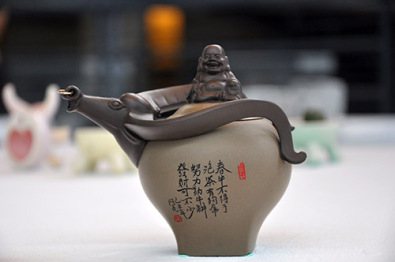
- Pottery in PIngtung – 屏東縣文化中瓷器的角色
- Pottery arts in Pingtung are a fascinating but relatively niche part of Taiwan’s broader ceramic and folk art scene. Pingtung’s pottery combines traditional craftsmanship, local materials, and Indigenous influences, and it reflects both daily utility and artistic expression.
- Pingtung pottery is smaller-scale but culturally rich, reflecting both Han and Indigenous influences. Main materials: local clay, natural pigments, some sand content. Styles range from functional kitchenware to ritual and decorative items. Indigenous motifs are prevalent in mountain townships (Sandimen, Taiwu). Visitors can experience hands-on pottery workshops, see tribal-inspired designs, and purchase unique artisan pieces.
- Among Paiwan & Rukai communities, pottery is often ritualized. Items are created for intended use in ancestral offerings. They are decorated with tribal symbols and patterns. They are sometimes integrated with wood, beads, or stone for multi-material crafts. Workshops may combine pottery making with storytelling, ensuring tribal history & craftsmanship is successfully passed down to younger generations.
- Pingtung does not have the same fame as Yingge in New Taipei or Hualien’s indigenous pottery, but it has locally significant pottery traditions. The region’s pottery is influenced by: (i.) Han Chinese traditions brought by early settlers from Fujian and Guangdong; (ii.) Indigenous Paiwan & Rukai culture, which includes carved patterns & symbolic motifs. Pottery in Pingtung is used for: (i.) Household items (pots, jars, bowls); (ii.) Ritual items (ancestral shrines, offerings); and (iii.) Decorative arts.
- Pottery in Pingtung — especially in Sandimen Township — is often tied to indigenous craftsmanship and tribal heritage, not just “functional ceramics.” Local crafts are kept alive through community efforts, workshops, craft trails, cultural centers, and often combine pottery with beadwork, wood carving, weaving, textile art. Visitors can often participate in DIY pottery or craft workshops, making the arts accessible — good for travellers wanting a “hands‑on” cultural experience (not just viewing finished works).
There is active work in ceramic restoration and heritage conservation, showing that pottery here isn’t just tourist‑oriented but part of preserving local history and material culture.
- Materials: Local clay is sourced from riverbanks and lowland plains. The sand content gives a rough, earthy texture, ideal for rustic pottery. Some artisans mix colored slips or natural pigments to imitate traditional southern Taiwan styles.
- Styles: (i.) Rustic, functional pottery: everyday bowls, water jars, storage pots; (ii.) Indigenous-inspired designs: geometric patterns, animal motifs, and spiritual symbols; (iii.) Decorative pieces for home or tourism markets, such as vases, small sculptures.
- Firing Techniques: Small-scale pottery is usually wood-fired or gas-fired kilns. Some artisans experiment with low-temperature oxidation techniques for unique glazes. Indigenous-style pottery may include smoke-firing or pit-firing for special effects.
- Key Pottery Centers in Pingtung
- Sandimen Township (三地門)
Paiwan Indigenous community
Small decorative pieces, motifs inspired by tribal carvings
- Taiwu Township (泰武)
Indigenous crafts
Functional pottery, ritual jars, small sculptures
- Neipu Township (內埔)
Lowland village pottery
Everyday wares for kitchens, local markets
- Donggang & coastal areas
Small artisan workshops
Seaside-inspired designs, sometimes fused with tourism crafts
- EASY SEARCH FOR MORE LINKS ! . . . . .
- scholar.google.com – Pottery arts in the culture of Pingtung – 屏東縣文化中瓷器的角色 @ Google Scholar
- youtube.com – Pottery arts in the culture of Pingtung – 屏東縣文化中瓷器的角色 @ You Tube . com
- images.google.com – Pottery arts in the culture of Pingtung – 屏東縣文化中瓷器的角色 @ Google Images
- Ceramics in Pingtung – 屏東縣文化中瓷器的角色
- Ceramic arts in Pingtung, Taiwan overlap with pottery but are more art-focused, often combining traditional craft, indigenous motifs, and contemporary artistic experimentation. While Pingtung isn’t as famous as Yingge for large-scale ceramics, it has a rich, locally rooted ceramic culture, especially in artisan villages and Indigenous communities.
- Overview: Ceramic Arts in Pingtung
Ceramics in Pingtung are both functional and artistic, including:
Bowls, plates, jars, teapots
Sculptural or decorative items
Ritual / ancestral pieces
Strong influences:
Paiwan and Rukai Indigenous motifs: geometric carvings, symbolic animals, ritual designs
Han Chinese traditions: utilitarian forms and glazing techniques
Contemporary Taiwanese art trends: abstract, mixed-media, experimental glazes
- Materials & Techniques
Local Clay
Pingtung’s lowland and riverbank clays have a high sand content, producing a rough texture.
Indigenous artisans often use hand-kneaded or sun-dried clay for authenticity.
Firing Methods
Gas kilns and small wood kilns for functional and decorative ceramics
Pit firing or smoke firing for Indigenous or rustic styles
Some contemporary artists experiment with oxidation/reduction glazes to create unique effects
Surface Decoration
Carving: geometric, tribal, or spiritual symbols
Painting / slips: natural pigments
Glazing: sometimes minimal to highlight natural clay texture
- Key Centers & Artists
Location
Type / Specialty
Sandimen Township
Indigenous Paiwan-inspired ceramic sculptures, ritual jars, small hand-built decorative pieces
Taiwu Township
Functional ceramics for daily use, also ritual or symbolic pieces
Neipu Township
Lowland pottery and small-batch ceramic artisans producing utilitarian wares
Art Studios near Donggang / Hengchun
Contemporary ceramic arts, combining seaside inspiration with experimental glazes
- Workshops & Cultural Promotion
Sandimen Craft Trail: Visitors can try hands-on ceramics, alongside beadwork and weaving.
Community centers and artisan studios often host DIY workshops, showing techniques for:
Hand-building
Wheel throwing
Carving and painting
Firing small pieces
Exhibitions and local festivals showcase both traditional and contemporary ceramics. - Indigenous & Ritual Ceramics
Paiwan and Rukai communities often produce ceremonial or ancestral ceramics:
Used in offerings
Decorated with tribal motifs
Sometimes combined with beads, wood, or stone
These pieces are smaller-scale but culturally significant, forming part of the living heritage. - Summary: Ceramic Arts in Pingtung
Combines Indigenous heritage, Han Chinese traditions, and contemporary artistry
Materials: local clay, natural pigments
Techniques: hand-built, wheel-thrown, pit-fired, smoke-fired
Styles: functional wares, ritual pieces, decorative art
Experience: workshops and craft trails allow visitors to learn techniques hands-on
Pingtung ceramics are more niche and culturally specific than the big commercial ceramic centers in northern Taiwan.
- EASY SEARCH FOR MORE LINKS ! . . . . .
- scholar.google.com – Ceramic arts in the culture of Pingtung – 屏東縣文化中瓷器的角色 @ Google Scholar
- youtube.com – Ceramic arts in the culture of Pingtung – 屏東縣文化中瓷器的角色 @ You Tube . com
- images.google.com – Ceramic arts in the culture of Pingtung – 屏東縣文化中瓷器的角色 @ Google Images
- Porcelain in Pingtung – 屏東縣文化中瓷器的角色
- Porcelain arts in Pingtung are closely related to pottery and ceramics but tend to focus on finer materials, thinner forms, and more artistic or decorative pieces. While Pingtung is not Taiwan’s major porcelain hub (that distinction usually goes to Yingge or Tainan), there is a small but vibrant tradition of porcelain making and artistry, often tied to Indigenous culture, local workshops, and contemporary crafts.
- Porcelain Arts in Pingtung
Porcelain refers to high-fired, vitrified ceramic with a smooth, sometimes translucent surface.
In Pingtung, porcelain arts are mostly:
Small-scale artisan workshops
Indigenous-inspired designs
Functional wares (cups, teapots, plates)
Decorative or sculptural items (figurines, art pieces)
The style blends:
Han Chinese traditions (fine porcelain techniques)
Paiwan and Rukai Indigenous motifs (geometric carvings, animals, tribal patterns)
Contemporary experimentation (glazes, textures, and hybrid forms)
- Materials & Techniques
Material
Fine white clay, kaolin, and high-quality local or imported porcelain clays
Sometimes mixed with pigments for colored porcelain
Techniques
Wheel throwing: traditional functional cups, bowls, and teapots
Hand-building: sculptural or ritual items
Slip casting: small decorative pieces
Glazing: clear, celadon, or colored glazes
Firing: high-temperature kilns (>1200 °C) for durability and translucency
Decoration
Painted motifs (floral, tribal, geometric)
Carved or incised designs
Some workshops incorporate mixed-media like beads or wood for hybrid art pieces
- Key Centers in Pingtung
Location
Focus / Specialty
Sandimen Township
Indigenous-inspired porcelain art, sculptural pieces, ceremonial items
Taiwu Township
Small-scale functional porcelain, teapots, cups, ritual vessels
Neipu Township
Artisanal porcelain workshops producing everyday-use items and tourist crafts
Hengchun / Kenting areas
Decorative porcelain souvenirs with coastal or tropical themes
- Indigenous & Cultural Influence
Porcelain pieces in Indigenous communities (Paiwan/Rukai) often serve ceremonial or symbolic purposes:
Offerings in rituals
Ancestral shrine items
Decorative ceremonial pieces
Artists may combine porcelain with traditional patterns, carvings, and natural materials, bridging modern craft with heritage.
- Porcelain arts in Pingtung are niche but culturally rich, blending traditional techniques, Indigenous motifs, and contemporary artistry.
Key forms:
Functional wares: cups, bowls, teapots
Decorative sculptures
Ceremonial pieces
Techniques: wheel throwing, hand-building, slip casting, glazing, high-temperature firing
Key regions: Sandimen, Taiwu, Neipu, Hengchun/Kenting
Visitors can experience hands-on workshops, making porcelain while learning about cultural significance.
- EASY SEARCH FOR MORE LINKS ! . . . . .
- scholar.google.com – Porcelain arts in the culture of Pingtung – 屏東縣文化中瓷器的角色 @ Google Scholar
- youtube.com – Porcelain arts in the culture of Pingtung – 屏東縣文化中瓷器的角色 @ You Tube . com
- images.google.com – Porcelain arts in the culture of Pingtung – 屏東縣文化中瓷器的角色 @ Google Images
SHOPPING – 購 屋
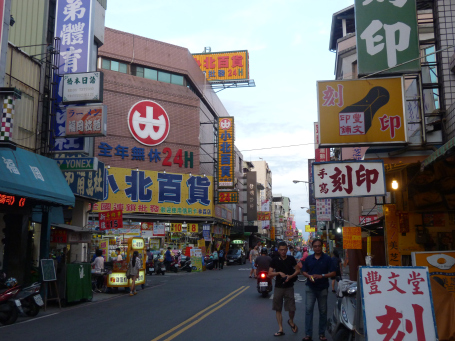
- Shopping in Pingtung – 屏東縣文化中購屋的角色
- Shopping in Pingtung tends to be local, relaxed, and rooted in everyday life or tourism‑market styles. You won’t find (much) glitzy mega‑mall culture like Taipei or Kaohsiung; instead you’ll see a mix of:
Night markets (food, souvenirs, clothes, beach‑town items)
Traditional/open‑air markets (produce, seafood, everyday groceries)
Beach & tourist‑oriented shops (souvenirs, swimwear, shell handicrafts)
Small‑town markets & rotating community markets — sometimes creative, artisanal, or seasonal stalls
Because Pingtung is coastal / tropical / rural, many shopping opportunities are tied to local culture, fishing/seafood, fresh produce, fruit, and tourism rather than luxury retail.
- Minzu Night Market. One of the oldest/long‑established night markets in Pingtung City — also called “Pingtung Tourist Night Market.”
Offers around 100 stalls along ~200 m of street, with a mix of food, snacks, souvenirs, clothes, and everyday items.
Great for trying local eats, picking up souvenirs — plus it gives a feel for local nightlife & community life.
- Kenting Street Night Market (in the south, near beach/tourist zones). Popular with tourists, especially after dark — shops, stalls, and souvenir vendors open in the evening when beach visitors return.
Many shops sell ocean‑themed souvenirs: seashell wind‑chimes, shell photo‑frames, beach gear, swimwear — good for holiday visitors.
Also clothing, shoe shops, and tourist‑oriented goods.
Traditional Markets & Local Markets (Produce, Seafood, Everyday Goods)
- For example, the Pingtung City North District Traditional Market — you can buy fresh fruit, vegetables, meats, local specialties, and everyday groceries.
If you want seafood, the Huaqiao Market (in harbor town Donggang) offers fresh fish and seafood — good if you want to cook or try local catch.
These markets reflect daily life for many local residents; they’re also a way to see local produce, tropical fruit, and coastal specialties.
- Pingtung also has smaller or newer markets organized by community or youth groups — for example markets in revitalized zones or old quarters, selling local crafts, handmade goods, creative arts, small‑batch products.
These tend to offer a different vibe — more artisanal / creative than tourist‑souvenir — good if you’re interested in local culture or unique finds.
- Because of its location, history, and climate, Pingtung shopping often centers around:
Local tropical fruits & fresh produce — fruits grown in Pingtung’s plains or mountains
Seafood and fish — fresh catch from coastal towns like Donggang
Souvenirs & handicrafts — especially ocean/harbor‑themed, or local‑style crafts
Beach‑ and tourism‑oriented goods — swimwear, sunscreen, casual clothes, holiday items (especially near Hengchun/Kenting)
Everyday goods, produce and food supplies — via traditional markets used by locals
Artisanal and creative products — local crafts, handmade items, small‑batch souvenirs or gifts
- How Shopping in Pingtung Differs from Big Cities
It’s less about malls and luxury brands, more about everyday life, local produce, night markets, beach‑town souvenirs, and community‑market culture.
You get fresh local food, seafood, tropical fruit, handmade souvenirs — items tied to Pingtung’s geography and lifestyle.
Shopping often mixes with local culture, food, tourism, and seasonal rhythms (harvests, fishing, holidays), making shopping feel more like a cultural experience than just retail.
For tourists — especially those exploring southern Taiwan — Pingtung’s markets & night‑markets offer a good blend of local flavor, relaxed atmosphere, and affordable finds.
- EASY SEARCH FOR MORE LINKS ! . . . . .
- scholar.google.com – Shopping in the culture of Pingtung – 屏東縣文化中購屋的角色 @ Google Scholar
- youtube.com – Shopping in the culture of Pingtung – 屏東縣文化中購屋的角色 @ You Tube . com
- images.google.com – Shopping in the culture of Pingtung – 屏東縣文化中購屋的角色 @ Google Images
TEA – 茶

- Tea in Pingtung – 屏東縣文化中茶的角色
- Tea in Pingtung, Taiwan is quite different from the famous high-mountain oolongs of central Taiwan. Pingtung’s tea culture is shaped by its tropical climate, coastal plains, and Indigenous mountain regions, giving it a unique, lesser-known tea identity.
- Why Pingtung Tea Is Unique
Pingtung is:
Hot and humid year-round
Low elevation in the plains
Mountainous in the north and east
Strong sunlight + frequent rain
This means:
It is not ideal for classic high-mountain oolong
But it is suitable for:
Black tea
Green tea
Herbal & wild mountain teas
Experimental low-altitude tea
Pingtung tea tends to be:
More robust
More fragrant
Often brighter and stronger than high-mountain tea
- Black Tea (紅茶) – Pingtung’s Strongest Category
Black tea grows well in Pingtung’s heat and is often:
Malty
Honey-sweet
Slightly fruity
Low in bitterness
Common uses:
Straight hot tea
Milk tea
Cold-brew bottled tea
This is the most commercially viable tea type for southern Taiwan.
- Green Tea (綠茶)
Green tea in Pingtung is usually:
Pan-fired (not steamed)
Nutty
Fresh
Slightly grassy
Lower in umami than Japanese teas
It is mostly:
Locally consumed
Rarely exported
Brewed lightly for hot weather
- Indigenous & Wild Mountain Teas
In mountain townships like:
Taiwu (泰武)
Sandimen (三地門)
Shizi (獅子)
Chunri (春日)
Indigenous Paiwan and Rukai communities harvest:
Wild mountain tea (野生山茶)
Often hand-picked
Naturally pesticide-free
Sun-withered and lightly oxidized
These teas are:
Earthy
Woody
Slightly smoky
Sometimes medicinal
They are usually sold in:
Small batches
Local festivals
Indigenous markets
- Herbal & Non-Camellia “Teas”
Pingtung is also famous for tea-like herbal infusions, such as:
Roselle (洛神花茶) – tart, ruby-red, vitamin-rich
Lemongrass tea
Longan flower tea
Wild vine & root teas
These are often labeled as:
花茶 (flower tea)
養生茶 (health tea)
They are extremely popular in:
Summer
Night markets
Traditional medicine shops
- Key Tea-Growing Areas in Pingtung
Area
Tea Type
Style
Pingtung Plains
Black & green tea
Commercial, low-altitude
Taiwu Township
Wild mountain tea
Indigenous, small-batch
Sandimen
Herbal + wild teas
Cultural & medicinal
Shizi / Chunri
Mountain tea
Earthy, hand-processed
- How Pingtung Tea Is Usually Drunk
Strong hot black tea in the morning
Cold green tea in extreme heat
Herbal tea at night
Wild mountain tea for special guests
Sweetened tea beverages are much more common than pure ceremonial tea drinking in everyday Pingtung life.
- Tea Culture vs. Central Taiwan
Feature
Pingtung
Alishan / Nantou
Elevation
Low to mid
High
Main Tea
Black & green
Oolong
Flavor
Bold, direct
Floral, creamy
Farming
Small & experimental
Large & established
Export
Low
High
- Tea & Indigenous Culture
Among the Paiwan and Rukai peoples:
Tea is used for:
Guest greeting
Seasonal rituals
Mountain offerings
Wild tea is often:
Sun-dried on bamboo trays
Roasted over wood fire
Stored in ceramic jars
Tea here is more about:
Connection to land
Ancestral practice
Health and balance
Than formal tea ceremony
- Summary: Tea in Pingtung
Pingtung is not a high-mountain oolong region.
It specializes in:
Black tea
Lowland green tea
Wild indigenous mountain tea
Herbal infusions
Tea is mostly:
Locally produced
Small-scale
Climate-adapted
The strongest cultural tea influence comes from:
Indigenous mountain communities
Traditional herbal medicine culture
- EASY SEARCH FOR MORE LINKS ! . . . . .
- scholar.google.com – Tea in the culture of Pingtung – 屏東縣文化中茶的角色 @ Google Scholar
- youtube.com – Tea in the culture of Pingtung – 屏東縣文化中茶的角色 @ You Tube . com
- images.google.com – Tea in the culture of Pingtung – 屏東縣文化中茶的角色 @ Google Images
TEMPLES – 寺 廟

- Temples in Pingtung – 屏東縣文化中寺廟的角色
- Pingtung County is one of southern Taiwan’s richest regions for temple culture, blending Han Chinese folk religion, Buddhism, Taoism, and Indigenous Paiwan/Rukai spiritual traditions. Temples here are not just religious sites—they are community centers, festival hubs, and living history landmarks.
- Pingtung temples typically reflect Southern Fujian & Hakka architectural styles. Common features of Pingtung temple architecture include: Swallowtail roof ridges (燕尾脊), Colorful ceramic roof dragons, Stone lion guardians, Hand-painted door gods &
Wood carvings of historical epics. Because of the tropical climate in PIngtung, the roofs are extra steep for rain & Stone foundations are raised against flooding.
- There is strong temple worship in Pingtung of: (i) Mazu (媽祖) – sea goddess; (ii) Wangye (王爺) – plague-dispelling deities; (iii) Guanyin (觀音) – goddess of mercy; (iv) Guandi (關帝) – god of loyalty and war.
- Temple life is tightly connected to: (i) Fishing (ii) Farming, and (iii) Disease prevention rituals. The spirituality of the indigenous Paiwan & Rukai peoples in Pingtung adds a unique non-Han religious layer to temple worship and temple life.
- Many temples are 200–300+ years old, built by early Han settlers from Fujian and Guangdong. Temple life is heavily connected to: (i) Fishing culture (ii) Agricultural cycles (iii) Typhoon and (iv) sea protection rituals.
- What Visitors Usually Do at Pingtung Temples Even non-religious visitors often:
Light incense for good luck Draw fortune sticks (求籤) Buy protective amulets
Watch: Spirit medium rituals Processions Firewalking ceremonies.
- Major Temple Festivals: (i) King Boat Festival Donggang Giant ritual boat burned Mazu Birthday County-wide Parades, fireworks, pilgrimages (ii) Ghost Festival Many temples Ancestral feeding rituals God of Wealth Birthday Checheng Massive crowds, fortune ritualsThese events mix: Taoist chanting Drum troupes Firecrackers Lion & dragon dances.
- Indigenous Spiritual Sites (Not Traditional “Temples”). Pingtung is home to major Paiwan and Rukai communities. Their sacred spaces include: Ancestral spirit houses Stone ceremonial platforms Sacred mountain shrines. These emphasize: Sun worship Ancestral protection Nature spirits Rather than formal statues or incense halls.
- Pingtung has hundreds of active temples, from fishing villages to mountain towns.
The most famous are: Checheng Fu’an Temple (God of Wealth) Donggang Donglong Temple (King Boat) Pingtung Mazu Temple
- Checheng Fu’an Temple (車城福安宮) – God of Wealth
Biggest God of Wealth temple in Taiwan
Draws millions of pilgrims annually
Especially crowded during:
Lunar New Year
Business opening seasons
Visitors pray for:
Wealth
Career success
Business protection
- Donggang Donglong Temple (東港東隆宮) – Wangye King Boat Temple
Spiritual center of the Donggang King Boat Festival
Hosts one of Taiwan’s most dramatic rituals:
A massive wooden king boat is burned to carry away disease and bad luck
The festival occurs every 3 years
Recognized as a national folk religion treasure
- Pingtung Mazu Temple (屏東天后宮)
Protects:
Fishermen
Travelers
Families
Mazu processions regularly pass through:
Downtown Pingtung City
Coastal villages
- Kenting Sheding Guanyin Temple (墾丁社頂觀音寺)
Set in the hills above Kenting
Known for:
Peaceful forest setting
Sea views
Buddhist meditation atmosphere
- https://www.i-pingtung.com – Temples in the culture of Pingtung – 屏東縣文化中寺廟的角色
- https://yingtingshih.com – Temples in the culture of Pingtung – 屏東縣文化中寺廟的角色
- https://yingtingshih.com – Temples in the culture of Pingtung – 屏東縣文化中寺廟的角色
- https://yingtingshih.com – Temples in the culture of Pingtung – 屏東縣文化中寺廟的角色
- https://focustaiwan.tw – Temples in the culture of Pingtung – 屏東縣文化中寺廟的角色
- https://www.taipeitimes.com – Temples in the culture of Pingtung – 屏東縣文化中寺廟的角色
- https://ocacnews.net – Temples in the culture of Pingtung – 屏東縣文化中寺廟的角色
- https://heroesofadventure.com – Temples in the culture of Pingtung – 屏東縣文化中寺廟的角色
- https://www.kingboat.bexweb.tw – Temples in the culture of Pingtung – 屏東縣文化中寺廟的角色
- https://www.fun2tw.com – Temples in the culture of Pingtung – 屏東縣文化中寺廟的角色
- https://crgis.rchss.sinica.edu.tw – Temples in the culture of Pingtung – 屏東縣文化中寺廟的角色
- https://www.66.org.tw – Temples in the culture of Pingtung – 屏東縣文化中寺廟的角色
- https://www.kkday.com – Temples in the culture of Pingtung – 屏東縣文化中寺廟的角色
- https://www.gfc.com.tw – Temples in the culture of Pingtung – 屏東縣文化中寺廟的角色
- https://www.trip.com – Temples in the culture of Pingtung – 屏東縣文化中寺廟的角色
- https://www.walkerland.com.tw – Temples in the culture of Pingtung – 屏東縣文化中寺廟的角色
- https://www.walkerland.com.tw – Temples in the culture of Pingtung – 屏東縣文化中寺廟的角色
- https://en.wikipedia.org – Temples in the culture of Pingtung – 屏東縣文化中寺廟的角色
- https://en.wikipedia.org – Temples in the culture of Pingtung – 屏東縣文化中寺廟的角色
- https://www.taipeitimes.com – Temples in the culture of Pingtung – 屏東縣文化中寺廟的角色
- https://www.ciaonihon.com – Temples in the culture of Pingtung – 屏東縣文化中寺廟的角色
- https://www.i-pingtung.com – Temples in the culture of Pingtung – 屏東縣文化中寺廟的角色
- https://www.taipeitimes.com – Temples in the culture of Pingtung – 屏東縣文化中寺廟的角色
- https://city.gvm.com.tw – Temples in the culture of Pingtung – 屏東縣文化中寺廟的角色
- EASY SEARCH FOR MORE LINKS ! . . . . .
- scholar.google.com – Temples in the culture of Pingtung – 屏東縣文化中寺廟的角色Google Scholar
- youtube.com – Temples in the culture of Pingtung – 屏東縣文化中寺廟的角色 @ You Tube . com
- images.google.com – Temples in the culture of Pingtung – 屏東縣文化中寺廟的角色 @ Google Images
- Monasteries in Pingtung – 屏東縣文化中修道院的角色
- Pingtung does have monasteries and Buddhist temples, but relatively few compared with the rest of Taiwan. The most established is 東山禪寺 — a Zen (禪) temple / nuns’ monastery in Pingtung City, with a long history (since 1924) and significant local religious influence. 台灣普濟禪寺 (in Shizi Township) is also a significant monastery in Pingtung. According to a recent database of Taiwanese Buddhist temples (2025), there are over 3,300 Buddhist temples/temple-like organizations across Taiwan, but Pingtung County only accounts for a small fraction of them. Many temples in Pingtung are a mix of folk-religion, Taoist and Buddhist elements — rather than strictly monastic.
- 東山禪寺 (Dongshan/“East-Mountain” Zen Temple). Originally founded in 1924 (officially established 1925) under the name “屏東佛教臨濟宗佈教所. Later renamed 東山禪寺, after “half-Pen Mountain’s east” (半屏山之東) — reflecting its geographic / symbolic position. The temple grounds are relatively large, with a main hall (大雄寶殿), a pagoda (“安樂塔”), a “return-souls hall” (歸魂堂), a library, pavilions, and more. Over the decades it developed into a significant nuns’ monastery (尼眾道場) — meaning it’s one of the main centers for Buddhist nuns in Pingtung, aiming at monastic training and community religious life. ocated in Pingtung City: address is 修德巷 6號, not far from the train station — so relatively easy to visit even if you’re traveling. According to a recent 2025 travel-blog post, the temple remains a peaceful spot for reflection and still welcomes visitors. Why it matters: 東山禪寺 represents one of Pingtung’s oldest organized Buddhist communities, with Zen/Chan influences (due to its “禪寺” designation) and a living monastic tradition. If you’re interested in contemporary Taiwanese Buddhism outside major tourist temples, this is one of the best local examples.
- 台灣普濟禪寺 (Taiwan Puji Chan/Zen Temple — in Shizi Township). This temple was built in 1992 (民國 81年). Its address is in Shizi Township: 龍山路楓林二巷 118號. The main deity is Guanyin (觀世音菩薩) — although it also enshrines other folk deities (common in Taiwanese Buddhist-folk mix temples). The temple offers a sweeping view of sea + mountains and is perched at elevation with a “sea-view & sunset-view” atmosphere. It’s known locally as a place for contemplation, local worship & enjoying nature together with “spiritual atmosphere”.
- EASY SEARCH FOR MORE LINKS ! . . . . .
- scholar.google.com – Monasteries in the culture of Pingtung – 屏東縣文化中修道院的角色 @ Google Scholar
- youtube.com – Monasteries in the culture of Pingtung – 屏東縣文化中修道院的角色 @ You Tube . com
- images.google.com – Monasteries in the culture of Pingtung – 屏東縣文化中修道院的角色 @ Google Images
- Shrines in Pingtung – 屏東縣文化中聖地的角色
- In Pingtung, the word “shrine” usually refers to small folk-religion sanctuaries, roadside spirit shrines, Wangye (plague god) altars, indigenous sacred sites & nature-linked worship spaces, rather than formal Shinto-style shrines. These shrines are deeply woven into village life, fishing culture, disease-prevention rituals & spirituality of the local Indigenous People Groups.
- Shrines in Pingtung are encountered everywhere in daily life. Major types include: (i.) Wangye plague shrines; (ii.) Earth God roadside shrines; (iii.) Sea spirit & Mazu shrines; (iv.) Indigenous ancestral stone shrines; and (v.) Ghost / yin spirit shrines. Daily interactions with shrines include: (i.) lighting incense in the morning before work; (ii.) leaving on offering of fruit for the diety after a successful fishing trip; (iii.) asking for safety during an upcoming trip; (iv.) praying for luck on student exams; (v.) wishing for success in a business venture; (v.) burning spirit money during Ghost Month (the 7th lunar month); (vi.) rituals connected with funerals; and (vii.) prayers for salvation from epidemics.
- Shrines in Pingtung are typically much smaller than full temples. They are open-air or semi-enclosed. They are maintained by villages, fishing associations, or families & clans. They often coexist right next to: houses, harbors, fields, crossroads, forest edges & Mountain paths.
- Wangye & Plague-Prevention Shrines (王爺祠) are among the most culturally important shrines in Pingtung, especially in coastal fishing towns like Donggang, Linbian, and Checheng. They are dedicated to the worship of Wangye (Royal Lords) who are plague-dispelling gods. Prayers are offered for protection from disease, epidemics, marine disasters & community-wide misfortune. Wangue Shrines are usually small red or yellow structures with incense burners outside. Paper talismans are pasted on the walls, and are sometimes marked with the characters “代天巡狩” meaning “Heaven’s Inspector”. These shrines are directly linked to the famous King Boat festivals of southern Pingtung.
- Roadside Earth God Shrines (土地公) are the most common shrines. They are encountered anywhere in Pingtung from cities to mountain villages. They have been constructed to worship “Tudi Gong” (the Earth God), who is a protector of land, farms, homes & businesses. They are located beside fields, shops, factories, housing blocks & plantations of bananas, pineapples, and betel nuts. The local populace prays at these shrines for success in business ventures, a safe harvest, “peace in the neighborhood” & protection from accidents. Many farmers will leave daily offerings to the diety consisting of betel nuts, rice wine & fruit.
- Coastal Sea Spirit & Mazu Shrines are found along the coastline and in ports including in Donggang, Fangliao & Checheng. These shrines are dedicated to: (i.) the sea goddess Mazu; (ii.) famous sea generals; (iii.) drowned spirits; and (iv) marine protectors. The shrines are intended: (i) to help protect fishermen at sea; (ii.) to provide safety for boats and fishing nets; (iii.) to furnish protection from injury during storms; and (iv.) the general safety of the crew on fishing boats. Some are nothing more than a stone slab, an incense cup, or a red painted niche in a harbor wall. But they receive the attention of religious worshipers 12 months through the year.
- Indigenous Paiwan & Rukai Sacred Shrines are found in the mountain townships of Pingtung (Shizi, Sandimen, Taiwu, Chunri). These shrines are not “temples”; they are stone ancestor platforms, spirit houses, sacred trees & mountain guardian stones. They are the sites of seasonal rites to seek blessings for hunting, and to receive protection from crisis situations. Worshipers leave offerings to the dieties and spririts such as millet wine, cooked pork, glass beads, and carved wooden poles. These shrines are closely-guarded cultural heritage sites & are not treated as tourist attractions.
- Yin Shrines for Unnamed Spirits (陰廟 / 有應公祠) are ghost shrines located across Pingtung. These honor: (i.) unknown dead; (ii.) drowning victims; (iii.) accident victims; and (iv.) wandering souls. People believe these spirits can cause illness if they are ignored & can protect travelers if they are respected. They are especially common: (i.) at road bends; (ii.) near rivers, and (iii.) at accident sites
- Japanese-Era Shrine Remnants. During Japanese rule (1895–1945), Shinto shrines were placed across Pingtung. Some of these shrines survive at the current time, but they are rare. Most were either destroyed or converted into Chinese temples after the Japanese occupation ended. The relics of those that remain include: (i.) stone steps; (ii.) torii fragments; and (iii.) foundation platforms. These sites are now treated as historic ruins, not active shrines.
- i-pingtung.com – i-Pingtung Official Travel Guide @ i-Pingtung . com
- 8558.tw – Temples/Main Deities/Temple Addresses/Phone Numbers in Pingtung City, Pingtung County @ 8558 (Astrology & Fortune telling website)
- wikimedia.org – Category: Tudigong temples in Pingtung @ Wikimedia . org
- wikimedia.org = Category: Religious statues in Pingtung @ Wikimedia . org
- discoverinsider.com – Pingtung shrines @ Discover Insider website
- https://dguidedwalks.no1tree.tw
- EASY SEARCH FOR MORE LINKS ! . . . . .
- scholar.google.com – Shrines in the culture of Pingtung – 屏東縣文化中聖地的角色 @ Google Scholar
- youtube.com – Shrines in the culture of Pingtung – 屏東縣文化中聖地的角色 @ You Tube . com
- images.google.com – Shrines in the culture of Pingtung – 屏東縣文化中聖地的角色 @ Google Images
- Pagodas in Pingtung – 屏東縣文化中寶塔的角色
- _____ – Pagodas in the culture of Pingtung – 屏東縣文化中寶塔的角色
- EASY SEARCH FOR MORE LINKS ! . . . . .
- scholar.google.com – Pagodas in the culture of Pingtung – 屏東縣文化中寶塔的角色 @ Google Scholar
- youtube.com – Pagodas in the culture of Pingtung – 屏東縣文化中寶塔的角色 @ You Tube . com
- images.google.com – Pagodas in the culture of Pingtung – 屏東縣文化中寶塔的角色 @ Google Images
WINE & SPIRITS – 酒

- Wine in Pingtung – 屏東縣文化中酒文化的角色
- Pingtung is a region better known for tropical fruit than for traditional grape wine, but this area of the Island of Taiwan is quietly building a distinctive wine culture. Pingtung sits at Taiwan’s southernmost tip, giving it : (i.) Tropical climate, with hot, humid, long summers; (ii.) High fruit diversity (mangoes, pineapples, roselle, wax apples); (iii. )Short winters & strong sunlight. This environment is not ideal for classic European grape varieties, so Pingtung’s wine identity is built mainly on fruit wines, experimental local grapes & small-batch artisanal production.
- Instead of Cabernet or Chardonnay, Pingtung specializes in tropical fruit wines, including: (i.) Pineapple wine – bright, acidic, lightly sweet (ii.) Mango wine – rich aroma, dessert-style; (iii.) Roselle (hibiscus) wine – deep red, tart, floral (iv.) Wax apple (蓮霧) wine & (v.) Longan wine. These wines often have a light to medium alcohol content (8–12%), are slightly sweet or semi-dry & go well with hot-weather enjoyment of wine beverages.
- Traditional grape wine exists, but is limited and experimental due to climate challenges. The main varieties of grapes that are grown in Pingtung are: (i.) Black Queen (黑后葡萄) – the most successful wine grape in Taiwan; (ii.) Golden Muscat–type hybrids & (iii.) New heat-resistant experimental varieties.
- There are several challenges for successful of development of grape wine here: (i.) Fungal disease from humidity; (ii.) Typhoons during harvest season; and (iii.) High sugar but lower acidity. As a result, Pingtung grape wines are typically softer in structure, lower in tannins & are intended for early drinking, not long aging.
- Most Pingung wine is produced by Agricultural Associations (農會). These typically produce Pineapple wine, Roselle wine & Rice wine with tropical infusions. The associations focus on supporting farmers, reducing fruit waste & boosting the economy catering to local tourism. There are also Small Craft Wineries which are family-run businesses. They typically produce natural fermentation fruit wines which are sold in low-sulfite or additive-free bottles. They produce limited annual batches which are often sold at farm shops, local festivals & through on-line marketplaces for Taiwan products.
- Pingtung is also known for: Sugarcane spirits, Herbal liquors & Rice-based alcohol. Overaall, wine remains a niche market compared with Kaoliang (sorghum liquor), beer & Taiwan whiskey.
- Wine in Pingtung often appears during: Harvest festivals, Indigenous cultural events (particularly in Paiwan & Rukai areas), and at farm-to-table tourism experiences. Indigenous producers sometimes incorporate local herbs, practice wild yeast fermentation, and traditional fermentation techniques. These give some wines a distinctly Taiwanese character, very different from European wines.
- taiwan-panorama.com – Taiwan Fruit Wines up to World Standards @ Taiwan Panorama e-zine
- amcham.com.tw – Pingtung Beckons for Tourism and Fruit @ American Chamber of Commerce in Taiwan
- foreignersintaiwan.com – Taiwan Fruit Guide 台灣水果指南 @ Foreigners in Taiwan website
- taiwantourisme.com – Pingtung County @ Travel in Taiwan e-zine
- tripadvisor.com – Wineries & Vineyards in Taiwan @ Trip Advisor . com
- taiwaneverything.cc – Premium Taichung Wineries @ Taiwan Everything website
- taiwan.net.tw – Taiwan – the Heart of Asia
- ardswc.gov.tw – Taiwan Winery Tour Savoring the Finest Local Wine @ Taiwan Agency of Rural Development & Soil and Water Conservation – website
- youtube.com – The Thousand Faces of Taiwanese Fruit Wine @ Youtube . com
- EASY SEARCH FOR MORE LINKS ! . . . . .
- scholar.google.com – Wine in the culture of Pingtung – 屏東縣文化中酒文化的角色 @ Google Scholar
- youtube.com – Wine in the culture of Pingtung – 屏東縣文化中酒文化的角色 @ You Tube . com
- images.google.com – Wine in the culture of Pingtung – 屏東縣文化中酒文化的角色 @ Google Images
- Traditional liquor in Pingtung – 彰化縣文化中傳統酒的角色
- _____ – Traditional liquor in the culture of Pingtung – 彰化縣文化中傳統酒的角色
- EASY SEARCH FOR MORE LINKS ! . . . . .
- scholar.google.com – Traditional liquor in the culture of Pingtung – 彰化縣文化中傳統酒的角色 @ Google Scholar
- youtube.com – Traditional liquor in the culture of Pingtung – 彰化縣文化中傳統酒的角色 @ You Tube . com
- images.google.com – Traditional liquor in the culture of Pingtung – 彰化縣文化中傳統酒的角色 @ Google Images
* * * * *
Click here for the CloudBridge Home Page for Pingtung
Click here for links to Language & Peoples of PIngtung
Click here for links to Business for PIngtung
Click here for links to Travel for PIngtung
Click here for links to Nature & Environment of Pingtung
For links to Culture of PIngtung . . . . .
. . . . . please scroll up through this page
* * * * *
NOTE : This site contains links to our ”favorite” and “most useful” websites . . . but the CloudBridge Project does not endorse or guarantee any of the products or services available through the links on the pages of this website.
本站包含了我們的 “最愛” 以及 “最有用” 的網站連結,但雲橋語文計劃並不保證其連結的有效性或對其背書.
Welcome to send us an email with your thoughts or comments:
欢迎用电子邮件的方式分享您的意见和建议:
Email: CloudBridgeTaiwan@gmail . com
LATEST PAGE UPDATE: March 11 , 2026
最後一次更新時間為: 2026 / 03 / 11
Copyright ©2021 CloudBridge Project. All rights reserved.
版權所有 ©2021 雲橋語文計劃. 保留所有權利.
 CloudBridgeTaiwan