* * * * *
台灣 / 屏東縣
商務資訊
* * * * *
Click for the CloudBridge Home Page
to Languages & Peoples of Pingtung
Click for links to Travel for Pingtung
Click for links to Culture for Pingtung
to Nature & Environment of Pingtung
For links to Business
for Pingtung . . . . .
. . . . . scroll down through this page
Click to return to the Home Page
* * * * *

( ontheworldmap.com )

& Penghu, Kinmen & Matsu Islands
Also shown are:
Green Island ( Lu Dao ) & Orchid Island ( Lan Yu )
( cia.gov )

( wikipedia.org )
* * * * *
Links to individual topics
for PINGTUNG – BUSINESS
are displayed on this page
in the following categories :

BUSINESS CULTURE – 商務資訊文化 … CURRENCY – 匯率 … CYBER CAFE’s – 網路咖啡館 … DRINKING WATER – 飲用水 … EDUCATION – 教 育 … EX–PAT INFO – 外籍人士資訊 … GOVERNMENT – 政府 … LIBRARIES – 圖書館 … MEDIA WEB – 媒體網 … MILITARY – 軍事 … PLACE NAMES – 地名 … PORTS – 港口 … POSTAGE STAMPS – 郵票 … POSTAL SERVICES – 郵政 … SCIENCE – 科學 … SECURITY – 安全 … TECHNOLOGY – 技術
* * * * *
PINGTUNG
台灣 / 屏東縣
BUSINESS
商 務 資 訊
* * * * *
BUSINESS CULTURE – 商 務 資 訊 文 化

( amcham.com.tw )
- Business Culture in Pingtung
- 屏東縣文化商務資訊的角色
- _____ – Business in the Culture of Pingtung – 屏東縣文化商務資訊的角色
- topics.amcham.com.tw – “Taiwan Business Topics” e-zine (Published by the American Chamber of Commerce in Taiwan
- EASY SEARCH FOR MORE LINKS ! . . . . .
- scholar.google.com – Business in the Culture of Pingtung – 屏東縣文化商務資訊的角色 @ Google Scholar
- youtube.com – Business in the Culture of Pingtung – 屏東縣文化商務資訊的角色 @ YouTube . com
- images.google.com – Business in the Culture of Pingtung – 屏東縣文化商務資訊的角色 @ Google Images
- Development in Pingtung
- 屏東縣文化中發展的角色
- _____ – Development in the culture of Pingtung – 屏東縣文化中發展的角色
- renewablesroadmap.iclei.org – “Reclaiming non-arable land for energy from solar voltaics” @ “100% Renewables Cities & Regions Roadmap Project” @ ICLEI – “Local Governments for Sustainability” website. (Formerly: International Council of Local Environmental Initiatives. A global network of governments committed to sustainable urban development.)
- EASY SEARCH FOR MORE LINKS ! . . . . .
- scholar.google.com – Development in the culture of Pingtung – 屏東縣文化中發展的角色 @ Google Scholar
- youtube.com – Development in the culture of Pingtung – 屏東縣文化中發展的角色 @ YouTube . com
- images.google.com – Development in the culture of Pingtung – 屏東縣文化中發展的角色 @ Google Images
- Economy of Pingtung
- 屏東縣文化中經濟的角色
- Pingtung’s economy is built on fruit, seafood, tourism & increasingly on agricultural technology renewables. Agriculture has historically been the most noteworthy part of Pingtung’s economy. The county’s tropical climate allows year-round farming & multiple harvests. The major crops include: Pineapples, Mangoes, Bananas, Wax apples, Papayas, Rice, Red beans & Onions. The key economic strengths of Pingtung include: (i.) Warm climate for agriculture; (ii.) Robust fisheries; (iii.) Available land for development; (iv.) serious potential & attractiveness for tourism; (iv) a growing biotech sector; & (v.) Infrastructure projects like a planned extension of the high-speed rail (HSR) line.
- Pingtung produces a large share of Taiwan’s tropical fruit. The region supplies about half of Taiwan’s papayas & a majority of its pineapples & wax apples. Because of the warm climate, farmers can sometimes harvest three rice crops per year, more than most other regions in Taiwan.
- Fisheries & Aquaculture are also important in the Pingtung Economy. With a long coastline Pingtung has one of Taiwan’s most productive fishing industries. Important products include: Bluefin tuna, Grouper, Shrimp, assorted Aquaculture species & Ornamental fish. The port town of Donggang is famous for its bluefin tuna fishing and festival which also attracts tourism.
- Pingtung is trying to add value to its agricultural output rather than only exporting raw products. The Pingtung Agricultural Biotechnology Park hosts many companies working on food processing, biotech agriculture, development of cosmetics from agricultural products & aquaculture technology. +100 companies have invested hundreds of millions of dollars in this sector.
- Tourism has become increasingly important. Major attractions include: Beaches & coral reefs, National parks, Seafood cuisine & cultural festivals. The government has invested in tourism hubs such as Dapeng Bay and nearby islands to expand recreational and marine tourism.
- PIngtung is less industrialized than northern Taiwan but the region still furnishes facilities and infrastructure to support: food manufacturing, machinery & electronics factories, textiles, logistics services. Current estimates are that the economy of Pingtung is distributed between Industry (about 40% of economic output); Services including tourism (about 44%); Agriculture (about 15%). Thus the economy of Pingtung is successfully diversifying.
- Pingtung has also invested in newer sectors including: solar energy, marine energy
digital infrastructure, “smart” agriculture & “5G-enabled” food processing. Pingtung is one of Taiwan’s leaders in renewable energy deployment which will help to modernize rural industries.
- platformexecutive.com – Pingtung Business Environment and Economic Overview @ Platform Executive . com (Platform Executive is a global market research & strategic intelligence firm headquartered in Sydney, Australia.)
- taiwantrade.com – Current state of the internationalization among industries in Pingtung @ Taiwan Trade . com (A collaboration of the Foreign Trade Administration of the Ministry of Economic Affairs of the Government of the Republic of China on the Island of Taiwan & The Taiwan External Trade Development Council).
- redtartans.com – Taiwan Economy in Overview @ Red Tartans . com
- ecct.com.tw – Lunch with Pingtung Magistrate Pan @ European Chamber of Commerce Taiwan – website
- wikipedia.org – Pingtung County – 屏東縣 @ Wikipedia . org
- wingzero.tw – Pingtung County – Administrative Divisions @ Wingzero.tw – website
- atp.gov.tw – Pingtung Agricultural Science & Technology Park – website ( Ministry of Agriculture of the Government of the Republic of China on the Island of Taiwan.)
- intelligentcommunity.org – Pingtung County @ Intelligent Community Forum – website
- EASY SEARCH FOR MORE LINKS ! . . . . .
- scholar.google.com – Economy in the culture of Pingtung – 屏東縣文化中經濟的角色 @ Google Scholar
- youtube.com – Economy in the culture of Pingtung – 屏東縣文化中經濟的角色 @ YouTube . com
- images.google.com – Economy in the culture of Pingtung – 屏東縣文化中經濟的角色 @ Google Images
- Trade in Pingtung
- 屏東縣文化中貿易的角色
- Trade in Pingtung County is shaped by agriculture, fisheries & biotechnology industries. Compared with big Taiwanese cities that focus on electronics Pingtung’s economy is strongly tied to food production & export markets. Trade in Pingtung revolves around food, particularly fruit & seafood, plus agricultural technology. Pingtung’s warm climate & coastal location make it one of Taiwan’s key export bases for tropical agriculture & aquaculture. In addition to agriculture & seafood, Pingtung is developing: (i.) green energy industries; (ii.) tourism-related businesses; and (iii.) health and long-term care services.
- Products from Pingtung are commonly exported to: Mainland China, Japan, Southeast Asia & the United States. Pingtung is one of Taiwan’s most productive farming regions. Major export products include: Pineapples, Mangoes, Lemons, Betel nuts & other tropical crops Pingtung produces around 70% of Taiwan’s lemons & large quantities are exported overseas including both fresh fruit & bottled lemon juice to markets such as China and other parts of Asia.
- Pingtung is also one of Taiwan’s most important fishing & aquaculture centers. Key seafood exports include: Grouper, Cobia, Shrimp & Ornamental aquarium fish. Products are shipped to international markets across Asia & beyond. A major hub is the Pingtung Agricultural Biotechnology Park (PABP) where companies breed fish, process seafood & develop aquaculture technologies for export. The Agricultural Biotechnology Park has attracted many firms involved in: (i) Aquaculture technology; (ii) Functional foods; (iii) Agricultural biotech products; and (iv) Health Products for animals & plants. The PABP businesses form a cluster designed to help Taiwan-based companies export agricultural & marine products across the globe.
- platformexecutive.com – Pingtung Business Environment & Economic Overview @ Platform Executive . com (Platform Executive is a global market research & strategic intelligence firm headquartered in Sydney, Australia.)
- taiwantrade.com – Current state of the internationalization among industries in Pingtung @ Taiwan Trade . com (A collaboration of the Foreign Trade Administration of the Ministry of Economic Affairs of the Government of the Republic of China on the Island of Taiwan & The Taiwan External Trade Development Council).
- importinfo.com – Summary of U.S. Imports from Pingtung, Taiwan @ ImportInfo . com (A database of U.S. Customs’ import manifests & tracking of vessels, ports, shippers, consignees & manifests.)
- rti.org.tw – Growing exports to China keep Pingtung lemon farmers busy @ Radio Taiwan International – website
- taiwantrade.com – Current state of the internationalization among industries in Pingtung @ Taiwan Trade . com (A collaboration of the Foreign Trade Administration of the Ministry of Economic Affairs of the Government of the Republic of China on the Island of Taiwan & The Taiwan External Trade Development Council.)
- atp.gov.tw – Pingtung Agricultural Science & Technology Park – website ( Ministry of Agriculture of the Government of the Republic of China on the Island of Taiwan.)
- taiwanreview.nat.gov.tw – Aquaculture companies at the Pingtung Agricultural Biotechnology Park are capitalizing on abundant support services to forge a world-class industry cluster @ Taiwan Review e-zine
- intelligentcommunity.org – Pingtung County @ Intelligent Community Forum – website
- rti.org.tw – Asia-Pacific Operation Center for Aquaculture opens in Pingtung @ Radio Taiwan International – website
- taipeitimes.com – Pingtung fish operations face scrutiny over exports @ Taipei Times newspaper – website
- globaltaiwan.org – Combating Beijing’s Multifaceted Economic Coercion Strategy against Taiwan @ Global Taiwan Institute (U.S.A.) – website (GTI is a nonprofit organization dedicated to insightful, cutting-edge & inclusive research on policy issues regarding Taiwan & its place in the world.)
- Pingtung Agricultural Biotechnolocy Park
- 屏東農業生物科技園區
- atp.gov.tw – Pingtung Agricultural Biotechnology Park – website (Ministry of Agriculture of the Republic of China on the Island of Taiwan)
- taiwan-panorama.com – Pingtung Agricultural Biotechnology Park: Advancing Taiwan’s Agriculture @ Taiwan Panorama e-zine
- pingtungtour.com.tw – Asia Pacific Aquarium Center at the Pingtung Agricultural Biotechnology Park @ Pingtung Tour . com (a website of the Pingtung County Government)
- taiwantoday.tw – Fertile Fields: Forward-looking policies are giving rise to a technology-intensive, value-added agricultural model @ Taiwan Today e-zine
- taipeitimes.com – New agricultural biotechnology park opens office @ Taipei Times newspaper – website
- taiwanreview.nat.gov.tw – Biotechnology park to create special animal-vaccine zone @ Taiwan Review e-zine (Ministry of Foreign Affairs of the Government of the Republic of China on the Island of Taiwan)
- EASY SEARCH FOR MORE LINKS ! . . . . .
- scholar.google.com – Trade in the culture of Pingtung – 屏東縣文化中貿易的角色 @ Google Scholar
- youtube.com – Trade in the culture of Pingtung – 屏東縣文化中貿易的角色 @ YouTube . com
- images.google.com – Trade in the culture of Pingtung – 屏東縣文化中貿易的角色 @ Google Images
CURRENCY – 匯 率

- Currency in Pingtung
- 屏東縣文化中匯率的角色
- The official currency is the New Taiwan Dollar. The abbreviation for the New Taiwan Dollar is NT$ or TWD. Paper banknote denominations include: NT$2,000, NT$1,000, NT$500, NT$200 & NT$100. Coin denominations include: NT$50, NT$20, NT$10, NT$5, & NT$1. All of these denominations are legal tender, but some are used more frequently than others. Banknotes of NT$200 & NT$2,000 are less common in everyday transactions. Among the coins, those which are smaller in size, like the NT$20 coin, are less common. The NT$50, NT$10, NT$5 & NT$1 coins are used in in everyday activities but those which are smaller in size are less common.
- The exchange rate between USD & TWD typically hovers around US$1 ≈ NT$30–31. The actual exchange rate will vary depending on the bank or service used for currency conversion & also depending on the day. Rates for conversion of NT$ into other currencies are available at banks, exchange offices, or via international ATM withdrawals.
- Foreign currency can be exchanged at government-designated banks, at some hotels & at the airport. Bank exchange services typically operate during regular business hours but may not be available on weekends or holidays. Foreign visitors are urged to keep their receipts when exchanging money as receipts are generally required if NT$ are to be converted into other currencies at the time of departure from the Island of Taiwan. Many establishments accept credit & debit cards, especially larger businesses, restaurants & hotels. But cash is generally necessary for smaller shops & night markets, and in rural areas. Foreign visitors are urged to carry a mix of smaller & larger denominations of currency, as small businesses & street vendors may not be able to make change for large bills offered for small purchases. Foreign visitors are also urged to be aware of ATM fees, international withdrawal fees, foreign transaction fees & currency conversion surcharges.
- _____ – Currency in the culture of Pingtung – 屏東縣文化中匯率的角色
- EASY SEARCH FOR MORE LINKS ! . . . . .
- scholar.google.com – Currency in the culture of Pingtung – 屏東縣文化中匯率的角色 @ Google Scholar
- youtube.com – Currency in the culture of Pingtung – 屏東縣文化中匯率的角色 @ YouTube . com
- images.google.com – Currency in the culture of Pingtung – 屏東縣文化中匯率的角色 @ Google Images
- ATMs in Pingtung
- 屏東縣文化中自動提款機的角色
- The Island of Taiwan has a high density of ATMs. The website “Asian Banking & Finance.net” says there is one ATM for every 826 people. The Taipei Times newspaper website quotes a statistic of one ATM for every 840 people. ATMs can be found: (i.) in local branches of the major Taiwanese banks (E.SUN, CTBC, Bank of Taiwan, Chang Hwa Bank); (ii.) in convenience stores (7-Eleven, FamilyMart); (iii.) at post offices; and (iv.) shopping malls & many other public places.
- Many ATMs accept foreign debit & credit cards, particularly those tied to Visa or Mastercard. Some will have PLUS or Cirrus compatibility. However, not all machines accept all types of cards. There is often a fee for withdrawing with a foreign card. Some ATMs or banks may charge ~NT$100 per transaction as a surcharge. Withdrawal limits per transaction tend to be around NT$20,000 (about US$625.00). Many ATMs offer an English-language option, especially in urban & tourist areas. But older ATMs and ATMs in more-remote ares may have limited English in the display screens. ATMs are usually available 24/7, especially those in convenience stores or freestanding machines. Bank branches themselves are not open 24 hours and may not be open at all on Sundays.
- Taiwan is introducing a facial recognition system on a trial basis at some ATMs starting from around May 2025. This innovation is aimed at deterring ATM fraudulent practices such as “money mules” who use masks or helmets to hide their identity. The system won’t block transactions if a face isn’t recognized, but will issue voice prompts to remove face coverings & may trigger an alarm after a time delay if the identity of the user cannot be confirmed.
- _____ – ATMs in the culture of Pingtung – 屏東縣文化中自動提款機的角色
- EASY SEARCH FOR MORE LINKS ! . . . . .
- scholar.google.com – ATMs in the culture of Pingtung – 屏東縣文化中自動提款機的角色 @ Google Scholar
- youtube.com – ATMs in the culture of Pingtung – 屏東縣文化中自動提款機的角色 @ YouTube . com
- images.google.com – ATMs in the culture of Pingtung – 屏東縣文化中自動提款機的角色 @ Google Images
- Banking in Pingtung
- 屏東縣文化中銀行的角色
- Taiwan has a well-developed banking system. There are many local banks, international banks, post office banking & good ATM / online banking networks. In large cities on the Island of Taiwan there are branches of all major Taiwan banks as well as branches of some foreign banks. Most bank branches are open weekdays ~9:00 AM to ~3:30 PM. Some branches may have partial hours on Saturday but many are closed Saturdays & Sundays.
- For persons who are not a citizens of Taiwan, the following will apply to open a bank account: (i.) In many cases, banks require that the applicant for a bank account present a valid Alien Resident Certificate (ARC) or some form of resident certificate; (ii.) a Passport or other ID document is generally needed; (iii.) A local address will be required. Some branches ask for proof of where you live; (iii.) Some banks require as little as NT$1,000 as an initial deposit in a new savings account; (iv.) After opening an account, if your resident certificate (ARC) is renewed, or your address or phone number changes, the bank may require you to update your info. Failing to do so may result in restrictions; (v.) Foreigners may experience reduced services or stricter verification for things like online banking, linking foreign bank accounts, or credit cards; (v.) The “minimum balance” and fees for services may differ somewhat from what locals pay; (vi.) Interest earned on bank deposits is taxed & the bank often withholds this tax at the source. The rate of taxation depends on the duration of the residency.
- Once you have a bank account, you’ll typically get a banking/ATM card. Some banks issue cards with both chip & magnetic strip, You will need to set PINs for different functions (ATM, chip, etc.). Foreigners can apply for local credit cards, but banks often require proof of income, proof of stable residency & sometimes a local guarantor. The process for issuing a credit card may take longer than for locals. Many Taiwan banks still use/passbooks (存摺) as transaction records, especially for in-person & routine transactions. Online & Mobile banking is widely available. Some banks offer services in English on their websites or apps, but this can vary by branch.
- _____ – Banking in the culture of Pingtung – 屏東縣文化中銀行的角色
- EASY SEARCH FOR MORE LINKS ! . . . . .
- scholar.google.com – Banking in the culture of Pingtung – 屏東縣文化中銀行的角色 @ Google Scholar
- youtube.com – Banking in the culture of Pingtung – 屏東縣文化中銀行的角色 @ YouTube . com
- images.google.com – Banking in the culture of Pingtung – 屏東縣文化中銀行的角色 @ Google Images
CYBER CAFE – 網 路 咖 啡 館

- Cyber cafe / Internet cafe in Pingtung
- 屏東縣文化中網咖 / 電競館的角色
- What is a “Cyber-café / Net Café / 電競館” in Taiwan ? In Taiwan, these places are often more than just places to get online. Many combine : (i.) Gaming / esports setups (high-performance PCs, gaming chairs, sometimes “zones” for competitive / casual gaming); (ii.) Private or semi-private booths; (iii.) Food & drinks (snacks, instant meals, self-service drink bars); (iv.) Sometimes 24-hour operation; (v.) Some also offer “net lounge” style services: rest areas, possibly even beds or sleep pods (“電競旅館”).
- Things to Expect : (i.) If you want to game (especially fast games), check what GPU/CPU/monitor (refresh rate, resolution) they have. Some places are top-spec, others just basic; (ii.) Some net cafes / esports cafés are non-smoking, others allow smoking (or have separate sections). For comfort and air quality, this matters. The “領航者電競人文” place, for example, is non-smoking; (iii.) Many are open 24h, but not all. If you plan to go late or very early, be sure the one you pick stays open; (iv.) Pricing Structure: Usually by time blocks (hourly / multiple hours); (v.) Menus for food & beverages in the casual area may cost more than in the premium gaming area; (vi.) Some establisments have minimum spend (“低消”). For instance, “領航者電競人文” has different pricing for “休閒區” vs “電競區” plus minimum charges; (vii.) Some establishments have self-service drink bars, snacks, maybe instant food. If staying long, this can matter. Some have “包廂” or private rooms. Others may also have rest areas & / lounges; (viii.) Some internet cafes are located in areas near a train station or a commercial district, others may be located in suburban districts. If you don’t have transport, picking one near you is better.
- _____ – Internet cafe in the culture of Pingtung – 屏東縣文化中網路咖啡館的角色
- EASY SEARCH FOR MORE LINKS ! . . . . .
- scholar.google.com – Internet cafe in the culture of Pingtung – 屏東縣文化中網路咖啡館的角色 @ Google Scholar
- youtube.com – Internet cafe in the culture of Pingtung – 屏東縣文化中網路咖啡館的角色@ YouTube . com
- images.google.com – Internet cafe in the culture of Pingtung – 屏東縣文化中網路咖啡館的角色 @ Google Images
DRINKING WATER – 飲 用 水

- Drinking water in Pingtung
- 屏東縣文化中飲用水的角色
- The municipal tap water in Taiwan is treated & in many cities the water is monitored to ensure it meets safety standards. But “safe where it leaves the treatment plant” doesn’t always mean the water is “safe at the tap” in every building.
- Many locals & long-term residents say that they do not drink tap water directly. Boiling or filtering first is common. Among the concerns are: (i.) Old or poorly maintained plumbing or water pipes which can leach metals & accumulate biofilms; (ii.) Water storage tanks (“water towers”) inside buildings can harbor bacteria if not cleaned often & properly; and (iii.) The Taste, odor (often of chlorine) & “hardness” (mineral content) of the tap water. Even if the tapwater is “safe”, these factors make people prefer alternatives.
- What Locals & Visitors Usually Do: (i.) Boil water for drinking & cooking. Many people always do this, especially for drinking & when preparing food that absorb water such as noodles, rice & teaf; (ii) Use water filters (including under-sink RO filters or pitcher filters) in apartments particularly in newer residences or for people more concerned about purity; (iii.) Use bottled water especially when traveling or in areas with older infrastructure. Bottled water is widely available & affordable; (iv.) There are “water refill / bottled water stations” (in Taiwan often called “加水站”) in many city neighborhoods, where residents can fill up large water containers. People often boil or filter even this water before drinking.
- Drinking water in Pingtung County (屏東縣) is generally safe & closely managed by local & national authorities. Water quality is tested regularly & the results are published by the Environmental Protection Administration (EPA) of Taiwan & local Pingtung County environmental bureaus. However, like much of the rest of Taiwan, residents often treat or filter water before consumption.
- Water Sources in the Pingtung Region include: (i.) Surface Water. The principal sources include rivers like the Gaoping River (高屏溪) and Donggang River (東港溪). Water is collected in reservoirs, like Meinong or Agongdian Reservoirs & treated before distribution; (ii.) Groundwater is also widely used. Pingtung has extensive aquifers, but overuse has caused land subsidence.
- Potable water resources are managed by the Taiwan Water Corporation (台灣自來水公司), particularly District 7, which covers Pingtung. Water is treated to meet Taiwan’s national drinking water standards & monitored for: (i.) Microorganisms; (ii.) Heavy metals (e.g., lead, arsenic); (iii.) Nitrates; & (iv.) Disinfectant by-products. Urban areas & most townships in PIngtung have access to piped municipal water. Bottled Water is widely available in supermarkets, convenience stores & vending machines. Home delivery of purified water (“桶裝水”) is common in urban & suburban areas. Water refilling stations (RO-filtered) are common near schools & temples. Pingtung County Government has promoted: (i.) Rainwater harvesting in remote schools; (ii.) Eco-friendly agricultural practices to reduce nitrate contamination; & (iii.) Community-based groundwater monitoring programs.
- Drinking Water Quality: Tap water is treated & technically potable, but, most locals boil water or use filtration systems (carbon filters, reverse osmosis, or UV sterilizers). Buildings with older plumbing or rooftop tanks may pose contamination risks. Rural areas may rely on well water, which can have high nitrate levels due to: (i.) agriculture; (ii.) saltwater intrusion near the coast; and (iii.) pollution risks from pig farms or aquaculture runoff.
- Do not drink tap water directly in Pingtung, Taiwan. While municipal water leaving treatment plants is processed, a large portion of Pingtung Plain relies on groundwater with lower public tap water coverage and risks of natural arsenic or agricultural nitrate contamination. Local infrastructure and aging building pipes also compromise safety. [1, 2, 3, 4, 5, 6]
- Safety and Quality Facts
- Tap Water Source: Only about half of Pingtung Plain residents use municipal tap water; many rural or agricultural areas historically exploited local groundwater. [1, 2]
- Contamination Risks: Long-term surveys show certain groundwater wells exceed limits for arsenic and nitrate, meaning untreated well or tap use poses health hazards. [1, 2, 3]
- Infrastructure Issues: Opinions on Reddit are mixed, but locals generally agree that building rooftop storage tanks and old pipes can re-contaminate water. [1, 2]
- Best Practices for Drinking Water
- Boil It: Always boil tap water thoroughly before drinking if filtration is unavailable.
- Filter or Buy: Use a reverse osmosis (RO) filter system or drink bottled/vended purified water.
- Eating Out: Ice served in standard restaurants and night markets is generally made from commercial purified ice, but stick to bottled water or boiled tea if you have a sensitive stomach. [1, 2, 3, 4]
- https://investtaiwan.nat.gov.tw – MOE – 環境部 @ InvesTaiwan website
- https://www.moenv.gov.tw/en/ – MOE – 環境部 – website
- https://en.wikipedia.org – MOE – 環境部 @ Wikipedia . org
- https://www.ema.gov.tw – MOE – 環境部
- https://ncsd.ndc.gov.tw – MOE – 環境部
- https://taiwaninsight.org – MOE – 環境部
- focustaiwan.tw – Taiwan passes organic law to establish Ministry of the Environment @ Focus Taiwan website
- EASY SEARCH FOR MORE LINKS ! . . . . .
- scholar.google.com – Drinking water in the culture of Pingtung – 屏東縣文化中飲用水的角色 @ Google Scholar
- youtube.com – Drinking water in the culture of Pingtung – 屏東縣文化中飲用水的角色 @ YouTube . com
- images.google.com – Drinking water in the culture of Pingtung – 屏東縣文化中飲用水的角色 @ Google Images
EDUCATION – 教 育

- Education in Pingtung
- 屏東縣文化中教育的角色
- Education in Pingtung is diverse and actively supported by both local and national government initiatives. The education system encompasses a full spectrum from early childhood to higher education and includes a strong emphasis on indigenous and rural education, agricultural innovation, and vocational training. Education is overseen by the Pingtung County Government Education Department (屏東縣政府教育處). Policies promote: (i.) Lifelong learning; (ii.) Cultural heritage; (iii.) Sustainable & community-based education; (iv.) Scholarships for underprivileged & Indigenous students. Pingtung is proactive in identifying challenges and making improvements to the resources for eductation: (a.) Population decline in rural areas has led to school closures or mergers; The government is undertaking efforts to attract teachers to rural schools through incentives; (b.) There is increased emphasis on digital learning, partly due to the experience of COVID-19; and (c.) Government investment in school infrastructure is increasing, particularly for: Information & Communications Technology (ICT) & teacher training.
- The School System Structure is based on Taiwan’s National Framework: (i.) Preschool (幼兒園): Ages 3–5; (ii.) Primary School (國民小學): Grades 1–6; (iii.) Junior High School (國民中學): Grades 7–9 (compulsory education ends here); (iv.) Senior High School (普通高中) / Vocational High School (高級職業學校): Grades 10–12. Opportunities for higher education are available in universities, colleges & junior colleges. Pingtung also offers Special Education & Indigenous Education consisting of targeted support for indigenous populations & “special needs” students.
- Pingtung has approximately: 170 public elementary schools; 50 junior high schools; & 20 senior/vocational high schools. There are also several private schools, including religious & experimental institutions.
- Junior colleges & vocational institutions focus on nursing, tourism & technology. STEM & Vocational Training emphasizes: (i.) Smart agriculture; (ii.) Green energy; and (iii.) Aquaculture technology. Vocational high schools such as Pingtung Agricultural Vocational School offer training relevant to local industries.
- Higher Education: (i) National Pingtung University (NPTU, 國立屏東大學) focuses on education, humanities, management, and technology; (ii.) National Pingtung University of Science and Technology (NPUST, 國立屏東科技大學) is Taiwan’s leading institution for agriculture, veterinary medicine, forestry & engineering.
- County policies for higher education promote strong international programs & cooperation with educational resources and programs in Southeast Asia. Pingtung does not have as many international schools as Taipei or Kaohsiung. Bilingual programs are expanding in line with Taiwan’s Bilingual Nation 2030 policy. NPUST and NPTU offer English-language courses and accept foreign students.
- Pingtung is home to several indigenous communities (especially the Paiwan & Rukai peoples). The government supports bilingual and cultural education, with specialized schools and teacher training programs. The curriculum for indigenous communities frequently includes indigenous language, arts & environmental knowledge.
- _____ – Education in the culture of Pingtung – 屏東縣文化中教育的角色
- studyintaiwan.org – Study in Taiwn – website
- EASY SEARCH FOR MORE LINKS ! . . . . .
- scholar.google.com – Education in the culture of Pingtung – 屏東縣文化中教育的角色 @ Google Scholar
- youtube.com – Education in the culture of Pingtung – 屏東縣文化中教育的角色 @ YouTube . com
- images.google.com – Education in the culture of Pingtung – 屏東縣文化中教育的角色 @ Google Images
- Academic standards in Pingtung
- 屏東縣文化中學術標準的角色
- Academic standards in Pingtung are governed by national educational policies & also shaped by the county’s unique social, cultural & geographic characteristics. Pingtung has focused on maintaining & improving academic quality especially in areas such as agricultural sciences, indigenous education & vocational training.
- Pingtung follows the national 12-Year Basic Education Curriculum Guidelines (十二年國民基本教育課程綱要), implemented across Taiwan. These standards cover: (1) Nine major learning areas, including languages, mathematics, science and technology, social studies, arts, and health; (2) Emphasis on competency-based education, problem-solving, and interdisciplinary learning.
- Academic assessment is aligned with the Ministry of Education (MOE) standards, including regular standardized testing at various levels. Challenges include: Rural-urban educational resource gaps; Teacher retention in remote areas; Socioeconomic disparities; However, targeted interventions and dedicated teaching staff have led to consistent improvement, especially in literacy and science.
- _____ – Academic standards in the culture of Pingtung – 屏東縣文化中學術標準的角色
- EASY SEARCH FOR MORE LINKS ! . . . . .
- scholar.google.com – Academic standards in the culture of Pingtung – 屏東縣文化中學術標準的角色 @ Google Scholar
- youtube.com – Academic standards in the culture of Pingtung – 屏東縣文化中學術標準的角色 @ YouTube . com
- images.google.com – Academic standards in the culture of Pingtung – 屏東縣文化中學術標準的角色 @ Google Images
- Universities in Pingtung
- 屏東縣文化中大學的角色
- Pingtung County (屏東縣) is home to a number of universities & colleges that serve not only the region but also attract students nationally & internationally, particularly in agriculture, education, indigenous studies, science & technology.
- National Pingtung University of Science & Technology (NPUST)
- 國立屏東科技大學
- National Pingtung University of Science & Technology (NPUST) – 國立屏東科技大 is in Neipu & offers research programs across agriculture, engineering, veterinary medicine, environmental science & smart technology disciplines. NPUST was established in 1924 as an agricultural school & attained status in 1997 as a national public university. NPUST is Taiwan’s top university for agriculture, veterinary medicine, animal science, aquaculture & environmental science. NPUST has the only College of Veterinary Medicine in Taiwan. NPUST is internationally renowned for precision farming; research in aquaculture & fisheries; & climate-resilient agriculture. NPUST has partnerships with Africa & ASEAN for tropical agriculture development including master’s degrees in tropical agriculture & veterinary science. The international programs are conducted in English & NPUST hosts international students from over 40 countries. The institution hosts multiple research centers & graduate institutes including: (i.) The Graduate Institute of Animal Vaccine Technology which focuses on veterinary medicine, immunology & animal health products. The facility conducts vaccine research & biotechnological innovation in livestock disease prevention; (ii.) Institute of Wildlife Conservation is the first of its kind in Taiwan & works on endangered species, ecological restoration & wildlife management. It maintains collaborative relationships with national park & conservation NGOs; (iii.) Institute of Tropical Agriculture & International Cooperation trains international students & researchers in sustainable tropical agriculture. The Institute maintains strong collaborative partnerships with Africa & Southeast Asia; (iv.) Institute of Aquatic Sciences & Fisheries conducts advanced research on aquaculture, marine biology & fish nutrition. The Institute helps maintain Pingtung as a national center for aquaculture science.
- npust.edu.tw – National Pingtung University of Science and Technology (NPUST) – 國立屏東科技大學 – website
- wikipedia.org – National Pingtung University of Science and Technology (NPUST) – 國立屏東科技大學 @ Wikipedia . org
- tripadvisor.com – National Pingtung University of Science and Technology – 國立屏東科技大學 @ Trip Advisor . com
- National Pingtung University (NPTU) – 國立屏東大學 – was established as a nationao public university in 2014 from the merger of National Pingtung University of Education & National Pingtung Institute of Commerce. The institution has key strengths in teacher education & e-learning; also in community engagement, rural education & indigenous studies.
- nptu.edu.tw – National Pingtung University (NPTU – 國立屏東大學) – website
- wikipedia.org – National Pingtung University (NPTU – 國立屏東大學) @ Wikipedia . org
- Meiho University – 美和科技大學 is a private university of science & technology. The programs of the institution focus on: nursing, health sciences, business administration & tourism. Meiho University is one of Taiwan’s earliest schools for nurse training which was initiated in 1966.
- meiho.edu.tw – Meiho University (MU – 美和科技大學) – website
- wikipedia.org – Meiho University (MU – 美和科技大學) @ Wikipedia . org
- Indigenous & Multicultural Education in Pingtung: Universities collaborate with local indigenous communities (e.g., Paiwan, Rukai) to preserve language & heritage. Courses are offered in indigenous language revitalization, local governance & cultural studies.
- EASY SEARCH FOR MORE LINKS ! . . . . .
- scholar.google.com – Universities in the culture of Pingtung – 屏東縣文化中大學的角色 @ Google Scholar
- youtube.com – Universities in the culture of Pingtung – 屏東縣文化中大學的角色 @ YouTube . com
- images.google.com – Universities in the culture of Pingtung – 屏東縣文化中大學的角色 @ Google Images
- Institutes in Pingtung
- 屏東縣文化中學院的角色
- Pingtung is home to several institutes supporting education, research, vocational training, public policy & community development. These institutions are either affiliated with universities, operate independently or are part of government initiatives. They reflect Pingtung’s strengths in agriculture, veterinary medicine, indigenous studies, rural development, aquaculture & vocational education.
- National Pingtung University of Science & Technology (NPUST)
- 國立屏東科技大學
- National Pingtung University of Science & Technology (NPUST) – 國立屏東科技大 is in Neipu & offers research programs across agriculture, engineering, veterinary medicine, environmental science & smart technology disciplines. The institution hosts multiple research centers & graduate institutes including: (i.) The Graduate Institute of Animal Vaccine Technology which focuses on veterinary medicine, immunology & animal health products. The facility conducts vaccine research & biotechnological innovation in livestock disease prevention; (ii.) Institute of Wildlife Conservation is the first of its kind in Taiwan & works on endangered species, ecological restoration & wildlife management. It maintains collaborative relationships with national park & conservation NGOs; (iii.) Institute of Tropical Agriculture & International Cooperation trains international students & researchers in sustainable tropical agriculture. The Institute maintains strong collaborative partnerships with Africa & Southeast Asia; (iv.) Institute of Aquatic Sciences & Fisheries conducts advanced research on aquaculture, marine biology & fish nutrition. The Institute helps maintain Pingtung as a national center for aquaculture science.
- npust.edu.tw – National Pingtung University of Science and Technology (NPUST) – 國立屏東科技大學 – website
- wikipedia.org – National Pingtung University of Science and Technology (NPUST) – 國立屏東科技大學 @ Wikipedia . org
- tripadvisor.com – National Pingtung University of Science and Technology – 國立屏東科技大學 @ Trip Advisor . com
- National Pingtung University (NPTU) – Graduate Institutes have an emphasis on social sciences, education, and community development: (i) Graduate Institute of Educational Administration and Evaluation focuses on school reform, leadership & educational policy; (ii) Graduate Institute of Cultural and Creative Industries promotes local identity & creative economy linked to indigenous heritage & tourism; (iii) Institute of Indigenous Peoples Development specializes in indigenous rights, education & policy advocacy. It works closely with Paiwan & Rukai communities in Pingtung.
- nptu.edu.tw – National Pingtung University (NPTU) – website
- Vocational & Technical Institutes: (i.) Pingtung County Vocational High Schools and Training Centers function similar to institutes by offering advanced certifications and applied skill training; (ii.) Pingtung Agricultural & Industrial Vocational High School offers specialized tracks in horticulture, animal husbandry, machinery & food science. The institute also conducts training for future agricultural entrepreneurs & technicians; (iii.) Pingtung Training Center (勞動部高屏澎東分署屏東就業中心) is a government-run center under the Ministry of Labor. It provides: (a.) Technical skills certification; (b.) Retraining programs; & (c.) Employment matching services
- Public & Government-Affiliated Institutes: (i.) Pingtung Agricultural Biotechnology Park (PABP, 農業生物科技園區) hosts agri-tech companies, biotech startups & research labs. It receives support from the Council of Agriculture (COA). The programs maintain focus areas in smart agriculture, precision livestock farming, seed development & food safety; (ii.) Taiwan Livestock Research Institute (TLRI) – Pingtung Branch – operates under the Council of Agriculture. It focuses on the development of advanced breeding techniques & livestock management tools with key areas of swine breeding, feed efficiency & animal welfare; (iii.) Rukai & Paiwan Cultural Research Centers are often affiliated with township offices in Sandimen & Wutai or with universities The centers help to preserve oral history, language & cultural practices & support indigenous tourism, handicrafts & community education.
- EASY SEARCH FOR MORE LINKS ! . . . . .
- scholar.google.com – Institutes in the culture of Pingtung – 屏東縣文化中學院的角色 @ Google Scholar
- youtube.com – Institutes in the culture of Pingtung – 屏東縣文化中學院的角色 @ YouTube . com
- images.google.com – Institutes in the culture of Pingtung – 屏東縣文化中學院的角色 @ Google Images
- Libraries in Pingtung
- 屏東縣文化中圖書館的角色
- Libraries in Pingtung play a vital role in supporting community education, cultural preservation, lifelong learning & digital literacy, particularly in a region with both urban centers & remote rural & indigenous communities. Pingtung operates a network of public libraries across its 33 townships & cities. These include: (i.) Township libraries – typically has at least one public library branch in each township; (ii.) Some communities in Pingtung host indigenous cultural centers with reading rooms or small libraries focused on Paiwan & Rukai literature, oral history collections & tribal language learning materials; (iii.) Digital Services E-books & audiobooks are offered through the Taiwan Public Library Consortium. Library cardholders can access national-level services such as the National Digital Library of Taiwan & the “HyRead” and “iRead” e-book platforms; and (iv) Bookmobiles (巡迴圖書車) operate in mountainous & outlying areas such as Wutai (霧台) and Mudan (牡丹) and offer regular book lending & literacy activities.
- Pingtung County Library (屏東縣立圖書館) is the main public library in the county and serves as the administrative & service hub for all branch libraries. It is a modern, eco-friendly building designed as a “library in a forest” with innovative architecture and community-centered services.
- NPUST Library (國立屏東科技大學圖書館) is a large academic library with over 1 million volumes.
- NPTU Library (國立屏東大學圖書館) has multiple campuses with library branches.
- _____ – Libraries in the culture of Pingtung – 屏東縣文化中圖書館的角色
- EASY SEARCH FOR MORE LINKS ! . . . . .
- scholar.google.com – Libraries in the culture of Pingtung – 屏東縣文化中圖書館的角色 @ Google Scholar
- youtube.com – Libraries in the culture of Pingtung – 屏東縣文化中圖書館的角色 @ YouTube . com
- images.google.com – Libraries in the culture of Pingtung – 屏東縣文化中圖書館的角色 @ Google Images
- ”Think Tanks” in Pingtung
- 屏東縣文化中智庫的角色
- Pingtung is not known as a national hub for major think tanks like Taipei but it does host local policy research centers, university-affiliated institutes & government-supported planning bodies similar to think tanks in specialties relevant to rural development, agriculture, indigenous affairs, environmental policy & regional planning.
- National Pingtung University of Science & Technology (NPUST) key research Units: (i.) Center for Tropical Agriculture & Rural Development focuses on sustainable farming, food security & rural policy. The Center advises governments & NGOs in Taiwan & Southeast Asia; (ii.) Center for Indigenous Research & Development engages in tribal self-governance, land rights & cultural preservation policy; and (iii.) Environmental Education & Policy Center focuses on water management, animal conservation & climate resilience.
- National Pingtung University (NPTU) key units: (i.) Center for Regional Revitalization specializes in urban-rural equity, youth retention & rural innovation; (ii.) Center for Civic Literacy & Public Affairs explores democratic development, education reform & local policy discourse; and (iii.) Institute for Education & Social Development focuses on issues in educational access, rural pedagogy & indigenous schooling.
- Government-Affiliated Policy Planning Offices. These agencies or units are not traditional think tanks but conduct in-depth research, planning & policy advising for Pingtung County Government: (i.) PIngtung County Government Research, Development and Evaluation Commission (屏東縣政府研究發展考核委員會) develops county-wide strategic plans; evaluates local government performance & policy impact; and conducts demographic, economic & environmental studies; and (ii.) Pingtung Agricultural Biotechnology Park (PABP) Policy & Strategy Division advises on agricultural innovation policy, supports agri-tech startup incubation & develops regulatory guidance
- Pingtung also hosts community-based NGOs & non-profit foundations that conduct research & explore policies for indigenous rights, environmental sustainability & rural empowerment: (i.) Rukai Cultural and Educational Foundation (魯凱文化教育基金會) develops cultural education curricula & local governance models for the Rukai tribe; (ii.) Pingtung Environmental Protection Union (屏東縣環保聯盟) conducts citizen science, environmental monitoring & land-use policy advocacy; and (iii.) Pingtung Community Development Associations often partner with universities & local councils to pilot policy innovations in aging, youth services & green energy.
- Taipei-based think tanks also occasionally conduct fieldwork, pilot projects & regional policy studies in Pingtung, especially in: (i.) Renewable energy adoption; (ii.) Indigenous self-determination; and (iii.) Agricultural modernization. Examples are: (i.) Chung-Hua Institution for Economic Research (CIER); (ii.) Taiwan Institute of Economic Research (TIER); and (iii.) Academia Sinica’s Institute of Ethnology.
- EASY SEARCH FOR MORE LINKS ! . . . . .
- scholar.google.com – “Think tanks” in the culture of Pingtung – 屏東縣文化中智庫的角色 @ Google Scholar
- youtube.com – “Think tanks” in the culture of Pingtung – 屏東縣文化中智庫的角色 @ YouTube . com
- images.google.com – “Think tanks” in the culture of Pingtung – 屏東縣文化中智庫的角色 @ Google Images
EX-PAT INFO – 外 籍 人 士 資 訊

( justaiwantour.com )
- Ex-pat info for Pingtung
- 屏東縣文化中外籍人士資訊的角色
- foreignersintaiwan.com – Our Guide to Pingtung 屏東旅遊懶人包 @ Foreigners in Taiwan blog
- immigration.gov.tw – Taiwan Immigrants’ Global News Network – website
- lifeoftaiwan.com – Pingtung County @ Life of Taiwan . com
- cdc.gov.tw – The list of designated hospitals in Taiwan @ Taiwan Centers for Disease Control – website
- wda.gov.tw – Workforce Development Agency – website @ Ministryi of Labor (Government of the Republic of China on the Island of Taiwan)
- hotels.com – Pingtung: what you need to know before you go @ Hotels . com
- stationinthevalley.com – Cycling the Kenting Loop #2 @ Station in the Valley website (Taiwan, Cycling, Expat life, Photography, Spicy Food)
- stationinthevalley.com – Blog posts for Pingtung @ Station in the Valley website (Taiwan, Cycling, Expat life, Photography, Spicy Food)
- stationinthevalley.com – Station in the Valley website (Taiwan, Cycling, Expat life, Photography, Spicy Food)
- travelintaiwan.net – Archive of Pingtung articles @ Travel in Taiwan e-zine
- taiwaneverything.cc – Northern Pingtung County: Central Flatlands, Mountainous Interior, Strait-side Coastal Zone @ Taiwan Everything Blog
- taiwan-panorama.com – New Immigrants Reshape Pingtung: Drawing on the Benefits of Diversity @ Taiwan Panorama e-zine
- wikitravel.org – Destination Guide for Pingtung City @ Wikitravel . org
- taiwanobsessed.com – Living in Taiwan 101: Read This Before Moving to Taiwan in 2026! @ Nick Kembel’s “Taiwan Obsessed” website (Terrific site !!!)
- wikivoyage.org – Pingtung web portal @ Wikivoyage . org
- taipeitimes.com – Expat imprisoned in Pingtung @ XTaipei Times newspaper website
- rti.org.tw – InterNations: Taiwan top expat destination for 3rd year in a row @ Radio Taiwan International – website
- EASY SEARCH FOR MORE LINKS ! . . . . .
- scholar.google.com – Ex-pat in the culture of Pingtung- 屏東縣文化中外籍人士資訊的角色 @ Google Scholar
- youtube.com – Ex-pat in the culture of Pingtung- 屏東縣文化中外籍人士資訊的角色 @ YouTube . com
- images.google.com – Ex-pat in the culture of Pingtung- 屏東縣文化中外籍人士資訊的角色 @ Google Images
- Pingtung Contemporary Life Web
- 屏東縣當代生活的網際網路網站
- Pingtung County today is a county in transition. While agriculture, fishing, and traditional community life remain important, contemporary Pingtung is increasingly defined by innovation in agriculture, cultural revitalization, sustainable tourism, Indigenous and Hakka cultural preservation, and efforts to create new economic opportunities for younger generations.
- A Modern Southern Taiwanese Lifestyle: Life in Pingtung generally moves at a slower pace than in Taipei, Taichung, or Kaohsiung. Residents often value: Strong family and community ties. Outdoor living due to the warm climate. Access to beaches, mountains, and forests. Lower housing costs than Taiwan’s major cities. A closer connection to local culture and nature. At the same time, modern conveniences such as high-speed internet, online shopping, modern healthcare, and contemporary retail are readily available throughout most of the county.
- Agriculture Is Becoming High-Tech: Agriculture remains one of the foundations of life in Pingtung, but it is increasingly technology-driven. The county promotes smart farming, agricultural innovation, food tourism, and sustainable production. Events such as the Pingtung Tropical Agriculture Expo showcase how technology, design, and environmental sustainability are being integrated into rural life.
- Local universities, especially National Pingtung University of Science and Technology, play an important role in connecting research, agriculture, tourism, and community development. Recent projects have focused on digital agriculture, food innovation, and sustainable rural economies.
- Fishing Communities Are Reinventing Themselves: Along the coast, traditional fishing towns are finding new ways to attract visitors and support local economies. In places such as Donggang and other coastal communities, tourism is increasingly combined with seafood culture, local storytelling, and experiential travel. Recent initiatives have promoted rooftop banquets, fishing experiences, and aquaculture-based tourism that connect visitors with local traditions.
- Culture Is Becoming a Development Strategy: One of the most visible changes in contemporary Pingtung is the investment in culture and public spaces. Historic neighborhoods, military villages, museums, arts venues, and cultural centers have been restored or expanded in recent years. The goal is not only to preserve heritage but also to create attractive places for residents, artists, entrepreneurs, and visitors. This has helped create a growing cultural scene that includes: Art exhibitions. Community festivals. Indigenous cultural events. Hakka cultural programs. Creative markets. Food and agricultural festivals. Indigenous and Hakka Communities
- Pingtung remains one of Taiwan’s most culturally diverse regions. The county is home to significant populations of: Paiwan people. Rukai people. Hakka communities. Hoklo (Taiwanese) communities. Many contemporary development projects emphasize preserving local languages, traditions, crafts, and cultural landscapes while creating sustainable economic opportunities. Community-based tourism and cultural education programs are common throughout the county.
- Sustainability and the Environment. Environmental sustainability has become a major theme in contemporary Pingtung. County initiatives focus on: Climate adaptation. Green energy. Sustainable tourism. Ecological conservation. Circular economy projects. For example, programs in mountain townships have combined forestry, beekeeping, mushroom cultivation, and eco-tourism to support local livelihoods while protecting natural resources.
- Youth, Education, and the Future. Like many rural regions, Pingtung faces challenges:. Population aging. Youth migration to larger cities. Economic competition from urban areas. In response, local governments, universities, and community organizations have launched programs encouraging young people to remain in or return to their hometowns. These efforts often focus on entrepreneurship, sustainable agriculture, cultural industries, and eco-tourism.
- The Character of Contemporary Pingtung. Contemporary Pingtung is neither purely rural nor highly urban. It is a place where: Tropical agriculture meets modern technology. Fishing traditions meet experiential tourism. Indigenous and Hakka heritage remain highly visible. Environmental sustainability influences development decisions.
- Communities seek economic growth without losing local identity. Many residents see Pingtung as offering something increasingly rare in modern East Asia: a combination of natural beauty, cultural richness, strong community ties, and a quality of life that is less hurried than Taiwan’s largest metropolitan areas.
- For someone studying Taiwan, Pingtung provides one of the clearest examples of how a contemporary Taiwanese county is adapting to globalization and technological change while maintaining a strong connection to its local culture and environment.
- Pingtung is famous for tropical agricultural products such as mangoes, wax apples (lotus mist), lemons, coffee, cocoa, and roses. Fishing remains especially important in coastal communities such as Donggang. Agriculture and fisheries continue to be major parts of the county’s economy, although tourism and service industries have grown in importance.
- Pingtung County is Taiwan’s southernmost county and has a distinctly different character from Taipei, Taichung, or even nearby Kaohsiung. Daily life is shaped by warm weather, agriculture, fishing, family relationships, local markets, and a strong connection to nature. Many residents enjoy a slower pace of life while remaining connected to modern Taiwan.
- Work and the Local Economy: For many people, daily life revolves around: Agriculture. Aquaculture and fishing. Small businesses. Tourism. Education and public services
- A Typical Day: Many residents begin their day early because of the warm climate. A typical weekday may include: Morning. Breakfast at a local breakfast shop. Shopping at a traditional market. Commuting by scooter, car, or train. Daytime. Working in an office, school, farm, factory, or fishing-related business. Students attending local schools and universities Evening. Family dinners. Visiting neighborhood temples. Shopping at night markets. Meeting friends for food and conversation. Family remains central to social life, and many people live close to relatives or maintain frequent contact with extended family.
- Transportation in Pingtung is different from life in larger cities. Most residents rely on: Scooters. Cars. Taiwan Railways trains. Local buses. In rural areas, having access to a scooter or car is especially useful. Public transportation exists but is generally less extensive than in Taipei or Kaohsiung. Residents often travel to nearby Kaohsiung for major shopping, medical services, entertainment, or business activities.
- Language and Community: One of the most interesting aspects of daily life is Pingtung’s cultural diversity. You may hear: Mandarin Chinese. Taiwanese Hokkien. Hakka. Indigenous languages such as Paiwan and Rukai. Different townships often have distinct cultural identities, cuisines, and traditions. In many markets and family settings, Taiwanese Hokkien remains widely spoken.
- Food is an important part of everyday life. Common local foods include: Fresh seafood. Tropical fruits. Hakka dishes. Indigenous cuisine. Traditional Taiwanese snacks. Because of the county’s warm climate and agricultural productivity, fresh produce is available throughout much of the year. Donggang is particularly famous for seafood and tuna-related products.
- Religion and Festivals. Temples and religious celebrations play a major role in community life. Residents participate in: Temple festivals. Local deity celebrations. Indigenous cultural events. Hakka cultural festivals. Seasonal agricultural celebrations. These events often bring together entire communities and help preserve local traditions. Pingtung is one of Taiwan’s most culturally diverse counties, with Hoklo, Hakka, and Indigenous influences visible throughout daily life.
- Recreation and Leisure. Residents enjoy many outdoor activities, including: Cycling. Fishing. Beach visits. Hiking. Hot springs. Surfing. Snorkeling and diving. Visiting nearby islands such as Xiaoliuqiu. The county’s mountains, coastline, forests, and tropical climate encourage an outdoor-oriented lifestyle.
- What People Often Say About Living in Pingtung. People who live in or visit Pingtung frequently describe it as: Friendly and community-oriented. Less crowded than northern Taiwan. More relaxed and slower-paced. Rich in nature and local culture. Dependent on scooters and cars outside major towns. Some newcomers appreciate the slower pace and natural beauty, while others note that rural areas can feel isolated compared with larger Taiwanese cities.
- The Character of Daily Life: Daily life in Pingtung is best described as a blend of tropical agriculture, fishing traditions, multicultural communities, strong family ties, outdoor living, and modern Taiwanese conveniences. It offers a lifestyle that is generally quieter and more nature-oriented than Taiwan’s major metropolitan centers while preserving many aspects of traditional southern Taiwanese culture.
- taiwan-etaprogram.org – Pingtung Overview @ Fulbright Taiwan ETA (English Teaching Assistant) Program
- i-pingtung.com – Pingtung Official Travel Guide @
- wikipedia.org – Pingtung County – 屏東縣 @ Wikipedia . org
- numbeo.com – Cost of Living in Pingtung city @ Numbeo . com
- taiwan.net.tw – Pingtung County – 屏東縣 @ Tourism Administration of the Government of the Republic of China on the Island of Taiwan – website
- hotels.com – Ten places where locals love to go in Pingtung @ Hotels . com
- taipeitimes.com – “Highways & Byways: The understated appeal of Pingtung City: A leafy cantonment containing historic military homes & a high-security Buddhist temple are among the reasons to visit Pingtung City” @ Taipei Times newspaper -website
- cw.com.tw – The 23-Year-Old Girl Who Put Pingtung Back on the Map @ Commonwealth Magazine website
- intelligentcommunity.org – Pingtung County @ Intelligent Community Forum – website (ICF is a network of communities & partners in the business & nonprofit sectors that provides economic development, training, certification, membership & consulting services.)
- tripadvisor.com – Pingtung City @ Trip Advisor . com
- mobile01.com – “Pingtung City boasts a fantastic living environment & excellent amenities, more than enough to satisfy the needs of the average middle-class or upper-middle-class family” – 屏東市生活機能 @ Mobile01 . com
- EASY SEARCH FOR MORE LINKS ! . . . . .
- scholar.google.com – Contemporary life web for PIngtung – 屏東縣代生活的網際網路網站 @ Google Scholar
- youtube.com – Contemporary life web for PIngtung – 屏東縣代生活的網際網路網站 @ YouTube . com
- images.google.com – Contemporary life web for PIngtung – 屏東縣代生活的網際網路網站 @ Google Images
GOVERNMENT – 政 府
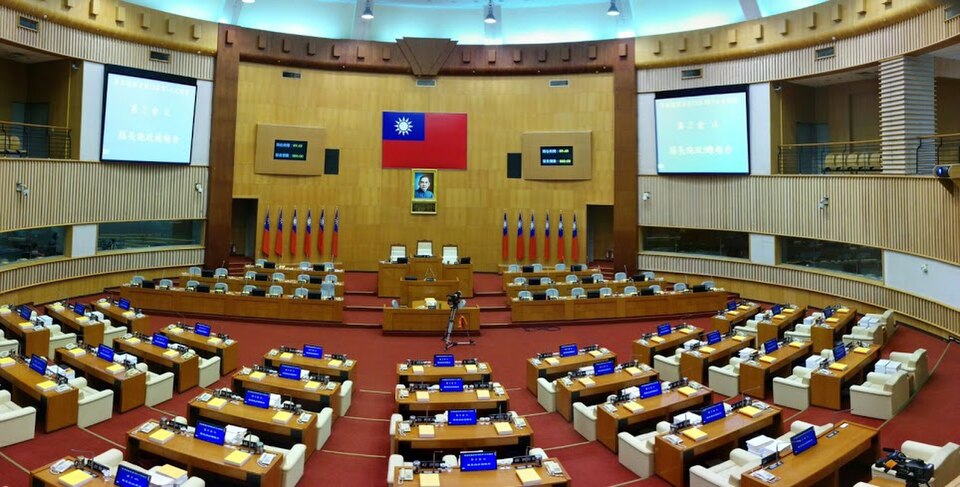
( wikipedia . org )
- Government in Pingtung
- 屏東縣文化中政府的角色
- The government of Pingtung (屏東縣) operates as a local government under the jurisdiction of the central government of the Republic of China on the Island of Taiwan. The County government is responsible for managing local affairs such as education, public works, healthcare, agriculture, transportation, social welfare & indigenous affairs. The County Magistrate (縣長) is the highest executive officer, directly elected by the public every 4 years. The magistrate oversees county policies, development & administration. Deputy Magistrates assist the magistrate & manage individual departments. Each department is responsible for policy, planning, budget allocation & provision of public services. Key Departments are: (i.) Civil Affairs (民政處); (ii.) Finance (財政處); (iii.) Education (教育處); (iv.) Public Works (工務處); (v.) Agriculture (農業處); (vi.) Social Affairs (社會處); (vii.) Environmental Protection (環保局); (viii.)Transportation & Tourism (交通旅遊處); and (iv.) Indigenous Affairs (原住民處).
- Indigenous Affairs are managed through a dedicated Department of Indigenous Affairs (“原住民處”). This department provides cultural preservation programs, language revitalization, education support, & social welfare services for indigenous groups (principally the Paiwan & Rukai Indigenous Peoples residing in Pingtung.
- The Pingtung County Council (“屏東縣議會”) is the legislative body responsible for supervising the county government, reviewing budgets & passing local ordinances. Members of the Council (“議員”) are elected by the people in their respective constituencies. The Council Speaker (“議長”) and Deputy Speaker (“副議長”) lead the council. The council holds regular & special sessions to question government officials & deliberate laws and policies.
- wikipedia.org – Pingtung County Council – 屏東縣議會 – website
- Administrative Subdivisions: Each city, township, and indigenous area has its own local administrative office which is subordinate to the county government. These local offices handle daily services such as household registration, community development & public health.
- wikipedia.org – Pingtung County Government – 屏東縣政府 @ Wikipedia . org
- EASY SEARCH FOR MORE LINKS ! . . . . .
- scholar.google.com – Government in the culture of Pingtung – 屏東縣文化中政府的角色 @ Google Scholar
- youtube.com – Government in the culture of Pingtung – 屏東縣文化中政府的角色 @ YouTube . com
- images.google.com – Government in the culture of Pingtung – 屏東縣文化中政府的角色 @ Google Images
- Administrative Divisions of Pingtung
- 屏東縣的行政區
- Pingtung County (屏東縣) is the southernmost county in Taiwan and is divided into several administrative subdivisions (City & Townships) that help manage governance, public services, and local affairs. Each township or city has its own local administrative office responsible for civil affairs, education, and local development.
- As of 2025, Pingtung County is administratively divided into: (i) One City (市) – Pingtung City (屏東市). This is the county seat and the most urbanized area. It serves as the political, economic, and cultural center of the county; (ii) Three Urban Townships (鎮) which are more developed and urbanized than rural townships; (iii) Twenty-nine Rural Townships (鄉); and (iv) Two Indigenous Mountain Townships (山地鄉). These are Designated Areas for Taiwan’s indigenous communities. Pingtung is home to several indigenous groups including the Paiwan, Rukai, and Makatao peoples. Their townships (山地鄉) have distinct administrative status and receive support for preserving their cultures and languages. The two Indigenous Mountain Townships are: (i) Sandimen Township (三地門鄉) which is inhabited principally by the Paiwan Indigenous People; and (ii) Wutai Township (霧台鄉) which is remote & mountainous. Wutai is known for its natural beauty & traditional culture of the Rukai Indigenous People.
- In Taiwan, local governments like Pingtung County cannot enact legislation that conflicts with national law; any local regulation must align with higher-level statutes or be within empowered areas such as urban planning or tourism. If there’s ambiguity, courts may overturn such local measures.
- EASY SEARCH FOR MORE LINKS ! . . . . .
- scholar.google.com – Administrative divisions in the culture of Pingtung @ Google Scholar
- youtube.com – Administrative divisions in the culture of Pingtung @ YouTube . com
- images.google.com – Administrative divisions in the culture of Pingtung @ Google Images
- Laws of Pingtung
- 屏東縣文化中法律的角色
- https://www.ktnp.gov.tw – Laws in the culture of Pingtung
- http://www.npust.edu.tw – Laws in the culture of Pingtung
- https://www.atp.gov.tw – Laws in the culture of Pingtung
- https://www.warnasia.org – Laws in the culture of Pingtung
- https://admin.taiwan.net.tw – Laws in the culture of Pingtung
- https://www.moea.gov.tw – Laws in the culture of Pingtung
- https://www.iaptu.nat.gov.tw – Laws in the culture of Pingtung
- https://www.studyintaiwan.org – Laws in the culture of Pingtung
- https://www.ntbsa.gov.tw – Laws in the culture of Pingtung
- https://en.fa.gov.tw – Laws in the culture of Pingtung
- https://www.taipeitimes.com – Laws in the culture of Pingtung
- https://renewablesroadmap.iclei.org – Laws in the culture of Pingtung
- https://tld.nptu.edu.tw – Laws in the culture of Pingtung
- https://www.equaldex.com – Laws in the culture of Pingtung
- https://staf.nptu.edu.tw – Laws in the culture of Pingtung
- https://www.pty.moj.gov.tw – Laws in the culture of Pingtung
- https://www.ptp.moj.gov.tw – Laws in the culture of Pingtung
- https://www.pthg.gov.tw – Laws in the culture of Pingtung
- https://www.taipeitimes.com – Laws in the culture of Pingtung
- https://www.pthg.gov.tw – Laws in the culture of Pingtung
- Urban Renewal & Redevelopment
- EASY SEARCH FOR MORE LINKS ! . . . . .
- scholar.google.com – Laws in the culture of Pingtung – 屏東縣文化中法律的角色 @ Google Scholar
- youtube.com – Laws in the culture of Pingtung – 屏東縣文化中法律的角色 @ YouTube . com
- images.google.com – Laws in the culture of Pingtung – 屏東縣文化中法律的角色 @ Google Images
- Courts in Pingtung
- 屏東縣文化中法院的角色
- _____ – Judiciary in the culture of Pingtung – 屏東縣文化中法院的角色
- EASY SEARCH FOR MORE LINKS ! . . . . .
- scholar.google.com – Judiciary in the culture of Pingtung – 屏東縣文化中法院的角色 @ Google Scholar
- youtube.com – Judiciary in the culture of Pingtung – 屏東縣文化中法院的角色 @ YouTube . com
- images.google.com – Judiciary in the culture of Pingtung – 屏東縣文化中法院的角色 @ Google Images
- Politics in Pingtung
- 屏東縣文化中政治的角色
- _____ – Politics in the culture of Pingtung – 屏東縣文化中政治的角色
- EASY SEARCH FOR MORE LINKS ! . . . . .
- scholar.google.com – Politics in the culture of Pingtung – 屏東縣文化中政治的角色 @ Google Scholar
- youtube.com – Politics in the culture of Pingtung – 屏東縣文化中政治的角色 @ YouTube . com
- images.google.com – Politics in the culture of Pingtung – 屏東縣文化中政治的角色 @ Google Images
MEDIA WEB – 媒 體 網

- Media Web in Pingtung
- 屏東縣文化中媒體網的角色
- Media & web resources for Pingtung are a mix of official government news, local tourism portals & broader national outlets that cover the region. “Pingtung County Government News” is the primary source for official announcements, local policy updates, and community events directly from the county administration. “Visit Pingtung Taiwan” is a Facebook page which is the official social media presence for the Pingtung County Government. “Pingtung Official Travel Guide” is a specialized web portal which is a source of information on local attractions, cultural scenery & night views in the county. “Pingtung Management Office” provides niche updates related to irrigation, local agriculture operations & “smart travel” maps for the region.
- Few major media headquarters are located in Pingtung but several national outlets provide dedicated coverage of the area: “Ground News Pingtung” aggregates local headlines from different news sources reporting on Pingtung stories. “Formosa News” (English) features video reports on Pingtung such as for new park openings or local human-interest stories. “Taiwan News” and “Taipei Times” are major English-language daily newspapers that report on events occurring within Pingtung.
- Local Digital Initiatives: (i.) “Smart Parking & Real-time Bus Info”: Pingtung utilizes a mix of apps & smart meters to manage traffic in popular tourist spots, reducing parking search times; and (ii.) “Agricultural Sustainability Platform” is a digital tool used by local Pingtung farmers to track pest predictions & climate impacts.
- intelligentcommunity.org – Pingtung @ Intelligent Community Forum
- i-pingtung.com – i-Pingtung Official Travel Guide
- amazing-pingtung.com – “Amazing Pingtung” published by the Pingtung County Government
- Taiwan News
- 臺灣英文新聞
- “Taiwan News” (formerly “China News”) is an English & Chinese-language online newspaper & former print newspaper in the Republic of China. It was purchased by I-Mei Foods in 1997 and eventually transitioned to a fully-online venture. I-Mei also publishes the Chinese-language news weekly of the same name.
- wikipedia.org – Taiwan News (臺灣英文新聞) @ Wikipedia . org
- taiwannews.com.tw – Taiwan News . com (臺灣英文新聞) – website
- taiwannews.com.tw – Pingtung Archives @ Taiwan News . com
- Formosa Television (Formosa News)
- 民間全民電視公司 (民視英語新聞)
- Formosa News is also known as FTV News (Formosa Television). This a prominent broadcast organization in Taiwan known for providing continuous updates covering Taiwanese local affairs, politics & international relations. The network operates distinct television channels & digital platforms to reach a global audience.
- wikipedia.org – Formosa Television (Formosa News) – 民間全民電視公司 @ Wikipedia . org
- ftvnews.com.tw – Formosa News official website
- formosanews.firstory.io – Formosa News English News podcast – Audio news program optimized for daily listening
- youtube.com – Formosa News Youtube Channel – Daily video digests of Taiwan’s top stories in English
- play.google.com – Minshi News App – Mobile application with live streaming of FTV networks, sports & daily news.
- Taiwan Plus
- TaiwanPlus is a public media company based in Taipei that offers live streaming & an international television channel delivering news, lifestyle features, cultural insights, food content & documentaries. It is overseen by the Ministry of Culture (MOC) of the Republic of China & it is operated by the Central News Agency (CNA) of Taiwan. The platform provides access to its streaming services through its website, mobile app & 24-hour TV channel.
- wikipedia.org – Taiwan Plus @ Wikipedia . org
- taiwanplus.com – Taiwan Plus – website
- youtube.com – Taiwan Plus Youtube Channel
- Ground News
- “Ground News” is a news comparison platform & media literacy app founded in 2020. It is intended to function as a news aggregator to show how the same stories are covered across the political spectrum. The Headquarters of “Ground News” are in Ontario, Canada.
- wikipedia.org – Ground News @ Wikipedia . org
- ground.news – Aggregated news stories of Pingtung @ Ground News
- ground.news – Aggregated news stories for Pingtung County @ Ground News
- Central News Agency (CNA)
- 中央通訊社
- “Focus Taiwan“
- CNA publishes content in English & Japanese under its “Focus Taiwan” brand. The “Focus Taiwan” website mostly reports government statements, weather updates, and features related to issues of national interest in Taiwan.
- The Central News Agency (CNA) – 中央通訊社 – is the national news agency of the Republic of China. It is Taiwan’s oldest & largest news agency. At the end of Chinese Civil War, CNA relocated from mainland China to Taiwan. CNA operated as a private company from 1973 until 1996 when it became a government-funded corporation & Taiwan’s national news agency.
- focustaiwan.tw – Focus Taiwan – website
- youtube.com – Focus Taiwan (CNA English News) Youtube channel
- wikipedia.org – Central News Agency – 中央通訊社 @ Wikipedia . org
- The Business Standard
- tbsnews.net – “The Business Standard” – website. (TBS is a news platform for information on good governance & best practices in business & economy, “The Business Standard” puts emphasis on business news but also covers general news, sports, features & entertainment. It is based in Bangladesh)
- EASY SEARCH FOR MORE LINKS ! . . . . .
- scholar.google.com – Media web in the culture of Pingtung – 屏東縣文化中媒體網的角色 @ Google Scholar
- youtube.com – Media web in the culture of Pingtung – 屏東縣文化中媒體網的角色 @ YouTube . com
- images.google.com – Media web in the culture of Pingtung – 屏東縣文化中媒體網的角色 @ Google Images
- Newspapers in Pingtung
- 屏東縣文化中報紙的角色
- Taipei Times
- 台北時報
- The Taipei Times is a leading daily English-language newspaper in Taiwan. It covers breaking domestic news, international affairs, business & culture from a Taiwanese perspective.
- taipeitimes.com – Taipei Times website
- wikipedia.org – Taipei Times – 台北時報 @ Wikipedia . org
- taipeitimes.com – “Caiman removed from Pingtung’s Gaoping River” @ Taipei Times newspaper
- washingtontimes.com – Pingtung archives @ The Washington Times newspaper
- https://apnews.com/ – AP News – website
- https://www.kaohsiungtimes.com/
- https://www.taiwannews.com.tw/
- https://taiwantoday.tw/
- https://www.rti.org.tw/
- https://english.ey.gov.tw/
- https://www.reuters.com/
- https://www.asahi.com/
- https://www.taiwanplus.com/
- https://www.abs-cbn.com/
- EASY SEARCH FOR MORE LINKS ! . . . . .
- scholar.google.com – Newspapers in the culture of Pingtung – 屏東縣文化中報紙的角色 @ Google Scholar
- youtube.com – Newspapers in the culture of Pingtung – 屏東縣文化中報紙的角色 @ YouTube . com
- images.google.com – Newspapers in the culture of Pingtung – 屏東縣文化中報紙的角色 @ Google Images
- Magazines in Pingtung
- 屏東縣文化中雜誌的角色
- Pingtung features several publications that focus on its unique local culture, agriculture, and lifestyle. These range from official government-backed lifestyle magazines to broader cultural periodicals that frequently highlight the region.
- Local & Lifestyle Magazines: (i) “Amazing Pingtung” (驚艷屏東) is the flagship lifestyle magazine of the Pingtung County Government. Revamped in 2019 from its predecessor “Anju Leye”, it features high-quality photography & in-depth articles on Pingtung’s diverse ethnic cultures, local agriculture (like gangkou tea), and traditional arts; (ii) “Very Pingtung” (屏東本事) is another government-affiliated publication that focuses on promoting local pride & identity through human-interest stories & community features; (iii) “VERSE” Magazine is a contemporary cultural & lifestyle magazine that frequently features Pingtung’s unique retreats & natural landscapes such as the “forest-style” stays in the region; and (iv) Township Periodicals are smaller, hyper-local magazines that have historically been published for specific areas like Taiwu Township & Mutan Township. They are often praised for their high production quality & focus on indigenous culture.
- Specialized & Cultural Publications: (i) “Taiwan Architect Magazine”: Occasionally features architectural deep-dives into Pingtung landmarks; (ii) “Taiwan Panorama” is a national bilingual magazine, which provides coverage of Pingtung’s cultural “metamorphosis” & local grassroots movements; and (iii) “Travel in Taiwan” is an English bimonthly published by the Taiwan Tourism Administration that regularly includes dedicated sections or special issues focused on such topics as Pingtung County’s travel routes, cocoa farms & beaches.
- cw.com.tw – The 23-Year-Old Girl Who Put Pingtung Back on the Map @ CW e-zine
- topics.amcham.com.tw – “Taiwan Business Topics” e-zine (Published by the American Chamber of Commerce in Taiwan
- focusnews.com.tw – “The Truth of Pingtung: Very Pingtung” is the only Taiwanese publication to win the 2025 German iF Design Award @ Focus News . com . tw
- pingtung-media.com – “The Truth of Pingtung: Very Pingtung” is the only Taiwanese publication to win the 2025 German iF Design Award.
- taiwantoday.tw – Pingtung archives @ Taiwan Today e-zine
- ta-mag.net – Taiwan Architecture Magazine – website
- Taiwan Panorama
- 台灣光華雜誌
- “Taiwan Panorama” is a monthly magazine published by the Taiwan Ministry of Foreign Affairs. It was founded in 1976 as “Sinorama” to highlight Taiwan’s culture, society, economy & politics to a global audience. The magazine offers in-depth articles and vibrant photography translated into multiple languages. It is accessible digitally & in print.
- taiwan-panorama.com – Taiwan Panorama e-zine – website
- wikipedia.org – Taiwan Panorama – 台灣光華雜誌 @ Wikipedia . org
- taiwan-panorama.com – Taiwan Panorama – 台灣光華雜誌 – Pingtung archives @ Taiwan Panorama e-zine website
- “Travel in Taiwan” e-zine
- “中華民國觀光月刊”
- “Travel in Taiwan” is the official English-language magazine of the Taiwan Tourism Bureau. Use the official “Travel in Taiwan” website to find detailed trip ideas & local guides.
- travelintaiwan.net – Travel in Taiwan e-zine – website
- issuu.com– Present & past issues of “Travel in Taiwan” e-zine @ Issuu . com
- travelintaiwan.net – Archives for Pingtung @ “Travel in Taiwan” e-zine
- wikipedia.org – “Travel in Taiwan” – 中華民國觀光月刊 @ Wikipedia . org
- “Taiwan Scene” e-zine
- “Taiwan Scene” is a prominent online travel & lifestyle magazine dedicated to introducing international readers to Taiwan’s culture, scenery & travel possibilities. It operates as the official digital publication of the custom tour agency “MyTaiwanTour”.
- taiwan-scene.com – Hiking in Taiwan: A Seashore Trek along the Alangyi Historic Trail @ “Taiwan Scene” e-zine
- taiwan-scene.com – Pingtung: Expect the Unexpected (Part one of two) @ “Taiwan Scene” e-zine
- taiwan-scene.com – Pingtung: Expect the Unexpected (Part two of two) @ “Taiwan Scene” e-zine
- taiwan-scene.com – From Market to Table: An Indigenous Cooking Journey at Hualien’s Karenko Kitchen @ “Taiwan Scene” e-zine
- taiwan-scene.com – YouBiking down to Kaohsiung—Often talked about, but rarely done @ “Taiwan Scene” e-zine
- taiwan-scene.com – Aquariums in Taiwan – 6 Unique Spots to See Dolphins, Whale Sharks, and Even Spend the Night in an Underwater Tunnel! @ “Taiwan Scene” e-zine
- taiwan-scene.com – Beginner-Friendly River Tracing Routes in Taiwan @ “Taiwan Scene” e-zine
- taiwan-scene.com – Recommended Feng Chia Night Market Delicacies! Handpicked 7 Popular Eateries Not to Miss, Even if There’s a Long Queue! @ “Taiwan Scene” e-zine
- “Taipei Travel Pictorial” e-zine
- “台北画刊”
- The official “Taipei Travel Pictorial” magazine is issued by the Taipei City government. This publication features high-quality photography, local guides & insider tips on neighborhoods, food & culture.
- travel.taipei – “Taipei Travel” – “台北画刊” – website @ Taipei City Government Department of Information & Tourism
- travel.taipei – Browse & download all digital issues of “Taipei Travel Pictorial” e-zine @ Taipei City Government Department of Information & Tourism
- travelandleisure.com – This Is the Capital of the Happiest Place in Asia—and It Has Hot Springs, Incredible Street Food, and Mountain Views @ Travel & Leisure Magazine
- afar.com – Taiwan Travel Guide @ “AFAR Magazine” (Afar is an award-winning travel media brand intending to make a positive impact on the world through high-quality storytelling that inspires, empowers & enriches travelers who care. The power of travel can make the world a better place through experiences that enrich the traveler personally, support the communities visited & are sensitive to the effects on our planet. Afar believes in the importance of arriving in new places with humility & a desire to learn from others.)
- mikeplunkettphotography.com – Taiwan Travel Photography @ Mike Plunkett Photography . com (Mike says he is the kid who was always staring out of the window in school, always living in some sort of fantasy land. He knew he was destined to be a creative but never knew at what until he picked up a camera, got wise and starting to realise things like . . . “if you buy enough houseplants . . . some of them will live . . .)
- wmagazine.com – The Insider’s Guide to Taipei, Taiwan @ “W” Magazine
- lomography.com – A Photographer’s Travel Guide to Taipei: Best Photo Spots & Art Highlights @ Lomography . com
- adventuresofagoodman.com – “TAIWAN – a photo tour” @ Adventures of Greg Goodman . com (The photographic work of Greg Goodman has been featured in galleries, magazines, books, TV shows, airports, Web sites, newspapers, trade shows, office lobbies, private collections & exhibitions around the world. The “National Geographic Channel” filmed a documentary about his experiences as a photographer & travel blogger. Click here to watch it: adventuresofagoodman.com . The running time is 48 minutes)
- suitcasemag.com – A Creative’s Guide to Taipei by Musee Wu @ Suitcase Magazine – website
- taiwanobsessed.com – “75 Beautiful Pictures of Taiwan That Tell the Country’s Story” @ Nick Kembel’s “Taiwan Obsessed” website. (Nick Kembel transitioned from teaching English in Taiwan to editing & travel writing. He has contributed to local magazines such as “Travel in Taiwan”, “Centered on Taipei”, & “Discover Taipei” as well as to CNN & National Geographic. Nick’s two books about Taiwan are: (i.) “Taiwan in the Eyes of a Foreigner” (2011) and Nick’s Taiwan Travel Guide (2025)
- wideoyster.com – “Taiwan – Uncover the Island of Wonders” @ Wide Oyster magazine
- wanderlustmagazine.com – The full travel guide to Taiwan @ Wanderlust Magazine – website
- newbloommag.net – New Bloom Magazine – website
- EASY SEARCH FOR MORE LINKS ! . . . . .
- scholar.google.com – Magazines in the culture of Pingtung – 屏東縣文化中雜誌的角色 @ Google Scholar
- youtube.com – Magazines in the culture of Pingtung – 屏東縣文化中雜誌的角色 @ YouTube . com
- images.google.com – Magazines in the culture of Pingtung – 屏東縣文化中雜誌的角色 @ Google Images
MILITARY – 軍 事

- Military in Pingtung
- 屏東縣文化中軍事的角色
- Pingtung County sits at Taiwan’s southern tip . . . facing the Taiwan Strait, South China Sea & the Bashi Channel which separates Taiwan from the Philippines. Pingtung is recognized as a key region for defense against amphibious or aerial approaches from the southwest & south. There are frequent air force & missile drills in Pingtung including live-fire exercises. There are also exercizes for air defense & coastal defense which may involve anti-tank systems & mobile launchers.
- taipeitimes.com – Military holds precision weapons drill in Pingtung @ Taipei Times – website
- mnd.gov.tw – The House of The General in Pingtung Loyal & Dependable Iron Guard Exhibition @ Ministry of National Defense (Government of the Republic of China on the Island of Taiwan.)
- focustaiwan.tw – Defense minister attends first day of Pingtung drills @ Focus Taiwan – website
- apnews.com – Taiwan drills with anti-amphibious landing missiles to deter China @ AP News – website
- mnd.gov.tw – Taiwan Ministry of National Defense – 中華民國國防部 – website
- wikipedia.org – Taiwan Ministry of National Defense – 中華民國國防部 @ Wikipedia . org
- asahi.com – Taiwan launches spring military drills following presidential election amid China threats
- taiwanplus.com – Military holds Four Day Joint Drills in Pingtung @ Taiwan Plus – website
- focustaiwan.tw – Taiwan to test new generation TOW launch platforms in Pingtung drills @ Focus Taiwan – website
- abs-cbn.com – “Taiwan holds military drills in Pingtung” @ ABS-CBN . com (ABS-CBN is a leading media & entertainment company in the Philippines . . . offering content across TV, radio, digital & film)
- taiwanplus.com – Military holds Four Day Joint Drills in Pingtung @ Taiwan Plus – website
- taiwannews.com.tw – Taiwanese military set to carry out live-fire drills @ Taiwan News . com
- spectralcodex.com – Taiwan Military Villages @ Spectral Codex . com
- apnews.com – Taiwan launches spring military drills following presidential election amid China threats @ AP News . com
- wikipedia.org – United States Taiwan Defense Command – 美軍協防台灣司令部 @ Wikipedia . org
- youtube.com – Military Holds Four-Day Joint Drills in Pingtung @ Youtube . com (Taiwan Plus News channel)
- youtube.com – Taiwan’s Military Holds Live-Fire Exercises in Pingtung @ Youtube . com (CNBC-TV18 channel)
- youtube.com – Taiwan Military’s Training LIVE : Fire Exercise In Pingtung As China’s Invasion Fears Surge @ Youtube . com (CNN-News18 channel)
- youtube.com – Taiwan tests new missile launch platforms at annual Pingtung drills @ Youtube . com (WION channel)
- taiwannews.com.tw – Taiwan begins annual coastal defense exercise in Pingtung @ Taiwan News – website
- EASY SEARCH FOR MORE LINKS ! . . . . .
- scholar.google.com – Military in the culture of Pingtung – 屏東縣文化中軍事的角色 @ Google Scholar
- youtube.com – Military in the culture of Pingtung – 屏東縣文化中軍事的角色 @ YouTube . com
- images.google.com – Military in the culture of Pingtung – 屏東縣文化中軍事的角色 @ Google Images
PLACE NAMES – 地 名
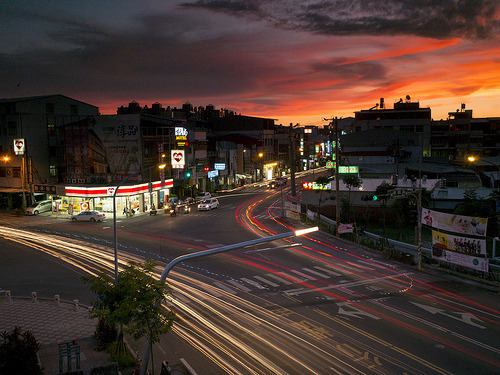
( journeybabes.com )
- Pingtung Place Names
- 屏東縣文化中地名的角色
- _____ – Place names in the culture of Pingtung – 屏東縣文化中地名的角色
- Pingtung City
- 屏東市
- wikipedia.org – Pingtung City – 屏東市 @ Wikipedia . org
- trip.com – Pingtung City Travel Guide @ Trip . com
- Hengchun
- 恆春
- wikipedia.org – Hengchun – 恆春 @ Wikipedia . org
- travelking.com.tw – Hengchun – 恆春 @ Travel King . com
- trip.com – Hengchun Attractions @ Trip . com
- i-pingtung.com – Eluanbi Park, Henchun Town @ i-Pingtung . com
- i-pingtung.com – Houbihu Harbor @ @ i-Pingtung . com
- Kenting National Park
- 墾丁國家公園
- wikipedia.org – Kenting National Park – 墾丁國家公園 @ Wikipedia . org
- ktnp.gov.tw – Kenting National Park (Chinese) @ Kenting National Park Headquarters website
- nickkembel.com – Fun Things to Do in Kenting National Park, Taiwan @ Nick Kembel’s Travels (Terrific site !!!)
- taiwanese-secrets.com – Kenting Beaches Travel Guide – Taiwan’s Southern Jewel. Welcome to the southern tip of Taiwan! @ Taiwanese Secrets blog
- polishgirlintaiwan.com – Posts on Kenting @ Polish Girl in Taiwan – blog
- travelintaiwan.net – Articles on Kenting @ “Travel in Taiwan” e-zine
- taiwan-panorama.com – Articles on Kenting @ “Taiwan Panorama” e-zine
- foreignersintaiwan.com – “Our 2026 Guide to Kenting – 墾丁懶人包” @ Foreigners in Taiwan – blog
- trip.com – Kending: Taiwan’s Southernmost Paradise – Ultimate Traveler’s Guide @ Trip . com
- taiwan.net.tw – Kenting National Park @ Tourism Administration of the Republic of China on the Island of Taiwan – website
- Donggang – Please vist the “Travel” page
PORTS – 港 口
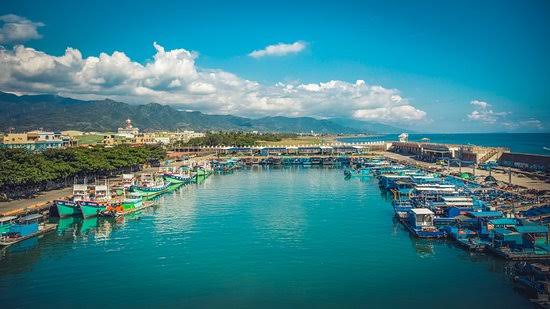
( tripadvisor.com )
- Ports in Pingtung
- 屏東縣文化中港口的角色
- Pingtung’s coastline has many small fishing ports that support local fisheries and coastal communities. Ports in Pingtung that support local fishing fleets and seafood markets are probably the most numerous. There are also passenger ferry ports such as those serving small islands like Liuqiu. Donggang remains one of the more significant commercial & fishing ports in the region.
- Other port facilities besides Dongang are: (i.) Zhongshan Fishing Port (中山漁港) – a quiet small harbor in Manzhou; (ii.) Xinghai Fishing Port (興海漁港) – a small fishing harbor in Manzhou; (iii.) Shanhai Fishing Port (山海漁港) in Hengchun serves local fishermen; (iv.) Hongchaikeng Fishing Port (紅柴坑漁港) – a small port in the Hengchun area with some tourist boating activies; (v.) Baisha Port (白沙港) is the main ferry port on Liuqiu Island (小琉球) with ferries running to Donggang on the Island of Taiwan mainland; (vi.) Dafu Port (大福漁港) is another port on Liuqiu Island, second in size to Baisha Port; and (vii.) Yanpu (Yenpu) Fishing Port (鹽埔漁港) – supports fishing activities & also furnishes a departure point for Xiaoliuqiu Island.
- wikipedia.org – Baisha Port – 白沙港 @ Wikipedia . org
- twport.com.tw – Port of Hualien @ Port of Hualien, Taiwan International Ports Corporation, Ltd. – website
- worldports.org – Panorama Guides of Port Entry on Kaohsiung Port @ World Ports . org
- sangrupo.com – Pingtung Freight Forwarders: Powering International Trade with Seamless Import and Export Freight @ San Logistics Limited – website
- i-pingtung.com – TAIWAN HI New Garden Marine Shipping Park @ i-pingtung . com (Pingtung County Government)
- wikimedia.org – Category:Zhongshan Fishing Port @ Wikimedia . org
- trackipi.com – Ports in Taiwan @ Trackipi . com (Live vessel tracking service)
- taipeitimes.com – Ports open to public fishing to double @ Taipei Times website
- yingtingshih.com – Traveler’s scrapbook of Donggang port @ Shih Trip . com
- wikipedia.org – Dafu Port – 大福漁港 @ Wikipedia . org
- yingtingshih.com – Traveler’s scrapbook of Yanpu Fishing Port @ Shih Trip . com
- yingtingshih.com – Traveler’s scrapbook of Zhongshan Fishing Port @ Shih Trip . com
- yingtingshih.com – Traveler’s scrapbook of Xinghai Fishing Port @ Shih Trip . com
- yingtingshih.com – Traveler’s scrapbook of Shanhai Fishing Port @ Shih Trip . com
- yingtingshih.com – Traveler’s scrapbook of Hongchaikeng Fishing Port @ Shih Trip . com
- taiwanfun.com – Kaohsiung Harbour: A Maritime Capital @ Taiwan Fun e-zine
- EASY SEARCH FOR MORE LINKS ! . . . . .
- scholar.google.com – Ports in the culture of Pingtung – 屏東縣文化中港口的角色 @ Google Scholar
- youtube.com – Ports in the culture of Pingtung – 屏東縣文化中港口的角色 @ YouTube . com
- images.google.com – Ports in the culture of Pingtung – 屏東縣文化中港口的角色 @ Google Images
- Harbors in Pingtung
- 屏東縣文化中港灣的角色
- Pingtung County has a long tropical coastline in southern Taiwan with several fishing harbors serving both commercial & tourism purposes. Many of the fishing harbors also serve as seafood markets, transport hubs & gateways to nearby islands: (i.) Commercial Fishing & Markets – Harbors like Donggang & Houbihu are working fishing ports where fresh catches arrive daily & seafood markets/restaurants thrive; (ii.) Transport & Ferries – Baisha Port & Dafu Port on Liuqiu Island furnish connections to the Taiwan mainland via regular ferry service; and (iii.) Tourism – Many visitors enjoy boat tours, snorkeling, diving & scenic visits around the harbor areas particularly at Houbihu
- ibeauty.com.tw – Pingtung Travel Guide @ iBeauty . com
- predictwind.com – Marinas in Taiwan @ Predict Wind . com
- kkday.com – Round-trip ferry tickets to Lanyu | Departing from Fugang Fishing Port, Taitung & Houbihu, Kenting @ kk day . com
- trip.com – 2026 Pingtung Travel Guide – Attractions, Food, Accommodation, Transportation, Traveler Photos @ Trip . com
- taiwan.nps.gov.tw – Houbihu Yacht Harbor @ National Park Service website (Ministry of the Interior of the Republic of China on the Island of Taiwan)
- wanderlog.com – Hou-pi-hu Fishing Harbor
- wanderlog.com – Fangliao Fishing Harbor
- i-pingtung.com – Houbihu Harbor @ @ i-Pingtung . com
- yingtingshih.com – Traveler’s scrapbook of Donggang Port @ Shih Trip . com
- tripadvisor.com – Fangliao Fishing Harbor @ Trip Advisor . com
- taiwanobsessed.com – A Travel Guide to Pingtung, Taiwan’s Holiday County @ Nick Kembel’s “Taiwan Obsessed” website (Terrific site !!!)
- wikipedia.org – Donggang, Pingtung – 東港鎮 @ Wikipedia . org
- EASY SEARCH FOR MORE LINKS ! . . . . .
- scholar.google.com – Harbors in the culture of Pingtung – 屏東縣文化中港灣的角色 @ Google Scholar
- youtube.com – Harbors in the culture of Pingtung – 屏東縣文化中港灣的角色 @ YouTube . com
- images.google.com – Harbors in the culture of Pingtung – 屏東縣文化中港灣的角色 @ Google Images
POSTAGE STAMPS – 郵 票

- Postage stamps in Pingtung
- 屏東縣文化中郵票的角色
- _____ – Postage stamps in the culture of Pingtung – 屏東縣文化中郵票的角色
- EASY SEARCH FOR MORE LINKS ! . . . . .
- scholar.google.com – Postage stamps in the culture of Pingtung – 屏東縣文化中郵票的角色 @ Google Scholar
- youtube.com – Postage stamps in the culture of Pingtung – 屏東縣文化中郵票的角色 @ YouTube . com
- images.google.com – Postage stamps in the culture of Pingtung – 屏東縣文化中郵票的角色 @ Google Images
POSTAL – 郵 政

- Postal Services in Pingtung
- 屏東縣文化中郵政的角色
- _____ – Postal services in Pingtung
- EASY SEARCH FOR MORE LINKS ! . . . . .
- scholar.google.com – Postal services in the culture of Pingtung @ Google Scholar
- youtube.com – Postal services in the culture of Pingtung @ YouTube . com
- images.google.com – Postal services in the culture of Pingtung @ Google Images
SCIENCE – 科 學

- Science in Pingtung
- 屏東縣文化中科學的角色
- amcham.com.tw – “What are Taiwan’s science parks?” @ “Taiwan Business Topics” e-zine. (“Taiwan Business Topics” is published monthly by the American Chamber of Commerce in Taiwan to furnish news & analysis on issues of concern to Taiwan’s business community)
- avcr.cz – “Taiwan: research cooperation with Pingtung County in the southern part of Taiwan” @ Academy of Sciences of the Czech Republic
- focustaiwan.tw – “Premier Su Tseng-chang (蘇貞昌) says the development plan to extend the Taiwan High Speed Rail (HSR) service to PIngtung will include the establishment of a science park as part of the efforts to boost the competitiveness of southern Taiwan” @ Focus Taiwan website
- roc-taiwan.org – “New Southbound Policy Elite Study Program at National Pingtung University of Science and Technology (NPUST)” @ Republic of China Ministry of Foreign Affairs – website
- newbloommag.net – “Plans for Science Parks in Chiayi & Pingtung are Debated” @ “New Bloom Magazine” – website
- National Pingtung University of Science & Technology (NPUST)
- 國立屏東科技大學
- National Pingtung University of Science & Technology (NPUST) – 國立屏東科技大 is in Neipu & offers research programs across agriculture, engineering, veterinary medicine, environmental science & smart technology disciplines. The institution hosts multiple research centers & graduate institutes including: (i.) The Graduate Institute of Animal Vaccine Technology which focuses on veterinary medicine, immunology & animal health products. The facility conducts vaccine research & biotechnological innovation in livestock disease prevention; (ii.) Institute of Wildlife Conservation is the first of its kind in Taiwan & works on endangered species, ecological restoration & wildlife management. It maintains collaborative relationships with national park & conservation NGOs; (iii.) Institute of Tropical Agriculture & International Cooperation trains international students & researchers in sustainable tropical agriculture. The Institute maintains strong collaborative partnerships with Africa & Southeast Asia; (iv.) Institute of Aquatic Sciences & Fisheries conducts advanced research on aquaculture, marine biology & fish nutrition. The Institute helps maintain Pingtung as a national center for aquaculture science.
- npust.edu.tw – National Pingtung University of Science and Technology (NPUST) – 國立屏東科技大學 – website
- wikipedia.org – National Pingtung University of Science and Technology (NPUST) – 國立屏東科技大學 @ Wikipedia . org
- tripadvisor.com – National Pingtung University of Science and Technology – 國立屏東科技大學 @ Trip Advisor . com
- National Pingtung University
- 國立屏東大學
- National Pingtung University (NPTU) is a public university located in Pingtung City, Taiwan. NPTU was formed in 2014 by the merger of the National Pingtung University of Education & the National Pingtung Institute of Commerce. NPTU offers undergraduate, graduate & doctoral programs across seven colleges.
- nptu.edu.tw – National Pingtung University – website
- wikipedia.org – National Pingtung University – 國立屏東大學 @ Wikipedia . org
- science.nptu.edu.tw – National Pingtung University College of Science – website
- National Museum of Marine Biology & Aquarium (NMMBA)
- 國立海洋生物博物館
- The National Museum of Marine Biology & Aquarium (NMMBA) is Taiwan’s premier public aquarium, marine research institute & a top-rated destination located within Kenting National Park. The facility is recognized for its interactive exhibits, massive viewing tanks & conservation efforts
- National Museum of Marine Biology & Aquarium (NMMBA) – 國立海洋生物博物館 & NDHU Graduate Institute of Marine Biology. This is the first university-museum partnership in Taiwan. The aquarium & institute hosts labs & field stations dedicated to coral reef ecology, aquaculture, marine biodiversity research & conservation.
- nmmba.gov.tw – National Museum of Marine Biology & Aquarium (NMMBA) – 國立海洋生物博物館 – website
- nmmba.gov.tw – – National Museum of Marine Biology & Aquarium (NMMBA) – 國立海洋生物博物館 – history
- wikipedia.org – National Museum of Marine Biology & Aquarium (NMMBA – 國立海洋生物博物館 @ Wikipedia . org
- taiwan.net.tw – National Museum of Marine Biology and Aquarium @ Tourism Administration of the Republic of China
- dbnsa.gov.tw – National Museum of Marine Biology & Aquarium @ Dapeng Bay National Scenic Area Administration – website (Tourism Administration, Republic of China Ministry of Transportation & Communications)
- taiwan-panorama.com – Water, Water, Everywhere–The National Museum of Marine Biology and Aquarium @ Taiwan Panorama e-zine
- tripadvisor.com – Water, Water, Everywhere–The National Museum of Marine Biology and Aquarium @ Trip Advisor . com
- youtube.com – “Visiting the Pingtung Aquarium (National Museum of Marine Biology and Aquarium)” @ YouTube – Asianometry Channel
- Taiwan Banana Research Institute
- 財團法人台灣香蕉研究所
- Taiwan Banana Research Institute (TBRI) – 財團法人台灣香蕉研究所 – is an agricultural research facility specializing in banana breeding, disease resistance (e.g. TR4 mitigation) & tissue‑culture methods underpinning Taiwan’s export fruit industry.
- wikipedia.org – Taiwan Banana Research Institute – 財團法人台灣香蕉研究所 @ Wikipedia . org
- wikipedia.org – Category: Agricultural research institutes in Taiwan @ Wikipedia . org
- wikipedia.org – Banana production in Taiwan – 台湾的香蕉产业 @ Wikipedia . org
- wikipedia.org – Taiwan Agricultural Research institute (Taichung) @ Wikipedia . org
- taiwan-panorama.com – Taiwan the Fruit Kingdom @ Taiwan Panorama e-zine
- taipeitimes.com – Institute develops resilient banana type @ Taipei Times website
- sinica.edu.tw – The Taiwan Banana Genome Studies Reveal Breeding Solutions to Combat Fusarium Wilt @ Academia Sinica – 中央研究院 – website
- fftc.org.tw – “Taiwan Banana Research Institute (TBRI) challenges Panama Desease of the Banana” @ Asia Pacific Biofertilizer & Biopesticides Information Platform – website
- taiwan-panorama.com – Taiwan’s Natural Treasures: Getting Citizens Involved in Preserving Biodiversity @ Taiwan Panorama e-zine
- researchgate.net – “High-Quality Draft Genome Resources of Fusarium oxysporum f. sp. cubense Tropical Race 4 and Race 1 Strains from Taiwan” @ PhytoFrontiers Journal (apsjournals.apsnet.org)
- icdf.org.tw – Panama Disease Epidemic – TaiwanICDF helps Central American Friendly Nations from going “Bananas” @ The International Cooperation and Development Fund (TaiwanICDF is dedicated to boosting socio-economic development, enhancing human resources & promoting economic relations in a range of developing partner countries. The organization also offers humanitarian assistance & provide aid in the event of natural disasters or international refugee crises)
- youtube.com – Taiwan’s Banana Research Institute promotes a circular economy for bananas @ Youtube . com (屏東新聞 PT News channel)
- youtube.com – Banana Research Institute Establishes Seedling Science and Technology Center to Boost Mass Production @ Youtube . com (客家新聞 Hakka News channel)
- youtube.com – Taiwan Joins the Battle for Bananas @ Youtube . com (Taiwan ICDF 國合會 channel)
- youtube.com – Demand for banana seedlings surged in May! Orders to the Taiwan Banana Research Institute increases @ Youtube . com (屏東新聞 PT News channel)
- youtube.com – Banana: How This Tropical Fruit is Harvested in Taiwan @ Youtube . com (Taiwan Plus channel)
- youtube.com – Joy on the farms of Taiwan: Mountain bananas (Virtual Museum of Taiwan Agriculture channel)
- asianscientist.com – The Race To Save Bananas: Experts predict that at least US$47 million is needed to fight the spread of fungus wilt in bananas @ Asian Scientist Magazine (Asian Scientist Magazine is an award-winning science & technology magazine that highlights R&D news stories from Asia to a global audience. The magazine is published by Singapore-headquartered Wildtype Media Group, Asia’s leading STEM & healthcare media company)
- fruitnet.com – Taiwanese banana industry woes @ Fruitnet . com (The fresh produce industry’s leading media company) (U.K.)
- tcmb.culture.tw – Taiwan Cultural Memory Bank @ National Museum of Taiwan History – website
- taiwannews.com.tw – Pingtung farmer given top Taiwan banana grower award @ Taiwan News website
- taiwantoday.tw – Taiwan’s autumn banana mountain gives farmers less-than-sweet taste @ Taiwan Today e-zine
- rainforest-alliance.org – Banana resources @ Rainforest Alliance – website
- taiwannews.com.tw – An Urban Cultural Renaissance — Revitalizing Old Taichung @ Taiwan News website
- goteamjosh.com – Manyueyuan Forest Recreation Park (滿月圓國家森林遊樂區) – New Taipei City @ Josh Ellis Photography website (Terrific site !!!)
- Southern Taiwan Science Park (STSIP)
- 南部科學園區
- Southern Taiwan Science Park – 南部科學園區 – (STSIP – Pingtung Site) is part of the STSIP consortium. The Pingtung Site of the STS Park focuses on supporting firms in the fields of electronics, semiconductor fabrication, materials research & other advanced technologies.
- stsp.gov.tw – Southern Taiwan Science Park (STSIP) – 南部科學園區 – website
- stsp.gov.tw – Southern Taiwan Science Park (STSIP) – 南部科學園區 – History @ Southern Taiwan Science Park website
- wikipedia.org – Southern Taiwan Science Park – 南部科學園區 (STSIP) @ Wikipedia . org
- taiwannews.com.tw – “Taiwan’s Winchain becomes 1st company in Pingtung Science Park” @ Taiwan News website
- taipeitimes.com – “Planned science parks in Chiayi & Pingtung panned” @ Taipei Times website
- National Science & Technology Council (NSTC – Taiwan)
- 國家科學及技術委員會
- National Science & Technology Council (NSTC – Taiwan) – 國家科學及技術委員會 is a national-level research coordination body that oversees funding & strategic scientific initiatives, including collaborations with regional science parks.
- nstc.gov.tw – National Science & Technology Council – 國家科學及技術委員會
- wikipedia.org – National Science & Technology Council – 國家科學及技術委員會 @ Wikipedia . org
- EASY SEARCH FOR MORE LINKS ! . . . . .
- scholar.google.com – Science in the culture of Pingtung – 屏東縣文化中科學的角色 @ Google Scholar
- youtube.com – Science in the culture of Pingtung – 屏東縣文化中科學的角色 @ YouTube . com
- images.google.com – Science in the culture of Pingtung – 屏東縣文化中科學的角色 @ Google Images
SECURITY – 安 全

- Security in Pingtung
屏東縣文化中安全的角色
- _____ – Security in the culture of Pingtung –
屏東縣文化中安全的角色
- EASY SEARCH FOR MORE LINKS ! . . . . .
- scholar.google.com – Security in the culture of Pingtung –
屏東縣文化中安全的角色@ Google Scholar - youtube.com – Security in the culture of Pingtung –
屏東縣文化中安全的角色@ YouTube . com - images.google.com – Security in the culture of Pingtung –
屏東縣文化中安全的角色@ Google Images
- Role of Pingtung in the national security of Taiwan
屏東縣
- Pingtung County sits at Taiwan’s southern tip . . . facing the Taiwan Strait, South China Sea & the Bashi Channel which separates Taiwan from the Philippines. Pingtung is recognized as a key region for defense against amphibious or aerial approaches from the southwest & south. There are frequent air force & missile drills in Pingtung including live-fire exercises. There are also exercizes for air defense & coastal defense which may involve anti-tank systems & mobile launchers.
- _____ – National security in the culture of Pingtung –
屏東縣
- EASY SEARCH FOR MORE LINKS ! . . . . .
- scholar.google.com – National security in the culture of Pingtung –
屏東縣 - youtube.com – National security in the culture of Pingtung –
屏東縣 - images.google.com – National security in the culture of Pingtung –
屏東縣
- Role of Pingtung in the economic security of Taiwan
屏東縣
- The establishment in Pingtung of an Export Processing Zone (EPZA) & Science Park contributes to the economic security of Pingtung. These facilities stimulate siting of infrastructure, incentives for investment & opportunities for clustering of innovative industries in Pingtung.
- renewablesroadmap.iclei.org – “PIngtung County: Breaking new ground: reclaiming non-arable land for energy from solar photovoltaics” @ ICLEI – Local Governments for Sustainability – website (Bonn, Germany)
- taiwancss.org – Resilience or Reliance? Taiwan’s Struggle for Energy Security @ Taiwan Center for Security Studies (TCSS) – website
- iges.or.jp – Profile of Pingtung @ Istitute for Global Environmental Strategies – website
- Pingtung Technology Industrial Park & Export Processing Zone (EPZA) is managed by the Ministry of Economic Affairs (MOEA) to attract investment, foster business expansion & employment & promote global trade. There are currently 33 operating businesses in the zone. To enhance the public’s understanding of the EPZA, the Taiwan Ministry of Economic Affairs (MOEA) has established a dataset in coordination with EPZA partners to summarize information about business investment in the EPZA.
- The National Development Council (NDC)
- 國家發展委員會
- The National Development Council pursues national-level economic planning including infrastructure projects like extending high-speed rail to Pingtung & water management investments that ensure local economic stability & integration.
- ndc.gov.tw – The National Development Council (NDC) 國家發展委員會 – website
- wikipedia.org – The National Development Council (NDC) 國家發展委員會 @ Wikipedia . org
- taiwantoday.tw – NDC Minister outlines plan for 2026 @ Taiwan Today e-zine
- focustaiwan.tw – NDC Minister Yeh outlines plan for 2026 @ Focus Taiwan – website
- National Science & Technology Council (NSTC)
- National Science & Technology Council (NSTC) contributes assets like power, manpower, & connectivity with the goal of empowering economic transformation in southern Taiwan.
- nstc.gov.tw – “Pingtung Science Park: Powering the Silicon Generation and Connecting the Great South @ National Science & Technology Council – website
- EASY SEARCH FOR MORE LINKS ! . . . . .
- scholar.google.com – Economic security in the culture of Pingtung –
屏東縣 - youtube.com – Economic security in the culture of Pingtung –
屏東縣 - images.google.com – Economic security in the culture of Pingtung –
屏東縣
- Role of Pingtung in the military security of Taiwan
屏東縣
- Pingtung County sits at Taiwan’s southern tip . . . facing the Taiwan Strait, South China Sea & the Bashi Channel which separates Taiwan from the Philippines. Pingtung is recognized as a key region for defense against amphibious or aerial approaches from the southwest & south. There are frequent air force & missile drills in Pingtung including live-fire exercises. There are also exercizes for air defense & coastal defense which may involve anti-tank systems & mobile launchers.
- taipeitimes.com – “Air force drills test defense skills in Pingtung County” @ Taipei Times newspaper – website
- taipeitimes.com – “Pingtung village lives in constant fear after incident” @ Taipei Times newspaper – website
- ftvnews.com.tw – “Rockets tested in Pingtung to counter PLA landing” @ FTV News (FTV News – 民視新聞台 – is a digital television news channel operated by Formosa Television (FTV) in Taiwan)
- ftvnews.com.tw – “China’s military flies eight sorties within 44 kilometers of Taiwan proper” @ Formosa News website
- ft.com – Taiwan condemns China over unannounced live-fire naval drills @ The Financial Times (The Financial Times (FT) is a British daily newspaper with focus on business & economic current affairs.)
- ocacnews.net – “Upcoming drills in waters off Pingtung are ‘routine’ ” @ Overseas Community Affairs Council Electronic News (Overseas Community Affairs Council of the Government of the Republic of China on the Island of Taiwan)
- The Jiupeng Military Base is a center for research, development & testing of military technology. The base is linked to Taiwan’s National Chung-Shan Institute of Science & Technology (NCSIST), which develops & tests indigenous missile systems & other advanced weaponry.
- wikipedia.org – Jiupeng Military Base @ Wikipedia . org
- taipeitimes.com – Chungshan institute to test-fire missiles from military base in Pingtung County @ Taipei Times newspaper – website
- taipeitimes.com – “Military shows off missiles in rare public drills” @ Taipei Times newspaper – website
- taipeitimes.com – Military issues two public tenders for missile bases @ Taipei Times newspaper – website
- taipeitimes.com – Military bases that are the bane of Pingtung residents to stay put @ Taipei TImes newspaper – website
- tvbs.com.tw – Taiwan to start precision missile drills in Pingtung @ TVBS . com (TVBS Media Inc. – 聯利媒體股份有限公司 – is a Taiwanese commercial television broadcasting company)
- tbsnews.net – “Taiwan shows off missile firepower on rare trip to sensitive test site” @ TBS News . net (“The Business Standard” is a news platform for information on good governance & best practices in business & economy, “The Business Standard” puts emphasis on business news but also covers general news, sports, features & entertainment. It is based in Bangladesh)
- scmp.com – Taiwan’s military holds live-fire missile drill at sensitive test site @ South China Morning Post – website
- hongkongfp.com – “Taiwan conducts missile drills at sensitive test site” @ Hong Kong Free Press – website (Hong Kong Free Press is an impartial, non-profit, award-winning English-language newspaper founded in 2015)
- Pingtung hosts elite units like the Airborne Special Service Company (ASSC), a highly trained special operations force based in Neipu. This unit is similar to USA & British special forces & is tasked with high-priority missions including direct action & critical defenses in wartime.
- apnews.com – Taiwan says anti-drone measures will be a top priority in defense against China @ Associated Press – website
- focustaiwan.tw – Experts: Taiwan lacks effective rocket interception capability @ Focus Taiwan – website
- wikipedia.org – Category: Military Installations of Taiwan @ Wikipedia . org
- missiledefenseadvocacy.org – Taiwan is building four missile bases to strengthen coastal defense @ Missile Defense Advocacy . org (The Missile Defense Advocacy Alliance (MDAA) champions global missile defense & advocates for the testing, development & deployment of missile defense systems to defend the United States, the deployed forces of the USA, and allies of the USA).
- taipeitimes.com – Military holds precision weapons drill in Pingtung @ Taipei Times newspaper – website
- alarabiya.net – Taiwan shows off missile firepower on rare trip to sensitive test site @ al Arabiya – website
- wikipedia.org – Airborne Special Service Company – 高空特種勤務中隊 @ Wikipedia . org
- apnews.com – Taiwan launches spring military drills following presidential election amid China threats @ Associated Press website
- reuters.com – Taiwan condemns China for ‘shooting’ drills off Taiwanese coast @ Reuters . com
- reuters.com – Taiwan shows off missile firepower on rare trip to sensitive test site @ Reuters . com
- japantimes.co.jp – U.S. announces $567 million military aid package for Taiwan @ Japan Times – website
- thedefensepost.com – Taiwan Soldier Charged With Leaking Military Secrets to China @ The Defense Post . com (The Defense Post is an independent security & defense news publication dedicated to defense-related news, reports & developments from the United States & around the world.)
- wikipedia.org – Airborne Special Service Company – 高空特種勤務中隊 @ Wikipedia . org
- wikipedia.org – United States Taiwan Defense Command – 美軍協防台灣司令部 @ Wikipedia . org
- understandingwar.org – China-Taiwan Weekly Update, July 21, 2025 @ Institute for the Study of War
- usip.org – “Costly conflict: here’s how China’s military options for Taiwan backfire” @ U.S. Institute of Peace
- armyupress.army.mil – “Drive them into the Sea” @ Military Review, the Professional Journal of the U.S. Army
- cato.org – Taiwan’s Urgent Need for Asymmetric Defense @ CATO Institute – website
- foreignpolicy.com – ‘Strategic Ambiguity’ Has the U.S. and Taiwan Trapped @ Foreign Policy e-zine
- cfr.org – Taiwan’s Latest Defense Budget Risks Falling Further Behind China @ Council on Foreign Relations – website (U.S.A.)
- atlanticcouncil.org – “China’s military drills look more frightening outside of Taiwan than from inside” @ The Atlantic Council website
- youtube.com – Taiwan Increases Frequency of Missile Drills in Pingtung County @ Youtube . com (TaiwanPlus News channel)
- youtube.com – Taiwan’s Military Practices Airdropping in Pingtung @ Youtube . com (TaiwanPlus News channel
- cfr.org – How China Intensified Its Tactics Against Taiwan @ Council on Foreign Relations – website (U.S.A.)
- chronline.com – Taiwan’s Military Needs Overhaul Amid China Threat, Critics Say @ The Chronicle Newspaper (U.S.A.)
- EASY SEARCH FOR MORE LINKS ! . . . . .
- scholar.google.com – Military security in the culture of Pingtung –
屏東縣 - youtube.com – Military security in the culture of Pingtung –
屏東縣 - images.google.com – Military security in the culture of Pingtung –
屏東縣
TECHNOLOGY – 技 術

- Technology in Pingtung
- 屏東縣文化中技術的角色
- Pingtung is traditionally known for agriculture & tourism but the region is rapidly transforming into a strategic hub for Taiwan’s aerospace, renewable energy & smart city sectors. Pingtung is spearheading Taiwan’s space industry & serves as a major testing ground for sustainable manufacturing & technological advancements.
- Advanced Rocket Research Center – 國立陽明交通大學前瞻火箭研究中心. The National Science & Technology Council (NSTC) recently selected Jiupeng Village in Manjhou Township as Taiwan’s official National Launch Site for satellites & rockets. ARRC will be the site of Taiwan’s first national rocket assembly plant & designated national spaceport. The facility is expected to be in operation by 2030–2031. PIngtung has developed a vision to transform this region into a “space village” that encourages eco-tourism & attracts foreign digital nomads.
- taiwannews.com.tw – Pingtung selected for Taiwan’s national spaceport @ Taiwan News website
- taipeitimes.com – “NSTC announces Pingtung site as Taiwan’s space mission launch center” @ Taipei Times website
- Advanced Rocket Research Center (ARRC)
- 國立陽明交通大學前瞻火箭研究中心
- The Advanced Rocket Research Center (ARRC) is Taiwan’s space transport research organization. The ARRC is headquartered at National Yang Ming Chiao Tung University (NYCU) in Hsinchu City & it operates closely with dedicated rocket launch & test facilities located in Pingtung County.
- arrc.tw – Advanced Rocket Research Center – 國立陽明交通大學前瞻火箭研究中心 – website
- wikipedia.org – Advanced Rocket Research Center – 國立陽明交通大學前瞻火箭研究中心 @ Wikipedia . org
- wikipedia.org – Taiwan Space Agency – 國家太空中心 @ Wikipedia . org
- wikipedia.org – National Launch Site planned by the Taiwan Space Agency @ Wikipedia . org
- narlabs.org.tw – Research Rocket Successfully Launched in Pingtung @ National Institutes of Applied Research website
- youtube.com – Pingtung Launches New Rocket Assembly Plant and Control Center @ Youtube . com (TaiwanPlus News channel)
- youtube.com – Pingtung Launches New Rocket Assembly Plant and Control Center @ Youtube . com (Taiwan News channel)
- Capitalizing on its abundant sunshine, Pingtung also hosts massive solar photovoltaic power projects. The region is a key testing bed for green energy grids & sustainable operations including smart manufacturing & waste heat recovery systems adopted by global companies operating in the area.
- Pingtung has modernized its tourism-heavy infrastructure by deploying Ai and “IoT” solutions. This includes the integration of smart parking meters, license-plate readers & real-time bus tracking apps which have successfully reduced traffic congestion & parking search times by 20%.
- National Pingtung University of Science & Technology – 國立屏東科技大學 (NPUST) collaborates on research, talent development & space-related initiatives involving space‑rocket testing & innovation. The institution also conducts advanced research involving agriculture & Ai leading to technological innovations in automated farming, drone surveillance & wildlife management.
- npust.edu.tw – National Pingtung University of Science and Technology
國立屏東科技大學 – website - wikipedia.org – National Pingtung University of Science and Technology
國立屏東科技大學 @ Wikipedia . org - tripadvisor.com – National Pingtung University of Science and Technology @ Trip Advisor . com
- Pingtung is designated for major expansions in high-tech infrastructure facilitated by the planned extension of the High-Speed Rail. The Pingtung region provides the “five key conditions” for high-tech development . . . water, electricity, land, talent & manpower . . . to position itself as a supporting arm for the semiconductor ecosystem taking shape in nearby Kaohsiung.
- intelligentcommunity.org – Pingtung County @ Intelligent Community Forum website (ICF is a network of communities & partners in business & nonprofit sectors that provides economic development, training, certification, membership & consulting services.)
- Southern Taiwan Science Park (STSIP)
- 南部科學園區
- Pingtung Science Park & Semiconductor Cluster
- The Pingtung Science Park is building Taiwan’s first dedicated semiconductor supply chain zone. This 28-hectare project is planned by TSMC to cluster seven suppliers in materials, equipment, and packaging technologies. Groundbreaking occurred on June 12, 2026, with full operations targeted for 2027. The Southern Taiwan Science Park manages this development, which aims to complete Taiwan’s tech corridor.
- Pingtung Science Park & Semiconductor Cluster is a public-private partnership led by Taiwan Semiconductor Manufacturing Company (TSMC), Pingtung County Government & the National Science and Technology Council (NSTC) whose purpose is to establish a semiconductor supply‑chain cluster in Pingtung Science Park.
- Southern Taiwan Science Park – 南部科學園區 – (STSIP – Pingtung Site) is part of the STSIP consortium. The Pingtung Site of the STS Park focuses on supporting firms in the fields of electronics, semiconductor fabrication, materials research & other advanced technologies.
- stsp.gov.tw – Southern Taiwan Science Park (STSIP) – 南部科學園區 – website
- stsp.gov.tw – Southern Taiwan Science Park (STSIP) – 南部科學園區 – History @ Southern Taiwan Science Park website
- wikipedia.org – Southern Taiwan Science Park – 南部科學園區 (STSIP) @ Wikipedia . org
- taiwannews.com.tw – “Taiwan’s Winchain becomes 1st company in Pingtung Science Park” @ Taiwan News website
- taipeitimes.com – “Planned science parks in Chiayi & Pingtung panned” @ Taipei Times website
- nstc.gov.tw – “Pingtung Science Park Marks Launch of Semiconductor Supply Chain at Pingtung Science Park” @ Taiwan National Science & Technology Council website
- taipeitimes.com – Cabinet okays ‘Southern Silicon Valley’ project @ Taipei Times website
- Pingtung Technology Industrial Park
- 科技產業園區
- Pingtung Technology Industrial Park – 科技產業園區 (PTIP) is managed by Taiwan’s Bureau of Industrial Parks (MOEA) to provides infrastructure, investment guidelines, & details on the industrial park adjacent to the Science Park.
- bip.gov.tw– “Pingtung Technology Industrial Park” @ Bureau of Industrial Parks, Ministry of Economic Affairs of the Government of the Republic of China on the Island of Taiwan – website
- National Pingtung University of Science & Technology (NPUST)
- 國立屏東科技大學
- National Pingtung University of Science & Technology (NPUST) – 國立屏東科技大 is in Neipu & offers research programs across agriculture, engineering, veterinary medicine, environmental science & smart technology disciplines. The institution hosts multiple research centers & graduate institutes including: (i.) The Graduate Institute of Animal Vaccine Technology which focuses on veterinary medicine, immunology & animal health products. The facility conducts vaccine research & biotechnological innovation in livestock disease prevention; (ii.) Institute of Wildlife Conservation is the first of its kind in Taiwan & works on endangered species, ecological restoration & wildlife management. It maintains collaborative relationships with national park & conservation NGOs; (iii.) Institute of Tropical Agriculture & International Cooperation trains international students & researchers in sustainable tropical agriculture. The Institute maintains strong collaborative partnerships with Africa & Southeast Asia; (iv.) Institute of Aquatic Sciences & Fisheries conducts advanced research on aquaculture, marine biology & fish nutrition. The Institute helps maintain Pingtung as a national center for aquaculture science.
- npust.edu.tw – National Pingtung University of Science and Technology (NPUST) – 國立屏東科技大學 – website
- wikipedia.org – National Pingtung University of Science and Technology (NPUST) – 國立屏東科技大學 @ Wikipedia . org
- tripadvisor.com – National Pingtung University of Science and Technology – 國立屏東科技大學 @ Trip Advisor . com
- EASY SEARCH FOR MORE LINKS ! . . . . .
- scholar.google.com – Technology in the culture of Pingtung – 屏東縣文化中技術的角色 @ Google Scholar
- youtube.com – Technology in the culture of Pingtung – 屏東縣文化中技術的角色 @ YouTube . com
- images.google.com – Technology in the culture of Pingtung – 屏東縣文化中技術的角色 @ Google Images
* * * * *
to the CloudBridge Home Page for Pingtung
to Languages & Peoples of Pingtung
Click for links to Culture for Pingtung
Click for links to Travel for Pingtung
to Nature & Environment of Pingtung
For links to Business for Pingtung . . . . .
. . . . . scroll up through this page
Click to return to the Home Page
* * * * *
NOTE : This site contains links to our ”favorite” and “most useful” websites . . . but the CloudBridge Project does not endorse or guarantee any of the products or services available through the links on the pages of this website.
本站包含了我們的 “最愛” 以及 “最有用” 的網站連結,但雲橋語文計劃並不保證其連結的有效性或對其背書.
Welcome to send us an email with your thoughts or comments:
欢迎用电子邮件的方式分享您的意见和建议:
Email: CloudBridgeTaiwan@gmail . com
LATEST PAGE UPDATE: September 11 , 2026
最後一次更新時間為: 2026 / 09 / 11
Copyright ©2021 CloudBridge Project. All rights reserved.
版權所有 ©2021 雲橋語文計劃. 保留所有權利.
 CloudBridgeTaiwan