* * * * *
臺灣
商務資訊
* * * * *
to the Cloudbridge Home Page for Taiwan
to Languages & Peoples of Taiwan
Click for links to Culture for Taiwan
Click for links to Travel for Taiwan
to Nature & Environment of Taiwan
For links to Business for Taiwan . . . . .
. . . . . scroll down through this page
Click to return to the Home Page
* * * * *

( ontheworldmap.com )

& Penghu, Kinmen & Matsu Islands
Also shown are:
Green Island ( Lu Dao ) & Orchid Island ( Lan Yu )
( cia.gov )

( nouahsark.com )
* * * * *
Links to individual topics
for TAIWAN – BUSINESS
are displayed on this page
in the following categories :

BUSINESS CULTURE – 商務資訊文化 … CURRENCY – 匯率 … CYBER CAFE’s – 網路咖啡館 … DRINKING WATER – 飲用水 … EDUCATION – 教 育 … EX–PAT INFO – 外籍人士資訊 … GOVERNMENT – 政府 … LIBRARIES – 圖書館 … MEDIA WEB – 媒體網 … MILITARY – 軍事 … PLACE NAMES – 地名 … PORTS – 港口 … POSTAGE STAMPS – 郵票 … POSTAL SERVICES – 郵政 … SCIENCE – 科學 … SECURITY – 安全 … TECHNOLOGY – 技術
* * * * *
TAIWAN
臺 灣
BUSINESS
商 務 資 訊
* * * * *
BUSINESS CULTURE – 商 務 資 訊 文 化
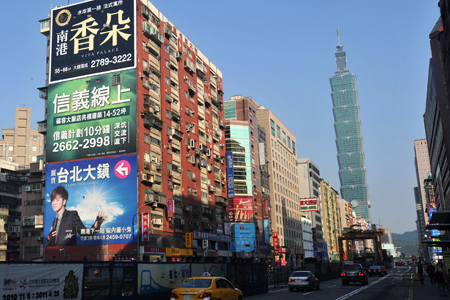
( investvine.com )
- Business Culture in Taiwan
- 臺灣文化商務資訊的角色
- Taiwan business culture is a unique & highly-successful blend of traditional Confucian values, modern corporate pragmatism & global supply chain integration. Successful navigation of business culture in Taiwan requires a thorough & nuanced understanding of interpersonal relationships & social hierarchy. Taiwan business culture blends traditional Confucian values of respect, hierarchy & relationship-building . . . “guanxi” . . . with a modern, fast-paced technological economy.
- Relationships & “Face”: (i.) “Guanxi”(關係) are the strong, long-term personal connections & trust that are the essential foundation of doing business in Taiwan. When doing business with foreigner entities, executives prefer to do business with people they know & trust rather than just the company itself. It takes time & patience to cultivate these relationships which are called “Guanxi” (關係); and (ii.) “Mianzi” (面子) is the concept of “face” which relates to dignity, reputation & social standing. It is highly important to maintain harmony & avoid causing public embarrassment or direct confrontation.
- Core Etiquette for Meetings: (i.) Initial meetings focus on building rapport rather than finalizing hard terms for a business deal immediately. It is important to approach the first round of business meetings with an appropriate attitude of patience & respect: (ii.) Business Cards – always use both hands to give & receive cards. Read each card carefully before placing it on the table or in a card holder. Never write on someone’s card; (iii.) Greetings & Hierarchy – greet the most senior person first. Learn to recognize formal titles printed on business cards . . . like “Manager” or “Director” . . . and use the titles together with the person’s surname when speaking to each person; (iv.) Punctuality – arrive on time for all professional appointments; and (v.) Dress Code – dress conservatively & neatly. Men typically wear dark suits & ties. Women wear smart subdued business suits or dresses.
- Communication: (i.) Communication is generally polite & reserved. A “yes” might mean “I understand” rather than agreement. Direct confrontation or a blunt “no” is avoided to protect mutual dignity (“saving face”); (ii.) The LINE messaging app is essential for daily office communication, coordination & team-building groups in Taiwan; and (iii.) Business Meals: Food is central to bonding. Hosts often share dishes & encourage guests to try everything. Hosts generally pay for the meal.
- Meetings & Negotiations: (i.) Hierarchy & Seniority: Age & rank are deeply respected. When meeting as part of a group visitors should address the most senior person first & always wait to be introduced by your host; (ii.) Indirect Communication: The Taiwanese are tactful & polite communicators. You will rarely hear a direct “no”. A phrase like “we’ll try” or a period of silence usually indicates hesitation or disagreement; and (iii.) Patience: Initial meetings focus heavily on relationship building rather than getting straight to business. Negotiations can be lengthy as decisions are often made collectively rather than by a single individual.
- Business Etiquette & Custom: (i.) Business Cards: Always present & receive a business card with both hands, ensuring the Traditional Chinese text faces the recipient. Take time to study it before placing it gently on the table or in a cardholder; (ii.) Dress Code: The Taiwanese place an emphasis on dressing neatly and conservatively. Men should wear suits and ties, while women should wear conservative business wear (iii.) Business Meals: Food and dining are critical avenues for building “guanxi”. Once invited to a business meal, it is customary to the guest to wait for the host to signal the start of the meal. Business is rarely discussed in front of subordinates during dinners; (iv.) Gift-Giving: Small, thoughtful gifts are appreciated but not mandatory. Never give anything in sets of four as the pronunciation in spoken Chinese Mandarin language of the number “four” sounds like death in Chinese. Small, thoughtful tokens from your hometown like localized snacks or corporate items are appreciated. Always present gifts with both hands. Avoid giving as gifts items associated with bad luck such as clocks or sharp cutting objects. Gifts should be pleasantly wrapped but not too ostentatious. They will be received graciously when they are presented but they are typically opened by the recipient in private; (v.) Workplace Culture: (a.) Hard Work & Dedication: Taiwanese workers are known for their diligence, loyalty, and execution of assigned tasks. Long working hours are a common feature of the East Asian work ethic; and (b.) Collectivism: Individual opinions should be shared gently to avoid threatening team cohesion or the line manager’s authority. Group harmony & the collective success of the organization are highly valued.
- expatarrivals.com – Doing business in Taiwan @ Expat Arrivals . com
- culturalatlas.sbs.com.au – Taiwanese business culture @ The Cultural Atlas .com (The Cultural Atlas is a collaborative project between Mosaica, SBS & Multicultural New South Wales, Australia).
- youtube.com – Why Taiwan’s Work Culture Might Be Killing Productivity @ You Tube . com (“CONNECTED” on TaiwanPlus channel.)
- youtube.com – Business Etiquette in Taiwan: What Every Professional Needs to Know @ You Tube . com (Iryna Bushmina’s channel.)
- tcml-mandarin.org – Navigating Taiwan’s Unique Workplace Culture: A Guide for International Business Partners @ Taiwan Center for Mandarin Learning . org (The Taiwan Center for Mandarin Learning (TCML) program was launched by the Overseas Community Affairs Council of the Republic of China on the Island of Taiwan in 2021. TCMLL collaborates with schools to establish Mandarin learning centers in Europe & the USA. TCML also serves as a platform for cultural exchange.)
- dearinassociates.com – Cracking the Code of Taiwan’s Business Culture # Dearin Associates . com (Dearin & Associates is an international strategy consultancy helping companies to scale internationally.)
- businessfinland.fi – Doing business in Taiwan @ Business Finland website (Business Finland is a Finnish public entity that provides innovation funding & growth services to Finnish companies, promotes tourism & investments, and attracts talent to Finland.)
- cake.me – Understanding Taiwan’s Culture: A Guide for Professionals @ CAKE . me (Cake was established in 2016 to connect businesses with top-tier talent. Cake is based in Taiwan & provides streamlined international talent-matching services in the global labor market.)
- cyborlink.com – Doing business in Taiwan @ Cyborlink . com (This website was developed in 1999 by a team of graduate students at the University of Texas – Dallas as a practical resource for international management education. The founding purpose is to give business professionals, educators & students the knowledge to work effectively & respectfully across cultural boundaries.)
- goldcard.nat.gov.tw – Taiwanese Work Culture: Four Key Cultural Differences to Look Out For @ Taiwan Employment Gold Card Office website (The Taiwan Employment Gold Card is a combined open work permit, residence permit and visa for skilled professionals.)
- goldcard.nat.gov.tw – Social Etiquette in Taiwan @ Taiwan Employment Gold Card Office website (The Taiwan Employment Gold Card is a combined open work permit, residence permit and visa for skilled professionals.)
- kathrynread.com – Navigating the Basics of Taiwanese Business Culture for Exporters @ Kathryn Read . com (Ms. Read is an international sales & marketing consultant with +25 years’ experience developing niche products in emerging markets. She helps entrepreneurs in the consumer goods space to bridge the gap between their home market & Asia or Europe.
- asianbusinesscards.com – Taiwan – Profile & Corporate Culture Guide @ Asian Business Cards . com
- https://yabylon.com/en/markets/taiwan/
- https://www.polylocal.eu/blog/english-9/business-culture-in-taiwan-etiquette-communication-and-negotiation-tips-16
- https://my.nzte.govt.nz/article/business-culture-in-taiwan
- https://planetdepos.com/visiting-taipei-and-business-etiquette-taiwan
- https://taiwanchamber.cz/projects/ctbc-magazine/351-8-do-s-and-don-ts-of-doing-business-in-taiwan
- https://taiwan.acclime.com/guides/
- https://commisceo-global.com/management-guides/taiwan-management-guide/
- https://commisceo-global.com/country-guides/taiwan-guide/
- https://www.expatarrivals.com/asia-pacific/taiwan/doing-business-taiwan
- https://commisceo-global.com/country-guides/taiwan-guide/
- https://www.youtube.com/watch?v=VPlxJXy2kko
- https://english.cw.com.tw/article/article.action?id=3894
- https://www.youtube.com/watch?v=VPlxJXy2kko&t=552s
- https://planetdepos.com/visiting-taipei-and-business-etiquette-taiwan
- https://www.asianbusinesscards.com/blog/taiwan-profile-and-corporate-culture-guide/
- https://commisceo-global.com/management-guides/taiwan-management-guide/
- https://yabylon.com/en/markets/taiwan/
- https://www.worldtravelguide.net/guides/asia/taiwan/business-communications/
- https://www.youtube.com/watch?v=VPlxJXy2kko&t=552s
- https://www.polylocal.eu/blog/english-9/business-culture-in-taiwan-etiquette-communication-and-negotiation-tips-16
- https://culturalatlas.sbs.com.au/taiwanese-culture/taiwanese-culture-business-culture
- https://commisceo-global.com/country-guides/taiwan-guide/
- https://www.internsinasia.com/blog/things-to-know-about-business-etiquette-in-taiwan
- pwc.tw – Business culture in Taiwan – backgrounder
- saporedicina.com – How to get a visa for Taiwan @ Saporedicina . com
- doingbusiness.org – Business culture in Taiwan – backgrounder
- startabusinessintaiwan.tw – Business culture in Taiwan – backgrounder
- startabusinessintaiwan.tw – Business culture in Taiwan – backgrounder
- grantthornton.tw – Business culture in Taiwan – backgrounder
- tmf-group.com – Business culture in Taiwan – backgrounder
- expatarrivals.com – Business culture in Taiwan – backgrounder
- veem.com – Business culture in Taiwan – backgrounder
- pkf-fasselt.de – Business culture in Taiwan – backgrounder
- ausbt.com.au – Business culture in Taiwan – backgrounder
- ediplomat.com – Business culture in Taiwan – backgrounder
- worldbusinessculture.com – Business culture in Taiwan – backgrounder
- santandertrade.com – Business culture in Taiwan – backgrounder
- commisceo-global.com – Business culture in Taiwan – backgrounder
- careeraddict.com – Business culture in Taiwan – backgrounder
- export.gov – Business culture in Taiwan – backgrounder
- forbes.com – Business culture in Taiwan
- chinastrategiesgroup.com – China Strategies Group – website
- EASY SEARCH FOR MORE LINKS ! . . . . .
- scholar.google.com – Business in the culture of Taiwan – 臺灣文化商務資訊的角色 @ Google Scholar
- youtube.com – Business in the culture of Taiwan – 臺灣文化商務資訊的角色 @ You Tube . com
- images.google.com – Business in the culture of Taiwan – 臺灣文化商務資訊的角色 @ Google Images
- Development in Taiwan
- 臺灣文化中發展的角色
- Taiwan is experiencing a massive economic boom driven by artificial intelligence demand and advanced semiconductor manufacturing, with major think tanks like the Chung-Hua Institution for Economic Research (CIER) forecasting 2026 GDP growth to top 10%: (i) Semiconductor Dominance: Firms like TSMC control roughly 70% of global foundry revenue and over 90% of advanced AI chips, acting as a critical “silicon shield” for the island’s strategic and economic value; (ii) Surging Forecasts: Driven by robust global high-tech and AI hardware demand, 2026 economic growth projections have been revised upward, with CIER estimating a 10.35% expansion and domestic industrial output rebounding strongly; (iii) Export Shifts: The United States has emerged as a leading export market destination amidst shifting global trade patterns and immense demand for high-performance computing components.
- Infrastructure and Policy : (i) Strategic Planning: Government initiatives focus heavily on digital infrastructure, green energy development, and reinforcing core research and development capabilities locally. [1, 2] ; (ii) Global Expansion: Major domestic manufacturers are simultaneously expanding selective advanced fabrication footprints abroad (such as in Arizona) to manage supply chain resilience and partner demands; (iii) National Development Council pursues national-level economic planning including infrastructure projects & other investments that ensure local economic stability & integration.
- Taiwan is currently experiencing unprecedented economic growth, with the National Development Council (NDC) targeting an economic expansion rate of roughly 4.56% to double-digit forecasts, while research institutions predict year-end growth to exceed 10%. This extraordinary development is largely powered by the global artificial intelligence (AI) boom, making the island the manufacturing hub for over 90% of the world’s advanced AI chips.
- The primary engines & regulatory shifts driving development on the Island of Taiwan include: (i.) Core Economic & Industrial Drivers; and (ii.) Tech & Digital Policy
- Core Industrial Drivers: (i) Semiconductor & AI Supremacy: Fueled by a continuous tidal wave of global demand for High-Performance Computing (HPC), companies like TSMC are operating at maximum capacity. The government launched the Ten AI Initiatives Promotion Plan (2025-2028) to build sovereign AI capabilities, silicon photonics, and quantum computing infrastructure; (ii) Shift to the US Market: A major economic reshuffle has occurred, with the United States recently surpassing China as Taiwan’s largest export market. New bilateral trade agreements are being forged to reinforce resilient supply chains. [1, 2, 3] ; (iii) Five Trusted Industry Sectors: The National Development Council is directing the country’s National Development Plan (2025-2028) into five key sectors: Semiconductors, AI, Defense, Cybersecurity, and Next-Generation Communications.
- Tech & Digital Policy: (i) Draft AI Basic Law: Recognizing the transformative power of AI, the National Science and Technology Council released an AI Basic Law draft focused on sustainable development, human autonomy, and responsible risk management. [1]; (ii) Ministry of Digital Affairs (MODA): Established to spearhead digital transformation, MODA is overseeing the 5G Private Network Project and zero-trust cybersecurity architectures, protecting Taiwan’s manufacturing supply chains from the millions of cyberattacks the island receives daily. [1] ; I(iii) Fintech & Financial AI: The Financial Supervisory Commission (FSC) has issued sweeping AI guidelines for the financial sector. Nearly 87% of Taiwanese banks are deploying Machine Learning (ML) and Natural Language Processing to enhance crime prevention and operational efficiency. [1]
- Structural Challenges & Future-Proofing; (i) While Taiwan’s manufacturing and GDP metrics are soaring, the government is actively tackling the following structural vulnerabilities: [1, 2] ; (ii) Economic Concentration: Growth remains highly concentrated in a few mega tech companies, widening the wealth and productivity gap for domestic Small and Medium Enterprises (SMEs). [1, 2]: (iii) Energy & Net-Zero Transition: To combat global climate concerns and the island’s high dependence on imported fossil fuels, the Pathway to Net-Zero Emissions in 2050 remains a heavy priority, involving controversial but necessary expansions of renewable infrastructure. [1, 2, 3] & (iv) Brain Drain: With TSMC and other firms expanding operations abroad to meet geopolitical and supply-chain pressures, retaining critical R&D and engineering talent domestically is a major policy focus.
- ndc.gov.tw – The National Development Council (NDC) 國家發展委員會 – website
- wikipedia.org – The National Development Council (NDC) 國家發展委員會 @ Wikipedia . org
- https://en.wikipedia.org/wiki/Economy_of_Taiwan
- https://focustaiwan.tw/business/202607220017
- https://focustaiwan.tw/business/202607210020
- https://www.ndc.gov.tw/en/
- taiwantoday.tw – NDC Minister outlines plan for 2026 @ Taiwan Today e-zine
- focustaiwan.tw – NDC Minister Yeh outlines plan for 2026 @ Focus Taiwan – website
- colorado.edu – Economic development in the culture of Taiwan – backgrounder
- indexmundi.com – Economic development in the culture of Taiwan – backgrounder
- worldscientific.com – Economic development in the culture of Taiwan – backgrounder
- yushanforum.org – YuShan Forum – website
- marketwatch.com – Economic development in the culture of Taiwan – backgrounder
- researchgate.net – Economic development in the culture of Taiwan – backgrounder
- tandfonline.com – Economic development in the culture of Taiwan – backgrounder
- focustaiwan.tw – Economic development in the culture of Taiwan – backgrounder
- worldscientific.com – Economic development in the culture of Taiwan – backgrounder
- taef.org – Taiwan – Asia Exchange Foundation – website
- ndc.gov.tw – Population projections for Taiwan @ National Development Council of Taiwan – website
- wikipedia.org – Economic development in the culture of Taiwan – backgrounder
- wikipedia.org – Economic development in the culture of Taiwan – backgrounder
- sciencedirect.com – Economic development in the culture of Taiwan – backgrounder
- stanford.edu – Economic development in the culture of Taiwan – backgrounder
- brookings.edu – Economic development in the culture of Taiwan – backgrounder
- thediplomat.com – Economic development in the culture of Taiwan – backgrounder
- forbes.com – Economic development in the culture of Taiwan – backgrounder
- nationsencyclopedia.com – Economic development in the culture of Taiwan – backgrounder
- eh.net – Economic development in the culture of Taiwan – backgrounder
- fpri.org – Economic development in the culture of Taiwan – backgrounder
- fee.org – Economic development in the culture of Taiwan
- https://www.youtube.com/watch?v=cLabVJhB588&t=32s
- https://www.youtube.com/watch?v=WTzV2h_9LUo&t=107s
- https://www.taiwan.gov.tw/content_7.php
- https://www.youtube.com/watch?v=zOzNKUJrDtE
- EASY SEARCH FOR MORE LINKS ! . . . . .
- scholar.google.com – Economic development in the culture of Taiwan – 臺灣文化中發展的角色 @ Google Scholar
- youtube.com – Economic development in the culture of Taiwan – 臺灣文化中發展的角色 @ You Tube . com
- images.google.com – Economic development in the culture of Taiwan – 臺灣文化中發展的角色 @ Google Images
- Economy of Taiwan
- 臺灣文化中經濟的角色
- Taiwan’s economy is experiencing a massive boom driven by an artificial intelligence and technology hardware surge, with major think tanks forecasting a gross domestic product (GDP) growth rate of up to 10.35% for 2026. The United States has recently surpassed China as Taiwan’s top export market, fueled by global demand for artificial intelligence applications and high-performance computing. [1, 2, 3]. At the center of this rapid economic expansion is the island’s advanced semiconductor manufacturing industry. Taiwan is deeply-integrated into global supply chains & accounts for the manufacture of a substantial portion (+66%) of the world’s raw semiconductors. Taiwan is responsible for the production of over 90% of the most advanced, leading-edge semiconductor chips . . . making Taiwan an indispensable hub for the boom in global technology & Artificial Intelligence (AI). Companies like Taiwan Semiconductor Manufacturing Company (TSMC) sit at the heart of this massive ecosystem and act as a vital choke point in the global tech supply chain. This has driven the Taiwan Stock Exchange to become the world’s fifth-largest bourse heavily bolstered by TSMC’s massive market capitalization
- Taiwan boasts a well-developed export-driven free-market economy with an estimated nominal GDP of $976.7 billion & a GDP (PPP) of $2.27 trillion. With a population of about 23.3 million this translates to a per capita income of $42,103 (nominal) and $98,051 (PPP). Purchasing power parity (PPP) income adjusts standard income or economic output (like GDP per Capita) by the cost of living in different countries. It measures what a local currency can actually buy locally compared to an international benchmark like the U.S. dollar .
- Trade Shifts & the AI Economy: Taiwan’s robust trade performance is unprecedented for its size, with the island recently exporting more in goods and services to the U.S. in a five-month period than the entirety of mainland China. The surge in shipments is a direct result of global tech giants—including Apple, Nvidia, and Microsoft—relying on Taiwanese hardware to build their artificial intelligence infrastructure.
- Current Economic Indicators: (i) GDP Growth: Projected to hit 10.35% for 2026 according to the Chung-Hua Institution for Economic Research (CIER), representing a dramatic increase from earlier projections; (ii) Inflation: Hovering around the 2% mark, remaining relatively stable; (iii) Trade Volume: Total exports are on track to potentially break the US$900 billion milestone if overseas demand persists; (iv) Per Capita GDP: International Monetary Fund estimates have placed Taiwan’s GDP per capita near US$34,000.
- Headwinds & Vulnerabilities: Despite this historic growth, economic analysts and agencies like Fitch Ratings note several vulnerabilities. The economy faces long-term challenges, including an aging population, a severe concentration of wealth and productivity within the tech sector, and heavy reliance on the United States. Furthermore, geopolitical tensions across the Taiwan Strait remain an ever-present consideration, and a sudden global slowdown in tech or AI hardware demand could significantly impact export numbers
- Key economic indicators highlight its strong international financial position: (i)Nominal GDP ~$976. ) (ii) GDP per Capita (PPP) ~$98,051. Ranks 11th ; (iii) GDP Growth ~8%–10% (driven by AI and tech exports). Among highest globally; (iv) Inflation (CPI) ~1.5% to 2.6%. Relatively stable; (v) Unemployment ~3.3% to 3.7%. Very low; (vi) Foreign Exchange Reserves ~$600 billion. 4th / 5th largest
- Major Industries: While historically a manufacturing powerhouse for small and medium-sized enterprises (SMEs), the modern economy is heavily consolidated around advanced tech and capital-intensive manufacturing: [1] : ( Semiconductors: The undisputed global leader in contract semiconductor manufacturing and design. Anchor companies like Taiwan Semiconductor Manufacturing Company (TSMC) dominate global advanced chip production. [1, 2, 3]; (ii) Information & Communication Technology (ICT): Taiwan is a major producer of AI servers, computers, networking equipment, and smartphones. [1, 2, 3]; (iii) Automotive Electronics: Taiwan is an essential supplier to the global EV market, with about 75% of Tesla‘s suppliers based on the island. [1] ; (iv) Specialized Manufacturing: Taiwan is a global top exporter of machine tools, sporting/fitness equipment, and holds a massive share of the global golf equipment OEM market.
- Trade Structure: Taiwan is deeply dependent on international trade, with exports making up over 60% to 70% of its overall GDP. [1, 2]; (i) Major Exports: Integrated circuits (semiconductors), ICT products, AI-related servers, precision machinery, and auto parts; (ii) Key Trading Partners: The United States has surged to become a leading export destination, rivaling and occasionally surpassing China (including Hong Kong), which remains a top trading partner but has seen a reduction in overall share.
- Structural Challenges: Despite the considerable wealth & a surge in economic growth fueled by global AI investments Taiwan faces several macroeconomic hurdles : (i) Wealth Inequality & Housing Costs – The economic boom is highly concentrated within a few major tech giants leading to unbalanced wage growth & high living costs for many citizens particularly for real estate; (ii) Energy Vulnerability – Because of the heavy reliance on energy imports (~98%) energy scarcity remains a significant risk for the power-hungry chip fabrication plants on the Island of Taiwan; (iii) Demographic Shift – An aging population & low birth rates have led to talent & labor shortages, especially in highly skilled engineering sectors. [1, 2]; (iv) Geopolitics: Tensions and trade pressures from Beijing introduce ongoing risk to investor sentiment and international supply lines
- csis.org – Why Taiwan matters @ CSIS website
- https://www.aljazeera.com/news/2026/5/27/taiwans-economy-is-booming-thanks-to-ai-not-everyone-sees-the-benefits
- https://www.globaltenders.com/economy-of-taiwan
- https://gfmag.com/emerging-frontier-markets/taiwan-powering-ahead/
- https://globaltaiwan.org/2026/06/taiwans-stock-exchange-is-soaring/
- https://www.youtube.com/watch?v=zOzNKUJrDtE
- https://en.wikipedia.org/wiki/Economy_of_Taiwan
- thenewslens.com – The Newslense . com
- trade.gov – Taiwan Country Commercial Guide – Agricultural Sectors @ International Trade Administration of the US Department of Commerce (U.S.A.)
- zipdo.co – Taiwan Industry Statistics @ Zipdo . co (Goal of Zipdo is to put reliable market data in the hands of everyone who needs it through verified industry reports, research & on-demand analysis).
- groupecreditagricole.com – Economic & political overview of Taiwan @ Le groupe Crédit Agricole – website (France)
- tcml-mandarin.org – Taiwan’s Global Edge: A Look into the Island’s World-Renowned Industries @ Taiwan Center for Mandarin Learning – website
- EASY SEARCH FOR MORE LINKS ! . . . . .
- scholar.google.com – Economy in the culture of Taiwan – 臺灣文化中經濟的角色 @ Google Scholar
- youtube.com – Economy in the culture of Taiwan – 臺灣文化中經濟的角色 @ You Tube . com
- images.google.com – Economy in the culture of Taiwan – 臺灣文化中經濟的角色 @ Google Images
- Trade in Taiwan
- 臺灣文化中貿易的角色
- Taiwan is an export-driven powerhouse and is one of the world’s most trade-reliant economies. Because the island has an active industrial base but lacks natural resources like fossil fuels and certain agricultural commodities, its economy—which is heavily built upon the global demand for advanced technology—is fundamentally shaped by international commerce. [1, 2, 3, 4]
- Taiwan’s trade is booming and rapidly shifting toward the United States, which recently surpassed China as Taiwan’s top export destination. Driven heavily by tech hardware, semiconductors, and a finalized tariff-reduction pact with the U.S., Taiwan’s total global trade continues to expand, though cross-strait commerce with mainland China remains significant. [1, 2, 3, 4, 5]
- Key Trade Metrics & Relationships: (i) United States: Two-way goods trade between the U.S. and Taiwan reached approximately $256.1 billion. A recent Agreement on Reciprocal Trade (ART) reduced tariffs on Taiwanese goods to 15%, while Taiwan pledged to buy billions in American energy and agricultural products. The U.S. accounts for the largest share of Taiwanese exports; (ii) China: Cross-strait trade remains high, with the mainland serving as a primary destination for Taiwanese components and electronic parts, though the percentage of exports going to the U.S. has outpaced China in recent years. [1, 2, 3, 4]
- Sourcing & Business Resources: For entities looking to do business with Taiwanese manufacturers, suppliers, or wholesalers, official trade promotion organizations provide comprehensive B2B matching and market overviews: (i) Taiwantrade: Taiwan’s foremost B2B e-marketplace and trade portal. It is operated by the Taiwan External Trade Development Council (TAITRA) to help global buyers source quality products and find certified local exporters. [1, 2]; (ii) TAITRA: The country’s largest non-profit trade promotion organization, which hosts numerous international trade shows and provides matchmaking services globally; (iii) U.S. Trade Representative: Provides official data, tariff structures, and policy documents detailing U.S.-Taiwan bilateral goods and services commerce
- Trade activity in Taiwan spans several key dynamics:
- 1. The U.S.-Taiwan Trade Pivot & Agreements
- Over the past couple of years, the United States has overtaken China to become Taiwan’s largest overall trading partner. [1, 2]
- Agreement on Reciprocal Trade (ART): The United States and Taiwan finalized a major reciprocal trade deal in Washington. Under this agreement, the U.S. reduced its reciprocal tariff rate on Taiwanese goods to 15%, while Taiwan agreed to reduce or eliminate most of its tariff and non-tariff barriers, including historically sensitive agricultural protections for beef and dairy
- Industrial and Direct Investment: Accompanying the trade deal are commitments where Taiwanese semiconductor and tech enterprises will make direct and credit-backed investments totaling well over $250 billion in the United States to secure technology supply chains and build advanced chip factories domestically. [1, 2, 3]
Purchase Commitments: As part of this broader bilateral economic pact, Taiwan agreed to purchase billions of dollars in American goods through 2030, including liquefied natural gas (LNG), crude oil, civil aircraft, and industrial equipment. [1, 2, 3] - Export and Import Profile
- Top Exports: Integrated circuits, semiconductors, computers, and information communication technology (ICT) hardware account for the vast majority of Taiwan’s exports (over 80% of total export value). Taiwan also has a massive global footprint in sporting goods, producing a large share of the world’s golf equipment and bicycles, as well as being a premier exporter of orchids. [1, 2, 3, 4, 5]
- Top Imports: To maintain its manufacturing capacity and sustain its population, Taiwan relies on large imports of mineral fuels (coal, oil, and LNG), refined petroleum, and specialized chemicals. It also imports significant agricultural products like corn, soybeans, and beef from the U.S. and other markets
- Sourcing and Trading Partners: United States: The U.S. is the top destination for Taiwan’s exports, driven by immense global demand for artificial intelligence (AI) chips and consumer electronics. [1, 2]; (ii) Mainland China: China remains a massive trading partner for Taiwan. While Taiwan’s exports to the U.S. now heavily exceed its exports to China, cross-strait trade volume remains strong. The mainland is a crucial destination for various industrial materials and machinery components that perfectly complement Taiwan’s semiconductor and tech ecosystems. [1, 2, 3, 4]; (iii) Others: Taiwan also actively trades with major Asian partners like Singapore, Japan, South Korea, and nations within the EU. [1, 2, 3]
- B2B Trade Platforms: For international businesses or buyers looking to source products, components, or manufacturers directly from Taiwan, the government and industry councils provide official e-marketplaces. The most prominent portal is Taiwantrade, an online B2B marketplace operated by the Taiwan External Trade Development Council (TAITRA), where global buyers can connect with Taiwanese suppliers, exporters, and wholesalers. [1, 2, 3, 4, 5]
- export.gov – Trade in the culture of Taiwan – backgrounder
- globaltaiwan.org – Combating Beijing’s Multifaceted Economic Coercion Strategy against Taiwan @ Global Taiwan Institute (U.S.A.) – website (GTI is a nonprofit organization dedicated to insightful, cutting-edge & inclusive research on policy issues regarding Taiwan & its place in the world.)
- gov.uk – Trade in the culture of Taiwan – backgrounder
- taiwantrade.com – Trade in the culture of Taiwan – backgrounder
- taitra.org.tw – Int’l External Trade Development Council – website
- taitra.org.tw – Trade in the culture of Taiwan – backgrounder
- ustr.gov – Trade in the culture of Taiwan – backgrounder
- taiwantradeshows.com.tw – Trade in the culture of Taiwan – backgrounder
- taiwantrade.com.tw – Trade in the culture of Taiwan – backgrounder
- trade.gov.tw – Trade in the culture of Taiwan – backgrounder
- brookings.edu – Trade in the culture of Taiwan – backgrounder
- reuters.com – Trade in the culture of Taiwan – backgrounder
- cnn.com – Trade in the culture of Taiwan – backgrounder
- wikipedia.org – Trade in the culture of Taiwan – backgrounder
- census.gov – Trade in the culture of Taiwan – backgrounder
- bloomberg.com – Trade in the culture of Taiwan
- ustaiwanbta.com – US – Taiwan Bilateral Trade Agreement Coalition – website
- EASY SEARCH FOR MORE LINKS ! . . . . .
- scholar.google.com – Trade in the culture of Taiwan – 臺灣文化中貿易的角色 @ Google Scholar
- youtube.com – Trade in the culture of Taiwan – 臺灣文化中貿易的角色 @ You Tube . com
- images.google.com – Trade in the culture of Taiwan – 臺灣文化中貿易的角色 @ Google Images
CURRENCY – 匯 率

- Currency in Taiwan
- 臺灣文化中匯率的角色
- The official currency is the New Taiwan Dollar. The abbreviation for the New Taiwan Dollar is NT$ or TWD. Paper banknote denominations include: NT$2,000, NT$1,000, NT$500, NT$200 & NT$100. Coin denominations include: NT$50, NT$20, NT$10, NT$5, & NT$1. All of these denominations are legal tender, but some are used more frequently than others. Banknotes of NT$200 & NT$2,000 are less common in everyday transactions. Among the coins, those which are smaller in size, like the NT$20 coin, are less common. The NT$50, NT$10, NT$5 & NT$1 coins are used in in everyday activities but those which are smaller in size are less common.
- The exchange rate between USD & TWD typically hovers around US$1 ≈ NT$30–31. The actual exchange rate will vary depending on the bank or service used for currency conversion & also depending on the day. Rates for conversion of NT$ into other currencies are available at banks, exchange offices, or via international ATM withdrawals.
- Foreign currency can be exchanged at government-designated banks, at some hotels & at the airport. Bank exchange services typically operate during regular business hours but may not be available on weekends or holidays. Foreign visitors are urged to keep their receipts when exchanging money as receipts are generally required if NT$ are to be converted into other currencies at the time of departure from the Island of Taiwan. Many establishments accept credit & debit cards, especially larger businesses, restaurants & hotels. But cash is generally necessary for smaller shops & night markets, and in rural areas. Foreign visitors are urged to carry a mix of smaller & larger denominations of currency, as small businesses & street vendors may not be able to make change for large bills offered for small purchases. Foreign visitors are also urged to be aware of ATM fees, international withdrawal fees, foreign transaction fees & currency conversion surcharges.
- _____ – Currency in the culture of Taiwan – 臺灣文化中匯率的角色
- EASY SEARCH FOR MORE LINKS ! . . . . .
- scholar.google.com – Currency in the culture of Taiwan – 臺灣文化中匯率的角色 @ Google Scholar
- youtube.com – Currency in the culture of Taiwan – 臺灣文化中匯率的角色 @ You Tube . com
- images.google.com – Currency in the culture of Taiwan – 臺灣文化中匯率的角色 @ Google Images
- ATMs in Taiwan
- 臺灣文化中自動提款機的角色
- The Island of Taiwan has a high density of ATMs. The website “Asian Banking & Finance.net” says there is one ATM for every 826 people. The Taipei Times newspaper website quotes a statistic of one ATM for every 840 people. ATMs can be found: (i.) in local branches of the major Taiwanese banks (E.SUN, CTBC, Bank of Taiwan, Chang Hwa Bank); (ii.) in convenience stores such as 7-Eleven & FamilyMart; (iii.) at post offices; and (iv.) shopping malls & other public places.
- Many ATMs accept foreign debit & credit cards, particularly those tied to Visa or Mastercard. Some will have PLUS or Cirrus compatibility. However, not all machines accept all types of cards. There is often a fee for withdrawing with a foreign card. Some ATMs or banks may charge ~NT$100 per transaction as a surcharge. Withdrawal limits per transaction tend to be around NT$20,000 (about US$625.00). Many ATMs offer an English-language option, especially in urban & tourist areas. But older ATMs and ATMs in more-remote ares may have limited English in the display screens. ATMs are usually available 24/7 especially those in convenience stores or freestanding machines. Bank branches themselves are not open 24 hours & may not be open at all on Sundays.
- Taiwan is introducing a facial recognition system on a trial basis at some ATMs starting from around May 2025. This innovation is aimed at deterring ATM fraudulent practices such as “money mules” who use masks or helmets to hide their identity. The system won’t block transactions if a face isn’t recognized but it will issue voice prompts to remove face coverings & may trigger an alarm after a time delay if the identity of the user cannot be confirmed.
- focustaiwan.tw – ATMs in the culture of Taiwan – backgrounder
- scmp.com – ATMs in the culture of Taiwan – backgrounder
- cyberark.com – ATMs in the culture of Taiwan – backgrounder
- reuters.com – ATMs in the culture of Taiwan – backgrounder
- coinatmradar.com – ATMs in the culture of Taiwan – backgrounder
- posb.com.sg – ATMs in the culture of Taiwan – backgrounder
- bot.com.tw – ATMs in the culture of Taiwan – backgrounder
- hsbc.com – ATMs in the culture of Taiwan – backgrounder
- dbs.com.tw – ATMs in the culture of Taiwan – backgrounder
- tripadvisor.com – ATMs in the culture of Taiwan – backgrounder
- taiwanfaq.weebly.com – ATMs in the culture of Taiwan – backgrounder
- tripadvisor.com – ATMs in the culture of Taiwan – backgrounder
- stackexchange.com – ATMs in the culture of Taiwan – backgrounder
- taichung.guide – ATMs in the culture of Taiwan – backgrounder
- lonelyplanet.com – ATMs in the culture of Taiwan – backgrounder
- forumosa.com – ATMs in the culture of Taiwan – backgrounder
- thenewslens.com – ATMs in the culture of Taiwan – backgrounder
- bitcointalk.org – ATMs in the culture of Taiwan – backgrounder
- bankinfosecurity.com – ATMs in the culture of Taiwan
- EASY SEARCH FOR MORE LINKS ! . . . . .
- scholar.google.com – ATMs in the culture of Taiwan – 臺灣文化中自動提款機的角色 @ Google Scholar
- youtube.com – ATMs in the culture of Taiwan – 臺灣文化中自動提款機的角色 @ You Tube . com
- images.google.com – ATMs in the culture of Taiwan – 臺灣文化中自動提款機的角色 @ Google Images
- Banking in Taiwan
- 臺灣文化中銀行的角色
- Taiwan has a well-developed banking system. There are many local banks, international banks, post office banking & good ATM / online banking networks. In large cities on the Island of Taiwan there are branches of all major Taiwan banks as well as branches of some foreign banks. Most bank branches are open weekdays ~9:00 AM to ~3:30 PM. Some branches may have partial hours on Saturday but many are closed Saturdays & Sundays.
- For persons who are not a citizens of Taiwan, the following will apply to open a bank account: (i.) In many cases, banks require that the applicant for a bank account present a valid Alien Resident Certificate (ARC) or some form of resident certificate; (ii.) a Passport or other ID document is generally needed; (iii.) A local address will be required. Some branches ask for proof of where you live; (iii.) Some banks require as little as NT$1,000 as an initial deposit in a new savings account; (iv.) After opening an account, if your resident certificate (ARC) is renewed, or your address or phone number changes, the bank may require you to update your info. Failing to do so may result in restrictions; (v.) Foreigners may experience reduced services or stricter verification for things like online banking, linking foreign bank accounts, or credit cards; (v.) The “minimum balance” and fees for services may differ somewhat from what locals pay; (vi.) Interest earned on bank deposits is taxed & the bank often withholds this tax at the source. The rate of taxation depends on the duration of the residency.
- Once you have a bank account, you’ll typically get a banking/ATM card. Some banks issue cards with both chip & magnetic strip, You will need to set PINs for different functions (ATM, chip, etc.). Foreigners can apply for local credit cards, but banks often require proof of income, proof of stable residency & sometimes a local guarantor. The process for issuing a credit card may take longer than for locals. Many Taiwan banks still use/passbooks (存摺) as transaction records, especially for in-person & routine transactions. Online & Mobile banking is widely available. Some banks offer services in English on their websites or apps, but this can vary by branch.
- _____ – Banking in the culture of Taiwan – 臺灣文化中銀行的角色
- EASY SEARCH FOR MORE LINKS ! . . . . .
- scholar.google.com – Banking in the culture of Taiwan – 臺灣文化中銀行的角色 @ Google Scholar
- youtube.com – Banking in the culture of Taiwan – 臺灣文化中銀行的角色 @ You Tube . com
- images.google.com – Banking in the culture of Taiwan – 臺灣文化中銀行的角色 @ Google Images
CYBER CAFE – 網 路 咖 啡 館

- Cyber cafe / Internet cafe in Taiwan
- 臺灣文化中網咖 / 電競館的角色
- What is a “Cyber-café / Net Café / 電競館” in Taiwan ? In Taiwan, these places are often more than just places to get online. Many combine : (i.) Gaming / esports setups (high-performance PCs, gaming chairs, sometimes “zones” for competitive / casual gaming); (ii.) Private or semi-private booths; (iii.) Food & drinks (snacks, instant meals, self-service drink bars); (iv.) Sometimes 24-hour operation; (v.) Some also offer “net lounge” style services: rest areas, possibly even beds or sleep pods (“電競旅館”).
- Things to Expect: (i.) If you want to game (especially fast games), check what GPU/CPU/monitor (refresh rate, resolution) they have. Some places are top-spec, others just basic; (ii.) Some net cafes / esports cafés are non-smoking, others allow smoking (or have separate sections). For comfort and air quality, this matters. The “領航者電競人文” place, for example, is non-smoking; (iii.) Many are open 24h, but not all. If you plan to go late or very early, be sure the one you pick stays open; (iv.) Pricing Structure: Usually by time blocks (hourly / multiple hours); (v.) Menus for food & beverages in the casual area may cost more than in the premium gaming area; (vi.) Some establisments have minimum spend (“低消”). For instance, “領航者電競人文” has different pricing for “休閒區” vs “電競區” plus minimum charges; (vii.) Some establishments have self-service drink bars, snacks, maybe instant food. If staying long, this can matter. Some have “包廂” or private rooms. Others may also have rest areas & / lounges; (viii.) Some internet cafes are located in areas near a train station or a commercial district, others may be located in suburban districts. If you don’t have transport, picking one near you is better.
- vice.com – Internet cafe in the culture of Taiwan – backgrounder
- linustechtips.com – Internet cafe in the culture of Taiwan – backgrounder
- google.com – Internet cafe in the culture of Taiwan – backgrounder
- wikipedia.org – Internet cafe in the culture of Taiwan – backgrounder
- lonelyplanet.com – Internet cafe in the culture of Taiwan – backgrounder
- tripadvisor.com – Internet cafe in the culture of Taiwan – backgrounder
- facepunch.com – Internet cafe in the culture of Taiwan – backgrounder
- researchgate.net – Internet cafe in the culture of Taiwan – backgrounder
- todaytourism.com – Internet cafe in the culture of Taiwan – backgrounder
- tripadvisor.com – Internet cafe in the culture of Taiwan
- EASY SEARCH FOR MORE LINKS ! . . . . .
- scholar.google.com – Internet cafe in the culture of Taiwan – 臺灣文化中網咖 / 電競館的角色 @ Google Scholar
- youtube.com – Internet cafe in the culture of Taiwan – 臺灣文化中網咖 / 電競館的角色 @ You Tube . com
- images.google.com – Internet cafe in the culture of Taiwan – 臺灣文化中網咖 / 電競館的角色 @ Google Images
DRINKING WATER – 飲 用 水

- Drinking water in Taiwan
- 臺灣文化中飲用水的角色
- The municipal tap water in Taiwan is treated & in many cities the water is monitored to ensure it meets safety standards. But “safe where it leaves the treatment plant” doesn’t always mean the water is “safe at the tap” in every building.
- Many locals & long-term residents say that they do not drink tap water directly. Boiling or filtering first is common. Among the concerns are: (i.) Old or poorly maintained plumbing or water pipes which can leach metals & accumulate biofilms; (ii.) Water storage tanks (“water towers”) inside buildings can harbor bacteria if not cleaned often & properly; and (iii.) The Taste, odor (often of chlorine) & “hardness” (mineral content) of the tap water. Even if the tapwater is “safe”, these factors make people prefer alternatives.
- What Locals & Visitors Usually Do: (i.) Boil water for drinking & cooking. Many people always do this, especially for drinking & when preparing food that absorb water such as noodles, rice & teaf; (ii) Use water filters (including under-sink RO filters or pitcher filters) in apartments particularly in newer residences or for people more concerned about purity; (iii.) Use bottled water especially when traveling or in areas with older infrastructure. Bottled water is widely available & affordable; (iv.) There are “water refill / bottled water stations” (in Taiwan often called “加水站”) in many city neighborhoods, where residents can fill up large water containers. People often boil or filter even this water before drinking.
- Drinking water straight from the tap is generally not recommended in Taiwan, primarily due to the risk of rust, sediment, and bacteria in older building pipes and rooftop storage tanks, even though municipal treatment plants purify the water to high standards. [1, 2, 3, 4, 5]
- Safety and Treatment
- Treatment plants: Public water leaving regional facilities meets strict safety rules, and the Taipei Water Department tests its supply rigorously. [1, 2, 3]
- Building infrastructure: Old metal pipes, lead components, and poorly maintained rooftop water tanks can re-contaminate water before it reaches a faucet. [1, 2, 3]
- Local habits: Residents almost always boil tap water or use heavy filtration systems (like Reverse Osmosis) before drinking it. [1, 2, 3]
- Safe Alternatives
- Boiling: Boil tap water for 1 to 3 minutes to kill any harmful germs or bacteria. [1]
- Public dispensers: Free hot and cold filtered water dispensers (shui zhiji) are common in train stations, convenience stores, hotels, temples, and schools. [1, 2, 3]
- Bottled water: Inexpensive bottled water is sold at every convenience store (like 7-Eleven or FamilyMart) if you are unsure about a specific source. [1, 2]
- _____- Drinking water in the culture of Taiwan – 臺灣文化中飲用水的角色
- EASY SEARCH FOR MORE LINKS ! . . . . .
- scholar.google.com – Drinking water in the culture of Taiwan – 臺灣文化中飲用水的角色 @ Google Scholar
- youtube.com – Drinking water in the culture of Taiwan – 臺灣文化中飲用水的角色 @ You Tube . com
- images.google.com – Drinking water in the culture of Taiwan – 臺灣文化中飲用水的角色 @ Google Images
EDUCATION – 教 育
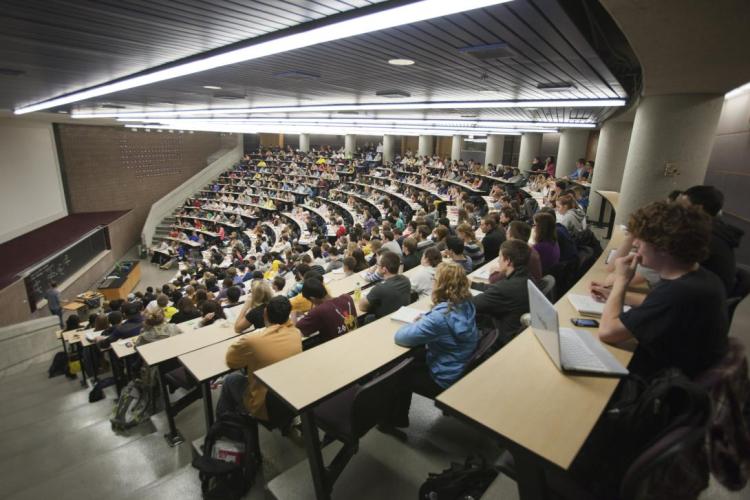
- Education in Taiwan
- 臺灣文化中教育的角色
- aiwan’s education system, managed by the Ministry of Education (Taiwan), follows a 6-3-3-4 structure (six years elementary, three junior high, three senior high, and four university). It emphasizes rigorous academics and STEM, regularly producing top PISA math and science scores globally. The standard 12-year basic education includes nine years of compulsory schooling. [1, 2, 3, 4, 5]
- Core Structure and Levels
- Basic Education: Nine years of compulsory education (elementary and junior high) are free and district-based. Senior high school, technical high school, or vocational school makes up the remaining three years of the 12-year curriculum. [1, 2]
- Higher Education: Taiwan hosts over 100 universities, with leading institutions like National Taiwan University (NTU) and National Yang Ming Chiao Tung University (NYCU). The technical and vocational track is also highly developed, feeding into premier institutions like National Taiwan University of Science and Technology (Taiwan Tech). [1, 2, 3, 4, 5]
Bilingual 2030 Policy: The government is rolling out an aggressive initiative to elevate English proficiency and integrate bilingual instruction across all levels of the curriculum. - Academic Culture
- Extensive Study Hours: Students typically experience long days. Many attend buxiban (cram schools) after regular classes, which end around 5:00 PM, to prepare for high-stakes high school and university entrance exams. [1, 2, 3, 4, 5]
- Life Skills: Unlike in many Western systems, Taiwanese students are actively responsible for keeping their campuses spotless, doing the majority of the school cleaning themselves. [1]
- _____ – Education in the culture of Taiwan – 臺灣文化中教育的角色
- EASY SEARCH FOR MORE LINKS ! . . . . .
- scholar.google.com – Education in the culture of Taiwan – 臺灣文化中教育的角色 @ Google Scholar
- youtube.com – Education in the culture of Taiwan – 臺灣文化中教育的角色 @ You Tube . com
- images.google.com – Education in the culture of Taiwan – 臺灣文化中教育的角色 @ Google Images
- Academic standards in Taiwan
- 臺灣文化中學術標準的角色
- _____ – Academic standards in the culture of Taiwan – 臺灣文化中學術標準的角色
- EASY SEARCH FOR MORE LINKS ! . . . . .
- scholar.google.com – Academic standards in the culture of Taiwan – 臺灣文化中學術標準的角色 @ Google Scholar
- youtube.com – Academic standards in the culture of Taiwan – 臺灣文化中學術標準的角色 @ You Tube . com
- images.google.com – Academic standards in the culture of Taiwan – 臺灣文化中學術標準的角色 @ Google Images
- Universities in Taiwan
- 臺灣文化中大學的角色
- Taiwan’s universities are globally renowned for STEM, semiconductor research, and medicine, with many offering English-taught programs. National Taiwan University (NTU) is the highest-ranked. Most top-tier institutions are split between Taipei (NTU, NYCU, NCCU) and tech hubs like Hsinchu (NTHU). [1, 2, 3]
- Top Universities in Taiwan
- National Taiwan University (NTU)
- National Yang Ming Chiao Tung University (NYCU)
- National Tsing Hua University (NTHU)
- Location: Hsinchu City
- Focus: Renowned for science, engineering, and tech, located in Taiwan’s “Silicon Valley”. [1, 2, 3, 4, 5]
- National Cheng Kung University (NCKU)
- Location: Tainan City
- Focus: Outstanding engineering, design, and industry collaborations. [1, 2, 3, 4]
- National Taiwan University of Science and Technology (Taiwan Tech)
- Location: Taipei City
- Focus: Premier technical university for applied sciences and engineering.
- Specialized & Private Standouts
- National Chengchi University (NCCU): Located in Taipei; the premier institution for humanities, social sciences, business, and law.
- Taipei Medical University (TMU): Located in Taipei; highly specialized for healthcare and medicine.
- Fu Jen Catholic University: Located in New Taipei City; highly favored by businesses for its well-rounded graduates.
- https://www.timeshighereducation.com/student/where-to-study/study-in-taiwan
- https://www.unirank.org/tw/
- https://en.wikipedia.org/wiki/List_of_universities_and_colleges_in_Taiwan
- studyintaiwan.org – National Taiwan Sport University – backgrounder @ Study in Taiwan . org
- soccerway.com – Taiwan Sports University – backgrounder @ Soccerway . com
- Taipei National University of the Arts
- wikipedia.org – Universities in the culture of Taiwan @ Wikipedia . org
- 4icu.org – Universities in the culture of Taiwan @ 4icu . org
- 4icu.org – Universities in the culture of Taiwan @ 4icu . org
- topuniversities.com –Universities in the culture of Taiwan @ Top Universities . com
- timeshighereducation.com – Universities in the culture of Taiwan @ Times Higher Education . com
- edarabia.com – Universities in the culture of Taiwan @ Edarabia . com
- ntu.edu.tw – Universities in the culture of Taiwan @ National Taiwan Univ – website
- mastersportal.com – Universities in the culture of Taiwan @ Masters Portal . com
- usnews.com – Universities in the culture of Taiwan @ US News & World Report . com
- EASY SEARCH FOR MORE LINKS ! . . . . .
- scholar.google.com – Universities in the culture of Taiwan – 臺灣文化中大學的角色 @ Google Scholar
- youtube.com – Universities in the culture of Taiwan – 臺灣文化中大學的角色 @ You Tube . com
- images.google.com – Universities in the culture of Taiwan – 臺灣文化中大學的角色 @ Google Images
- Institutes in Taiwan
- 臺灣文化中學院的角色
- Taiwan’s top academic and research institutions include the prestigious “Big Four” universities: National Taiwan University, National Tsing Hua University, and National Cheng Kung University. These elite schools form the backbone of the region’s higher education. [1, 2, 3, 4]
- https://en.wikipedia.org/wiki/List_of_universities_and_colleges_in_Taiwan
- https://en.wikipedia.org/wiki/Category:Research_institutes_in_Taiwan
- https://www.usnews.com/education/best-global-universities/taiwan
- Specialized & Professional Institutes
- Taipei Medical University (TMU): Highly rated private medical and healthcare institution in Taipei.
- Industrial Technology Research Institute (ITRI): Major state-backed high-tech research and development center.
- Academia Sinica: Taiwan’s national academy, housing top-tier specialized science and humanities research institutes. [1, 2, 3, 4, 5]
- Top Comprehensive & Research Universities
- National Taiwan University (NTU): Located in Taipei; top-ranked general research university.
- National Tsing Hua University (NTHU): Located in Hsinchu; powerhouse in science, tech, and engineering.
- National Cheng Kung University (NCKU): Located in Tainan; renowned for engineering, medicine, and industry collaboration.
- National Yang Ming Chiao Tung University (NYCU): Located in Hsinchu and Taipei; elite merger specializing in tech, information science, and medicine.
- indsr.org.tw – Institute for National Defense & Security Research – website
- asiasociety.org – The Asia Society – website
- STANFORD UNIVERSITY
- Walter H. Shorenstein Asia-Pacific Research Center (Shorenstein APARC)
- The Walter H. Shorenstein Asia-Pacific Research Center (Shorenstein APARC) is Stanford University’s primary hub for the interdisciplinary study of contemporary Asia. Part of the Freeman Spogli Institute for International Studies, the center produces policy-relevant research, trains scholars and practitioners, and strengthens dialogue between the United States and the Asia-Pacific
- Shorenstein APARC focuses on a wide array of topics, including innovation and entrepreneurship, education and development, political economy, and comparative health policy.
- aparc.fsi.stanford.edu – Walter H. Shorenstein Asia-Pacific Research Center
- aparc.fsi.stanford.edu – Taiwan Program @ Shorenstein Research Center
- Taiwan Science & Technology Hub
- taiwansthub.stanford.edu – Taiwan Science & Technology Hub
- Hoover Institution’s Project on Taiwan in the Indo-Pacific Region
- The Hoover Institution’s “Project on Taiwan in the Indo-Pacific Region” is a major non-partisan initiative dedicated to studying Taiwan’s democracy, civil society & geopolitical security. The program produces cutting-edge research, public events & policy recommendations to safeguard Taiwan’s future. [1, 2, 3]
- hoover.org – Hoover Institution Project on Taiwan – website
- The Stanford Center on China’s Economy & Institutions (SCCEI)
- The Stanford Center on China’s Economy & Institutions (SCCEI) is often referred to as “sky.” The Center is Stanford University’s primary hub for empirical multidisciplinary research on the Chinese economy. The center brings together scholars to focus on data-driven analysis of China’s development & its impact on the world.
- The center’s multidisciplinary research spans a variety of critical initiatives, including: [1, 2]: (i) The Chinese Economy: Analyzing national income growth, market reforms, and trade strategies. [1]; (ii) China Labor, Income, and Population (CLIP): Exploring demographic challenges (such as the declining fertility rate), inequality, and human capital. [1]; (iii) Rural Education Action Program (REAP): Focusing on health, education, and social-emotional learning (SEL) challenges facing rural China. [1]; and (iv) Industrial Policy & Tech: Studying the effectiveness of Chinese industrial subsidies, supply chains, and indigenous innovation ecosystems.
- Impact & Partnerships: SCCEI actively works to bridge the gap between academia, the policy community in Washington, and global stakeholders: [1]: (i) Big Data China: A collaborative multimedia project with the Center for Strategic and International Studies (CSIS) designed to highlight the policy implications of scholarly work on China. [1, 2]’ (ii) Asia Society Policy Institute: A partnership with the Center for China Analysis to convene leading global scholars and experts for roundtables and high-level discussions. [1]; (iii) SCCEI China Briefs: Two-page briefs that distill recent, dense journal articles into practical, accessible insights for lay readers, policymakers, and business leaders. [1]; (iv) Annual China Conference: A flagship event bringing together world-renowned experts from academia, Silicon Valley, and policy spheres to discuss China’s economic and technological trajectories.
- sccei.fsi.stanford.edu – Stanford Center on China’s Economy & Institutions – website
- csis.org – Center for Strategic & International Studies – website
- asiasociety.org – Asia Society Policy Institute’s Center for China Analysis – website
- bigdatachina.csis.org – Big Data China – website (Big Data China is a collaboration between the CSIS Trustee Chair in Chinese Business & Economics and the Stanford Center (SCCEI) on China’s Economy & Institutions.)
- sccei.fsi.stanford.edu – Stanford Center on China’s Economy & Institutions – website (Stanford Center on China’s Economy & Institutions is a joint effort of the Freeman Spogli Institute for International Studies and Stanford Institute for Economic Policy Research.)
- fsi.stanford.edu – The Freeman Spogli Institute for International Studies – website (The Freeman Spogli Institute for International Studies is Stanford’s home for nonpartisan, interdisciplinary research, teaching and policy impact in international affairs.)
- siepr.stanford.edu – The Stanford Institute for Economic Policy Research (SIEPR) – website (he Stanford Institute for Economic Policy Research (SIEPR) is dedicated to understanding the economic challenges, opportunities, and policies affecting people in the United States and around the world.)
- asiasociety.org – “Asia Society Policy Institute partnership with Stanford Center on China’s Economy & Institutions” @ Asia Society . org (The Center for China Analysis has partnered with the Stanford Center on China’s Economy & Institutions (SCCEI) which is Stanford University’s main hub for multidisciplinary, data-driven research on China’s economy. The partnership aims to convene experts from both institutions & leading global scholars to produce groundbreaking academic research & analysis on all facets of the Chinese economy for policymakers & other public stakeholders around the world.)
- Freeman Spogli Institute for International Studies
- The Freeman Spogli Institute for International Studies (FSI) is Stanford University’s primary hub for nonpartisan, interdisciplinary research, teaching, and policy impact in global affairs.
- fsi.stanford.edu – Freeman Spogli Institute for International Studies – website
- Kissinger Institute on China and the United States
- The Kissinger Institute on China and the United States is a non-partisan research and policy organization located in Washington, D.C.. Inaugurated in 2008 and housed within the Woodrow Wilson International Center for Scholars (the Ronald Reagan Building at 1300 Pennsylvania Avenue NW), the institute is dedicated to promoting a deeper understanding of Sino-U.S. relations and how this dynamic shapes both countries and the world.
- The institute bridges the gap between policymakers, scholars, and the general public by providing nuanced analysis on the intricacies of U.S.-China relations. Rather than solely focusing on the domestic study of China, the institute examines how the interactions, cultural exchanges, economic policies, and geopolitical strategies of both nations affect global stability. [1, 2, 3]
- wilsoncenter.org – Kissinger Institute on China & the United States – website
- wikipedia.org – Kissinger Institute on China & the United States – backgrounder @ Wikipedia . org
- PROJECT 2049 INSTITUTE
- The Project 2049 Institute—which rebranded as the Institute for Indo-Pacific Security (IIPS)—is a non-partisan, 501(c)(3) non-profit think tank based in Arlington, Virginia. Founded in January 2008 by Randall G. Schriver and Lt Col Mark Stokes, the organization focuses on U.S. foreign policy, national security, and strategic competition in the Asia-Pacific region, with a strong emphasis on China and Taiwan.
- Core Research Areas
- The institute’s work relies heavily on open-source research and Chinese-language sources to track political, military, and economic developments in the region. Its primary focus areas include: [1]
- China and PLA Studies: Analyzing the political warfare tactics of the Chinese Communist Party (CCP) and the modernization of the People’s Liberation Army (PLA). [1]
- Taiwan and Cross-Strait Security: Providing innovative policy recommendations to bolster U.S.-Taiwan relations and mitigate regional tensions. [1]
- Alliances and Partnerships: Forecasting risks and opportunities across established Indo-Pacific coalitions, including the U.S., Japan, South Korea, and the QUAD.
- Defense & Emerging Technology: Preparing for conventional, nuclear, and emerging threats. [1]
Economic Security: Defining economic statecraft to address evolving challenges in the Indo-Pacific. [1]
- project2049.net – Project 2049 – website
- wikipedia.org – Project 2049 Institute – backgrounder @ Wikipedia . org
- ustaiwanbta.com – Project 2049 – backgrounder @ US Taiwan Bilateral Trade Agreement Coalition
- Institute for Taiwan-American Studies
- The Institute for Taiwan-America Studies (ITAS) is an independent, non-profit academic institution and research organization based in Washington, D.C.. It focuses on policy research, analysis, and educational initiatives regarding U.S.-Taiwan relations and regional geopolitics
- Institute for Taiwanese Studies (ITS)
- Institute for Taiwanese Studies (ITS): A volunteer-based Taiwanese-American think tank in the United States that publishes research reports focusing on Taiwan’s historical and future socioeconomic developments
- Global Taiwan Institute
- Global Taiwan Institute (GTI): A major, high-profile 501(c)(3) think tank located in Washington, D.C.. GTI is dedicated strictly to strengthening U.S.-Taiwan relations through its weekly publication, the Global Taiwan Brief, and its regular policy seminars.
- American Institute in Taiwan (AIT)
- American Institute in Taiwan (AIT): The official, U.S. government-sponsored non-profit corporation that serves as the de facto U.S. Embassy in Taiwan. Headquartered in Arlington, Virginia, it administers consular services and unofficial diplomatic ties under the Taiwan Relations Act
- Taiwan Internet Governance Forum
- EASY SEARCH FOR MORE LINKS ! . . . . .
- scholar.google.com – Institutes in the culture of Taiwan – 臺灣文化中學院的角色 @ Google Scholar
- youtube.com – Institutes in the culture of Taiwan – 臺灣文化中學院的角色 @ You Tube . com
- images.google.com – Institutes in the culture of Taiwan – 臺灣文化中學院的角色 @ Google Images
- Libraries in Taiwan
- 臺灣文化中圖書館的角色
- Taiwan’s public libraries serve as modern cultural hubs that frequently double as architectural marvels. The National Central Library in Taipei and the stunning, LEED-certified Taipei Public Library Beitou Branch are highly accessible to locals and tourists. You can search catalogs, event calendars, and branch services at the Taipei Public Library system or the National Library of Public Information.
- Taiwan’s library network is highly sophisticated, with facilities ranging from historical research centers to state-of-the-art community living rooms. Top libraries include: (i) National Central Library (NCL) (Taipei): As Taiwan’s national library, it houses a premier collection of ancient Chinese texts, rare books, and comprehensive academic databases; (ii) Taipei Public Library, Beitou Branch (Taipei): Frequently listed as one of the world’s most beautiful libraries, this eco-friendly, timber-framed building is nestled in a lush park setting next to the Beitou Hot Spring area; (iii) New Taipei City Library – Main Branch (New Taipei): Known for its massive 24-hour reading zone and thematic floors, making it one of the largest and most accommodating in the metropolitan area; (iv) Taoyuan Public Library – Main Branch (Taoyuan): Opened in 2022, its striking, environmentally-conscious design (inspired by the Tree of Life) features a movie theater, art gallery, and vast reading spaces; (v) Tainan Public Library (Tainan): A gorgeous blend of old and new. The golden inverted-pyramid design provides a massive shaded plaza, alongside modern features like a maker space, a cooking studio, and cafes; and (vi) Kaohsiung Main Public Library (Kaohsiung): Located in the Qianzhen District, this architectural marvel uses a suspended structural system to eliminate indoor columns. It features an incredible rooftop garden with harbor views and dedicated multimedia floors.
- EASY SEARCH FOR MORE LINKS ! . . . . .
- scholar.google.com – Libraries in the culture of Taiwan – 臺灣文化中圖書館的角色 @ Google Scholar
- youtube.com – Libraries in the culture of Taiwan – 臺灣文化中圖書館的角色 @ You Tube . com
- images.google.com – Libraries in the culture of Taiwan – 臺灣文化中圖書館的角色 @ Google Images
- ”Think Tanks” in Taiwan
- 臺灣文化中智庫的角色
- Taiwan’s think tanks play a vital, outsized role in the country’s governance, foreign relations, and economic strategy. Because Taiwan faces unique diplomatic isolation and restricted participation in formal global organizations, these institutes serve as the primary engines for “Track-1.5” diplomacy, enabling the government to articulate positions, build strategic partnerships, and advocate for democratic values without issuing formal state statements. Think tanks in Taiwan are generally categorized into four main groups: official/semi-official organizations, academic centers, private institutions, and party-affiliated foundations.
- Major “Think Tanks” in Taiwan: (i.) Taiwan-Asia Exchange Foundation (TAEF)
Focuses on the New Southbound Policy (NSP), regional resilience, and youth leadership across the Indo-Pacific. Hosts the annual Yushan Forum; (ii.) Institute for National Defense and Security Research (INDSR). Dedicated to national security, military strategy, and Chinese People’s Liberation Army (PLA) analysis; (iii.) Chung-Hua Institution for Economic Research (CIER). Focuses on domestic and foreign macroeconomic policy, industrial strategy, and cross-strait trade; and (iv.) Taiwan Institute of Economic Research (TIER)The oldest private think tank in Taiwan. Provides macroeconomic forecasts and industrial consultancy. Focuses on promoting democracy, human rights, and democratic cooperation globally.
- Key Roles and Significance: (i) Track-1.5 and Track-II Diplomacy: With limited formal diplomatic ties, Taiwanese authorities rely on these foundations to host major regional conferences (such as the Ketagalan and Yushan forums). This allows Taiwanese scholars and former government officials to interact with foreign policymakers and epistemic communities without breaching formal diplomatic protocols. [1, 2, 3, 4]; (ii) Economic and Industrial Strategy: With Taiwan functioning as a cornerstone of the global supply chain, institutes like TIER and CIER provide essential data-driven forecasts regarding semiconductor supply, AI adoption, and overall economic growth. [1, 2, 3]; (iii) Global Network Building: Taiwanese think tanks have increasingly partnered with peer institutions in the US, Japan, Europe, and Southeast Asia to publish policy reports on Indo-Pacific security and global resilience. [1, 2]
- taiwannews.com.tw – “Think Tanks” in the culture of Taiwan – backgrounder
- dset.tw – Research Instute for Democracy, Society & Emerging Technology – website
- tier.org.tw – “Think Tanks” in the culture of Taiwan – backgrounder
- carnegieendowment.org – “Think Tanks” in the culture of Taiwan – backgrounder
- ethz.ch – “Think Tanks” in the culture of Taiwan – backgrounder
- think-tanks.guide – “Think Tanks” in the culture of Taiwan – backgrounder
- globaltaiwan.org – “Think Tanks” in the culture of Taiwan – backgrounder
- wikipedia.org – “Think Tanks” in the culture of Taiwan – backgrounder
- orfonline.org – “Think Tanks” in the culture of Taiwan – backgrounder
- taiwantoday.tw – “Think Tanks” in the culture of Taiwan – backgrounder
- pacificaffairs.ubc.ca – “Think Tanks” in the culture of Taiwan – backgrounder
- thinktank.com.tw – “Think Tanks” in the culture of Taiwan – backgrounder
- thinktankwatch.com – “Think Tanks” in the culture of Taiwan – backgrounder
- taipeitimes.com – “Think Tanks” in the culture of Taiwan – backgrounder
- hstanford.edu – “Think Tanks” in the culture of Taiwan – backgrounder
- nira.or.jp – “Think Tanks” in the culture of Taiwan – backgrounder
- itas-taiwan-us.org – “Think Tanks” in the culture of Taiwan – backgrounder
- ey.gov.tw – “Think Tanks” in the culture of Taiwan – backgrounder
- httharvard.edu – “Think Tanks” in the culture of Taiwan – backgrounder
- psa.ac.uk – “Think Tanks” in the culture of Taiwan – backgrounder
- giga-hamburg.de – “Think Tanks” in the culture of Taiwan
- brookings.edu – Brookings Institution – website
- china.ucsd.edu – 21st Century China Center – website
- CENTER for INTERNATIONAL PRIVATE ENTERPRISE
- CENTER for STRATEGIC & INTERNATIONAL STUDIES
- csis.org – Center for Strategic & International Studies – website
- COUNCIL on FOREIGN RELATIONS
- cfr.org – Council on Foreign Relations – website
- wikipedia.org – Council on Foreign Relations – backgrounder @ Wikipedia . org
- CENTER FOR CHINA & GLOBALIZATION (全球化智库)
- ccg.org.cn – website
- wikipedia.org – Center for China & Globalization – backgrounder @ Wikipedia . org
- csis.org – Center for China & Globalization – backgrounder @ CSIS
- DEFENSE PRIORITIES
- FOUNDATION for the DEFENSE OF DEMOCRACIES
- HENRY A. KISSINGER CENTER for GLOBAL AFFAIRS
- sais.jhu.edu – Kissinger Center – website
- THE HERITAGE FOUNDATION
- heritage.org – The Heritage Foundation – website
- wikipedia.org – The Heritage Foundation – backgrounder @ Wikipedia . org
- The Henry L. Stimson Center
- stimson.org – “How Taiwan’s Economic Security Impacts Its National Security” @ Henry L. Stimson Center (The Stimson Center is a leading voice on urgent global issues. The Center has pioneered practical new steps toward stability & security in an uncertain world & is at the forefront of engaging new voices, generating innovative ideas & analysis and building solutions to promote international security, prosperity & justice.)
- INSTITUTE for PEACE
- INSTITUTE for the STUDY OF WAR
- NAUTILUS INSTITUTE for SECURITY & SUSTAINABILITY
- YORKTOWN INSTITUTE
- EASY SEARCH FOR MORE LINKS ! . . . . .
- scholar.google.com – “Think Tanks” in the culture of Taiwan – 臺灣文化中智庫的角色 @ Google Scholar
- youtube.com – “Think Tanks” in the culture of Taiwan – 臺灣文化中智庫的角色 @ You Tube . com
- images.google.com – “Think Tanks” in the culture of Taiwan – 臺灣文化中智庫的角色 @ Google Images
EX-PAT INFO – 外 籍 人 士 資 訊

( charlieontravel.com )
- Ex-pat info for Taiwan
- 臺灣文化中外籍人士資訊的角色
- ait.org.tw – Driving in Taiwan @ AIT . org
- ait.org.tw – Getting started in Taiwan @ AIT . org
- ait.org.tw – Doctors in Taiwan @ AIT . org
- meetyouatthebridge.nl – Ex Pat culture on Taiwan @ MeetYouAtTheBridge (Netherlands)
- laorencha.com – Teachers on Taiwan – backgrounder @ Laorencha blog
- charlieontravel.com – Ex-pat life in the culture of Taiwan @ Charlie on Travel . com
- EASY SEARCH FOR MORE LINKS ! . . . . .
- scholar.google.com – Ex-pat life in the culture of Taiwan – 臺灣文化中外籍人士資訊的角色 @ Google Scholar
- youtube.com – Ex-pat life in the culture of Taiwan – 臺灣文化中外籍人士資訊的角色 @ You Tube . com
- images.google.com – Ex-pat life in the culture of Taiwan – 臺灣文化中外籍人士資訊的角色 @ Google Images
- Taiwan Contemporary Life Web
- 臺灣當代生活的網際網路網站
- travelswithsandy.com – Contemporary life web in the culture of Taiwan – backgrounder
- reachtheworld.org – Contemporary life web in the culture of Taiwan – backgrounder
- taiwantoday.tw – Contemporary life web in the culture of Taiwan – backgrounder
- borderless-house.com – Contemporary life web in the culture of Taiwan – backgrounder
- synapticism.com – Contemporary life web in the culture of Taiwan – backgrounder
- georgetown.edu – Contemporary life web in the culture of Taiwan – backgrounder
- jstor.org – Contemporary life web in the culture of Taiwan – backgrounder
- thedeliciousday.com – Contemporary life web in the culture of Taiwan – backgrounder
- fulbright.org.tw – Contemporary life web in the culture of Taiwan – backgrounder
- epochtimes.com – 台灣生活 @ Epoch Times (Chinese Page)
- life.com.tw – LIFE 生活網 @ Life . com . tw (Chinese Page)
- immigration.gov.tw – 外國人在台灣 @ Taiwan Immigration Department (Chinese Page)
- youtube.com – Contemporary life web in the culture of Taiwan – backgrounder
- youtube.com – Contemporary life web in the culture of Taiwan – backgrounder
- youtube.com – Contemporary life web in the culture of Taiwan – backgrounder
- antoniotajuelo.com – Contemporary life web in the culture of Taiwan – backgrounder
- veronikasadventure.com – Contemporary life web in the culture of Taiwan – backgrounder
- expat.com – Contemporary life web in the culture of Taiwan – backgrounder
- countriesquest.com – Contemporary life web in the culture of Taiwan
- EASY SEARCH FOR MORE LINKS ! . . . . .
- scholar.google.com – Contemporary life web for Taiwan – 臺灣當代生活的網際網路網站 @ Google Scholar
- youtube.com – Contemporary life web for Taiwan – 臺灣當代生活的網際網路網站 @ You Tube . com
- images.google.com – Contemporary life web for Taiwan – 臺灣當代生活的網際網路網站 @ Google Images
- TAIPEI FASHION WEEK
- _____ – Taipei Fashion Week – backgrounder
GOVERNMENT – 政 府

( nouahsark.com )
- Government in Taiwan
- 臺灣文化中政府的角色
- Taiwan, officially the Republic of China (ROC), is a highly developed, semi-presidential democratic republic. The president is the head of state, while the premier serves as the head of government. The central administration operates under five specialized branches, or yuans: Executive, Legislative, Judicial, Examination, and Control. [1, 2, 3]
- Government Structure: Taiwan operates under a semi-presidential system with five branches (Yuan): Executive, Legislative, Judicial, Examination & Control.
- Taiwan, officially the Republic of China (ROC), is a highly developed, semi-presidential democratic republic. The president is the head of state, while the premier serves as the head of government. The central administration operates under five specialized branches, or yuans: Executive, Legislative, Judicial, Examination, and Control. [1, 2, 3]
- taiwan.gov.tw – Taiwan e-government – website
- president.gov.tw – Office of the President of Taiwan – website
- EASY SEARCH FOR MORE LINKS ! . . . . .
- scholar.google.com – Government in the culture of Taiwan – 臺灣文化中政府的角色 @ Google Scholar
- youtube.com – Government in the culture of Taiwan – 臺灣文化中政府的角色 @ You Tube . com
- images.google.com – Government in the culture of Taiwan – 臺灣文化中政府的角色 @ Google Images
- Administrative Divisions of Taiwan
- 臺灣文化中行政區的角色
- Taiwan operates on a two-tier localized administrative structure overseen directly by the central government. The territory is divided into 22 principal subnational divisions. While two provinces (Taiwan and Fujian) nominally exist for historical and geographical continuity, their governing powers and operations were transferred to the central Executive Yuan. [1, 2, 3, 4, 5, 6]
- The current first-level divisions include 6 special municipalities, 13 counties, and 3 cities.
- Top-Level Divisions
Division Type
Count
Key Entities
Special Municipalities
6
Kaohsiung, New Taipei, Taichung, Tainan, Taipei, Taoyuan
Counties (Xian)
13
Changhua, Chiayi, Hsinchu, Hualien, Kinmen*, Lienchiang*, Miaoli, Nantou, Penghu, Pingtung, Taitung, Yilan, Yunlin
Cities (Shi)
3
Chiayi City, Hsinchu City, Keelung City
*( Note: Kinmen and Lienchiang are offshore counties nominally under Fujian Province. All . All other counties and cities are nominally under Taiwan Province. - Subdivisions
- The top-level divisions are further broken down into smaller administrative units for localized governance. [1]
- Subdivisions of Special Municipalities and Cities: [1, 2]
- Districts (Qu): These handle local administration like public works, health, and civil services. District administrators are appointed by the mayors. [1, 2]
- Mountain Indigenous Districts (Shandi Yuanzhuminqu): Six specialized districts (Wulai in New Taipei; Fuxing in Taoyuan; Heping in Taichung; Namasia, Maolin, and Taoyuan in Kaohsiung) that have elected heads to address indigenous needs and customary laws. [1]
- Subdivisions of Counties: [1, 2]
- County-Administered Cities (Xianxiashi): Major urbanized commercial hubs within a county (e.g., Zhubei in Hsinchu County or Toufen in Miaoli County) with their own mayors and city councils. [1]
- Urban Townships (Zhen): Mid-sized semi-urbanized settlements. [1, 2]
- Rural Townships (Xiang): Primary administrative units in non-metropolitan and agricultural territories. [1, 2]
- Mountain Indigenous Townships: Specifically designated administrative areas where residents enjoy cultural autonomy and tribal land protections.
- Grassroots Levels:
Below townships and districts, the hierarchy reaches down into Villages (Cun) in rural townships and Neighborhoods (Li) in urban townships and cities. The absolute lowest tier comprises Neighborhoods (Lin), which partition villages and neighborhoods into small clusters of households for localized census and community management. [1, 2]
- president.gov.tw – Government organizations @ Office of the President of the Republic of China on the Island of Taiwan – website
- wikimedia.org – Republic of China, administrative divisions (county level) @ wikimedia . org
- wikipedia.org – Administrative divisions of Taiwan – 中華民國行政區劃 @ Wikipedia . org
- wikipedia.org – List of administrative divisions of Taiwan – 臺灣行政區人口列表 @ Wikipedia . org
- wikipedia.org – Special municipality (Taiwan) – 直轄市 (中華民國) @ Wikipedia . org
- wikipedia.org – Provincial city (Taiwan) – 市 (中華民國) @ Wikipedia . org
- wikipedia.org – Counties of Taiwan – 縣 (中華民國) @ Wikipedia . org
- wikipedia.org – Administrative divisions of the Republic of China (1912–1949) – 中華民國大陸時期行政區劃沿革 @ Wikipedia . org
- academickids.com – Political divisions of the Republic of China @ Academic Kids . com
- wikimedia.org – Political divisions of the Republic of China (Taiwan) @ Wikimedia . org
- EASY SEARCH FOR MORE LINKS ! . . . . .
- scholar.google.com – Administrative Divisions in the culture of Taiwan – 臺灣文化中行政區的角色 @ Google Scholar
- youtube.com – Administrative Divisions in the culture of Taiwan – 臺灣文化中行政區的角色 @ You Tube . com
- images.google.com – Administrative Divisions in the culture of Taiwan – 臺灣文化中行政區的角色 @ Google Images
- Laws of Taiwan
- 臺灣文化中法律的角色
- The legal system in Taiwan is based on the civil law tradition, functioning as a multi-tiered framework with the Constitution as the supreme law of the land. The system is managed by the Judicial Yuan, which oversees three levels of courts for civil and criminal cases (District Courts, High Courts, and the Supreme Court) along with specialized courts for administrative, intellectual property, and juvenile matters. [1, 2, 3, 4, 5]
- If you need to search or reference specific Taiwanese statutes, codes, or regulations, the Taiwanese government maintains an official, regularly updated English database called the Laws and Regulations Database of the Republic of China (Taiwan). [1, 2]
- Taiwanese law covers a vast array of subjects, with the following being the most commonly referenced legal categories:
- Civil Code: Governs private legal relations, including contracts, property, torts, family law, and inheritance. [1, 2, 3, 4, 5]
Criminal Code: Defines crimes, penalties, and the principles of criminal responsibility. [1, 2]
Act Governing Food Safety and Sanitation: Enforces strict regulations and imposes heavy fines (up to NT$30 million) for safety breaches. [1]
Labor Standards Act (LSA) & Employment Service Act: Regulates labor-management relations, minimum working conditions, gender equality in employment, and the rights of foreign workers. [1, 2]
Immigration Act: Regulates the entry, residency, and permanent residency of foreign nationals, including fast-track pathways for specialized professionals. [1, 2] - Important “Little-Known” Laws and Rules to Note
- Tourists and expats in Taiwan must be aware of a few strict social and behavioral regulations that are actively enforced:
- Public Transportation: Eating, drinking, or chewing gum/betel nut on the MRT, buses, and most taxis is strictly prohibited and carries heavy fines. [1, 2]
- Public Etiquette: Littering, indoor smoking, and using profanity or being rude to medical staff can result in significant penalties. [1]
- Import Restrictions: Taiwan maintains extremely strict agricultural quarantine laws. Bringing prohibited meat products (especially pork) into the country can result in massive fines exceeding NT$200,000
- congress.gov – Asia Reassurance Initiative Act of 2018 @ US Congress – website
- _____ – Laws in the culture of Taiwan – 臺灣文化中法律的角色
- EASY SEARCH FOR MORE LINKS ! . . . . .
- scholar.google.com – Laws in the culture of Taiwan – 臺灣文化中法律的角色 @ Google Scholar
- youtube.com – Laws in the culture of Taiwan – 臺灣文化中法律的角色 @ You Tube . com
- images.google.com – Laws in the culture of Taiwan – 臺灣文化中法律的角色 @ Google Images
- Courts in Taiwan
- 臺灣文化中法院的角色
- Taiwan’s judiciary is an independent branch of government headed by the Judicial Yuan, which oversees the entire court system and acts as the constitutional arbiter. The system guarantees life tenure for judges and explicitly protects them from political or partisan interference. In recent years, the judiciary has undergone significant modernization, including the introduction of a new Citizen Judge System in 2023 and reforms to the Constitutional Court’s procedural laws in 2022. [1, 2, 3, 4, 5, 6]
- The Taiwanese legal framework is structured into three main components: ordinary courts (civil and criminal), administrative courts, and constitutional proceedings. [1, 2]
- 1. The Constitutional Court
- At the apex of the system is the Constitutional Court (historically known as the Council of Grand Justices). [1]
- Makeup: It consists of 15 justices nominated by the President of the Republic and confirmed by the Legislative Yuan to serve staggered 8-year terms. [1]
- Jurisdiction: It handles constitutional complaints from citizens, disputes between state organs, presidential impeachments, and the dissolution of unconstitutional political parties. [1, 2]
- Ordinary Courts (Civil & Criminal)
Taiwan operates on a “three-level and three-instance” system for civil and criminal litigation: [1, 2]
Court Level
Number & Types
Jurisdiction
District Courts
22 locations island-wide
Courts of first instance for civil, criminal, and summary/small claims cases.
High Courts
1 main Taiwan High Court (in Taipei) with 4 branches, plus 1 in Fujian
Appellate courts of the second instance. They also act as courts of first instance for specific crimes (e.g., treason).
Supreme Court
Based in Taipei
Court of last resort; reviews questions of law rather than matters of fact. - Specialized and Administrative Courts
- Administrative Courts: Divided into High Administrative Litigation Divisions and the Supreme Administrative Court, handling disputes between citizens/corporations and the state (e.g., taxes, regulatory penalties).
- Intellectual Property and Commercial Court: A specialized venue for handling complex IP infringement and major commercial litigation.
- Disciplinary Court: Handles the discipline and ethical sanctions of public functionaries, judges, and prosecutors. [1, 2, 3]
- The Citizen Judge System
- Implemented in January 2023, the Citizen Judges Act fundamentally reformed criminal trials. For severe premeditated crimes resulting in death or offenses carrying a minimum sentence of 10 years, a panel of six randomly selected citizen judges sits alongside three professional judges to determine both guilt and sentencing. [1, 2]
- Would you like to know more about the qualification process for judges or the specific jurisdiction details for the Constitutional Court?
- _____ – Judiciary in the culture of Taiwan – 臺灣文化中法院的角色
- EASY SEARCH FOR MORE LINKS ! . . . . .
- scholar.google.com – Judiciary in the culture of Taiwan – 臺灣文化中法院的角色 @ Google Scholar
- youtube.com – Judiciary in the culture of Taiwan – 臺灣文化中法院的角色 @ You Tube . com
- images.google.com – Judiciary in the culture of Taiwan – 臺灣文化中法院的角色 @ Google Images
- Politics in Taiwan
- 臺灣文化中政治的角色
- Taiwan’s political landscape is currently defined by a divided government following the 2024 general elections. While the Democratic Progressive Party (DPP) secured an unprecedented third consecutive presidential term, it lost its legislative majority to the opposition Kuomintang (KMT) and the emerging Taiwan People’s Party (TPP).
- Current Political Climate as of March 2026: (i.) The primary focus of Taiwan’s domestic politics is a high-stakes debate over a $40 billion special defense budget proposed by President Lai Ching-te; (ii.) The KMT and TPP have used their combined strength to block or delay government initiatives leading to what many analysts describe as a “toxic” and “turbulent” ; political impasse; (iii.) While the DPP pushes for massive investment of $40 billion to deter China . . . the KMT has countered with more modest spending plans of $12 billion . . . emphasizing the need for strategic caution; (iv.) The government is actively working to secure support from the USA. Taiwan recently pledged a $500 billion “Golden Plan” that includes exporting high-tech industrial clusters to the U.S. in exchange for security guarantees; and (v.) The political scene has been rocked by a corruption scandal involving the founder of the TPP.
- Other issues influencing the politics of Taiwan: (i.) Sovereignty & Defense: The “Status Quo” remains the most popular position among voters in Taiwan although the threat of military conflict with China remains the overriding existential issue; (ii.) Global Standing: Taiwan is ranked as one of the most democratic nations in the world. Taiwan scored 93 out of 100 in the 2025 “Freedom in the World” rankings, placing it second in Asia behind Japan for civil liberties & political rights.
- wikipedia.org – Political status of Taiwan @ Wikipedia . org
- wikipedia.org – Politics of the Republic of China @ Wikipedia . org
- taiwan-database.net – Taiwan politics database
- taiwan.gov.tw – Politics in the culture of Taiwan – backgrounder
- bbc.com – Politics in the culture of Taiwan – backgrounder
- economist.com – Politics in the culture of Taiwan – backgrounder
- asianinfo.org – Politics in the culture of Taiwan – backgrounder
- thediplomat.com – Politics in the culture of Taiwan – backgrounder
- britannica.com – Politics in the culture of Taiwan – backgrounder
- qz.com – Politics in the culture of Taiwan – backgrounder
- theasiadialogue.com – Politics in the culture of Taiwan – backgrounder
- taiwaninsight.org – Politics in the culture of Taiwan – backgrounder
- taiwannews.com.tw – Politics in the culture of Taiwan – backgrounder
- factsanddetails.com – Politics in the culture of Taiwan – backgrounder
- oxfordbibliographies.com – Politics in the culture of Taiwan – backgrounder
- ft.com – Politics in the culture of Taiwan
- The Mainland Affairs Council
- 大陸委員會
- The Mainland Affairs Council (MAC) is a cabinet-level administrative agency of the Governmet of the Republic of China on the Island of Taiwan that is responsible for planning & implementing policies regarding mainland China, Hong Kong & Macau. While the MAC is a government body, it often interacts with the Kuomintang (KMT) regarding the separate “party-to-party” diplomatic engagement of the KMT with the Communist Party of the People’s Republic of China in Beijing.
- Key Functions of the MAC: (i.) The MAC handles cross-strait affairs that would otherwise fall under the Ministry of Foreign Affairs, as Taiwan does not officially recognize the PRC as a foreign state; (ii.) The MAC indirectly administers the Straits Exchange Foundation (SEF) which handles technical & business interactions with China’s counterpart, the Taiwan Affairs Office (TAO); (iii.) The MAC monitors national security risks such as banning citizens of Taiwan from working for certain CCP-affiliated organizations or revoking licenses for media engaged in “united front” work.
- “One China”
- ” 一 個 中 國 “
- “One China” is a term with varying meanings that has been adopted by many sovreign states & other actors to describe their stance on the relationship between the People’s Republic of China (PRC) based on the Chinese mainland & the government of the Republic of China (ROC) which is based on the Island of Taiwan. “One China” asserts that there is only one “de jure” Chinese nation despite the “de facto” division between the two rival governments in the aftermath of the Chinese Civil War. The term may refer to one of the diplomatic stances outlined below.
- wikipedia.org – “One China” – 一 個 中 國 @ Wikipedia . org
- The “One China Policy” of the USA
- 一個中國政策
- The “One China” policy of the USA is the diplomatic stance that there is only one China with the People’s Republic of China (PRC) as the sole legal government, acknowledging the PRC’s claim over Taiwan. The “one-China” policy of the USA acknowledges this position while maintaining unofficial relations with the Government of the Republic of China on the Island of Taiwan & providing it with defensive arms. The USA recognizes the PRC as the sole legal government of China. The USA further acknowledges . . . but does not explicitly accept . . . the position of the PRC government in Beijing that Taiwan is part of China.
- “Strategic Ambiguity”: The USA does not take a definitive position on the final status of Taiwan & instead advocates for a peaceful resolution of differences.
- “Taiwan Relations Act” : US policy is guided by this legislation passed by the Congress of the USA which allows for the USA to maintain robust unofficial ties with the Government of the Republic of China on the Island of Taiwan & provide defensive capabilities to Taiwan.
- Key Differences between policies of the USA and the People’s Republic of China: (i.) the “One China Policy” of the USA acknowledges the PRC claim over Taiwan while maintaining unofficial relations with Taiwan . . . aiming for a peaceful negotiated settlement; (ii.) The “One China Principle” of the PRC asserts that: (a.) there is only one China; (b.) that Taiwan is an inalienable part of China; and (c.) that the government of the People’s Republic of China in Beijing (PRC) is the sole legal government of China. The policy of the USA has evolved over decades beginning in 1972 to maintain stability in the Taiwan Strait while allowing the USA to balance diplomatic relations with Beijing & substantive ties with Taipei.
- One China Principle of the PRC
- 一個中國原則
- The “One China Principle” is the core stance of the People’s Republic of China: (i.) that there is only one China; (ii.) that Taiwan is an inalienable part of Chinese territory; and (iii.) that the PRC is the sole legal government of China. The “One China Principle” dictates that Taiwan must be reunified with the mainland . . . allowing no independence.
- Key Aspects of PRC’s “One China Principle”: (i) The PRC maintains that Taiwan has been a part of China since ancient times and is not a sovereign state; (ii.) The PRC government in Beijing represents all of China; (iii.) the “Anti-Secession Law” passed by the PRC in 2005 mandates that the state will act to prevent Taiwan from seceding, potentially using “non-peaceful” means if necessary; (iv.) Beijing insists that other nations abide by the “One China Principle” and cut formal ties with Taiwan as a condition of diplomatic relations with the PRC.
- Difference of PRC’s “One China Principle” from the USA “One China” Policy: The USA “One China” Policy is distinct from the PRC’s “One China Principle.” While the USA recognizes the PRC as the sole legal government, it only “acknowledges” the Beijing position that Taiwan is part of China, without explicitly accepting it. The U.S. policy is intentionally ambiguous . . . focusing on a peaceful resolution & maintaining unofficial relations with Taiwan.
- Key Implications: (i.) The PRC considers reunification crucial for national rejuvenation; (ii.) Most countries have official diplomatic relations with the PRC which often involves recognizing or taking note of the “One China Principle”; and (iii.) Taiwan . . . officially known as “The Republic of China” . . . has its own government, military & economy. The Republic of China on the Island of Taiwan generally rejects the ‘One China Principle” on the basis that Taiwan is already an independent nation.
- Key Differences between policies of the USA and the People’s Republic of China: (i.) the “One China Policy” of the USA acknowledges the PRC claim over Taiwan while maintaining unofficial relations with Taiwan . . . aiming for a peaceful negotiated settlement; (ii.) The “One China Principle” of the PRC asserts that: (a.) there is only one China; (b.) that Taiwan is an inalienable part of China; and (c.) that the government of the People’s Republic of China in Beijing (PRC) is the sole legal government of China. The policy of the USA has evolved over decades beginning in 1972 to maintain stability in the Taiwan Strait while allowing the USA to balance diplomatic relations with Beijing & substantive ties with Taipei.
- United Nations General Assembly Resolution 2758 (XXVI)
- 聯合國大會第2758號決議
- United Nations General Assembly Resolution 2758, titled “Restoration of the lawful rights of the People’s Republic of China in the United Nations” was adopted on 25 October 1971 to change China’s representation in the UN. Resolution 2758 recognized the People’s Republic of China (PRC) as the only legitimate representative of China to the United Nations & expelled from the United Nations “the representatives of Chiang Kai-shek” (referring to the then Kuomintang regime as the dominant party in the Republic of China at that time . . . whose government had retreated to Taiwan from the mainland).
- In the 2020’s disputes over the interpretation of the Resolution 2758 have risen with the USA, Canada, the European Union, United Kingdom, Australia & Taiwan disagreeing with the PRC’s interpretation of Resolution 2758 which conflates the resolution with the PRC’s “One China Principle” and uses Resolution 2758 against Taiwan’s “right of participation” in international organizations.
- digitallibrary.un.org – United Nations General Assembly Resolution 2758 (XXVI) – 聯合國大會第2758號決議 @ United Nations Digital Library
- wikipedia.org – United Nations General Assembly Resolution 2758 (XXVI) – 聯合國大會第2758號決議 @ Wikipedia . org
- Montivideo Convention
- EASY SEARCH FOR MORE LINKS ! . . . . .
- scholar.google.com – Politics in the culture of Taiwan – 臺灣文化中政治的角色 @ Google Scholar
- youtube.com – Politics in the culture of Taiwan – 臺灣文化中政治的角色 @ You Tube . com
- images.google.com – Politics in the culture of Taiwan – 臺灣文化中政治的角色 @ Google Images
- GREEN CITIZENS’ ACTION ALLIANCE (綠色公民行動聯盟)
- gcaa.org.tw – Green Citizens’ Action Alliance
- _____ – Green Citizens Action Alliance
- FOREIGN RELATIONS
- 外 交 關 係
- Taiwan’s foreign relations are characterized by a de facto network of strong unofficial ties with major democracies alongside an ongoing diplomatic battle for recognition against the People’s Republic of China (PRC). Officially known as the Republic of China (ROC), Taiwan maintains full diplomatic ties with exactly 12 countries (11 UN member states and the Holy See). [1, 2]
- Taiwan relies heavily on “values-based” and “pragmatic” diplomacy, leveraging its position as a global technological powerhouse and a stable democracy to secure trade agreements and soft power.
- The Diplomatic Landscape
- Taiwan has steadily lost diplomatic allies in recent years as countries sever ties to establish relations with Beijing, which requires recognizing the PRC’s “One China” principle. Taiwan’s remaining diplomatic allies are geographically concentrated. [1, 2, 3]
- Key Bilateral Relationships
- The United States: Washington remains Taiwan’s most critical international partner, bound by the Taiwan Relations Act. While the U.S. recognizes the PRC and does not have formal diplomatic relations with Taiwan, it maintains robust unofficial ties through the American Institute in Taiwan. The U.S. provides Taiwan with defense capabilities, conducts joint training/exercises, and engages in bilateral technology and supply-chain dialogues. [1, 2, 3, 4, 5, 6]
- Japan: As a crucial neighbor in the first island chain, Japan acts as a vital unofficial partner. Taiwan and Japan share deep economic ties, and Tokyo has consistently spoken out about the necessity for peace in the Taiwan Strait
- European Union: Taiwan has grown its unofficial footprint in Europe, most notably in 2021 when it established a representative office under the name “Taiwanese Representative Office in Lithuania,” causing a significant diplomatic row with Beijing. Taiwan continues to push for trade and technology exchanges across the EU. [1, 2, 3, 4]
- Economic and Trade Diplomacy
- Because Beijing blocks Taiwan from participating in major multilateral trading blocs like the RCEP, Taiwan has aggressively pursued its own economic footprint:
- New Southbound Policy: This government initiative aims to enhance trade, investment, and tourism with 18 countries across Southeast Asia, South Asia, and Australasia to reduce its economic overreliance on mainland China. [1, 2]
- Global Supply Chain: Taiwan’s absolute dominance in advanced semiconductor manufacturing—led by the Taiwan Semiconductor Manufacturing Company (TSMC)—serves as a core pillar of its geopolitical leverage and economic statecraft. [1]
- Participation in International Organizations
- Taiwan is systematically isolated by the PRC from participating in the United Nations and its specialized agencies, including the World Health Organization (WHO) and ICAO. However, Taiwan participates in several multilateral organizations where statehood is not a prerequisite (or under alternative names such as “Chinese Taipei” or “Separate Customs Territory of Taiwan, Penghu, Kinmen and Matsu”): [1, 2, 3, 4]
- World Trade Organization (WTO)
Asia-Pacific Economic Cooperation (APEC)
Asian Development Bank (ADB) [1, 2, 3, 4] - Cross-Strait Relations
- The foundation of Taiwan’s foreign relations is inextricably tied to its relationship with the PRC, which claims Taiwan as an inalienable part of its territory. This dynamic is referred to as “Cross-Strait Relations.” While direct official communications are largely frozen, Taiwan and China manage day-to-day affairs through semi-official proxy organizations (e.g., Taiwan’s Straits Exchange Foundation and China’s Association for Relations Across the Taiwan Straits). [1, 2]
- roc-taiwan.org – Foreign relations in the culture of Taiwan
- wikipedia.org – Foreign relations in the culture of Taiwan
- taiwan.gov.tw – Foreign relations in the culture of Taiwan
- cfr.org – Foreign relations in the culture of Taiwan
- mofa.gov.tw – Foreign relations in the culture of Taiwan
- reuters.com – Foreign relations in the culture of Taiwan
- foreignpolicy.com – Foreign relations in the culture of Taiwan
- taiwan.gov.tw – Foreign relations in the culture of Taiwan
- europa.eu – Foreign relations in the culture of Taiwan
- wikipedia.org – Foreign relations in the culture of Taiwan
- rand.org – Foreign relations in the culture of Taiwan
- atlanticcouncil.org – Foreign relations in the culture of Taiwan
- aljazeera.com – Foreign relations in the culture of Taiwan
- scmp.com – Germany mulls joining USA in Taiwan Straits naval patrols @ South China Morning Post
- brookings.edu – Foreign relations in the culture of Taiwan
- boca.gov.tw – Foreign relations in the culture of Taiwan
- brookings.edu – Foreign relations in the culture of Taiwan
- thediplomat.com – Foreign relations in the culture of Taiwan
- foreignaffairs.com – Foreign relations in the culture of Taiwan
- foreignaffairs.com – Foreign relations in the culture of Taiwan
- congress.gov – Foreign relations in the culture of Taiwan
- qz.com – Foreign relations in the culture of Taiwan – backgrounder
- newbloommag.net – Taiwan foreign relations @ New Bloom Magazine
- wikipedia.org – Foreign relations in the culture of Taiwan – backgrounder
- wikipedia.org – Foreign relations in the culture of Taiwan – backgrounder
- wikipedia.org – Foreign relations in the culture of Taiwan – backgrounder
- mofa.gov.tw – Foreign relations in the culture of Taiwan
- state.gov – Foreign relations in the culture of Taiwan
- state.gov – Foreign relations in the culture of Taiwan
- statista.com – Foreign relations in the culture of Taiwan
- cfr.org – Foreign relations in the culture of Taiwan
- mofa.gov.tw – Foreign relations in the culture of Taiwan
- reuters.com – Foreign relations in the culture of Taiwan – backgrounder
- brookings.edu – Foreign relations in the culture of Taiwan – backgrounder
- foreignaffairs.com – Foreign relations in the culture of Taiwan – backgrounder
- foxnews.com – Foreign relations in the culture of Taiwan – backgrounder
- bbc.com – Foreign relations in the culture of Taiwan – backgrounder
- cfr.org – Foreign relations in the culture of Taiwan – backgrounder
- cfr.org – Foreign relations in the culture of Taiwan – backgrounder
- scmp.com – Foreign relations in the culture of Taiwan – backgrounder
- springer.com – Foreign relations in the culture of Taiwan – backgrounder
- economist.com – Foreign relations in the culture of Taiwan – backgrounder
- tandfonline.com – Foreign relations in the culture of Taiwan – backgrounder
- ies.be – Foreign relations in the culture of Taiwan – backgrounder
- taiwannews.com.tw – Foreign relations in the culture of Taiwan – backgrounder
- theguardian.com – Foreign relations in the culture of Taiwan
- EASY SEARCH FOR MORE LINKS ! . . . . .
- scholar.google.com – Foreign relations in the culture of Taiwan @ Google Scholar
- youtube.com – Foreign relations in the culture of Taiwan @ You Tube . com
- images.google.com – Foreign relations in the culture of Taiwan @ Google Images
- FOIP – FREE & OPEN INDO-PACIFIC STRATEGY
- Taiwan is a vital, de facto partner in the Free and Open Indo-Pacific (FOIP) strategy championed by the U.S. National Defense Strategy and Japan’s FOIP framework, aligning with efforts to counter regional coercion, secure supply chains, and maintain maritime order. [1, 2, 3, 4, 5]
- Strategic Importance and Security
- Positioned directly along the strategic First Island Chain, Taiwan acts as a critical anchor for regional deterrence and freedom of navigation. [1]
- Democratic partners like the U.S. and Japan implicitly and explicitly factor Taiwan into regional security frameworks to prevent unilateral changes to the status quo by China. [1, 2]
- Taiwan’s legislative bodies, such as the Taipei Times Legislative Promotion Association, actively organize parliamentary diplomacy to sync local defense and foreign policy with broader FOIP objectives. [1, 2]
- Economic and Technological Integration
- Taiwan serves as an irreplaceable node in global high-tech supply chains, particularly through its dominance in semiconductor manufacturing. [1, 2, 3, 4]
- Digital connectivity, AI governance, and tech-transfer initiatives tie Taiwan’s industrial policy directly to the economic resilience goals of allied Indo-Pacific doctrines
- thediplomat.com – Free & Open Indo-Pacific Strategy – backgrounder @ The Diplomat . com
- _____ – Free & Open Indo-Pacific Strategy
- NEW SOUTHBOUND POLICY (NSP)
- Taiwan’s New Southbound Policy (NSP) is a strategic initiative launched in 2016 by former President Tsai Ing-wen to strengthen ties between Taiwan and 18 countries across Southeast Asia, South Asia, and Australasia. The current administration under President Lai Ching-te has committed to evolving this into NSP+, expanding the focus to include areas like cybersecurity and semiconductor supply chains.
- Core Objectives
- The policy aims to reduce Taiwan’s economic dependence on mainland China by diversifying its regional partnerships. It is built on four main pillars: Global Taiwan Institute +3 (i) Economic & Trade Collaboration: Integrating Taiwan into regional supply chains and collaborating on infrastructure projects. (ii) Talent Exchange: Deepening bilateral education through scholarships and training programs for young scholars and professionals; (iii) Resource Sharing: Leveraging Taiwan’s soft power in healthcare, agriculture, and technology; (iv) Regional Connectivity: Building institutionalized partnerships and engaging in regional dialogues.
- Target Countries
- The NSP targets 18 nations:
- ASEAN (10): Brunei, Cambodia, Indonesia, Laos, Malaysia, Myanmar, Philippines, Singapore, Thailand, and Vietnam.
- South Asia (6): Bangladesh, Bhutan, India, Nepal, Pakistan, and Sri Lanka.
- Australasia (2): Australia and New Zealand.
- Current Status and “NSP+” (2024-2026)
- The policy is currently transitioning into a more specialized phase under President Lai: Global Taiwan Institute +1 (i.) NSP+ Evolution: The new framework emphasizes six core industry areas: information/digital industries, cybersecurity, precision health, renewable energy, national defense, and strategic stockpile industries. (ii) Recent Successes: In 2024, exports to China and Hong Kong saw their lowest decrease in five years, while exports to NSP countries reached record highs, increasing by 15.1% that year. (iii) Ongoing Programs: Initiatives like the New Southbound Policy Elite Study Program continue to offer short-term study opportunities in Taiwan for students from partner countries like Indonesia. (iv) Recent Update: As of March 2026, the government has announced plans to transition its digital platforms, with reports indicating the dedicated New Southbound portal will close at the end of the month as part of a broader strategy shift.
- thediplomat.com – Taiwan New Southbound Policy – backgrounder @ The Diplomat . com
- _____ – Taiwan New Southbound Policy
- INT’L COOPERATION & DEVELOPMENT FUND
- _____ – Int’l Cooperation & Development Fund
- “WHY TAIWAN MATTERS” (Kerry Brown, author)
- macmillan.com – “Why Taiwan Matters” (Kerry Brown) @ Macmillan Publishers website
- foreverlostinliterature.com – “Why Taiwan Matters” (Kerry Brown) @ Forever lost in literature website
- kirkusreviews.com – “Why Taiwan Matters” (Kerry Brown) @ Kirkus Reviews website
- goodreads.com – “Why Taiwan Matters” (Kerry Brown) @ Good Reads website
- youtube.com – “Why Taiwan Matters” (Kerry Brown) @ You Tube . com
INFO WEB – 網 路 消 息

- fodors.com – Fodor’s Travel Guide to Taiwan
- frommers.com – Frommer’s Travel Guide to Taiwan
- taiwan.net.tw – Tourism Bureau of the Republic of China
- taiwan.gov.tw – Taiwan government portal
- taiwaneverything.cc – Taiwan Everything – website
- wikipedia.org – Taiwanese cuisine @ Wikipedia . org
- wikipedia.org – Culture of Taiwan @ Wikipedia . org
- wikipedia.org – History of Taiwan @ Wikipedia . org
- wikipedia.org – List of tourist attractions in Taiwan @ Wikipedia . org
- wikipedia.org – Index of Taiwan-related articles @ Wikipedia . org
MEDIA WEB – 媒 體 網

- Media Web in Taiwan
- 臺灣文化中媒體網的角色
- The mass media in Taiwan Mass media in Taiwan – Wikipedia is one of the freest, most competitive, and most dynamic in Asia Mass media in Taiwan – Wikipedia, frequently ranking at the top of the continent in Reporters Without Borders’ World Press Freedom Index MEDIA – Taiwan.gov.tw – Government Portal of the Republic of China (Taiwan). Despite serving a population of nearly 24 million, the island hosts a heavily saturated market of hundreds of private newspapers, dozens of magazines, and numerous 24-hour news channels Taiwan – RSF, though it continues to grapple with intense media polarization, sensationalism, and the threat of disinformation from foreign actors Mass media in Taiwan – Wikipedia
- Television and Broadcast Media
Taiwan’s television landscape is heavily saturated, featuring several continuous 24-hour cable news networks and a robust cable penetration rate of around 80% Mass media in Taiwan – Wikipedia. TV networks generally align themselves along political fault lines Taiwan media guide – BBC News. [1, 2, 3, 4]
Pan-Blue (KMT-leaning): Major outlets include TVBS and CTi News (which transitioned entirely to digital platforms) Mass media in Taiwan – Wikipedia. [1]
Pan-Green (DPP-leaning): Popular commercial broadcasters include Sanlih E-Television (SET) and Formosa TV (FTV) Mass media in Taiwan – Wikipedia. [1, 2]
Public Broadcasting: The Taiwan Broadcasting System (TBS) includes channels like the Public Television Service (PTS) and TaiwanPlus, which is the nation’s premier English-language international broadcaster Bringing Taiwan to the World – TaiwanPlus. [1, 2, 3]
📰 Print and Digital Media
Taiwan has hundreds of privately owned print and digital media outlets Taiwan media guide – BBC News, ranging from major national dailies to specialist financial publications Taiwan Newspapers (台灣報紙) – Traditional Chinese & English. [1, 2, 3]
Major Dailies: Liberty Times, United Daily News, and China Times List of newspapers in Taiwan – Wikipedia. [1]
English Language: The Taipei Times is Taiwan’s sole major daily English-language newspaper Taipei Times, supplemented by English editions of major business outlets like CommonWealth Magazine. [1, 2]
Financial & Tech: Professional publications such as the Commercial Times, Economic Daily News, and DIGITIMES track Taiwan’s massive semiconductor and technology supply chains Taiwan Newspapers (台灣報紙) – Traditional Chinese & English. [1, 2]
📱 Internet and Social Media
Over 96% of the Taiwanese population has internet access Taiwan media guide – BBC News, which has caused a shift away from traditional print to digital-first and social-media-driven news Taiwan – RSF. [1]
News Aggregators: Platforms like Yahoo News Taiwan and ETtoday generate some of the highest digital readership in the country Taiwan | Reuters Institute for the Study of Journalism. [1]
Social Platforms: LINE, Facebook, and YouTube are the leading channels for accessing and distributing news and civic discourse Taiwan | Reuters Institute for the Study of Journalism. [1]
🎯 Key Challenges
While Taiwan benefits from extensive constitutional protections and the lack of state censorship, its media ecosystem is not without flaws Mass media in Taiwan – Wikipedia. Strong political polarization, sensationalism driven by a pursuit of digital engagement, and the concentration of media ownership under corporate tycoons with economic ties to China have led to comparatively low public trust in local news Taiwan – RSF. Furthermore, the environment is continually targeted by the Chinese government for external disinformation campaigns aimed at sowing domestic division Taiwan – RSF. [1, 2, 3, 4, 5]
23 sites
Mass media in Taiwan – Wikipedia
Mass media in Taiwan. … The mass media in Taiwan is considered to be one of the freest and most competitive in Asia. Cable TV us…
Wikipedia
Taiwan media guide – BBC News
Jul 21, 2023 — Taiwan media guide. … The media environment in Taiwan is among the freest in Asia and is extremely competitive. The main terrest…
BBC
Taiwan – RSF
Apr 23, 2026 — Taiwan, officially the Republic of China, is a liberal democracy and the world’s 21st largest economy that generally respects the …
RSF
Show all
AI Mode response is ready
- doh.gov.taipei – Public health news @ Taipei Dept of Health
- icrt.com.tw – Int’l Community Radio Taipei – website
- icrt.com.tw – Taiwan News @ ICRT (International Community Radio Taipei – Taiwan’s only English language news radio broadcaster)
- taiwan.net.tw – Tourism Administration of the Republic of China – website
- rti.org.tw – Radio Taiwan International – website
- cna.com.tw – Central News Agency of Taiwan – website
- focustaiwan.tw – Focus Taiwan – website (English-language news portal of the Central News Agency of Taiwan).
- taiwannews.com.tw – Taiwan News – website (First English-language newspaper in Taiwan).
- taiwanenglishnews.com – Taiwan English News – website (Independent English-language news reporting on the Island of Taiwan)
- nytimes.com – Taiwan news web @ The New York Times (U.S.A.)
- taiwantoday.tw – Taiwan Today – website
- amcham.com.tw – Taiwan commerce news – backgrounder
- amcham.com.tw – Taiwan commerce news – backgrounder
- thenewslens.com – Taiwan commerce news – backgrounder
- tep.com.tw – Taiwan commerce news – backgrounder
- princeton.edu – Taiwan commerce news – backgrounder
- santandertrade.com – Taiwan commerce news – backgrounder
- us-taiwan.org – Taiwan commerce news – backgrounder
- ntio.org.tw – Taipei commerce news – backgrounder
- taiwan.gov.tw – Taipei commerce news – backgrounder
- ecct.com.tw – Taipei commerce news – backgrounder
- trade.gov.tw – Taipei commerce news – backgrounder
- xinhuanet.com – Taipei commerce news – backgrounder
- ntbt.gov.tw – Taipei commerce news – backgrounder
- sme.gov.tw – Taipei commerce news – backgrounder
- iii.org.tw – Taipei commerce news – backgrounder
- thenewslens.com – Taipei commerce news – backgrounder
- gov.ph – Taipei commerce news – backgrounder
- alJazeera.com – al Jazeera – website (First independent news channel in the Arab world . . . based on Doha, Qatar).
- BBC.com – BBC world news @ BBC.com (U.K.)
- Bloomberg.com – Bloomberg News (U.S.A.)
- CBSNews.com – CBS News (U.S.A.)
- DW.com – DW News (Federal Republic of Germany)
- EASY SEARCH FOR MORE LINKS ! . . . . .
- scholar.google.com – Media web in the culture of Taiwan – 臺灣文化中媒體網的角色 @ Google Scholar
- youtube.com – Media web in the culture of Taiwan – 臺灣文化中媒體網的角色 @ You Tube . com
- images.google.com – Media web in the culture of Taiwan – 臺灣文化中媒體網的角色 @ Google Images
- Newspapers in Taiwan
- 臺灣文化中報紙的角色
- Taiwan’s newspaper landscape is characterized by robust traditional Chinese dailies and a handful of English-language and business-focused publications. The media environment operates freely, making Taiwan one of the regional leaders in press freedom. [1, 2, 3, 4]
- English-Language Newspapers & Media
- For English readers, daily print editions have largely moved to digital formats, with only one major newspaper remaining in print. [1]
- Taipei Times: The only major English-language daily newspaper in Taiwan that still prints a physical edition. Published by the Liberty Times Group, it offers local news, international coverage, and unique bilingual learning sections. Read it at Taipei Times. [1, 2, 3, 4]
- Taiwan News: Historically Taiwan’s oldest English-language paper, it now operates entirely as a digital newsroom. Read it at Taiwan News. [1, 2]
- Focus Taiwan (CNA English): The official English-language news service of the Central News Agency (Taiwan’s national wire service), providing objective daily reporting. Visit Focus Taiwan.
- Taiwan Today: An English-language news portal operated by the Taiwanese government that focuses on international relations, culture, and domestic policy. Read it at Taiwan Today. [1, 2]
- Digital-Only News & Portals
- Digital media and online-exclusive news outlets have become increasingly popular for on-the-ground, analytical, and long-form reporting. [1, 2]
- The News Lens (關鍵評論網): An independent, bilingual (Chinese/English) outlet known for political analysis, opinion, and long-form multimedia features. Read it at The News Lens.
- ETtoday: One of the highest-traffic digital portals offering real-time coverage of news, society, and entertainment. Access it at ETtoday. [1, 2]
CommonWealth Magazine (天下雜誌): The leading English/Chinese business publication, covering deep dives into the Taiwanese tech sector, macroeconomics, and politics. Visit CommonWealth. [1]
- chinapost.nownews.com – The China Post – website
- taipeitimes.com – The Taipei Times – website
- taiwantoday.tw – Newspapers in the culture of Taiwan – backgrounder
- chinapost.nownews.com – Newspapers in the culture of Taiwan – backgrounder
- pressreference.com – Newspapers in the culture of Taiwan – backgrounder
- newspaperindex.com – Newspapers in the culture of Taiwan – backgrounder
- newbloommag.net – Newspapers in the culture of Taiwan – backgrounder
- economist.com – Newspapers in the culture of Taiwan – backgrounder
- researchgate.net – Newspapers in the culture of Taiwan – backgrounder
- wikivisually.com – Newspapers in the culture of Taiwan – backgrounder
- openedition.org – Newspapers in the culture of Taiwan – backgrounder
- jstor.org – Newspapers in the culture of Taiwan – backgrounder
- ifj.org – International Federation of Journalists – website
- wikipedia.org – Newspapers in the culture of Taiwan – backgrounder
- w3newspapers.com – Newspapers in the culture of Taiwan – backgrounder
- onlinenewspapers.com – Newspapers in the culture of Taiwan – backgrounder
- 4imn.com – Newspapers in the culture of Taiwan – backgrounder
- abyznewslinks.com – Newspapers in the culture of Taiwan – backgrounder
- taiwannews.com.tw – Newspapers in the culture of Taiwan – backgrounder
- taiwannews.com.tw – Newspapers in the culture of Taiwan – backgrounder
- librly.com – Newspapers in the culture of Taiwan – backgrounder
- quora.com – Newspapers in the culture of Taiwan
- EASY SEARCH FOR MORE LINKS ! . . . . .
- scholar.google.com – Newspapers in the culture of Taiwan – 臺灣文化中報紙的角色 @ Google Scholar
- youtube.com – Newspapers in the culture of Taiwan – 臺灣文化中報紙的角色 @ You Tube . com
- images.google.com – Newspapers in the culture of Taiwan – 臺灣文化中報紙的角色 @ Google Images
- Magazines in Taiwan
- 臺灣文化中雜誌的角色
- Taiwan has a vibrant magazine industry featuring major business publications, cultural bilingual journals, and global lifestyle editions, led by key titles such as CommonWealth Magazine, Business Weekly, and Taiwan Panorama. [1, 2, 3]
- Business and Finance
- CommonWealth Magazine (天下雜誌): Taiwan’s leading bimonthly/biweekly publication focusing on corporate trends, macroeconomics, and public policy.
- Business Weekly (商業周刊): A popular weekly magazine covering industry tracking, management strategies, and career development.
- Business Today (今周刊): A widely read weekly financial magazine emphasizing personal investment, market analysis, and economic reports
- Culture and Government-1
- Taiwan Panorama (台灣光華雜誌): A multilingual monthly publication by the Ministry of Foreign Affairs showcasing Taiwanese culture, society, and global perspectives in Chinese-English and other digital editions.
- Travel in Taiwan: An official English-language bimonthly travel magazine highlighting local destinations, food, and cultural events
- Lifestyle and Fashion
- Vogue Taiwan: The local Chinese-language edition covering high fashion, beauty trends, and celebrity culture.
- Marie Claire Taiwan: A leading multi-platform women’s lifestyle and fashion magazine
- thediplomat.com – The Diplomat – website (International Current Affairs magazine for the Asia-Pacific Region).
- taiwan-panorama.com – Taiwan Panorama magazine (originally published as “Sinorama” magazine.
- issuu.com – “Travel in Taiwan” magazine – website
- w3newspapers.com – Magazines in the culture of Taiwan – backgrounder
- wikipedia.org – Magazines in the culture of Taiwan – backgrounder
- worldpress.org – Magazines in the culture of Taiwan – backgrounder
- tep.com.tw – Magazines in the culture of Taiwan – backgrounder
- waug.com – WAUG Magazine – website
- issuu.com – Magazines in the culture of Taiwan – backgrounder
- newbloommag.net – Magazines in the culture of Taiwan – backgrounder
- cw.com.tw – Magazines in the culture of Taiwan – backgrounder
- stackmagazines.com – Magazines in the culture of Taiwan – backgrounder
- time.com – Magazines in the culture of Taiwan – backgrounder
- wikipedia.org – Magazines in the culture of Taiwan – backgrounder
- taiwantoday.tw – Magazines in the culture of Taiwan – backgrounder
- wikipedia.org – Magazines in the culture of Taiwan – backgrounder
- wikipedia.org – Magazines in the culture of Taiwan – backgrounder
- whitefungus.com – Magazines in the culture of Taiwan – backgrounder
- taipen.org – Magazines in the culture of Taiwan – backgrounder
- wikipedia.org – Magazines in the culture of Taiwan – backgrounder
- wikipedia.org – Magazines in the culture of Taiwan – backgrounder
- wikipedia.org – Magazines in the culture of Taiwan – backgrounder
- wikipedia.org – Magazines in the culture of Taiwan – backgrounder
- wikipedia.org – Magazines in the culture of Taiwan – backgrounder
- wikipedia.org – Magazines in the culture of Taiwan – backgrounder
- wikipedia.org – Magazines in the culture of Taiwan – backgrounder
- erenlai.com – Magazines in the culture of Taiwan – backgrounder
- wikipedia.org – Magazines in the culture of Taiwan – backgrounder
- wikipedia.org – Magazines in the culture of Taiwan – backgrounder
- wikipedia.org – Magazines in the culture of Taiwan
- taiwan-panorama.com – Five Decades of Photos of Shopping Districts in Taiwan @ Taiwan Panorama e-zine
- taiwan-panorama.com – Transportation in Taiwan Across Seven Decades @ Taiwan Panorama e-zine
- EASY SEARCH FOR MORE LINKS ! . . . . .
- scholar.google.com – Magazines in the culture of Taiwan – 臺灣文化中雜誌的角色 @ Google Scholar
- youtube.com – Magazines in the culture of Taiwan – 臺灣文化中雜誌的角色 @ You Tube . com
- images.google.com – Magazines in the culture of Taiwan – 臺灣文化中雜誌的角色 @ Google Images
MILITARY – 軍 事

( pacom.mil )
- Military in Taiwan
- 臺灣文化中軍事的角色
- The Taiwanese military, officially the Republic of China Armed Forces, numbers approximately 170,000 active-duty personnel and is heavily focused on deterring a potential invasion by the People’s Republic of China. It comprises the Army, Navy (including Marine Corps), Air Force, and Military Police, maintaining a 12-month compulsory conscription for all eligible male citizens. [1, 2, 3, 4]
- The military is organized and equipped with a mix of domestically produced systems and advanced U.S.-supplied hardware to emphasize asymmetric warfare. Key developments and operational realities include
- Defense Spending: The government has been actively increasing its defense budget, aiming to reach approximately $24.8 billion or roughly 3.3% of its national GDP to fund ongoing modernization efforts. [1]
Manpower: Demographic shifts and a shrinking pool of eligible youth have driven reforms, including extending conscription requirements and increasing the role of reservists. [1, 2]
Capabilities & Drills: The armed forces regularly conduct high-readiness combat drills focusing on scenarios like amphibious assaults, anti-ship warfare, and rapid mobilization in response to increasing gray-zone activities and airspace incursions. [1, 2, 3]
Conscription Policies: According to community consensus on Reddit, individuals born on or after January 1, 2005, are required to perform a full year of regular service, whereas those born prior were only subject to four months of training. [1]
- wikipedia.org – Military in the culture of Taiwan – backgrounder
- indsr.org.tw – Institute for National Defense & Security Research – website
- indsr.org.tw – Institute for National Defense & Security Research – website
- globalfirepower.com – Military in the culture of Taiwan – backgrounder
- nationalinterest.org – Military in the culture of Taiwan – backgrounder
- washingtonpost.com – Military in the culture of Taiwan – backgrounder
- armedforces.eu – Military in the culture of Taiwan – backgrounder
- freebeacon.com – Military in the culture of Taiwan – backgrounder
- thediplomat.com – Military in the culture of Taiwan – backgrounder
- slate.com – Military in the culture of Taiwan – backgrounder
- quora.com – Military in the culture of Taiwan – backgrounder
- thediplomat.com – Military in the culture of Taiwan – backgrounder
- reuters.com – Military in the culture of Taiwan – backgrounder
- military.com – Military in the culture of Taiwan – backgrounder
- military.com – Military in the culture of Taiwan – backgrounder
- usni.org – Military in the culture of Taiwan – backgrounder
- nytimes.com – Military in the culture of Taiwan – backgrounder
- scmp.com – Military in the culture of Taiwan
- Whampoa Military Academy
- The Whampoa Military Academy (or Huangpu Military Academy) was the first modern military institution in China, established in 1924 to train a revolutionary army for the unification of the country. Often called the “West Point of the East,” it is legendary for producing the military elite of both the Nationalist (KMT) and Communist (CCP) parties, who initially trained together but later became bitter rivals in the Chinese Civil War.
- _____ – Whampoa Military Academy
- _____ – Whampoa Military Academy
- EASY SEARCH FOR MORE LINKS ! . . . . .
- scholar.google.com – Military in the culture of Taiwan – 臺灣文化中軍事的角色 @ Google Scholar
- youtube.com – Military in the culture of Taiwan – 臺灣文化中軍事的角色 @ You Tube . com
- images.google.com – Military in the culture of Taiwan – 臺灣文化中軍事的角色 @ Google Images
- 1958 Artillery Bombardment of Kinmen Islands
- _____ 1958 Kinmen Incident – backgrounder
- _____ 1958 Kinmen Incident – backgrounder
- TAIWAN PARTNERSHIP ACT
- _____ – Taiwan Partnership Act
PORTS – 港 口
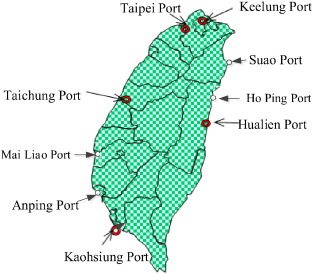
( sciencedirect.com )
- Ports in Taiwan
- 臺灣文化中港口的角色
- Taiwan utilizes its ports for import & export trade & for international logistics. Taiwan’s ports are modern & technologically advanced. The port of Kaohsiung in particular has container-automation systems. Ports are essential for Taiwan’s export-driven economy which includes sectors in electronics, semiconductors, machinery & petrochemicals. Taiwan’s strategic location in the Western Pacific makes its ports vital hubs for trade between Northeast Asia, Southeast Asia & beyond.
- freightamigo.com – Exploring Taiwan’s Strategic Ports: A Comprehensive Guide for Shippers @ FreightAmigo ( A digital supply-chain finance platform for logistics)
- marineinsight.com – 8 Major Ports of Taiwan @ Marine Insight . com (World’s top Maritime Information Website)
- wikipedia.org – Category:Ports and harbors of Taiwan @ Wikipedia . org
- twport.com.tw – Taiwan International Ports Corporation, Ltd. – website
- oocl.com – Container Throughput per annum @ Orient Overseas Container Line – website
- fa.gov.tw – Charming Fishing Ports @ Taiwan Fisheries Agency – website (Ministry of Agriculture of the Government of the Republic of China on the Island of Taiwan.)
- The Port of Kaohsiung in Southern Taiwan is Taiwan’s largest & busiest port. It is one of the top 20 container ports globally.
- wikipedia.org – Port of Kaohsiung (POK) – 高雄港 @ Wikipedia . org
- The Port of Keelung in Northern Taiwan near Taipei is the main northern gateway for imports & exports.
- wikipedia.org – Port of Taipei or Taipei Harbor – 臺北港 @ Wikipedia . org
- taiwantoday.tw – Two more Taiwan ports to achieve green certification @ Taiwan Today e-zine
- The Port of Taichung in Central Taiwan near Taichung City is the third largest port in Taiwan & important for industrial cargo.
- The Port of Hualien in Eastern Taiwan at Hualien City furnishes services for tourist cruise ships & bulk cargo exports of grain, cement, coal, timber & minerals.
- taiwantoday.tw – Two more Taiwan ports to achieve green certification @ Taiwan Today e-zine
- The Port of Suao in Northeastern Taiwan is a deep-water port mainly for bulk cargo & military logistics.
- Other notable ports are: (i.) Port of Anping in Tainan which furnishes services for passenger ferries & small cargo; (ii.) Port of Keelung in northern Taiwan which offers services for cruise ships & for passenger ferries to Okinawa Japan; and (iii.) Ports in Tamsui in New Taipei City & on Offshore Islands such as Magong in the Penghu Archipelago.
- tripadvisor.com – Tamshui Fisherman’s Wharf @ Trip Advisor . com
- searates.com – Ports in the culture of Taiwan – backgrounder
- searoutes.com – Ports in the culture of Taiwan – backgrounder
- mantraco.com.tw – Ports in the culture of Taiwan – backgrounder
- seair.co.in – Ports in the culture of Taiwan – backgrounder
- whatsinport.com – Ports in the culture of Taiwan – backgrounder
- greenport.com – Ports in the culture of Taiwan – backgrounder
- joc.com – Ports in the culture of Taiwan – backgrounder
- srce.hr – Ports in the culture of Taiwan – backgrounder
- anl.com.au – Ports in the culture of Taiwan – backgrounder
- cma-cgm.com – Ports in the culture of Taiwan – backgrounder
- EASY SEARCH FOR MORE LINKS ! . . . . .
- scholar.google.com – Ports in the culture of Taiwan – 臺灣文化中港口的角色 @ Google Scholar
- youtube.com – Ports in the culture of Taiwan – 臺灣文化中港口的角色 @ You Tube . com
- images.google.com – Ports in the culture of Taiwan – 臺灣文化中港口的角色 @ Google Images
- Harbors in Taiwan
- 臺灣文化中港口的角色
- Taiwan relies heavily on its harbors for trade, fishing & transportation. Harbors on the Island of Taiwan can be broadly categorized into: (i.) major commercial ports; (ii.) international container ports; and (iii.) smaller fishing or regional harbors.
- Major Commercial & International Ports handle most of Taiwan’s cargo & container shipping, ensuring strong & reliable links for Taiwan to global trade networks: (i) Keelung Port (基隆港) is located in Northern Taiwan, near the capital city of Taipei. It furnishes services for container shipping, cruise tourism & passenger ferries. It is the second largest port in Taiwan by cargo volume and historically was the island’s most important port; (ii) Taichung Port (台中港) is located in Central Taiwan, near the city of Taichung. It furnishes services for container shipping, bulk cargo (coal, grain, oil), and industrial shipping. It is the largest port in central Taiwan & is growing rapidly due to increasing industrial demand; (iii) Kaohsiung Port (高雄港) is located in Southern Taiwan, in Kaohsiung City. IT furnishes services for container shipping, bulk cargo, oil, shipbuilding &cruise ships. It is Taiwan’s largest port and is among the busiest in the world by container volume. It has extensive modern infrastructure and serves as a hub for international trade; (iv) Hualien Port (花蓮港) is located in Eastern Taiwan on the shores of the western Pacific Ocean. It furnishes services for bulk cargo (especially marble & minerals), some container shipping, tourism & ferry service to nearby Pacific islands. It is Taiwan’s principal deep-water port on the Pacific side of the island.
- Taiwan has over 40 minor harbors. These furnish important services for local fishing, coastal transport & tourism. Some of the key facilities are: (i.) Anping Harbor (安平港) in Tainan which has a notable significance in the history of the Island of Taiwan. Anping Harbor is still very active for small cargo, fishing & ferry service; (ii.) Suao Harbor (蘇澳港) in Yilan County is a deep-water harbor that supports fishing, tourism & some industrial shipping; (iii.) Donggang Harbor (東港) in Pingtung is a major fishing port which supports the tuna industry & exports of other seafood products; (iv.) Keelung Harbor (基隆港) supports a fishing fleet & some local ferry traffic.
- wikipedia.org – Harbors in the culture of Taiwan – backgrounder
- wikipedia.org – Harbors in the culture of Taiwan – backgrounder
- wikipedia.org – Harbors in the culture of Taiwan – backgrounder
- worldportsource.com – Harbors in the culture of Taiwan – backgrounder
- motc.gov.tw – Harbors in the culture of Taiwan – backgrounder
- taiwannews.com.tw – Harbors in the culture of Taiwan – backgrounder
- searates.com – Harbors in the culture of Taiwan – backgrounder
- taiwan.net.tw – Harbors in the culture of Taiwan – backgrounder
- tandfonline.com – Harbors in the culture of Taiwan – backgrounder
- researchgate.net – Harbors in the culture of Taiwan – backgrounder
- undercurrentnews.com – Harbors in the culture of Taiwan – backgrounder
- rtaiwanr.com – Harbors in the culture of Taiwan – backgrounder
- rtaiwanr.com – Harbors in the culture of Taiwan – backgrounder
- rtaiwanr.com – Harbors in the culture of Taiwan – backgrounder
- dredgingtoday.com – Harbors in the culture of Taiwan
- EASY SEARCH FOR MORE LINKS ! . . . . .
- scholar.google.com – Harbors in the culture of Taiwan – 臺灣文化中港口的角色 @ Google Scholar
- youtube.com – Harbors in the culture of Taiwan – 臺灣文化中港口的角色 @ You Tube . com
- images.google.com – Harbors in the culture of Taiwan – 臺灣文化中港口的角色 @ Google Images
POSTAGE STAMPS – 郵 票
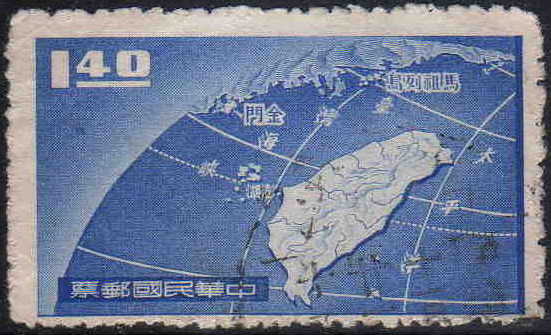
( wikipedia.org )
- Postage stamps in Taiwan
- 臺灣文化中郵票的角色
- Postage stamps in Taiwan are officially issued by Chunghwa Post, featuring regular definitive, special, and commemorative designs, alongside a massively popular culture of free decorative souvenir ink-stamping found at transit and tourist hubs. [1, 2, 3]
- Official Postal Stamps
- Purchasing: You can buy mint and commemorative sets online directly through the Postal Stamps Mall or browse secondary marketplaces like eBay Taiwan Stamps.
- Recent Releases: Recent 2026 issues include Cute Pets, Taiwan Scenery (New Taipei City), and Taiwan Trains (II).
- Naming: Official stamps are inscribed with “Republic of China” (ROC) or “Taiwan” depending on the era of issue. [1, 2, 3, 4]
- Souvenir Stamping Culture
- Locations: Free decorative ink stamps are located in almost every MRT station, high-speed rail (HSR) station, convenience store, and major tourist attraction.
- What to Bring: Carry a blank notebook or passport-style booklet to collect ornate, localized rubber-ink impressions as travel mementos
- stampworld.com – Postage stamps in the culture of Taiwan – backgrounder
- freestampcatalogue.com – Postage stamps in the culture of Taiwan – backgrounder
- wikipedia.org – Postage stamps in the culture of Taiwan – backgrounder
- postbeeld.com – Postage stamps in the culture of Taiwan – backgrounder
- tripadvisor.com – Postage stamps in the culture of Taiwan
- wikipedia.org – Postage stamps & postal history of Taiwan @ Wikipedia . org
- EASY SEARCH FOR MORE LINKS ! . . . . .
- scholar.google.com – Postage stamps in the culture of Taiwan – 臺灣文化中郵票的角色 @ Google Scholar
- youtube.com – Postage stamps in the culture of Taiwan – 臺灣文化中郵票的角色 @ You Tube . com
- images.google.com – Postage stamps in the culture of Taiwan – 臺灣文化中郵票的角色 @ Google Images
POSTAL – 郵 政
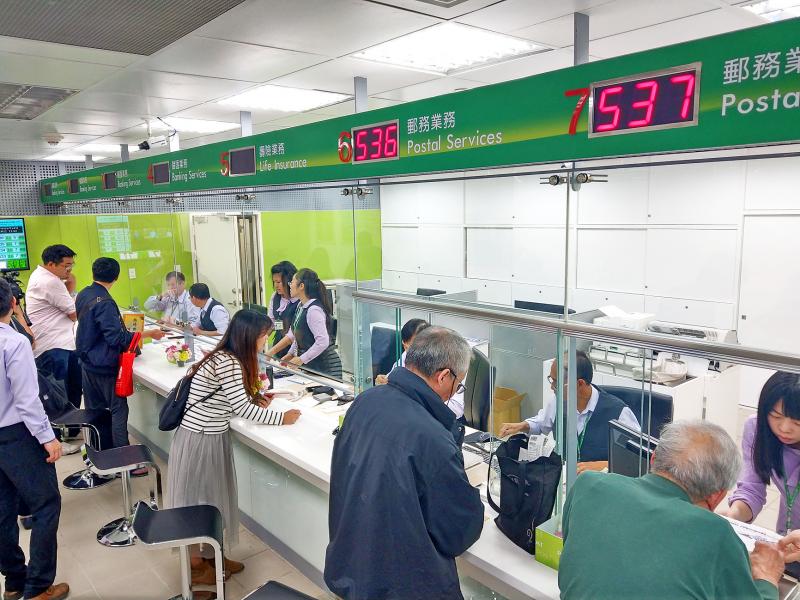
( ChunghwaPost.gov.tw )
- Postal system in Taiwan
- 臺灣文化中郵政的角色
- Chunghwa Post is the national postal service on the Island of Taiwan (Republic of China). It handles letters & parcels. Chunghwa Post also functions as a bank & savings institution & the agency offers insurance policies to its patrons. In most areas of Taiwan there are many branches of the post office & related angencies. These can be located on the Chunghwa Post website. The site also contains a list of “EZPost” printers (self-service/ kiosks) throughout Taiwan.
- Postal/ZIP codes: In Taiwan the 3-digit (or 3+3) postal code system applies. When writing an address it is customary to include a phone number & the address written in Chinese along with English if necessary. This will help avoid delays. Delivery may be problematic if the address is only in English or lacks details such as the “Lane”, “Alley” or“Section”. Delivery may take longer in more remote or rural districts than in urban areas or in cities.
- wikipedia.org – Postal addresses in Taiwan – 台灣的郵政地址 @ Wikipedia . org
- wikipedia.org – Postal codes in Taiwan – 臺灣地區郵遞區號列表 @ Wikipedia . org
- wikipedia.org – Category: Postal system of Taiwan – 臺灣的郵政 @ Wikipedia . org
- taiwanzipcodes.com – The complete list of Taiwan Zip Codes – website
- wikipedia.org – Postal codes in Taiwan – 臺灣地區郵遞區號 @ Wikipedia . org
- geocities.ws – Area codes & Postal codes for Taiwan @ Geocities website
- usps.com – Country Conditions for Mailing to Taiwan @ U.S. Postal Service website (U.S.A.)
- Chunghwa Post Co., Ltd.
- 中華郵政股份有限公司
- Chunghwa Post is the official national postal service of Taiwan. It is a government-owned company that handles mail, banking & life insurance across the Island of Taiwan and the associated offshore islands under the jurisdiction of the Government of the Republic of China. The Chunghwa Post Co., Ltd. is very popular because the mail services it provides are fast, inexpensive & very reliable
- wikipedia.org – Chunghwa Post Co., Ltd. – 中華郵政股份有限公司
- post.gov.tw – Post Office locations on the Island of Taiwan @ Chunghwa Post website
- post.gov.tw – Post Office locator on the Island of Taiwan @ Chunghwa Post website
- ezpost.post.gov.tw – List of Selected EZPost Printers @ Chunghwa Post website
- taiwantoday.tw – “Taiwan’s post offices sell more than stamps” @ Taiwan Today e-zine
- taiwantoday.tw – “Chunghwa Post commissions fleet of 1,627 e-scooters” @ Taiwan Today e-zine
- taipeitimes.com – “Chunghwa Post to turn offices into care centers” @ Taipei Times website
- kyodonews.net – “Taiwan’s modern postal service rooted in China, Japan” @ Kyodo News website (Japan)
- aftership.com – Taiwan Post Tracking @ Aftership . com
- trackingmore.com – Chunghwa Post Tracking @ Trackingmore . com
- formosaguide.com – Postal Services in Taiwan & Poste Restante @ Formosa Guide . com
- parcelmonitor.com – Track all your parcels in Taiwan. Simple & easy! @ Parcel Monitor . com
- track24.net – Taiwan (Chunghwa) Post Tracking @ Track24 . net
- FEDERAL EXPRESS
- 聯邦快遞股份有限公司
- “FedEx Express Taiwan” is a subsidiary of FedEx Express & the FedEx Corporation. The company has been operating in Taiwan for more than 30 years. FedEx has a significant domestic network on the Island of Taiwan with more than 7,000 authorised shipping centers, eight FedEx stations & ten “FedEx World Service Centers”.
- FedEx offers many self-service options for drop off & pick up of parcels. Locations for drop off & pick up include: (i.) 7-Eleven stores; (ii.) post offices (Chunghwa Post counters); and (iii.) iBox terminals. FedEx recently expanded its network through a partnership with convenience chain “Hi‑Life” and customers can now pick up international packages at nearly 1,600 Hi-Life stores across the Island of Taiwan. FedEx has introduced electric delivery trucks in Taiwan as part of a drive toward carbon neutrality. The investment of FedEx in the network of locations on the Island of Taiwan & in the authorized “FedEx World Service Centers” reflects the commitment by FedEx to Taiwan as a logistics hub.
- fedex.com – Find FedEx locations – Taiwan
- fedex.com – Find FedEx locations – Taipei
- fedex.com – “找尋台灣的 FedEx 投遞地點” – Find FedEx delivery locations in Taiwan @ FedEx . com
- fedex.com – “FedEx marks 30 years of operations in Taiwan” @ FedEx . com
- fedex.com – “FedEx Enhances Service in Central Taiwan” @ FedEx . com
- fedex.com – “FedEx Taiwan Joins Asia Pacific Teams to Spread Festive Cheer and Support Local Communities” @ FedEx . com
- fedex.com – “FedEx Allies with iBox to Optimize International Package Pickup in Taiwan” @ FedEx . com
- fedex.com – “FedEx Teams Up with Hi-Life to Expand Retail Network in Taiwan” @ FedEx . com
- fedex.com – “FedEx Opens Taoyuan Pingzhen Station to Support Local SME’s” @ FedEx . com
- csrwire.com – “FedEx Collaborates With FUSO To Introduce Electric Vehicles in Taiwan Fleet” @ CSWire . com ( Dedicated portal for major news focused on corporate social responsibility.)
- United Parcel Service – (UPS)
- 聯合包裹服務股份有限公司
- UPS opened a new logistics facility in Taoyuan City near the Taoyuan International Airport in 2020. The facility (called “NK2”) provides both bonded & non-bonded goods storage. This new facility increases the storage capacity of UPS in Taiwan by over 30%. UPS has also added additional flight capacity & extended pickup times (as late as midnight) for shipments to Europe so that Taiwanese businesses can export more volume & still hit the mark for 2-business-day delivery to Europe. UPS has also expanded service coverage in rural areas & smaller townships in Taiwan by partnering with local vendors, especially in regions like Chiayi & Yunlin, allowing door-to-door parcel pickups in areas that previously lacked same-day / next flight-out export services.
- ups.com – The official UPS “Service Guide Taiwan” (for 2026) shows localilty rates, surcharges (such as remote area surcharges & disbursement fees), contact information & service conditions for shipments in Taiwan.
- ups.com – “UPS boosts capacity and introduces midnight pickup for Taiwan-Europe shipments” @ UPS . com
- ti-insight.com – “UPS expands its services in Taiwan” @ Transport Intelligence Ltd. website
- cep-research.com – “UPS opens new logistics facility in Taiwan” @ CEP Research (News, Analysis & Research for the Courier, Express & Postal Industry)
- cep-research.com – “UPS delivers to Taiwanese online shoppers through Palmbox and Chungwa Post lockers” @ CEP Research (News, Analysis & Research for the Courier, Express & Postal Industry)
- DHL
- 敦豪貨運代理股份有限公司
- DHL in Taiwan consists of several divisions under the broader “DHL Group” umbrella: (i.) “DHL Express Taiwan” handles international express courier services; (ii.) “DHL Supply Chain Taiwan” handles contract logistics, warehousing & supply‐chain management across Taiwan; and (iii.) “DHL Global Forwarding Taiwan Branch” handles sea-air-road freight forwarding.
- With “DHL Express Taiwan” parcels are able to be shipped internationally from or to Taiwan. DHL supports e-commerce, B2B and B2C shipments. “DHL Supply Chain Taiwan” offers customised logistics solutions, including warehousing, value-added services, inventory & fulfillment. Through the “Global Forwarding Branch”, DHL covers larger freight movements (air-sea-road) & supply chain segments.
- taiwantoday.tw – Postal system in the culture of Taiwan – backgrounder
- tripadvisor.com – Postal system in the culture of Taiwan – backgrounder
- travel.taipei – Postal system in the culture of Taiwan – backgrounder
- taiwannews.com.tw – Postal system in the culture of Taiwan – backgrounder
- taiwanenglish.com – Postal system in the culture of Taiwan – backgrounder
- indiapost.gov.in – Postal system in the culture of Taiwan – backgrounder
- smithsonianmag.com – Postal system in the culture of Taiwan – backgrounder
- parcelsapp.com – Postal system in the culture of Taiwan
- EASY SEARCH FOR MORE LINKS ! . . . . .
- scholar.google.com – Postal system in the culture of Taiwan – 臺灣文化中郵政的角色 @ Google Scholar
- youtube.com – Postal system in the culture of Taiwan – 臺灣文化中郵政的角色 @ You Tube . com
- images.google.com – Postal system in the culture of Taiwan – 臺灣文化中郵政的角色 @ Google Images
SCIENCE – 科 學

- Science in Taiwan
- 臺灣文化中科學的角色
- Taiwan is a global hub for applied science, high-tech manufacturing, and semiconductor research, driven by major institutions like the Industrial Technology Research Institute and top universities. [1, 2]
- Key Scientific Institutions and Focus Areas
- Research & Development: The state-backed Industrial Technology Research Institute (ITRI) spearheads industrial innovation, winning dozens of global R&D awards. [1]
- Defense & Aerospace: The National Chung-Shan Institute of Science and Technology (NCSIST) acts as the primary center for domestic defense tech, missiles, and unmanned drone programs. [1, 2]
- Emerging Tech: Current national strategies prioritize advanced robotics and AI supply chains to support high-tech manufacturing and an aging population. [1]
Top Academic Centers: Institutions like National Taiwan University (NTU) and the National Taiwan University of Science and Technology (Taiwan Tech) lead engineering, computer science, and medical research.
- taiwan.gov.tw – Science in the culture of Taiwan – backgrounder
- wikipedia.org – Science in the culture of Taiwan – backgrounder
- wikipedia.org – Science in the culture of Taiwan – backgrounder
- most.gov.tw – Science in the culture of Taiwan – backgrounder
- ntu.edu.tw – Science in the culture of Taiwan – backgrounder
- ntu.edu.tw – Science in the culture of Taiwan – backgrounder
- timeshighereducation.com – Science in the culture of Taiwan – backgrounder
- mastersportal.com – Science in the culture of Taiwan – backgrounder
- www-e.ntust.edu.tw – Science in the culture of Taiwan – backgrounder
- usnews.com – Science in the culture of Taiwan – backgrounder
- usnews.com – Science in the culture of Taiwan – backgrounder
- usnews.com – Science in the culture of Taiwan – backgrounder
- sciencemag.org – Science in the culture of Taiwan – backgrounder
- ucop.edu – Science in the culture of Taiwan – backgrounder
- nmns.edu.tw – Science in the culture of Taiwan
- EASY SEARCH FOR MORE LINKS ! . . . . .
- scholar.google.com – Science in the culture of Taiwan – 臺灣文化中科學的角色 @ Google Scholar
- youtube.com – Science in the culture of Taiwan – 臺灣文化中科學的角色 @ You Tube . com
- images.google.com – Science in the culture of Taiwan – 臺灣文化中科學的角色 @ Google Images
SECURITY – 安 全

In accordance with the Taiwan Relations Act, the USA
& multinational partners conduct training exercises with Taiwan
( pacom.mi )
- Security in Taiwan
- 臺灣文化中安全的角色
- taiwan.gov.tw – Official government portal to Taiwan government agencies @ Taiwan.gov.tw
- taipeitimes.com – Chinese-made devices pose risk to security @ Taipei Times newspaper – website
- taipeitimes.com – Ministry of Foreign Affairs is communicating with Tokyo on security @ Taipei Times newspaper – website
- EASY SEARCH FOR MORE LINKS ! . . . . .
- scholar.google.com – Security in the culture of Taiwan – 臺灣文化中安全的角色 @ Google Scholar
- youtube.com – Security in the culture of Taiwan – 臺灣文化中安全的角色 @ You Tube . com
- images.google.com – Security in the culture of Taiwan – 臺灣文化中安全的角色 @ Google Images
- National security in Taiwan
- 臺灣文化中國家安全的角色
- National security in Taiwan centers on: (i) countering asymmetric military and political pressure from the People’s Republic of China (PRC); (ii) protecting critical semiconductor supply chains; and (iii) managing domestic political divisions over defense spending. Key institutional bodies orchestrating these efforts include the National Security Council and the National Security Bureau. [1, 2, 3, 4, 5]
- Cross-Strait Coercion and Deterrence: (i) Military Pressures: The Chinese military routinely maintains 5 to 6 naval vessels, 2 to 3 coast guard ships, and conducts weekly combat-readiness patrols near Taiwan. [1] (ii) Democratic Deterrence: Top security officials like National Security Council Secretary-General Joseph Wu advocate for stronger international solidarity and democratic deterrence to counter Beijing’s aggressive gray-zone tactics. [1].
- Counter-Espionage and Internal Security: (i) Political Warfare Countermeasures: President Lai Ching-te’s administration has intensified crackdowns on PRC political warfare, stepping up prosecutions of military espionage and expelling influencers promoting invasion. [1]; (ii) Tech and Corporate Protection: Tightened legal frameworks have led to landmark national security indictments to prevent high-tech leaks—such as semiconductor data—to foreign entities. [1]; and (iii) Intelligence Outreach: The National Security Bureau launched secure online reporting channels targeted at receiving intelligence tips from mainland Chinese citizens. [1]
- Domestic and International Dimensions:
- Political Fragmentation: Proposed increases to Taiwan’s defense budget face recurring legislative gridlock and debate between major domestic political factions (DPP, KMT, and TPP) over cross-strait strategy. [1, 2]
- The “Silicon Shield”: Taiwan’s dominance in semiconductor manufacturing intertwines its economic output with global security, alongside ongoing arms sales and strategic coordination with the United States. [1, 2, 3]
- president.gov.tw – National security in the culture of Taiwan @ Offce of the President of the Republic of China
- president.gov.tw – President Tsai convenes meeting with national security heads to address current security situation @ Office of the President of the Republic of China on the Island of Taiwan – website
- wikipedia.org – The National Security Council of Taiwan (NSC) – 國家安全會議 @ Wikipedia . org
- wikipedia.org – The National Security Bureau (NSB) – 國家安全局 @ Wikipedia . org (The National Security Bureau is the principal intelligence agency of the Government of the Republic of China on the Island of Taiwan.)
- cfr.org – “Why Taiwan is important to the United States” @ Council of Foreign Relations website
- nationalinterest.org – Taiwan’s National Security is at Risk @ National Interest e-zine. (“The National Interest” is an online publication focusing on defense issues, national security, military affairs & hardware, foreign policy & US politics. It is published by the Center for the National Interest, U.S.A.)
- taiwannews.com.tw – Archive of articles under “National Security Act” search @ Taiwan News . com . tw
- youtube.com – “Why Taiwan Matters” @ You Tube . com
- taiwannews.com.tw – Taiwan and U.S. National Security chiefs meet for first time since 1979 @ Taiwan News . com . tw
- EASY SEARCH FOR MORE LINKS ! . . . . .
- scholar.google.com – National security in the culture of Taiwan – 臺灣文化中國家安全的角色 @ Google Scholar
- youtube.com – National security in the culture of Taiwan – 臺灣文化中國家安全的角色 @ You Tube . com
- images.google.com – National security in the culture of Taiwan – 臺灣文化中國家安全的角色 @ Google Images
- Economic security in Taiwan
- 臺灣文化中經濟安全的角色
- Economic security in Taiwan centers on Taiwan’s Economic Security Strategy, which relies on upgrading its semiconductor “silicon shield,” fortifying supply chain resilience Taipei Times, and expanding “non-red” democratic tech partnerships The Diplomat. [1, 2, 3, 4]
- Core Pillars of Economic Security
- The Silicon Shield: Maintaining a global monopoly on advanced semiconductor manufacturing (such as TSMC) to tightly bind Taiwan’s security to global tech supply needs Taipei Times.
- Alliance Alignment: Partnering with the U.S. and the European Union via frameworks like the Pax Silica Declaration to counter economic coercion and secure AI and digital infrastructure [Taiwan News](https://www.taiwannews.com.tw/en/news/6405044, BowerGroupAsia. [1, 2, 3]
Domestic Gatekeeping: Tightening laws to regulate cross-border talent poaching and capital leaks of critical technologies to mainland China Kosti. [1]
Critical Infrastructure & Energy: Building decentralized power supplies, secure communication networks, and cleaner energy independence Taipei Times. - Key Vulnerabilities
- High Import Dependence: Importing a large majority of its raw energy and material inputs makes Taiwan exposed to maritime trade disruptions ASPI State of the Strait.
- Uneven Growth: Heavy reliance on AI and tech exports creates a wide financial gap between high-earning semiconductor sectors and traditional domestic industries ASPI State of the Strait.
- Geopolitical Coercion: Persistent exposure to targeted trade blocks, cyber threats, and economic pressure from Beijing [Stimson Center](https://www.stimson.org/2022/how-taiwans-economic-security-impacts-its-national-security/, ASPI State of the Strait. [1, 2]
- taiwan.gov.tw – Economy @ Taiwan government portal website
- mofa.gov.tw – Press releases from the Ministry of Foreign Affairs of the Government of the Republic of China on the Island of Taiwan – website
- brookings.edu – “Taiwan in the Global Economic Landscape” @ Brookings Institution website (USA) (The mission of the Brookings Institution is to equip decisionmakers with nonpartisan research & policy strategies to create a more prosperous & secure country and world)
- stimson.org – “How Taiwan’s Economic Security Impacts Its National Security” @ Henry L. Stimson Center (The Stimson Center is a leading voice on urgent global issues. The Center has pioneered practical new steps toward stability & security in an uncertain world & is at the forefront of engaging new voices, generating innovative ideas & analysis and building solutions to promote international security, prosperity & justice)
- EASY SEARCH FOR MORE LINKS ! . . . . .
- scholar.google.com – Economic security in the culture of Taiwan – 臺灣文化中經濟安全的角色 @ Google Scholar
- youtube.com – Economic security in the culture of Taiwan – 臺灣文化中經濟安全的角色 @ You Tube . com
- images.google.com – Economic security in the culture of Taiwan – 臺灣文化中經濟安全的角色 @ Google Images
- Military security in Taiwan
- 臺灣文化中軍事安全的角色
- Taiwan is located in a highly sensitive region near the East China Sea, the South China Sea & the Philippine Sea. Its location gives it strategic importance for both regional security & global trade as the Taiwan Strait is the site of major shipping routes. The principal security concern comes from the People’s Republic of China (PRC) which claims Taiwan as part of its territory & has not ruled out using force to achieve unification. Other concerns are: (i.) Regional tensions involving North Korea; (ii.) Russia’s presence in East Asia; & (iii.) the strategic competition between the USA & China
- Taiwan’s strategic response to its circumstances regarding military security is a mix of modern defense technology, asymmetric warfare strategies, civil preparedness & international partnerships. Taiwan’s strategy is aimed at deterring or responding to threats while operating under the constraint of a somewhat small population & limited formal alliances.
- time.com – “Why protecting Taiwan really matters to the US” @ Time Magazine website
- news.usni.org – “Taiwan is key to western Pacific security” @ United States Naval Institute – website
- indsr.org.tw – Institute for National Defense & Security Research – website
- EASY SEARCH FOR MORE LINKS ! . . . . .
- scholar.google.com – Military security in the culture of Taiwan – 臺灣文化中軍事安全的角色 @ Google Scholar
- youtube.com – Military security in the culture of Taiwan – 臺灣文化中軍事安全的角色 @ You Tube . com
- images.google.com – Military security in the culture of Taiwan – 臺灣文化中軍事安全的角色 @ Google Images
- Elbridge A. Colby:
- “The Strategy of Denial:
- American Defense in an Age of Great Power Conflict”
- (Yale University Press)
- heritage.org – “The Strategy of Denial” @ Heritage Foundation – website
- bing.com – “The Strategy of Denial” @ Bing Videos
- carnegieendowment.org – “The Strategy of Denial” @ Carnegie Endowment – website
- responsiblestatecraft.org – “The Strategy of Denial” @ Responsible Statecraft . org
- youtube.com – “The Strategy of Denial” @ YouTube . com
- Matt Pottinger, editor:
- “The Boiling Moat: Urgent Steps to Defend Taiwan”
- (Hoover Institution Press)
- https://www.npr.org
- newyorker.com – How to start a war over Taiwan” @ The New Yorker . com
TECHNOLOGY – 技 術

- Technology in Taiwan
- 臺灣文化中技術的角色
- Taiwan is the undisputed backbone of the global hardware & semiconductor industry. The island produces over 60% of the world’s semiconductors & over 90% of the most advanced microchips. This dominance is powered by an unmatched tech ecosystem heavily concentrated in industrial hubs like the Hsinchu Science Park: (i.) Advanced Chipmaking: Taiwan Semiconductor Manufacturing Company commands over 70% of the global semiconductor foundry market. It is the sole manufacturer of cutting-edge processors for tech giants like Apple, Nvidia & Qualcomm. TSMC keeps its most leading-edge research & manufacturing on the Island of Taiwan; (ii) Electronics Manufacturing: Beyond chips, Taiwanese companies like (Hon Hai Technology Group) are responsible for assembling a vast majority of the world’s consumer electronics’ (iii) AI and Edge Computing: Taiwan is actively bridging its hardware supremacy with emerging trends, heavily investing in AI infrastructure, applied scientific development, and next-generation robotics.
- Key Drivers of Success: (i) The Foundry Model: Invented in Taiwan, the “pure-play foundry” model allowed firms to outsource manufacturing without the risk of their manufacturing partner competing with them; and (ii) Research and Infrastructure: The Taiwanese government heavily subsidizes R&D through institutions like the Industrial Technology Research Institute (ITRI), which partners closely with the private sector to foster innovation.
- https://www.foxconn.com/zh-tw
- https://en.wikipedia.org/wiki/TSMC
- itri.org.tw – Semicon Network Summit 2026 – website @ itri.org (The mission of the Industrial Technology Research Institute ITRI is to drive industrial development, create economic value & enhance social well-being through technology R&D.)
- ecipe.org – “More Than Just Chips: What Europe Can Learn from Taiwan’s Industrial Strategy” @ ECIPE . org (The European Centre for International Political Economy (ECIPE) is an independent non-profit policy research think tank. ECIPE works in the spirit of an open society that embraces the traditions & principles of free trade & economic freedom with a focus on international trade, regulation, digitalisation & other international economic policy issues of importance to Europe.)
- eetimes.com – Taiwan readies its next phase of growth and innovation in chip production, power electronics, embedded systems, and AI @ EETimes . com (Electronic Engineering Times offers design engineers & management executives news & analysis of the latest technologies & business developments in the global electronics industry.)
- sciencedirect.com – “The IC fabless industry in Taiwan: current status & future challenges” @ Technolocy in Society Journal (website: technology-in-society)
- youtube.com – Taiwan Tech Minister Says AI Robotics Strategy Differs From China @ Youtube . com (Taiwan Plus News channel)
- youtube.com – TSMC CFO Says Company Will Keep Leading-Edge Chip Tech in Taiwan @ Youtube . com (Taiwan Plus News channel)
- youtube.com – TSMC Says Core Tech Will Stay in Taiwan @ Youtube . com (Taiwan Plus News channel)
- taipeitimes.com – Taiwan doesn’t need an AI island — it needs an AI Armada @ Taipei Times website
- tradewithestonia.com – Skeleton secures a deal with Taiwan’s largest VC to power sovereign AI @ Trade with Estonia . com (“Trade Estonia” is part of “Enterprise Estonia”, a government internet platform connecting Estonian companies with business partners across the world.)
- dset.tw – Taiwan Research Instute for Democracy, Society & Emerging Technology – website (The Taiwan Research Institute for Democracy, Society & Emerging Technology (DSET) is a national think tank established to develop policy recommendations on emerging technologies grounded in democratic & societal needs & sharing Taiwan’s unique perspective with the global community.)
- taiwan.gov.tw – Technology in the culture of Taiwan – backgrounder
- taiwanplus.com – NVIDIA’s Jensen Huang Lays Out AI Vision at GTC Taipei @ Taiwan Plus news website
- taiwanplus.com – What does NVIDIA vision mean for AI and Taiwan? @ Taiwan Plus news website
- taiwanplus.com – NVIDIA grows partnerships in Taiwan to meet AI demand @ Taiwan Plus news website
- wikipedia.org – Technology in the culture of Taiwan – backgrounder
- forbes.com – Technology in the culture of Taiwan – backgrounder
- ey.gov.tw – Technology in the culture of Taiwan
- tandfonline.com – Technology in the culture of Taiwan – backgrounder
- atimes.com – Technology in the culture of Taiwan – backgrounder
- bbc.com – Technology in the culture of Taiwan
- electrek.co – Electrek Green Energy Brief @ Electrek . co
- EASY SEARCH FOR MORE LINKS ! . . . . .
- scholar.google.com – Technology in the culture of Taiwan – 臺灣文化中技術的角色 @ Google Scholar
- youtube.com – Technology in the culture of Taiwan – 臺灣文化中技術的角色 @ You Tube . com
- images.google.com – Technology in the culture of Taiwan – 臺灣文化中技術的角色 @ Google Images
- BLOCKCHAIN TECHNOLOGY
- 區塊鏈技術
- abasummit.io – 2024 Asia Blockchain Summit – website
- cointelegraph.com – Taiwanese Development Council to Form Blockchain Alliance @ Cointelegraph . com (Cointelegraph delivers daily reporting on blockchain technology, digital assets, AI, NFTs & emerging fintech trends.)
- anchortaiwan.com – Women in Blockchain Taipei @ Anchor Taiwan . com (Anchor Global is a cross-border, cross-industry platform for long-horizon industry transformation.)
- cryptopolitan.com – Taiwan is forming a government backed blockchain alliance @ Cryptopolitan . com (Cryptopolitan covers crypto markets incessantly focusing on the cryptocurrency world with a dash of AI & gaming.)
- taipeitimes.com – Building a blockchain foundation @ Taipei Times website
- taiwannews.com.tw – Taiwan National Development Council to form blockchain alliance @ Taiwan News website
* * * * *
to the Cloudbridge Home Page for Taiwan
to Languages & Peoples of Taiwan
Click for links to Culture for Taiwan
Click for links to Travel for Taiwan
to Nature & Environment of Taiwan
For links to Business for Taiwan . . . . .
. . . . . scroll up through this page
Click to return to the Home Page
* * * * *
NOTE : This site contains links to our ”favorite” and “most useful” websites . . . but the CloudBridge Project does not endorse or guarantee any of the products or services available through the links on the pages of this website.
本站包含了我們的 “最愛” 以及 “最有用” 的網站連結,但雲橋語文計劃並不保證其連結的有效性或對其背書.
Welcome to send us an email with your thoughts or comments:
欢迎用电子邮件的方式分享您的意见和建议:
Email: CloudBridgeTaiwan@gmail . com
LATEST PAGE UPDATE: August 11 , 2026
最後一次更新時間為: 2026 / 08 / 11
Copyright ©2021 CloudBridge Project. All rights reserved.
版權所有 ©2021 雲橋語文計劃. 保留所有權利.
 CloudBridgeTaiwan