* * * * *
Click here to return to the CloudBridge Home Page
for Indigenous Peoples of Taiwan
Click here to return to the CloudBridge Home Page
for Language & Peoples of Taiwan
* * * * *
Links to individual topics
for BABUZA -巴布薩族
are displayed on this page in the following categories :
THE BABUZA PEOPLE – 巴布薩族
The BABUZA LANGUAGE – 巴布薩族的語言
* * * * *

( ontheworldmap.com )

Also shown are:
Green Island (Lu Dao) & Orchid Island (Lan Yu).
( cia.gov )

( nouahsark.com )

Alternate spellings or names:
Taroko (Truku, Seediq); Yami (Tao)
( wikipedia . org )

( geology . com )
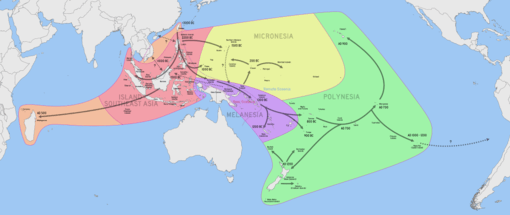
( sciencedaily.com )
The languages of the “Austronesian People” show common links
stretching from Taiwan to Africa & to the eastern Pacific
( wikipedia.org )
* * * * *
THE BABUZA PEOPLE – 巴布薩族
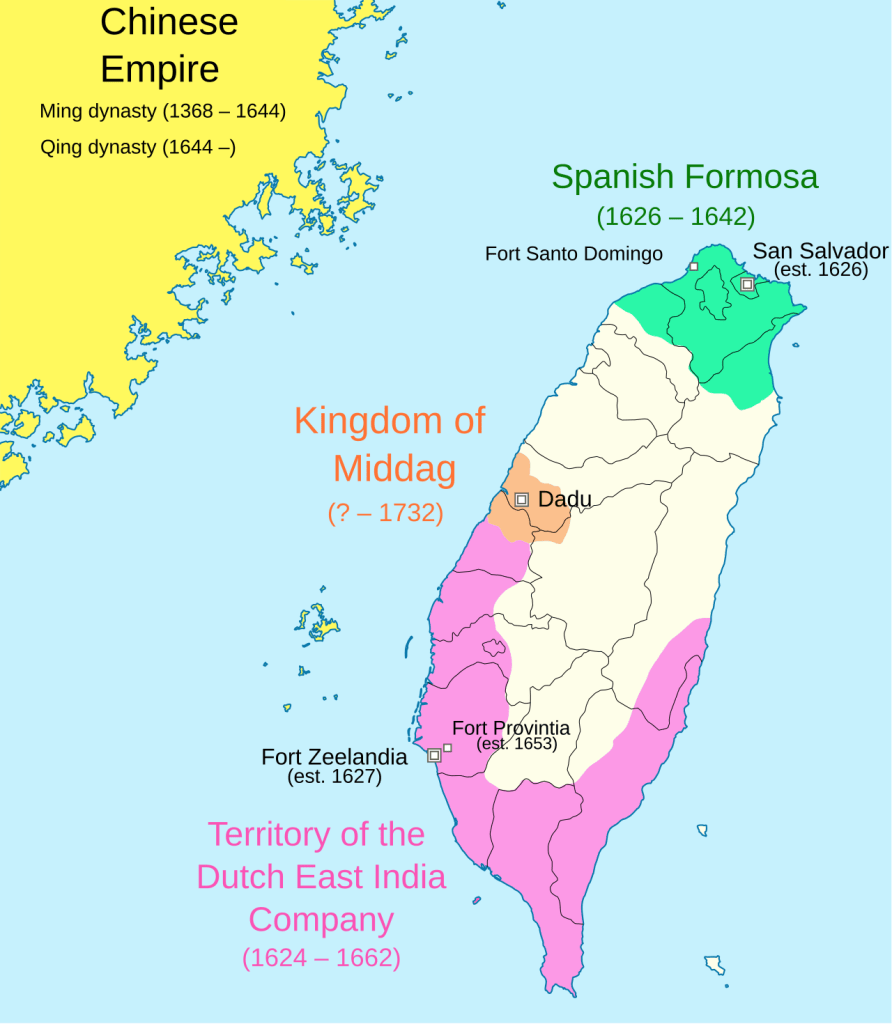
( wikipedia.org )
- THE BABUZA PEOPLE – 巴布薩族
- The Babuza (巴布薩族; historically romanized as “Babusa”) are an indigenous Austronesian people native to the central western plains of Taiwan. The Babuza traditionally made their home between the Dadu (Ta-tu) River & the Zhuoshui River in what is now parts of southeastern Taichung & northwestern Changhua County. The Babuza are classified as one of the Plains Indigenous Peoples (“Pingpu” – 平埔) whose cultures & populations were heavily disrupted & assimilated during centuries of Han migration & decades of Japanese colonial rule. The Babuza are a Plains Indigenous People Groups with deep historical roots on the Island of Taiwan but without “official” government recognition today.
- The Babuza and other Plains Groups have ancient roots on the Island of Taiwan, with lineage at least 4,000 years old, predating major Han settlement. Members of Plains Indigenous Communities have retained distinct cultural identities, traditions, rituals & clan structures, although many practices are in decline due to historical forces. In the early 19th century, the Babuza People & other groups of the Plains Indigenous Communities relocated inland to the Puli Basin due to land pressure & conflicts on the western coastal plain of the Island of Taiwan. This migration is remembered culturally & is commemorated among descendants of the Pingpu People Groups.
- In the present day, the government of the Republic of China on the Island of Taiwan officially recognizes 16 Groups of Indigenous Peoples, mostly in the Highland areas of the island. The Babuza are not among the People Groups that are officially recognized as a distinct indigenous group at the national level. This lack of recognition has meant fewer legal protections & less support under Taiwan’s Indigenous Peoples policies. This situation of the Babuza People is shared with many other Pingpu Groups. There are ongoing efforts & court decisions that could affect the recognition process for the Plains Peoples, but formal recognition specifically for the Babuza People remains unresolved.
- Many Taiwanese especially in central Taiwan may have ancestral ties to the Babuza & other Plains Indigenous groups even if such identities aren’t officially registered. Cultural revitalization, historical research, language documentation & community organizing are active areas for Babuza descendants & other Plains Groups seeking greater visibility, preservation & recognition of rights as Indigenous Peoples.
- wikipedia.org – The Babuza People – 巴布薩族 @ Wikipedia . org
- https://en.wikipedia.org – The Kingdom of Middag – 大肚王國 @ Wikipedia . org
- https://www.3people.com.tw
- https://iwgia.org
- https://newbloommag.net
- EASY SEARCH FOR MORE LINKS ! . . . . .
- scholar.google.com – The Babuza People – 巴布薩族 @ Google Scholar
- youtube.com – The Babuza People – 巴布薩族 @ You Tube . com
- images.google.com – The Babuza People – 巴布薩族 @ Google Images
The Babuza Language – 巴布薩族的語言
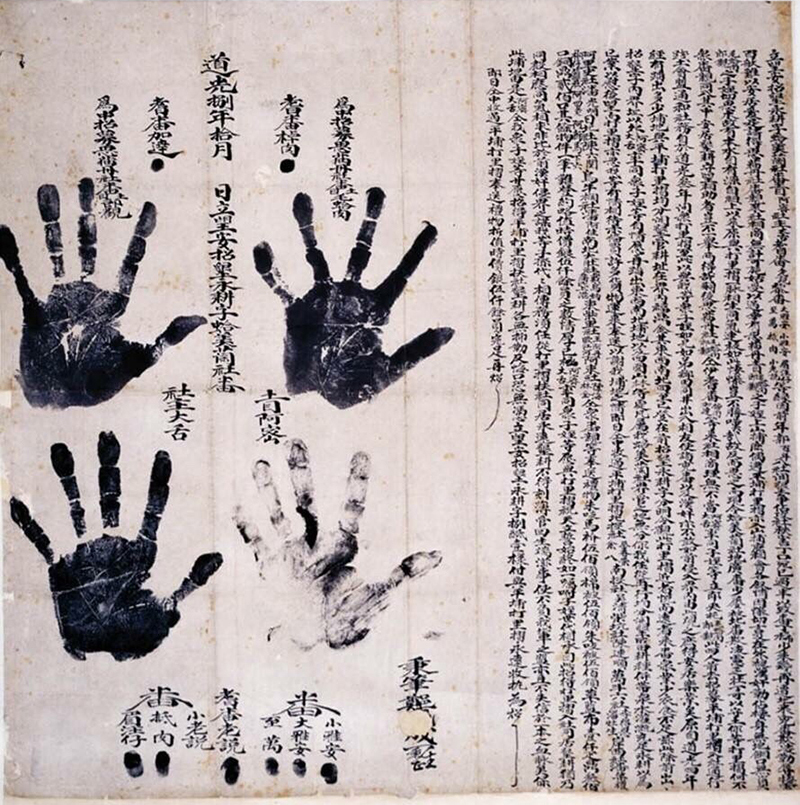
Plains Indigenous Peoples migrating into Puli.
In the early 19th century, the Babuza People & other groups of the Plains Indigenous Communities relocated inland to the Puli Basin due to land pressure & conflicts on the western coastal plain
of the Island of Taiwan ( insight.ipcf.org.tw )
- The Language of the Babuza People – 巴布薩族的語言
- The language of the Babuza Indigenous People is Babuza (also historically referred to as “Favorlang”). It belongs to the Western Plains branch of the Formosan Austronesian language family. It was once spoken across much of western Taiwan’s plains but fell into extinction by the early 2000’s. It featured two divergent dialects: Poavosa and Taokas. Much of what is known of the language traces back to the 17th century when Dutch missionaries created a dictionary & translated religious texts into a closely related early form known as Favorlang. Today, most descendants of the Babuza people speak Taiwanese Hokkien or Mandarin as their primary language due to centuries of assimilation. There are ongoing efforts by researchers & community members to revive the language, similar to other Pingpu languages.
- wikipedia.org – Babuza Language – 巴布薩語 @ Wikipedia . org
- wikipedia.org – Formosan Languages – 台灣南島語 @ Wikipedia . org
- https://scispace.com
- https://www2.kokugakuin.ac.jp
- https://iwgia.org
- https://www.daytranslations.com
- EASY SEARCH FOR MORE LINKS ! . . . . .
- scholar.google.com – The Language of the Babuza People – 巴布薩族的語言 @ Google Scholar
- youtube.com – The Language of the Babuza People – 巴布薩族的語言 @ You Tube . com
- images.google.com – The Language of the Babuza People – 巴布薩族的語言 @ Google Images
* * * * *
NOTE : This site contains links to our ”favorite” and “most useful” websites . . . but the CloudBridge Project does not endorse or guarantee any of the products or services available through the links on the pages of this website.
本站包含了我們的 “最愛” 以及 “最有用” 的網站連結,但雲橋語文計劃並不保證其連結的有效性或對其背書.
Welcome to send us an email with your thoughts or comments:
欢迎用电子邮件的方式分享您的意见和建议:
Email: CloudBridgeTaiwan @ gmail . com
LATEST PAGE UPDATE: May 19 , 2026 .
最後一次更新時間為: 2026 / 05 / 19
Copyright ©2021 CloudBridge Project. All rights reserved.
版權所有 ©2021 雲橋語文計劃. 保留所有權利.
 CloudBridgeTaiwan