* * * * *
Click for the Cloudbridge Home Page for Taoyuan
Click for links to Culture for Taoyuan
Click for links to Business for Taoyuan
Click for links to Travel for Taoyuan
Click for links to Nature & Environment of Taoyuan
For links to
Languages & Peoples of Taoyuan . . . . .
. . . . . scroll down through this page
Click to return to the Home Page
* * * * *
台灣 / 桃園市
語言 及 人物
* * * * *

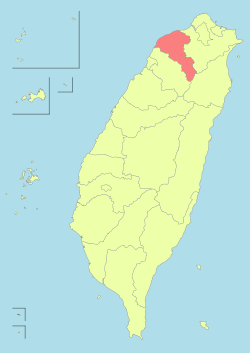
( ontheworldmap.com )

& Penghu, Kinmen & Matsu Islands
Also shown are:
Green Island ( Lu Dao ) & Orchid Island ( Lan Yu )
( cia.gov )
( wikipedia.org )
* * * * *
Links to individual topics
for TAOYUAN – LANGUAGES & PEOPLES
are displayed on this page
in the following categories :

Links to culture of Languages & Peoples of Taoyuan
* * * * *
TAOYUAN
台灣 / 桃園市
LANGUAGE & PEOPLES
語言 及 人物
* * * * *
LANGUAGE – 語 言

LANGUAGE in the HOME – 2010
Blue: Mandarin Green: Hokkien
HOT PINK: Hakka
BURGUNDY: Austronesian Langauges
( wikipedia.org )

prior to colonization by the Chinese
in the 1600’s
( wikipedia.org )

INDIGENOUS LANGUAGE
in the HOUSEHOLD – 2010
( wikipedia.org )

STATUTORY REGIONAL LANGUAGE
( “HAKKA BASIC ACT” )
( wikipedia.org )
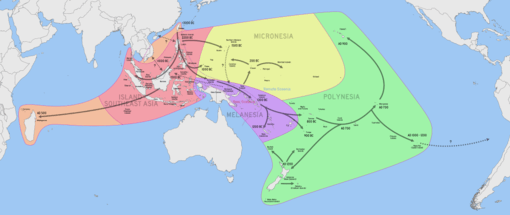
The languages of the “Austronesian People” show common links
stretching from Taiwan to Africa & to the eastern Pacific
( wikipedia.org )
- Languages in Taoyuan
- 桃園市文化中語言的角色
- Languages in Taoyuan City, Taiwan (桃園市)
- Taoyuan is one of Taiwan’s most linguistically diverse regions. Its language landscape reflects its history as a meeting place of Hakka settlers, Hoklo (Taiwanese Hokkien) communities, Indigenous peoples, post-1949 mainland Chinese immigrants, and more recent international migrants.
- The major languages heard in Taoyuan today are:
- Mandarin Chinese (國語 / 普通話)
- Taiwanese Hokkien (臺語 / 閩南語 / Hoklo)
- Taiwanese Hakka (客家話)
- Indigenous Austronesian languages (especially Atayal)
- Foreign immigrant languages (Vietnamese, Indonesian, Thai, Filipino languages, etc.)
- 1. Mandarin Chinese (國語)
- Mandarin is the dominant public language of Taoyuan.
- It is used in:
- schools
- government offices
- business
- transportation
- newspapers and television
- communication among people from different backgrounds
- Because Taoyuan has experienced rapid urban growth, especially around Taoyuan International Airport, many younger residents use Mandarin as their primary everyday language.
- However, Mandarin often exists alongside local heritage languages rather than replacing them completely.
- Taiwanese Hokkien (臺語 / 閩南語)
- Taiwanese Hokkien is historically important in Taoyuan, although it is generally less dominant here than in southern Taiwan.
- It is spoken especially among:
- older Hoklo families
- traditional market communities
- some farming villages
- temple communities
- Hokkien arrived with migrants from southern Fujian (福建) centuries ago and became one of Taiwan’s major languages.
- In Taoyuan, many people are bilingual in Mandarin and Hokkien, especially older generations.
- Taiwanese Hakka (客家話) — A Major Taoyuan Heritage Language
- Taoyuan is one of the most important Hakka regions in Taiwan.
- The northern Hakka heartland includes:
- Taoyuan
- Hsinchu
- Miaoli
- Important Hakka-speaking areas of Taoyuan include:
- Longtan (龍潭)
- Yangmei (楊梅)
- Pingzhen (平鎮)
- Zhongli (中壢)
- Xinwu (新屋)
- Guanyin (觀音)
- Daxi (大溪)
- Major Hakka dialects in Taoyuan
- Taoyuan is particularly interesting because several Hakka varieties are present:
- Sixian Hakka (四縣腔)
- The most widespread Hakka variety in Taiwan.
- Strong in:
- Zhongli
- Pingzhen
- Longtan
- Hailu Hakka (海陸腔)
- Common in:
- Yangmei
- Xinwu
- Guanyin
- Zhao’an Hakka (詔安腔)
- Found in smaller communities, especially around:
- Daxi
- Bade
- Longtan
- Hakka cultural preservation in Taoyuan
- Taoyuan has invested heavily in preserving Hakka language and culture through:
- Hakka schools
- Hakka language classes
- festivals
- museums
- cultural parks
- radio and television programs
- The Hakka language is officially recognized and supported by Taiwan’s government.
- Indigenous Languages in Taoyuan
- Taoyuan contains important Indigenous communities, especially in the mountain districts.
- The most significant Indigenous language historically spoken in Taoyuan is:
- Atayal (泰雅語)
- The Atayal people traditionally inhabit the northern mountains of Taiwan.
- Taoyuan’s mountain areas, especially around:
- Fuxing District (復興區)
- Daxi mountain areas
- have Atayal cultural communities.
- Atayal belongs to the Austronesian language family, the same broad family that includes languages of:
- the Philippines
- Indonesia
- Polynesia
- Hawai‘i
- Madagascar
- Traditional Atayal language remains important for:
- tribal identity
- songs
- ceremonies
- oral history
- weaving traditions
- Japanese Influence
- Although Japanese is no longer a major community language, it has left a historical imprint.
- During Japanese colonial rule (1895–1945):
- Japanese became the language of government and education.
- Many older Taiwanese people learned Japanese.
- Today, some elderly residents may still understand Japanese, and Japanese loanwords remain in Taiwanese vocabulary.
- . New Immigrant Languages
- Because Taoyuan has:
- Taoyuan International Airport
- manufacturing industries
- technology companies
- large migrant-worker communities
- it has become one of Taiwan’s most internationally diverse cities.
- Languages increasingly heard include:
- Vietnamese (越南語)
- Indonesian (印尼語)
- Thai (泰語)
- Tagalog / Filipino languages
- English
- These languages are especially visible among:
- migrant workers
- international marriages
- foreign students
- service industries
- Useful Websites
- Hakka Affairs Council (English) — information about Hakka language, history, and culture
- Council of Indigenous Peoples, Taiwan — Indigenous peoples and languages of Taiwan
- Taoyuan City Government — local government information
- Taoyuan Tourism — cultural and travel information
- Taoyuan is one of Taiwan’s best examples of linguistic layering: Mandarin is the common language of modern life; Hakka remains a powerful regional identity; Hokkien reflects older Han settlement history; Atayal preserves Indigenous heritage; and immigrant languages reflect Taoyuan’s role as Taiwan’s international gateway.
- Taoyuan is especially interesting because it combines a major Hakka homeland with an Indigenous mountain frontier and a modern global airport city.
- https://en.wikipedia.org/wiki/Languages_of_Taiwan?utm
- https://zhongchinese.com/articles/culture/taiwanese-hokkien-for-mandarin-learners/?utm
- https://taiwan.md/en/culture/linguistic-diversity-and-mother-tongue-culture/?utm
- https://taiwan.md/en/culture/hakka-culture-and-language/?utm
- https://english.hakka.gov.tw/Content/Content?LanguageType=ENG&NodeID=692&PageID=40407&utm
- https://minorityrights.org/country/taiwan/?utm
- https://cmn-hant.overseas.ncnu.edu.tw/en/further-study-area/summary-of-indonesia/languages-spoken-in-taiwan/?utm
- https://en.wikipedia.org/wiki/List_of_Indigenous_peoples_of_Taiwan?utm
- https://english.hakka.gov.tw/Content/Content?LanguageType=ENG&NodeID=676&PageID=40022&utm
- https://en.wikipedia.org/wiki/Taiwan?utm
- https://en.wikipedia.org/wiki/Culture_of_Taiwan?utm
- https://english.hakka.gov.tw/Content/Content?LanguageType=ENG&NodeID=678&PageID=43505&utm
- tci.ncl.edu.tw – Early 20th Century Taoyuan Language Sociology Survey Report (2004) @ Taiwan Citation Index for Humanities & Social Sciences
- wikipedia.org – Languages in the culture of Taoyuan – backgrounder
- worldatlas.com – Languages in the culture of Taoyuan – backgrounder
- taiwanese-secrets.com – Languages in the culture of Taoyuan – backgrounder
- hakka.gov.tw – Languages in the culture of Taoyuan – backgrounder
- ethnologue.com – Languages in the culture of Taoyuan – backgrounder
- ethnologue.com – Languages in the culture of Taoyuan – backgrounder
- toshuo.com – Languages in the culture of Taoyuan – backgrounder
- mylanguageexchange.com – Languages in the culture of Taoyuan – backgrounder
- daytranslations.com – Languages in the culture of Taoyuan – backgrounder
- soas.ac.uk – Languages in the culture of Taoyuan – backgrounder
- taiwannews.com.tw – Languages in the culture of Taoyuan – backgrounder
- worldtravelguide.net – Languages in the culture of Taoyuan – backgrounder
- focustaiwan.tw – Languages in the culture of Taoyuan – backgrounder
- mpi-lingweb.shh.mpg.de – Languages in the culture of Taoyuan – backgrounder
- taiwanho.com – Languages in the culture of Taoyuan – backgrounder
- upenn.edu – Languages in the culture of Taoyuan – backgrounder
- worldpopulationreview.com – Languages in the culture of Taoyuan
- EASY SEARCH FOR MORE LINKS ! . . . . .
- scholar.google.com – Languages in the culture of Taoyuan – 桃園市文化中語言的角色 @ Google Scholar
- youtube.com – Languages in the culture of Taoyuan – 桃園市文化中語言的角色 @ YouTube . com
- images.google.com – Languages in the culture of Taoyuan – 桃園市文化中語言的角色 @ Google Images
PEOPLES – 族 群

Taiwanese aboriginal peoples.
Some groups are not formally recognized
by the central government at the present time
as authentic aboriginal groups,
and some have been “assimilated”
by the ethnic Han Chinese majority.
( wikipedia.org )
- People Groups in Taoyuan
- 桃園市文化中族群的角色
- Taoyuan is one of Taiwan’s most culturally diverse cities. Its population reflects several centuries of migration: Indigenous Austronesian peoples, Han Chinese settlers from Fujian and Guangdong, post-1949 mainland Chinese communities, and newer immigrant communities from Southeast Asia and elsewhere. The city government describes Taoyuan’s traditional pattern as “Southern Fujian in the north and Hakka in the south,” while also emphasizing military-village communities, Indigenous peoples, and newer immigrant groups.
- Hoklo (閩南人 / Holo / Taiwanese) — Southern Fujian Heritage
- The Hoklo (河洛 / 福佬) people are one of Taiwan’s largest Han Taiwanese groups.
- Historical background
- Hoklo migrants came mainly from:
- southern Fujian (福建)
- especially Zhangzhou (漳州)
- Quanzhou (泉州)
- They began arriving during the Ming and Qing periods, establishing:
- farming villages
- trading communities
- temples
- market towns
- In Taoyuan, Hoklo communities historically developed especially in the northern plains and older settlements.
- Cultural contributions
- Hoklo influence can be seen in:
- traditional temples
- Mazu (媽祖) worship
- local festivals
- seafood and agricultural traditions
- Taiwanese Hokkien language
- Hakka (客家人) — Taoyuan’s Signature Community
- Taoyuan is one of the most important Hakka regions in Taiwan and has the largest Hakka population among Taiwan’s municipalities. Hakka communities are especially concentrated in southern Taoyuan areas such as:
- Zhongli (中壢)
- Pingzhen (平鎮)
- Yangmei (楊梅)
- Longtan (龍潭)
- Guanyin (觀音)
- Xinwu (新屋)
- The Taoyuan City Government highlights the strong historical pattern of Hakka settlement in southern Taoyuan.
- Hakka identity in Taoyuan
- Traditional Hakka culture emphasizes:
- family and ancestral ties
- education
- agriculture
- frugality and resourcefulness
- preservation of language and customs
- Important cultural features include:
- Lei Cha (擂茶, ground tea)
- Hakka cuisine
- mountain agriculture
- traditional festivals
- Hakka language preservation programs
- Indigenous Peoples (原住民族)
- Taoyuan is home to Taiwan Indigenous peoples, especially in the mountainous eastern part of the city.
- The main Indigenous group is:
- Atayal (泰雅族)
- The Atayal are one of Taiwan’s largest Indigenous peoples and have lived for centuries in northern Taiwan’s mountain regions.
- In Taoyuan, the main homeland area is:
- Fuxing District (復興區)
- Fuxing is a mountainous district famous for:
- Atayal villages
- traditional weaving
- hunting traditions
- forest culture
- river valleys
- Indigenous cuisine
- Other Indigenous peoples living in Taoyuan include:
- Amis (阿美族)
- Bunun (布農族)
- Paiwan (排灣族)
- Truku (太魯閣族)
- Seediq (賽德克族)
- Rukai (魯凱族)
- Puyuma (卑南族)
- Saisiyat (賽夏族)
- Tao/Yami (達悟族)
- Taoyuan government statistics track Indigenous residents by ethnic group, including Atayal and many other recognized Indigenous peoples.
- Mainland Chinese Communities (外省人 / Waishengren)
- After 1949, following the Chinese Civil War, many people from mainland China moved to Taiwan with the Republic of China government and military.
- In Taoyuan, these communities were associated especially with:
- military dependents’ villages (眷村)
- Zhongli (中壢)
- Pingzhen (平鎮)
- Guishan (龜山)
- They came from many parts of China, including:
- Yunnan (雲南)
- Sichuan (四川)
- Shandong (山東)
- Zhejiang (浙江)
- Hunan (湖南)
- Guangdong (廣東)
- Cultural legacy
- Their influence remains visible in:
- military village museums
- regional Chinese cuisines
- Mandarin language dominance
- associations preserving hometown traditions
- A famous example is Longgang (龍岡) in Zhongli, known for Yunnan-style cuisine and mainland Chinese cultural influences.
- New Immigrant Communities (新住民)
- Because Taoyuan contains:
- Taoyuan International Airport
- major industries
- logistics centers
- technology companies
- it has attracted many newer immigrant communities.
- Important groups include:
- Vietnamese (越南人)
- One of Taoyuan’s largest newer immigrant groups.
- Contributions include:
- restaurants
- markets
- cultural festivals
- Vietnamese language schools
- international families
- Indonesian (印尼人)
- Many Indonesian residents are:
- migrant workers
- caregivers
- spouses in multicultural families
- Thai (泰國人)
- Thai communities are connected with:
- manufacturing employment
- food culture
- Buddhist traditions
- Filipino (菲律賓人)
- Filipino residents contribute through:
- English-language skills
- healthcare work
- industry employment
- community organizations
- 6. Kinmen and Matsu Communities (金門、馬祖)
- Taoyuan also contains residents whose families originated from Taiwan’s offshore islands:
- Kinmen (金門)
- Matsu (馬祖)
- These communities expanded especially through:
- military service
- government employment
- migration after 1949
- They maintain distinctive traditions, including:
- temple practices
- seafood cuisine
- dialects such as Minnan varieties and Matsu-related languages
- . Taoyuan as a Modern Migration City
- Unlike older agricultural counties, modern Taoyuan has become a city of movement.
- People arrive because of:
- airport-related employment
- electronics manufacturing
- universities
- industrial parks
- proximity to Taipei and Hsinchu
- The result is a city where a person may encounter:
- Hakka grandparents speaking 客家話
- Indigenous families maintaining 泰雅文化
- Hoklo temple traditions
- Mandarin-speaking professionals
- Vietnamese, Indonesian, Thai, and Filipino communities
- In summary: Taoyuan is a fascinating “crossroads city” of Taiwan. Its identity comes from a combination of Hakka agricultural heritage, Hoklo plains culture, Atayal mountain traditions, mainland Chinese military-village history, and a growing international immigrant population. Among Taiwan’s major cities, Taoyuan may be one of the best examples of how old regional identities and global migration exist side by side.
- Given your earlier research on Taichung, Pingtung, and Indigenous groups, Taoyuan offers an especially interesting comparison: Taichung is a central urban crossroads, Pingtung is a southern Indigenous and agricultural frontier, while Taoyuan is a northern Hakka-and-migration gateway city.
- https://eng.tycg.gov.tw/cp.aspx?n=939&utm
- https://data.gov.tw/en/datasets/155884?utm
- https://data.gov.tw/en/datasets/153824?utm
- https://data.gov.tw/en/datasets/154055?utm
- https://data.gov.tw/en/datasets/148194?utm
- https://data.gov.tw/en/datasets/148197?utm
- https://www.tycg.gov.tw/NewsPage_Content.aspx?n=7&s=1150215&utm
- https://data.gov.tw/en/datasets/168339?utm
- https://english.hakka.gov.tw/Content/Content?LanguageType=ENG&NodeID=692&PageID=40366&utm
- https://opendata.tycg.gov.tw/datalist/9e577627-278a-4234-a18f-2c2bbd315d65?utm
- https://data.gov.tw/en/datasets/176148?utm
- https://data.gov.tw/en/datasets/176148?utm
- https://data.gov.tw/en/datasets/154982?utm
- https://en.wikipedia.org/wiki/Taoyuan%2C_Taiwan?utm
- https://eng.tycg.gov.tw/cp.aspx?n=939&utm
- https://english.hakka.gov.tw/index.html
- https://www.cip.gov.tw/zh-tw/index.html
- EASY SEARCH FOR MORE LINKS ! . . . . .
- scholar.google.com – People Groups in the culture of Taoyuan – 桃園市文化中族群的角色 @ Google Scholar
- youtube.com – People Groups in the culture of Taoyuan – 桃園市文化中族群的角色 @ YouTube . com
- images.google.com – People Groups in the culture of Taoyuan – 桃園市文化中族群的角色 @ Google Images
ETHNIC MINORITIES – 少 數 民 族
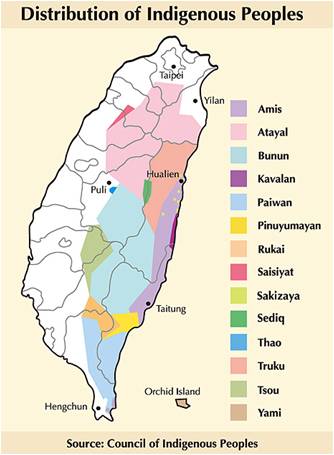
“recognized” Tribes of Indigenous Peoples
on the Island of Taiwan & Orchid Island ( 蘭嶼 )
( cip.gov.gw )
- Ethnic Minorities in Taoyuan
- 桃園市文化中少數民族的角色
- Taoyuan is one of Taiwan’s most ethnically diverse cities. While the majority population consists of Han Taiwanese groups (especially Hakka and Hoklo), Taoyuan has significant Indigenous peoples, newer immigrant communities, and historically distinct minority groups. Its location as the home of Taoyuan International Airport, major industrial zones, and military communities has made it a place of continuous migration.
- When discussing “ethnic minorities” in Taiwan, it is useful to distinguish between:
- Indigenous Austronesian peoples (原住民族) — Taiwan’s first peoples
- New immigrant communities (新住民) — especially Southeast Asian communities
- Historic minority communities — such as mainland Chinese communities after 1949
- Indigenous Peoples (原住民族) — Taiwan’s First Peoples
- Taoyuan has one of the largest Indigenous populations among Taiwan’s municipalities. Government statistics have shown Taoyuan’s Indigenous population exceeding 70,000 people, with the largest groups being Amis (阿美族), Atayal (泰雅族), and Paiwan (排灣族). More recent government datasets continue to track all recognized Indigenous groups living in Taoyuan.
- Atayal (泰雅族) — The Historic Mountain People of Taoyuan
- The Atayal are the most historically associated Indigenous people of Taoyuan.
- Their traditional homeland includes:
- Fuxing District (復興區)
- mountain valleys of southeastern Taoyuan
- areas along the Dahan River (大漢溪)
- The Atayal are known for:
- traditional weaving
- facial tattoo traditions (historically)
- hunting culture
- mountain agriculture
- forest knowledge
- oral traditions
- The Atayal language belongs to Taiwan’s Austronesian Indigenous language family.
- Important cultural sites and communities in Fuxing District preserve:
- Atayal crafts
- traditional foods
- songs and ceremonies
- ecological knowledge
- Amis (阿美族)
- Although the Amis homeland is mainly on Taiwan’s eastern coast (Hualien and Taitung), many Amis people have moved to Taoyuan for:
- industrial employment
- education
- military service
- urban opportunities
- The Amis are currently the largest Indigenous group in Taiwan and are also one of the largest Indigenous communities in Taoyuan.
- Major cultural contributions include:
- harvest festivals (豐年祭)
- choral singing
- dance traditions
- marine and agricultural knowledge
- Paiwan (排灣族)
- The Paiwan traditionally come from:
- southern Taiwan
- Pingtung County
- Taitung County
- Many Paiwan people have migrated to Taoyuan for employment and education.
- They are known for:
- elaborate wood carving
- ancestral house traditions
- beadwork
- strong clan identity
- ceremonial culture
- The Paiwan are among the three largest Indigenous groups represented in Taoyuan.
- Other Indigenous Peoples in Taoyuan
- Taoyuan residents also include members of many other officially recognized Indigenous peoples:
- Bunun (布農族)
- Truku (太魯閣族)
- Seediq (賽德克族)
- Rukai (魯凱族)
- Puyuma (卑南族)
- Saisiyat (賽夏族)
- Tsou (鄒族)
- Tao/Yami (達悟族)
- Kavalan (噶瑪蘭族)
- Sakizaya (撒奇萊雅族)
- Thao (邵族)
- Hla’alua (拉阿魯哇族)
- Kanakanavu (卡那卡那富族)
- Taoyuan’s Indigenous population is therefore not a single community but a miniature representation of Taiwan’s Indigenous diversity.
- Southeast Asian New Immigrant Communities (新住民)
- Taoyuan has become one of Taiwan’s major centers for new immigrant populations.
- Important groups include:
- Vietnamese (越南人)
- Vietnamese residents are among the largest foreign-born communities in Taiwan.
- They include:
- marriage immigrants
- factory workers
- caregivers
- entrepreneurs
- students
- Vietnamese cultural influence can be seen through:
- restaurants
- markets
- language classes
- festivals
- Indonesian (印尼人)
- Indonesian residents include:
- migrant workers
- caregivers
- family members of Taiwanese-Indonesian households
- They contribute:
- Indonesian cuisine
- Muslim cultural traditions
- community organizations
- Thai (泰國人)
- Thai communities developed largely through:
- manufacturing employment
- industrial migration
- Thai restaurants, temples, and cultural activities have become part of Taoyuan’s multicultural landscape.
- Filipino (菲律賓人)
- Filipino residents contribute strongly to:
- healthcare work
- manufacturing
- service industries
- English ability has also made Filipino communities especially visible in Taiwan’s international workplaces.
- . Mainland Chinese Communities (外省人)
- Although often not described as an “ethnic minority” today, mainland Chinese communities represent an important historical minority group in Taoyuan.
- After 1949, many people from mainland China arrived with the Republic of China government and military.
- They formed communities connected to:
- military dependents’ villages (眷村)
- Zhongli (中壢)
- Pingzhen (平鎮)
- Guishan (龜山)
- A famous example is:
- Longgang (龍岡)
- Longgang became known for communities from:
- Yunnan (雲南)
- Sichuan (四川)
- other mainland provinces
- Its food culture, especially Yunnan cuisine, remains part of Taoyuan’s identity.
- Historical Minority Communities
- Taoyuan also contains smaller communities with distinctive backgrounds:
- Hakka Subgroups
- Although Hakka people are a major population group rather than a minority in Taoyuan, internal diversity exists among:
- Sixian Hakka (四縣客)
- Hailu Hakka (海陸客)
- Zhao’an Hakka (詔安客)
- These communities maintain different dialects and traditions.
- Kinmen and Matsu Migrants
- Families from:
- Kinmen (金門)
- Matsu (馬祖)
- also settled in Taoyuan, often through military and government connections.
- Cultural Character of Taoyuan
- Taoyuan’s ethnic character can be summarized as:
- Mountain Indigenous heritage + Hakka heartland + Hoklo traditions + postwar migration + global immigration
- Compared with other Taiwanese cities:
- Pingtung has a stronger southern Indigenous and agricultural identity.
- Taichung is a central Taiwan cultural crossroads.
- Taoyuan is especially shaped by migration: ancient mountain peoples, Hakka settlers, military communities, and global newcomers.
- Taoyuan is a fascinating contrast because it shows how a modern airport city can still preserve deep local identities such as Atayal mountain culture and Hakka village traditions.
- https://taiwan.md/en/culture/ethnic-groups/?utm
- https://opendata.tycg.gov.tw/datalist/b2900148-270b-432e-8765-3c4434470bb6?utm
- https://dbas.tycg.gov.tw/News_Content.aspx?n=12132&s=1040879&sms=15011&utm
- https://cip.nhri.edu.tw/en/?utm
- https://www.cip.gov.tw/zh-tw/index.html
- https://english.hakka.gov.tw/index.html
- https://eng.tycg.gov.tw/?utm
- https://www.tbc.cip.gov.tw/taoyuan/News/Page/2682?url=taoyuan&utm
- https://data.nat.gov.tw/dataset/160372?utm
- https://opendata.tycg.gov.tw/datalist/4dc4fdbb-89bc-4373-9abb-8c8b2b4566f5?utm
- https://www.taiwannews.com.tw/news/6311367?utm
- https://www.moi.gov.tw/News_Content.aspx?n=9&s=336847&sms=9009&utm
- https://www.iwgia.org/en/articles/iw-2026-taiwan?lang=en&utm
- https://tynewimmigrants.tycg.gov.tw/News/Detail/11?Lang=en-US&MenuId=0&utm
- https://www.tao.tycg.gov.tw/News_Content.aspx?n=5611&s=1641397&utm
- https://en.wikipedia.org/wiki/Taoyuan%2C_Taiwan?utm
- https://www.tycg.gov.tw/NewsPage_Content.aspx?n=7&s=1150215&utm
- https://www.immigration.gov.tw/media/97270/roc-taiwan-icerd-initial-report-convention-specific-document.pdf?utm
- https://data.nat.gov.tw/dataset/160920?utm
- https://opendata.tycg.gov.tw/datalist/9e577627-278a-4234-a18f-2c2bbd315d65?utm
- EASY SEARCH FOR MORE LINKS ! . . . . .
- scholar.google.com – Ethnic Minorities in the culture of Taoyuan – 桃園市文化中少數民族的角色 @ Google Scholar
- youtube.com – Ethnic Minorities in the culture of Taoyuan – 桃園市文化中少數民族的角色 @ YouTube . com
- images.google.com – Ethnic Minorities in the culture of Taoyuan – 桃園市文化中少數民族的角色 @ Google Images
DEMOGRAPHICS – 人 口 分 布

( tradingeconomics.com )

( wikiwand.com )
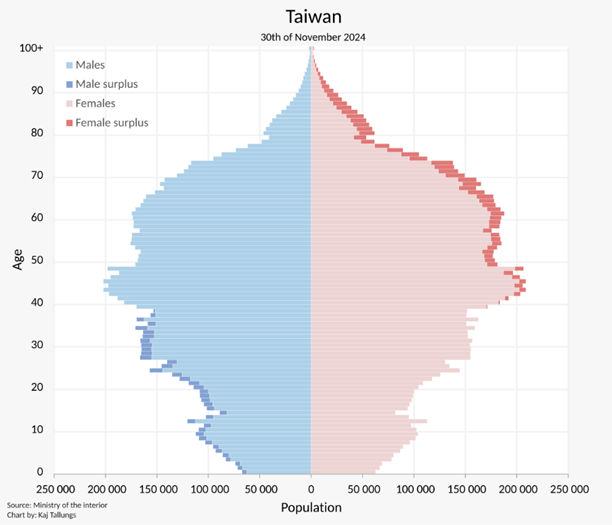
showing number of male & female inhabitants
per year of age
( wikiwand.com )
- Demographics of Taoyuan
- 桃園市文化中人口分布的角色
- Taoyuan (桃園市) is one of Taiwan’s fastest-growing urban areas and one of its most important migration cities. Located immediately west of Taipei, Taoyuan has developed from an agricultural and Hakka region into a major metropolitan center shaped by industry, aviation, technology, military communities, and international migration.
- The city’s population is approximately 2.3 million people, making it one of Taiwan’s six special municipalities and the country’s fourth-largest municipality by population. Taiwan’s official household registration statistics provide monthly population data for cities and districts.
- Population Growth and Urbanization: Taoyuan has experienced remarkable growth because of several factors: Strategic location – Taoyuan sits between: Taipei metropolitan area to the east, Hsinchu technology corridor to the south, Taiwan’s western industrial belt
- Economic drivers: Major population attractions include: Taoyuan International Airport; electronics and semiconductor-related industries; logistics centers; industrial parks; universities; transportation networks. Many residents commute between Taoyuan and Taipei, creating a highly connected metropolitan region.
- Ethnic Composition: Taiwan does not generally classify citizens through a census system based on ethnicity in the same way as some countries, so demographic discussions usually use heritage groups, Indigenous identity, and migration background.
- Taoyuan’s population includes:
- Han Taiwanese Communities
- Hakka (客家人)
- Hakka people are one of the defining cultural groups of Taoyuan.
- Important Hakka areas include:
- Important Hakka areas include:
- Longtan (龍潭)
- Yangmei (楊梅)
- Pingzhen (平鎮)
- Zhongli (中壢)
- Xinwu (新屋)
- Guanyin (觀音)
- Hakka traditions remain visible through:
- language preservation
- festivals
- farming culture
- architecture
- cuisine
- Taoyuan is considered one of Taiwan’s major Hakka regions.
- Hoklo / Taiwanese (閩南人、河洛人)
- Hoklo communities historically settled the plains areas of Taoyuan.
- Their influence appears in:
- temple culture
- Taiwanese Hokkien language
- traditional markets
- local festivals
- Many Hoklo residents today are bilingual or trilingual, using:
- Mandarin
- Taiwanese Hokkien
- sometimes Hakka
- Mainland Chinese Communities (外省人)
- After 1949, many mainland Chinese military personnel, government employees, and their families settled in Taoyuan.
- Important areas include:
- Zhongli
- Pingzhen
- Guishan
- Historical military villages (眷村) contributed distinctive food, language, and cultural traditions.
- A well-known example is the Longgang area, associated with Yunnan cuisine and mainland Chinese cultural heritage.
- Indigenous Population (原住民族)
- Taoyuan has one of Taiwan’s largest urban Indigenous populations.
- Official Taoyuan datasets track Indigenous residents by:
- district
- gender
- Indigenous nation (族別)
- including groups such as Atayal, Amis, Paiwan, Bunun, Truku, Seediq, and others.
- Atayal (泰雅族)
- The most historically connected Indigenous group in Taoyuan is the Atayal.
- Their traditional homeland is centered in:
- Fuxing District (復興區)
- Dahan River (大漢溪) mountain valleys
- The Atayal are known for:
- weaving traditions
- forest knowledge
- hunting culture
- mountain agriculture
- Indigenous ecological practices
- Urban Indigenous Communities
- Many Indigenous residents from eastern and southern Taiwan have moved to Taoyuan for:
- manufacturing jobs
- education
- military careers
- urban opportunities
- Major Indigenous groups represented in Taoyuan include:
- Amis (阿美族)
- Atayal (泰雅族)
- Paiwan (排灣族)
- Bunun (布農族)
- Truku (太魯閣族)
- Seediq (賽德克族)
- Puyuma (卑南族)
- Rukai (魯凱族)
- Saisiyat (賽夏族)
- New Immigrant Communities (新住民)
- Taoyuan is among Taiwan’s most internationally diverse cities because of:
- the airport
- manufacturing industries
- international marriages
- migrant labor
- Important immigrant communities include:
- Vietnamese (越南)
- One of Taoyuan’s largest immigrant groups.
- Vietnamese residents include:
- factory workers
- caregivers
- spouses in multicultural families
- business owners
- Vietnamese culture is especially visible around:
Zhongli
Taoyuan urban districts
industrial areas
Indonesian (印尼)
Indonesian residents include:
migrant workers
caregivers
family members in multicultural households
Cultural influence includes:
Indonesian food
language communities
religious traditions - Thai (泰國)
Thai migration has been connected especially with:
manufacturing employment
industrial labor
Filipino (菲律賓)
Filipino residents contribute strongly to:
healthcare
manufacturing
service industries
English-language ability has also made Filipino communities highly visible in Taiwan’s international workplaces. - . Age Structure and Demographic Trends
- Like Taiwan as a whole, Taoyuan faces:
- declining birth rates
- population aging
- increasing need for immigrant integration
- However, compared with many Taiwanese cities, Taoyuan remains relatively young because it continues attracting:
- young workers
- families
- technology employees
- commuters from Taipei
- Taiwan’s national demographic statistics show continuing population aging, with the proportion of older residents increasing nationwide.
- Taoyuan’s demographic identity is built from several layers: (i.) Ancient layer: Atayal Indigenous mountain communities; Historical Han layer: Hakka and Hoklo agricultural settlements; Postwar layer: Mainland Chinese military and government communities; Modern layer: Vietnamese, Indonesian, Thai, Filipino, and other international residents. This makes Taoyuan one of Taiwan’s most fascinating examples of how a traditional regional society has transformed into a global metropolitan city.
- Taoyuan is especially interesting because it combines the Hakka cultural landscape of northern Taiwan with the Indigenous mountain world of Fuxing and the international character created by Taiwan’s main air gateway.
- https://data.gov.tw/en/datasets/176148?utm
- https://data.nat.gov.tw/dataset/160330?utm
- https://data.gov.tw/en/datasets/148194?utm
- https://data.gov.tw/en/datasets/168351?utm
- https://data.nat.gov.tw/dataset/160920?utm
- https://www.tycg.gov.tw/NewsPage_Content.aspx?n=7&s=1150215&utm
- https://www.stat.gov.tw/News_Content.aspx?n=3703&s=235805&utm
- https://opendata.tycg.gov.tw/datalist/9e577627-278a-4234-a18f-2c2bbd315d65?utm
- https://www.ris.gov.tw/info-popudata/app/awFastDownload/toMain_panel?utm
- _____ – Demographics in the culture of Taoyuan – 桃園市文化中人口分布的角色
- EASY SEARCH FOR MORE LINKS ! . . . . .
- scholar.google.com – Demographics in the culture of Taoyuan – 桃園市文化中人口分布的角色 @ Google Scholar
- youtube.com – Demographics in the culture of Taoyuan – 桃園市文化中人口分布的角色 @ YouTube . com
- images.google.com – Demographics in the culture of Taoyuan – 桃園市文化中人口分布的角色 @ Google Images
* * * * *
Click for the Cloudbridge Home Page for Taoyuan
Click for links to Culture for Taoyuan
Click for links to Business for Taoyuan
Click for links to Travel for Taoyuan
to Nature & Environment of Taoyuan
For links to Languages & Peoples for Taoyuan . . . . .
. . . . . scroll up through this page
Click to return to the Home Page
* * * * *
NOTE : This site contains links to our ”favorite” and “most useful” websites . . . but the CloudBridge Project does not endorse or guarantee any of the products or services available through the links on the pages of this website.
本站包含了我們的 “最愛” 以及 “最有用” 的網站連結,但雲橋語文計劃並不保證其連結的有效性或對其背書.
Welcome to send us an email with your thoughts or comments:
欢迎用电子邮件的方式分享您的意见和建议:
Email: CloudBridgeTaiwan@gmail . com
LATEST PAGE UPDATE: July 12 , 2026
最後一次更新時間為: 2026 / 07 / 12
Copyright ©2021 CloudBridge Project. All rights reserved.
版權所有 ©2021 雲橋語文計劃. 保留所有權利.
 CloudBridgeTaiwan