台灣 / 臺南市 – 文 化
* * * * *

( ontheworldmap.com )

& Penghu, Kinmen & Matsu Islands
Also shown are:
Green Island ( Lu Dao ) & Orchid Island ( Lan Yu )
( cia.gov )

* * * * *
Links to individual topics for TAINAN – CULTURE
are presented on this site in the following categories :

ART – 美術 … BELIEFS – 信仰 … BLOGS – 部落格 … CINEMA – 電 影 … CULTURE – 文化 … DINING – 餐館及餐飲 … ”FAVORITES” (LOCAL SPECIALTIES…) – 最愛 … FENG SHUI – 風水 … FESTIVALS – 節慶 … FLAG/EMBLEM – 旗幟或標誌 … HISTORY – 歷史 … JADE MARKETS – 玉石市場 … MARTIAL ARTS – 武術 … MUSEUMS – 博物館 … NIGHT MARKETS – 夜市 … PERFORMING ARTS – 表演 … POTTERY – 瓷器 … SHOPPING – 購屋 … TEA – 茶 … TEMPLES – 寺廟 … WINE & SPIRITS – 酒
* * * * *
Click here for the Cloudbridge Home Page for Tainan
Click here for links to Language & Peoples of Tainan
Click here for links to Business for Tainan
Click here for links to Travel for Tainan
Click here for links to Nature and Environment of Tainan
For links to Culture for Tainan . . . . .
. . . . . please continue to scroll down through this page
* * * * *
TAINAN – 台灣 / 臺南市
CULTURE – 文 化
* * * * *
ART – 美 術
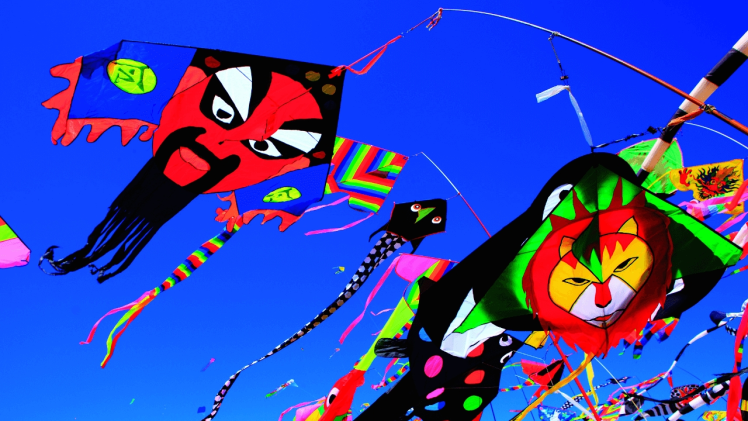
- Art in Tainan – 臺南市文化中美術的角色
- The art scene in Tainan County (now largely Tainan City) is a unique blend of historical heritage, traditional folk arts & contemporary creative expression. As Taiwan’s oldest city and former capital, Tainan has a deeply rooted cultural identity that fuels a vibrant, multi-layered artistic environment.
- The art scene in Tainan County is a rich, living tapestry of traditional crafts, performing arts, visual creativity & community engagement. The arts thrive in Tainan through the interplay between centuries-old heritage & contemporary innovation, making Tainan one of Taiwan’s most dynamic cultural cities.
- Key Characteristics of the Tainan Art Scene: (I.) Cultural Depth – Strong roots in history, folk arts, and temple culture; (II.) Multidisciplinary – Combines visual arts, performing arts, crafts, culinary arts, and design: (iii.) Community-Oriented – Local residents actively participate in festivals, workshops, and exhibitions.; (iv.) Historic & Contemporary Fusion – Old streets and temples coexist with modern galleries, murals, and creative spaces; and (v.) Accessible & Experiential – Visitors can watch performances, try workshops, and explore public art, making art an everyday experience.
- Tainan’s art scene contributes to the community by: (i.) Integrating the Old and New – Historic buildings are revitalized as studios, galleries, and creative spaces. Traditional art forms are preserved while contemporary artists reinterpret them in modern contexts; (ii.) Preserving Heritage – Maintain historic architecture and traditional folk culture.; (iii.) Supporting Local Artists: Provide exhibition spaces and workshops for craftspeople and contemporary artists; (iv.) Promote Cultural Tourism: Attract visitors with a mix of history, folk arts, and modern creativity; (v.) Community Building: Foster social interaction and collective participation through festivals and arts programs.
- Here’s a detailed overview of Tainan’s art scene:
- Historical & Traditional Arts :
- Temple Arts & Folk Crafts: Tainan is home to hundreds of temples, many of which are centuries old. Temple decorations—wood carvings, painted panels, lanterns, and murals—represent a living repository of folk art. Crafts such as puppet-making, embroidery, and ceramics are closely tied to religious and festival traditions.
- Performing Arts: Glove Puppetry (Budaixi) and Taiwanese Opera (Gezai Opera) are cornerstones of Tainan’s performing arts. Lion and dragon dances, drumming, and ritual performances are performed at temples and festivals, blending entertainment with spiritual meaning.
- Culinary Arts as Cultural Expression: Food is a central part of the art scene; the city’s xiao chi (small eats) culture is considered an edible form of folk art.
Festival foods, ceremonial offerings, and traditional cooking techniques are integral to cultural performances.
- Contemporary & Visual Arts :
- Galleries & Creative Spaces: Areas like Shennong Street, Blueprint Cultural & Creative Park, and Tainan Railway Art Village host art galleries, workshops, and studios.
Contemporary artists often draw inspiration from Tainan’s history, folk culture, and coastal landscapes.
- Public & Street Art: Murals, street installations, and interactive art projects bring creativity into urban spaces. Projects often celebrate local heritage, historical events, or seasonal festivals.
- Art Festivals & Exhibitions: Local and national festivals showcase visual arts, crafts, and performing arts, integrating both traditional and contemporary forms.
Examples include exhibitions of folk puppetry, ceramics, photography, and multimedia art.
- Art Villages & Cultural Hubs: Creative Villages & Neighborhoods: Shennong Street, Anping Old Street, Railway Art Village & Blueprint Park function as hubs for art workshops, galleries, and cultural performances. Residents and visitors participate in hands-on craft activities and live performances.
- designboom.com – Pentagonal roof canopy encloses Tainan Art Museum @ Design Boom . com
- twtainan.net – Historic Harborside Park – Blessings from the Whale (港濱歷史公園-大魚的祝福) @ Travel Tainan website
- shalomarts.tw – Tainan Art Museum Public Arts Installation Project @ Shalom Arts website
- curatography.org – Curating Publicness: A Case Study of the 2024 Tainan Arts Festival @ Curatography . org
- taipeitimes.com – Tainan Bureau of Urban Development urges public not to judge its public art project too quickly @ Taipei Times newspaper website
- artfairmag.com – Art Tainan 2024 @ Art Fair Magazine website
- ftvnews.com.tw – World’s longest-running street art work comes to Tainan @ FTV News website
- nomadicexperiences.com – Tainan, Another Southern Surprise @ Nomadic Experiences blog
- https://www.bluedragonart.com.tw
- chimeimuseum.org – Chimei Museum – website
- trip.com – Tainan Art Museum Travel Guide & Travel Experiences @ Trip . com
- findarts.net – Exploring the Myriad Dimensions of Taiwan Tainan City Through the Ten Artists @ Find Arts Gallery website
- artistcommunities.org – Tsung-Yeh Arts and Cultural Center Tainan, Taiwan @ Artists Communities website
- taiwaneverything.cc – Young entrepreneurs bringing new aesthetics to old Architecture in Tainan @ Taiwan Everything . cc
- https://taiwanreview.nat.gov.tw
- https://taiwanreview.nat.gov.tw
- https://taiwan-scene.com
- https://www.lonelyplanet.com
- https://www.architectmagazine.com
- https://182artspace.wheree.com
- https://taiwaneverything.cc
- https://aicityinfo.com
- https://ltl-taiwan.com
- https://us.trip.com
- https://tvaa.tw
- https://knycxjourneying.com
- https://medium.com
- https://en.wikipedia.org
- https://tripjive.com
- https://www.taipeitimes.com
- air-culture.tainan.gov.tw
- gbdmagazine.com – Tainan Public Library Shows the Art of the Modern Library @ Green Building & Design magazine
- https://www.san-gallery.com.tw
- https://staging.taiwangoldcard.tw
- https://taiwaneverything.cc
- medium.com – Art scene in Tainan
- medium.com – Tainan Art Museum opens the gate to the Underworld @ Medium . com
- https://www.lonelyplanet.com
- https://theartling.com
- https://www.chinese-architects.com
- https://www.agoda.com
- https://en.wikipedia.org – Soulangh Cultural Park – 蕭壠文化園區 @ Wikipedia . org
- https://en.wikipedia.org – Tainan Art Museum – 臺南市美術館 @ Wikipedia . org
- wikipedia.org – Tainan Cultural & Creative Park – 臺南文化創意產業園區 @ Wikipedia . org
- air-culture.tainan.gov.tw
- gbdmagazine.com
- monocle.com – Taiwan’s second city @ The Monocle . com (video tour)
- taiwan-scene.com – A culture-creative boom in Tainan @ Taiwan Scene e-zine
- taiwan-scene.com – Exploring hipster Tainan – “Five ways to experience Tainan”@ Taiwan Scene e-zine
- visionsoftravel.org – Artistic beauty in Tainan @ Vision or Travel . org
- EASY SEARCH FOR MORE LINKS ! . . . . .
- scholar.google.com – Art scene in the culture of Tainan – 臺南市文化中美術的角色 @ Google Scholar
- youtube.com – Art scene in the culture of Tainan – 臺南市文化中美術的角色 @ You Tube . com
- images.google.com – Art scene in the culture of Tainan – 臺南市文化中美術的角色 @ Google Images
- Art Streets in Tainan – 臺南市文化中藝術街的角色
- Art streets in Tainan County (now largely part of Tainan City) are historic neighborhoods and streets that have been transformed into creative and cultural hubs. They combine Tainan’s rich historical architecture, folk heritage, and contemporary arts, providing spaces for galleries, studios, street art, performances, and community activities. Streets like Shennong Street, Anping Old Street, and the Railway Art Street allow visitors to experience traditional crafts, performing arts, murals, and interactive workshops, making them central to Tainan’s identity as a cultural and artistic city.
- Features of Tainan Art Streets: (i.) Historical & Cultural Integration. Many streets preserve Qing-era or colonial-era architecture, integrating history with modern creativity; (ii.) Diverse Art Forms. Visual arts: murals, installations, painting, photography. Performing arts: glove puppetry, Taiwanese opera, music, and dance.
Handicrafts: ceramics, embroidery, woodcarving, and traditional toys; (iii.) Community & Cultural Engagement. Streets host cultural workshops, festivals, and live performances.
Local residents and tourists participate in interactive art-making and folk craft demonstrations; (iv.) Fusion of Old and New. Historic streets maintain their original character while embracing contemporary art forms. Public art projects, creative markets, and gallery spaces coexist with traditional businesses.
- What Makes These Areas Special?
- Thecontrast of old + new: Tainan has a deep history; many of these art streets are in historic districts where old buildings, brickwork, temples are preserved, and the art is layered on top (murals on old walls, art installations in alleyways).
- Community and interactive art: Some of the work is not just decorative but invites engagement (sound/light installations, public art that responds to environment). smoa.art+2expedia+2
- Night walk culture: Lots of the art streets are especially vibrant at night. Lighting, people strolling, street food, shops open late. Wanderlog+2expedia+2
- Photo spots: Many murals/painted walls, creative signage, façade art, benches or small sculptures – good places for photography. Wanderlog+1
- Tips If You Want to Explore: (i.) Wear comfortable walking shoes. These places often have narrow alleys and uneven pavement; (ii.) Try visiting both during day and evening. Daylight helps seeing detail; evening helps experience lights, ambience, food & drinks.
(iii.) Bring a camera / phone with plenty of battery; (iv.) If possible, plan your route around a few sites: art street + old street + gallery + café so you can enjoy both art and local life; (v.) Ask locals (or check local maps / apps) for temporary murals or pop-up art events — these pop up in Tainan from time to time.
- Major Art Streets & Creative Areas in Tainan :
- Shennong Street (神農街). One of the oldest streets in Tainan, dating back to the Qing dynasty. Narrow lanes with preserved traditional architecture now host art galleries, handicraft shops, cafes, and creative studios. Regularly features folk performances, exhibitions, and cultural workshops. A hub for both traditional crafts like puppet-making and contemporary visual arts.
- Blueprint Cultural & Creative Park Area (藍晒圖文創園區附近). Surrounding streets have become spaces for street art, murals, and small galleries. Hosts temporary exhibitions, pop-up shops, and public art projects. Engages visitors in interactive art and cultural experiences.
- Anping Old Street & Surrounding Alleys. Historic Anping District streets blend tourism, folk crafts, and art studios. Artists often showcase ceramics, folk painting, prints, and puppet arts in renovated shop houses. Seasonal festivals bring live performances and interactive cultural events.
- Tainan Railway Art Street (台南鐵道藝術街). Converted from old railway buildings and streets near the tracks. Galleries, performance spaces, and studios occupy former industrial spaces.Focuses on visual arts, music, and community workshops.
- Hai’an Road Art Street (海安路藝術街 / Hai’an Road Museum of Art)
One of the most prominent art walking areas in Tainan. At night it becomes especially livelier. Tainan Travel+3weekend.tainanoutlook.com+3smoa.art+3
The area was somewhat rundown, with exposed building structures and aging facades, and local artists + curators took advantage of that look to transform it with murals and public art. weekend.tainanoutlook.com+2Tainan Travel+2
It functions roughly like an open‐air art museum: art installations, landscape transformations, interactive and light/sound art (especially in modern installments). smoa.art+2expedia+2
Besides art, there are bars, cafés, snack vendors, shops, and the general “feel” of a relaxed night walk. weekend.tainanoutlook.com+2Expedia+2 - 321 Art Alley Settlement
Located in North District, close to Tainan Park. Taiwan Everything
It’s a mini-village art alley: small lanes, narrow passageways, creative shops, cafés, etc. More intimate and good for wandering. Taiwan Everything - Lufu Creative Industries
In the Anping District (part of Tainan’s older area). Traditional architecture, red-brick buildings, small artisan shops and galleries. Taiwan Everything - Other Historic Streets with an Artsy Vibe :
- Shennong Street (神農街): very old street, preserved architecture, lanterns, small shops, traditional style. At times you’ll see murals or art mixed in. 台南意向
- Anping Old Street: older merchant street, lots of souvenir shops, local crafts; not strictly a street art zone, but historic & creative ambiance. Wikipedia
- Guiren Living Art Center
More of a formal art center than a street, but it plays a role in Tainan’s creative ecosystem. Wikipedia - Tsung-Yeh Arts and Cultural Center
In Madou District. It’s an arts & culture complex using a repurposed sugar refinery, with workshops, exhibition spaces, and outdoor/green areas. Worth visiting if you have time. Wikipedia
- https://weekend.tainanoutlook.com – Art Streets in the culture of Tainan – 臺南市文化中藝術街的角色
- https://smoa.art/ – Art Streets in the culture of Tainan – 臺南市文化中藝術街的角色
- https://www.tripadvisor.com – Art Streets in the culture of Tainan – 臺南市文化中藝術街的角色
- https://travelonthehorizon.com – Art Streets in the culture of Tainan – 臺南市文化中藝術街的角色
- https://www.popdaily.com.tw – Art Streets in the culture of Tainan – 臺南市文化中藝術街的角色
- https://www.walkerland.com.tw – Art Streets in the culture of Tainan – 臺南市文化中藝術街的角色
- https://www.walkerland.com.tw – Art Streets in the culture of Tainan – 臺南市文化中藝術街的角色
- https://www.walkerland.com.tw – Art Streets in the culture of Tainan – 臺南市文化中藝術街的角色
- https://www.welcometw.com – Art Streets in the culture of Tainan – 臺南市文化中藝術街的角色
- https://sstainan.com – Art Streets in the culture of Tainan – 臺南市文化中藝術街的角色
- https://www.walkerland.com.tw – Art Streets in the culture of Tainan – 臺南市文化中藝術街的角色
- https://wanderlog.com – Art Streets in the culture of Tainan – 臺南市文化中藝術街的角色
- https://travel.yam.com – Art Streets in the culture of Tainan – 臺南市文化中藝術街的角色
- https://taiwan-scene.com – Art Streets in the culture of Tainan – 臺南市文化中藝術街的角色
- https://us.trip.com – Art Streets in the culture of Tainan – 臺南市文化中藝術街的角色
- https://tripjive.com – Art Streets in the culture of Tainan – 臺南市文化中藝術街的角色
- https://www.mapquest.com – Art Streets in the culture of Tainan – 臺南市文化中藝術街的角色
- https://www.hoteles.com – Art Streets in the culture of Tainan – 臺南市文化中藝術街的角色
- https://www.expedia.com.sg – Art Streets in the culture of Tainan – 臺南市文化中藝術街的角色
- https://www.expedia.com.tw – Art Streets in the culture of Tainan – 臺南市文化中藝術街的角色
- https://www.expedia.com – Art Streets in the culture of Tainan – 臺南市文化中藝術街的角色
- https://www.twtainan.net – Art Streets in the culture of Tainan – 臺南市文化中藝術街的角色
- https://secretattractions.com – Art Streets in the culture of Tainan – 臺南市文化中藝術街的角色
- https://www.twtainan.net – Art Streets in the culture of Tainan – 臺南市文化中藝術街的角色
- https://knycxjourneying.com – Art Streets in the culture of Tainan – 臺南市文化中藝術街的角色
- https://taiwaneverything.cc – Art Streets in the culture of Tainan – 臺南市文化中藝術街的角色
- https://www.expedia.com.tw – Art Streets in the culture of Tainan – 臺南市文化中藝術街的角色
- https://en.wikipedia.org – Art Streets in the culture of Tainan – 臺南市文化中藝術街的角色
- https://en.wikipedia.org – Art Streets in the culture of Tainan – 臺南市文化中藝術街的角色
- https://en.wikipedia.org – Art Streets in the culture of Tainan – 臺南市文化中藝術街的角色
- https://www.tainanoutlook.com – Art Streets in the culture of Tainan – 臺南市文化中藝術街的角色
- https://taiwaneverything.cc – Art Streets in the culture of Tainan – 臺南市文化中藝術街的角色
- https://taiwaneverything.cc – Art Streets in the culture of Tainan – 臺南市文化中藝術街的角色
- trip101.com – Art streets in the culture of Tainan – backgrounder
- taiwaneverything.cc – Tainan Art Alley Settlement @ Taiwan Everything . cc
- SNAIL ALLEY (蝸牛巷)
- https://www.twtainan.net – Snail Alley (蝸牛巷)
- https://www.tripadvisor.com – Snail Alley (蝸牛巷)
- https://explanders.com – Snail Alley (蝸牛巷)
- https://covertprofession.com – Snail Alley (蝸牛巷)
- https://girleatworld.net – Snail Alley (蝸牛巷)
- https://taiwaneverything.cc – Snail Alley (蝸牛巷)
- https://weekend.tainanoutlook.com – Snail Alley (蝸牛巷)
- https://lyndalimts.pixnet.net – Snail Alley (蝸牛巷)
- https://berniegourley.com – Snail Alley (蝸牛巷)
- https://explanders.com – Snail Alley backgrounder
- tripzilla.com/trip-taiwan-tainan – Art Streets in the culture of Tainan – 臺南市文化中藝術街的角色
- taiwaneverything.cc – Art Streets in the culture of Tainan – 臺南市文化中藝術街的角色
- taiwaneverything.cc – Art Streets in the culture of Tainan – 臺南市文化中藝術街的角色
- alicetravelblog.wixsite.com – Art Streets in the culture of Tainan – 臺南市文化中藝術街的角色
- tripadvisor.com – Art Streets in the culture of Tainan – 臺南市文化中藝術街的角色
- twtainan.net – Art Streets in the culture of Tainan – 臺南市文化中藝術街的角色
- kathmanduandbeyond.com – Art Streets in the culture of Tainan – 臺南市文化中藝術街的角色
- taiwaneverything.cc – Tainan Art Alley Settlement @ Taiwan Everything . cc
- EASY SEARCH FOR MORE LINKS ! . . . . .
- scholar.google.com – Art Streets in the culture of Tainan – 臺南市文化中藝術街的角色 @ Google Scholar
- youtube.com – Art Streets in the culture of Tainan – 臺南市文化中藝術街的角色 @ You Tube . com
- images.google.com – Art Streets in the culture of Tainan – 臺南市文化中藝術街的角色 @ Google Images
- Art Villages in Tainan – 臺南市文化中藝術村的角色
- Art villages in Tainan are creative hubs where traditional culture, contemporary art, and community engagement converge. Tainan’s long history and rich folk heritage provide fertile ground for artists, and several villages and cultural centers have emerged to preserve crafts, showcase performing arts, and encourage artistic innovation.
- Art villages in Tainan are regarded as living cultural centers, where traditional crafts, performing arts, visual arts, and community engagement intersect. They preserve centuries-old folk arts while fostering modern creative expression, making them essential to Tainan’s cultural identity and tourism.
- Themes and Activities in Tainan Art Villages : (i.) Traditional Crafts Preservation – Workshops in puppet-making, ceramics, embroidery, and folk painting keep traditional skills alive; (ii.) Performing Arts Integration – Glove puppetry, Taiwanese opera, and music performances are often staged in village squares or community theaters; (iii.) Community Participation – Residents and visitors can take part in craft workshops, cultural events, and art festivals. Villages act as platforms for education, tourism, and cultural exchange; (iv.) Exhibitions & Galleries – Contemporary art, photography, and folk-inspired works are displayed alongside historical artifacts. Seasonal festivals and public installations bring visual art into streets and squares.
- Significance of Tainan Art Villages : (i.) Cultural Preservation – Protect and promote Tainan’s folk heritage, crafts, and performing arts; (ii.) Tourism & Education – Offer immersive experiences for visitors, from hands-on workshops to live performances (iii.) Community Revitalization – Transform old neighborhoods into vibrant cultural hubs, encouraging economic and social activity; (iv.) Fusion of Old and New – Blend traditional Tainan culture with contemporary artistic expression, creating innovative cultural narratives.
- Notable Art Villages and Cultural Hubs :
- Shennong Street & West Central District. While technically part of central Tainan, this historic street functions like an artistic village, combining restored Qing-era architecture with galleries, studios, and small craft shops. Exhibits traditional crafts, folk art, and contemporary works, often linked to temple culture.
- Blueprint Cultural & Creative Park (藍晒圖文創園區). A former warehouse area transformed into an art and design hub. Hosts exhibitions, artist studios, creative workshops, and public art displays. Promotes collaboration between local artists and community cultural activities.
- Anping District – Creative Spaces. Anping Old Street and surrounding neighborhoods host craft workshops, art studios, and folk art exhibitions. Focuses on combining historical heritage with contemporary creative expression, such as ceramics, printmaking, and traditional puppet arts.
- Tainan Railway Art Village (台南鐵道藝術村). Revitalized old railway buildings serve as galleries and studios for visual arts, handicrafts, and performing arts.
Community-focused programs engage residents and tourists in art-making.
- transartists.org – Tsung-Yeh Artist Village – Tainan @ Transartists . org
- polishgirlintaiwan.com – Soulangh Cultural Park & Xiaoyu International Art Village @ Polish Girl in Taiwan blog
- taiwaneverything.cc – Tainan Art Alley Settlement @ Taiwan Everything . cc
- EASY SEARCH FOR MORE LINKS ! . . . . .
- scholar.google.com – Art villages in the culture of Tainan @ Google Scholar
- youtube.com – Art villages in the culture of Tainan @ You Tube . com
- images.google.com – Art villages in the culture of Tainan @ Google Images
- Folk Arts in Tainan – 臺南市文化中民間藝術的角色
- Folk arts in Tainan County (now largely part of Tainan City) are among the most vibrant and historically rich in Taiwan. Because Tainan was Taiwan’s early political and cultural center, its folk arts reflect centuries of Han Chinese settlement, indigenous influence, Dutch colonial history, and coastal community traditions. These arts are expressed through temple crafts, performing arts, festivals, and everyday objects, and they are a vital part of the county’s cultural identity.
🖌️ Visual & Decorative Folk Arts
Temple Lanterns and Decorations
Hand-painted lanterns and banners depict deities, mythological scenes, and auspicious symbols.
Often displayed during festivals, processions, and temple events.
Folk Painting (民間彩繪)
Seen in temples, ancestral halls, and traditional houses.
Themes include gods, historical heroes, mythical creatures, and moral stories.
Ceramics and Pottery
Tainan has a long tradition of functional and decorative ceramics, often used in temples or homes.
Designs frequently incorporate symbolic motifs such as dragons, phoenixes, and lotus flowers.
🎭 Performing Folk Arts
Glove Puppetry (Budaixi, 布袋戲)
A distinctive puppet theater originating in southern Taiwan, especially strong in Tainan.
Puppet plays retell historical, mythological, and local stories, combining artistry, music, and storytelling.
Taiwanese Opera (Gezai Opera, 歌仔戲)
Traditional opera performed during temple festivals or community celebrations.
Costumes, stage design, and music reflect local folk aesthetics.
Lion and Dragon Dances (舞獅 / 舞龍)
Performances symbolize protection from evil spirits, good fortune, and community cohesion.
Costumes and choreography are highly stylized and linked to local legends.
🧵 Handicrafts & Traditional Skills
Puppet-Making
Artisans craft puppets, costumes, and props for glove puppetry, preserving traditional techniques passed down through generations.
Wood Carving and Sculptures
Used in temples, ancestral halls, and festival floats.
Designs often depict deities, mythical creatures, or symbolic motifs.
Textile Arts
Embroidery, weaving, and ceremonial banners are used in rituals, temple decorations, and folk festivals.
🍲 Folk Arts in Culinary Tradition
Temple and Festival Foods
Culinary arts like making sticky rice cakes, glutinous rice rolls, and ritual offerings are considered folk arts.
Food presentation often has symbolic meaning tied to good fortune, longevity, or protection.
🏮 Folk Arts in Festivals
Folk arts are inseparable from festivals and temple events:
Lantern-making, puppet shows, opera, and dances are performed for celebrations, deity birthdays, and temple processions.
These arts serve both ritualistic and entertainment functions, preserving cultural heritage.
🧭 Key Characteristics of Tainan Folk Arts
Community-Centered – Folk arts are maintained through collective participation in temples, festivals, and workshops.
Integration of Religion and Culture – Many arts are tied to temple rituals, deity worship, or seasonal celebrations.
Performative and Visual – Emphasis on storytelling, symbolism, and elaborate visual design.
Preservation of History – Many folk arts retain techniques, motifs, and stories centuries old.
Multidisciplinary – Combines music, performance, visual arts, crafts, and culinary tradition.
✅ Summary
Folk arts in Tainan County encompass performing arts, temple crafts, visual arts, handicrafts, and culinary traditions, all deeply intertwined with religion, festivals, and community life. They preserve centuries of Taiwanese history and cultural identity, making Tainan one of the richest regions for experiencing living folk heritage in Taiwan. - https://www.travelking.com.tw – Folk Arts in the culture of Tainan
- https://www.ncfta.gov.tw – Folk Arts in the culture of Tainan
- https://wanderlog.com – Folk Arts in the culture of Tainan
- https://www.tnnua.edu.tw – Folk Arts in the culture of Tainan
- https://www.taiwan-panorama.com – Folk Arts in the culture of Tainan
- https://taiwanreview.nat.gov.tw – Folk Arts in the culture of Tainan
- https://taiwantoday.tw – Folk Arts in the culture of Tainan
- https://www.tripadvisor.com – Folk Arts in the culture of Tainan
- https://www.klook.com – Folk Arts in the culture of Tainan
- https://www.moc.gov.tw – Folk Arts in the culture of Tainan
- https://www.taipeitimes.com – Folk Arts in the culture of Tainan
- https://shaopeng.blog – Folk Arts in the culture of Tainan
- https://www.getyourguide.com – Folk Arts in the culture of Tainan
- https://culture.tainan.gov.tw – Folk Arts in the culture of Tainan
- https://shaopeng.blog – Folk Arts in the culture of Tainan
- https://knycxjourneying.com – Folk Arts in the culture of Tainan
- https://en.wikipedia.org – Folk Arts in the culture of Tainan
- https://culture.teldap.tw – Folk Arts in the culture of Tainan
- https://www.twtainan.net – Folk Arts in the culture of Tainan
- https://www.anytexture.com – Folk Arts in the culture of Tainan
- https://www.klook.com – Folk Arts in the culture of Tainan
- https://artistcommunities.org – Folk Arts in the culture of Tainan
- https://tripjive.com – Folk Arts in the culture of Tainan
- https://www.transartists.org – Folk Arts in the culture of Tainan
- https://taiwan-scene.com – Folk Arts in the culture of Tainan
- https://en.wikipedia.orgainan Art Museum @ Wikipedia . org
- https://english.cw.com.tw – Folk Arts in the culture of Tainan
- https://ieeexplore.ieee.org – Folk Arts in the culture of Tainan
- https://www.afar.com – Folk Arts in the culture of Tainan
- https://travelintaiwan.net – Folk Arts in the culture of Tainan
- https://nyiff.tnc.gov.tw – Folk Arts in the culture of Tainan
- https://rivet.es/orgs – Folk Arts in the culture of Tainan
- https://artistcommunities.org – Folk Arts in the culture of Tainan
- EASY SEARCH FOR MORE LINKS ! . . . . .
- scholar.google.com – Folk Arts in the culture of Tainan @ Google Scholar
- youtube.com – Folk Arts in the culture of Tainan @ You Tube . com
- images.google.com – Folk Arts in the culture of Tainan @ Google Images
BELIEFS – 信 仰

- Beliefs in Tainan – 臺南市文化中信仰的角色
- Beliefs in Tainan County (now largely Tainan City) form a core part of the region’s culture and daily life. They reflect centuries of Han Chinese settlement, indigenous traditions, Dutch colonial influence, and local coastal customs, blending religion, superstition, and community practices.
- Most beliefs are practiced collectively through temples, festivals, and village rituals. Beliefs guide decisions in everyday life about health, agriculture, and family matters. Puppetry, opera, dances, and temple rituals are key mediums for expressing belief. Many beliefs have been preserved for centuries and remain active today.
- Beliefs in Tainan County are a rich tapestry of religious devotion, folk superstition, ancestral worship, and symbolic practices. They shape daily life, guide community behavior, and are expressed vividly through temples, festivals, performing arts, rituals, and offerings, making Tainan one of Taiwan’s most culturally vibrant and spiritually rooted regions.
- Mazu (媽祖) – Goddess of the Sea
Mazu is the protector of fishermen, sailors, and coastal communities.
Devotees believe she intervenes during storms, guides lost ships, and ensures safety at sea.
Annual pilgrimages, temple fairs, and processions reflect the centrality of Mazu worship.
- Baosheng Dadi (保生大帝) – God of Medicine
Believed to cure illness and protect communities from epidemics.
Rituals and temple visits include offerings, prayers, and reenactments of his miracles.
- Tudigong (土地公) – Earth God
Protects local villages, crops, and households.
Villagers make offerings and hold rituals, believing Tudigong ensures agricultural success and communal harmony.
- Other Deities
Guanyin (Goddess of Mercy), Chenghuang (City God), and local folk gods are also widely revered.
Beliefs in these deities are closely tied to morality, protection, and prosperity.
- Ghosts and Spirits
Coastal and agricultural communities believe in wandering spirits and ancestral ghosts.
Rituals during the Ghost Festival (7th lunar month) include offerings, puppetry, and performances to appease spirits.
- Omens & Divination
Practices such as casting lots (Qian), fortune-telling, and reading omens are common.
People consult temples for guidance on health, business, marriage, and travel.
- Protective Symbols & Talismans
Items like red threads, incense, charms, and symbolic figurines are used to ward off evil and attract luck.
- Glove Puppetry (Budaixi, 布袋戲)
Puppetry retells stories of gods, heroes, and spirits, reinforcing moral lessons and religious devotion.
- Taiwanese Opera (Gezai Opera, 歌仔戲)
Traditional opera stages mythological and historical narratives, often linked to local deities or supernatural beliefs.
- Lion & Dragon Dances
Symbolic performances believed to drive away evil spirits and bring prosperity to communities.
- Ritual Foods
Sticky rice cakes, glutinous rice rolls, milkfish dishes, and other local foods are offered during temple festivals.
These offerings are believed to bring blessings, protect from illness, and ensure abundance.
- Seasonal & Agricultural Beliefs
Planting, harvesting, and fishing are accompanied by rituals to ensure good fortune and favorable weather.
- edisontours.com – Exploring Matzu beliefs and traditions @ Edison Tours . com
- mofa.gov.tw – Portal to Southbound Policy for Indigenous Folk Beliefs @ Taiwan Panorama
- EASY SEARCH FOR MORE LINKS ! . . . . .
- scholar.google.com – Beliefs in the culture of Tainan – 臺南市文化中信仰的角色 @ Google Scholar
- youtube.com – Beliefs in the culture of Tainan – 臺南市文化中信仰的角色 @ You Tube . com
- images.google.com – Beliefs in the culture of Tainan – 臺南市文化中信仰的角色 @ Google Images
- Myths in Tainan – 臺南市文化中神话的角色
- Myths in Tainan County (now largely Tainan City) form a vital part of Taiwan’s traditional culture, reflecting a mix of Han Chinese beliefs, indigenous stories, Dutch colonial history, and local coastal traditions. These myths are preserved through temples, performing arts, festivals, and oral storytelling, and they often overlap with legends and folklore.
- Myths in Tainan County are a vibrant combination of religious, coastal, supernatural, and heroic narratives, preserved through temples, festivals, performing arts, and oral traditions. They serve to connect the community to spiritual beliefs, moral teachings, natural phenomena, and historical memory, making Tainan a living repository of Taiwanese mythological culture.
- Characteristics of Myths in Tainan: (i) Religious Integration – Myths are deeply intertwined with temples, deities, and rituals; (ii.) Transmission through performance art – Puppetry, opera, and dances are vehicles for passing myths to new generations: (iii.) Community-Centered – Myths reinforce shared values, moral lessons, and local identity; (iv.) Connection to Environment – Many myths involve the sea, agriculture, and natural phenomena; (v.) Historical Layering – Indigenous, Han Chinese, Dutch, and Ming-Qing influences are all present.
- Myths are able to tell us quite a bit about how Tainan (and more broadly Taiwan) integrates history, religion, and folklore:
- Ancestor & hero veneration: Figures like Koxinga, Zhu Shugui, and their companions are still honored in temples and stories. The line between myth and history is often blurred—but these stories help define identity.
- Female virtue, loyalty, grief: A lot of the myths involve widows, concubines, female deities—stories of sacrifice, loyalty, suffering. They mirror traditional values, but also highlight real historical pressures on women.
- Supernatural & ghost beliefs: Spirits who are unsettled (e.g. because of betrayal, injustice, or improper burial) are common. Trees or natural features become loci for hauntings. Medium+3Taipei Times+3U.OSU+3
- Temples & myth intertwined: Many myths are directly tied to particular temples. Temples function not just as religious centers, but as story hubs, community memory keepers.
- Legends reflect social and historical upheavals: Dynastic changes (Ming → Qing), colonization (Dutch, Japanese), migration, and even ecological issues become motifs.
- Mazu, the Sea Goddess (媽祖)
Central to Tainan’s coastal communities.
Myths tell of Mazu protecting fishermen from storms, guiding lost sailors, and intervening in disasters.
Annual temple festivals and pilgrimages reenact parts of these myths, keeping them alive in collective memory. - Baosheng Dadi (保生大帝) – God of Medicine
Myths describe him curing plagues, saving lives, and performing miraculous acts.
Stories are tied to temple rituals, processions, and healing ceremonies. - Tudigong (土地公) – Earth God
Myths describe him protecting villages, blessing crops, and punishing wrongdoers.
Shrines dedicated to Tudigong are common, and rituals often reenact these stories. - Sea and Fishing Myths
Coastal Tainan communities have myths explaining tides, storms, and the abundance of fish.
Stories often involve protective spirits or divine intervention for successful harvests. - Milkfish Myths
Milkfish, a local staple, is sometimes associated with myths about abundance, prosperity, and good fortune at sea. - Glove Puppetry (Budaixi, 布袋戲)
Puppetry retells mythological stories, including gods, demons, and heroes.
Characters from local myths, like deities and legendary warriors, are commonly portrayed. - Taiwanese Opera (Gezai Opera, 歌仔戲)
Mythological tales are dramatized for festivals and temple events.
Plots often involve morality lessons, cosmic justice, or divine intervention. - Lion & Dragon Dances
Mythical creatures symbolize protection and luck.
Performances often enact myths of dragons controlling rivers, rainfall, or driving away evil spirits. - Myths about wandering spirits, haunted sites, and protective talismans are widespread.
The Ghost Festival (7th lunar month) draws on these myths, with rituals, puppet shows, and performances to appease spirits. - Koxinga (Zheng Chenggong, 鄭成功): While historically based, Koxinga has mythic elements in Tainan culture. Stories describe his supernatural foresight, heroic deeds, and divine protection during the Dutch defeat.
- Local Folk Heroes: Village myths celebrate righteous figures, protectors, or miracle workers whose deeds became legendary. Many are incorporated into temple worship and local festivals.
- Na Tao Ji (林投姊 — the Screw Pine Tree Sister) . This is a local ghost-story / myth. One version says she was a widow who invested her fortune in camphor balls; her Chinese lover sold them in Hong Kong and abandoned her. Driven mad, she strangled her children, then hung herself from a screw pine tree. Taipei Times+1
- After her tragic death, people say her spirit haunts screw pine trees, particularly near old towns. Taipei Times+1
- It reflects themes of betrayal, grief, and abandonment—all common in folk stories—and also connects to ecology (the plant/tree in question) and migration/travel. U.OSU
- Chen Shou Niang (陳守娘), the Faithful Widow
- A story from the Qing Dynasty about a young widow, Chen Shou Niang, whose husband died not long after marriage. She remained faithful and mourned him deeply. Medium
- There is a memorial tablet to her in Tainan’s Confucian Temple honoring her chastity and devotion. Medium
- Stories like hers are part of a broader tradition in Chinese culture of honoring “chaste widows” (women who remain loyal to their deceased husbands). Medium
- Temple of the Five Concubines (五妃廟)
- Historically ordered by Zhu Shugui (Ming prince), whose five concubines followed him in death after he committed suicide in 1683 when the Qing forces overran Tungning. Rather than live under Qing rule, they ended their lives with him. Wikipedia
- The temple is dedicated to their memory. Their story is both tragic and heroic (from certain perspectives), and is a strong example of loyalty and sacrifice in the face of dynastic change. Wikipedia
- Mazu (媽祖) Legends at Anping/Tainan’s Mazu Temples
- Mazu is a sea goddess, protector of fishermen, sailors, etc. Many legends about her involve miraculous protection of coastal communities. Wikipedia+1
- At the Anping Tianhou Temple: the main statue is said to be over a thousand years old. There are stories of her appearing to guide settlers, protecting the temple in times of fire or danger. Wikipedia
- “Dragon trees and ghost armies” near Guoyihou
- Legend of a farmer seeing a ghostly army doing military drills. One version ties it to the grave of Chen Yung-hua, a military adviser to Koxinga. Taipei Times
- Such stories are often about lingering spirits of historical figures, reflecting how the past is alive in local memory. Taipei Times
- https://www.taipeitimes.com – Myths in the culture of Tainan – 臺南市文化中神话的角色
- https://lebarty.bongchong.com – Myths in the culture of Tainan – 臺南市文化中神话的角色
- https://shaopeng.blog – Myths in the culture of Tainan – 臺南市文化中神话的角色
- https://islandfolklore.com – Myths in the culture of Tainan – 臺南市文化中神话的角色
- https://edisontours.com – Myths in the culture of Tainan – 臺南市文化中神话的角色
- https://www.businesstraveller.com – Myths in the culture of Tainan – 臺南市文化中神话的角色
- https://tw.forumosa.com – Myths in the culture of Tainan – 臺南市文化中神话的角色
- https://www.taipeitimes.com – Myths in the culture of Tainan – 臺南市文化中神话的角色
- https://en.wikipedia.org – Myths in the culture of Tainan – 臺南市文化中神话的角色
- https://en.wikipedia.org – Myths in the culture of Tainan – 臺南市文化中神话的角色
- https://u.osu.edu/mclc – Myths in the culture of Tainan – 臺南市文化中神话的角色
- https://medium.com – Myths in the culture of Tainan – 臺南市文化中神话的角色
- twtainan.net – Nan Ying International Folklore Festival @ Tourism Bureau of Tainan County Government
- https://en.wikipedia.org – Taivoan people – 大武壠族 @ Wikipedia . org
- twtainan.net – Religions & Festivals @ Tourism Bureau of Tainan County Government website
- EASY SEARCH FOR MORE LINKS ! . . . . .
- scholar.google.com – Myths in the culture of Tainan – 臺南市文化中神话的角色 @ Google Scholar
- youtube.com – Myths in the culture of Tainan – 臺南市文化中神话的角色 @ You Tube . com
- images.google.com – Myths in the culture of Tainan – 臺南市文化中神话的角色 @ Google Images
- Legends in Tainan – 臺南市文化中传说的角色
- Tainan County (now largely Tainan City) is one of Taiwan’s richest regions in terms of legends and traditional stories. Its long history as the island’s earliest Han Chinese settlement, combined with Dutch colonial influence, Ming loyalist heritage, coastal communities, and indigenous presence, has created a vivid tapestry of local legends. These tales are preserved through temples, festivals, performing arts, and oral storytelling.
- Religious Legends :
- Mazu, the Sea Goddess (媽祖)
Tainan’s coastal communities are full of Mazu legends.
Stories describe how she guided fishermen safely through storms, rescued lost sailors, or intervened in local disasters.
Pilgrimages and temple festivals reenact parts of these tales, keeping them alive in the collective memory.
- Baosheng Dadi (保生大帝). Known as the God of Medicine, Baosheng Dadi is central to Tainan folklore. Legends tell of him curing epidemics, performing miracles, and protecting communities from disease. Annual birthday celebrations at temples like Kaiyuan Temple often include reenactments and processions.
- Tudigong (土地公) & Local Spirits. Village Earth Gods are associated with protective legends. Many tales involve blessings for farmers, protection of crops, or punishment of wrongdoers. Shrines and ritual offerings are directly linked to these stories.
- Legends in Performing Arts :
- Glove Puppetry (Budaixi, 布袋戲) Puppetry often dramatizes historical and legendary figures, such as generals, heroes, or deities. Stories like the exploits of Koxinga (Zheng Chenggong) or moral tales are popular in local performances.
- Taiwanese Opera (Gezai Opera, 歌仔戲). Operas retell local legends, mythological events, or famous historical conflicts.
Performed during temple festivals or community celebrations, these performances keep oral legends alive.
- Coastal & Folk Legends :
- Anping & Fort Zeelandia Tales. Dutch colonial forts, including Fort Zeelandia and Fort Provintia, inspired local legends of battles, treasure, and ghost stories. Stories of Dutch soldiers, Ming loyalists, and Koxinga’s victory over the Dutch are passed down orally.
- Milkfish & Fishing Legends. Coastal fishermen tell tales of miraculous catches, protective spirits at sea, and folklore explaining tides and weather.
- Ghosts & Supernatural Tales :
- Tainan folklore includes ghost stories and haunted places, often connected to temples, old streets, or colonial-era buildings. During the Ghost Festival (7th lunar month), many of these stories are reenacted in rituals, puppet shows, and performances to appease wandering spirits.
- Legendary Figures :
- Koxinga (Zheng Chenggong, 鄭成功). After defeating the Dutch in 1662, Koxinga became a legendary hero in Tainan. Tales recount his military genius, loyalty to the Ming dynasty, and strategic defense of Taiwan. Monuments, temples, and ancestral halls preserve these stories.
- Local Folk Heroes : Village legends often celebrate historical figures, righteous officials, or local saints who protected the community. These heroes are often incorporated into temple rituals or operatic performances.
- Characteristics of Tainan Legends :
- Religious Integration – Legends are intertwined with temple worship, rituals, and festivals.
- Performative Tradition – Puppetry, opera, and dances transmit stories across generations.
- Community-Centric – Legends reinforce communal identity and local moral values.
- Connection to Nature & Sea – Many tales relate to fishing, tides, storms, and agriculture.
- Historical Layering – Dutch, Ming, Qing, and indigenous histories all contribute to local stories.
- Summary. Legends in Tainan County are a rich mixture of religious myths, historical tales, supernatural stories, and heroic exploits, deeply embedded in daily life, festivals, performing arts, and temple traditions. They connect the community to its coastal environment, historical events, and spiritual beliefs, making Tainan a living repository of Taiwanese folklore.
- Major Legends & Folk Beliefs in Tainan
- Tianhou Temple / Mazu legends
- The Tianhou Temple (Anping) is dedicated to Mazu, the sea goddess, with many legends around her protection of fishermen, sailors, and people by the sea. Wikipedia
- Legends include miraculous appearances, protection from natural disasters or war, and miraculous preservation of her statue during fires. Wikipedia
- Temple of the Five Concubines (五妃廟)
- Koxinga and related legends
- Koxinga (Zheng Chenggong) features heavily in Tainan’s history and legends. His Ancestral Shrine is in Tainan. Wikipedia
- There are oral stories (for example the “ghost army” in the village of Guoyihou in northern Tainan) in which people claim to have seen spectral or spiritual versions of Koxinga’s forces, often as apparitions doing training or patrols. Taipei Times
- Local nature and supernatural tales
- Na Tao Ji (林投姊, “screw-pine sister”): a widow who, betrayed by her lover, goes mad, tragically kills her children and herself, hanging from a screw pine tree. The tree remains haunted in legend. Taipei Times
- Aunt Tiger (虎姑婆): though this folktale is common in Taiwan more broadly, it’s also told in Tainan. It’s a ghost-/spirit-tiger that lures children into danger under disguise. Wikipedia
- Legends tied to flooding, natural disasters, and the landscape
- In Taikang (Inner Sea area) villages, there are legends about how early settlers dealt with flooding by planting trees, building dikes, or other rituals. For example, the legend of “three pine trees” planted to contain floods and the placing of a plow and tripod in a drainage ditch to stop a “blind snake” believed to cause floods. Tainan Cultural Center
- These legends often serve as moral or practical stories about how earlier generations observed nature and found ways to adapt. Tainan Cultural Center
- https://medium.com – Legends in the culture of Tainan – 臺南市文化中传说的角色
- https://www.scribd.com – Legends in the culture of Tainan – 臺南市文化中传说的角色
- https://taiwanwireservice.com – Legends in the culture of Tainan – 臺南市文化中传说的角色
- https://tkcc.tnc.gov.tw – Legends in the culture of Tainan – 臺南市文化中传说的角色
- https://wanderlog.com – Legends in the culture of Tainan – 臺南市文化中传说的角色
- https://www.taipeitimes.com – Legends in the culture of Tainan – 臺南市文化中传说的角色
- https://en.wikipedia.org – Legends in the culture of Tainan – 臺南市文化中传说的角色
- https://en.wikipedia.org – Legends in the culture of Tainan – 臺南市文化中传说的角色
- https://en.wikipedia.org – Legends in the culture of Tainan – 臺南市文化中传说的角色
- https://www.taipeitimes.com – Legends in the culture of Tainan – 臺南市文化中传说的角色
- https://www.taipeitimes.com – Legends in the culture of Tainan – 臺南市文化中传说的角色
- https://en.wikipedia.org – Legends in the culture of Tainan – 臺南市文化中传说的角色
- https://tkcc.tnc.gov.tw – Legends in the culture of Tainan – 臺南市文化中传说的角色
- https://medicaltour-tainan.tncg – Legends in the culture of Tainan – 臺南市文化中传说的角色
- https://focustaiwan.tw – Legends in the culture of Tainan – 臺南市文化中传说的角色
- https://www.taipeitimes.com
- https://en.wikipedia.org
- https://relak.la
- https://medicaltour-tainan.tncghb.gov.tw
- https://en.wikipedia.org
- https://www.taipeitimes.com
- https://en.wikipedia.org
- https://en.wikipedia.org
- https://taiwan-islandtravel.org
- https://us.trip.com
- https://journal.fulbright.org.tw
- https://t.media
- https://en.sdg.ncku.edu.tw
- https://thingsasian.com
- https://www.deseret.com
- https://www.thetravel.com
- https://medicaltour-tainan.tncghb.gov.tw
- https://mag.clab.org.tw
- https://medium.com
- https://www.theghostportal.co.uk
- https://www.taipeitimes.com
- https://www.theghostportal.co.uk
- https://taiwaninsight.org
- https://lifeoftaiwan.com
- https://nspirement.com
- EASY SEARCH FOR MORE LINKS ! . . . . .
- scholar.google.com – Legends in the culture of Tainan – 臺南市文化中传说的角色 @ Google Scholar
- youtube.com – Legends in the culture of Tainan – 臺南市文化中传说的角色 @ You Tube . com
- images.google.com – Legends in the culture of Tainan – 臺南市文化中传说的角色 @ Google Images
- Folklore in Tainan – 臺南市文化中民間传说的角色
- Folklore in Tainan County (now largely Tainan City) is among the richest in Taiwan, reflecting centuries of Han Chinese settlement, indigenous influence, Dutch colonial history, and local coastal traditions. Tainan is considered the cradle of Taiwanese folk culture, with stories, rituals, performances, and customs that have been passed down through generations.
Here’s a detailed overview of Tainan folklore:
🏮 Religious Folklore
Mazu Legends (媽祖信仰)
Mazu, the sea goddess, is central to Tainan’s folklore.
Legends tell of her guiding fishermen and protecting coastal communities.
Annual pilgrimages and temple festivals reenact these stories, keeping them alive in communal memory.
Deities and Local Spirits
Tales of Baosheng Dadi (God of Medicine), Tudigong (Earth God), and other temple deities are common.
Folktales explain the origins of temples, village rituals, and miraculous interventions in daily life.
Ghost Stories & Supernatural Beliefs
Coastal and agricultural communities maintain stories about wandering spirits, protective talismans, and haunted sites.
The Ghost Festival (7th lunar month) features offerings and performances that are deeply rooted in these legends.
🎭 Folk Performance & Storytelling
Glove Puppetry (布袋戲, Budaixi)
Puppetry often depicts historical, mythological, and legendary tales.
Characters like generals, heroes, and gods bring folklore to life.
Taiwanese Opera (歌仔戲, Gezai Opera)
Traditional opera stages local legends, historical tales, and moral stories.
Festivals and temple celebrations often include live performances.
Lion and Dragon Dance (舞獅 / 舞龍)
Embedded in folklore, these performances symbolize the driving away of evil spirits and the bringing of luck.
Stories about lions and dragons are narrated through choreography and accompanying music.
🧵 Folk Arts & Crafts
Temple Lanterns & Folk Painting
Lanterns and murals depict deities, local heroes, and mythical events.
Folk art preserves legends visually for the community.
Puppetry and Costume Making
Crafted characters represent figures from Tainan folklore and mythology.
Workshops and family-run puppet troupes maintain traditional techniques.
🍲 Culinary Folklore
Ritual & Festival Foods
Foods like sticky rice cakes, glutinous rice rolls, and seafood are tied to folk beliefs about luck, health, and protection.
Certain recipes are prepared according to legends about deities or ancestral blessings.
Milkfish & Coastal Tales
Coastal folklore often celebrates milkfish harvests as a symbol of abundance and prosperity.
🌳 Agricultural & Seasonal Folklore
Folk beliefs tie seasonal events, planting, and harvest to rituals ensuring good fortune and protection from natural disasters.
Local festivals celebrate cycles of rice, lotus, and sugarcane cultivation.
Stories often explain natural phenomena or village landmarks, linking everyday life to folklore.
🧭 Key Characteristics of Tainan Folklore
Community-Centered: Folklore is expressed through festivals, temple rituals, and village gatherings.
Integrated with Religion: Myths, legends, and rituals are often intertwined with temple practices and deity worship.
Performative: Puppetry, opera, dances, and music are vehicles for storytelling.
Culinary & Agricultural Connections: Foods and seasonal practices are tied to legends and beliefs.
Preservation of History: Folklore serves as a living record of Tainan’s history, combining indigenous, Han Chinese, and colonial influences.
✅ Summary
Tainan County’s folklore is a vibrant mix of myths, legends, performing arts, ritual practices, and folk crafts, deeply rooted in its religious, coastal, and agricultural communities. It preserves Taiwan’s cultural memory and continues to shape local festivals, food culture, and community life. - youtube.com – Stories and folktales hidden in downtown Tainan – a walking tour …. @ You Tube . com
- youtube.com – Sights, foods, history of Tainan – a backgrounder … @ You Tube . com
- twtainan.net – Nan Ying International Folklore Festival @ Tourism Bureau of Tainan County Government
- _____ – Folklore in the culture of Tainan – 臺南市文化中民間传说的角色
- EASY SEARCH FOR MORE LINKS ! . . . . .
- scholar.google.com – Folklore in the culture of Tainan – 臺南市文化中民間传说的角色 @ Google Scholar
- youtube.com – Folklore in the culture of Tainan – 臺南市文化中民間传说的角色 @ You Tube . com
- images.google.com – Folklore in the culture of Tainan – 臺南市文化中民間传说的角色 @ Google Images
- Religion in Tainan – 臺南市文化中宗教的角色
- Tainan’s religious fabric is not just rich historically—it’s alive in everyday life. From shimmering temples to vibrant folk rituals, Tainan is a city where spirituality is woven into the downtown streets, ceremonies & community.
- Religious Landscape of Tainan:
- Tainan is home to approximately 1,613 registered temples, the most of any city or county in Taiwan. Taoist temples outnumber others significantly: Taiwan-wide, about 78% of temples are Taoist, followed by ~19% Buddhist, with the remainder from other faiths like I-Kuan Tao.
- In Tainan, there are seven well-known Buddhist temples—including Kaiyuan Temple, Zhuxi Temple, Fahua, Mituo, Longshan, Chongqing, and the now-demolished Huangbo Temple.
- Meanwhile, eight major Taoist shrines are particularly notable: Grand Matsu Temple (dedicated to the sea goddess Mazu), Sidian Wumiao (Lord Guan), Dongyue Dian (Underworld deity), Fuchenghuang Temple (City God), Fongshen (God of Wind—the only one of its kind in Taiwan), Yaowang (Medicine God), Shuisian (Water Deities), and others.
- wikipedia.org – Tainan City – 臺南市 @ Wikipedia . org
- taipeitimes.com – Tainan has most of Taiwan’s 12,106 temples @ Taipei Times . com
- inaturalist.org – Tainan City – 臺南市 @ I Naturalist . org
- Iconic Sacred Sites:
- Grand Matsu Temple (Datianhou Temple): A Taoist temple honoring the sea goddess Mazu; originally the palace of Prince Ningjing and converted into a temple in 1684. It has undergone various renovations and was officially declared a protected monument in 1985.
- wikipedia.org – Grand Matsu Temple – 大天后宫 @ Wikipedia . org
- Tainan Confucian Temple: Built in 1665 during the Tungning Kingdom, this is Taiwan’s first Confucian temple as well as its earliest academy. It remains a center for Confucian ceremonies and education.
- wikipedia.org – Tainan Confucian Temple – 臺南孔子廟 @ Wikipedia . org
- Kaiyuan Temple: A Buddhist sanctuary founded in 1690 on the site of Zheng Jing’s former royal gardens and later expanded under Qing rule.
- wikipedia.org – Kaiyuan Temple – 開元寺 @ Wikipedia . org
- Tianhou Temple in Anping: Believed to be the oldest Mazu temple on Taiwan proper, built in 1668 shortly after Koxinga’s conquest of the island.
- wikipedia.org – Tianhou Temple – 天后宮 @ Wikipedia . org
- Folk Traditions & Popular Faith Practices:
- Tainan’s religious life is deeply rooted in daily practices: believers often burn joss paper (“spirit money”) as offerings to ancestors, a ritual still widely observed. Traditional rites such as seeking blessings before exams or for marriage remain popular. For instance, students visit Wenchangdijun (god of literature) for exam success, while couples may pray to Yuelao, the marriage deity.
- Unique rituals continue: burning ancestral money, complex temple processions, and even temporarily taking small deity statues home to offer prayers are not uncommon. These deep-rooted folk traditions make Tainan a cultural stronghold—where the religious heritage of the Chinese mainland continues to flourish without the modernization pressures found elsewhere.
- wikipedia.org – Tainan City – 臺南市 @ Wikipedia . org
- welt.de – Where to transfer money to ancestors in the afterlife @ Welt . de
- theculturetrip.com – The Temples of Tainan, Taiwan’s Spiritual Capital @ The Culture Trip . com
- Religious Diversity Beyond Temples:
- Islam: Tainan hosts the Tainan Mosque, built from 1993 to 1996, serving the local Sunni Muslim community. It is one of the few mosques in Taiwan Wikipedia.
- wikipedia.org – Tainan Mosque – 台南清真寺 @ Wikipedia . org
- Other Religions: While temples dominate, there’s representation of other faiths such as Christianity (Protestant and Catholic churches) and newer syncretic or imported faiths (e.g., Baha’i, I-Kuan Tao, Tienti Teachings), though these are much smaller in presence.
- marimari.com – Religion in Taiwan @ Mari Mari . com
- taipeitimes.com – Ministry of Interior celebrates religious diversity in Taiwan – 27 different officially-registered religions coexist peacefully as a sign of Taiwan’s tolerance @ Taipei Times . com
- Tienti Teachings, combining spiritual traditions honoring the “Lord of Heaven,” and I-Kuan Tao—a syncretic blend of Confucianism, Taoism, Buddhism, Christianity, and Islam—also exist in Taiwan more broadly, though specific presence within Tainan is limited.
- marimari.com – Religion in Taiwan @ Mari Mari . com
- https://en.wikipedia.org – Religion in the culture of Tainan – 臺南市文化中宗教的角色
- https://tripjive.com – Religion in the culture of Tainan – 臺南市文化中宗教的角色
- https://www.taipeitimes.com – Religion in the culture of Tainan – 臺南市文化中宗教的角色
- https://en.wikipedia.org – Religion in the culture of Tainan – 臺南市文化中宗教的角色
- https://en.wikipedia.org – Religion in the culture of Tainan – 臺南市文化中宗教的角色
- https://www.welt.de – Religion in the culture of Tainan – 臺南市文化中宗教的角色
- https://theculturetrip.com – Religion in the culture of Tainan – 臺南市文化中宗教的角色
- https://en.wikipedia.org – Religion in the culture of Tainan – 臺南市文化中宗教的角色
- https://en.wikipedia.org – Religion in the culture of Tainan – 臺南市文化中宗教的角色
- https://www.taipeitimes.com – Religion in the culture of Tainan – 臺南市文化中宗教的角色
- https://en.wikipedia.org – Religion in the culture of Tainan – 臺南市文化中宗教的角色
- EASY SEARCH FOR MORE LINKS ! . . . . .
- scholar.google.com – Religion in the culture of Tainan – 臺南市文化中宗教的角色 @ Google Scholar
- youtube.com – Religion in the culture of Tainan – 臺南市文化中宗教的角色 @ You Tube . com
- images.google.com – Religion in the culture of Tainan – 臺南市文化中宗教的角色 @ Google Images
BLOGS – 部 落 格

- Blogs in Tainan – 臺南市文化中部落格的角色
- tainancity.com – Blog of Tainan @ Tainan City . com
- polishgirlintaiwan.com – Polish Girl in Taiwan – blog
- EASY SEARCH FOR MORE LINKS ! . . . . .
- scholar.google.com – Blogs in the culture of Tainan – 臺南市文化中部落格的角色 @ Google Scholar
- youtube.com – Blogs in the culture of Tainan – 臺南市文化中部落格的角色 @ You Tube . com
- images.google.com – Blogs in the culture of Tainan – 臺南市文化中部落格的角色 @ Google Images
CINEMA – 電 影


(wikipedia.org)

(chaari.com)
- Cinema in Tainan – 臺南市文化中電影的角色
- Cinema arts in Tainan County (now part of Tainan City) reflect a blend of Taiwan’s national film culture and the city’s local historical and cultural context. While Tainan is not as prominent as Taipei or Kaohsiung in mainstream film production, it has a unique cinematic culture tied to its historical sites, festivals, and cultural institutions.
Here’s an overview:
🎬 Film Production & Local Influence
Local Film Scene
Independent filmmakers occasionally use Tainan’s historic streets, temples, and colonial architecture as shooting locations.
The city’s Anping District, Fort Zeelandia, Chihkan Tower, and old streets are popular backdrops for period films and TV dramas.
Documentary & Cultural Films
Documentaries often focus on Tainan’s heritage, folk arts, temple festivals, and culinary traditions.
Short films highlight local crafts like glove puppetry, temple lantern-making, and traditional ceramics.
Cultural Promotion through Cinema
Local government and cultural organizations sometimes sponsor films that promote Tainan’s history, cuisine, and festivals to both domestic and international audiences.
🏛 Film Venues & Cinemas
Traditional Movie Theaters
Tainan has several long-standing cinemas, some dating back to the mid-20th century, though modern multiplexes dominate contemporary viewing.
Cultural Centers & Screening Spaces
Tainan Public Library, Tainan Cultural Center, and other arts spaces host film screenings, festivals, and workshops.
These venues often focus on Taiwanese cinema, short films, and experimental works.
🎥 Film Festivals & Events
Taiwan International Documentary Festival (TIDF) – Regional Screenings
Occasionally, Tainan hosts special screenings or collaborative events focusing on documentaries highlighting southern Taiwan’s culture.
Local Cultural Festivals
Temple festivals, lantern festivals, and folk arts events are sometimes documented or filmed, contributing to cinematic storytelling in Taiwan.
🌟 Key Themes in Tainan Cinema
Heritage & History: Dutch colonial sites, Koxinga-era history, and Qing-era streets are common backdrops.
Folk Arts & Traditions: Glove puppetry, Taiwanese opera, and temple rituals feature prominently in cultural films.
Culinary Culture: Street foods, night markets, and local specialties appear in documentaries and travel films.
Community Life: Films often capture Tainan’s communal spirit during festivals and daily markets.
🧭 Summary
While Tainan County is not Taiwan’s main film production hub, it offers rich cinematic inspiration thanks to:
Its historical architecture and streetscapes
Vibrant folk and performing arts traditions
Distinct culinary and festival culture
Local filmmakers and cultural institutions use cinema as a medium to preserve and promote Tainan’s heritage, creating a niche but culturally significant cinema arts scene. - _____ – Cinema arts in the culture of Tainan – 臺南市文化中電影的角色
- EASY SEARCH FOR MORE LINKS ! . . . . .
- scholar.google.com – Cinema arts in the culture of Tainan – 臺南市文化中電影的角色 @ Google Scholar
- youtube.com – Cinema arts in the culture of Tainan – 臺南市文化中電影的角色 @ You Tube . com
- images.google.com – Cinema arts in the culture of Tainan – 臺南市文化中電影的角色 @ Google Images
- Film in Tainan – 臺南市文化中電影的角色
- _____ – Film arts in the culture of Tainan – 臺南市文化中電影的角色
- EASY SEARCH FOR MORE LINKS ! . . . . .
- scholar.google.com – Film arts in the culture of Tainan – 臺南市文化中電影的角色 @ Google Scholar
- youtube.com – Film arts in the culture of Tainan – 臺南市文化中電影的角色 @ You Tube . com
- images.google.com – Film arts in the culture of Tainan – 臺南市文化中電影的角色 @ Google Images
- Movies in Tainan – 臺南市文化中電影的角色
- _____ – Motion picture arts in the culture of Tainan – 臺南市文化中電影的角色
- EASY SEARCH FOR MORE LINKS ! . . . . .
- scholar.google.com – Motion picture arts in the culture of Tainan – 臺南市文化中電影的角色 @ Google Scholar
- youtube.com – Motion picture arts in the culture of Tainan – 臺南市文化中電影的角色 @ You Tube . com
- images.google.com – Motion picture arts in the culture of Tainan – 臺南市文化中電影的角色 @ Google Images
CULTURE – 文 化

- World Heritage Sites in Tainan – 臺南市文化中世界遺產區的角色
- Tainan County (now largely merged into Tainan City) is rich in historical and cultural sites, and it plays a central role in Taiwan’s World Heritage aspirations. While Taiwan does not currently have any UNESCO World Heritage Sites officially inscribed, Tainan contains several sites of potential or recognized cultural significance, reflecting its centuries-long history as Taiwan’s former capital and cultural cradle.
Here’s an overview of world heritage–related sites and heritage culture in Tainan:
🏰 Historical & Cultural Sites
Fort Zeelandia (安平古堡, Anping Fort)
Built by the Dutch East India Company in the 17th century (1624–1662).
Represents Taiwan’s early colonial history and Dutch influence in East Asia.
Archaeological remains and museum displays preserve colonial-era artifacts.
Fort Provintia (赤崁樓, Chihkan Tower)
Originally built by the Dutch as Fort Provintia in 1653.
Later converted to a Qing-era administrative and ceremonial center.
Combines colonial, Chinese, and local architectural elements.
Anping Historic District (安平老街)
Includes restored streets, warehouses, and temples dating back to the Dutch and Qing periods.
Preserves traditional crafts, colonial-era architecture, and cultural landscapes.
Koxinga Heritage Sites (鄭成功紀念地)
Tainan was the base of Koxinga (Zheng Chenggong) after defeating the Dutch in 1662.
Temples, ancestral halls, and monuments commemorate his rule and defense of Taiwan.
🏮 Religious & Intangible Heritage
Temples
Tainan has some of Taiwan’s oldest temples, such as Grand Matsu Temple (天后宮) and Confucius Temple (孔廟).
Temples serve as centers of intangible cultural heritage, including rituals, festivals, music, and traditional opera.
Traditional Festivals & Performing Arts
Glove puppetry (Budaixi), Taiwanese opera (Gezai Opera), lion and dragon dances, and temple processions are living traditions of global cultural significance.
These practices are considered intangible heritage by UNESCO standards and are actively preserved in Tainan.
🧱 Architectural Heritage
Historic Streets & Houses
Anping, Shanhua, and other districts preserve Qing-era merchant houses, warehouses, and traditional streetscapes.
These areas demonstrate urban planning, trade history, and local craftsmanship.
Fortifications & Military Heritage
Coastal forts and defensive walls from Dutch and Qing periods are integral to understanding Taiwan’s early colonial and military history.
🌳 Cultural Landscape & Community Heritage
Anping Salt Fields & Canals
Represent traditional coastal resource management and local livelihoods.
Agricultural & Food Heritage
Local food practices—like milkfish farming, traditional snack preparation, and temple foods—are considered part of Tainan’s living cultural landscape.
🧭 Key Points About Tainan’s World Heritage Relevance
Historical Depth: Tainan has over 400 years of Han Chinese settlement, Dutch colonial history, and Ming loyalist (Koxinga) heritage.
Cultural Continuity: Traditional festivals, temple rituals, performing arts, and crafts continue actively.
Architectural Significance: Colonial forts, temples, and Qing-era streets preserve early urban planning and building techniques.
Potential for UNESCO Listing: While no Tainan site is yet inscribed, many are included in Taiwan’s tentative list for World Heritage nomination, particularly Anping Fort & historic districts, Confucius Temple, and Koxinga-related sites.
✅ Summary
Tainan County is a treasure trove of both tangible and intangible heritage, including historic forts, temples, traditional festivals, performing arts, and local crafts. Its combination of colonial history, Ming loyalist legacy, and ongoing cultural practices makes it one of Taiwan’s most heritage-rich regions, and a strong candidate for future UNESCO recognition.
- _____ – World heritage in the culture of Tainan
- EASY SEARCH FOR MORE LINKS ! . . . . .
- scholar.google.com – World heritage in the culture of Tainan @ Google Scholar
- youtube.com – World heritage in the culture of Tainan @ YouTube . com
- google.com – World heritage in the culture of Tainan @ Google Images
- Culture of Tainan – 臺南市的文化
- The culture of Tainan County (now largely part of Tainan City) is widely regarded as the cradle of Taiwanese heritage, blending centuries of history, religious devotion, culinary richness, performing arts, and local craftsmanship. Because Tainan was Taiwan’s first major Han Chinese settlement and long served as the island’s capital, its culture reflects a deep intertwining of tradition, community, and history.
Here’s a detailed overview:
🏮 Religious & Spiritual Culture
Temple-Centered Life
Tainan is dotted with temples dedicated to gods such as Mazu (sea goddess), Baosheng Dadi (God of Medicine), and Tudigong (Earth God).
Temples serve as spiritual, social, and cultural centers.
Annual processions, pilgrimages, and festivals bring communities together, blending worship with entertainment.
Pilgrimages & Rituals
The Mazu pilgrimage and other temple festivals feature music, lion and dragon dances, fireworks, and ritual performances.
Ancestor worship and offerings are integral to daily life.
🎭 Performing Arts & Folk Entertainment
Glove Puppetry (Budaixi, 布袋戲)
Traditional puppet theater is a hallmark of Tainan culture.
Performances often take place at temples or during festivals, narrating historical or mythological stories.
Taiwanese Opera (Gezai Opera, 歌仔戲)
Folk opera is a common sight at temple events and local celebrations.
Accompanied by live traditional music and elaborate costumes.
Lion and Dragon Dance
Performed to celebrate New Year, weddings, or religious events.
Integral to the festive and ritual atmosphere of the city.
🍲 Culinary Culture
Street Food & Night Markets
Tainan is famous for xiao chi (“small eats”)—bite-sized dishes designed for sampling many flavors in one visit.
Iconic foods: danzai noodles, coffin bread, oyster omelets, shrimp rolls, eel noodles, and milkfish dishes.
Sweet & Savory Flavor Profile
Historical sugar production influenced the sweet-savory balance in many dishes.
Tropical fruits (mango, pomelo, pineapple) and seafood dominate local cuisine.
Food & Festivals
Culinary traditions are closely tied to religious rituals, harvest celebrations, and temple festivals.
Ritual foods like sticky rice cakes, glutinous rice rolls, and ceremonial seafood are shared communally.
🧵 Handicrafts & Folk Arts
Temple Lanterns & Folk Painting
Hand-painted lanterns depict deities, folklore heroes, and auspicious motifs.
Folk art is prominent in temple decoration and festival parades.
Traditional Crafts
Puppet-making, wooden carvings, embroidery, and ceramics are actively practiced.
Many crafts are tied to religious events or local cultural identity.
🌳 Agricultural & Coastal Traditions
Seafood & Milkfish Culture
Coastal communities celebrate seafood harvests with local festivals.
Milkfish is a culinary and cultural symbol, celebrated in food and ritual.
Harvest Festivals
Communities observe rituals for rice, lotus, and sugarcane harvests, often involving offerings and communal meals.
🧭 Characteristics of Tainan Culture
Historically Deep: As the oldest Han Chinese settlement in Taiwan, many traditions have been preserved for centuries.
Community-Oriented: Cultural events often involve collective participation in temples, markets, and villages.
Religious Integration: Life, festivals, and art are intertwined with spiritual beliefs.
Performative: Music, puppetry, opera, and dance are central to cultural expression.
Culinary Richness: Food is both a cultural expression and a social activity, linking history and daily life.
🌟 Summary
The culture of Tainan County is a vibrant, multi-layered tapestry of religion, festivals, performing arts, crafts, and culinary heritage. It emphasizes community, history, and tradition, making Tainan one of the richest regions in Taiwan for experiencing authentic Taiwanese culture. - twtainan.net – Culture of Tainan
- maolin-nsa.gov.tw – Maolin National Scenic Area – website
- inta-aivn.org – Culture of Tainan – backgrounder
- hakka.gov.tw – Culture of Tainan – backgrounder
- afar.com – Tainan: the cultural heart of Taiwan @ AFAR . com
- bbc.com – Tainan: the 400 year old cradle of Taiwanese culture @ BBC . com
- EASY SEARCH FOR MORE LINKS ! . . . . .
- scholar.google.com – Culture of Tainan @ Google Scholar
- youtube.com – Culture of Tainan @ YouTube . com
- images.google.com – Culture of Tainan @ Google Images
- Traditions in Tainan – 臺南市文化中传统的角色
- Tainan County (largely now Tainan City) is often called Taiwan’s cultural capital, and its traditions are some of the most deeply rooted and well-preserved in the island. These traditions reflect centuries of Han Chinese settlement, local indigenous culture, Japanese colonial influence, and coastal community practices. They are expressed through festivals, religious rituals, performing arts, crafts, and daily life practices.
Here’s a comprehensive overview of traditions in Tainan County:
🏮 Religious Traditions
Mazu Worship (媽祖信仰)
Mazu, the goddess of the sea, is one of Tainan’s most venerated deities.
The Grand Matsu Temple in Tainan City hosts annual pilgrimages, processions, and temple fairs, blending devotion with community celebration.
Temple Festivals & Rituals
Temples honor gods like Baosheng Dadi (God of Medicine) or Tudigong (Earth God).
Rituals often include: offering ceremonies, firecrackers, lion and dragon dances, puppet shows, and traditional music.
Festivals mark deity birthdays, seasonal transitions, and local community milestones.
Ghost Festival & Ancestor Worship
Celebrated during the 7th lunar month, with offerings, street performances, and ceremonies to appease wandering spirits.
Ancestor worship remains a common daily practice in households, especially during Qingming (Tomb-Sweeping Day) and Lunar New Year.
🎭 Performing Arts Traditions
Glove Puppetry (布袋戲, Budaixi)
Traditional puppet theater originating in southern Taiwan.
Tainan remains a cultural hub, with puppetry performances tied to temple events and festivals.
Taiwanese Opera (歌仔戲, Gezai Opera)
Live performances of historical or folk stories are often staged at temple festivals and community gatherings.
Lion & Dragon Dance (舞獅 / 舞龍)
Performed for festivals, temple ceremonies, weddings, and New Year celebrations.
Accompanied by traditional percussion and fireworks to ward off evil spirits.
🍲 Culinary & Food Traditions
Xiao Chi (“Small Eats”) Culture
Tainan’s traditions favor small portion dishes (danzai noodles, coffin bread, oyster omelets, shrimp rolls), making it a city of culinary exploration.
Festive Foods
During temple events, Lunar New Year, and harvest seasons, foods like sticky rice cakes, pork, rice pudding (wan guo), and sweets are offered and shared communally.
Milkfish & Coastal Harvest Rituals
Local communities celebrate milkfish and seafood harvests with festivals and offerings to ensure abundance.
🧵 Handicraft & Folk Art Traditions
Temple Lanterns & Folk Painting
Handcrafted lanterns depict deities, heroes, and auspicious symbols.
Folk painting is often used in temple decoration and festival parades.
Puppetry & Costume Making
Artisans maintain traditional glove puppets, costumes, and props for opera and festival performances.
Traditional Ceramics & Crafts
Used for both temple decoration and household use, often reflecting local motifs and folk beliefs.
🌳 Agricultural & Seasonal Traditions
Harvest Festivals & Rituals
Celebrations tied to rice, lotus, sugarcane, and fruit harvests.
Villagers offer produce to deities and share communal meals.
Seasonal Celebrations
Lunar New Year, Lantern Festival, Dragon Boat Festival, and Mid-Autumn Festival are observed with unique Tainanese rituals, foods, and performances.
🧭 Key Features of Tainan Traditions
Community-Centered: Festivals and rituals involve collective participation.
Intertwined with Religion: Daily life, agriculture, and celebrations are linked to spiritual beliefs.
Performative: Music, opera, puppetry, lion/dragon dances are essential to expressing cultural identity.
Preservation of History: Many traditions have survived for centuries, keeping colonial, indigenous, and Han Chinese influences alive.
Culinary Integration: Food is central, both as ritual offering and as a shared social experience.
In summary, Tainan County traditions are a living mosaic of religious devotion, performing arts, folk crafts, culinary heritage, and seasonal festivals, making it one of the richest regions for experiencing authentic Taiwanese culture. - https://travelnoire.com – Traditions in the culture of Tainan
- https://nanani.world – Traditions in the culture of Tainan
- https://eng.taiwan.net.tw – Indigenous ceremonies in Tainan @ Taiwan Tourism Administration website
- https://goldcard.nat.gov.tw – Traditions in the culture of Tainan
- https://medium.com – Traditions in the culture of Tainan
- https://www.tainan.gov.tw – Traditions in the culture of Tainan
- https://wanderlog.com – Traditions in the culture of Tainan
- https://www.moc.gov.tw – Traditions in the culture of Tainan
- https://lifeoftaiwan.com – Traditions in the culture of Tainan
- https://www.tainan.gov.tw – Traditions in the culture of Tainan
- https://topics.amcham.com.tw – Traditions in the culture of Tainan
- https://taiwaneverything.cc – Traditions in the culture of Tainan
- https://tainancity.com – Tainan City blog
- https://www.hellomondo.com – Traditions in the culture of Tainan
- https://www.getmetotaiwan.com – Traditions in the culture of Tainan
- https://nanani.world – Traditions in the culture of Tainan
- https://english.cw.com.tw – Traditions in the culture of Tainan
- https://www.taiwan-panorama.com – Traditions in the culture of Tainan
- https://www.scmp.com – Traditions in the culture of Tainan
- https://www.bordersofadventure.com – Traditions in the culture of Tainan
- https://www.taiwanobsessed.com – Traditions in the culture of Tainan
- https://en.wikipedia.org – Traditions in the culture of Tainan
- https://www.ciee.org – Traditions in the culture of Tainan
- https://www.afar.com – Traditions in the culture of Tainan
- https://www.bbc.com – Traditions in the culture of Tainan
- https://www.twtainan.net – Traditions in the culture of Tainan
- https://adventurebackpack.com – Traditions in the culture of Tainan
- https://www.twtainan.net – Traditions in the culture of Tainan
- edisontours.com – Exploring Matzu beliefs and traditions @ Edison Tours . com
- EASY SEARCH FOR MORE LINKS ! . . . . .
- scholar.google.com – Traditions in the culture of Tainan @ Google Scholar
- youtube.com – Traditions in the culture of Tainan @ YouTube . com
- images.google.com – Traditions in the culture of Tainan @ Google Images
- Folk Customs in Tainan – 臺南市文化中民間風俗的角色
- Tainan County (now largely part of Tainan City) is one of Taiwan’s most culturally rich regions, often considered the cradle of Taiwanese traditional culture. Its folk customs reflect centuries of Han Chinese settlement, indigenous influence, Japanese colonial history, and local religious traditions. Here’s a detailed look at the folk customs in Tainan County:
🏮 Religious & Festival Customs
Mazu Pilgrimages (媽祖遶境)
Tainan has many Mazu (sea goddess) temples, with the Grand Matsu Temple in Tainan City being the most famous.
Pilgrimages (yao jing) involve elaborate processions with music, lion and dragon dances, fireworks, and temple visits.
These events reinforce community identity and local faith.
Temple Festivals & Processions
Temples often hold annual festivals honoring local deities, such as Baosheng Dadi (God of Medicine) or Tudigong (Earth God).
Customs include traditional opera performances, ritual offerings, lantern displays, and communal feasts.
Lantern Festivals
Lantern displays, especially during the Lunar New Year, are common.
Tainan’s Temple Lantern Festivals feature hand-crafted lanterns depicting folklore, historical figures, or popular deities.
Ghost Festival (中元節, Zhongyuan Festival)
Observed widely in Tainan, involving offerings, burning incense and paper money, and performances to appease wandering spirits.
Street opera and puppet shows (budaixi) are often staged for both entertainment and ritual purposes.
🎭 Performing Arts & Folk Entertainment
Glove Puppetry (布袋戲, Budaixi)
A traditional puppet theater form originating in southern Taiwan.
Tainan is a historic center for glove puppetry, with performances at temples and cultural events.
Taiwanese Opera (歌仔戲, Gezai Opera)
Local opera performances are a common feature at temple festivals.
Costumes, makeup, and singing styles are highly traditional.
Lion and Dragon Dance (舞獅/舞龍)
Performed at temple festivals, weddings, and New Year celebrations.
Accompanied by drums, gongs, and firecrackers to drive away evil spirits.
🍲 Food-Related Customs
Festive & Ritual Foods
Offerings often include sticky rice cakes, glutinous rice rolls, dumplings, pork, seafood, and fruits.
Certain foods are tied to luck, prosperity, and protection from spirits.
Milkfish & Local Seafood Traditions
Coastal communities have customs of blessing fish harvests or holding local seafood festivals.
🧵 Traditional Crafts & Folk Art
Temple Lanterns & Folk Painting
Hand-painted lanterns and temple decorations depict gods, folklore heroes, and auspicious symbols.
Handicrafts
Puppet-making, wooden carvings, and traditional embroidery remain active crafts.
Folk art is often integrated into daily life and temple events.
🌳 Agricultural & Seasonal Customs
Harvest Festivals
Rural Tainan observes traditional harvest rituals for rice, lotus, and sugarcane.
Offerings and communal meals mark planting and harvest cycles.
Local Folk Beliefs
Beliefs in spirits, feng shui, and ancestral worship are integrated into home and village practices.
Shrines for Tudigong (Earth God) are common in villages, often with small annual celebrations.
🧭 Key Characteristics of Tainan Folk Customs
Community-Centered: Most customs involve collective participation—temple processions, festivals, and neighborhood feasts.
Integration of Religion and Daily Life: Folk rituals are closely tied to daily activities, harvests, and local business.
Performance-Oriented: Puppetry, opera, lion/dragon dances, and music are central to both entertainment and ritual.
Preservation of History: Customs often reflect centuries of local history, colonial influences, and indigenous heritage.
In short, folk customs in Tainan County are a vibrant mix of religious devotion, performance art, ritualized food practices, and traditional craftsmanship, offering a living link to Taiwan’s historical and cultural roots. - https://taiwan-scene.com – Folk customs in the culture of Tainan
- https://www.taiwan.gov.tw – Folk customs in the culture of Tainan
- https://www.roc-taiwan.org – Folk customs in the culture of Tainan
- https://www.adventuresaroundasia.com – Folk customs in the culture of Tainan
- https://facts.net – Folk customs in the culture of Tainan
- https://researchguides.smu.edu.sg – Folk customs in the culture of Tainan
- https://www.taiwan-panorama.com – Folk customs in the culture of Tainan
- https://eng.taiwan.net.tw – Folk customs in the culture of Tainan
- https://theculturetrip.com – Folk customs in the culture of Tainan
- https://en.wikipedia.org – Folk customs in the culture of Tainan
- https://www.klook.com – Folk customs in the culture of Tainan
- https://goldcard.nat.gov.tw – Folk customs in the culture of Tainan
- https://www.worldatlas.com – Folk customs in the culture of Tainan
- https://fareasttravels.com – Folk customs in the culture of Tainan
- http://www.flavorandfortune.com – Folk customs in the culture of Tainan
- https://nanani.world – Folk customs in the culture of Tainan
- https://www.getmetotaiwan.com – Folk customs in the culture of Tainan
- https://taiwantoday.tw – Folk customs in the culture of Tainan
- https://www.nationalgeographic.com – Folk customs in the culture of Tainan
- https://www.dailysabah.com – Folk customs in the culture of Tainan
- https://travelintaiwan.net – Folk customs in the culture of Tainan
- https://www.roughguides.com – Folk customs in the culture of Tainan
- https://www.twtainan.net – Folk customs in the culture of Tainan
- https://www.windandbones.com – Folk customs in the culture of Tainan
- https://taiwan-scene.com – Folk customs in the culture of Tainan
- https://www.dailysabah.com – Folk customs in the culture of Tainan
- https://english.cw.com.tw – Folk customs in the culture of Tainan
- https://www.twtainan.net – Folk customs in the culture of Tainan
- https://www.bbc.com – Folk customs in the culture of Tainan
- https://www.moc.gov.tw – Folk customs in the culture of Tainan
- https://www.afar.com – Folk customs in the culture of Tainan
- https://tripjive.com – Folk customs in the culture of Tainan
- https://www.britannica.com – Folk customs in the culture of Tainan
- https://lifeoftaiwan.com – Folk customs in the culture of Tainan
- https://www.tainan.gov.tw – Folk customs in the culture of Tainan
- https://tripjive.com – Folk customs in the culture of Tainan
- getmetotaiwan.com – The Five Channels Culture Zone @ Get me to Tainan . com
- https://en.wikipedia.org – Folk customs in the culture of Tainan
- http://futureofcio.com – Folk customs in the culture of Tainan
- https://www.moc.gov.tw – Folk customs in the culture of Tainan
- https://culture.tainan.gov.tw – Folk customs in the culture of Tainan
- EASY SEARCH FOR MORE LINKS ! . . . . .
- scholar.google.com – Folk customs in the culture of Tainan @ Google Scholar
- youtube.com – Folk customs in the culture of Tainan @ YouTube . com
- images.google.com – Folk customs in the culture of Tainan @ Google Images
- “Old Streets” in Tainan – 臺南市文化中老街的角色
- exhaustedmillennial.com – “Old Streets” in the culture of Tainan @ Exhausted Millennial . com
- nickkembel.com – 70 things to do in Tainan @ Nick Kembel’s Spiritual Travels
- getmetotaiwan.com – Top 5 authentic old streets of Taiwan @ Get me to Taiwan . com
- acruisingcouple.com – Retracing Taiwan’s oldest streets @ A Cruising Couple . com
- taiwaneverything.cc – Spending time in the old city of Tainan @ Taiwan Everything . cc
- Tainan County is rich in history and culture. Several “Old Streets” (老街, Lǎojiē) within the boundaries of Tainan County reflect Taiwan’s traditional architecture, commerce, & local life. These streets are typically lined with preserved historical buildings, shops selling traditional goods & street food vendors.
- The best time to visit an Old Street is generally late afternoon to early evening, especially on weekends when more shops are open. Be sure to try the local snacks such as Tainan rice cakes, sweet potato balls, and herbal drinks. Enjoy the Baroque façades, red-brick buildings, traditional storefronts & temples situated along the Old Street.
- Some of the more notable old streets in Tainan are listed below:
Xinhua Old Street (新化老街) is located in the Xinhua District of Tainan. Xinhua Old Street is often called the best-preserved old street in Tainan. The street features a collection of baroque-style shop houses built during the Japanese colonial period (1920s–1930s). Many buildings have intricate reliefs, arches, and European-style facades. - images.google.com – Xinhua Old Street @ Google Images
- Madou Old Street (麻豆老街) is located in the Madou District of Tainan. This area is known for its centuries-old temples. Madou is also famous for Madou Danzai noodles (麻豆擔仔麵) and pomelos. Madou Old Street maintains a traditional marketplace feel with old-style signage and low-rise buildings.
- images.google.com – Madou Old Street @ Google Images
- Yanshui Old Street (鹽水老街) is located in the Yanshui District of Tainan. This district is
famous for the Yanshui Beehive Fireworks Festival, one of the most dangerous and thrilling festivals in Taiwan. Yanshui Old Street is lined with traditional shops, many selling incense, temple offerings & nostalgic sweets. The street contains preserved Qing Dynasty architecture and colonial-era buildings. Yanshui Old Street offers historic ambiance & a deep connection to religious culture. - images.google.com – Yanshui Old Street @ Google Images
- Jiali Old Street (佳里老街) is located in the Jiali District of Tainan. It is lesser-known but culturally rich. The street is lined with traditional Taiwanese shops. The red-brick buildings reflect the region’s agricultural past. Nearby temples and small museums enhance the cultural experience of a visit to Jiali Old Street.
- https://en.wikipedia.org/wiki/Jiali_District – Jiali District – 佳里區 @ Wikipedia . org
- https://jiali722.tainan.gov.tw/en/ – Jiali District Office website
- Houbi Old Street (後壁老街) is located in the Houbi District of Tainan. It is adjacent to
Baihe and Dongshan, two areas known for lotus fields and hot springs. Houbi itself retains a quaint, rustic feel with old tea houses and vintage shops. A visit to Houbi Old Street offers a good opportunity to see everyday rural life alongside historical structures. - images.google.com – Houbi Old Street @ Google Images
- ANPING OLD STREET – 安 平 老 街 (YANPING OLD STREET – 延 平 老 街 )
- lonelyplanet.com – Old Streets of Anping @ Lonely Planet . com
- travelking.com.tw – An Ping Old Street @ Travel King New Year’s Shopping Guide
- travelking.com.tw – Anping Old Street @ Travel King . com
- tainancity.com – Old Streets of Anping @ Tainan City . com
- tripadvisor.com – An Ping Old Street @ Trip Advisor . com
- twtainan.net – An Ping Old Street @ Tainan City Tourism Bureau website
- cptainan.com – An Ping Old Street @ Crowne Plaza Hotel Tainan – website
- englishintaiwan.com – Wandering An Ping Old Street @ English in Taiwan . com
- rtaiwanr.com – Old Streets of An Ping @ Round Taiwan Round . com
- wikipedia.org – An Ping Old Street @ Wikipedia . org
- wikipedia.org – Night markets in Taiwan @ Wikipedia . org
- nickkembel.com – An Ping Old Street @ Nick Kembel’s Spiritual Travels
- images.google.com – Anping Old Street – 安平老街 @ Google Images
- SHENNONG STREET ( 神 農 街 )
- herotraveler.com – Shennong Old Street @ Hero Traveler . com
- tripadvisor.com – Shennong Old Street @ Trip Advisor . com
- images.google.com – Shennong Old Street ( 神 農 街 ) @ Google Images
- PUJI STREET
- tripadvisor.com – Puji Dian @ Trip Advisor . com
- images.google.com – Puji Street @ Google Images
- GUOHUA STREET ( 國 華 街 )
- tainancity.com – Guohua Street @ Tainan City . com
- https://www.getmetotaiwan.com – Guohua Street
- https://www.fuqihostel.com – Guohua Street
- images.google.com – Guohua Street @ Google Images
- XINHUA OLD STREET ( 新 化 老 街 )
- https://en.wikipedia.org – Xinhua Old Street
- https://spectralcodex.com – Xinhua Old Street
- https://english.cw.com.tw – Xinhua Old Street
- travelking.com.tw – Xinhua Old Street @ TravelKing . com
- wikipedia.org – Old Streets in Taiwan – category @ Wikipedia . org
- twtainan.net – Xinhua Old Street @ Tourism Bureau of Tainan City Government – website
- images.google.com – Xinhua Old Street – 新化老街 @ Google Images
- EASY SEARCH FOR MORE LINKS ! . . . . .
- scholar.google.com – “Old Streets” in the culture of Tainan @ Google Scholar
- youtube.com – “Old Streets” in the culture of Tainan @ YouTube . com
- images.google.com – “Old Streets” in the culture of Tainan @ Google Images
DINING – 餐 館 及 餐 飲

- Dining in Tainan – 臺南市文化中餐館及餐飲的角色
- Dining in Tainan County (now largely part of Tainan City) is considered one of the richest culinary experiences in Taiwan. Tainan has earned the nickname “Taiwan’s food capital” because of its deep historical roots, abundance of fresh ingredients, and diversity of flavors. Eating in Tainan is a blend of street food, traditional snacks, seafood, and local restaurants, often emphasizing small portions and sweet-savory flavors. Here’s a detailed overview:
🍽 Dining Culture in Tainan
Street Food & Night Markets
Night markets are central to dining culture. Popular markets include:
Garden Night Market (花園夜市) – Famous for snacks and fried specialties.
Dadong Night Market (大東夜市) – Known for seafood snacks, oyster omelets, and coffin bread.
Xinhua & Anping Markets – Smaller markets with traditional local treats.
Typical street foods: danzai noodles, coffin bread, oyster omelets, shrimp rolls, savory rice pudding, eel noodles.
Seafood Dining
Coastal Tainan produces fresh seafood: milkfish, oysters, eels, shrimp, and crabs.
Many restaurants specialize in milkfish dishes (milkfish porridge, fried belly, milkfish soup).
Oyster omelets are available in both markets and sit-down seafood restaurants.
Traditional Taiwanese Cuisine
Many family-run restaurants serve Hokkien/Minnan style dishes, often with sweet-savory braised pork, stir-fried vegetables, and noodle soups.
Small bowls and dishes are common, reflecting the xiao chi (small eats) culture.
Desserts & Sweets
Mango shaved ice with fresh Aiwen mangoes is a summer must.
Mochi, lotus seed desserts, and traditional Taiwanese puddings are widely available.
Local sweet shops often use ingredients from surrounding farms, like pineapples, pomelos, and lotus seeds.
Cafés & Modern Dining
Dongshan Coffee and local specialty cafés are growing, reflecting the local coffee culture.
Modern restaurants blend traditional ingredients with contemporary presentation, often offering tasting menus inspired by Tainan flavors.
Temple & Festival Foods
During festivals (e.g., Lantern Festival, temple fairs), special foods appear: rice cakes, sticky rice rolls, sweet buns, and other ceremonial treats.
Many dishes are tied to religious or cultural events, reflecting history and community.
🧭 Key Features of Dining in Tainan
Sweet-savory flavor profile: Dishes tend to be sweeter than northern Taiwan’s cuisine.
Variety & small portions: Dining often involves sampling many dishes in one meal.
Fresh, local ingredients: Seafood from the coast, tropical fruits, and farm produce are central.
Street-centric culture: While restaurants exist, street and market food is a core part of daily dining.
Cultural heritage: Many recipes and dining styles have been preserved for centuries.
🌟 Typical Dining Experiences
Morning: Rice pudding (wǎn guǒ) or danzai noodles at a local breakfast stall.
Lunch: Eel noodles or shrimp rolls at a small family restaurant.
Snack: Coffin bread or oyster omelet from a street vendor.
Dinner: Seafood feast featuring milkfish dishes or local fried seafood.
Dessert: Mango shaved ice or lotus seed sweet soup at a dessert shop.
In short, dining in Tainan County is a multi-sensory journey through history, culture, and local produce. From street stalls and night markets to seafood restaurants and dessert cafés, it offers a mix of traditional, local, and modern flavors that reflect the city’s rich culinary heritage. - lonelyplanet.com – Dining in Tainan – backgrounder
- shangri-la.com – Dining in Tainan – backgrounder
- tainancity.com – Dining in Tainan – backgrounder
- cnn.com/travel – Dining in Tainan – backgrounder
- thelondonfoodie.co.uk – Dining in Tainan – backgrounder
- michelin.com – Dining in Tainan – backgrounder
- synapticism.com – Dining in Tainan – backgrounder
- seriouseats.com – Dining in Tainan – backgrounder
- tripadvisor.com – Dining in Tainan – backgrounder
- tripadvisor.com – Dining in Tainan – backgrounder
- guide.michelin.com – Food culture of Tainan – backgrounder
- tainancity.com – Food culture of Tainan – backgrounder
- englishintaiwan.com – Food culture of Tainan – backgrounder
- furama.com – Food culture of Tainan – backgrounder
- theculturetrip.com – Food culture of Tainan – backgrounder
- synapticism.com – Food culture of Tainan – backgrounder
- seriouseats.com – Food culture of Tainan – backgrounder
- cnn.com – Food culture of Tainan – backgrounder
- bitemojo.com – Tainan cuisine – backgrounder
- popspoken.com – Tainan cuisine – backgrounder
- tainancity.com – Tainan cuisine – backgrounder
- sabaheats.com – Tainan cuisine – backgrounder
- michelin.com – Tainan cuisine – backgrounder
- twtainan.net – Tainan cuisine – backgrounder
- theculturetrip.com – Tainan cuisine – backgrounder
- tripadvisor.com – Tainan cuisine – backgrounder
- synapticism.com – Tainan cuisine – backgrounder
- seriouseats.com – Tainan cuisine – backgrounder
- EASY SEARCH FOR MORE LINKS ! . . . . .
- scholar.google.com – Dining in the culture of Tainan @ Google Scholar
- youtube.com – Dining in the culture of Tainan @ You Tube . com
- images.google.com – Dining in the culture of Tainan @ Google Images
- Cooking in Tainan – 臺南市文化中烹飪的角色
- Cooking in Tainan (historically Tainan County, now part of Tainan City) is a rich reflection of the city’s long history, coastal geography, and agricultural abundance. Tainan is often called Taiwan’s culinary capital, and its cooking traditions emphasize sweet-savory balance, small-portion snacks, fresh local ingredients, and layered flavors. Here’s a detailed look at Tainan cooking:
🍜 Key Characteristics of Tainan Cooking
Sweetness in Savory Dishes
Compared to northern Taiwan, Tainan dishes tend to be sweeter, a legacy of its early sugarcane cultivation and historical sugar industry.
Soy sauces and braised dishes often incorporate rock sugar or caramel.
Small Portions & Variety
Tainan cooking favors xiao chi (“small eats”), allowing diners to sample many dishes in one meal.
Street food, night markets, and snack stalls dominate the culinary landscape.
Fresh & Local Ingredients
Coastal seafood: oysters, milkfish (shīmùyú), eels, shrimp.
Local produce: mangoes, lotus seeds, pomelos, pineapples, and tropical vegetables.
Use of herbs like cilantro, green onions, and Taiwanese basil to enhance flavor.
Street & Home Cooking
Many classic dishes originated as street foods or simple home recipes.
Recipes are often passed down through generations, with subtle family or regional variations.
Fusion of Cultures
Minnan (Fujian) influence: noodles, seafood, and braised pork.
Japanese influence: light seasoning, pickles, rice-based desserts, and fried foods.
Indigenous and local: use of tropical fruits, herbs, and preserved ingredients.
🍲 Popular Tainan Dishes & How They’re Cooked
Danzai Noodles (擔仔麵)
Pork-bone and dried shrimp broth simmered for hours.
Thin wheat noodles boiled separately, then combined with toppings: minced pork, shrimp, bean sprouts, cilantro.
Coffin Bread (棺材板)
Thick bread fried until crisp, hollowed out, filled with creamy stew (chicken, seafood, corn).
Served hot as a snack or light meal.
Eel Noodles (鱔魚意麵)
Fresh eel stir-fried with caramelized soy sauce, sugar, and vinegar.
Served over egg noodles, sometimes with broth.
Milkfish Dishes (虱目魚)
Boiled or stewed in soups, porridge, or belly cut fried.
Mild-tasting, paired with ginger and green onions to reduce fishiness.
Savory Rice Pudding (碗粿)
Rice batter steamed in bowls with pork, dried shrimp, and shiitake mushrooms.
Served with garlic-soy or chili sauce.
Shrimp Rolls (蝦捲)
Minced shrimp with fish paste and vegetables, wrapped in tofu skin, deep-fried.
Crispy outside, tender inside.
Oyster Omelets (蚵仔煎)
Egg mixed with sweet potato starch for chewiness, fried with oysters and greens.
Finished with Tainan’s sweet-savory sauce.
🍹 Cooking Style & Techniques
Braised & Stewed – Pork, seafood, and vegetables are often slowly cooked in soy-based sauces with sugar and spices.
Stir-Fry & Quick-Fry – Coastal seafood like eel, shrimp, and oysters are frequently stir-fried for freshness.
Steaming – Rice cakes (wǎn guǒ), buns, and puddings are steamed to preserve texture.
Pickling & Preserving – Seasonal fruits and vegetables are pickled or candied for snacks and desserts.
Shaving & Cold Desserts – Shaved ice desserts with fresh mango, fruits, or grass jelly are very popular in summer.
🌟 Culinary Philosophy
Tainan cooking is about balance, tradition, and accessibility:
Balance: Sweet, savory, and umami flavors are carefully layered.
Tradition: Recipes have been preserved for centuries, often tied to family or temple festivals.
Accessibility: Foods are widely available in markets, street stalls, and family kitchens—Tainan cuisine is for everyone, not just high-end dining.
In short, cooking in Tainan is a living tradition that blends local ingredients, coastal seafood, historical influences, and street-smart techniques into a cuisine that’s uniquely Taiwanese. - hakka.gov.tw – Cooking culture in Tainan – backgrounder @ Hakka . gov . tw
- drewbateman.com – Cooking in the culture of Tainan – backgrounder
- hotels.com – Cooking in the culture of Tainan – backgrounder
- girleatworld.net – Cooking in the culture of Tainan – backgrounder
- https://guide.michelin.com – Cooking in the culture of Tainan – backgrounder
- https://www.wfhnomad.com – Cooking in the culture of Tainan – backgrounder
- https://www.getmetotaiwan.com – Cooking in the culture of Tainan – backgrounder
- https://whywendywrites.com – Cooking in the culture of Tainan – backgrounder
- https://spectralcodex.com – Cooking in the culture of Tainan – backgrounder
- https://eatingintaipei.com – Cooking in the culture of Tainan – backgrounder
- https://www.getnomad.app – Cooking in the culture of Tainan – backgrounder
- https://hungryintaipei.blogspot.com – Cooking in the culture of Tainan – backgrounder
- https://www.twtainan.net – Cooking in the culture of Tainan – backgrounder
- https://www.twtainan.net – Cooking in the culture of Tainan – backgrounder
- https://www.wfhnomad.com – Cooking in the culture of Tainan – backgrounder
- https://topics.amcham.com.tw – Cooking in the culture of Tainan – backgrounder
- https://www.getmetotaiwan.com – Cooking in the culture of Tainan – backgrounder
- https://www.mytaiwantour.com – Cooking in the culture of Tainan – backgrounder
- https://www.eater.com – Cooking in the culture of Tainan – backgrounder
- https://gastrogays.com – Cooking in the culture of Tainan – backgrounder
- https://www.adventuresaroundasia.com – Cooking in the culture of Tainan – backgrounder
- englishintaiwan.com – Cooking culture of Tainan – backgrounder
- tripadvisor.com – Cooking culture of Tainan – backgrounder
- honestcooking.com – Cooking culture of Tainan – backgrounder
- tripzilla.com – Cooking culture of Tainan – backgrounder
- jj-whotel.com.tw – Cooking culture of Tainan – backgrounder
- gastrogays.com – Cooking culture of Tainan – backgrounder
- seriouseats.com – Cooking culture of Tainan – backgrounder
- synapticism.com – Cooking culture of Tainan – backgrounder
- lonelyplanet.com – Cooking culture of Tainan – backgrounder
- hotelroyal.com.tw – Gancui Restaurant @ Hotel Royal . com . tw
- EASY SEARCH FOR MORE LINKS ! . . . . .
- scholar.google.com – Cooking in the culture of Tainan @ Google Scholar
- youtube.com – Cooking in the culture of Tainan @ You Tube . com
- images.google.com – Cooking in the culture of Tainan @ Google Images
- Cuisine in Tainan – 臺南市文化中美食的角色
- Tainan (historically the county, now part of Tainan City) is widely regarded as Taiwan’s culinary capital, and its cuisine reflects centuries of layered history: early Han Chinese settlement, Dutch colonial influence, Japanese occupation, and rich local agricultural and coastal resources. Tainan cuisine emphasizes flavor, variety, and tradition, often leaning sweeter than other regions of Taiwan.
Here’s a detailed overview:
🍜 Signature Dishes
Danzai Noodles (擔仔麵)
Small bowls of thin wheat noodles in a shrimp-pork broth, topped with minced pork, shrimp, and cilantro.
Originally street food carried by hawkers with shoulder poles (danzai).
Coffin Bread (棺材板)
Thick fried bread hollowed out and filled with creamy stew (chicken, seafood, corn).
Street-food invention from Anping; looks like a coffin, hence the name.
Eel Noodles (鱔魚意麵)
Stir-fried or soup-based noodles with fresh eel, caramelized with soy and vinegar.
Sweet-savory flavor, distinctively Tainanese.
Savory Rice Pudding (碗粿, Wǎn Guǒ)
Steamed rice cake topped with minced pork, mushrooms, and dried shrimp.
Served with garlic-soy or sweet chili sauce.
Oyster Omelet (蚵仔煎)
Eggs mixed with sweet potato starch for texture, topped with fresh oysters and greens.
Finished with Tainan’s signature sweet-savory sauce.
Shrimp Rolls (蝦捲)
Minced shrimp and fish paste wrapped in tofu skin, deep-fried.
Often accompanied by a sweet chili or soy-based dipping sauce.
🐟 Seafood & Local Produce
Milkfish (虱目魚) – Tainan is Taiwan’s main milkfish producer. Served in:
Milkfish soup or porridge
Milkfish belly, fried or stewed
Milkfish balls and other snack dishes
Annual Milkfish Festival celebrates this local specialty.
Oysters – Coastal harvesting supports oyster omelets, soups, and fried snacks.
Other local produce – Mangoes (especially Aiwen variety), lotus seeds, pomelos, pineapples, and herbs. These are used in both savory dishes and desserts.
🍧 Desserts & Snacks
Mango Shaved Ice (芒果冰) – Fresh mango, shaved ice, condensed milk, sometimes mango sorbet.
Traditional Mochi (麻糬) – Rice cakes filled with sweet sesame or peanut paste.
Lotus Seed Desserts – Sweet soups or snacks made from Baihe lotus seeds.
Pineapple Cakes (鳳梨酥) – A popular souvenir, often made with local pineapples.
🍹 Drinks
Dongshan Coffee (東山咖啡) – Specialty coffee beans grown in Dongshan District; local cafés often roast and brew on-site.
Herbal Teas (青草茶) – Traditional cooling teas made with local herbs.
Fresh Fruit Juices – Mango, pomelo, pineapple, and other local fruits.
🍴 Characteristics of Tainan Cuisine
Sweetness – Historically, Tainan had access to sugar, so many dishes are sweeter than in northern or central Taiwan.
Small Portions – Many foods are xiao chi (small eats), ideal for sampling multiple dishes in one meal or market visit.
Street-Food Culture – Night markets like Garden Night Market and Dadong Night Market are central to experiencing local cuisine.
Fusion of Influences – Indigenous ingredients, Minnan (Fujian) techniques, Japanese touches, and local innovations coexist.
🌟 Culinary Highlights
Tainan cuisine is deeply tied to history, community, and place. Its signature dishes like danzai noodles, oyster omelets, and milkfish porridge reflect centuries of local adaptation and creativity. It’s a place where street food, festival foods, and home-style dishes all thrive together. - https://www.hotels.com – Cuisine in the culture of Tainan
- https://www.twtainan.net – Cuisine in the culture of Tainan
- https://girleatworld.net – Cuisine in the culture of Tainan
- https://www.twtainan.net – Cuisine in the culture of Tainan
- https://guide.michelin.com – Cuisine in the culture of Tainan
- https://whywendywrites.com – Cuisine in the culture of Tainan
- https://www.kkday.com – Cuisine in the culture of Tainan
- https://www.cnn.com – Cuisine in the culture of Tainan
- https://skyticket.com – Cuisine in the culture of Tainan
- https://eatingintaipei.com – Cuisine in the culture of Tainan
- https://www.getmetotaiwan.com – Cuisine in the culture of Tainan
- https://www.tripadvisor.com – Cuisine in the culture of Tainan
- https://www.voyagerintaiwan.com – Cuisine in the culture of Tainan
- https://www.tatlerasia.com – Cuisine in the culture of Tainan
- https://gastrogays.com – Cuisine in the culture of Tainan
- https://eatingintaipei.com – Cuisine in the culture of Tainan
- https://wanderlog.com – Cuisine in the culture of Tainan
- https://topics.amcham.com.tw – Cuisine in the culture of Tainan
- https://www.getnomad.app – Cuisine in the culture of Tainan
- https://www.adventuresaroundasia.com – Cuisine in the culture of Tainan
- https://guide.michelin.com – Cuisine in the culture of Tainan
- https://journal.fulbright.org.tw – Cuisine in the culture of Tainan
- https://www.travelking.com.tw – Cuisine in the culture of Tainan
- https://urbanpixxels.com – Cuisine in the culture of Tainan
- https://www.secretfoodtours.com – Cuisine in the culture of Tainan
- https://girleatworld.net – Cuisine in the culture of Tainan
- https://www.twtainan.net – Cuisine in the culture of Tainan
- https://www.goingthewholehogg.com – Cuisine in the culture of Tainan
- https://www.theworlds50best.com – Cuisine in the culture of Tainan
- https://tainanfoodie.com – Cuisine in the culture of Tainan
- https://travelsetu.com – Cuisine in the culture of Tainan
- https://gastronomictraveler.blog – Cuisine in the culture of Tainan
- https://hungryintaipei.blogspot.com – Cuisine in the culture of Tainan
- https://wanderlog.com – Cuisine in the culture of Tainan
- https://www.wfhnomad.com – Cuisine in the culture of Tainan
- https://furama.com – Cuisine in the culture of Tainan
- https://gastronomictraveler.blog – Cuisine in the culture of Tainan
- https://www.getnomad.app – Cuisine in the culture of Tainan
- EASY SEARCH FOR MORE LINKS ! . . . . .
- scholar.google.com – Cuisine in the culture of Tainan @ Google Scholar
- youtube.com – Cuisine in the culture of Tainan @ You Tube . com
- images.google.com – Cuisine in the culture of Tainan @ Google Images
- Foods in Tainan – 臺南市文化中食品的角色
- Tainan (historically the county, now merged into Tainan City) is often called the “food capital of Taiwan.” Its cuisine reflects centuries of cultural layering: indigenous roots, 17th-century Dutch and Chinese influences, Japanese colonial touches, and local farming and fishing traditions.
Here’s a guide to foods in Tainan County:
🍜 Signature Dishes
Danzai Noodles (擔仔麵)
Small bowls of noodles in shrimp-pork broth with minced pork, shrimp, and cilantro. A true Tainan icon.
Coffin Bread (棺材板)
A thick fried bread “box” filled with creamy chicken or seafood stew. Street-food invention from Anping.
Eel Noodles (鱔魚意麵)
Stir-fried eel glazed with soy, vinegar, and sugar, served over crispy egg noodles. Tangy-sweet, very “Tainan style.”
Savory Rice Pudding (碗粿)
Steamed rice cake topped with pork, mushrooms, and shrimp, served with garlic-soy or sweet chili sauce.
Oyster Omelet (蚵仔煎)
Fresh oysters, egg, and greens bound with sweet potato starch, topped with a signature sweet-savory sauce.
Shrimp Rolls (蝦捲)
Minced shrimp and fish paste wrapped in tofu skin, deep-fried until golden.
🐟 Seafood Traditions
Milkfish (虱目魚, Shīmùyú) – Tainan is Taiwan’s main producer. Locals eat:
Milkfish soup or porridge
Milkfish belly fillet
Milkfish balls and even skin dishes
There’s even an annual Milkfish Festival.
Oysters – Harvested along the coast, used in omelets, soups, and fried snacks.
🍧 Sweets & Snacks
Mango Shaved Ice (芒果冰) – Piled with Aiwen mangoes, condensed milk, sometimes mango sorbet.
Traditional Mochi (麻糬) – Soft rice cakes filled with peanut or sesame.
Lotus Seed Snacks (蓮子) – From Baihe’s lotus fields, used in sweet soups and desserts.
Pineapple Cakes (鳳梨酥) – Popular gift item; Guanmiao is a pineapple-growing area.
🍹 Drinks
Dongshan Coffee (東山咖啡) – Locally grown beans, medium roast, celebrated in annual coffee festivals.
Herbal Teas (青草茶) – Cooling blends of local herbs, suited to Tainan’s hot climate.
Fruit Juices – Mango, pomelo (Madou), and pineapple are often juiced fresh.
🎭 Food Culture & Style
Sweeter Flavors – Because of Tainan’s early sugar industry, dishes often lean sweeter than in other Taiwanese regions.
Small Portions, Variety – Foods are often sold as xiao chi (small eats), encouraging visitors to sample many different flavors.
Night Markets – Tainan has some of Taiwan’s most famous night markets (e.g., Garden Night Market, Dadong Night Market), where many of these foods are staples.
✅ In short: Tainan food is Taiwan’s most traditional and diverse, from danzai noodles to milkfish porridge, oyster omelets to mango shaved ice. Eating in Tainan is often described as tasting the island’s history in a bowl. - eater.com – A culinary walking tour through Taiwan’s street food capital @ Eater . com
- furama.com – Must try street foods in Tainan @ Furama First Lifestyle portal
- EASY SEARCH FOR MORE LINKS ! . . . . .
- scholar.google.com – Foods in the culture of Tainan @ Google Scholar
- youtube.com – Foods in the culture of Tainan @ You Tube . com
- images.google.com – Foods in the culture of Tainan @ Google Images
- Recipes in Tainan – 臺南市文化中菜譜的角色
- In Tainan (historically the county and now merged into Tainan City), recipes reflect the area’s long food heritage as Taiwan’s first major Han Chinese settlement. Many dishes here are known island-wide, but the Tainan versions are sweeter, smaller-portioned, and rooted in local produce. Below is an overview of key Tainan recipes and cooking traditions:
🍜 Classic Tainan Recipes
1. Danzai Noodles (擔仔麵)
Broth: Pork bones + dried shrimp simmered for hours.
Noodles: Thin wheat noodles.
Toppings: Minced pork stew, boiled shrimp, bean sprouts, cilantro.
Flavor profile: Light yet layered, slightly sweet from soy sauce and rock sugar.
Serving: Always in small bowls (hawker tradition).
2. Coffin Bread (棺材板)
Base: Thick slice of white bread, fried until crisp.
Method: Hollow out center, leaving a “box.”
Filling: Creamy stew (chicken, seafood, corn, onion, carrot).
Finish: Covered with the cut-out bread “lid.”
Origins: Street snack from the 1940s, still popular in Anping.
3. Eel Noodles (鱔魚意麵)
Eel slices stir-fried with soy, vinegar, and sugar for a tangy-sweet glaze.
Served on fried egg noodles (yìmiàn), giving crunch that softens under the sauce.
Sometimes cooked soupy style, but the dry stir-fried version is the most “Tainan” style.
4. Milkfish Porridge (虱目魚粥)
Milkfish fillet simmered with ginger, garlic, and rice porridge.
Often garnished with fried shallots and celery leaves.
Symbolic of Tainan’s role as Taiwan’s milkfish capital.
Other recipes: milkfish belly soup, milkfish ball soup.
5. Savory Rice Pudding (碗粿, Wǎn Guǒ)
Rice batter: soaked rice ground into a paste.
Fillings: pork, dried shrimp, shiitake mushrooms.
Steamed in bowls until set.
Served with garlic soy sauce or sweet chili sauce.
6. Shrimp Rolls (蝦捲)
Filling: minced shrimp + fish paste + celery/onion.
Wrapper: tofu skin.
Deep-fried until golden.
Served with sweet chili or wasabi-soy dip.
7. Oyster Omelet (蚵仔煎)
Egg base mixed with sweet potato starch (gives chewiness).
Toppings: fresh Tainan oysters, leafy greens.
Finished with sweet-savory sauce (a key Tainan signature).
8. Mango Shaved Ice (芒果冰)
Shaved ice piled with local Aiwen mango chunks.
Topped with condensed milk, sometimes a scoop of mango sorbet.
Seasonal but one of the most famous Tainan desserts.
🍹 Beverages & Snacks
Dongshan Coffee: locally grown beans, usually medium roast, brewed drip style.
Lotus Seed Soup: from Baihe Township’s lotus farms, sweetened with rock sugar.
Grass Jelly (仙草): herbal jelly, eaten chilled with sugar syrup or in milk tea.
🧭 Recipe Characteristics of Tainan Cuisine
Sweetness: Rock sugar or caramelized soy often added, a legacy of local sugarcane wealth.
Small Portions: Recipes often designed as snacks (xiao chi) rather than large meals.
Local Ingredients: Milkfish, oysters, eel, mango, lotus, pomelo, pineapple.
Street Food Origins: Many recipes come from hawkers, making them easy to reproduce at home with simple techniques. - honestcooking.com – Recipes in the culture of Tainan
- skyticket.com – Recipes in the culture of Tainan
- travellingfoodies.com – Recipes in the culture of Tainan
- forumosa.com – Taiwanese sandwich recipes
- twtainan.net – Recipes in the culture of Tainan
- travelking.com.tw – Recipes in the culture of Tainan
- jennels.com – Ten must-try dishes in Tainan @ Jennels food and travel blog
- wandering-taiwan.com – Recipes in the culture of Tainan
- getmetotaiwan.com – Tainan’s most-delicious street stall stroll @ Get me to Taiwan . com
- furama.com – Recipes in the culture of Tainan
- yunhai.shop – Recipes in the culture of Tainan
- thefeedfeed.com – Recipes in the culture of Tainan
- getnomad.app – Four Tainan local specialties that you should try @ Get Nomad . app
- ashadrynoodle.com – Recipes in the culture of Tainan
- angsarap.net – Recipes in the culture of Tainan
- tiffycooks.com – Recipes in the culture of Tainan
- katyhuiwenhung.com – Recipes in the culture of Tainan
- adventuresaroundasia.com – Recipes in the culture of Tainan
- cnn.com – Recipes in the culture of Tainan
- EASY SEARCH FOR MORE LINKS ! . . . . .
- scholar.google.com – Recipes in the culture of Tainan @ Google Scholar
- youtube.com – Recipes in the culture of Tainan @ You Tube . com
- images.google.com – Recipes in the culture of Tainan @ Google Images
- Restaurants in Tainan – 臺南市文化中餐飲的角色
- _____ – Restaurants in the culture of Tainan – 臺南市文化中餐飲的角色
- EASY SEARCH FOR MORE LINKS ! . . . . .
- scholar.google.com – Restaurants in the culture of Tainan – 臺南市文化中餐飲的角色 @ Google Scholar
- youtube.com – Restaurants in the culture of Tainan – 臺南市文化中餐飲的角色 @ You Tube . com
- images.google.com – Restaurants in the culture of Tainan – 臺南市文化中餐飲的角色 @ Google Images
”FAVORITES” (LOCAL SPECIALTIES) – 最 愛

( taiwan.net.tw )
- ””Favorites” (Local specialties) in Tainan – 臺南市文化中最愛的角色
- If you want to taste “old Taiwan,” Tainan’s local specialties — from danzai noodles to milkfish porridge, shrimp rolls to mango shaved ice — are considered the most authentic and historic expression of Taiwanese cuisine.
- Tainan is often called Taiwan’s food capital — locals say “first Tainan, second Taipei” when it comes to eating. Because Tainan was the island’s earliest major Han Chinese settlement and capital, it developed a deep tradition of local specialties, many tied to history, climate & local ingredients.
- Why Tainan Specialties Stand Out : (i.) Tainan is the “sweet tooth of Taiwan”. The food is noticeably sweeter than elsewhere. One reason for this is lcals historically had access to sugar early in Island’s history, thanks to the Dutch & later Qing sugarcane industries; (ii.) “Small Portions, Big Variety : Many dishes are designed as snacks (xiao chi), so visitors can sample lots in one day; (iii.) Fusion of Cultures: Tainan’s foodscape has been shaped from earlier times by Indigenous, Fujianese (Minnan)& Hakka influences. Japanese influences later helped shaped Tainan’s foodscape.
- Culinary Specialties (Most Famous)
- Danzai Noodles (擔仔麵)
Probably the most iconic Tainan dish. A small bowl of noodles in shrimp-pork broth, topped with minced pork, shrimp, bean sprouts, and cilantro. Originally sold by street hawkers carrying shoulder poles (“danzai”).
👉 Famous shop: Du Hsiao Yueh 擔仔麵. - Coffin Bread (棺材板)
A quirky Tainan invention: a thick, fried bread slice hollowed out like a box, filled with creamy chicken, seafood, or corn chowder. Said to resemble a coffin lid. - Eel Noodles (鱔魚意麵)
Stir-fried or soup-based noodles with fresh eel, often caramelized with soy and vinegar. Sweet-savory balance is very “Tainan style.” - Milkfish (虱目魚, Shīmùyú)
Tainan is Taiwan’s top producer of milkfish. Locals eat every part: milkfish soup, porridge, belly, fish balls, even skin. There’s a Milkfish Festival each year. - Shrimp Rolls (蝦捲)
Deep-fried rolls of minced shrimp, fish paste, and sometimes celery or onion, wrapped in tofu skin. A classic snack from the Anping area. - Oyster Omelet (蚵仔煎)
Famous all over Taiwan but especially linked to Tainan. Small oysters fried with egg, sweet potato starch, greens, topped with a sweet-savory sauce. - Savory Rice Pudding (碗粿, Wǎn Guǒ)
A soft, steamed rice cake topped with pork, mushroom, shrimp, and served with garlic-soy sauce. - Mango Shaved Ice (芒果冰)
Tainan grows some of Taiwan’s best mangoes (e.g. Aiwen 愛文 variety). Shaved ice with fresh mango and condensed milk is a beloved summer treat. - Drinks & Sweets :
- Dongshan Coffee (東山咖啡)
Grown in Dongshan District; Tainan’s hilly microclimate produces a unique local coffee culture. Cafés and festivals celebrate it. - Traditional Herbal Teas (青草茶)
Cooling teas brewed with local herbs, popular in the hot Tainan climate.
Fruit: Besides mangoes, Tainan produces lotus seeds (Baihe Township), pomelos (Madou area), and pineapples (Guanmiao). All are used in local desserts and snacks.
- EASY SEARCH FOR MORE LINKS ! . . . . .
- scholar.google.com – Local specialties in the culture of Tainan – 臺南市文化中最愛的角色 @ Google Scholar
- youtube.com – Local specialties in the culture of Tainan – 臺南市文化中最愛的角色 @ You Tube . com
- images.google.com – Local specialties in the culture of Tainan – 臺南市文化中最愛的角色 @ Google Imagesd
- Coffee in Tainan – 臺南市文化中咖啡的角色
- Tainan offers a vibrant coffee culture that seamlessly blends traditional practices with modern innovation. Tainan is often regarded as the birthplace of Taiwanese coffee. The first coffee plants were introduced to Taiwan in 1884, with significant cultivation beginning in New Taipei City’s Sanxia District. However, Tainan remains the heart of Taiwanese coffee culture. Commercial coffee production in Taiwan began during the Japanese colonial period, reaching a peak in 1941 with the introduction of Arabica coffee plants. Today, Tainan’s coffee culture is characterized by a blend of traditional brewing methods and contemporary café aesthetics.
- Most cafés open around 9 or 10 a.m. Neighborhoods like West Central District & Shennong Street are particularly popular. Many coffee shops have English-speaking staff but it’s helpful if visitors know a few basic Mandarin phrases or use a translation app. Cafés that offer Dongshan coffee made from local beans offer a good way to savor the region’s unique flavors.
- EASY SEARCH FOR MORE LINKS ! . . . . .
- scholar.google.com – Coffee in the culture of Tainan – 臺南市文化中咖啡的角色 @ Google Scholar
- youtube.com – Coffee in the culture of Tainan – 臺南市文化中咖啡的角色 @ You Tube . com
- images.google.com – Coffee in the culture of Tainan – 臺南市文化中咖啡的角色 @ Google Images
- Beverages in Tainan – 臺南市文化中饮料的角色
- Tainan offers a rich tapestry of beverages that reflect the city’s deep cultural heritage & vibrant street food scene.
- 冬瓜茶 (Winter Melon Tea) is a beloved traditional drink made by boiling winter melon with sugar, resulting in a sweet, refreshing beverage. It’s especially popular in Tainan’s hot climate.
- 青草茶 is a cooling herbal tea made from a blend of local herbs, known for its medicinal properties & refreshing taste.
- 豆花 (Tofu Pudding). While primarily a dessert, this soft tofu pudding is often served with sweet syrup & toppings, making it a delightful drinkable treat in Tainan.
- 珍珠奶茶 (Bubble Tea). Tainan is home to several iconic bubble tea chains including: (i) “50嵐” (50 Lan). Founded in 1994 in Tainan, this chain is renowned for its high-quality tea and chewy tapioca pearls; and (ii) “Milksha” was stablished in 2007 and emphasizes fresh milk & natural ingredients in its handcrafted drinks.
- 現打果汁 (Freshly Squeezed Juices). Tainan’s tropical climate makes it ideal for enjoying fresh fruit juices. Market stalls offer guava, mango & passion fruit juices often served with ice for a refreshing treat.
- 高粱酒 (Kaoliang Liquor) is a potent sorghum-based liquor with an alcohol content of 58%. Kaoliang is Taiwan’s most-famous alcoholic beverage. It is known for its strong flavor & is often enjoyed in social settings.
- . 雞尾酒 (Cocktails). Tainan boasts many bars known for their expertly crafted cocktails. Suggestions from “Food & Wine Magazine”: (i.) T-Bar MRLC which is located in a 120-year-old building & offers a unique atmosphere and a selection of finely crafted cocktails; and (ii.) JK Bar, which is said to be a local favorite & is known for its friendly staff and quality drinks.
- 手沖咖啡 (Hand Drip Coffee). Tainan’s café culture is thriving, with many establishments offering hand-dripped coffee made from locally roasted beans. Suggestions from “Food & Wine Magazine” : (i) “Gan Dan Cafe” is a cozy spot known for its house-roasted coffee and inviting atmosphere; (ii) “Butter in Whisper” offers iced coffees flavored with local fruits like guava, paired with light pastries; and (iii) “Swallow” offers single-origin coffee in the morning & transitions into a cocktail bar at night.
- 7-Eleven Adult Beverages. Tainan’s 7-Eleven stores offer unique adult beverage creations, allowing customers to mix & match flavors for a personalized drink experience.
- EASY SEARCH FOR MORE LINKS ! . . . . .
- scholar.google.com – Beverages in the culture of Tainan – 臺南市文化中饮料的角色 @ Google Scholar
- youtube.com – Beverages in the culture of Tainan – 臺南市文化中饮料的角色 @ You Tube . com
- images.google.com – Beverages in the culture of Tainan – 臺南市文化中饮料的角色@ Google Images
- Bubble Tea in Tainan – 臺南市文化中珍珠奶茶的角色
- Bubble tea (珍珠奶茶, zhēnzhū nǎichá) is a Taiwanese invention from the 1980s. Origin stories often credit Taichung & Tainan as the locations where bubble tea was “invented”). In Tainan bubble tea has taken on a distinct local identity which is tied to the city’s love of sweet flavors, traditional tea culture & street-side beverage shops.
- In Tainan, bubble tea isn’t just a drink but part of daily life and socializing. Locals pick up cups when heading to night markets, visiting temples, or meeting friends. Because Tainan’s climate is hotter & sunnier than in northern Taiwan, iced bubble tea is especially popular year-round.
- Tainan’s Hanlin Tea Room claims to be part of the bubble tea invention story. Signature Flavors are: winter melon pearl tea, brown sugar pearl milk & fruit teas with tapioca. Visitors can sample bubble tea at the Hanlin Tea Room, local at night markets & at countless small tea shops.
- Tainan is famous across Taiwan as the “city of sweets.” The people of Tainan traditionally prefer sweeter flavors in both food & drinks. Bubble tea shops in Tainan often lean toward richer syrups, creamy milk bases & sweetened toppings compared with northern cities like Taipei.
- Tainan has a deep tea culture, especially herbal teas and traditional tea houses, which influence its bubble tea scene. Many shops experiment with mixing bubble tea with old-style teas, such as herbal jelly (仙草) or winter melon tea (冬瓜茶), both local Tainan specialties. Winter melon tea with pearls is especially popular—it’s refreshing, fragrant, and less caffeinated.
- Local Signature Flavors: (i.) Brown Sugar Boba Milk (黑糖珍奶) has caramelized brown sugar syrup coating the cup with chewy pearls. This flavor is very popular in Tainan’s night markets; (ii.) Winter Melon Bubble Tea is a Tainan specialty, since winter melon tea originated in the region. This variety pairs beautifully with chewy tapioca pearls; (iii.) Fruit-based bubble teas with Tainan’s tropical produce (mango, pineapple & passionfruit); (iv.) Grass jelly milk tea is another Tainan favorite & combines tea with smooth grass jelly instead of, or alongside of, tapioca pearls.
- Where to Try Bubble Tea in Tainan: (i) Hanlin Tea Room (翰林茶館): A famous Tainan-based chain that claims to be the original inventor of bubble tea (1986 in Tainan). The Hanlin Tea Room version of bubble tea u.ses white tapioca pearls, inspired by traditional Taiwanese sweet dumplings; (ii.) Chun Shui Tang (春水堂) is based in Taichung, but the chain has branches in Tainan that serve the classic “pearl milk tea” which is said to have started the craze; (iii.) Stalls at Garden Night Market, Dadong Night Market & Wusheng Night Market) sell creative bubble tea variations with extra-chewy pearls or seasonal fruit blends; amd (iv.) Local Tea Shops and small independent stalls at markets often innovate with flavors like taro, longan honey & osmanthus.
- nationalgeographic.com – The story behind bubble tea, Taiwan’s iconic drink @ National Geographic . com
- wikipedia.org – Bubble tea (also known as pearl milk tea, bubble milk tea, tapioca milk tea, boba tea, or boba) – 珍珠奶茶 @ Wikipedia . org
- lolbubbletea.co.uk – Bubble Tea History: The Rise of Taiwan’s Beloved Drink @ lol bubble tea website
- taiwanquest.com – Bubble tea odyssey @ Taiwan Quest website
- sarahstrawberry.com – Visiting Taiwan’s First Bubble Tea Shop: The History of Boba @ Sarah Strawberry’s website
- hshsharehouse.com – Complete Guide to Bubble Milk Tea: Top 10 Best Bubble Tea Shops in Taiwan You Must Try @ Home Sweet Home Sharehouse website
- lemon8-app.com – I found the best bubble tea shop in Tainan @ Lemon8 Lifestyle Community website
- EASY SEARCH FOR MORE LINKS ! . . . . .
- scholar.google.com – Bubble tea in the culture of Tainan – 臺南市文化中珍珠奶茶的角色 @ Google Scholar
- youtube.com – Bubble tea in the culture of Tainan – 臺南市文化中珍珠奶茶的角色 @ You Tube . com
- images.google.com – Bubble tea in the culture of Tainan – 臺南市文化中珍珠奶茶的角色 @ Google Images
- Beer in Tainan – 臺南市文化中啤酒的角色
- Tainan has hosted the Southern Taiwan Craft Beer Fest, gathering breweries from across the island to showcase their craft & highlighting the growing popularity of locally produced beer.
- Shanhua Brewery (善化啤酒觀光工廠) is operated by Taiwan Tobacco and Liquor Corporation (TTL) and is the southern production base for Taiwan Beer. It began operations in 1975 and expanded through the 1980s to meet rising demand. In 2005, it transformed into Taiwan’s first beer-themed tourism factory, housing the Beer Culture Museum, offering tours, exhibits, and even exclusive mango-flavored beer on tap. Visitors can learn about brewing processes, equipment, and enjoy fresh drafts right at the source.
- Cheng Gong (Shanhua) Brewery. At historic sites like Anping Old Fort and Chihkan Tower, you’ll find Cheng Gong (成功) litchi-flavored beer, produced by the Shanhua/TLL facility. This refreshing fruit lager (2.8% ABV) has a dominant lychee flavor, light body, and minimal foam.
- WE Drink Beer Company is located on the historic Shennong Street. This is a minimalist taproom that serves a rotating range of IPA, stout & pilsner options. WE Drink Beer is known for inventive brews such as “smoky plum” or star anise flavors that reflect Taiwanese creativity in craft beer.
- Beer Bee (now permanently closed) was a beloved alleyway pub in Anping offering around 200 different beers and homemade dumplings. It was praised for its cozy ambiance and great recommendations from the owner
- Sparrow Brewing is a quiet neighborhood spot ideal for a late-night beer. Reviewers have expressed appreciation for the helpful staff & inexpensive craft beer selection.
- Beer Talk is a bar in West Central District representing renowned Belgian breweries Hoegaarden & Leffe. It offers 17 draft beer flavors & furnishes a lively happy hour with a twist of Belgian drinking tradition in Tainan
- Specialty & Fruit Beers: One standout local craft is the Longan Stout made by Taiwan Ale using longan fruit from Tainan. Other regional specialties include Waxy Hoppy Yuzu, Waxy Rice Ale & a Mango Lambic-style sour.
- polishgirlintaiwan.com – Shanhua Beer Factory (Shanhua Brewery) @ Polish Girl in Taiwan blog
- twtainan.net – Shanhua Brewery Tourism Factory(善化啤酒觀光工廠) @ Tourism Bureau of Tainan City Government
- alexkunztaipei.com – Beer review: Cheng Gong Beer – Litschi Flavour 成功啤酒-荔枝口味 @ Alex Kunz Taipei . com
- top-rated.online – We Drink Beer Company @ Top Rated website
- wanderlog.com – Beer-bee @ Wanderlog . com
- wanderlog.com – Sparrow Brewing @ Wanderlog . com
- medium.com – 6 Local Craft Beers You Shouldn’t Miss In Taiwan @ Medium . com
- openrice.com – Beer Talk – 細酌牛飲 @ Open Rice . com
- EASY SEARCH FOR MORE LINKS ! . . . . .
- scholar.google.com – Beer in the culture of Tainan – 臺南市文化中啤酒的角色 @ Google Scholar
- youtube.com – Beer in the culture of Tainan – 臺南市文化中啤酒的角色 @ You Tube . com
- images.google.com – Beer in the culture of Tainan – 臺南市文化中啤酒的角色 @ Google Images
FENG SHUI – 風 水

( bluemountainfengshui.com )
- Feng Shui in Tainan – 臺南市文化中風水的角色
- Feng Shui is the ancient Chinese art of arranging physical space to harmonize with the natural environment and enhance “qi” (氣), or life energy. It considers orientation, geography, water, wind, and spatial arrangement to bring prosperity, health, and protection.
- Feng Shui in Tainan’s Architecture & Land Use:
- Temples & Religious Sites: Temples in Tainan are often sited based on Feng Shui principles: Facing water (symbolizing wealth) or mountains (symbolizing protection). Backed by hills, open in the front, flanked by structures (known as “green dragon” and “white tiger” sides).
- Examples:
- Nankunshen Daitian Temple (南鯤鯓代天府) in Beimen: one of Taiwan’s oldest and grandest Wangye temples, was laid out to control and direct spiritual energies.
- Ciji Temple (慈濟宮) in Xuejia: was built facing the sea for protection and spiritual alignment.
- Traditional Residences & Sanheyuan (三合院): Sanheyuan, common in rural Tainan, follow strict Feng Shui: Orientation is often south-facing to catch favorable winds and sunlight. The Courtyard encourages smooth “qi” flow. Mountains or trees behind the home offer symbolic support. Ancestor halls in these homes are oriented along the central axis, reflecting cosmic balance.
- Grave Sites & Feng Shui (Yin Feng Shui / 陰宅風水): Burial grounds in Tainan, especially in more rural areas like Liuying or Baihe, are selected using Yin Feng Shui. Optimal landforms like “Dragon Veins” (龍脈) or auspicious hillsides are chosen to bring fortune to descendants. Many families consult Feng Shui masters to choose a precise burial date, direction & layout.
- wikipedia.org – Dragon veins – 龍脈/龙脉 @ Wikipedia . org
- Feng Shui in Agriculture & Village Planning: In historical Tainan County, villages and irrigation systems were often planned with Feng Shui in mind: Irrigation ditches (e.g., Guoshui systems in Xuejia and Beimen) were believed to channel not only water but also “qi”; Protective groves, village walls, & even communal wells were placed for energy balance & community protection.
- Role of Feng Shui Masters: Traditional Feng Shui masters (風水師) are still consulted today for: Choosing house sites or remodeling homes; Selecting burial locations & tomb orientation; Evaluating temple construction. They use a luopan compass (羅盤) and ancient texts like the I Ching (易經).
- wikipedia.org – Luopan – 羅盤 @ Wikipedia . org
- Sites in Tainan County Known for Feng Shui significance:
- Luermen Mazu Temple (鹿耳門天后宮): Site selection is tied to sea-based “qi” and protection for fishermen.
- Tianhou Temple in Xigang (西港天后宮): This harmoniously balanced temple complex often cited in Feng Shui case studies.
- Dongshan Township grave areas: these are known for hill-shaped land with excellent Feng Shui grading.
- EASY SEARCH FOR MORE LINKS ! . . . . .
- scholar.google.com – Feng Shui in the culture of Tainan @ Google Scholar
- youtube.com – Feng Shui in the culture of Tainan @ You Tube . com
- images.google.com – Feng Shui in the culture of Tainan @ Google Images
FESTIVALS – 節 慶

( taiwan-scene.com )
- Festivals in Tainan – 臺南市文化中節慶的角色
- twtainan.net – Nan Ying International Folklore Festival @ Tourism Bureau of Tainan County Government
- _____ – Festivals in the culture of Tainan – 臺南市文化中節慶的角色
- Tainan is one of Taiwan’s most culturally rich regions, and its festivals reflect deep-rooted traditions in folk religion, agriculture & history. Festivals in Tainan are often held at temples, involve elaborate rituals & showcase local customs that have been passed down for generations.
- Ghost Festivals (中元節): These are vibrant in rural towns like Xiaying & Guantian, where rituals honor the spirits of the dead.
- Harvest Festivals (豐年祭): In some indigenous Siraya villages (e.g., in Danei), harvest-time ceremonies and ancestral veneration take place.
- Earth God Festivals (土地公誕辰): These are celebrated widely in small villages throughout Tainan County with offerings, opera, and community feasts.
- Festivals in Tainan frequently include: Folk opera & glove puppet shows (布袋戲); Traditional martial arts & acrobatics; Street banquets (辦桌); and, Incense-burning pilgrimages (進香) connecting multiple temples.
- Yanshui Beehive Fireworks Festival (鹽水蜂炮) takes place in the Yanshui District of Tainan. It occurs during the Lantern Festival (the 15th day of the Lunar New Year). This is one of Taiwan’s most intense & dangerous festivals. Massive “beehive”-like structures shoot thousands of bottle rockets into the crowd to ward off evil spirits & disease. Participants wear helmets & thick clothing for protection. The origin of the Beehive Fireworks Festival dates back to a 19th-century cholera epidemic when locals called on Guan Di (a war god) for help.
- Xigang Xienshuei Festival (西港刈香) takes place in the Xigang District of Tainan. It occurs once every 3 years, typically in late spring. The highlight is a massive temple procession & ritual cleansing of surrounding villages. The cleansing involves more than 90 participating temples. The Festival showcases traditional performance troupes like eight generals (八家將), lion dancers & drummers. The purpose of the festival is to drive away evil & ensure local peace & prosperity.
- Madou Daitian Temple Wangye Worship (麻豆代天府王爺祭典) is held in the Madou District. of Tainan. The scheduling varies by lunar calendar, but the ritual generally occurs in the spring or summer months. The festival honors Wangye deities who are believed to patrol for illness and misfortune. The events feature processions, spirit mediums, burning of spirit boats & rituals of exorcism. The climax centers on a massive wooden Wangye Boat (王船) which is built, filled with offerings & burned to send evil away.
- Liuying Lotus Festival (柳營蓮花季) is held in the Liuying District of Tainan. The scheduling is during the summer months, typically between June and August. This festival celebrates the blooming of the lotus flowers in rural Tainan. Activites include: lotus-viewing, boat rides, photography, local handicrafts & traditional snacks. The Lotus Festival celebrates agricultural pride with ecological awareness & appreciation of local crafts.
- Baihe Lotus Cultural Festival (白河蓮花季) is held in the Baihe District of Tainan. The schedule varies but the events occur generally during the summer months. The noteworthy activities are focused on art, photography & food culture. Festival attendees can taste lotus-based dishes and join guided eco-tours.
- Nankunshen Daitian Temple Pilgrimages (南鯤鯓代天府進香活動) are held in the Beimen District of Tainan. The schedule varies but major events occur during Wangye birthdays (usually Lunar April). Devotees from across Taiwan come to pay respect to the five Wangye lords. There are Grand Rituals, costumed processions & night-time fireworks. The pilgrimages are one of the most spiritually significant commemorations in Tainan.
- EASY SEARCH FOR MORE LINKS ! . . . . .
- scholar.google.com – Festivals in the culture of Tainan – 臺南市文化中節慶的角色 @ Google Scholar
- youtube.com – Festivals in the culture of Tainan – 臺南市文化中節慶的角色 @ You Tube . com
- images.google.com – Festivals in the culture of Tainan – 臺南市文化中節慶的角色 @ Google Images
HISTORY – 歷 史

( taiwannews.com.tw )
- History of Tainan – 臺南市文化中歷史的角色
- _____ – History in the culture of Tainan – 臺南市文化中歷史的角色
- Tainan is often called Taiwan’s oldest city and the “Cultural Capital” of the island because of its deep historical roots and its long role as a political, religious, and cultural center. Here’s a clear overview of its history:
- Indigenous Period (before the 1600s)Before outside powers arrived, the region was home to Siraya people, one of Taiwan’s Indigenous Austronesian groups.
The area where Tainan now stands was a network of settlements and wetlands, used for fishing, hunting, and trade. - Dutch Colonial Era (1624–1662)
The Dutch East India Company established Fort Zeelandia in Anping (modern Tainan) in 1624 as a trading and military base.
Tainan became the first major colonial capital of Taiwan, and the Dutch used it for trade with China, Japan, and Southeast Asia.
The Dutch also introduced Western education, Christianity, and new farming techniques, though they faced resistance from local Indigenous groups. - Koxinga and the Ming Loyalists (1662–1683)
In 1662, Koxinga (Zheng Chenggong), a Ming dynasty loyalist, expelled the Dutch and established Tainan as his base.
He built Chihkan Tower (Fort Provintia) into a Chinese-style fortress and governed Taiwan as a Ming loyalist stronghold.
Tainan became the political and cultural center of early Han Chinese settlement in Taiwan. - Qing Dynasty Rule (1683–1895)
After defeating Koxinga’s heirs, the Qing Dynasty annexed Taiwan in 1683, making Tainan the island’s administrative capital.
For more than 200 years, Tainan was the seat of government, trade, and culture.
Temples, academies, and markets flourished, including important sites like the Confucius Temple (the oldest in Taiwan, 1665) and Anping Fort.
Tainan was often called “First City of Taiwan” during this period. - Japanese Colonial Period (1895–1945)
After the Qing ceded Taiwan to Japan in 1895, Tainan remained an important city, though the Japanese made Taipei the new capital.
The Japanese introduced modern infrastructure, such as railways, schools, hospitals, and urban planning.
Tainan became a hub for agriculture (especially sugar production) and industry under Japanese modernization. - Post-War Taiwan under the Republic of China (1945–Present)
After World War II, Taiwan was returned to Chinese administration.
Though Taipei remained the political capital, Tainan preserved its role as a center of culture, history, and religion.
It is famous for traditional temples, festivals, and street food.
Today, Tainan is recognized as the oldest city in Taiwan and a UNESCO-recognized hub of intangible cultural heritage. - Key Historical Landmarks
Fort Zeelandia (Anping Fort): Dutch fortress, later taken by Koxinga.
Chihkan Tower (Fort Provintia): Once Dutch, rebuilt by Koxinga’s regime.
Koxinga Shrine: Honors Zheng Chenggong.
Confucius Temple: The first Confucian temple and academy in Taiwan.
Xiaonanmen and other city gates: Remnants of old Qing city walls. - Historical Legacy
Religious Center: Over 1,000 temples and shrines—Tainan is often called the “city of gods.”
Cultural Capital: Folk traditions, arts, and crafts (such as pottery, puppetry, and temple festivals) are deeply rooted.
Food Heritage: Many of Taiwan’s most iconic snacks and dishes trace their roots to Tainan.
- https://www.taiwan-panorama.com
- https://www.twtainan.net
- https://en.wikipedia.org
- https://www.britannica.com
- https://www.taiwan-panorama.com
- https://www.trailsofindochina.com
- https://en.wikipedia.org
- https://en.wikipedia.org
- https://en.wikipedia.org
- EASY SEARCH FOR MORE LINKS ! . . . . .
- scholar.google.com – HIstory in the culture of Tainan – 臺南市文化中歷史的角色 @ Google Scholar
- youtube.com – HIstory in the culture of Tainan – 臺南市文化中歷史的角色 @ You Tube . com
- images.google.com – HIstory in the culture of Tainan – 臺南市文化中歷史的角色 @ Google Image
JADE MARKETS – 玉 石 市 場

- Jade markets in Tainan – 臺南市文化中玉石市場的角色
- Tainan doesn’t feature a large, organized jade market like Taipei or Kaohsiung; but, the city still offers great spots to find genuine jade jewelry, carvings, and antique stones.
- When shopping for jade anywhere in Taiwan: Know what you’re buying: Jade value depends on type (e.g. jadeite vs nephrite), translucency, carving, origin & treatment. Look for reputable shops: If price seems very low, quality may be poor or counterfeit. Local dealers emphasize careful evaluation and reputation. Bring cash: Local jade artisans and shops may not accept cards. Bargaining is common in artisan markets but less so in specialty boutiques.
- taipeitimes.com – “Taiwan’s antique jade dealers see trade losing luster” @ Taipei Times
- france24.com – “Taiwan antique jade dealers see the trade losing its lustre” @ France24 . com
- Tainan Jade Market (台南玉市) was historically located near No. 68–70, Lin An Road, Section 1. This somewhat hidden warehouse-style market was open Mon, Tue & Sat from 8:00 AM–4:30 PM. Though modest in size compared to Taipei, it presented jade, antiques, ceramics, carvings & other collectibles. Prices were never cheap—typically starting above NT$1,000 & often much higher. However, local sources suggest this market has since moved or closed, and its current location is no longer clear.
- tainancity.com – Tainan Jade Market (台南玉市) @ Tainan City Guide
- Specialty Jade Stores:
- Kathy Jade (西門永華路 112號, 中西區) offers a wide range of jade carvings, bracelets, pendants, earrings, and more—with knowledgeable English-speaking staff and no high‑pressure sales tactics.
- kathyjade.com – Kathy Jade website
- wanderlog.com – Kathy Jade @ Wanderlog . com
- Narcissus Jewelry Jade (北區和緯路 52號) specializes in high-quality water jade and custom pieces—open daily (closed Sundays) from 2:00 PM to 10:00 PM.
- narcissusjewelryjade.com – Narcissus Jewelry Jade website
- wanderlog.com – Narcissus Jewelry Jade @ Wanderlog . com
- Temple Shops & Artisan Souvenir Markets: While temples (especially in Taipei) sometimes sell jade bracelets or talismans, they may be for spiritual purposes or decorative, not high-grade gems. Markets around Anping Old Street are rich in handicrafts, woodwork, and souvenirs—occasionally including jade-related items and accessories.
- EASY SEARCH FOR MORE LINKS ! . . . . .
- scholar.google.com – Jade in the culture of Tainan – 臺南市文化中玉石市場的角色 @ Google Scholar
- youtube.com – Jade in the culture of Tainan – 臺南市文化中玉石市場的角色 @ You Tube . com
- images.google.com – Jade in the culture of Tainan – 臺南市文化中玉石市場的角色 @ Google Images
MARTIAL ARTS – 武 術

Josh Ellis photo ( goteamjosh.com )
- Martial arts in Tainan – 臺南市文化中武術的角色
- _____ – Martial arts in the culture of Tainan – 臺南市文化中武術的角色
- EASY SEARCH FOR MORE LINKS ! . . . . .
- scholar.google.com – Martial arts in the culture of Tainan – 臺南市文化中武術的角色 @ Google Scholar
- youtube.com – Martial arts in the culture of Tainan – 臺南市文化中武術的角色 @ You Tube . com
- images.google.com – Martial arts in the culture of Tainan – 臺南市文化中武術的角色 @ Google Images
MUSEUMS – 博 物 館

- Museums in Tainan – 臺南市文化中博物館的角色
- Tainan (City / County) has a rich museum scene, reflecting its long history, local culture, art, archaeology, literature, industry, and natural heritage. Below are some of the major museums, what they focus on, and what makes them special. If you like, I can also pull up some smaller or more local museums & galleries that are off the beaten track.
Major Museums in Tainan
Museum
Location
Highlights / Collection
Why Visit / What’s Unique
Tainan Art Museum (TAM)
West Central District, Tainan City
Two main buildings. Building 1 is Art Deco (former Japanese colonial administrative building), Building 2 is newer, co-designed by Shigeru Ban. Wikipedia Exhibitions cover both historical and modern art, local artists, cross influences (Japanese colonial period, Chinese, indigenous, etc.). Wikipedia+1
Great for understanding Tainan’s art history, seeing how local cultural identity is expressed in art, and also for good design and architecture. Taiwan Today+1
Chimei Museum
Rende District, Tainan City
Large private collection. Includes Western art (paintings, sculpture), musical instruments (notably one of the world’s sizable collections of violins), arms & armor, natural history, antiquities. Live the World+2a-sscc2018.org+2 Also excellent exhibition spaces. chimeimuseum.org+1
A must-see, especially if you like Western art or classical musical instruments, fossils/natural history. Also good for families. Free admission for certain groups. chimeimuseum.com+1
Museum of Archaeology, Tainan Branch of the National Museum of Prehistory
Sinshih (Southern Taiwan Science Park), Tainan
Opened ~2018/2019. Large facility (~24,000 m²). Wikipedia Collections of prehistoric artifacts, many uncovered during the development of the Science Park. Examples: animal and plant remains, tools, etc. Wikipedia
Good for understanding Taiwan’s prehistoric cultures and how scientific / archaeological work intersects with modern development. Also architecturally interesting. Wikipedia
National Museum of Taiwan History
Annan District, Tainan City
Broad survey of Taiwan’s history — indigenous cultures, colonial periods (Dutch, Spanish, Japanese), modern history, etc. nmth.gov.tw+1 Very large museum with substantial permanent and rotating exhibitions. nmth.gov.tw
Ideal if you want a sweeping overview of Taiwan’s past. Good for context: how Tainan fits in Taiwan’s larger historical narrative. Taiwan Today+1
Tainan City Museum (formerly “Koxinga Museum”)
Tainan
Recently renovated (~Dec 2023) and renamed. Part of a “Tainan Museum System” which encompasses multiple sites: the main museum, Zuojhen Fossil Park, Old Waterworks Museum, Shanshang Garden, and Tapani Incident Memorial Park. museums.moc.gov.tw+1 The collections include a variety of artifacts from the Qing and Japanese periods, items related to Koxinga, colonial architecture, civic history. museums.moc.gov.tw+1
Valuable for seeing how local history is preserved, especially around colonial, pre-colonial, and modernization periods. The system approach (multiple sites) means you can see history from different angles: natural, social, political. museums.moc.gov.tw+1
Furniture Manufacturing Eco Museum
Rende District, Tainan City
Focused on Taiwan’s furniture industry: its history, evolution, display of classic domestic & international wooden furniture. Wikipedia The building used to be a factory itself (built 1958), later converted into a museum. Wikipedia
Interesting if you care about craft, industry, design, or woodwork. Often people visiting appreciate seeing industry heritage and design artifacts together. Wikipedia
Yang Kui Literature Memorial Museum
Xinhua District, Tainan City
Dedicated to Yang Kui (a prominent Taiwanese writer) and also filmmaker Ou Wei. Wikipedia Exhibits include manuscripts, photographs, documents, paintings. Wikipedia
For literature lovers, or anyone interested in Taiwanese intellectual, literary, and social history. Also useful to see how local cultural figures are memorialized. Wikipedia
Yeh Shih-tao Literature Memorial Hall
West Central District, Tainan City
Commemorates Yeh Shih-tao, a Tainan-born literature figure. Wikipedia Housed in a restored historical building (former Forestry Office), with exhibitions, restored living spaces / his study, small theater, etc. Wikipedia
Great for a more intimate museum experience; good “history + biography + local culture.” Very walkable if you’re in central Tainan. Wikipedia
Taiwan Metal Creation Museum
Yongkang District, Tainan City
Built in 2013. Focuses on metal art/creation, combining culture & creation, education, experience, legacy & tourism. Wikipedia
Good if you like industrial design, metalwork, craft-art intersections. It’s a more niche museum but interesting. Wikipedia
Luerhmen History and Culture Museum
Annan District, Tainan City
Includes Luerhmen Tianhou Temple (Mazu temple, very old), southern Fujian style architecture, collections related to Koxinga, local temple/folk religious culture. Wikipedia
Combines religious, architectural, and cultural history. Also scenic, as the area is coastal, with temple architecture and ocean views. Wikipedia
Tainan Children’s Science Museum
North District, Tainan City
Established in 1978. Four-storey building with exhibit rooms, reading rooms, classrooms, audiovisual, etc. Designed for kids / families. Wikipedia
Good family friendly option; educational and interactive. Useful for younger visitors or those interested in science education. Wikipedia
Tainan Judicial Museum (Old Tainan District Court)
West Central District, Tainan City
The old district court building, preserved and converted into a museum. Architecture of colonial / judicial importance, displays about the legal / judicial history. Wikipedia
For architectural interest, legal / political history, and for seeing how historic colonial / Japanese era buildings are repurposed. Wikipedia
ShueijiaoShe Cultural Park
South District, Tainan City
Former Japanese dormitory area of a military air-force base / military village. Now a cultural park with multiple small museums: military village history, literature salon, exhibition halls, aviation museum (AIR Tainan), visitor center, etc. Traveline
Useful for seeing mid-20th century history, military village culture, human stories, overseas migration of architecture and life. Also nice public space. Traveline
Themes & What They Tell About Tainan
From the museums above, some common threads emerge:
Tainan’s museums are quite diverse in their themes: art (both local/traditional and Western), history (colonial, indigenous, modern), literature, natural history, industrial heritage.
There’s strong attention to history & identity: colonial periods (Dutch, Japanese, Qing), Koxinga / Tungning, local folk religion, literature, etc. Museums aren’t just about preserving artifacts but about narrating how Tainan became what it is.
Many museums are housed in historical buildings. Reuse of colonial / Japanese era architecture is common (e.g. Tainan Art Museum Building 1, old courts, former government or official buildings).
There is emphasis on experiential & educational offerings: children’s science museum; interactive exhibits; local craft/design museums; cultural parks.
Tainan is (or aims to be) a museum city: from government reporting, there are many registered museums & cultural facilities (in fact more than any other city in Taiwan) and efforts to network museums (e.g. Tainan Museum System). Taiwan Today+1
- https://daofeng-inland-sea-museum.wheree.com – Museums in the culture of Tainan – 臺南市文化中博物館的角色
- https://tripjive.com – Museums in the culture of Tainan – 臺南市文化中博物館的角色
- https://us.trip.com – Museums in the culture of Tainan – 臺南市文化中博物館的角色
- https://countryhelper.com – Museums in the culture of Tainan – 臺南市文化中博物館的角色
- https://countryhelper.com – Museums in the culture of Tainan – 臺南市文化中博物館的角色
- https://commons.wikimedia.org
- https://www.tripadvisor.com
- https://www.twtainan.net
- https://www.twtainan.net
- https://www.intotaiwan.com
- https://globleo.com
- https://befikreghumo.com
- https://countryhelper.com
- https://travel80.com
- https://www.smithsonianmag.com
- https://www.a-sscc2018.org
- https://museumpass.welcometw.com
- https://www.nmth.gov.tw
- https://museums.moc.gov.tw
- https://en.wikipedia.org
- https://taiwantoday.tw
- https://en.wikipedia.org
- https://en.wikipedia.org
- https://en.wikipedia.org
- https://en.wikipedia.org
- https://en.wikipedia.org
- https://www.livetheworld.com
- https://www.chimeimuseum.org
- https://en.wikipedia.org
- https://taiwantoday.tw
- https://museums.moc.gov.tw
- https://en.wikipedia.org
- https://www.nmth.gov.tw
- https://en.wikipedia.org
- travelking.com.tw – Museum culture of Tainan – backgrounder
- medium.com – Tainan Art Museum opens the gate to the Underworld @ Medium . com
- tripadvisor.com – Museum culture of Tainan – backgrounder
- architectmagazine.com – Museum culture of Tainan – backgrounder
- tnam.museum – Museum culture of Tainan – backgrounder
- tainancity.com – Museum culture of Tainan – backgrounder
- nmth.gov.tw – Museum culture of Tainan – backgrounder
- chimeimuseum.org – Museum culture of Tainan – backgrounder
- inspirock.com – Museum culture of Tainan – backgrounder
- wikipedia.org – Museum culture of Tainan – backgrounder
- tripadvisor.com – Museum culture of Tainan – backgrounder
- go2taiwan.net – Museum culture of Tainan – backgrounder
- tainancity.com – National museum of Taiwan History @ Tainan City . com
- rtaiwanr.com – Museum culture of Tainan – backgrounder
- gov.tw – Museum culture of Tainan – backgrounder
- EASY SEARCH FOR MORE LINKS ! . . . . .
- scholar.google.com – Museums in the culture of Tainan – 臺南市文化中博物館的角色 @ Google Scholar
- youtube.com – Museums in the culture of Tainan – 臺南市文化中博物館的角色 @ You Tube . com
- images.google.com – Museums in the culture of Tainan – 臺南市文化中博物館的角色 @ Google Images
NIGHT MARKETS – 夜 市

- Night markets in Tainan – 臺南市文化中夜市的角色
- _____ – Night markets in the culture of Tainan – 臺南市文化中夜市的角色
- https://travel80.com – Night markets in the culture of Tainan – 臺南市文化中夜市的角色
- https://www.nickkembel.com – Night markets in the culture of Tainan – 臺南市文化中夜市的角色
- https://tainancity.com – Night markets in the culture of Tainan – 臺南市文化中夜市的角色
- https://skyticket.com – Night markets in the culture of Tainan – 臺南市文化中夜市的角色
- Tainan is celebrated as Taiwan’s culinary capital, and its night markets are the beating heart of that vibrant food culture.
- Night markets (夜市, yèshì) in Tainan are deeply woven into local culture, offering a lively mix of street food, shopping, games & community. In the formerly rural & suburban districts of Tainan County, these markets are more traditional & local-focused, compared to the larger urban ones in central Tainan City. Night markets anywhere in Taiwan generally provide an authentic taste of Taiwanese life.
- Common Street Foods You’ll Find in Night Markets: Oyster omelets (蚵仔煎); Grilled corn (碳烤玉米); Salt & pepper chicken (鹽酥雞); Pig blood cake (豬血糕); Tainan-style rice cake (碗粿); Fruit juices & shaved ice (especially mango ice); Taro balls, herbal jelly, & mochi.
- Most night markets operate once or twice a week, so plan your visit based on the schedule. Cash only: mobile payments are rare in rural areas. Arrive early (around 5:30–6:00 p.m.) for the freshest food. Don’t hesitate to try regional specialties that differ from city night markets.
- Garden (Flower) Night Market – 花園夜市 is located in the North District of Tainan City on Hai’an Road Section 3. It is open Thursdays, Saturdays, and Sundays from ~5 PM to midnight or 1 AM. With nearly 400 stalls, the Garden Night Market is the largest & most famous in Tainan, and consistently ranks among Taiwan’s top night markets. It’s known for its colorful banners, lively energy & massive variety of food, fashion, games, and novelty vendors.
- Specialties include: Oyster omelets, stinky tofu, bubble milk tea, scallion pancakes, grilled squid, taro milk, garlic bread & peanut candy rolls
- rtaiwanr.com – Garden (Flower) Night Market – 花園夜市 @ Round Taiwan Round . com
- wikipedia.org – Garden (Flower) Night Market – 花園夜市 @ Wikipedia . org
- tripadvisor.com – Garden (Flower) Night Market – 花園夜市 @ Trip Advisor . com
- travelking.com.tw – Garden (Flower) Night Market – 花園夜市 @ Travel King . com
- twinspeakeatgo.com – Datong, Garden, Wusheng: Tainan’s Best Night Markets @ Twin Speak Eat Go . com
- twtainan.net – Garden Night Market(花園夜市) @ Tourism Bureau of Tainan Government website
- Dadong (Ta‑Tung) Night Market – 大東夜市 is found in the East District of Tainan City near Linsen Road. It is open Mondays, Tuesdays, and Fridays, from ~5 PM to around midnight or 1 AM. It is slightly smaller than Garden Market but it has a local vibe & presents a broad list of street foods with fewer crowds. Specialties include stinky tofu, wild boar sausage, fried chicken steak, soft-shell crab burgers, sweet potato balls & milkfish soup.
- tripadvisor.com – Da Dong Night Market @ Trip Advisor . com
- safarway.com – Ta-Tung Night Market @ Safarway . com
- twinspeakeatgo.com – Datong, Garden, Wusheng: Tainan’s Best Night Markets @ Twin Speak Eat Go . com
- https://skyticket.com/guide/30317 – The Top Night Markets to Check Out in Tainan City @ Sky Ticket . com
- https://travel80.com/tainan-night-markets/ – Discover the Buzz of Tainan Night Markets @ Travel 80 . com
- Wusheng Night Market – 武聖夜市 is located in the West Central District, near National Cheng Kung University. It is open Wednesdays & Saturdays from ~6 PM to midnight or 12:30 AM. It is Tainan’s oldest still-operating night market and offers a more traditional, intimate setting with a strong local fan base. Be sure to try the danzai noodles, rice wine chicken, pork shank, oyster omelets, bawan (Taiwanese meatball) & sweet potato fries.
- https://www.tripadvisor.com – Wu Sheng night market
- https://us.trip.com – Wu Sheng night market
- https://www.travelking.com.tw – Wu Sheng night market
- https://www.kidzsearch.com – Wu Sheng night market
- https://rawrnie.com – Wu Sheng night market
- twinspeakeatgo.com – Datong, Garden, Wusheng: Tainan’s Best Night Markets @ Twin Speak Eat Go . com
- https://tainancity.com
- https://www.nickkembel.com
- https://travel80.com
- Xiaobei Chenggong Night Market is open daily (most stalls indoor) from noon to midnight. It operates alongside Garden Night Market streets, making it weather-friendly & convenient for strolling.
- https://tainancity.com
- https://www.twtainan.net
- Yonghua (Anping) Night Market is open Thursdays & Sundays in Anping District. It offers a refreshing seaside historic atmosphere, seafood snacks & seasonal treats like coffin bread (creamy chowder in thick toast).
- nickkembel.com
- tainancity.com
- expatexchange.com
- Nanxi Night Market (Nanxi District) is staged Fridays only, in a village setting. There are fewer tourists, almost entirely a local crowd and standout snacks like fermented tofu chicken (douru‑ji), eel noodles, scallion pancakes & almond drink dipped youtiao.
- https://www.rtaiwanr.com
- Xinying Night Market (新營夜市) is located in the Xinying District of Tainan. It takes place Monday & Friday nights. It is the largest night market in northern Tainan where it is popular among locals & students from nearby schools. The atmosphere is lively but less touristy, with a strong local flavor. The night market offers more than 200 stalls featuring grilled squid, bubble tea, oyster omelets & Taiwanese fried chicken. The market also offers clothing, accessories & carnival games.
- Madou Night Market (麻豆夜市) is located in the Madou District. It takes place on Saturday nights. It is known for traditional snacks, such as Madou Danzai noodles (麻豆擔仔麵) and sweet potato balls. The market has many rural-style vendors selling seasonal fruits & handmade items. It offers a relaxed environment & a slower pace compared to urban night markets.
- Yujing Night Market (玉井夜市) is found in the Yujing District, a locale of Tainan that is famous for mangoes. It is scheduled forWednesday nights. The area is surrounded by mango farms and many stalls sell fresh fruit, mango smoothies & dried mango snacks. The night market is rural & community-oriented, with few tourists. For visitors, the market offers a great place to try seasonal produce & mountain delicacies of Tainan.
- Liuying Night Market (柳營夜市) is located in the Liuying District of Tainan City. It is scheduled for Tuesday nights only. The market serves the local farming population. It features traditional dishes like braised pork rice, stinky tofu & rice noodle soup.
Also offers farm tools, hardware & goods tailored to local needs.
- Baihe Night Market (白河夜市) is located in the Baihe District of Tainan. It is scheduled for Thursday nights. The area is noted for its lotus fields and hot spring resorts. The night market offers street food & herbal and floral products, like lotus seed snacks and teas.This night market is more relaxed and scenic, with fewer crowds.
- Xigang Night Market (西港夜市) is located in the Xigang District. It is scheduled for Wednesday nights. This night market is tied to the religious life of Xigang Tianhou Temple. It is known for noodles, duck rice & traditional Taiwanese desserts. The Xigang Night Market (西港夜市) is smaller in scale but very local & vibrant.
- twtainan.net – Xigang Night Market (西港夜市) @ Tourism Bureau of Tainan City Government website
- EASY SEARCH FOR MORE LINKS ! . . . . .
- scholar.google.com – Night markets in the culture of Tainan – 臺南市文化中夜市的角色@ Google Scholar
- youtube.com – Night markets in the culture of Tainan – 臺南市文化中夜市的角色 @ You Tube . com
- images.google.com – Night markets in the culture of Tainan – 臺南市文化中夜市的角色 @ Google Images
PERFORMING ARTS – 表 演

- Performing Arts in Tainan – 臺南市文化中表演的角色
- Key Institutions & Venues
Venue / Institution
Location
What it Offers / Significance
Tainan Municipal Culture Center (Performance Hall)
East side of Tainan City
This is one of the major “main stage” performing arts venues. It hosts a wide variety of performances: dance, theater, music, international touring shows. The hall seats about 2,010 people. Tainan City Guide
Wan Sha Performing Arts Center
West Central District, Tainan City
A more recent venue used for performing arts festivals (e.g. LUCfest) and performances. lucfest.com+1
Xinying Cultural Center
Xinying District, Tainan
Features a music hall, auditorium, exhibition/gallery spaces; supports local and regional performing arts, community performances, etc. Wikipedia
Soulangh Cultural Park
Jiali District, Tainan
Former sugar factory converted into a cultural park, with artist residencies, performance spaces, public art, exhibitions. Great spot for “alternative / site-specific” arts and interdisciplinary performance. Wikipedia
Yongcheng Theater (永成戲院)
Yanshuei District, Tainan
Historic theater, originally opened in 1945; after decline, renovated by Tainan City Government. Offers film screenings and sometimes theater troupes. It’s part of the heritage of local performance spaces. Wikipedia
Performance / Arts Companies & Traditions
Tainaner Ensemble: Very important theater company in Tainan, known for innovative, experimental theater. They do boundary-pushing work: long epics (e.g. the six-hour K24), re-interpretations of classics, use of multiple languages (including Taiwanese Holo), site-specific staging. This group is significant in “building the southern theater scene.” Taiwan Today
Yi-Tzy Folk Dance Theatre (藝姿舞集): Based in Tainan. Focuses on Taiwanese folk dance as well as indigenous traditions. Works to preserve & re-present ethnic / folk / Aboriginal performance forms, blending heritage with contemporary staging. Taipei Times
The Scarecrow Contemporary Dance Company: Founded in Tainan; led by Atayal indigenous dance artist KO Chiu-Mei. Recognized as a “Taiwan Top Performing Arts Group.” They explore experimental/contemporary dance, cross-disciplinary work, mixing theater, movement, often reflecting indigenous perspectives. taishinart.org.tw
Festivals & Public Performance Events
Tainan Arts Festival (台南藝術節): A major event each year. Brings together theater, dance, music and other performing arts. One characteristic is use of public and unconventional spaces (temples, alleys, waterfronts, historic sites) via its “City Stage” program, promoting local artists along with national/international ones. Taipei Times
Lantern Festivals & Open-Air Opera / Musical Events: For example, in 2024 there was “1624” Open-Air Taiwanese Opera Musical during the Taiwan Lantern Festival held in Tainan. It featured multiple troupes, opera artists, in a large outdoor musical event. 2024taiwanlanternfestival.org
International / Special Touring Shows: Occasionally, performances like international circus or acrobatic shows are brought in (e.g. Phare Circus from Cambodia) as part of festival programming. Phare Circus
Types & Styles of Performing Arts in Tainan
Tainan’s performing arts scene is quite diverse, including:
Traditional / Folk Performance: Taiwanese opera, folk dance, religious procession performance, indigenous dance. These are living traditions, often connected with festivals, rituals.
Contemporary & Experimental Theater / Dance: Groups like Tainaner, The Scarecrow Contemporary Dance Company, etc., push into experimentation, site-specific works, interdisciplinary practices.
Indigenous Performance: As above, there is increasing recognition and creation of performances reflecting indigenous and multi-ethnic culture of southern Taiwan (Atayal, Siraya, etc.).
Community / Amateur Performance: Many community centers, cultural centers, schools have dance groups, theater clubs, etc. Also dance-schools and small independent companies. Rentech Digital+1
Historical & Cultural Context
Tainan is one of Taiwan’s oldest cities, with deep roots in colonial history (Dutch, Ming, Qing, Japanese), traditional Chinese culture, and indigenous cultures. That gives it many historical performance spaces, temple traditions, folk culture to draw from.
Over recent decades, there has been deliberate investment (government and non-profit) to support performing arts outside Taipei, including in Tainan, allowing local companies to grow (e.g. Tainaner). Taiwan Today
Cultural policy has encouraged taking performance into non-traditional spaces (streets, plazas, heritage sites) to bring performances closer to communities and to use public space. Taipei Times
Strengths & Challenges
Strengths:
Strong heritage & cultural depth: traditional forms are alive, and there’s public interest in both heritage and innovation.
Rich physical infrastructure: many community/cultural centers, historic theaters, large performance halls.
Active small companies & grassroots arts: experimental theater, indigenous performance, etc. This allows more variety, local voices.
Festival culture: enables cross-fertilization, visibility, experiments, and public engagement.
Challenges:
Funding / financial stability: small companies often struggle with steady funding, especially for experimental or non-commercial work.
Audience cultivation: getting large or sustained audiences for non-mainstream theater/dance can be hard.
Venue limitations: some performance spaces are aging, or lack modern backstage / technical facilities. Large touring shows may bypass Tainan for Taipei or Kaohsiung.
Balancing tradition & innovation: preserving traditional forms while allowing them to change or be reinterpreted can generate tension.
- https://en.wikipedia.org – Performing Arts in the culture ofTainan – 臺南市文化中表演的角色
- https://www.tmcc.gov.tw – Performing Arts in the culture ofTainan – 臺南市文化中表演的角色
- https://www.intwstudio.com – Performing Arts in the culture ofTainan – 臺南市文化中表演的角色
- https://www.twtainan.net
- https://allevents.in
- https://www.shenyunperformingarts.org
- https://xinhua.tmcc.gov.tw
- https://lei-dance-theater.com
- https://spectralcodex.com
- https://spectralcodex.com
- https://www.taiwanpaa.org
- https://tpac.org.taipei
- https://rentechdigital.com
- https://en.minghui.org
- https://en.minghui.org
- https://zaubee.com
- https://en.minghui.org
- https://rentechdigital.com
- https://www.npac-ntt.org
- https://www.rtaiwanr.com
- https://rentechdigital.com
- https://pharecircus.org
- https://www.taipeitimes.com
- https://taiwanreview.nat.gov.tw
- https://www.taishinart.org.tw
- https://www.taipeitimes.com
- https://en.wikipedia.org
- https://en.wikipedia.org
- https://tainancity.com
- EASY SEARCH FOR MORE LINKS ! . . . . .
- scholar.google.com – Performing Arts in the culture ofTainan – 臺南市文化中表演的角色 @ Google Scholar
- youtube.com – Performing Arts in the culture ofTainan – 臺南市文化中表演的角色 @ You Tube . com
- images.google.com – Performing Arts in the culture ofTainan – 臺南市文化中表演的角色 @ Google Images
- Theater in Tainan – 臺南市文化中戲劇的角色
- _____ – Theater arts in the culture of Tainan – 臺南市文化中戲劇的角色
- EASY SEARCH FOR MORE LINKS ! . . . . .
- scholar.google.com – Theater arts in the culture of Tainan – 臺南市文化中戲劇的角色 @ Google Scholar
- youtube.com – Theater arts in the culture of Tainan – 臺南市文化中戲劇的角色 @ You Tube . com
- images.google.com – Theater arts in the culture of Tainan – 臺南市文化中戲劇的角色 @ Google Images
- Music in Tainan – 臺南市文化中音樂的角色
- Historical & Traditional Music in Tainan
Nanguan (南管) and Beiguan (北管)
Tainan has long been a stronghold of nanguan and beiguan, two traditional forms of music brought by Hoklo Chinese settlers. Nanguan is more lyrical, subtle, refined; beiguan is louder and more percussion-heavy, associated with temple ceremonies, processions, folk ritual. Bandcamp Daily+2Wikipedia+2
Folk & Temple Music / Parade-Music (Religious Processions, Drum Troupes, Song Jiang Battle Arrays etc.)
Many of Tainan’s traditional festivals (temple fairs, ritual processions) include music — drumming, gong & drum ensembles, wind & percussion — as essential to the performance. These keep alive community traditions and are linked with identity, ritual practice. The drum culture in Tainan is very alive, and groups like Ten Drum Art Percussion Group draw on those roots. Taiwan Today+2Taiwan Obsessed+2
Indigenous / Plain-Aboriginal Peoples’ Music
There are music traditions among indigenous communities in and around Tainan — for example, the Taivoan people have preserved folk songs, ceremonial songs (some only allowed in specific ritual contexts, e.g. “Taboro” in shrine ceremonies), work songs, etc. Wikipedia
Contemporary Music & Venues
Live & Indie Music Scene
Tainan has a lively small/underground music culture. Venues like the TCRC Livehouse (The Checkered Record Club) host indie bands, experimental genre works, alternative rock, etc. taiwanbeats.taicca.tw+2Taiwan Today+2
Jazz / Fusion / Experimental
You can find jazz and world music performances in smaller venues. For example, there was a performance by the Brazil Jazz Trio at a cozy venue in West Central District. Experimental sound artists are also linking back to traditional sounds (nanguan, beiguan) in their work. Taiwan Foreigner Blog 台灣外國人部落格+1
Percussion & Drum-Centered Performance
The Ten Drum Culture Village is a big name; their performances often fuse traditional Taiwanese drumming with theatrical and modern elements (lighting, staging, sometimes fusion with other genres like metal or jazz). The heritage of drumming, as noted, is strong in Tainan. Taiwan Obsessed+2Taiwan Today+2
Festivals, Public Events & Cultural Programming
Vagabond Festival (浪人祭) — Held in Anping (Tainan), this festival combines live music with environmental & coastal site awareness. Genres are diverse: indie rock, folk, hip hop, electronic. taiwanbeats.taicca.tw
Tainan International Music Festival — Features both local and international musicians; mixes classical work (orchestral, solo, etc.) with performances combining traditional Chinese music and modern elements. Taipei Times+1
Live Music in Historic / Public Spaces — There are periodic “music salon” events in Tainan’s historical spots (Anping, Chikan Tower, Confucius Temple, etc.). These provide free or low-cost concerts: folk, classical Chinese, Taiwanese folk, cover bands, etc. TaiwanFun
Institutions & Ensembles
Tainan Symphonic Band — A wind / symphonic band with ~35 members; performs locally, works in music education and community events. Taiwan Maritime and Port Authority
Cultural Centers — e.g. Xinying Cultural Center (in Xinying District) has a music hall / performance auditorium, exhibitions, etc. Wikipedia
Ten Drum Culture Village — As above, this is both venue, performance group, and arts space. Also a cultural tourism site. Get Me To Taiwan+2Taiwan Obsessed+2
Characteristics / What Makes Tainan’s Music Scene Unique
Strong roots in tradition — There’s deep respect and continuation of traditional forms: temple music, folk vocal forms, ancient rhythms. These are not just museum pieces: they are active, evolving, part of daily and festival life.
Blending old + new — Many contemporary artists and performance groups draw from traditional music (nanguan, beiguan, ceremonial drumming, indigenous song) in experimental, fusion, or hybrid forms.
Smaller, intimate scene — Compared to e.g. Taipei or Kaohsiung, Tainan tends to have more modest-scale venues, more DIY / grassroots spaces. This allows for a certain closeness and experimentation, but sometimes less funding or visibility.
Community & spatial aspect — Public spaces, historic architecture (temples, old streets, public parks) are often used for music performances; music is not always confined to concert halls.
Challenges & Trends
Funding & Support — As some local commentators note, paying audiences (especially for non-commercial music) can be hard to cultivate. Funding for live music, especially experimental or traditional forms, is not as lucrative. Taiwan Today
Preserving Intangible Heritage — Traditional music (folk songs, indigenous ceremonial music, etc.) faces challenges: transmission (younger generation learning), documented archives, etc.
Audience diversification — Many younger listeners are drawn to pop, hip hop, international genres; the scene is adjusting to bridging between traditional culture and global/popular culture.
Physical venues and nightlife — There are only a few live music bars / clubs; nightlife partly revolves around night markets, food, socializing, rather than always big concerts. But this seems to be changing somewhat with festivals and more event programming.
- https://taiwanforeigner.com – Music in the culture of Tainan – 臺南市文化中音樂的角色
- https://taiwaneverything.cc
- https://taiwaneverything.cc
- https://medium.com
- https://en.wikipedia.org
- https://www.twtainan.net
- https://adventurebackpack.com
- https://adventurebackpack.com
- https://www.tmcc.gov.tw
- https://www.agoda.com
- https://ocacnews.net
- https://taiwantoday.tw
- https://www.taiwanobsessed.com
- https://taiwanbeats.taicca.tw
- https://www.taipeitimes.com
- https://taiwanfun.com
- https://www.tmcc.gov.tw
- https://en.wikipedia.org
- https://www.getmetotaiwan.com
- https://taiwanbeats.taicca.tw
- EASY SEARCH FOR MORE LINKS ! . . . . .
- scholar.google.com – Music in the culture of Tainan – 臺南市文化中音樂的角色 @ Google Scholar
- youtube.com – Music in the culture of Tainan – 臺南市文化中音樂的角色 @ You Tube . com
- images.google.com – Music in the culture of Tainan – 臺南市文化中音樂的角色 @ Google Images
- Song in Tainan – 臺南市文化中歌曲的角色
- _____ – Song in the culture of Tainan – 臺南市文化中歌曲的角色
- EASY SEARCH FOR MORE LINKS ! . . . . .
- scholar.google.com – Song in the culture of Tainan – 臺南市文化中歌曲的角色 @ Google Scholar
- youtube.com – Song in the culture of Tainan – 臺南市文化中歌曲的角色 @ You Tube . com
- images.google.com – Song in the culture of Tainan – 臺南市文化中歌曲的角色 @ Google Images
POTTERY – 瓷 器
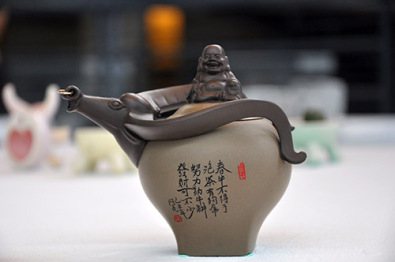
(wandering-taiwan.com)
- Pottery arts in Tainan – 臺南市文化中瓷器的角色
- The Tainan culture of pottery arts & ceramics includes artisan workshops, elegant vessel designs & exhibition highlights.
- One of Tainan’s most remarkable pottery traditions is the Koji (also known as colored or glazed) pottery by Ye Wang. These ornate, brightly-glazed sculptures—such as figures in lipstick-red or emerald-green hues—are featured prominently at Xuejia Ciji Temple and Chenhsing Temple.
- Xuejia Ciji Temple is especially notable, housing the largest collection of Ye Wang’s Koji pottery in Taiwan—works renowned for their majestic yet graceful expressiveness. The techniques fall under two traditional schools: diamond-glazed systems (bright and firm) like Ye Wang’s, and water-glaze systems (subtle hues revealed post-firing).
- https://wanderlog.com – Pottery arts in the culture of Tainan – 臺南市文化中瓷器的角色
- https://www.ntsec.edu.tw – Pottery arts in the culture of Tainan – 臺南市文化中瓷器的角色
- https://www.twtainan.net – Pottery arts in the culture of Tainan – 臺南市文化中瓷器的角色
- https://www.crazyguyonabike.com – Pottery arts in the culture of Tainan – 臺南市文化中瓷器的角色
- https://www.taiwantoday.tw – Pottery arts in the culture of Tainan – 臺南市文化中瓷器的角色
- https://www.taiwan-panorama.com – Pottery arts in the culture of Tainan – 臺南市文化中瓷器的角色
- https://tmach-culture.tainan.gov.tw – Pottery arts in the culture of Tainan – 臺南市文化中瓷器的角色
- https://taiwantoday.tw – Pottery arts in the culture of Tainan – 臺南市文化中瓷器的角色
- https://wanderlog.com – Pottery arts in the culture of Tainan – 臺南市文化中瓷器的角色
- https://laorencha.blogspot.com – Pottery arts in the culture of Tainan – 臺南市文化中瓷器的角色
- https://www.youtube.com – Pottery arts in the culture of Tainan – 臺南市文化中瓷器的角色
- Tainan’s contemporary pottery scene is just as thriving, with numerous creative studios offering immersive hands-on experiences :
- Yenyen Studio (East District): Offers 3.5-hour beginner-friendly workshops to craft, paint, and fire your own pottery (cups, bowls, plates); fee includes materials and firing (approx. NT$880 plus kiln charges).
- https://en.pinkoi.com
- DAW DIN Studio (Anping): Quick 30–40 minute hand-kneading courses for simple creations—a warm, personal introduction to pottery-making.
- https://en.pinkoi.com
- Huiaio Studio: Provides hand-pulled pottery classes (approx. 2 hours), using a potter’s wheel with professional guidance—perfect for crafting your own vessel with just-clay-and-hands technique.
- https://en.pinkoi.com
- General workshops around Tainan: Many studios allow visitors to knead, mold, fire, and glaze pottery with guidance from skilled artisans, offering a calming, creative escape.
- https://tripjive.com
- Creative Spaces & Artist Communities :
- Soulangh Cultural Park: Located in Jiali District, this artist-in-residence hub fosters ceramics and craft arts alongside other interdisciplinary practices. It features modern studios, gallery spaces, and a collaborative environment cultivating vibrant artistic exchanges.
- https://artistcommunities.org
- Tsung-Yeh Arts and Cultural Center (Madou District): Set within a preserved sugar factory complex, it offers exhibition halls and artisan studios where ceramic-focused residencies and displays are held.
- https://artistcommunities.org
- Boutique Artisan Pottery :
- Chin Chin Pottery: A small, alley-based studio tucked into old Tainan city lanes, this brand emphasizes the everyday warmth of handmade ceramics, weaving memory, time, and place into each piece—perfectly blending artistry with daily life.
- https://chinpottery946.com
- Cultural Context & Artistic Atmosphere Tainan balances its deep-rooted tradition with a thriving, contemporary art scene. Festivals like the Tainan Arts Festival, Literature Festival, and Nanying Folklore Festival animate the city with creativity, including street art, performances, and interactive workshops that often tie into craft disciplines like pottery.
- https://taiwantoday.tw
- EASY SEARCH FOR MORE LINKS ! . . . . .
- scholar.google.com – Pottery arts in the culture of Tainan – 臺南市文化中瓷器的角色 @ Google Scholar
- youtube.com – Pottery arts in the culture of Tainan – 臺南市文化中瓷器的角色 @ You Tube . com
- images.google.comb @ Google Images
- Ceramic arts in Tainan – 臺南市文化中瓷器的角色
- Historical Context & Archaeological Background :
- Remains of prehistoric ceramics have been found in Tainan. For example the Pеisanshe site in the Tainan Science-based Industrial Park has yielded many ceramic vessels from the Wusantou Phase of the Tahu culture (Late Neolithic). Scholars have analyzed these ceramics for vessel‐forming technologies, style, etc. NTU Scholars
- Traditional decorative ceramic arts are strongly tied to temple architecture and ornamentation, especially cochin ware (交趾陶), used as clip-on decorations for temples. These reflect both religious and folk aesthetic sensibilities. Wikipedia+1
- Ceramic arts in Tainan are not only aesthetic but deeply bound with heritage (temple ornamentation, folk crafts), local identity, and cultural memory. Museums preserve temple ceramic works; newer studios aim to revive, reinterpret, and further develop crafts in contemporary contexts.
- Community arts & craft workshops are used to encourage local participation, artistic tourism, education, etc. The Shanhua pottery workshop (under district government) is one example. Taipei Times
- Residencies: Soulangh Cultural Park in Jiali has an Artist-in-Residence program; artists are encouraged to interact with local artisans and culture. Artist Communities Alliance+1
- Techniques, Materials & Traditions :
- Cochin ware: A style of decorative ceramic relief/architectural ornamentation. Complex in technique, used especially for temple roofs, doors, etc. The Ye Wang museum is a key place for seeing and learning about this. Wikipedia
- Local clays/soil types: For instance, Jing Clay Art Formosa in Yujing leverages local soil (white chalk/limestone), which is iron rich, for clay bodies; also uses wood ash / wood from fruit trees (mango, longan) in wood firings. This connection to place is strong. 「井」陶瓷藝術中心 Jing Clay Art Formosa
- Experimental glaze: There’s a project in Shanhua District where bricks from a historic estate were used to make a red glaze, as a way to preserve cultural heritage in material form. Taipei Times
- Challenges & Emerging Trends
- Preservation: Many historical ceramic works (especially temple cochin ware) are fragile and exposed; preservation, theft, environmental damage are issues. For instance, some cochin ware pieces were stolen; efforts are underway to recover and restore. Wikipedia
- Sustainability / materials sourcing: Using local clay and wood, experimenting with natural materials for glazing, seems to be more common (e.g. use of local soil, wood ash, etc.).
- Art vs. Function: There’s a balancing act between ceramics as functional art (for daily use: tableware, lamps etc.) and ceramics as purely art or ornament. Many studios produce usable forms.
- International exchange: Residencies, biennales, artist exchanges are helping Taiwan (and Tainan) connect local ceramic practice to international ceramic art dialogues. ntcri.gov.tw+2「井」陶瓷藝術中心 Jing Clay Art Formosa+2
- Key Institutions & Studios :
- Here are places in Tainan that are active in ceramic arts — studios, art-centres, residencies, and museums :
- Jing Clay Art Formosa (“井”陶瓷藝術中心) is located in Yujing (玉井) in Tainan City. Opened formally in 2024. It is a ceramic art centre & residency that offers electric, gas, and wood kilns, indoor & outdoor space, encourages international and local artist exchange. The land is rich in certain clay/soil types (iron-rich chalk, etc.), and some natural materials (mango, longan wood) are used in wood kilns. 「井」陶瓷藝術中心 Jing Clay Art Formosa
- Chin Chin Pottery Studio (青青土氣 / Chin Chin Pottery). In the West Central District (中西區), Tainan. Combines gallery, shop, and studio space; offers courses, exhibition, and practice space. taiwan.worldplaces.me
- National Tainan University of the Arts – Ceramics Studio is part of the Graduate Institute of Applied Arts. Offers studio space, academic training, likely combining technical/formal and creative explorations. tnnua.edu.tw
- Ye Wang Cochin Ware Cultural Museum (葉王交趾陶文化館) is found in Tainan’s Syuejia (學甲) District. Focuses on cochin ware (交趾陶) and temple decorative ceramics. It preserves and exhibits works (some designated national treasures), and introduces historical production and use in Taiwan’s temple architecture. Wikipedia
- Xiao Ban Lou (小半樓). A small cultural-creative studio / museum dedicated to ceramic arts. Owned/operated by a local ceramic artist and his wife. Locale combines gallery, teaching, display of works, tea, aesthetic of retro/vintage architecture. Taiwan Everything
- Contemporary Artists & Practices :
- Renee’s Ceramics in Tainan: uses techniques such as nerikomi and slab-building, and produces functional ceramics and porcelain for daily use. Works are often colorful. Renee’s Ceramics Official
- Eshen Ceramics: Based in Tainan; specializes in ceramic lamp designs. Emphasizes handcrafted, unique works, balancing functionality and art. eshen ceramics
Artists affiliated with Tainan National University of the Arts and other creative residencies often experiment with glazes, form, surface decoration, and combining traditional and contemporary aesthetics. E.g. Hsu Tzu-han, whose work draws on temple decorations and is functional, etc. Arts Residency Network Taiwan 藝術進駐網
- https://en.wikipedia.org – Ceramic arts in the culture of Tainan – 臺南市文化中瓷器的角色
- https://jingclayartformosa.weebly.com – Ceramic arts in the culture of Tainan – 臺南市文化中瓷器的角色
- https://www.taipeitimes.com – Ceramic arts in the culture of Tainan – 臺南市文化中瓷器的角色
- https://artres.moc.gov.tw – Ceramic arts in the culture of Tainan – 臺南市文化中瓷器的角色
- https://www.ntcri.gov.tw – Ceramic arts in the culture of Tainan – 臺南市文化中瓷器的角色
- https://arthistory.tnnua.edu.tw – Ceramic arts in the culture of Tainan – 臺南市文化中瓷器的角色
- https://en.trippois.com – Ceramic arts in the culture of Tainan – 臺南市文化中瓷器的角色
- https://www.tmcc.gov.tw – Ceramic arts in the culture of Tainan – 臺南市文化中瓷器的角色
- https://www.tmcc.gov.tw – Ceramic arts in the culture of Tainan – 臺南市文化中瓷器的角色
- https://www.kingceramicstudio.com – Ceramic arts in the culture of Tainan – 臺南市文化中瓷器的角色
- https://www.taipeitimes.com – Ceramic arts in the culture of Tainan – 臺南市文化中瓷器的角色
- https://taiwanreview.nat.gov.tw – Ceramic arts in the culture of Tainan – 臺南市文化中瓷器的角色
- https://www.leeyunshan.com – Ceramic arts in the culture of Tainan – 臺南市文化中瓷器的角色
- https://taiwantoday.tw – Ceramic arts in the culture of Tainan – 臺南市文化中瓷器的角色
- https://taiwantoday.tw – Ceramic arts in the culture of Tainan – 臺南市文化中瓷器的角色
- https://artistcommunities.org – Ceramic arts in the culture of Tainan – 臺南市文化中瓷器的角色
- https://www.skiln.com.tw – Ceramic arts in the culture of Tainan – 臺南市文化中瓷器的角色
- https://www.indigohsu.com – Ceramic arts in the culture of Tainan – 臺南市文化中瓷器的角色
- https://travelintaiwan.net – Ceramic arts in the culture of Tainan – 臺南市文化中瓷器的角色
- https://ceramicartsnetwork.org – Ceramic arts in the culture of Tainan – 臺南市文化中瓷器的角色
- https://artres.moc.gov.tw – Ceramic arts in the culture of Tainan – 臺南市文化中瓷器的角色
- https://www.eshenceramics.com – Ceramic arts in the culture of Tainan – 臺南市文化中瓷器的角色
- https://www.reneeceramics.com – Ceramic arts in the culture of Tainan – 臺南市文化中瓷器的角色
- https://taiwaneverything.cc – Ceramic arts in the culture of Tainan – 臺南市文化中瓷器的角色
- https://www.tnnua.edu.tw – Ceramic arts in the culture of Tainan – 臺南市文化中瓷器的角色
- https://taiwan.worldplaces.me – Ceramic arts in the culture of Tainan – 臺南市文化中瓷器的角色
- https://scholars.lib.ntu.edu.tw
- https://taiwantoday.tw
- https://taiwantoday.tw
- https://www.ntcri.gov.tw
- https://artres.moc.gov.tw
- https://artistcommunities.org
- https://www.taipeitimes.com
- https://www.taipeitimes.com
- https://artres.moc.gov.tw
- https://www.eshenceramics.com
- https://en.wikipedia.org
- https://jingclayartformosa.weebly.com
- https://taiwan.worldplaces.me
- https://www.tnnua.edu.tw
- https://taiwaneverything.cc
- https://www.reneeceramics.com
- EASY SEARCH FOR MORE LINKS ! . . . . .
- scholar.google.com – Ceramic arts in the culture of Tainan – 臺南市文化中瓷器的角色 @ Google Scholar
- youtube.com – Ceramic arts in the culture of Tainan – 臺南市文化中瓷器的角色 @ You Tube . com
- images.google.com – Ceramic arts in the culture of Tainan – 臺南市文化中瓷器的角色 @ Google Images
- Porcelain arts in Tainan – 臺南市文化中瓷器的角色
- What is “Porcelain” vs Other Ceramics in Taiwan?
- Porcelain is a high-fired ceramic, usually with kaolin or white clay, quite fine and often translucent, whereas many local ceramics might be lower-fired pottery, stoneware, or earthenware.
- Taiwan has a rich tradition of both functional porcelain (tea sets, tableware, etc.) and decorative or architectural ceramic art (ornamental pieces, tiles, ornamental white clay work in temples, etc.).
- Historical / Traditional Porcelain & Decorative Ceramic Work in Tainan :
- While Tainan is perhaps better known for cochin ware (a temple decoration style, often with colorful glazed reliefs, tiles, clay decorations, etc.) -which is not always “porcelain” in the strict technical sense – there are related traditions and overlaps :
- Cochin ware / cut-and-paste porcelain (“jiannian”) : This technique uses broken pieces of porcelain or ceramic shards as ornamentation: for example, roof decorations, statues, and reliefs in temples. The technique is very decorative; it’s not always full porcelain, but porcelain shards are often a component. A noted artisan, San-Huo Chen from Madou District (Tainan City), is a master of jiannian craft, using inlaid porcelain for temple rooftop embellishments. shaopeng.blog
- Ye Wang Cochin Ware Cultural Museum (學甲葉王交趾陶文化館) in Syuejia District preserves many pieces of cochin ware, including some which use porcelain or porcelain-like materials, and shows the traditional decorative work.
- wikipedia.org – Ye Wang Cochin Ware Cultural Museum @ Wikipedia . org
- Contemporary Porcelain Art & Studios in Tainan :
- Some modern artists and studios in Tainan are working with porcelain in more purely “fine‐art / functional / everyday objects” ways :
- Renee’s Ceramics : Based in Tainan, this studio makes high-fired ceramics including porcelain using techniques like nerikomi (colored patterning by stacking or layering clay) and slab building. The piece are functional (cups, bowls, etc.) but also artistic.
- reneeceramics.com – Renee’s Ceramics – website
- Tainan National University of the Arts (Graduate Institute of Applied Arts – Ceramics Studio) : Offers academic training, studio space, technical facilities for ceramic arts, which presumably includes porcelain techniques like high firing, glazing, etc. TNNUA
- Innovation & Material Experiments :
- In Tainan’s Shanhua District, an interesting project used bricks from an old historic estate to develop a red glaze for ceramics. The red comes from iron in the bricks. While that project isn’t strictly porcelain (depending on the firing and clay base used), it shows how local materials and heritage are being incorporated into ceramic / porcelain-adjacent practices.
- taipeitimes.com – Bricks from Tainan historic site used for pottery glaze @ Taipei Times website
- Some cultural-creative studios and shops in Tainan reuse or reinterpret old porcelain shards / motifs in contemporary decorative or functional objects. For example, souvenirs and creative porcelain-based souvenirs are sold by Taiwan designers through platforms like Pinkoi. Pinkoi+2Korea Trip Guide+2
- Where You Can See Porcelain Work in Tainan ?
- If you’re interested in seeing examples of porcelain arts, from traditional to contemporary, here are some places :
- Ye Wang Cochin Ware Cultural Museum is located in Tainan’s Syuejia District. The collections present historical cochinware, temple architectural ornamentation, many artifacts & promote an overall understanding how porcelain shards contribute to decorative art.
- wikipedia.org – Ye Wang Cochin Ware Cultural Museum @ Wikipedia . org
- National Cheng Kung University Museum has a collection that includes historical ceramics / porcelain items among its holdings.
- wikipedia.org – National Cheng Kung University Museum – 國立成功大學博物館 @ Wikipedia . org
- Tainan National University of the Arts – Ceramics Studio Gallery / Exhibitions. Because artists working there often show work that includes porcelain items. Useful for seeing how contemporary practice uses porcelain. TNNUA
- Fangyuan Art Museum (Tainan’s Jiangjun District). Exhibits include pottery and porcelain from early Taiwanese daily life. Good place for seeing how porcelain has been used in utilitarian forms.
- wikipedia.org – Fangyuan Art Museum – 方圓美術館
- Challenges & Trends :
- Preservation: Many temple decorations with porcelain/cut-and-paste techniques are exposed to weather, pollution, salt damage, etc. Restoring or preserving them is labor-intensive. Ye Wang Museum has been involved in restoration of national treasure pieces.
- wikipedia.org – Ye Wang Cochin Ware Cultural Museum @ Wikipedia . org
- Tradition vs Modern Demand: The traditional craftsmanship (e.g. jiannian) is time-intensive, and there’s competition from cheaper mass-produced decorative alternatives. Artisans have to balance authenticity, cost, and market appeal.
- shaopeng.blog – Art on the Rooftops: Taiwan’s Inlaid Porcelain Tradition @ Blog of Shao Peng
- Local Material Sourcing / Innovation : Using local clay, recycling old materials (broken porcelain, bricks), developing new glazes derived from heritage materials. These both conserve tradition and push new artistic directions. Taipei Times+1
- taiwaneverything.cc – The Cities of TAINAN and KAOHSIUNG @ Taiwan Everything blog
- taiwaneverything.cc – Tainan – A Taiwan Southern Jewel @ Taiwan Everything blog
- https://en.pinkoi.com – Porcelain arts in the culture of Tainan – 臺南市文化中瓷器的角色
- https://en.pinkoi.com – Porcelain arts in the culture of Tainan – 臺南市文化中瓷器的角色
- https://en.pinkoi.com – Porcelain arts in the culture of Tainan – 臺南市文化中瓷器的角色
- https://en.pinkoi.com – Porcelain arts in the culture of Tainan – 臺南市文化中瓷器的角色
- https://en.pinkoi.com – Porcelain arts in the culture of Tainan – 臺南市文化中瓷器的角色
- taiwaneverything.cc – The Great Tainan Cultural Creative Bloom @ Taiwan Everything blog
- travelintaiwan.net – The Great Tainan Cultural Creative Bloom @ Travel in Taiwan e-zine
- https://en.pinkoi.com – Porcelain arts in the culture of Tainan – 臺南市文化中瓷器的角色
- https://www.tnnua.edu.tw – Porcelain arts in the culture of Tainan – 臺南市文化中瓷器的角色
- https://taiwaneverything.cc
- https://en.pinkoi.com
- https://en.pinkoi.com
- https://en.pinkoi.com
- https://en.pinkoi.com
- https://en.pinkoi.com
- https://cabcy.chiayi.gov.tw
- https://taiwanreview.nat.gov.tw
- https://porcelainstudioart.com
- https://taiwantoday.tw
- https://www.archdaily.com
- https://taiwantoday.tw
- https://www.tmcc.gov.tw
- https://www.ariua.org
- https://en.trippois.com
- https://www.tripadvisor.co.uk
- https://digital.ceramics.ntpc.gov.tw
- https://taiwantoday.tw
- https://taiwaneverything.cc
- https://shaopeng.blog
- https://taiwaneverything.cc
- https://travelintaiwan.net
- https://www.koreatripguide.com
- https://en.wikipedia.org
- https://en.wikipedia.org
- https://www.reneeceramics.com
- https://en.wikipedia.org
- https://en.pinkoi.com
- https://www.taipeitimes.com
- https://www.tnnua.edu.tw
- EASY SEARCH FOR MORE LINKS ! . . . . .
- scholar.google.com – Porcelain arts in the culture of Tainan – 臺南市文化中瓷器的角色@ Google Scholar
- youtube.com – Porcelain arts in the culture of Tainan – 臺南市文化中瓷器的角色 @ You Tube . com
- images.google.com – Porcelain arts in the culture of Tainan – 臺南市文化中瓷器的角色 @ Google Images
SHOPPING – 購 屋

- Shopping in Tainan – 臺南市文化中購屋的角色
- Shopping in the countryside of Tainan offers a unique experience that blends traditional Taiwanese culture, local craftsmanship & rural charm. While it lacks the major shopping malls and department stores found in central Tainan City, the surrounding rural area is rich in local markets, artisan shops, specialty food vendors & agricultural products that reflect the slower, more traditional pace of life.
- Traditional Markets (傳統市場)
- Traditional open-air or semi-covered markets are central to local shopping life in the county’s towns and villages. The items to look for include: Local vegetables & fruit (especially mangoes in Yujing, lotus in Baihe, and milkfish in Beimen); Traditional condiments (soy sauce, fermented tofu, sesame oil); Cookware, clothes & daily-use items.
- Xinying Public Market (新營市場): A bustling morning market offering fresh produce, meats, and household items.
- Madou Market (麻豆市場): Known for local delicacies, pomelos & fresh noodles.
- Baihe Market (白河市場): Offers lotus-based products (lotus seeds, tea, root snacks) during summer.
- Far Eastern Department Store
- TS Mall
- Chengda Shopping district
- Local Specialty Shops & Artisans:
- These shops focus on traditional foods, handicrafts & folk art. Tainan Specialties include: Mango Products (Yujing District): Dried mango, mango vinegar, and fruit snacks; Lotus Products (Baihe and Liuying): Lotus tea, seeds, and flower-based cosmetics; Soybean & tofu products (Guantian): Famous for non-GMO tofu and soy milk; Handmade incense (Xigang & Yanshui): Used for temple rituals & festivals; Woodcraft & bamboo goods (Dongshan): Traditional household items.
- Night Market Shopping: Night markets are not just for food—they’re also places to shop! You can expect to find: Budget fashion (T-shirts, hats, bags, slippers); Mobile accessories & toys; Local snacks, pastries & souvenirs. Popular Night Markets In Tainan with Shopping Stalls include: Xinying Night Market (Mon & Fri); Madou Night Market (Sat); Liuying Night Market (Tues).
- Farmers’ Markets and Agricultural Co-ops: Since many areas outside of Tainan City are agricultural, you’ll find co-op stores & weekend farmers’ markets selling high-quality, seasonal produce. Examples: Guantian Sweet Potato Market (官田地瓜館);TSC Farmers’ Market in Xinying (台糖農場市集); Organic & ecological markets near Dongshan or Houbi. Look for: Fresh fruit (dragon fruit, wax apples, starfruit); Preserved vegetables & pickles; Local honey, herbal teas & grains
- Temple Street Vendors and Festival Markets: During religious festivals, many temple squares and adjacent streets turn into pop-up shopping zones. At Nankunshen Daitian Temple (Beimen), vendors sell talismans, incense, amulets, and folk art. At the Xigang Xienshuei Festival (every 3 years), dozens of stalls are set up around the temple route. In Yanshui during Beehive Fireworks Festival, souvenirs, protective charms, and fireworks gear are offered as souvenirs for fond memories of the festival.
- Handicrafts & Cultural Specialties :
- Kojima Lanterns (學甲燈籠). Tainan is famous for handcrafted temple lanterns, especially those painted with intricate folk motifs.
- Salt Products (井仔腳鹽田). The historic Jingzaijiao Salt Fields in Beimen not only produce artisanal sea salt but also salt-based souvenirs (salt soaps, salt crystals).
- Traditional Puppetry & Opera Props. Tainan artisans still make hand puppets for glove puppetry (Budaixi) and props for Taiwanese opera troupes.
- Ceramics & Porcelain. While Yingge (near Taipei) is Taiwan’s ceramic hub, Tainan has local ceramic workshops, often tied to temple art and folk crafts.
- EASY SEARCH FOR MORE LINKS ! . . . . .
- scholar.google.com – Shopping in the culture of Tainan – 臺南市文化中購屋的角色 @ Google Scholar
- youtube.com – Shopping in the culture of Tainan – 臺南市文化中購屋的角色 @ You Tube . com
- images.google.com – Shopping in the culture of Tainan – 臺南市文化中購屋的角色 @ Google Images
TEA – 茶

- Tea in Tainan – 臺南市文化中茶的角色
- Tainan’s tea culture is a wonderful mix of: (i) Time-honored legacy: century-old shops and historic teahouses preserving traditional preparation and ambiance. (ii) Inspired modernity: innovative tea bars and cafés blending artistry with accessibility. (iii) Cultural immersion: hands-on ceremonies and unique themed shops that let you connect with tea on different levels, and (iv) Global influence: the birthplace of beloved chains like 50 Lan and Milksha that have shaped bubble tea culture worldwide.
- Historic Teashops & Atmosphere:
- Zhenfa Tea Shop, located on Minquan Road, has been operating for over 150 years. It retains antique tea barrels labeled with classic classifications like “Zhuang Yuan” and “Golden Flower,” and still uses hand-folded tea bags—a rare tradition preserved.
- aboxtik.com – Top 5 Recommended Tainan Tea Shops @ A Box Tik . com
- There’s also a multi-generation family tea shop at 137 Mingchuan Road, Sec. 1, run for 5–6 generations. Its charm lies in the slow, thoughtful service and low prices by local measure “liang”.
- visionsoftravel.org – Touring Tainan : The oldest tea shop in Taiwan @ Visions of Travel website
- Tranquil Teahouses for Immersion:
- Daybreak 18 Teahouse, a refurbished wooden teahouse dating to the Japanese era, has window seats overlooking the lush Wu Garden—ideal for enjoying slow-brewed tea in a peaceful setting.
- wanderlustmagazine.com – Teahouses, temples and treasures of Taiwan @ Wanderlust Magazine . com
- Momocha, tucked off Beimen Road, occupies an old 1967 residence. It offers simple tea offerings and tea-inspired bites—like tea-flavored brownies—highlighting high-mountain oolong from a family-run tradition Taiwan Everything.
- taiwaneverything.cc – An Explosion of New-Blood Tourism-Friendly Businesses in the Old City’s Old Buildings @ Taiwan Everything blog
- Contemporary Tea Innovators:
- Hu Tu The Tea, founded in 2021 by sommelier Yang Duan, reimagines Taiwanese tea culture by serving single-cultivar cold-brew teas in wine glasses—making tea approachable and photogenic for a younger crowd.
- falstaff.com – Five of the Hottest Taiwan Tea Bars @ Falstaff . com
- The Tea Shop – BĀN TÊ offers a Japanese-zen ambiance and serves hand-brewed matcha, sencha, and brown rice tea, blending Japanese aesthetics with Tainan’s heritage.
- aboxtik.com – Top 5 Recommended Tainan Tea Shops @ A Box Tik . com
- Sputnik Lab is a serene teahouse in a 1920s Japanese wooden bungalow, complete with tatami mats and a water garden. Their matcha soymilk and hojicha are calm, cozy treats.
- aboxtik.com – Top 5 Recommended Tainan Tea Shops @ A Box Tik . com
- Pharmacists Tea House—run by a pharmacist—features black teas like Taiwan’s Laoshu and Darjeeling, served with whimsical “pharmacist-style” ordering.
- aboxtik.com – Top 5 Recommended Tainan Tea Shops @ A Box Tik . com
- Hanf Haabu Living specializes in Chinese herbal blends tailored for wellness—think lotus, hawthorn, chrysanthemum, and other soothing botanicals.
- aboxtik.com – Top 5 Recommended Tainan Tea Shops @ A Box Tik . com
- Popular Tea Trends & Origins:
- Bubble Tea Roots: Tainan is credited with birthing the bubble tea phenomenon. In 1994, the first 50 Lan store opened here; it evolved from a street stall by siblings Ma Shao-wei and Ma Ya-fang and would grow into a major chain across Taiwan Wikipedia.
- wikipedia.org – 50嵐 @ Wikipedia . org
- Fresh-Milk Bubble Tea: Milksha, founded in 2007 in Jiali District, Tainan, emphasizes fresh milk over non-dairy creamers and has expanded globally—another Tainan-born icon.
- wikipedia.org – Milksha @ Wikipedia . org
- Tea Experiences You Can Join: If you’d like a hands-on cultural experience, consider the Tainan Culture Trip: Chinese Tea Ceremony – Oolong Tea. Hosted by Tainan TOT House, this 1.5-hour workshop invites you to explore tea history, etiquette, and flavor nuances in a deeply immersive setting—with English instruction available.
- getyourguide.com – Tainan Culture Trip: Chinese Tea Ceremony @ Get Your Guide . com
- https://aboxtik.com – Tea in the culture of Tainan – 臺南市文化中茶的角色
- https://www.getyourguide.com – Tea in the culture of Tainan – 臺南市文化中茶的角色
- https://en.wikipedia.org/wiki/Milksha?utm – Tea in the culture of Tainan – 臺南市文化中茶的角色
- https://www.falstaff.com – Tea in the culture of Tainan – 臺南市文化中茶的角色
- https://en.wikipedia.org – Tea in the culture of Tainan – 臺南市文化中茶的角色
- https://www.getyourguide.com – Tea in the culture of Tainan – 臺南市文化中茶的角色
- https://www.tranquiltuesdays.com – Tea in the culture of Tainan – 臺南市文化中茶的角色
- https://secretlocale.com – Tea in the culture of Tainan – 臺南市文化中茶的角色
- https://www.taiwangazette.org – Tea in the culture of Tainan – 臺南市文化中茶的角色
- https://www.falstaff.com – Tea in the culture of Tainan – 臺南市文化中茶的角色
- https://taiwaneverything.cc – Tea in the culture of Tainan – 臺南市文化中茶的角色
- https://visionsoftravel.org – Tea in the culture of Tainan – 臺南市文化中茶的角色
- wanderlustmagazine.com – Tea in the culture of Tainan – 臺南市文化中茶的角色
- EASY SEARCH FOR MORE LINKS ! . . . . .
- scholar.google.com – Tea in the culture of Tainan – 臺南市文化中茶的角色 @ Google Scholar
- youtube.com – Tea in the culture of Tainan – 臺南市文化中茶的角色 @ You Tube . com
- images.google.com – Tea in the culture of Tainan – 臺南市文化中茶的角色 @ Google Images
TEMPLES – 寺 廟

- Temples in Tainan – 臺南市文化中寺廟的角色
- Temples in Tainan are deeply rooted in Taiwanese religious & cultural life. The Tainan region, with its rural & historic character, is filled with centuries-old temples, many of which are dedicated to folk deities, Buddhist figures, Taoist immortals & local guardian gods (Wangye, Mazu, Earth God, etc.).
- Tainan is sometimes called the “cradle of Taiwanese folk religion” because of its concentration of temples, its ritual traditions & its pilgrimage routes.
- Temples in Tainan are more than religious sites — they are centers of community identity, folk medicine, agricultural rituals, and moral education. Many temples serve as gathering spaces, offer free meals during festivals, and even operate kindergartens or senior centers. Other temple-related activities can include:
- Temple Parades (遶境). Pilgrimages through surrounding villages with drums, lion dances, and spirit mediums.
- Opera and Puppetry. Traditional performances held during the birthdays of the temple dieties & during festivals.
- Spirit Mediums (乩童). Possessed individuals deliver divine messages or perform healing rites.
- Offerings and Prayers. Locals offer incense, fruit, and paper money for health, wealth, and protection.
- Nankunshen Daitian Temple (南鯤鯓代天府) is located in the Beimen Distric. The temple twas founded in 1662 (original site); the current grand structure was rebuilt in 1975. The temple honors the Five Royal Lords Diety (五府千歲 Wufu Qiansui), which are protective plague gods. This is considered to be Taiwan’s oldest Wangye temple. It is the site of major pilgrimages & the Wangye Boat Burning Ceremony. The temple contains elaborate wood carvings, dragon columns & massive ceremonial courtyards.
- twtainan.net – Nankunshen Daitian Temple – 南鯤鯓代天府
- rtaiwanr.com – Nankunshendai Tianfu – 南鯤鯓代天府 @ Round Taiwan Round website
- nkstemple.org.tw – Nankunshen Daitian Temple – 南鯤鯓代天府
- taiwangods.moi.gov.tw – Nankunshen Daitian Temple – 南鯤鯓代天府
- taiwan.net.tw – Nankunshen Daitian Temple – 南鯤鯓代天府
- swcoast-nsa.gov.tw – Nankunshen Daitian Temple – 南鯤鯓代天府
- twtainan.net – Nankunshen Daitian Temple – 南鯤鯓代天府
- youtube.com – Nankunshen Daitian Temple – 南鯤鯓代天府
- youtube.com – Nankunshen Daitian Temple – 南鯤鯓代天府
- spectralcodex.com – Nankunshen Daitian Temple – 南鯤鯓代天府
- youtube.com – Nankunshen Daitian Temple – 南鯤鯓代天府
- travelking.com.tw – Nankunshen Daitian Temple – 南鯤鯓代天府
- taiwan-panorama.com – Nankunshen Daitian Temple – 南鯤鯓代天府
- Madou Daitian Temple (麻豆代天府) – is located in the Madou District. The temple was constructed to honor the Wangye (Royal Lords). It is famous for its massive Wangye statue and themed exhibition halls. This is a key spiritual & cultural center for central-southern Taiwan. The temple hosts parades, opera & spiritual rituals.
- Xigang Qing’an Temple (西港慶安宮) is located in the Xigang District. It was founded in 1712 to honor Mazu (媽祖), Goddess of the Sea. It is the center of the Xigang Xienshuei (香) Festival, one of Taiwan’s largest ritual processions (held every three years).
Rich in Fujian-style temple art, historic plaques, and lion statues.
- Ciji Temple (慈濟宮) is located in the Xuejia District. It was founded in 1684 and honors the diety Baosheng Dadi (保生大帝), the god of medicine. It is one of the oldest temples in Tainan County and is dedicated to healing. It is an active community temple with traditional clinics and health rituals.
- twtainan.net – Ciji Temple – 慈濟宮 @ Tourism Bureau of the Tainan City Government website
- spectralcodex.com – Ciji Temple – 慈濟宮 @ Spectral Codex . com
- travelking.com.tw – Ciji Temple – 慈濟宮 @ Travel King . com
- Yanshui Wu Temple (鹽水武廟) is located in the Yanshui District. It was founded in 1726 and honors Guan Gong (關公), the God of War and Loyalty. It is the center of the Yanshui Beehive Fireworks Festival, where devotees light bottle rockets to honor the deity.
Historic structure with Qing Dynasty plaques and intricate stone carvings.
- The Tainan Confucian Temple (臺南孔子廟) or Quan Tai Shou Xue (全臺首學) is a Confucian temple on Nanmen Road (南門路) in West Central District, Tainan, Taiwan. The temple was built in 1665 during the Koxinga dynasty, when Zheng Jing (Koxinga’s son) approved of the proposal by Chief of General Staff Chen Yonghua to construct the temple on the right side and the National Academy (to be called “Guo Xue” hereafter) on the left side of a hill, with both facing the south.
- On the east (left) side of the temple stood Ming-Lun Hall (明倫堂; Hall of Ethics), built as a place for instructors to offer lectures and cultivate intellectuals.
- On the west (right) side was the sanctuary called Ta-Cheng Hall (大成殿; Hall of Great Achievement), housing the mortuary tablet of Confucius, as well as those of his distinguished disciples.
- The Wen Miao (文廟) and Guo Xue compound, the first of its kind in the history of Taiwan, was thus called the First Academy of Taiwan.
- wikipedia.org – Tainan Confucian Temple – 臺南孔子廟 @ Wikipedia . org
- tainancity.com – Zhu Xi temple (竹溪寺)@ Tainan City . com
- Other Notable Temples:
- Houbi Fuan Temple (後壁福安宮) is a local Mazu temple in a rural setting.
- Dongshan Zhen’an Temple (東山鎮安宮) provides services to the local tea & fruit-growing communities.
- Baihe Bao’an Temple (白河保安宮) is famous for lotus-themed offerings during summer.
- Guantian Nanming Temple (官田南明寺) is a “Buddhist-Taoist fusion site” in the Tainan countryside.
- https://www.twtainan.net – Temples in the culture of Tainan – 臺南市文化中寺廟的角色
- https://www.taipeitimes.com – Temples in the culture of Tainan – 臺南市文化中寺廟的角色
- https://www.twtainan.net – Temples in the culture of Tainan – 臺南市文化中寺廟的角色
- https://en.wikipedia.org – Temples in the culture of Tainan – 臺南市文化中寺廟的角色
- https://en.wikipedia.org
- https://en.wikipedia.org
- https://www.taipeitimes.com
- https://en.wikipedia.org
- https://en.wikipedia.org
- https://en.wikipedia.org
- https://en.wikipedia.org
- EASY SEARCH FOR MORE LINKS ! . . . . .
- scholar.google.com – Temples in the culture of Tainan – 臺南市文化中寺廟的角色 @ Google Scholar
- youtube.com – Temples in the culture of Tainan – 臺南市文化中寺廟的角色 @ You Tube . com
- images.google.com – Temples in the culture of Tainan – 臺南市文化中寺廟的角色 @ Google Images
- Monasteries in Tainan – 臺南市的文化中修道院的角色
- Historical / Cultural Significance of Monasteries in Tainan: (i.) Very old origins – Monasteries like Zhuxi Chan Monastery date back over 360 years. Kaiyuan was built in the late 17th century during the period of Zheng Jing (his estate was later converted to a monastery); (ii.) Diverse Buddhist traditions – Tainan has both more traditional Chinese Buddhism (Chan, Mahayana) and also Tibetan Buddhist influences (as in Karma Kagyu Monastery) than other places on the Island of Taiwan; (iii.) Art, artifacts, architecture – Many monasteries are repositories of old bells, paintings, carvings & stone inscriptions. Kaiyuan & Zhuxi, in particular, have rich collections; (iv.) Natural settings & meditation – some monasteries, such as Wan Fo Temple / Little Putuo, are situated in more rural or mountainous areas. These settings make the monasteries ideal for retreats, quiet meditation & reflection.
- Practical Information for Visitors : (i.) Access / hours: Some are more remote; Karma Kagyu requires a drive out to Zuozhen. Kaivyuan Monastery and others are more centrally located. Check current hours before going; (ii.) Etiquette: As with most Buddhist monasteries: modest dress, quiet behavior, no loud talking or disruptive photography; (iii.) Participation: Some monasteries welcome visitors to attend meditation sessions or retreats; others are more “tourist friendly” and allow walking the grounds & viewing temples. If you want to participate in something deeper (like a retreat), visitors should consider contacting the temple prior to their visit,
- https://www.rtaiwanr.com – Monasteries in the culture of Tainan – 臺南市的文化中修道院的角色
- https://www.foolu.tw/?utm – Monasteries in the culture of Tainan – 臺南市的文化中修道院的角色
- https://www.twtainan.net – Monasteries in the culture of Tainan – 臺南市的文化中修道院的角色
- https://www.twtainan.net – Monasteries in the culture of Tainan – 臺南市的文化中修道院的角色
- https://www.pufa.tw – Monasteries in the culture of Tainan – 臺南市的文化中修道院的角色
- https://wanderlog.com – Monasteries in the culture of Tainan – 臺南市的文化中修道院的角色
- https://wanderlog.com – Monasteries in the culture of Tainan – 臺南市的文化中修道院的角色
- https://focustaiwan.tw – Monasteries in the culture of Tainan – 臺南市的文化中修道院的角色
- https://mapcarta.com – Monasteries in the culture of Tainan – 臺南市的文化中修道院的角色
- https://msntw.com – Monasteries in the culture of Tainan – 臺南市的文化中修道院的角色
- https://www.travelking.com.tw – Monasteries in the culture of Tainan – 臺南市的文化中修道院的角色
- https://en.wikipedia.org – Monasteries in the culture of Tainan – 臺南市的文化中修道院的角色
- https://www.walkerland.com.tw – Monasteries in the culture of Tainan – 臺南市的文化中修道院的角色
- https://www.rtaiwanr.com – Monasteries in the culture of Tainan – 臺南市的文化中修道院的角色
- https://www.rtaiwanr.com – Monasteries in the culture of Tainan – 臺南市的文化中修道院的角色
- https://tainan.funcard.com.tw – Monasteries in the culture of Tainan – 臺南市的文化中修道院的角色
- https://www.rtaiwanr.com – Monasteries in the culture of Tainan – 臺南市的文化中修道院的角色
- https://fgsarts.fgs.org.tw – Monasteries in the culture of Tainan – 臺南市的文化中修道院的角色
- https://udn.com – Monasteries in the culture of Tainan – 臺南市的文化中修道院的角色
- https://buddhism.lib.ntu.edu.tw – Monasteries in the culture of Tainan – 臺南市的文化中修道院的角色
- https://www.rtaiwanr.com – Monasteries in the culture of Tainan – 臺南市的文化中修道院的角色
- https://www.fjdh.cn – Monasteries in the culture of Tainan – 臺南市的文化中修道院的角色
- https://weekend.tainanoutlook.com – Monasteries in the culture of Tainan – 臺南市的文化中修道院的角色
- https://tainancity.com – Monasteries in the culture of Tainan – 臺南市的文化中修道院的角色
- https://www.twtainan.net – Monasteries in the culture of Tainan – 臺南市的文化中修道院的角色
- https://udn.com – Monasteries in the culture of Tainan – 臺南市的文化中修道院的角色
- https://www.fjdh.cn/ffzt – Monasteries in the culture of Tainan – 臺南市的文化中修道院的角色
- EASY SEARCH FOR MORE LINKS ! . . . . .
- scholar.google.com – Monasteries in the culture of Tainan – 臺南市的文化中修道院的角色 @ Google Scholar
- youtube.com – Monasteries in the culture of Tainan – 臺南市的文化中修道院的角色 @ You Tube . com
- images.google.com – Monasteries in the culture of Tainan – 臺南市的文化中修道院的角色 @ Google Images
- Shrines in Tainan – 臺南市的文化中聖地的角色
- Shrines in Tainan reflect Taiwan’s layered religious & historical traditions, blending indigenous beliefs, Chinese folk religion, Taoism, Buddhism & even Shintoism (from the Japanese colonial era). Tainan shrines are frequently small – but spiritually powerful – spaces. They can be found in fields, forests, courtyards & crossroads. They are reflective of a deep connection in Taiwanese society to the land, to ancestors & to nature. Individual shrines are often tied to local festivals, including Ghost Festival, Xiāng (香) pilgrimages & seasonal harvest ceremonies.
- Shrines may be very simple and often consist of just a stone altar with incense and offerings. Many shrines are maintained by local families or villages. They can play important roles in the communities, including in processions, purification rites, and rituals. While “shrines” in Taiwan can refer to various types of sacred structures, they generally fall into the following categories:
- Folk Shrines (祠堂 / 陵 / 廟旁祠):
- These are small or mid-sized shrines that honor local deities, ancestors, nature spirits, or heroes. Found throughout rural Tainan County, they’re often built at crossroads, near temples, or within fields. Common Types:
- Earth God Shrines (土地公祠, Tǔdìgōng Cí): These are in nearly every village and farm area. They were built to honor Fude Zhengshen (福德正神), the Earth God who protects land and brings prosperity. They are often very small, with incense pots and a simple stone altar.
- wikipedia.org – Tudigong – 土地公 @ Wikipedia . org
- taiwan-panorama.com – “A Century-Old Earth God Shrine” @ Taiwan Panorama e-zine
- riojournal.com – “Earth deity shrines of the Greater Taipei area: A first edition curated dataset” @ Journal of Research Ideas & Outcomes (RIO).
- nspp.mofa.gov.tw – “The Earth God: Guardian of Home and Harvest” @ Southbound Policy (新南向政策) Portal of the Republic of China Ministry of Foreign Affairs
- hpcbristol.net – “Wayside shrine (Local Earth Temple or T’u-ti-miao) – an Earth God (Tudigong 土地公) and his wife, known as Tudipo (土地婆)” @ Banister Family Collection of HIstorial Photographs of China @ University of Bristol (U.K.)
- thelittletemple.com – “Propitiating Tu Di Gong” @ The LIttle Temple . com
- youtube.com – “Taiwan’s most unique earth god temples are concentrated in Lianchun Village, Fengyuan, Taichung” @ You Tube . com
- youtube.com – “Baoan Ci, Tudi Gong land god shrine, Jiufen, Taiwan” @ You Tube . com
- Ancestral Shrines (祖祠, Zǔ Cí): These were constructed in honor of founding ancestors of a clan or village. They figure in the celebration of major festivals like Tomb-Sweeping Day (清明節). Ancestral shrines are commonly found in agricultural areas of Tainan like Houbi, Liuying, and Guantian.
- Village Guardian Shrines (庄頭神祠) are dedicated to minor gods or spiritual guardians. They are often funded by a single family or village group. They typically are involved in tandem with major temple events.
- Shinto Shrines (神社) from the Japanese Era (1895–1945). During Japanese rule, many Shinto shrines were constructed across the Island of Taiwan. After WW II, most were demolished, repurposed, or transformed into Chinese temples. A few remain in ruins and are frequently located in parks which used to be the temple complex.
- Xinying Shrine (新營神社, now Zhongshan Park area): This was originally a Shinto shrine, and now is mostly gone. Some remnants remain, such as stone lanterns or torii bases. The surrounding park area still holds a quiet, reverent atmosphere.
- Yujing Shrine remnants (玉井神社遺跡) are small surviving traces of a Japanese shrine, including stairs and foundations. The remaining ruins are located in a mango-growing region. reflecting the colonial government’s influence in agriculture. While few structures of the original shrine survive fully, some converted buildings still serve spiritual or historical purposes.
- Wangye Shrines (王爺廟 / 王爺祠). Scattered throughout towns like Beimen, Xigang, and Madou, these shrines honor Wangye deities (plague-fighting spirits popular in coastal and rural areas). Wangye Shrines are often subsidiaries of larger Wangye temples, serving small communities or individual neighborhoods. They house spirit tablets, incense pots & flags for local protection. They play an important role in plague-expulsion rituals or the Wangye boat-burning ceremonies.
- Field Shrines & Nature Worship. In the countryside (especially around Dongshan, Baihe, and Danei), you may find:
- Tree Shrines (樹頭公): Shrines at the base of sacred trees, often banyan trees.
- Stone Shrines (石頭公): Altars built around natural stones believed to hold spiritual power.
- Well Shrines: Associated with water gods or local land blessings. These are often anonymous and lack formal names but they are treated with special regard by farmers, elders & spiritual practitioners.
- Martyrs’ Shrines & State Shrines (忠烈祠). Though more common in urban centers, some rural areas have Local Martyrs’ Shrines which honor war dead or resistance fighters (usually post-WW II additions). Sometimes they were adapted from former Shinto structures. For example, a small martyrs’ monument near Xinying commemorates local soldiers from past wars.
- Koxinga Shrine – 延平郡王祠
- The shrine commemorates Zheng Chenggong (Koxinga), a Ming loyalist who ousted the Dutch from Taiwan in 1662 and established Chinese rule. The shrine’s architecture reflects Taiwan’s shifting political & cultural landscapes. A modest shrine was erected in the mid 1600’s soon after Koxinga’s death, to honor him. It was originally referred to as “Kaishanwang Temple” (Temple of the King Who Opened the Mountain).
- Under Qing Dynasty rule, Koxinga’s tomb was relocated to prevent him from becoming a rallying point, but worship at the shrine continued covertly. Later, influential official Shen Baozhen secured posthumous recognition of Koxinga & official sanction for the temple built in his honor. The shrine was next converted into a Shinto shrine during the Japanese Colonial Perio (1897 – 1845). The shrine was renamed “Kaizan Jinja”, reflecting Japan’s strategy of cultural assimilation despite preserving many local customs.
- wikipedia.org – Koxinga Shrine (延平郡王祠) @ Wikipedia . org
- chenghistory.com – Koxinga Shrine (延平郡王祠) @ Chenghistory blog
- greenshinto.com – Koxinga Shrine (延平郡王祠) @ Green Shinto . com
- Following the end of Japanese rule at the end of World War II, the shrine reverted to its original name & worship style. In 1963, the structure was rebuilt in a Northern Chinese (Han Imperial) architectural style characterized by steeper roofs & more imposing scale.
- goteamjosh.com – Koxinga Shrine @ Josh Ellis Photography blog (Terrific site !!!)
- twtainan.net – Koxinga Shrine @ Tourism Bureau of Tainan City Government website
- wikipedia.org – Koxinga Ancestral Shrine – 鄭成功祖廟 @ Wikipedia . org
- wikipedia.org – Koxinga Shrine (延平郡王祠) is a Taiwanese historical temple originally known as Kaishan Temple @ Wikipedia . org
- taiwangods.moi.gov.tw – Koxinga Shrine @ Taiwan Gods (Ministry of the Interior Affairs of the Republic of China) website
- taiwan.net.tw – Koxinga Shrine @ Tourism Administration of the Republic of China website
- tainan.gov.tw – Koxinga Shrine (延平郡王祠) @ Cultural Affairs Bureau of the Tainan City Government website
- lonelyplanet.com – Koxinga’s Shrine @ Lonely Planet . com
- global-geography.org – Tainan Koxinga Shrine @ Global Geography . org
- EASY SEARCH FOR MORE LINKS ! . . . . .
- scholar.google.com – Shrines in the culture of Tainan – 臺南市的文化中聖地的角色 @ Google Scholar
- youtube.com – Shrines in the culture of Tainan – 臺南市的文化中聖地的角色 @ You Tube . com
- images.google.com – Shrines in the culture of Tainan – 臺南市的文化中聖地的角色 @ Google Images
- Pagodas in Tainan – 臺南市文化中寶塔的角色
- The idea of a pagoda (塔, ta / ta-sha etc.) in Chinese/Buddhist tradition is often associated with relics, memorials, or as symbolic structures rather than only functional ones (like bell towers etc.). In Taiwan, pagodas are less common than full temple complexes.
- What counts as “pagoda” in Tainan?
- Many religious/monumental sites are called “temples” in Taiwan even if they have multi-story towers, viewing towers, bell towers, or structures resembling pagodas. Sometimes “pagoda” refers to a memorial tower, relic tower, or pagoda‐style part of a larger temple.
- Many temples — Taoist, Buddhist, folk religion — have towers, pavilions, or multi-story roofs (double-eaved etc.) that evoke pagoda aesthetics. However, they are usually considered part of a temple complex rather than standalone pagodas.
- Even when a structure isn’t called a “pagoda”, some temples include pagoda-style elements or towers. Here are some places in or near Tainan that are either explicitly pagodas or have structures very close to that form :
- 慈恩金寶塔 (Ci-En Golden Pagoda / “Ci’en Jin Bao Ta”) located in Longci District, Tainan City. This is a proper pagoda. Its address is: No. 12, Neitanzi, Longci District (內潭仔12號) with “Jin Bao Ta” (“Golden Pagoda”) in its name. It has good reviews and is listed under pagoda category.
- Ga Ma Ga Ju Temple / Karma Kagyu Monastery is located in Zuozhen District, Tainan City. This is a Tibetan Buddhist monastery with a Buddha’s Pagoda (along with other monastic temple buildings). The pagoda blends Tibetan & Chinese Buddhism styles. The “Buddha’s Pagoda” is visible from a distance and gives the mountain area a “Pagoda Mountain” nickname.
- “忠靈塔” (Zhongling Pagoda / Memorial Tower) in the South District of Tainan City. It is situated behind the Youth Extreme Sports Field (“台南市青少年極限運動場/忠靈塔”). It’s more of a memorial tower/pagoda rather than a religious pagoda in the classic multi-eaved Buddhist style.
- yingtingshih.com – Zhongling Pagoda / Memorial Tower @ Shih Trip Digital Tour Guide
- Tainan Confucian Temple (臺南孔子廟) has, in its courtyard, a “mini‐pagoda” or small tower feature near the Dacheng Hall.
- https://www.lonelyplanet.com – Tainan Confucian Temple (臺南孔子廟)
- goteamjosh.com – Tainan Confucius Temple @ Josh Ellis Photography blog (Terrific site !!)
- theculturetrip.com – The most beautiful places in Taiwan @ The Culture Trip website
- https://yingtingshih.com – Pagodas in the culture of Tainan – 臺南市文化中寶塔的角色
- https://commons.m.wikimedia.org – Pagodas in the culture of Tainan – 臺南市文化中寶塔的角色
- https://www.tours4fun.com – Pagodas in the culture of Tainan – 臺南市文化中寶塔的角色
- https://www.weiyat-hotel.com.tw – Pagodas in the culture of Tainan – 臺南市文化中寶塔的角色
- https://taiwaneverything.cc – Pagodas in the culture of Tainan – 臺南市文化中寶塔的角色
- https://tisshuang.com – Pagodas in the culture of Tainan – 臺南市文化中寶塔的角色
- https://andawaywewentblog.com – Pagodas in the culture of Tainan – 臺南市文化中寶塔的角色
- https://visitsights.com – Pagodas in the culture of Tainan – 臺南市文化中寶塔的角色
- https://pineqone.com – Pagodas in the culture of Tainan – 臺南市文化中寶塔的角色
- https://3doorhotel.com.tw – Pagodas in the culture of Tainan – 臺南市文化中寶塔的角色
- https://polishgirlintaiwan.com – Pagodas in the culture of Tainan – 臺南市文化中寶塔的角色
- https://www.tripadvisor.com – Pagodas in the culture of Tainan – 臺南市文化中寶塔的角色
- https://www.agoda.com – Pagodas in the culture of Tainan – 臺南市文化中寶塔的角色
- https://superggyy.com – Pagodas in the culture of Tainan – 臺南市文化中寶塔的角色
- https://wanderlog.com – Pagodas in the culture of Tainan – 臺南市文化中寶塔的角色
- https://taiwantoday.tw – Pagodas in the culture of Tainan – 臺南市文化中寶塔的角色
- https://www.lonelyplanet.com – Pagodas in the culture of Tainan – 臺南市文化中寶塔的角色
- https://taiwantoday.tw – Pagodas in the culture of Tainan – 臺南市文化中寶塔的角色
- https://twtainan.net – Pagodas in the culture of Tainan – 臺南市文化中寶塔的角色
- https://yingtingshih.com – Pagodas in the culture of Tainan – 臺南市文化中寶塔的角色
- https://www.swcoast-nsa.gov.tw – Pagodas in the culture of Tainan – 臺南市文化中寶塔的角色
- https://www.siraya-nsa.gov.tw – Pagodas in the culture of Tainan – 臺南市文化中寶塔的角色
- https://www.nickkembel.com – Pagodas in the culture of Tainan – 臺南市文化中寶塔的角色
- https://www.28tainan.com – Pagodas in the culture of Tainan – 臺南市文化中寶塔的角色
- https://blog.goodvshare.com – Pagodas in the culture of Tainan – 臺南市文化中寶塔的角色
- https://touristplaces.guide – Pagodas in the culture of Tainan – 臺南市文化中寶塔的角色
- https://www.twtainan.net – Pagodas in the culture of Tainan – 臺南市文化中寶塔的角色
- https://www.twtainan.net – Pagodas in the culture of Tainan – 臺南市文化中寶塔的角色
- https://en.wikipedia.org – Pagodas in the culture of Tainan – 臺南市文化中寶塔的角色
- https://taiwantoday.tw – Pagodas in the culture of Tainan – 臺南市文化中寶塔的角色
- https://guides.qeeq.com – Pagodas in the culture of Tainan – 臺南市文化中寶塔的角色
- https://www.sunmoonlake.gov.tw – Pagodas in the culture of Tainan – 臺南市文化中寶塔的角色
- https://en.wikipedia.org – Pagodas in the culture of Tainan – 臺南市文化中寶塔的角色
- https://en.wikipedia.org – Pagodas in the culture of Tainan – 臺南市文化中寶塔的角色
- https://en.wikipedia.org – Pagodas in the culture of Tainan – 臺南市文化中寶塔的角色
- https://nspirement.com – Pagodas in the culture of Tainan – 臺南市文化中寶塔的角色
- https://www.travelking.com.tw – Pagodas in the culture of Tainan – 臺南市文化中寶塔的角色
- EASY SEARCH FOR MORE LINKS ! . . . . .
- scholar.google.com – Pagodas in the culture of Tainan – 臺南市文化中寶塔的角色 @ Google Scholar
- youtube.com – Pagodas in the culture of Tainan – 臺南市文化中寶塔的角色 @ You Tube . com
- images.google.com – Pagodas in the culture of Tainan – 臺南市文化中寶塔的角色 @ Google Images
WINE & SPIRITS – 酒

- Wine culture in Tainan -臺南市文化中酒的角色
- To understand Tainan, it helps to see wine in Taiwan more broadly:
- Independent winemaking was illegal for a long time because of a state monopoly (Taiwan Tobacco & Liquor Corporation). Only after liberalization in the early 2000s did independent wineries become legal. Wikipedia
- Taiwan has a developing wine scene, with local grape varieties like Black Queen and Golden Muscat used in domestic wine production. Wikipedia
- Imported wines are subject to regulation: they must be registered, pass inspection (including labeling, hygiene, ingredients), and pay duties/taxes under Taiwan’s Liquor Control Act. tgl-group.net+1
- Tainan’s Wine & Beverage Culture
- Tainan isn’t primarily known as a wine-producing region — its strengths are in food, history, culture, and more traditional liquors. But wine and wine-related culture are definitely present and growing. Here are the main features:
- Events & Expos :
- There’s a Tainan International Tea, Wine, Coffee & Food Expo held at the Tainan Convention Center, which also includes a wine expo component. Many vendors—local and imported—showcase their products. 大台南會展中心
- Also, the Tainan International Food and Wine Carnival & Tainan Cocktail Festival is a big event. In 2023 it drew over 60,000 people and featured international wine brands, master bartenders, local artisans, etc. 中央社 CNA+1
- Bars, Wine Shops & Cocktail Culture
- The cocktail and bar scene in Tainan is seen as having strong local character: they often use local ingredients, seasonal fruit, teas, etc., in their drinks. This extends to wine usage (in pairings, in cocktails) and wine by the glass in bars that pay attention to quality. barstalker.de
- There was a boutique wine shop/pâtisserie called Sommwhere in Tainan. It sold bottles (including local Taiwanese sparkling wine) and natural wines. However, it is permanently closed. Star Wine List
- Traditional & Local Liquors :
- Distilleries are part of the picture: in Tainan there’s the Longtian Distillery / Cordyceps militaris Cultural Park. It’s not about grape wine, but about spirits / medicinal wines / traditional alcoholic products. You can visit and taste, and try food products made with liquor. Tainan Travel
- There is also a tradition of rice-wines, millet wines (especially in indigenous and aboriginal Taiwanese cultures), etc. Wikipedia+1
- Legal & Import/Tax Aspects :
- As noted, imported wine must meet registration and labeling rules and pay duties and consumption taxes. tgl-group.net+2Wikipedia+2
There is also a duty-free limit: travelers can bring a certain amount of alcohol without paying extra tax. Taiwan has proposed raising the duty-free limit for alcohol from 1 liter to 1.5 liters. Wine is included in that. Vino Joy News - Availability & Pairing with Tainan Food
Because Tainan is very famous for its rich and varied food culture (street food, seafood, traditional snacks, temples, etc.), many restaurants will have wine lists or options, particularly higher end or foreigner-oriented ones. Pairing is becoming more considered, especially in fusion restaurants or those trying to elevate the food & drink experience.
Wine tends to come at a premium, particularly imported bottles. Local wines are rarer but can offer good value if you can find them.
What’s Unique / What to Try in Tainan : - Seek out local Taiwanese wines (if you can find them): even though they’re less common than imports, they are part of the growing scene and reflect local terroir / grape types.
- Explore the cocktail bars that integrate wine into their menus (wine by glass, or wine pairings), especially those that draw on local flavours (tea, tropical fruits, local herbs).
Attend one of the expos/festivals if timing aligns: they provide a great overview of what’s available locally and from abroad, and usually offer tastings.
For something different, visit distilleries / cultural parks (like Longtian) to see how other alcoholic traditions coexist (spirits, medicinal wines, etc.).
- https://en.wikipedia.org – Wine in the culture of Tainan – 臺南市文化中酒的角色
- https://medicaltour-tainan.tncghb.gov.tw – Wine in the culture of Tainan – 臺南市文化中酒的角色
- https://ifoodie.tw – Wine in the culture of Tainan – 臺南市文化中酒的角色
- https://wanderlog.com – Wine in the culture of Tainan – 臺南市文化中酒的角色
- https://imreadygo.com – Wine in the culture of Tainan – 臺南市文化中酒的角色
- https://www.opentable.com – Wine in the culture of Tainan – 臺南市文化中酒的角色
- https://biglong-bar.wheree.com – Wine in the culture of Tainan – 臺南市文化中酒的角色
- https://www.miscw.com – Wine in the culture of Tainan – 臺南市文化中酒的角色
- https://nspirement.com – Wine in the culture of Tainan – 臺南市文化中酒的角色
- https://winehouse.com.tw – Wine in the culture of Tainan – 臺南市文化中酒的角色
- https://taiwaneverything.cc – Wine in the culture of Tainan – 臺南市文化中酒的角色
- https://www.taipeitimes.com – Wine in the culture of Tainan – 臺南市文化中酒的角色
- https://www.taipeitimes.com – Wine in the culture of Tainan – 臺南市文化中酒的角色
- https://www.taipeitimes.com – Wine in the culture of Tainan – 臺南市文化中酒的角色
- https://www.theworlds50best.com – Wine in the culture of Tainan – 臺南市文化中酒的角色
- https://icctainan.com/ – Wine in the culture of Tainan – 臺南市文化中酒的角色
- https://www.falstaff.com – Wine in the culture of Tainan – 臺南市文化中酒的角色
- https://barstalker.de – Wine in the culture of Tainan – 臺南市文化中酒的角色
- https://www.wheree.com – Wine in the culture of Tainan – 臺南市文化中酒的角色
- https://www.nta.gov.tw – Wine in the culture of Tainan – 臺南市文化中酒的角色
- https://asiatrend.org – Wine in the culture of Tainan – 臺南市文化中酒的角色
- https://www.businesswire.com – Wine in the culture of Tainan – 臺南市文化中酒的角色
- https://www.tgl-group.net – Wine in the culture of Tainan – 臺南市文化中酒的角色
- https://icctainan.com – Wine in the culture of Tainan – 臺南市文化中酒的角色
- https://www.cna.com.tw – Wine in the culture of Tainan – 臺南市文化中酒的角色
- https://barstalker.de – Wine in the culture of Tainan – 臺南市文化中酒的角色
- https://starwinelist.com – Wine in the culture of Tainan – 臺南市文化中酒的角色
- https://en.wikipedia.org – Wine in the culture of Tainan – 臺南市文化中酒的角色
- https://vino-joy.com – Wine in the culture of Tainan – 臺南市文化中酒的角色
- https://vino-joy.com – Wine in the culture of Tainan – 臺南市文化中酒的角色
- EASY SEARCH FOR MORE LINKS ! . . . . .
- scholar.google.com – Wine in the culture of Tainan – 臺南市文化中酒的角色 @ Google Scholar
- youtube.com – Wine in the culture of Tainan – 臺南市文化中酒的角色 @ You Tube . com
- images.google.com – Wine in the culture of Tainan – 臺南市文化中酒的角色 @ Google Images
- Traditional liquor in Tainan – 臺南市文化中傳統酒的角色
- This overview of traditional liquor culture in Tainan includes: (i.) key types; (ii.) local producers; and (iii.) the role of traditional liquor in local society.
- Types of Traditional Liquor in Tainan :
- Kaoliang (高粱酒) is a kind of strong liquor made from sorghum. High alcohol content, often used in ritual toasts and celebrations, but also as a spirit for sipping.
In Tainan, there is Yushan Kaoliang produced by the Longtian Distillery. TasteAtlas+3TasteAtlas+3en.ttl.com.tw+3
There are aged versions (e.g. 6-year aged) and high proof versions (e.g. around 58%) which are well regarded. TasteAtlas+2TasteAtlas+2 - Rice Wine. Rice wine in Taiwan is used both for drinking and culinary/ritual purposes. It’s distilled, which gives it a different character from the more broadly known fermented rice wines (like some varieties of “jiu”). Asia Trend+2OCAC News+2
It plays roles in ceremonies (birth, weddings, death), in cooking (marinades, soups), and in herbal tonics. Asia Trend - Medicinal or Herbal Liquors / Medicinal Wines. Some distilleries combine traditional liquor with herbs or medicinal ingredients. Tainan has at least one example: the
- Longtian Distillery Cordyceps militaris Cultural Park, which produces sorghum liquor but also includes medicinal wine elements. Tainan Travel
- BeerThough not “liquor” in the strict spirits sense, beer has a presence, especially through Taiwan Beer (produced by TTL – Taiwan Tobacco & Liquor Corporation). They also have local brewery factories in or near Tainan (e.g. the Shanhua Brewery Tourism Factory). Tainan Travel+1
- Notable Producers in Tainan :
- Longtian Distillery (隆田酒廠)
Produces sorghum liquor (kaoliang), and has expanded into combining biotechnology / medicinal themes. It also has a visitor’s site called the Cordyceps militaris Cultural Park. Tainan Travel - Taiwan Tobacco & Liquor Corporation (TTL)
The main government‐run entity producing traditional liquors, beers, and wines. It oversees many distilleries and breweries. One of them in Tainan is Longtian. en.ttl.com.tw+2TasteAtlas+2
Tasting & Awards
Yushan Taiwan Kaoliang Liquor (58%) from Longtian has won awards (e.g. “Double Gold” at international spirits competitions in recent years). TasteAtlas
The aged version (6 years) is also well rated in contests like the International Spirits Challenge. TasteAtlas
Cultural Role & Tourism
Liquor is not just something to drink: it’s part of rituals (weddings, funerals, ancestor offerings), medicine, local cuisine, and even tourism. For example, the distillery museums, tours, tasting, and cultural parks (like with Longtian combining medicinal themes) are significant draws. Tainan Travel+1
The local flavor of liquor (strength, aging, herbal infusions) is also a marker of regional identity. Tainan, being an older, historic city, tends to preserve more of these traditional elements.
- https://www.tasteatlas.com – Traditional liquor in the culture of Tainan – 臺南文化中傳統酒的角色
- https://eatingintaipei.com – Traditional liquor in the culture of Tainan – 臺南文化中傳統酒的角色
- https://www.taipei-101.com.tw – Traditional liquor in the culture of Tainan – 臺南文化中傳統酒的角色
- https://imreadygo.com – Traditional liquor in the culture of Tainan – 臺南文化中傳統酒的角色
- https://www.rtaiwanr.com – Traditional liquor in the culture of Tainan – 臺南文化中傳統酒的角色
- https://www.taiwanfun.com – Traditional liquor in the culture of Tainan – 臺南文化中傳統酒的角色
- https://www.tasteatlas.com – Traditional liquor in the culture of Tainan – 臺南文化中傳統酒的角色
- https://www.tasteatlas.com – Traditional liquor in the culture of Tainan – 臺南文化中傳統酒的角色
- https://www.taiwanese-newspaper.com – Traditional liquor in the culture of Tainan – 臺南文化中傳統酒的角色
- https://www.tasteatlas.com – Traditional liquor in the culture of Tainan – 臺南文化中傳統酒的角色
- https://taiwaneverything.cc – Traditional liquor in the culture of Tainan – 臺南文化中傳統酒的角色
- https://www.laihao.com.tw – Traditional liquor in the culture of Tainan – 臺南文化中傳統酒的角色
- https://ocacnews.net – Traditional liquor in the culture of Tainan – 臺南文化中傳統酒的角色
- https://www.opentable.com – Traditional liquor in the culture of Tainan – 臺南文化中傳統酒的角色
- https://barstalker.de – Traditional liquor in the culture of Tainan – 臺南文化中傳統酒的角色
- https://www.travelking.com.tw – Traditional liquor in the culture of Tainan – 臺南文化中傳統酒的角色
- https://www.taipeitimes.com – Traditional liquor in the culture of Tainan – 臺南文化中傳統酒的角色
- https://ecofriendlytravels.com – Traditional liquor in the culture of Tainan – 臺南文化中傳統酒的角色
- https://www.roughguides.com – Traditional liquor in the culture of Tainan – 臺南文化中傳統酒的角色
- https://ai.shareba.com – Traditional liquor in the culture of Tainan – 臺南文化中傳統酒的角色
- https://ai.shareba.com – Traditional liquor in the culture of Tainan – 臺南文化中傳統酒的角色
- https://www.tasteatlas.com – Traditional liquor in the culture of Tainan – 臺南文化中傳統酒的角色
- https://asiatrend.org – Traditional liquor in the culture of Tainan – 臺南文化中傳統酒的角色
- https://www.twtainan.net – Traditional liquor in the culture of Tainan – 臺南文化中傳統酒的角色
- https://www.twtainan.net – Traditional liquor in the culture of Tainan – 臺南文化中傳統酒的角色
- https://en.ttl.com.tw – Traditional liquor in the culture of Tainan – 臺南文化中傳統酒的角色
- EASY SEARCH FOR MORE LINKS ! . . . . .
- scholar.google.com – Traditional liquor in the culture of Tainan – 臺南文化中傳統酒的角色 @ Google Scholar
- youtube.com – Traditional liquor in the culture of Tainan – 臺南市文化中傳統酒的角色 @ You Tube . com
- images.google.com – Traditional liquor in the culture of Tainan – 臺南市文化中傳統酒的角色 @ Google Images
* * * * *
Click here for the Cloudbridge Home Page for Tainan
Click here for links to Language & Peoples of Tainan
Click here for links to Business for Tainan
Click here for links to Travel for Tainan
Click here for links to Nature & Environment of Tainan
For links to Culture for Tainan . . . . .
. . . . . please scroll up through this page
* * * * *
NOTE : This site contains links to our ”favorite” and “most useful” websites . . . but the CloudBridge Project does not endorse or guarantee any of the products or services available through the links on the pages of this website.
本站包含了我們的 “最愛” 以及 “最有用” 的網站連結,但雲橋語文計劃並不保證其連結的有效性或對其背書.
Welcome to send us an email with your thoughts or comments:
欢迎用电子邮件的方式分享您的意见和建议:
Email: CloudBridgeTaiwan@gmail . com
LATEST PAGE UPDATE:February 24 , 2026
最後一次更新時間為: 2026 / 02 / 24
Copyright ©2021 CloudBridge Project. All rights reserved.
版權所有 ©2021 雲橋語文計劃. 保留所有權利.
 CloudBridgeTaiwan