* * * * *
台灣 / 臺中市
文化
* * * * *
Click for the CloudBridge Home Page
to Language & Peoples of Taichung
Click for links to Business for Taichung
Click for links to Travel for Taichung
to Nature & Environment of Taichung
For links to Culture for Taichung . . . . .
. . . . . scroll down through this page
Click to return to the Home Page
* * * * *

( ontheworldmap.com )

& Penghu, Kinmen & Matsu Islands
Also shown are:
Green Island ( Lu Dao ) & Orchid Island ( Lan Yu )
( cia.gov )

( wikipedia.org )
* * * * *
Links to individual topics
for TAICHUNG – CULTURE
are displayed on this page
in the following categories :

ART – 美術 … BELIEFS – 信仰 … BLOGS – 部落格 … CINEMA – 電 影 … CULTURE – 文化 … DINING – 餐館及餐飲 … ”FAVORITES” (LOCAL SPECIALTIES…) – 最愛 … FENG SHUI – 風水 … FESTIVALS – 節慶 … FLAG/EMBLEM – 旗幟或標誌 … HISTORY – 歷史 … JADE MARKETS – 玉石市場 … MARTIAL ARTS – 武術 … MUSEUMS – 博物館 … NIGHT MARKETS – 夜市 … PERFORMING ARTS – 表演 … POTTERY – 瓷器 … SHOPPING – 購屋 … TEA – 茶 … TEMPLES – 寺廟 … WINE & SPIRITS – 酒
* * * * *
TAICHUNG
台灣 / 臺中市
CULTURE
文化
* * * * *
ART – 美 術
Taichung
( taichung.gov.tw )
- Art in Taichung
- 臺中市文化中美術的角色
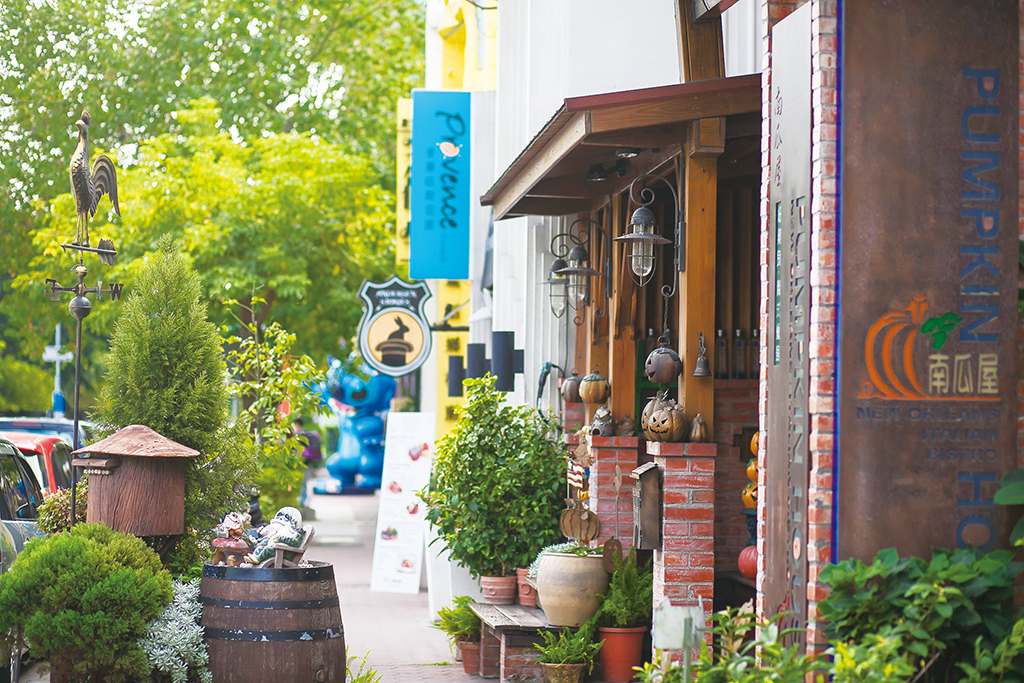
- Taichung’s art scene is a dynamic fusion of contemporary visual arts, performing arts, traditional crafts & public cultural projects. The city has positioned itself as a major center for arts and culture in central Taiwan with major museums, art streets, theaters, festivals & creative hubs. The appeal is to both local communities & international visitors. Unlike Taipei, which is more commercial & international, Taichung balances modern art innovation with a strong focus on community-based arts & cultural heritage.
- Notable characteristics of Taichung’s art scene are: (i.) a strong modern art presence while respecting folk arts and cultural heritage; (ii.) Neighborhoods and parks are frequently used for exhibitions, performances, and interactive projects; (iii.) Murals, installations, and outdoor exhibitions bring art into daily life; (iv.) Venues like the National Taichung Theater and museum complexes serve as both functional and aesthetic landmarks; and (v.) Art education, workshops, and youth programs are central to sustaining creative culture.
- Many art sites and districts are walkable or bikeable, like the Cultural and Creative Park & the Calligraphy Greenway. Creative programming often includes community murals, open-air art events, interactive installations & markets showcasing local artisans, especially in areas like Calligraphy Greenway & the Cultural & Creative Park. Folk performing arts such as traditional Taiwanese opera, glove puppetry & traditional music are preserved through local festivals. Taichung Jazz Festival, Light Festivals & Art Festivals provide platforms for both visual and performing arts.
- Taichung has a growing number of private galleries, showcasing emerging & established Taiwanese artists. Mediums include painting, sculpture, photography & digital art. Taichung also has many artist-run studios & creative workshops where visitors can observe processes or try traditional crafts, such as calligraphy, pottery & printmaking.
- Taichung Art Museum (Green Museumbrary) is a new architectural and cultural landmark combining a modern art museum with a public library, designed by renowned architects (SANAA). The museum emphasizes exploration, light & interactivity. It features contemporary art displays alongside learning spaces in Central Park.
- National Taiwan Museum of Fine Arts (NTMoFA, 國立臺灣美術館) is the centerpiece of Taichung’s contemporary art scene. It showcases modern & contemporary Taiwanese art, including painting, sculpture, installation & multimedia. The museum also hosts international exhibitions, biennials & educational programs. It is one of Taiwan’s most significant fine arts museums with extensive collections & rotating exhibitions spanning Taiwanese & international art.
- Asia Museum of Modern Art is located on the Asia University campus in Wufeng. This museum focuses on modern & contemporary works & features architecture by world-renowned designers.
- National Taichung Theater (臺中國家歌劇院) was designed by Japanese architect Toyo Ito. The theater hosts opera, theater, concerts & dance performances, The theater design is notable for integrating modern architecture with performing arts.
- Fengyuan Museum of Lacquer Art showcases traditional lacquer craft & local material culture. Wen Ying Hall is a cultural center with a large folk artifact collection & exhibitions of traditional art. CMP Block Museum of Art (草悟道美術館) focuses on experimental contemporary art & design with an emphasis on integrating urban & environmental themes.
- Taichung Cultural and Creative Industries Park is a repurposed historic wine factory turned into a creative campus with galleries, studios, craft workshops & design fairs. The park furnishes a place where visitors can view the works of both local & international artists & participate in hands-on activities.
- Calligraphy Greenway is a cultural corridor linking parks, museums, galleries, cafes & public art installations. This tree-lined stretch blends everyday city life with artistic experiences. Fengle Sculpture Park is another public space which features dozens of outdoor sculptures amid landscaped gardens. Rainbow Village is a much-beloved beloved community art project where a former veteran of military service painted vivid murals on the sides of buildings & along walls to enliven the community atmosphere.
- ART TAICHUNG is a major annual international art fair typically in July that brings together local & global galleries showcasing contemporary paintings, installations, sculpture & photography. The “ART TAICHUNG” art fair is a highlight for collectors & art lovers alike.
- travel80.com – Exploring Taichung’s Art Scene: Top Galleries and Creative Spaces @ Travel80 . com
- taichung.gov.tw – “From Tropical Culture and Technology Art to the Art History of Central Taiwan, Shaping a Museum of Multiple Dialogues and Inclusive Experiences” @ Cultural Affairs Bureau of the Taichung City Government
- taichung.gov.tw – Current exhibits @ Taichung City Seaport Art Center website
- taichung.gov.tw – “Taichung Green Art Museum’s trial operation countdown begins! Starting October 28th, multiple cross-disciplinary exhibitions and performances invite you to experience the art museum” @ Taichung City Seaport Art Center website
- taichung.gov.tw – Taichung City Government portal
- elle.com – “See the exhibition by crawling!” Austrian art team makes its Taiwan debut with two large-scale, globally unique, Taichung-exclusive organic transformation nets! @ Elle . com
- artwarm.tw – “Resonating with the city’s pulse in a contemporary rhythm, 62 galleries and special exhibitions gather at the Millennium Taichung Hotel” @ Art Warm . tw (Art Media web portal)
- ltn.com.tw – “The Taichung Art Fair brings together 76 galleries to showcase their works, allowing the public to enjoy art and cool off during the hot summer months” @ Liberty Times website
- culture.taichung.gov.tw – “Summer art feasts are coming one after another! The Taichung exhibition venue invites you to a refreshing art experience” @ Cultural Affairs Bureau of the Taichung City Government website
- reading.udn.com – “2024 Taichung Art Fair / 14 Selected Works: Witnessing the Intertwining of Artists’ Civilizational Trajectory and Shaping Fantasy” @ United Daily News website
- taiwan-scene.com – “Taichung: City on the Move” @ Taiwan Scene e-zine
- taichung.gov.tw – “Intellectual Travel for Lovers for Art and Culture” @ Taichung City Government Tourism & Travel Bureau website
- tcam.museum – Taichung Art Museum website
- artfairmag.com – Art Taichung @ Art Fair e-zine
- firenzecx.com – Impressionist 150th Anniversary Light and Shadow Art Exhibition Taichung Station @ Florence Culture & Creative portal
- tatlerasia.com – “Why Taichung in Taiwan is every art lover’s dream destination” @ Tatler e-zine
- udn.com – “The 2025 Taichung Art Fair kicks off on July 3rd! 62 galleries, special exhibitions, and lectures resonate with the city’s contemporary art scene” @ United Daily News website
- EASY SEARCH FOR MORE LINKS ! . . . . .
- scholar.google.com – Art scene in the culture of Taichung – 臺中市文化中美術的角色 @ Google Scholar
- youtube.com – Art scene in the culture of Taichung – 臺中市文化中美術的角色 @ YouTube . com
- images.google.com – Art scene in the culture of Taichung – 臺中市文化中美術的角色 @ Google Images
- Art Villages in Taichung
- 臺中市文化中藝術村的角色
- Art Villages in Taichung serve as living laboratories for creativity and provide a space for traditional crafts, contemporary arts, performing arts & community participation to intersect. The Art Villages preserve cultural heritage, promote local artists & provide interactive experiences for visitors. They have been important and establishing Taichung as a key center for art & creative innovation in central Taiwan.
- Art villages are significant in the cultural life of Taichung in several ways: (i.) Taichung art villages ensure cultural preservation by protecting traditional crafts, performing arts & heritage architecture; (ii.) Taichung art villages foster creative innovation, experimentation & contemporary artistic expression; (iii.) They offer opportunities for immersive cultural experiences for visitors & students; (iv.) They transform old neighborhoods, industrial areas & historic streets into vibrant creative districts; and (v.) They accomplish the fusion of “Old “with the “New” … blending historical buildings with modern galleries, studios & performance spaces.
- Taichung Cultural & Creative Industries Park (台中市文創園區) is a former brewery converted into a cultural and artistic hub. The Park hosts art exhibitions, design studios, handicraft workshops & cultural events. The Park furnishes an important opportunity for collaboration between artists, designers & the community.
- Carton King Creative Park is famous for large-scale art & installations made from cardboard. Activities at the park promote experimental art & design … and combine hands-on workshops, interactive exhibits & creative retail spaces.
- Xitun District & West District Art Spaces are collections of local artist studios, cultural hubs & small galleries that encourage community participation.
- Railway Art Village / Taichung Railway Cultural Zone (台中鐵道藝術村) presents
old railway buildings & warehouses that have been converted into art spaces & studios. This Cultural Zone offers community workshops, exhibitions & cultural performances with the goal of bridging the industrial heritage of Taichung with contemporary creativity.
- EASY SEARCH FOR MORE LINKS ! . . . . .
- scholar.google.com – Art Villages in the culture of Taichung – 臺中市文化中藝術村的角色 @ Google Scholar
- youtube.com – Art Villages in the culture of Taichung – 臺中市文化中藝術村的角色 @ YouTube . com
- images.google.com – Art Villages in the culture of Taichung – 臺中市文化中藝術村的角色 @ Google Images
- Art Streets in Taichung
- 臺中市文化中藝術街的角色
- Art streets in Taichung are dynamic cultural corridors that merge visual arts, performing arts & community participation. Streets like “Calligraphy Greenway”, “Shuangshi Cultural Street”, “Railway Art Street” & “Yizhong alleys” provide immersive art experiences that support local creativity while transforming urban spaces into accessible & engaging cultural environments. These streets often feature galleries, public art, murals, artisan shops, performance spaces & creative cafes to make art accessible to residents & visitors alike. They play a crucial role in promoting local artists, cultural tourism & community engagement.
- Calligraphy Greenway (草悟道) is cultural & artistic corridor that connects the National Taiwan Museum of Fine Arts with nearby creative parks. Streets along the Greenway are lined with galleries, street art, public installations, performance spaces & creative shops. Outdoor exhibitions & murals often change seasonally which helps ensure Calligraphy Greenway also has a “dynamic vibe”.
- Shuangshi Cultural & Creative Street (雙十文創街) focuses on visual arts, design & local crafts. Small galleries & studios host exhibitions & workshops to provide opportunities for visitors to interact with artists.
- Yizhong Street & Surrounding Alleys (一中街藝術巷) are known for murals, street art & creative retail spaces. This district combines youthful energy with artistic expression & often hosts pop-up exhibitions & cultural events.
- taiwanfun.com – YiZhong Street Commercial District: Where youth, food, history and shopping mix @ Taiwan Fun . com
- lomography.com – A photographer’s guide to Taichung @ Lomography . com
- Railway Art Street / Taichung Railway Cultural Zone (鐵道藝術街) is a cluster of repurposed railway buildings that house art studios, galleries & performance spaces. The neighboring street spaces feature murals, installations & interactive art projects.
- Fengjia Night Market Art Alleys feature street art, graffiti & small gallery spaces to ensure urban creativity remains connected with public life.
- _____ – Art Streets in the culture of Taichung – 臺中市文化中藝術街的角色
- EASY SEARCH FOR MORE LINKS ! . . . . .
- scholar.google.com – Art Streets in the culture of Taichung – 臺中市文化中藝術街的角色 @ Google Scholar
- youtube.com – Art Streets in the culture of Taichung – 臺中市文化中藝術街的角色 @ YouTube . com
- images.google.com – Art Streets in the culture of Taichung – 臺中市文化中藝術街的角色 @ Google Images
- Folk Arts in Taichung
- 臺中市文化中民間藝術的角色
- Taichung has a rich & dynamic folk arts scene that blends age-old traditions with living cultural practices through crafts, performances, religious rituals & community festivals. Many forms of folk arts originate from neighborhood & temple activities. Folk arts are frequently entertwined with religion & often accompany worship, processions & deity festivals
- Important folk art traditions in Taichung include: (i) Painting and Calligraphy. Traditional murals & scrolls depict religious narratives, historic tales & auspicious symbols; (ii.) Wood Carving & Sculpture are used in temples, festival floats & folk decorations. Artisans thus are able to maintain centuries-old carving techniques; (iii.) Folk embroidery & weaving are employed in temple banners, ceremonial garments & festival decorations; (iv.) Puppets, masks & costumes are a major folk art commonly used in performances.
- Taichung Folklore Park in Beitun District showcases traditional Taiwanese life, crafts & performances. The park is organized into exhibition halls & activity spaces which present demonstrations of everyday folk life, local arts & hands-on activities such as bamboo weaving & traditional games.
- Wen Ying Hall is center housing over 3,000 cultural and folk artifacts, including traditional Taiwanese woodblock prints & other folk visual arts. The center not only preserves old objects & artworks but furnishes programs of workshops, exhibitions & classes to keep folk arts active.
- Temples in Taichung are focal points for folk art, religion & community festivities. The architectural & decorative details of the temples are themselves masterpieces of craft. Lecheng Temple & Wanhe Temple are historic Mazu temples which feature intricate wood carving, painted panels & stone art that shapes the temple façades & interior halls. Temples frequently serve as stages for folk music, lion & dragon dances, and traditional ritual processions tied to the lunar calendar & deity birthdays. All of these celebrations embody local performing arts traditions. The temple spaces also help to sustain intangible heritage such as oral traditions, devotional music & ritual arts.
- Taichung’s folk arts include traditions of vibrant performance arts: (i.) Glove Puppetry (布袋戲) and Taiwanese opera (歌仔戲) are commonly performed at temple celebrations & local festivals. Lion & dragon dances are staged at celebrations of Lunar New Year & temple festivals to ward off evil spirits & bring prosperity; (iii.) Glove Puppetry (Budaixi, 布袋戲) helps to tell the stories of mythological tales, legends, & local history; (iv.) Taiwanese Opera (Gezai Opera, 歌仔戲) performances are staged during festivals, temple celebrations & special cultural events.
- Food is another essential part of folk culture in Taichung. Festival foods, temple offerings & local specialties such as sticky rice cakes or traditional snacks connect cuisine with ritual & seasonal celebrations.
- EASY SEARCH FOR MORE LINKS ! . . . . .
- scholar.google.com – Folk Arts in the culture of Taichung – 臺中市文化中民間藝術的角色 @ Google Scholar
- youtube.com – Folk Arts in the culture of Taichung – 臺中市文化中民間藝術的角色 @ YouTube . com
- images.google.com – Folk Arts in the culture of Taichung – 臺中市文化中民間藝術的角色 @ Google Images
BELIEFS – 信 仰

- Beliefs in Taichung
- 臺中市文化中信仰的角色
- Beliefs form an integral part of the cultural identity of Taichung & reflect a blend of religious traditions, folk practices, indigenous influences & community rituals. Expressions of beliefs are deeply embedded in the daily life of Taichung through festivals, temple practices, ancestral worship, folk rituals & local customs. Many practices have been preserved for centuries & remain actively practiced today. The result is to put Han Chinese cultural practices, indigenous beliefs & elements of local folk culture into everyday practice in the social life of Taichung.
- Beliefs influence decisions throughout Taichung regarding health, agriculture, business & family. Families maintain ancestral tablets & altars and perform rituals to honor ancestors during festivals like “Qingming” (“Tomb-Sweeping Day”). Belief in wandering spirits & protective guardian spirits is strong. The “Ghost Festival” which occurs in the Seventh Lunar Month features offerings, puppet shows & rituals to appease spirits. Consulting temple oracles, fortune-telling & Feng Shui practices guide decisions in health, business & family matters.
- The core beliefs in Taichung focus on key dieties (i.) the “Goddess of the Sea Mazu” (媽祖) is widely worshipped by communities along Taichung’s coast. Pilgrimages, temple rituals, & special festivals are held in her honor. She is known to protect fishermen, sailors & travelers; (ii.) the “God of Medicine Baosheng Dadi” (保生大帝) is known to protect communities from disease. Rituals include offerings, prayers & performances at temples are dedicated to him; (iii.) the “Earth God Tudigong” (土地公) is revered for protecting villages, households & agricultural activities. Offerings & small shrines honoring Tudigong are maintained throughout Taichung by local communities: (iv.) other local gods including “Guanyin” (Goddess of Mercy) and “Chenghuang” (the Taichung City God) are worshipped for protection, prosperity & guidance.
- Beliefs in Taichung are also reinforced through Performing Arts: (i.) “Glove Puppetry” (Budaixi, 布袋戲) retells stories of gods, historical heroes & mythological events; (ii.) “Taiwanese Opera” (Gezai Opera, 歌仔戲) performances during temple festivals or community celebrations dramatize divine interventions, moral justice & historical myths; (iii.) Lion & Dragon Dances are performed to ward off evil spirits, attract prosperity & celebrate the birthdays of Dieties.
- Beliefs are even exercised through Food & Festivals. Offerings such as sticky rice cakes, ceremonial pastries & glutinous rice rolls are made to deities during temple celebrations. Seasonal activities at the time of fishing, planting & harvesting of crops are typically accompanied by rituals seeking blessings for good fortune, prayers for abundance & protection from bad weather.
- _____ – Beliefs in the culture of Taichung – 臺中市文化中信仰的角色
- EASY SEARCH FOR MORE LINKS ! . . . . .
- scholar.google.com – Beliefs in the culture of Taichung – 臺中市文化中信仰的角色 @ Google Scholar
- youtube.com – Beliefs in the culture of Taichung – 臺中市文化中信仰的角色 @ YouTube . com
- images.google.com – Beliefs in the culture of Taichung – 臺中市文化中信仰的角色 @ Google Images
- Myths in Taichung
- 臺中市文化中神话的角色
- Myths form an important part of Taichung’s cultural & spiritual fabric. Stories passed down through oral tradition, temple rituals, festivals & performing arts, blend Han Chinese folklore, indigenous legends & local historical narratives. Myths are closely tied to deities, heroes, natural phenomena & moral lessons. Myths in Taichung reflect the spiritual beliefs & the lived experiences of communities and People Groups in Taichung. Local folk heroes are celebrated as righteous figures, miracle workers, or community protectors whose deeds have become legendary. These stories are often enacted in temple festivals, puppet shows & folk operas. Historical events in Taichung are also mythologized, blending fact & legend to convey moral lessons or spiritual significance.
- Some myths in Taichung revolve around religious beliefs & worship of dieties: (i.) Myths regarding the “Goddess of the Sea Mazu” (媽祖) describe her guiding sailors, calming storms & protecting coastal communities. Temples dedicated to “Mazu” in Taichung often host storytelling, festivals & rituals that reenact these legends; (ii.) Stories of the “God of Medicine Baosheng Dadi” (保生大帝) tell of him curing plagues, performing miracles, & protecting the sick. These myths are commemorated in temple festivals with performances, puppet shows & processions; (iii.) “Legends of the Earth God Tudigong” (土地公) depict him as a benevolent spirit furnishing protection to villages, farms & households. “Tudigong” rewards virtue & punishes wrongdoing.
- Other myths concern nature & the environment: (i.) Taichung’s rivers, hills & natural landscapes are seen as being populated with spirits & guardian deities; (ii.) Myths also furnish explainations for natural phenomena such as floods, droughts, or unusual animal behavior through supernatural narratives; (iii.) Taichung’s rural communities hold myths of deities or spirits influencing fertility, crop abundance & seasonal cycles.
- Many myths are sustained through the performing arts: (i) “Glove Puppetry” (“Budaixi”, 布袋戲) theater frequently retells mythological tales, including heroic deeds, divine interventions & battles against demons. Myths are dramatized with moral lessons, emphasizing virtue, justice & filial piety; (ii) “Taiwanese Opera” (“Gezai Opera”, 歌仔戲) stages mythological stories & folklore, particularly during temple festivals. Themes typically combine historical events with supernatural elements drawn from Taichung’s local culture; (iii) “Lion & Dragon Dances” are tied to myths about dragons controlling rainfall, river flows & success of farm crops as well as furnishing protection from evil spirits.
- Some myths concern the supernatural & ghosts. Myths of wandering spirits, haunted places & protective talismans are widespread. Rituals during the “Ghost Festival” in the “Seventh Lunar Month” reenact myths which emphasize the importance of appeasing spirits.
- _____ – Myths in the culture of Taichung – 臺中市文化中神话的角色
- EASY SEARCH FOR MORE LINKS ! . . . . .
- scholar.google.com – Myths in the culture of Taichung – 臺中市文化中神话的角色 @ Google Scholar
- youtube.com – Myths in the culture of Taichung – 臺中市文化中神话的角色 @ YouTube . com
- images.google.com – Myths in the culture of Taichung – 臺中市文化中神话的角色 @ Google Images
- Legends in Taichung
- 臺中市文化中传说的角色
- Legends in Taichung go beyond simple ghost stories; they are connected deeply with local history & spiritual beliefs, temple origin tales, heroic figures like “Koxinga” & seasonal folk rituals. Many of the ageless stories are shared during festivals, temple events & community performances making them a living part of the city’s culture. Unlike myths which often involve supernatural or religious explanations for the world, legends in Taichung tend to focus on historical figures, heroic deeds, local events & moral tales. These are often passed down orally & preserved through temples, performing arts or storytelling.
- Historical & Heroic Legends: (i.) Folk Heroes and Local Figures – Stories about virtuous or brave local figures who defended communities, helped the poor, or performed miraculous deeds. These legends are often celebrated in temple murals, opera performances, and annual festivals; (ii.) City Founding & Development Legends – Tales recount the origins of Taichung’s towns, villages & neighborhoods, sometimes attributing their success to deity guidance or local sages.
- Religious Legends: (i.) “Mazu” (媽祖) is honored in all local coastal communities for her protection of fishermen & travelers. There are many legends of miraculous interventions during storms or shipwrecks; (ii.) “Baosheng Dadi” (保生大帝) is honored during temple celebrations due to tales of him curing illnesses, preventing plagues & performing miracles; and (iii.) “Tudigong” (土地公) the Earth God protects villages, punishes wrongdoing & sees to it that blessings are bestowed on hardworking farmers. Legends of his deeds are widespread in Taichung’s rural & urban communities.
- The rivers, hills & natural landscapes of Taichung are associated with legendary events and guardian spirits. There are tales of heroic acts & divine interventions in floods, land formation & unusual natural phenomena.
- Legends in agricultural areas are tied to fertility, harvest success & seasonal cycles. These legends teach morals & practical lessons to sustain the farming communities.
- Legends in Performing Arts: (i) “Glove Puppetry” (“Budaixi”, 布袋戲) Puppet shows often dramatize local legends, heroic exploits & moral stories, keeping them alive for modern audiences; (ii) “Taiwanese Opera” (“Gezai Opera”, 歌仔戲) presents legendary stories of historical figures, gods & local heroes during festivals or temple events.
- Temple Festivals and Processions: Many legends are reenacted through parades, lion and dragon dances & street performances and help reinforce community identity.
- “The Legend of the Sword Well” (劍井) is one of Taichung’s most famous local legends. It concerns a well on Tiechan Mountain in Dajia District. According to oral tradition, when the 17th‑century military leader “Koxinga” (鄭成功) and his army were passing through the area they ran out of water on a hot day. “Koxinga” drove his sword into the ground & prayed for water . . . and a spring miraculously appeared where the sword struck! The well that formed from this spring became known as the “Sword Well” (劍井) or the “Well of the Imperial Surname,” & locals have long associated its water with blessings & good fortune especially around the time of the “Dragon Boat Festival”.
- Taichung’s many temples are rich sources of local legend & folklore: (i.) “Songzhu Temple” (松竹寺) is said to have been founded after a statue of the goddess “Guanyin” became lodged in a bamboo forest during a flood. Villagers saw this as a divine sign & the statue became associated with safe childbirth & rescue . . . so much so that the goddess is known as the “Waterflow Guanyin”; (ii.) “Zi Yun Yan” (紫雲巖) has its own origin story which concerns a traveling worker who hung a “Guanyin” image on a tree & then forgot it . . . but the locals later observed a mysterious bright light above that spot & believed it signaled a deity appearing which prompted them to build the temple; (iii.) “Wanhe Temple” & other “Mazu” temples in Taichung also carry sea‑goddess legends . . . stories of “Mazu” protecting fishermen at sea, calming storms & guiding safe returns. These tales are especially celebrated during festivals & the famous Mazu pilgrimages such as the “Dajia Pilgrimage”.
- Beyond the “official” temple tales the local folklore includes a variety of supernatural & moral stories which are common throughout Taiwan. These range from tales of “guardian earth spirits” (土地公) protecting villages & farms . . . to ghost stories linked to old sites, rivers, or abandoned buildings. The tales are often shared through oral tradition rather than formal history. For example, across Taiwan including in Taichung tales are told of Taiwanese legends like the “Aunt Tiger” (虎姑婆) who is a mountain spirit that disguises itself to lure children. This is a cautionary folk tale used traditionally to encourage good behavior in children.
- Performances at cultural events in Taichung especially temple festivals, “puppet theatre” (布袋戲), and “Taiwanese opera” (歌仔戲) performances often retell local legends through storytelling, music & drama. This keeps legends alive across generations. The performances typically mix historical figures, deity myths & moral tales into vivid dramatizations during temple celebrations & holidays.
- wikipedia.org – Sword Well (劍井) @ Wikipedia . org
- tidf.org.tw – Taichung Chronicles – The Unseen Taichung @ Taiwan Film & Audiovisual Institute website
- goteamjosh.com – Taiwan Sacrificial Rites Martial Temple (臺灣祀典武廟) @ Josh Ellis Photography blog (Terrific site !!!)
- goteamjosh.com – Taiwanese Hokkien-style Architecture (臺灣閩南建築) @ Josh Ellis Photography blog (Terrific site !!!)
- trip.com – 2026 Recommended Guides in Taichung @ Trip . com
- trip.com – 2026 Taichung must-see attractions, popular food, hotels, transport & travel experiences @ Trip . com
- tfm1990.com – Taiwan Folk Museum website
- publications-prairial.fr – Taiwanese Indigenous Myths @ IRIS e-zine (University of Grenoble Alpes, France)
- factsanddetails.com – Central Taiwan @ Facts & Details . com
- islandfolklore.com – Island Folklore: Taiwanese Tales & Traditions (An online repository of Taiwan’s folktales, history, legends, myths and traditions)
- elephantwhite.com.tw – Elephant White Publishing
- elephantwhite.com.tw – Gods Bless Taichung: Religious Legends from Fourteen Taichung Temples @ Elephant White Publishing
- thisistaichung.com – Taichung Folklore Park @ This is Taichung website
- thisistaichung.com – This is Taichung destination portal
- taipeitimes.com – “Taiwan in Time: The well of miracles” @ Taipei Times . com. (Water retrieved at noon at the Dragon Boat Festival from Taichung’s Sword Well is a prized commodity due to its association with Cheng Cheng-kung. How much of the legend is true? …)
- EASY SEARCH FOR MORE LINKS ! . . . . .
- scholar.google.com – Legends in the culture of Taichung – 臺中市文化中传说的角色 @ Google Scholar
- youtube.com – Legends in the culture of Taichung – 臺中市文化中传说的角色 @ YouTube . com
- images.google.com – Legends in the culture of Taichung – 臺中市文化中传说的角色 @ Google Images
- Folklore in Taichung
- 臺中市文化中民間传说的角色
- Folklore in Taichung encompasses the traditional beliefs, customs, legends, myths, rituals & cultural practices of the region. Folklore reflects the city’s long history, blending Han Chinese, indigenous, and local influences. Folklore in Taichung is expressed through temples, festivals, performing arts, crafts, and daily rituals, and it plays a vital role in preserving community identity & cultural continuity.
- Folklore in Taichung is a living cultural tapestry that combines religious rituals, myths, legends, crafts, performing arts, and culinary traditions. It preserves local history, moral values, and spiritual beliefs while remaining actively practiced in festivals, temples, and community events, making it an essential part of Taichung’s cultural heritage.
- Community-Oriented – Preserved through temples, neighborhoods, and collective festivals. Integrated with Religion – Strong overlap with deity worship, rituals, and moral teachings. Performative & Experiential – Expressed through puppetry, opera, dances, and festivals. Preservation of History and Morals – Folk stories convey cultural memory, ethical values, and local identity. Dynamic & Living – Folklore adapts to modern contexts while retaining traditional forms.
- Religious & spiritual folklore is sustained through temple worship & rituals. Temples dedicated to Mazu (媽祖), Baosheng Dadi (保生大帝), Tudigong (土地公), and Guanyin (觀音) are centers of folklore. Rituals, offerings & processions often follow traditional narratives & symbolic practices rooted in local folklore. Folk beliefs and superstitions are sustained through practices related to fortune-telling, omens, Feng Shui, and protective charms. Ghosts and wandering spirits feature prominently in local folklore, particularly during the Ghost Festival held in the Seventh Lunar Month.
- An important mode of experession of folklore is through performing arts & storytelling: (i.) Glove Puppetry (Budaixi, 布袋戲) retells myths, legends & moral tales. Puppet shows are often performed during temple festivals or community celebrations, helping to keep stories alive through many generations; (ii.) Taiwanese Opera (Gezai Opera, 歌仔戲) presents both historical & supernatural narratives from Taichung’s folklore. Themes include heroic deeds, divine interventions & moral lessons; (iii.) Lion &Dragon Dances connect to mythical beliefs & are typically performed during festivals to ward off evil spirits & bring prosperity.
- Folkore in Taichung is preserved & expressed through various channels: (i.) Temple Arts & Murals include intricate wood carvings, stone sculptures, lanterns & painted panels that depict deities, myths & legends; (ii.) Handicrafts & traditional crafts such as ceramics, puppet-making, embroidery & festival decorations are expressions of local folklore; (iii.) Culinary folklore is preserved through foods prepared for temple offerings, festivals, seasonal rituals & deity celebrations. Examples include sticky rice cakes, ceremonial pastries & glutinous rice rolls; (iv.) Temple Festivals include processions, parades & performances that preserve community stories, local legends & deity narratives; (v.) Ghost Festival & ancestor worship reinforce rituals & storytelling to convey beliefs about spirits, the afterlife & moral conduct; (vi.) Agricultural & seasonal customs guide planting, harvest, and weather-related practices.
- Folklore in Taichung, Taiwan is a rich mix of Chinese folk religion, migration stories, local legends, temple rituals, and seasonal festivals. Because the city developed through waves of settlers from Fujian, Guangdong, and Hakka communities, its folklore blends many regional traditions that are still very visible today.
Folklore in Taichung, Taiwan
1. Temple Legends and Miraculous Events
Much of Taichung’s folklore centers around temples and the stories behind the gods worshipped there.
Waterflow Guanyin Legend
At Songzhu Temple in Beitun, a famous legend explains how the temple began.
In 1830, flooding carried a statue of Guanyin into a bamboo grove.
Children discovered the statue and began worshipping it.
A mysterious midwife later helped a woman safely give birth; through divination the villagers believed Guanyin herself had appeared in human form.
A temple was built in 1833 and the deity became associated with safe childbirth and protection for families.
Stories like this—where statues arrive mysteriously or gods intervene in daily life—are common in Taiwanese folklore.
The Glowing Statue Story
Another legend surrounds Zi Yun Yan in Qingshui.
A traveling roofer hung his Guanyin statue in a tree.
When he left, locals noticed a bright light shining from the tree.
Interpreting it as a divine sign, they built a temple in 1662.
Such “miraculous discovery” stories often explain how sacred sites began.
2. Mazu and Sea-Related Folklore
Taichung’s coastal districts have strong traditions related to the sea goddess Mazu.
Pilgrimage and Protection Legends
Dajia Jenn Lann Temple is one of Taiwan’s most famous Mazu temples and the starting point of a huge annual pilgrimage.
Mazu is believed to protect sailors, fishermen, and coastal communities.
The pilgrimage preserves stories of miracles, storms avoided, and divine guidance.
These stories reinforce the historical importance of maritime life in central Taiwan.
3. Village Gods and Protective Spirits
Local communities often have guardian gods whose stories form local folklore.
Example:
Yuanbao Temple
Dedicated to the healer god Baosheng Dadi.
A famous legend says the temple’s black-faced statue disappeared and was later found elsewhere, where the god appeared in dreams asking to return.
Since then, the statue is believed to possess special spiritual power.
These stories connect villages to specific deities and reinforce communal identity.
4. Ghosts, Spirits, and the Spirit World
Like much of Taiwan, Taichung folklore includes beliefs about wandering spirits.
Common elements include:
Rituals during the Ghost Festival to feed and appease spirits.
Folk practices meant to avoid offending ghosts.
Stories passed through families about haunted locations or supernatural events.
These traditions help explain misfortune, illness, or unusual events in traditional culture.
5. Folk Performances and Storytelling
Folklore in Taichung is not only told in stories but also performed.
Traditional forms include:
Glove puppetry (布袋戲)
Dragon and lion dances
Temple opera performances
Festival processions
These performances often reenact myths or honor local gods.
Some temples even hold elaborate traditional shows tied to historic events or clan traditions.
6. Seasonal Customs and Ritual Life
Many folk beliefs guide everyday life and agriculture.
Examples include:
Ritual foods offered to gods
Lantern festivals
Ancestor worship
Ceremonies for good harvests or protection from disasters
These traditions keep folklore active rather than just historical.
7. Places Preserving Folklore
A notable site dedicated to preserving traditional culture is:
Taichung Folklore Park – a museum-style cultural park recreating traditional houses, crafts, and performances from earlier Taiwanese life.
Key Themes in Taichung Folklore
Across the region, several themes appear repeatedly:
1. Divine intervention in everyday life
Gods help fishermen, mothers, farmers, or travelers.
2. Migration memory
Stories connect communities back to Fujian or Guangdong ancestors.
3. Harmony between humans and spirits
Rituals maintain balance with the unseen world.
4. Community identity
Each temple, village, and clan has its own stories.
- EASY SEARCH FOR MORE LINKS ! . . . . .
- scholar.google.com – Folklore in the culture of Taichung – 臺中市文化中民間传说的角色 @ Google Scholar
- youtube.com – Folklore in the culture of Taichung – 臺中市文化中民間传说的角色 @ YouTube . com
- images.google.com – Folklore in the culture of Taichung – 臺中市文化中民間传说的角色 @ Google Images
- Religion in Taichung
- 臺中市文化中宗教的角色
- _____ – Religion in the culture of Taichung – 臺中市文化中宗教的角色
- EASY SEARCH FOR MORE LINKS ! . . . . .
- scholar.google.com – Religion in the culture of Taichung – 臺中市文化中宗教的角色 @ Google Scholar
- youtube.com – Religion in the culture of Taichung – 臺中市文化中宗教的角色 @ YouTube . com
- images.google.com – Religion in the culture of Taichung – 臺中市文化中宗教的角色 @ Google Images
BLOGS – 部 落 格

- Blogs in Taichung
- 臺中市文化中部落格的角色
- taiwaneverything.cc – Taichung & Central Taiwan @ Taiwan Everything blog
- EASY SEARCH FOR MORE LINKS ! . . . . .
- scholar.google.com – Blogs in the culture of Taichung – 臺中市文化中部落格的角色 @ Google Scholar
- youtube.com – Blogs in the culture of Taichung – 臺中市文化中部落格的角色 @ YouTube . com
- images.google.com – Blogs in the culture of Taichung – 臺中市文化中部落格的角色 @ Google Images
CINEMA – 電 影

( wikipedia.org )

( wikipedia.org )

( chaari.com )
- Cinema in Taichung
- 臺中市文化中電影的角色
- Cinema arts in Taichung have grown steadily over the past decades as a reflection of both the city’s cultural vitality & Taiwan’s evolving broader film & media landscape. While Taichung is not as internationally known for cinema as Taipei, it has developed a diverse film culture, encompassing film production, screening venues, festivals & independent cinema initiatives.
- Cinema arts in Taichung are a growing and dynamic sector, encompassing independent filmmaking, film festivals, educational programs & screenings in cultural hubs. The city blends local culture, folklore & visual arts with contemporary cinematic practices, creating a community-focused & innovative film scene.
- Here are key characteristics of Taichung’s cinema arts: (i) Independent & Experimental Focus – Supports emerging filmmakers and alternative storytelling.; (ii) Community-Oriented – Screenings and festivals often involve local neighborhoods and cultural spaces; (iii) Integration with Other Arts – Film is combined with visual arts, performing arts, and multimedia installations; (iv) Cultural & Educational Emphasis – University programs and workshops cultivate young talent and film appreciation; and (v) Promotion of Local Stories – Many films draw on Taichung’s history, culture, folklore, and urban life, preserving and sharing local narratives.
- National Taichung Theater (臺中國家歌劇院) While primarily a performing arts venue, it occasionally hosts film screenings, multimedia performances, and cinema-related events. Its modern architecture has also inspired cinematic productions and art installations.
- Art House Cinemas & Independent Theaters Venues such as Vieshow Cinemas (selected branches) and smaller independent cinemas screen international, arthouse, and independent films. Focus on promoting Taiwanese cinema, documentaries, and experimental films.
- University & Community Screenings Institutions like Tunghai University, National Taichung University of Education, and local cultural centers often host film clubs, student productions, and thematic screenings.
- Taichung Film Festival Showcases local and international films, including shorts, feature films, and documentaries. Emphasizes independent cinema and creative storytelling. Outdoor Screenings and Cultural Events Community parks and creative spaces, such as Calligraphy Greenway or Cultural & Creative Industry Park, host seasonal outdoor screenings. These events often integrate music, performance, and interactive arts.
- _____ – Cinema arts in the culture of Taichung – 臺中市文化中電影的角色
- EASY SEARCH FOR MORE LINKS ! . . . . .
- scholar.google.com – Cinema arts in the culture of Taichung – 臺中市文化中電影的角色 @ Google Scholar
- youtube.com – Cinema arts in the culture of Taichung – 臺中市文化中電影的角色 @ YouTube . com
- images.google.com – Cinema arts in the culture of Taichung – 臺中市文化中電影的角色 @ Google Images
- Film in Taichung
- 臺中市文化中電影的角色
- Independent filmmakers in Taichung produce short films, documentaries & experimental works, often drawing on local culture, folklore & urban life. Cinema arts in Taichung are increasingly blended with installation art, animation & digital storytelling in creative hubs & art villages. Festivals & exhibitions sometimes showcase film-related visual media & interactive screenings.
- _____ – Film arts in the culture of Taichung – 臺中市文化中電影的角色
- EASY SEARCH FOR MORE LINKS ! . . . . .
- scholar.google.com – Film arts in the culture of Taichung – 臺中市文化中電影的角色 @ Google Scholar
- youtube.com – Film arts in the culture of Taichung – 臺中市文化中電影的角色 @ YouTube . com
- images.google.com – Film arts in the culture of Taichung – 臺中市文化中電影的角色 @ Google Images
- Movies in Taichung
- 臺中市文化中電影的角色
- _____ – Motion picture arts in the culture of Taichung – 臺中市文化中電影的角色
- EASY SEARCH FOR MORE LINKS ! . . . . .
- scholar.google.com – Motion picture arts in the culture of Taichung – 臺中市文化中電影的角色 @ Google Scholar
- youtube.com – Motion picture arts in the culture of Taichung – 臺中市文化中電影的角色 @ YouTube . com
- images.google.com – Motion picture arts in the culture of Taichung – 臺中市文化中電影的角色 @ Google Images
CULTURE – 文 化
( wikipedia.org )
- World Heritage Sites in Taichung
- 臺中市文化中世界遺產區的角色
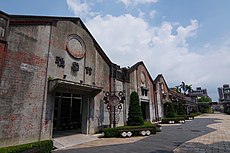
- World Heritage in Taichung, Taiwan is a bit more nuanced because, as of now, Taichung City itself does not have any official UNESCO World Heritage Site. Most of Taiwan’s UNESCO sites are located elsewhere, such as the Historic Monuments of Ancient Tainan or the Alishan Forest Railway. However, Taichung does have culturally significant sites, historic buildings, heritage districts, and natural ecological heritage that are on the path to recognition as national heritage sites.
- While Taichung does not have any formal UNESCO World Heritage Site, the city is rich in cultural, architectural, and natural heritage. Its temples, historic districts, cultural parks, and intangible arts like glove puppetry and Taiwanese opera preserve traditions that are globally significant, making Taichung an important heritage hub in central Taiwan.
- Taichung heritage sites attract visitors interested in history, traditional arts, and community rituals. Important examples include: (i) Lecheng Temple (樂成宮) – Dedicated to Baosheng Dadi, it showcases traditional architecture and intricate carvings; (ii) Confucius Temple, Taichung (台中孔廟) – Preserves Confucian educational and ritual traditions dating back centuries; (iii) Fengyuan Tianhou Temple (豐原天后宮) – Famous for its ornate Mazu worship and cultural festivals; (iv) Taichung Second Market (第二市場) and Chungshan Hall area – Offer a glimpse into early 20th-century urban life and commercial architecture; (v) Old Walled City Sites – Some remnants of historic city planning and structures reflect cultural and social heritage; and (vi) Taichung Cultural & Creative Industries Park (文創園區) is a significant adaptive reuse of industrial heritage for art and community engagement. Historic brewery buildings have been preserved while supporting contemporary arts and cultural activities.
- Taichung also has significant natural Heritage: (i) the Gaomei Wetlands (高美濕地) are a protected ecological site of international significance as a refuge for migratory birds and unique coastal ecosystems; (ii) the Dajia River and Surrounding Hills are sites of historical settlements and preserved agricultural practices which reflect Taichung’s integration of nature and human activity.
- Taichung is also home to significant intangible cultural heritage and world cultural practices, such as: (i) Glove puppetry (Budaixi, 布袋戲) which is recognized by UNESCO as an intangible cultural heritage of Taiwan; (ii) Taiwanese opera (Gezai Opera, 歌仔戲) which is performed in temples and at cultural festivals; and (iii) Temple festivals and traditional crafts which represent living cultural traditions closely tied to historical sites of human habitation on the Island of Taiwan.
- _____ – World heritage in the culture of Taichung – 臺中市文化中世界遺產區的角色
- EASY SEARCH FOR MORE LINKS ! . . . . .
- scholar.google.com – World heritage in the culture of Taichung – 臺中市文化中世界遺產區的角色 @ Google Scholar
- youtube.com – World heritage in the culture of Taichung – 臺中市文化中世界遺產區的角色 @ YouTube . com
- images.google.com – World heritage in the culture of Taichung – 臺中市文化中世界遺產區的角色 @ Google Images
- Culture of Taichung
- 臺中市的文化
- The culture of Taichung is a rich & dynamic blend of traditional heritage, contemporary creativity & community life. Taichung is an important city in the central region of the Island of Taiwan & has developed a unique cultural identity that reflects history, performing & visual arts, festivals, food & local customs. Culture in Taichung is deeply rooted in both Han Chinese traditions & indigenous influences but it also embraces modern artistic innovation & contemporary urban lifestyles.
- The culture of Taichung is multi-dimensional, combining traditional folk practices, religious rituals, performing arts, modern visual and cinematic arts, and vibrant culinary traditions. It is community-centered, interactive, and dynamic, making Taichung a city where history, creativity, and everyday life intertwine.
- Blend of Tradition and Modernity – Folk arts, rituals, and festivals coexist with contemporary arts, design, and cinema.
Community-Focused – Temples, festivals, and art districts engage residents and visitors in participatory experiences.
Performative & Visual – Culture is expressed through performances, murals, crafts, and interactive installations.
Culinary Integration – Food is both a daily cultural practice and an element of traditional rituals.
Cultural Preservation & Innovation – Historic sites, art villages, and creative spaces ensure heritage is preserved while encouraging innovation.
- Temples and Religious Practices
Temples such as Lecheng Temple, Confucius Temple, and Fengyuan Tianhou Temple are central to Taichung’s cultural life.
Religious rituals, festivals, and community gatherings around temples preserve folk beliefs, myths, and local legends.
Folk Arts and Crafts
Traditional arts include glove puppetry (Budaixi), Taiwanese opera (Gezai Opera), temple carvings, embroidery, and ceramics.
Crafts and visual arts are often tied to festivals, religious practices, and ancestral worship.
Legends, Myths, and Folklore
Stories about deities, heroes, and local historical figures are passed down through oral storytelling, performances, and temple murals.
Folklore connects the community to moral lessons, cultural identity, and spiritual guidance.
- Performing Arts & Festivals
Glove Puppetry & Taiwanese Opera
Central to local festivals and temple celebrations, these performing arts convey myths, legends, and moral teachings.
Lion and Dragon Dances
Performed during festivals, weddings, and temple celebrations to bring prosperity, ward off evil spirits, and entertain the community.
Cultural Festivals
Taichung Jazz Festival, Lantern Festival, and traditional temple festivals celebrate arts, music, and local heritage.
- Contemporary Arts & Creative Culture
Visual Arts
Museums like the National Taiwan Museum of Fine Arts showcase modern and contemporary art.
Art districts, galleries, and creative parks encourage emerging artists, design, and interactive installations.
Art Villages & Streets
Spaces like Calligraphy Greenway, Taichung Cultural & Creative Industries Park, and Railway Art Village provide venues for workshops, exhibitions, and street art.
Cinema & Multimedia
Independent filmmaking, multimedia art, and festivals contribute to a modern creative scene, blending local stories and urban life.
- Culinary & Everyday Culture
Local Cuisine
Famous for sun cakes (太陽餅), oyster omelets, meatball soup, and traditional snacks.
Food culture intersects with festivals, temple offerings, and daily life.
Night Markets & Street Life
Taichung’s vibrant markets are hubs for socializing, culinary exploration, and cultural exchange.
- Natural & Urban Cultural Integration
Parks, Wetlands, and Nature
Places like Gaomei Wetlands, Dajia River, and Dakeng Hiking Trails are culturally significant, supporting rituals, seasonal festivals, and recreational activities.
Urban Heritage
Historic districts, old streets, and preserved buildings reflect early 20th-century architecture and urban development, linking past and present cultural identity.
- _____ – Culture in Taichung – 臺中市的文化
- EASY SEARCH FOR MORE LINKS ! . . . . .
- scholar.google.com – Culture of Taichung – 臺中市的文化 @ Google Scholar
- youtube.com – Culture of Taichung – 臺中市的文化 @ YouTube . com
- images.google.com – Culture of Taichung – 臺中市的文化 @ Google Images
- Traditions in Taichung
- 臺中市文化中传统的角色
- Traditions in Taichung, Taiwan are a rich mixture of religious rituals, folk customs, performing arts, festivals, and community practices. They reflect both Han Chinese cultural heritage and local adaptations, preserved over generations while also adapting to modern life. Traditions in Taichung are community-centered, often revolving around temples, seasonal events, and local crafts.
- Traditions in Taichung are a living combination of religious rituals, folk arts, performing arts, culinary practices, and seasonal celebrations. They connect the community to history, cultural identity, and spiritual beliefs, while remaining actively practiced and adapted in contemporary life.
- Community-Centered – Traditions are experienced collectively through festivals, temple activities, and neighborhood events.
Integration of Religion and Daily Life – Spiritual beliefs are embedded in everyday practices, celebrations, and seasonal events.
Performative & Visual – Puppetry, opera, dances, and temple decorations are central to expressing traditions.
Preservation of Cultural Memory – Traditions maintain links to local history, folk beliefs, and moral teachings.
Adaptive & Living – Many traditional practices continue today while evolving with modern cultural life.
- Religious and Spiritual Traditions. Temple Worship and Rituals
Temples such as Lecheng Temple, Confucius Temple, and Fengyuan Tianhou Temple are centers of traditional practices.
Activities include prayers, offerings, festivals, and deity processions.
Deity Celebrations
Mazu (媽祖) Birthday Festival – Processions and performances honoring the sea goddess.
Baosheng Dadi (保生大帝) Festival – Rituals for health and community protection.
Ancestral Worship
Families honor ancestors with ritual offerings and ceremonial practices, especially during Qingming Festival (Tomb-Sweeping Day).
- Performing Arts Traditions. Glove Puppetry (Budaixi, 布袋戲)
A centuries-old art form performed at temples and festivals.
Retells folk stories, myths, and moral tales.
Taiwanese Opera (Gezai Opera, 歌仔戲)
Traditionally performed during festivals and temple events.
Features local legends, historical narratives, and religious stories.
Lion and Dragon Dances
Performed to ward off evil spirits, attract luck, and celebrate major events.
- Agricultural and Seasonal Traditions. Harvest and Planting Rituals
Farmers perform rituals to pray for good weather, fertile crops, and protection from disasters.
Some traditions involve offerings to Tudigong (Earth God) or local spirits.
Festivals Tied to the Lunar Calendar
Lantern Festival, Ghost Festival, and Mid-Autumn Festival combine family, community, and spiritual traditions.
- Crafts and Cultural Practices. Temple Arts and Folk Crafts. Wood carvings, stone sculptures, lanterns, and embroidery reflect traditional craftsmanship.
Many crafts are integrated into festival decorations and ceremonial objects.
Culinary Traditions
- _____ – Traditions in the culture of Taichung – 臺中市文化中传统的角色
- EASY SEARCH FOR MORE LINKS ! . . . . .
- scholar.google.com – Traditions in the culture of Taichung – 臺中市文化中传统的角色 @ Google Scholar
- youtube.com – Traditions in the culture of Taichung – 臺中市文化中传统的角色 @ YouTube . com
- images.google.com – Traditions in the culture of Taichung – 臺中市文化中传统的角色 @ Google Images
- Folk Customs in Taichung
- 臺中市文化中民間風俗的角色
- Folk customs in Taichung, Taiwan are traditional practices and social behaviors that reflect the city’s local culture, religious beliefs, and community life. They are closely tied to temple rituals, seasonal festivals, performing arts, food traditions, and neighborhood interactions. Folk customs help maintain cultural identity and social cohesion, and they continue to be practiced in both urban and rural areas of Taichung.
- Folk customs in Taichung are dynamic expressions of community life, spirituality, and cultural identity. They include temple rituals, festivals, performing arts, culinary practices, and seasonal celebrations, connecting residents to their history, beliefs, and local traditions.
- Religious and Ritual Customs. Temple Festivals and Processions. Communities celebrate the birthdays of deities like Mazu (媽祖), Baosheng Dadi (保生大帝), and Tudigong (土地公).. Rituals include parades, offerings, lion and dragon dances, and puppet performances.
- Ancestral Worship. Families honor ancestors through offerings, incense burning, and ceremonial meals, particularly during Qingming (Tomb-Sweeping Day) and Ghost Festival.
- Fortune-Telling and Divination. Practices such as consulting temple oracles, drawing divination sticks (Kau Cim), and feng shui rituals are common.
- Performance Folk Customs. Glove Puppetry (Budaixi, 布袋戲). Puppet shows reenact local legends, myths, and moral stories, usually performed during festivals or temple celebrations.Taiwanese Opera (Gezai Opera, 歌仔戲). Traditional opera performances are part of temple rituals, festivals, and community events. Lion and Dragon Dances
Folk custom to ward off evil spirits, bless businesses, and celebrate special occasions.
- Culinary Folk Customs: (i.) Festival Foods; and (ii.) Preparing special dishes for temple offerings & ancestral worship. Examples: sticky rice cakes, sun cakes (太陽餅), glutinous rice rolls & ceremonial pastries.
- taichung.travel – Gourmet Guide @ Taichung City Government Tourism & Travel Bureau – website
- taichung.gov.tw – “Taichung Exclusive! Classic Dragon Boat Festival Pairing of Rice Dumplings and Jute Leaf Soup Celebrates the City’s Culinary Memory & Food Culture” @ Taichung City Government – website
- tcsac.taichung.gov.tw – “The original Atayal fermentation technique revealed! Taichung City’s Gangyi Arts Center invites you to deeply experience indigenous culture” @ Taichung City Seaport Arts Center – website
- taichung.gov.tw – Indigenous cuisine @ Taichung City Government – website
- tchac.taichung.gov.tw – “The Taichung City Antiquities & Folklore Review Committee approved the addition of “Datun Eighteen Villages Welcoming Mazu” as the city’s ninth folk cultural asset” @ Cultural Heritage Department of Taichung City
- peopo.org – Hakka Spring Lantern Festival – Sindingban Festival @ Peope . org
- taiwanfun.com
- https://atworld.world
- Night Market and Street Food Culture. Social custom where locals gather for food, games, and social interaction.
- Seasonal and Agricultural Folk Customs. Harvest and Planting Rituals. Farmers perform rituals to pray for abundant crops, favorable weather, and protection from natural disasters..
- Seasonal Festivals. Celebrations tied to lunar months, such as Lantern Festival, Mid-Autumn Festival, and Ghost Festival, preserve traditional customs and community participation.
- Visual and Material Folk Customs. Temple Decoration and Folk Crafts. Wood carvings, stone sculptures, lanterns, and embroidered banners used during rituals and festivals. Offerings and Decorative Items. Folk customs include crafting paper offerings, ceremonial objects, and festival decorations.
- Key Characteristics of Taichung Folk Customs. Community-Oriented – Customs involve collective participation and strengthen social bonds. Religiously Integrated – Many practices are linked to temple rituals, deities, and folk beliefs. Performative and Visual – Customs are expressed through performances, decorations, and ceremonial displays. Culinary and Seasonal – Food and agricultural cycles play a major role in folk customs. Living Traditions – Folk customs continue today, blending historical practices with modern life.
- _____ – Folk customs in the culture of Taichung – 臺中市文化中民間風俗的角色
- EASY SEARCH FOR MORE LINKS ! . . . . .
- scholar.google.com – Folk customs in the culture of Taichung – 臺中市文化中民間風俗的角色 @ Google Scholar
- youtube.com – Folk customs in the culture of Taichung – 臺中市文化中民間風俗的角色 @ YouTube . com
- images.google.com – Folk customs in the culture of Taichung – 臺中市文化中民間風俗的角色 @ Google Images
- “Old Streets” in Taichung
- 臺中市文化中老街的角色
- Old Streets in Taichung are historic urban areas that preserve the city’s cultural heritage, architecture & traditional lifestyle. They are a window into Taichung’s past, showcasing early 20th-century buildings, traditional shops, temples & street foods. Today, these streets are popular tourist destinations & cultural hubs and they blend history with modern commerce & community life. Many old streets include temples, ancestral halls & community gathering spots. They serve as cultural anchors & venues for festivals and folk activities. There are streets & lanes which have been formally designated as “Cultural Tourism Streets” and are preserved as cultural & historical corridors often promoted for walking tours, heritage trails & local festivals.
- Taichung’s historic Old Streets offer a glimpse into the city’s development from the Qing Dynasty through the Japanese colonial era. Unlike the highly-commercialized Old Streets further north on the Island of Taiwan, Taichung’s historic streets lean toward authentic local life, traditional architecture & generational food stalls. Old Streets in Taichung are living museums of the city’s past, offering a mix of historic architecture, traditional commerce, street food & folk culture. They are vibrant spaces where history, community & modern urban life intersect to furnish visitors with an experience of the authentic spirit of Taichung.
- Features of Taichung Old Streets: (i.) Historic Architecture – Japanese colonial-era buildings, early 20th-century shophouses & traditional residential structures; (ii.) Local Commerce – Traditional shops sell tea, pastries, herbs, fabrics & handicrafts alongside modern cafes & boutiques; (iii.) Street Food & Culinary Heritage – Old Streets in Taichung are famous for “Sun Cakes” (太陽餅), meatballs, oyster omelets, traditional pastries & local snacks; (iv.) Cultural Preservation – The Old Streets maintain the traditional urban layout, architecture & crafts; (v.) Community Identity – The Old Streets serve as spaces for local rituals, gatherings & social life. They are frequently the gathering space for local residents to socialize as part of visiting a local temple; (vi.) Tourism & Education – Old Streets provide immersive experiences of Taichung’s history, food culture & daily life; and (vii.) Blend of Old & New – Modern businesses coexist with traditional shops to create a dynamic cultural environment.
- taichung.gov.tw – Explore Old Town Taichung @ Taichung City Government Tourism Bureau website
- taichung.gov.tw – Taichung top 10 “popular” attractions & top 10 “emerging” attractions @ Taichung City Government Tourism Bureau website
- youtube.com – Taichung Cityscapes and Everyday Life, 1990s @ Youtube . com (“Revived Moments” channel)
- travelking.com.tw – Taiwan Old Street New Year Shopping Guide @ Travel King . com
- Shenji New Village
- 審計新村
- The grid-patterned “Old Town” area near the Taichung Train Station is affectionately nicknamed “Little Kyoto” (小京都, “Xiǎo Jīngdū”) which contains narrow alleys dedicated to specific historic trades. The area is also known as “Shenji New Village” (審計新村) although the nickname is also sometimes used more broadly for parts of Taichung’s leafy West District because of their Japanese-era architecture, quiet streets & café culture. The comparison is more about atmosphere than historical authenticity.
- Shenji New Village (審計新村) … literally “Audit New Village” was built in the late 1960s as housing for employees of Taiwan’s Provincial Audit Department. When the provincial government was downsized the apartments gradually became vacant & deteriorated. Presently the area is a historic cluster-style government dormitory area that has been transformed into a trendy, artsy cultural block. It retains its mid-century concrete architecture while hosting daily independent commercial stalls, aesthetic cafes & craft markets. Rather than demolishing the original dorms the city restored the neighborhood & invited young entrepreneurs, artists & designers to establish businesses there. Today it serves as one of Taichung’s best-known cultural & creative districts
- taichung.gov.tw – Shen Ji New Village @ Taichung CIty Government Tourism & Travel Bureau – website
- wikipedia.org – Shenji New Village – 審計新村 @ Wikipedia . org
- taiwanfun.com – “Nostalgia and creativity at Shenji New Village” @ Taiwan Fun e-zine
- spectralcodex.com – Shenji New Village @ Spectral Codex . com
- roamscapes.com – “Shenji New Village: auditing gets hip” @ Roamscapes . com (Roamscapes shows through stories & photos how life is lived in different parts of the world.)
- smile.com.tw – Shenji New Village destination guide @ Smile . com
- taipeitimes.com – New life for Taichung’s old downtown. Preserving the memories of Taichung’s historic center against the march of urban development @ Taipei Times newspaper website
- wanderlog.com – Shenji New Village @ Wanderlog . com
- tripo.wingzero.tw – Shenji New Village @ Tripo . tw
- neotaiwantravel.info – Shenji New Village @ Neo Taiwan Travel . info
- rtaiwanr.com – 審計新村 – Audit Village @ Round Taiwan Round – website
- Yizhong Street
- 一中街
- Yizhong Street (一中街) was originally a commercial area centered around “National Taichung University of Science & Technology” & “Taichung First Senior High School”. The name “Yi Zhong” comes from the nearby “First Senior High School” (“Taichung Yizhong”). Yizhong Street is officially a shopping district, but most visitors experience it as a day market + student street + night market all mixed together. It retains traditional shops, small eateries & street culture. It is popular for its street food, local crafts & youthful energy.
- taichung.travel – Yizhong Shopping District @ Taichung City Government Tourism & Travel Bureau – website
- wikipedia.org – Yizhong Street ( 一中商圈 ) @ Wikipedia . org
- Fengjia Old Street
- 逢甲老街
- Fengjia Old Street (near Fengjia Night Market, 逢甲老街) is famous for traditional foods, night market culture & historic buildings. It offers an energetic mix of modern student culture & historical commercial patterns.
- Miyahara Area / Chun Shui Tang Old Shops
- 宮原眼科周邊老街
- Miyahara Area / Chun Shui Tang Old Shops (宮原眼科周邊老街) are located around the historic Miyahara building. Visitors can explore lanes offering ice cream shops, confectioneries & preserved architecture.
- Taichung Second Market Area
- 第二市場周邊
- Taichung Second Market Area (第二市場周邊) and the surrounding streets offer a chance to experience old-style markets, traditional eateries & colonial-era architecture. This area is a hub for experiencing culinary traditions & community life.
- Luce Memorial Chapel & Surrounding Old Streets
- 路思義教堂週邊
- Luce Memorial Chapel & Surrounding Old Streets (路思義教堂週邊) offer modern architecture with surrounding lanes that preserve residential old streets with historic homes small local shops.
- Jiguang Street
- 繼光街
- Jiguang Street (繼光街) is one of the oldest commercial shopping corridors in the city. It boomed in the mid-20th century with fabric markets, clock shops & eateries. Today, it is famous for the original Jiguang Fried Chicken & authentic Vietnamese bakeries.
- Herb Street
- 成功路草藥街
- Herb Street (成功路草藥街) is a small, fragrant & heavily shaded alleyway packed entirely with traditional herbal remedy stores selling medicinal teas.
- Nantun Old Street
- 南屯老街
- Nantun Old Street is known historically as “Litoudian Street” (“Plowshare Store Street”) due to its origins in the Qing Dynasty as an agricultural tool trade center. Immigrants often gathered in this locale where the government recruited people to reclaim the land. The area became popular for the production & sale of farming tools & gained importance as an exchange center for agricultural products.
- Nantun Old Street features structures ranging in age up to 200 years, historic brick paths & a few preserved Baroque facades. Notable attractions include: (i.) the centuries-old Wanhe Temple & “Fude” (Earth God) temple; (ii.) the Lin Jinshengxiang pastry shop; (iii.) traditional plowshares stamped into the street tiles; (iv.) the Taiwanese Hokkien building “Yingtian Hall”; (v.) old houses with roofs of dried woven Miscanthus Reed which is recognized as a traditional, eco-friendly roofing method; (vi.) “Chiushih Hall” which is a distinctive two-storey “left-wing” building; and (vii.) “Yongcheng Grocery” which is over 100 years old.
- foreignersintaiwan.com – Nantun Old Street 南屯老街 @ Foreigners in Taiwan blog
- taichung.travel – Nantun Old Street @ Taichung City Government Tourism Bureau website
- Wuqi Old Street
- Wuqi Old Street is located in coastal Taichung and historically was known as Dingheng Street during the Qing Dynasty. It is heavily lined with Baroque-style architecture built after a major 1936 earthquake. Notable attractions are: (i.) historic Wuqi Police Station; (ii.) Zhen Wu Temple & local traditional “douhua” tofu pudding.
- mindtrip.ai – Wuqi Old Street @ Mindtrip . ai (“The most-personalized way to discover, plan & organize any adventure!”)
- Dali Old Street
- Dali Old Street is located in the Dali District and is a quiet lane showcasing pristine, narrow streetscapes built entirely of mud & red bricks. It is highly unique for preserving Taiwan’s only remaining traditional pavilion column footings and “roll-up” type roofs.
- Qingshui Old Street
- taichung.travel – Qingshui Old Street @ Taichung City Government Tourism Bureau website
- Lukang Old Street
- 鹿港老街
- Lukang Old Street (鹿港老街) is located in Lukang Township in Changhua. It is regarded as Taiwan’s premier historic preservation area & one of its most authentic cultural destinations. Lukang dates back to its golden age as a bustling Qing Dynasty trading port & is a maze of winding, red-brick lanes. There is a historic Taiwanese adage, “First Tainan, second Lukang, third Bangka,“ which highlights the immense historical commercial importance of Lukang. Today Lukang remains an essential open-air living museum packed with traditional Minnan architecture, active artisan shops & heritage snacks.
- taiwan.net.tw – Lukang Old Street @ Tourism Administration of the Repblic of China on the Island of Taiwan – website
- nickkembel.com – Visiting Lukang Old Street, Taiwan’s Most Traditional Town
- taiwanstartshere.com – Lukang Old Street @ Taiwan Starts Here website
- rtaiwanr.com – Lukang Old Street Guide @ Round Taiwan Round . com
- tiffycooks.com – Taiwanese Street Foods on Historical Lukang Old Street @ Tiffy Cooks blog
- EASY SEARCH FOR MORE LINKS ! . . . . .
- scholar.google.com – “Old Streets” in the culture of Taichung – 臺中市文化中老街的角色 @ Google Scholar
- youtube.com – “Old Streets” in the culture of Taichung – 臺中市文化中老街的角色 @ YouTube . com
- images.google.com – “Old Streets” in the culture of Taichung – 臺中市文化中老街的角色 @ Google Images
DINING – 餐 館 及 餐 飲
( taichung.gov.tw )
- Dining in Taichung
- 臺中市文化中餐館及餐飲的角色
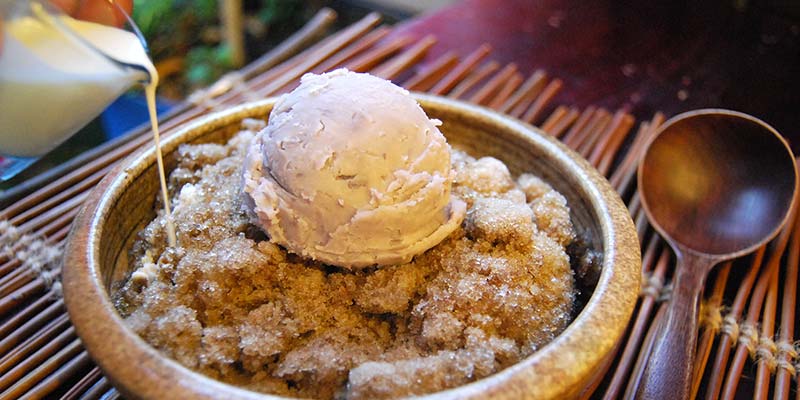
- Dining in Taichung can be a vibrant & diverse experience reflecting the city’s culinary traditions, street food culture, night markets & modern gastronomy. Taichung is famous for combining traditional Taiwanese flavors with contemporary twists, making it a popular destination for food enthusiasts.
- Opportunities for dining in Taichung are a blend of Traditional & Modern. Street foods & night markets are combined with contemporary restaurants. Markets & eateries are social hubs where locals gather. There are opportunities to sample culinary innovation as modern cafés & fusion restaurants innovate on traditional flavors. There is also a tradition of cultural Integration since food is tied to festivals, temples & seasonal rituals.
- Traditional Taiwanese Cuisine are offered in local specialties such as: (i) Sun Cakes (太陽餅) – Flaky pastries with malt sugar filling, iconic to Taichung; (ii) Meatball Soup (貢丸湯) – Traditional pork meatballs in clear broth’ (iii) Oyster Omelet (蚵仔煎) – a popular street dish made with eggs, oysters & starch’ (iv) Braised Pork Rice (滷肉飯) – A Taiwanese comfort food staple that is widely available.
- Temple & Festival Foods offered during festivals or temple rituals, such as sticky rice cakes, glutinous rice rolls & ceremonial pastries are also part of the local culinary culture.
- _____ – Dining in the culture of Taichung – 臺中市文化中餐館及餐飲的角色
- EASY SEARCH FOR MORE LINKS ! . . . . .
- scholar.google.com – Dining in the culture of Taichung – 臺中市文化中餐館及餐飲的角色 @ Google Scholar
- youtube.com – Dining in the culture of Taichung – 臺中市文化中餐館及餐飲的角色 @ YouTube . com
- images.google.com – Dining in the culture of Taichung – 臺中市文化中餐館及餐飲的角色 @ Google Images
- Cooking in Taichung
- 臺中市文化中烹飪的角色
- Cooking in Taichung reflects the city’s culinary heritage, local ingredients & fusion of traditional with modern techniques. Taichung is known for its fresh produce, street food culture & rich Taiwanese flavors. Cooking in Taichung combines home-style recipes, temple offerings & innovative dishes served in restaurants & cafés.
- Characteristics of Cooking in Taichung: (i.) Emphasis on Freshness – Central Taiwan’s produce, meats & seafood are core to cooking; (ii.) Blend of Tradition & Innovation – Recipes range from home-style cooking to modern fusion cuisine; (iii.) Community and Family Focus – Cooking is often a social activity tied to festivals, temple rituals, or family gatherings; (iv.) Practical Techniques – Methods include stir-frying, braising, steaming, and baking, balancing flavor, texture, and presentation; and (v.) Cultural Expression – Cooking reflects heritage, seasonal cycles & local tastes, preserving Taichung’s culinary identity.
- _____ – Cooking in the culture of Taichung – 臺中市文化中烹飪的角色
- EASY SEARCH FOR MORE LINKS ! . . . . .
- scholar.google.com – Cooking in the culture of Taichung – 臺中市文化中烹飪的角色 @ Google Scholar
- youtube.com – Cooking in the culture of Taichung – 臺中市文化中烹飪的角色 @ YouTube . com
- images.google.com – Cooking in the culture of Taichung – 臺中市文化中烹飪的角色 @ Google Images
- Cuisine in Taichung
- 臺中市文化中美食的角色
- Cuisine in Taichung is a vibrant reflection of the city’s historical influences, local ingredients & diverse culinary culture. Taichung cuisine blends traditional Taiwanese flavors, regional specialties & modern innovations making Taichung a major destination for food lovers. The city is especially famous for street food, night markets, pastries & tea culture.
- _____ – Cuisine in the culture of Taichung – 臺中市文化中美食的角色
- EASY SEARCH FOR MORE LINKS ! . . . . .
- scholar.google.com – Cuisine in the culture of Taichung – 臺中市文化中美食的角色 @ Google Scholar
- youtube.com – Cuisine in the culture of Taichung – 臺中市文化中美食的角色 @ YouTube . com
- images.google.com – Cuisine in the culture of Taichung – 臺中市文化中美食的角色 @ Google Images
- Foods in Taichung
- 臺中市文化中食品的角色
- Foods in Taichung are a delicious reflection of the city’s culinary heritage, local ingredients & lively street food culture. Taichung is famous for traditional Taiwanese snacks, pastries, night market delicacies & modern café treats, making it a top destination for food enthusiasts.
- Traditional & Signature Foods: (i.) Sun Cake (太陽餅) – Flaky pastry filled with malt sugar, a Taichung specialty often bought as a gift; (ii.) Braised Pork Rice (滷肉飯) – Minced pork braised in soy sauce over rice, a staple comfort food; (iii.) Oyster Omelet (蚵仔煎) – Eggs, oysters, starch, and savory sauce make this a popular street dish; (iv.) Meatball Soup (貢丸湯) – Pork meatballs served in clear broth, common in traditional eateries; (v.) Sticky Rice Rolls & Rice Cakes – Often consumed during festivals or temple offerings.
- Key Characteristics of Taichung Foods: (i.) Blend of Tradition and Modernity – Traditional snacks coexist with creative culinary innovations; (ii.) Street-Food Culture – Night markets are central to the food experience; (iii.) Fresh Local Ingredients – Pork, seafood, vegetables, and seasonal produce dominate’ (iv.) Cultural Connection – Many foods are tied to festivals, temple offerings, and seasonal rituals; and (v.) Accessible & Social – Food is enjoyed by all, from street stalls to modern cafés.
- _____ – Foods in the culture of Taichung – 臺中市文化中食品的角色
- EASY SEARCH FOR MORE LINKS ! . . . . .
- scholar.google.com – Foods in the culture of Taichung – 臺中市文化中食品的角色 @ Google Scholar
- youtube.com – Foods in the culture of Taichung – 臺中市文化中食品的角色 @ YouTube . com
- images.google.com – Foods in the culture of Taichung – 臺中市文化中食品的角色 @ Google Images
- Recipes in Taichung
- 臺中市文化中菜譜的角色
- Recipes in Taichung reflect the city’s culinary traditions, seasonal ingredients & local flavors. Cooking in Taichung often emphasizes fresh produce, pork & seafood and a balance between sweet & savory tastes. The recipes combine classic Taiwanese dishes, street food favorites & specialty pastries. Recipes range from home-style comfort food to festival specialties & innovative café creations. Taichung recipes reflect a blend of tradition, community & innovation. From braised pork rice & oyster omelets to sun cakes & bubble tea, the recipes popular in Taichung preserve local flavors, seasonal ingredients & cultural practices, and preparing the dishes is a key part of Taichung’s culinary identity.
- Traditional Recipes: (i). Braised Pork Rice (滷肉飯); (ii.) Oyster Omelet (蚵仔煎); (iii.) Meatball Soup (貢丸湯); (iv.) Sun Cake (太陽餅); (v.) Sticky Rice Rolls / Glutinous Rice Cakes; (vi). Taiwanese Popcorn Chicken (鹽酥雞); (vii.) Fried Tofu & Tempura Snacks; (viii.) Bubble Tea (珍珠奶茶); and (ix.) Herbal Teas & Local Drinks.
- Key Characteristics of Taichung Recipes: (i.) Emphasis on Freshness – Seasonal vegetables, local seafood, and quality pork are widely used; (ii.) Balance of Flavors – Sweet, salty, and savory flavors are combined thoughtfully; (iii.) Festival & Ritual Connections – Many recipes are tied to temples, seasonal festivals, and family traditions; (iv.) Street Food Influence – Quick-cooking, deep-fried, stir-fried, or braised dishes are common; and (v.) Modern Adaptations – Some traditional recipes are reinterpreted in cafés, bakeries, and fusion restaurants.
- _____ – Recipes in the culture of Taichung – 臺中市文化中菜譜的角色
- EASY SEARCH FOR MORE LINKS ! . . . . .
- scholar.google.com – Recipes in the culture of Taichung – 臺中市文化中菜譜的角色 @ Google Scholar
- youtube.com – Recipes in the culture of Taichung – 臺中市文化中菜譜的角色 @ YouTube . com
- images.google.com – Recipes in the culture of Taichung – 臺中市文化中菜譜的角色 @ Google Images
- Restaurants in Taichung
- 臺中市文化中餐飲的角色
- _____ – Restaurants in the culture of Taichung – 臺中市文化中餐飲的角色
”FAVORITES” (LOCAL SPECIALTIES) – 最 愛
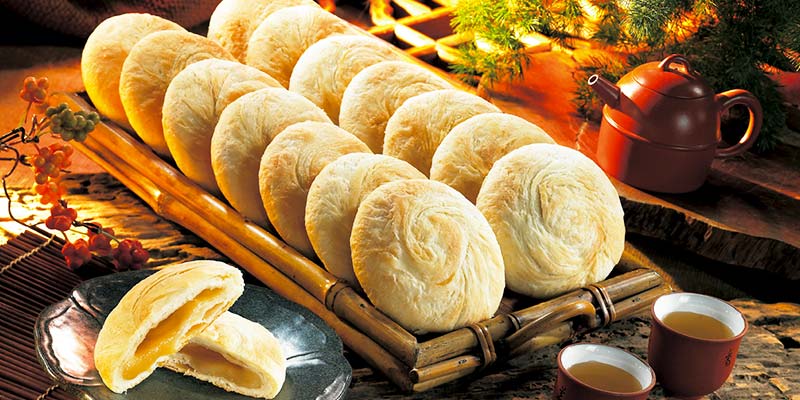
( taichung.gov.tw )
- ”Favorites” (Local specialties) in Taichung
- 臺中市文化中最愛的角色
- Local specialties in Taichung highlight the city’s culinary identity, traditional flavors & creative innovations. Taichung is particularly famous for its pastries, snacks, street foods & beverages many of which have become iconic symbols of the city. Taichung’s local specialties showcase a diverse culinary landscape from sun cakes & braised pork rice to bubble tea & night market snacks. They reflect the city’s heritage, innovation & community life.
- Local specialties in Taichung: (i.) Sun Cake (太陽餅) is a flaky pastry filled with malt sugar. It is often bought as a gift as an iconic sourvenir from Taichung; (ii.) Mooncakes & Traditional Pastries are seasonal specialties and can have unique fillings like mung bean, taro, or lotus seed paste; (iii.) Braised Pork Rice (滷肉飯) is minced pork braised in soy sauce & served over rice. It is a “comfort food staple” in Taichung; (iv.) Oyster Omelet (蚵仔煎) – Eggs, oysters, starch, and savory sauce; a classic street food dish; (v) Meatball Soup (貢丸湯) – Pork meatballs in clear broth, commonly served in markets and small eateries; (vi) Bubble Tea (珍珠奶茶) – Taichung is considered the birthplace of bubble tea. Local variations include fruit teas, milk teas, and creative tapioca-based drinks; (vii) Specialty Coffee & Teas – Cafés in areas like Calligraphy Greenway and Miyahara serve artisanal coffee and dessert pairings with local flavors; (viii) Taiwanese Popcorn Chicken (鹽酥雞) – Bite-sized, marinated chicken, deep-fried with basil leaves; (ix) Fried Tofu & Tempura Snacks – Popular at night markets and traditional snack shops; and (x) Glutinous Rice Rolls & Sticky Rice Cakes – Often tied to festivals, temple offerings, or family traditions.
- _____ – ”Favorites” (Local specialties) in the culture of Taichung – 臺中市文化中最愛的角色
- EASY SEARCH FOR MORE LINKS ! . . . . .
- scholar.google.com – ”Favorites” (Local specialties) in the culture of Taichung – 臺中市文化中最愛的角色 @ Google Scholar
- youtube.com – ”Favorites” (Local specialties) in the culture of Taichung – 臺中市文化中最愛的角色 @ YouTube . com
- images.google.com – ”Favorites” (Local specialties) in the culture of Taichung – 臺中市文化中最愛的角色 @ Google Images
- Coffee in Taichung
- 臺中市文化中咖啡的角色
- Coffee in Taichung has become a defining part of the city’s modern culinary & cultural scene. Over the past decade, Taichung has developed a vibrant café culture, earning a reputation as one of Taiwan’s coffee capitals. The city blends specialty coffee, artisanal brewing techniques, and creative dessert pairings in a way that reflects both local tastes and global coffee trends.
- Coffee in Taichung represents both a culinary craft and a lifestyle culture. From specialty coffee shops with precision brewing to artistic café experiences and dessert pairings, Taichung’s coffee scene reflects local creativity, global trends, and a growing appreciation for high-quality coffee. It is an essential part of the city’s modern cultural identity.
- Third Wave Coffee Movement
Many cafés focus on high-quality beans, precise brewing methods, and single-origin coffee.
Brewing methods include pour-over, siphon, V60, Aeropress, and espresso-based drinks.
- Artisanal Roasters
Local roasters source beans from Taiwan and international regions, often roasting in-house to ensure freshness and flavor complexity.
Emphasis on light to medium roasts to highlight subtle notes in the beans.
- Taichung Café Culture: Many cafés pair coffee with local pastries, such as sun cakes, Taiwanese-style cakes, and fusion desserts.
Specialty drinks are sometimes served with seasonal or handcrafted sweets.
Creative Ambiance
Cafés often feature modern minimalist design, artistic interiors, or themed spaces, providing both social and aesthetic experiences.
Coffee Education & Workshops
Some cafés offer barista courses, brewing workshops, and tasting events, contributing to a growing coffee culture community.
- Notable Coffee Areas in Taichung: (i) Calligraphy Greenway – A cultural and creative corridor with cafés, art spaces, and boutique shops; (ii) Miyahara Area – Famous for its dessert cafés, coffee shops, and innovative presentations, blending heritage architecture with modern culinary experiences; (iii) Historic Downtown & Old Streets – Many small, independent cafés occupy renovated Japanese-era buildings, offering intimate coffee experiences.
- _____ – Coffee in the culture of Taichung – 臺中市文化中咖啡的角色
- EASY SEARCH FOR MORE LINKS ! . . . . .
- scholar.google.com – Coffee in the culture of Taichung – 臺中市文化中咖啡的角色 @ Google Scholar
- youtube.com – Coffee in the culture of Taichung – 臺中市文化中咖啡的角色 @ YouTube . com
- images.google.com – Coffee in the culture of Taichung – 臺中市文化中咖啡的角色 @ Google Images
- Beverages in Taichung
- 臺中市文化中饮料的角色
- Beverages in Taichung are an essential part of the city’s culinary culture & represent a fusion of heritage & modern creativity, from traditional teas & herbal drinks to bubble tea, specialty coffee & fruit-based innovations. Taichung is particularly famous as a birthplace of “bubble tea” & the city’s beverage scene also reflects local ingredients, artisanal preparation & café culture. Beverages in Taichung reflect the city’s culinary identity, social life & innovative spirit, making Taichung a must-visit destination for beverage enthusiasts.
- Key Characteristics of Beverages in Taichung: (i) Blend of Tradition and Modernity – Traditional teas and herbal drinks coexist with bubble tea and specialty coffee.; (ii) Innovation & Creativity – Local shops experiment with flavors, textures, and presentation; (iii) Accessibility – Beverages are available from street stalls to upscale cafés, appealing to all tastes and budgets; (iv) Cultural Integration – Drinks are tied to temples, festivals, breakfast culture, and social gatherings; and (iv) Community-Centered – Bubble tea shops, cafés, and markets are social spaces for locals and tourists alike.
- Traditional Beverages: (i.) Taiwanese Tea (茶) – Oolong, green, and black teas are widely consumed. Tea culture is integrated into daily life, ceremonies & temple rituals; (ii.) Herbal & Medicinal Drinks – Drinks made from ginger, longan, red dates, and other herbs are popular for health benefits. Often sold in traditional markets, tea shops, and temple stalls; and (iii.) Soy Milk (豆漿) is served hot or cold, sweetened or unsweetened. It is a staple drink taken in the morning at breakfast & often paired with youtiao (fried dough sticks).
- Modern & Iconic Beverages: (i.) Bubble Tea (珍珠奶茶) – Taichung is widely regarded as the birthplace of bubble tea. Tapioca pearls combined with milk tea or fruit tea, often served with creative flavors and textures; and (ii). Fruit Teas & Specialty Drinks
Cafés and bubble tea shops innovate with fresh fruit, milk foam, herbal infusions, and toppings.
- Coffee Culture: (i.) Specialty Coffee – Taichung’s cafés serve pour-over, espresso, siphon, and cold brew using local and imported beans. Coffee is often paired with local pastries, desserts, or tea-inspired flavors; (ii) Café Innovations – Many cafés offer fusion drinks, combining coffee with matcha, fruit, milk teas, or local ingredients.
- Street & Market Drinks: (i) Fresh Juices & Smoothies – Markets & street stalls sell tropical fruit juices, smoothies & slushies, often with seasonal fruits; (ii) Traditional Sweet Drinks – Grass jelly drinks, herbal teas & shaved ice syrups are common in night markets & dessert shops.
- _____ – Beverages in the culture of Taichung – 臺中市文化中饮料的角色
- EASY SEARCH FOR MORE LINKS ! . . . . .
- scholar.google.com – Beverages in the culture of Taichung – 臺中市文化中饮料的角色 @ Google Scholar
- youtube.com – Beverages in the culture of Taichung – 臺中市文化中饮料的角色 @ YouTube . com
- images.google.com – Beverages in the culture of Taichung – 臺中市文化中饮料的角色 @ Google Images
- Bubble Tea in Taichung
- 臺中市文化中珍珠奶茶的角色
- _____ – Bubble tea in the culture of Taichung – 臺中市文化中珍珠奶茶的角色
- EASY SEARCH FOR MORE LINKS ! . . . . .
- scholar.google.com – Bubble tea in the culture of Taichung – 臺中市文化中珍珠奶茶的角色 @ Google Scholar
- youtube.com – Bubble tea in the culture of Taichung – 臺中市文化中珍珠奶茶的角色 @ YouTube . com
- images.google.com – Bubble tea in the culture of Taichung – 臺中市文化中珍珠奶茶的角色 @ Google Images
- Beer in Taichung
- 臺中市文化中啤酒的角色
- While Taiwan is traditionally associated with major commercial beers, Taichung has embraced craft beer, microbreweries & beer-themed cafés giving locals & tourists a variety of options: (i.) Commercial Taiwanese beer coexists with craft & specialty beers; (ii.) Some brewers incorporate fruit, tea, or herbal flavors unique to the region; (iii.) Beer bars & pubs serve as gathering places for locals, expats & tourists; (iv.) Beers are widely available in convenience stores, night markets, restaurants & craft beer venues; and (v.) Taichung has a vibrant “craft beer culture” emphasizing tasting, pairing & appreciation.
- Commercial & Local Beer: (i.) Popular national beers like “Taiwan Beer” (台灣啤酒) are widely available. These are typically lager-style, light & easy-drinking and are often paired with Taiwanese street foods or night market snacks; (ii.) Taichung has a growing craft beer scene with small breweries producing IPAs, stouts, ales & seasonal brews. Ingredients sometimes include local flavors like fruit, tea, or herbs, reflecting Taiwanese tastes; (iii.) Craft Beer Cafés & Taprooms are “specialty bars” that focus on locally brewed & imported craft beers and will offer tastings; and (iv.) Many pubs in Taichung serve European, Japanese & American beers & cater to both locals & expatriates.
- _____ – Beer in the culture of Taichung – 臺中市文化中啤酒的角色
- EASY SEARCH FOR MORE LINKS ! . . . . .
- scholar.google.com – Beer in the culture of Taichung – 臺中市文化中啤酒的角色 @ Google Scholar
- youtube.com – Beer in the culture of Taichung – 臺中市文化中啤酒的角色 @ YouTube . com
- images.google.com – Beer in the culture of Taichung – 臺中市文化中啤酒的角色 @ Google Images
FENG SHUI – 風 水

( bluemountainfengshui.com )
- Feng Shui in Taichung
- 臺中市文化中風水的角色
- Feng Shui in Taichung is an important cultural practice that influences architecture, urban planning, interior design & personal spaces. Feng Shui is rooted in traditional Chinese Geomancy & its principles reflect both historical practices & modern adaptations for homes, businesses, temples & public spaces to promote harmony, prosperity & well-being. By integrating traditional geomantic principles with modern design, Feng Shui reflects Taichung’s balance of heritage, aesthetics & everyday life, influencing prosperity, harmony & well-being.
- Key Characteristics of Feng Shui in Taichung: (i) Cultural Integration – Deeply intertwined with temples, urban planning, and lifestyle practices; (ii) Practical & Symbolic – Influences both functional design and symbolic well-being; (iii) Adaptable – Traditional principles are adapted to modern homes, offices, and commercial spaces; (iv) Community Influence – Feng Shui impacts temple placement, residential neighborhoods, and city layouts; (v) Holistic Approach – Combines spatial orientation, natural elements, and symbolic objects to achieve harmony.
- Feng Shui Practices in Daily Life: (i) Personal Life Guidance. Many residents consult Feng Shui masters for marriage, career, health, and home selection; (ii) Seasonal & Ritual Practices. During festivals or moving into a new house, rituals and adjustments are often made to optimize energy flow; (iii) Integration with Modern Design. Contemporary architecture and interior design in Taichung often blend Feng Shui principles with modern aesthetics, balancing tradition and innovation.
- Feng Shui Practices in the home: Many homes in Taichung are designed or arranged according to Feng Shui principles, considering: (i) Orientation of the house (facing favorable directions); (ii) Room placement (bedrooms, kitchens, and living rooms in auspicious positions); (iii) Flow of Qi (energy circulation) to ensure positive vibes; (iv) Interior Design. Furniture and decorations are placed to maximize harmony, avoid blockages, and enhance luck. Common elements include mirrors, plants, water features, and symbolic décor.
- Feng Shui Practices in business: Businesses often select locations based on geomantic evaluations, aiming to attract customers and prosperity. Interior Feng Shui for Workspaces: Desk placement, lighting, and décor are arranged to boos productivity, collaboration, and positive energy.
- Feng Shui Practices in worship:Temples in Taichung, such as Lecheng Temple and Fengyuan Tianhou Temple, are built according to Feng Shui principles: (i) Orientation toward favorable directions. Integration with water, hills, and natural surroundings to harness Qi.
- Feng Shui Practices in Community Spaces: Some parks, shrines & urban developments incorporate Feng Shui concepts for balance, flow & aesthetic harmony.
- _____ – Feng shui in the culture of Taichung – 臺中市文化中風水的角色
- EASY SEARCH FOR MORE LINKS ! . . . . .
- scholar.google.com – Feng shui in the culture of Taichung – 臺中市文化中風水的角色 @ Google Scholar
- youtube.com – Feng shui in the culture of Taichung – 臺中市文化中風水的角色 @ YouTube . com
- images.google.com – Feng shui in the culture of Taichung – 臺中市文化中風水的角色 @ Google Images
FESTIVALS – 節 慶

- Festivals in Taichung – 臺中市文化中節慶的角色
- Festivals in Taichung are colorful, lively & steeped in cultural tradition combining religious observances, folk traditions, music, performing arts & culinary delights. They are an essential part of experiencing Taichung’s identity: (i) The blend of Tradition & Modernity – Religious rituals coexist with cultural performances, music, and contemporary events; (ii) Community-Centered – Festivals often involve entire neighborhoods, temples, and local organizations; (iii) Performative & Visual – Include lion dances, dragon boat races, parades, puppet shows, and lantern displays’ (iv) Culinary Integration – Food is a major element, from street snacks to traditional ceremonial dishes; and (v) Tourism & Cultural Identity – Festivals attract locals and visitors, promoting Taichung’s heritage, creativity, and vibrant social life.
- Mazu Pilgrimages (媽祖遶境) Celebrating the sea goddess Mazu, these pilgrimages involve processions, temple rituals, lion and dragon dances, and community gatherings. Taichung communities, especially near coastal and river areas, host these events annually.
- Baosheng Dadi Festival (保生大帝誕辰) Honors the god of medicine with temple ceremonies, street performances, and folk rituals.
- Ghost Festival (中元節) Commemorates deceased ancestors with offerings, lanterns, and ritual performances. Often accompanied by puppet shows, opera, and night markets.
- Chinese New Year (農曆新年) Celebrated with temple visits, lion dances, fireworks, and family gatherings.
- Taichung International Animation Festival Showcases animated films, workshops, exhibitions, and creative activities.
- Taichung Jazz Festival Annual outdoor music festival featuring local and international jazz performers, combining music with street food and crafts.
- Dragon Boat Festival (端午節) Celebrated with dragon boat races, zongzi (sticky rice dumplings), and cultural performances.
- Lantern Festival (元宵節) Features lantern displays, parades, and community celebrations, often with themes reflecting local culture.
- Fengjia Night Market Events Festivals often include street food competitions, seasonal snacks, and culinary demonstrations.
- Harvest & Seasonal Food Festivals Celebrate local produce, fruits, and specialty foods, highlighting Taichung’s agricultural heritage.
- _____ – Festivals in the culture of Taichung – 臺中市文化中節慶的角色
- EASY SEARCH FOR MORE LINKS ! . . . . .
- scholar.google.com – Festivals in the culture of Taichung – 臺中市文化中節慶的角色 @ Google Scholar
- youtube.com – Festivals in the culture of Taichung – 臺中市文化中節慶的角色 @ YouTube . com
- images.google.com – Festivals in the culture of Taichung – 臺中市文化中節慶的角色 @ Google Images
HISTORY – 歷 史

( taiwannews.com.tw )
- History of Taichung
- 臺中市文化中歷史的角色
- The history of Taichung is a rich blend of indigenous heritage, Han migration, Japanese colonial modernization, and post-war urban development. Its evolution from a rural settlement to a modern city is reflected in historic temples, old streets, colonial architecture & cultural traditions, making Taichung both a living city and a repository of Taiwanese history.
- Key Characteristics of Taichung’s History: (i) Layered Cultural Influences – Indigenous, Han Chinese, Japanese colonial, and modern Taiwanese; (ii) Agricultural Roots – Early settlements centered around farming, trade, and water management; (iii) Colonial Modernization – Japanese rule shaped urban planning, infrastructure, and industry; (iv) Post-War Growth – Rapid modernization, industrialization, and urban expansion; (v) Heritage Preservation – Temples, old streets, and historic buildings maintain cultural continuity.
- Early History: (i) Indigenous Peoples – The Taichung area was originally inhabited by Bunun and Pazeh indigenous communities. These groups practiced hunting, agriculture, and riverine trade, leaving traces in local place names and cultural practices; (ii) Early Han Settlement (17th–18th Century) Han Chinese immigrants from Fujian and Guangdong began settling in central Taiwan. Developed agriculture (rice, sugar, and vegetables) and local markets, establishing the foundation for Taichung’s urban growth.
- Colonial & Qing Era: (i) Dutch and Spanish Influences (17th Century) Though limited in central Taiwan, the colonial period indirectly influenced trade and settlement patterns; (ii) Qing Dynasty Rule (1683–1895) Central Taiwan, including Taichung, became more organized administratively, with roads, irrigation systems, and marketplaces. Walled settlements and temples were constructed, many of which remain important cultural sites today.
- Japanese Colonial Period (1895–1945): (i) Urban Planning & Infrastructure
Taichung was modernized with roads, railways, schools, and public buildings.
Influences are visible in colonial-style architecture, parks, and administrative buildings; (ii) Agricultural & Industrial Development – Japanese authorities promoted sugar, rice, and camphor production, boosting the local economy.
- Post-War Era & Modernization: (i) Republic of China Administration (1945–Present)
Taichung grew rapidly into a major city and economic center, with industrial zones, universities, and cultural institutions; (ii) Cultural Preservation & Tourism
Historic districts, temples, and old streets have been preserved, blending heritage with urban modernization; iii) Economic Growth & Urban Expansion Central Taiwan’s technology, manufacturing, and service sectors contributed to Taichung’s rise as a modern city.
- Key Historical Sites in Taichung: (i) Confucius Temple (台中孔廟) – Traditional Confucian architecture and historical learning center; (ii) Taichung Park (台中公園) – Built during the Japanese period, featuring colonial-era structures; (iii) Second Market (第二市場) – A historic hub of commerce and local food culture; (iv) Miyahara (宮原眼科) – Former ophthalmology clinic from the Japanese era, now a cultural and culinary site; (v) Old Streets & Temples – Retain Qing and Japanese period architecture, reflecting urban history.
- _____ – History in the culture of Taichung – 臺中市文化中歷史的角色
- EASY SEARCH FOR MORE LINKS ! . . . . .
- scholar.google.com – History in the culture of Taichung – 臺中市文化中歷史的角色 @ Google Scholar
- youtube.com – History in the culture of Taichung – 臺中市文化中歷史的角色 @ YouTube . com
- images.google.com – History in the culture of Taichung – 臺中市文化中歷史的角色 @ Google Images
JADE MARKETS – 玉 石 市 場

( strangersintaiwan.com )
- Jade markets in Taichung
- 臺中市文化中玉石市場的角色
- Jade is a cultural, artistic & spiritual treasure combining ancient symbolism, skilled craftsmanship & modern design. Jade has been highly valued in Chinese culture for thousands of years as a symbol of virtue, luck & protection. Taichung is one of Taiwan’s centers for jade trade, carving & artisan work & the city’s jade culture blends traditional techniques with modern designs that caters to collectors, tourists & spiritual practitioners.
- Taichung Jade Market (Wenxin Jade Market )A bustling indoor market offering a wide range of jade jewelry, carvings, religious artifacts, and traditional Chinese crafts.
Location: No. 957, Section 2, Wuquan West Road, Nantun District, Taichung City.
Hours: Open Friday through Sunday from 9:00 AM to 6:00 PM.
Highlights: Ideal for purchasing jade items and traditional Chinese gifts.
- Taichung Park Jade Market
Overview: The oldest jade market in Taichung, featuring a variety of jade ornaments and antique stalls.
Atmosphere: Offers a unique and authentic experience with a friendly ambiance.
- https://www.youtube.com
- https://taiwanfun.com
- https://tomorrowintaiwan.com
- https://www.thisistaichung.com
- https://www.tripadvisor.com
- https://www.thisistaichung.com
- https://strangersintaiwan.com
- https://www.taiwanfun.com
- https://wanderlog.com
- https://www.taiwanfun.com
- https://www.tripadvisor.com
- https://www.taiwanese-secrets.com
- https://www.tripadvisor.com
- https://taiwanteaodyssey.com
- https://wanderlog.com
- EASY SEARCH FOR MORE LINKS ! . . . . .
- scholar.google.com – Jade markets in the culture of Taichung – 臺中市文化中玉石市場的角色 @ Google Scholar
- youtube.com – Jade markets in the culture of Taichung – 臺中市文化中玉石市場的角色 @ YouTube . com
- images.google.com – Jade markets in the culture of Taichung – 臺中市文化中玉石市場的角色 @ Google Images
MARTIAL ARTS – 武 術
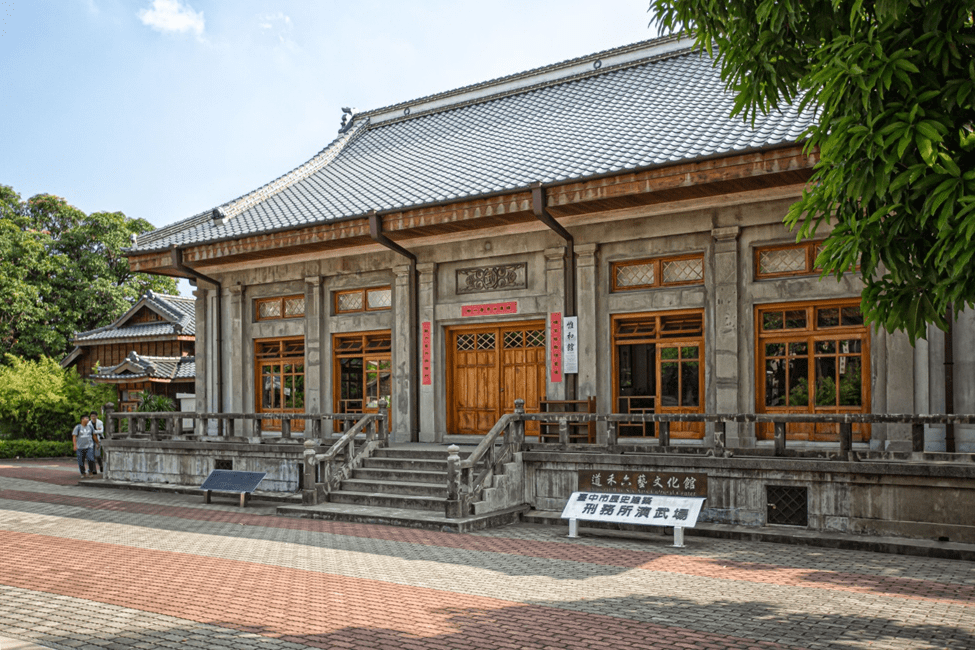
Josh Ellis Photography
( goteamjosh.com )
- Martial arts in Taichung
- 臺中市文化中武術的角色
- _____ – Martial arts in the culture of Taichung – 臺中市文化中武術的角色
- EASY SEARCH FOR MORE LINKS ! . . . . .
- scholar.google.com – Martial arts in the culture of Taichung – 臺中市文化中武術的角色 @ Google Scholar
- youtube.com – Martial arts in the culture of Taichung – 臺中市文化中武術的角色 @ YouTube . com
- images.google.com – Martial arts in the culture of Taichung – 臺中市文化中武術的角色 @ Google Images
MUSEUMS – 博 物 館

- Museums in Taichung
- 臺中市文化中博物館的角色
- Taichung is home to a diverse array of museums that showcase the city’s rich cultural, scientific & artistic heritage. In addition to the formal museums, there are also several other venues where visitors can experience a curated collection of Taichung’s cultural heritage: (i) Taichung City Cultural Center: A multipurpose facility that includes a fine arts museum and public library, serving as a hub for cultural activities; (ii) Miyahara: Originally an ophthalmology clinic from the Japanese era, it has been transformed into a cultural and culinary destination, featuring ice cream, pastries, and a nostalgic atmosphere; and (iii) Calligraphy Greenway: An urban park that connects several cultural institutions, including the National Museum of Natural Science and the National Taiwan Museum of Fine Arts.
- National Taiwan Museum of Fine Arts Overview: Established in 1988, this is Taiwan’s first national fine arts museum. It boasts a vast collection of modern and contemporary Taiwanese art, complemented by an expansive outdoor sculpture park. Highlights: Features rotating exhibitions, educational programs, and cultural events.
- Asia Museum of Modern Art Located at Asia University in Wufeng, this museum is renowned for its striking triangular architecture designed by Tadao Ando. It focuses on modern and contemporary art from Asia.
- Taichung Literature Museum Housed in a former police dormitory built during the Japanese era, this museum celebrates Taiwan’s literary history.
Highlights: Permanent and rotating exhibitions on Taiwanese literature, workshops, and themed eateries.
- Rainbow Village A vibrant, colorfully painted village transformed into an open-air art gallery by former soldier Huang Yung-fu, affectionately known as “Grandpa Rainbow.” Whimsical murals and sculptures that have turned this space into a popular cultural landmark.
- National Museum of Natural Science A comprehensive museum featuring exhibitions on astronomy, paleontology, ecology, and human cultures.
Highlights: Includes a botanical garden, IMAX theater, and interactive exhibits suitable for all ages.
- 921 Earthquake Museum of Taiwan Located in Wufeng, this museum is dedicated to the 1999 Jiji earthquake. It offers insights into the disaster’s impact and Taiwan’s preparedness for future seismic events. Displays remnants of damaged structures and educational exhibits on earthquake science.
- Taichung Military Kindred Village Museum Preserves the history of military dependents’ villages established after the Chinese Civil War. Exhibits artifacts and stories from the lives of military families who settled in these communities.
- Lishan Culture Museum Situated in the mountainous Lishan area, this museum focuses on the Atayal indigenous culture and the history of the Central Cross-Island Highway. Displays traditional Atayal crafts, tools, and exhibits on the region’s natural history.
- Tuniu Hakka Cultural Museum Located in Shigang District, this museum highlights the Hakka people’s traditions and history. Features multimedia exhibits on Hakka culture, including language, cuisine, and festivals.
- _____ – Museums in the culture of Taichung – 臺中市文化中博物館的角色
- EASY SEARCH FOR MORE LINKS ! . . . . .
- scholar.google.com – Museums in the culture of Taichung – 臺中市文化中博物館的角色 @ Google Scholar
- youtube.com – Museums in the culture of Taichung – 臺中市文化中博物館的角色 @ YouTube . com
- images.google.com – Museums in the culture of Taichung – 臺中市文化中博物館的角色@ Google Images
NIGHT MARKETS – 夜 市
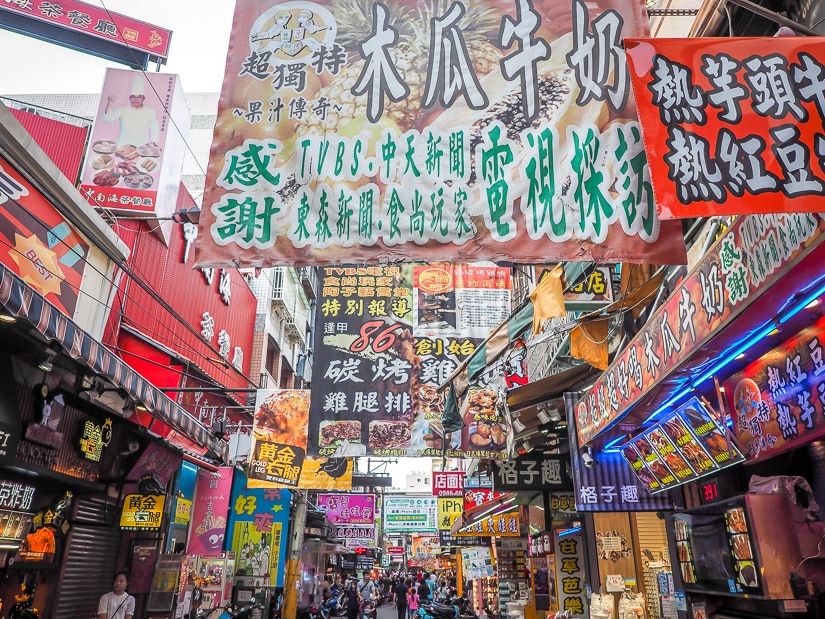
( nickkembel.com )
- Night markets in Taichung
- 臺中市文化中夜市的角色
- Taichung is one of the best cities on the Island of Taiwan for experiencing the lively evening street markets filled with Taiwanese snacks, quirky drinks, games, souvenirs & local culture. A few tips for visitors: (i.) Cash is king – most stalls don’t take cards; (ii.) Visit earlier in the evening (around 5-6 PM) & there will be smaller crowds; (iii.) Street food is usually grab-&-go so bring a friend & share; and (iv.) weeknights offer a less-crowded experience than weekends.
- Night markets furnish a great opportunity to try classic Taiwanese night market eats such as: (i.) Taiwanese popcorn chicken (炸雞) – crispy bite-sized goodness; (ii.) Bubble tea (珍珠奶茶) – Taiwan’s iconic drink; (iii.) Oyster omelet (蚵仔煎) – savory local favorite; (iv.) Stinky tofu (臭豆腐) – crispy & delicious if you can get past the smell; (v.) Grilled skewers (串燒) – meats, squid, veggies; and (vi.) Pepper buns, scallion pancakes & shaved ice desserts.
- Fengjia Night Market (逢甲夜市) is the largest & most famous of Taichung’s night markets. It is one of the largest night markets in Taiwan & is located next to Feng Chia University in Xitun District. In addition to food the night market also offers shopping for fashion, accessories, gadgets & more trendy shops. It is best known for street food like giant fried chicken cutlets, bubble tea, torched beef cubes, Taiwanese sausage wrapped in sticky rice & creative snacks. Fengjia Night Market opens as early as late afternoon & stays busy until late at night. Many stalls are open from 5 – 6 PM to around midnight).
- Yizhong Street Night Market (一中街夜市) is centered along Yizhong Street in northern Taichung near Taichung Park. The night market is located in a street that is a pedestrian mall by day & transforms into a lively night market with food stalls & inexpensive shopping in the evenings. Typical offerings include bubble tea, fried chicken, scallion pancakes, shaved ice desserts & student-friendly fashion shops.
- wikipedia.org – Yizhong Street (一中商圈) @ Wikipedia . org
- Hanxi Tourist Night Market (旱溪觀光夜市) is located along Hanxi East Road in Taichung’s East District. It offers a more relaxed local-style night market that feels less crowded than Fengjia or Yizhong. It is known for Taiwanese classics like grilled meats, oyster vermicelli & skewers. It is often open only on specific nights (e.g., Tue, Thu, Fri, Sat).
- While Fengjia, Yizhong & Hanxi are the main draws, there are also other enjoyable night market experiences: (i.) Huangzhong Night Market offers a lively nighttime gathering with games & snacks; (ii.) Longfu Night Market offers food stalls plus entertainment like arcade games & karaoke; and (iii). Fengyuan Night Market is presented in an indoor/stationary style with local treats & food products.
- https://www.tripadvisor.com
- https://www.cnctravel.com
- wikipedia.org – Fengjia Night Market – 逢甲夜市 @ Wikipedia . org
- https://www.thingstodoplace.com
- https://www.agoda.com
- https://www.agoda.com
- Zhongxiao Road Night Market
- EASY SEARCH FOR MORE LINKS ! . . . . .
- scholar.google.com – Night markets in the culture of Taichung – 臺中市文化中夜市的角色 @ Google Scholar
- youtube.com – Night markets in the culture of Taichung – 臺中市文化中夜市的角色 @ YouTube . com
- images.google.com – Night markets in the culture of Taichung – 臺中市文化中夜市的角色 @ Google Images
PERFORMING ARTS – 表 演

( britannica.com )
- Performing Arts in Taichung
- 臺中市文化中表演的角色
- _____ – Performing arts in the culture of Taichung – 臺中市文化中表演的角色
- EASY SEARCH FOR MORE LINKS ! . . . . .
- scholar.google.com – Performing arts in the culture of Taichung – 臺中市文化中表演的角色 @ Google Scholar
- youtube.com – Performing arts in the culture of Taichung – 臺中市文化中表演的角色 @ YouTube . com
- images.google.com – Performing arts in the culture of Taichung – 臺中市文化中表演的角色 @ Google Images
- Theater in Taichung
- 臺中市文化中戲劇的角色
- _____ – Theater arts in the culture of Taichung – 臺中市文化中戲劇的角色
- EASY SEARCH FOR MORE LINKS ! . . . . .
- scholar.google.com – Theater arts in the culture of Taichung – 臺中市文化中戲劇的角色 @ Google Scholar
- youtube.com – Theater arts in the culture of Taichung – 臺中市文化中戲劇的角色 @ YouTube . com
- images.google.com – Theater arts in the culture of Taichung – 臺中市文化中戲劇的角色 @ Google Images
- Music in Taichung
- 臺中市文化中音樂的角色
- _____ – Music in the culture of Taichung – 臺中市文化中音樂的角色
- EASY SEARCH FOR MORE LINKS ! . . . . .
- scholar.google.com – Music in the culture of Taichung – 臺中市文化中音樂的角色 @ Google Scholar
- youtube.com – Music in the culture of Taichung – 臺中市文化中音樂的角色 @ YouTube . com
- images.google.com – Music in the culture of Taichung – 臺中市文化中音樂的角色 @ Google Images
- Song in Taichung
- 臺中市文化中歌曲的角色
- _____ – Song in the culture of Taichung – 臺中市文化中歌曲的角色
- EASY SEARCH FOR MORE LINKS ! . . . . .
- scholar.google.com – Song in the culture of Taichung – 臺中市文化中歌曲的角色 @ Google Scholar
- youtube.com – Song in the culture of Taichung – 臺中市文化中歌曲的角色 @ YouTube . com
- images.google.com – Song in the culture of Taichung – 臺中市文化中歌曲的角色 @ Google Images
POTTERY – 瓷 器
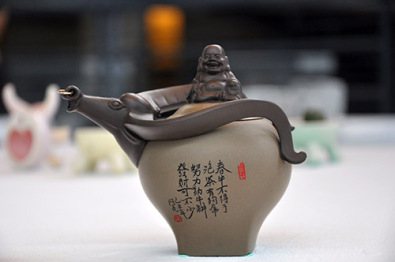
( wandering-taiwan.com )
- Pottery in Taichung
- 臺中市文化中瓷器的角色
- Taichung has a vibrant & growing community honoring ceramics & pottery. The city has many independent pottery studios & workshops where local artists create ceramics & offer hands-on experiences for visitors & residents. Taichung’s creative districts & cultural spaces include 審計新村 (Shenji New Village) which host artisanal shops, markets & creative workshops where pottery & ceramics are part of the local craft ecosystem.
- The Taichung Ceramic Arts Association organizes exhibitions like “Dwell in Ceramics”, highlighting both creative & functional ceramics by local makers. Art centers and galleries around Taichung periodically include ceramics in broader art shows at places like Taichung City Seaport Art Center, creative spaces in Shenji New Village, & other galleries. Here are other pottery-focused studios: (i.) Zaomu Ceramics Studio is a creative studio in Taichung’s Central District offering hands-on pottery shaping workshops; (ii.) “赤窯” (Redd Pottery) is a pottery studio that combines ceramics creation, workshops & product display in a relaxed space; (iii.) Kate Nicholson Ceramics is a potter-run studio in Taichung featuring small batch pieces & workshop events; (iv.) Huashan Kiln pottery experience offers hands-on opportunities to learn about various firing methods (electric, gas, wood), not just basic shaping; and (v.) Ishimibo hand-making course
- secretlocale.com – “Taichung Traditional Craft Workshops: A Guide” @ Secret Locale . com
- twosevenths.com – “Hands-on Pottery DIY: Review of Taichung Hand-Throwing & Clay-Sculpting Studios” @ Two-sevenths . com
- EASY SEARCH FOR MORE LINKS ! . . . . .
- scholar.google.com – Pottery arts in the culture of Taichung – 臺中市文化中瓷器的角色 @ Google Scholar
- youtube.com – Pottery arts in the culture of Taichung – 臺中市文化中瓷器的角色 @ YouTube . com
- images.google.com – Pottery arts in the culture of Taichung – 臺中市文化中瓷器的角色 @ Google Images
- Ceramics in Taichung
- 臺中市文化中瓷器的角色
- _____ – Ceramic arts in the culture of Taichung – 臺中市文化中瓷器的角色
- EASY SEARCH FOR MORE LINKS ! . . . . .
- scholar.google.com – Ceramic arts in the culture of Taichung – 臺中市文化中瓷器的角色 @ Google Scholar
- youtube.com – Ceramic arts in the culture of Taichung – 臺中市文化中瓷器的角色 @ YouTube . com
- images.google.com – Ceramic arts in the culture of Taichung – 臺中市文化中瓷器的角色 @ Google Images
- Porcelain in Taichung
- 臺中市文化中瓷器的角色
- _____ – Porcelain arts in the culture of Taichung – 臺中市文化中瓷器的角色
- EASY SEARCH FOR MORE LINKS ! . . . . .
- scholar.google.com – Porcelain arts in the culture of Taichung – 臺中市文化中瓷器的角色 @ Google Scholar
- youtube.com – Porcelain arts in the culture of Taichung – 臺中市文化中瓷器的角色 @ YouTube . com
- images.google.com – Porcelain arts in the culture of Taichung – 臺中市文化中瓷器的角色 @ Google Images
SHOPPING – 購 屋
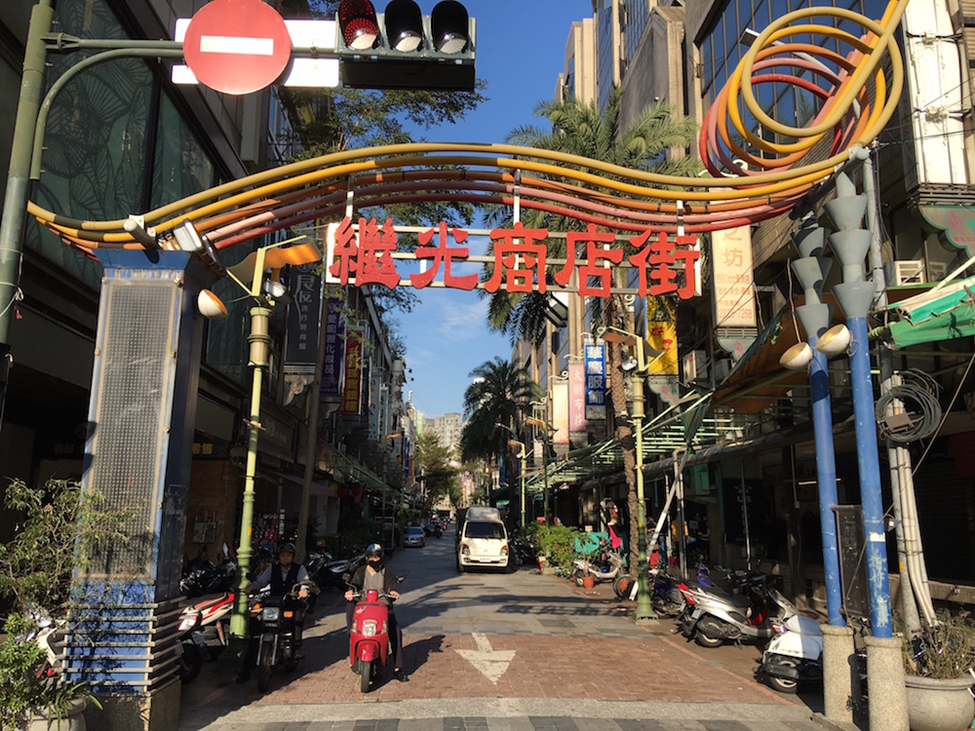
Near Taichung Railway Station
( TaiwaneseSecrets.com )
- Shopping in Taichung
- 臺中市文化中購屋的角色
- Taichung is a great destination for shopping with opportunities ranging from bustling night markets & trendy streets to big malls & traditional markets. Night markets come alive after sunset & combine shopping with snacking & people-watching. Creative districts like “Shenji New Village” (“Audit Village”) offer art shops & locally-made goods.
- Yizhong Street ( 一中商圈 ) is a lively pedestrian shopping area popular with students & young locals. It is packed with fashion boutiques, accessories, cafés & budget-friendly shops offering trendy clothes &casual gifts. At night, the adjacent Yizhong Street Night Market adds street food, souvenirs & pop-up stalls to the mix.
- wikipedia.org – Yizhong Street ( 一中商圈 ) @ Wikipedia . org
- Fengjia Shopping District & Night Market Often considered the largest night market in Taiwan, this area around Fengjia University has a huge clustering of stores selling streetwear, beauty products, electronics, accessories, and tons of food stalls. It’s very popular with visitors and locals alike — both for shopping and food.
- Zhongxiao Road & Calligraphy Greenway For a slightly more polished boutique and lifestyle shopping experience, this area mixes bookstores, Taiwanese and international fashion brands, handcrafted goods, and artistic spaces along a tree-lined walkway.
- Jiguang Street Shopping Area Near Taichung Railway Station, this long pedestrianized zone is a classic shopping street where you can stroll, shop souvenirs, local specialty stores and even electronics shops (including board and computer parts).
- Taichung also has modern shopping malls with international brands, restaurants, and entertainment: Mitsui Shopping Park LaLaport Taichung – large complex with ~200+ outlets, fashion brands, games and food choices. Sunshine Plaza Outlet – outlet mall with ~150 shops offering discounted and imported brands. Traditional department stores and malls like Shin Kong Mitsukoshi and Chungyo Department Store offer international labels, lifestyle goods, and restaurants. Civic Shopping District (7th Redevelopment Zone) – many big malls like Top City, Mitsukoshi, and Tiger City can be found here (with a mix of luxury and mid-range shops).
- Taichung City Second Market is a century-old public market where you can browse food stalls along with local products and experience a generous slice of authentic Taichung life.
- Local Specialty Streets are located near the train station & in neighborhoods like Fengyuan Old Street or Xinshe District. Shoppers will find artisan crafts, local snacks & traditional Taiwanese products like pineapple cakes, bamboo crafts, ceramics & tea
- nickkembel.com – Feng Chia Night Market @ Nick Kembel’s Spiritual Travels (Great site !!!)
- cathaypacific.com – Where to shop in Taichung @ Cathay Pacific Airlines website
- taiwanese-secrets.com – Taichung Shopping Guide @ Taiwanese Secrets . com
- chinatours.com – Shopping in Taiwan @ China Tours . com
- travelregrets.com – Taichung Shopping @ Travel Regrets . com
- tcscre.org – The “D-ONE First World’ next to Wuri Taichung High-Speed Rail Station @ Taiwan Council of Shopping Centers & Commercial Real Estate website
- taichung.travel – Taichung’s Shopping Districts @ Taichung City Government Tourism and Travel Bureau
- fbs168.com – “Taichung’s three major department stores are sparking a new wave of ‘department store residence’ craze” @ Forbes Real Estate King website
- shuabakery.com – The ultimate Taichung shopping guide @ Meitu Journey blog
- secom.com.tw – “Beautiful architecture gathers at Greater Taichung Mall! From Mitsui OUTLET to Taichung 101, Kokusan Building Materials Industrial is creating a new shopping and leisure landmark!” @ Infinite + Life e-zine
- review.com.tw – “Taichung Travel Guide: Best Things to Do, See, Eat & Explore” @ Taiwan Recommendation King – website
- travel80.com – “Taichung Shopping Guide: Unique Souvenirs and Trendy Finds” @ Travel80 . com ( … where wanderlust meets storytelling … )
- hotels.com – “Best Places to Go Shopping in Taichung” @ Hotels . com
- wikipedia.org – Taichung City Second Market – 臺中市公有第二零售市場 @ Wikipedia . org
- wikipedia.org – Sunshine Plaza Outlet – 日曜天地OUTLET @ Wikipedia . org
- wikipedia.org – Fengjia Night Market – 逢甲夜市 @ Wikipedia . org
- The Taroko New Era Shopping Center
- The Taroko New Era Shopping Center (often called “Da Lu Ge Xin Shi Dai”) is a major 11-story shopping and entertainment complex located directly across from the Taichung Railway Station at No. 186, Section 4, Fuxing Road, East District, Taichung City. [1, 2, 3, 4, 5]
- cathaypacific.com – Where to shop in Taichung @ Cathay Pacific . com
- wanderlog.com – The 23 best shopping streets and areas in Taichung @ Wanderlog . com
- kinnso.ai – Your Ultimate Taichung Shopping Guide for 2025! Discover Trendy Markets, Budget-Friendly Malls, and Chic Department Stores @ Kinnso . ai
- taiwanfun.com – Taichung Dalong Creative Night Market @ Taiwan Fun . com
- skyticket.com – If you want to buy clothes near Taichung Station, this is the place! Three recommended shopping spots near Taichung Station! @ Sky Ticket . com
- taiwanese-secrets.com – Taichung Shopping Guide – the lowdown on where to go shopping in TC, whether you’re looking for dresses, books, a tent, or ginger @ Taiwanese Secrets . com
- lemon8-app.com – Shenji New Village – a “must go” arts village in Taichung @ Lemon8 . com
- nz.kayak.com – Taichung City Destination Guide @ Kayak . com (New Zealand)
- jarofbuttons.com – : New Taichung food & art places – part one: elephant @ Jar of Buttons . com
- jarofbuttons.com – New Taichung food & art places – part two: z gallery @ Jar of Buttons . com
- jarofbuttons.com – New Taichung food & art places – part three: vintage shopping @ Jar of Buttons . com
- youtube.com – Exploring the Oldest Market in Taichung – Second Market @ Youtube . com (Local Market Walking Tour TW channel)
- taichung.travel – 100-year-old Taichung Second Market @ Taichung . travel website
- somewherelands.com – Exploring Taichung’s Old-World Charm In 8 Stops @ Somewhere Lands . com
- thinkchina.sg – Life and life lessons in the old markets of Taiwan @ Think China . sg (“ThinkChina” is an English language e-magazine with a China focus & powered by Singapore Press Holdings’ flagship Chinese daily “Lianhe Zaobao”.)
- Morning markets are one of the best ways to understand everyday life in Taichung. They are not simply places for tourists to buy souvenirs; they are working neighborhood institutions where people buy vegetables, meat, seafood, fruit, prepared foods, breakfast, household goods, and sometimes just stop to chat.
- Taichung has a particularly rich network of traditional markets, and the city itself describes its traditional early markets as places of long-standing food traditions, local relationships, and everyday human interaction.
- What is a Taichung morning market?
- The traditional 早市 (zǎoshì) literally means “morning market.” The busiest period is generally early morning through late morning, although individual markets vary.
- The experience is quite different from a night market:
- fresh vegetables and fruit
- pork, chicken, duck and other meats
- fish and seafood
- tofu and soy products
- eggs
- rice, noodles and dried goods
- traditional pastries and steamed foods
- breakfast dishes
- household necessities
- clothing and inexpensive everyday merchandise
- flowers and seasonal agricultural products
- And importantly, prepared food is part of the market itself. You can go shopping for dinner ingredients and eat breakfast at the same time.
- For someone studying contemporary Taiwanese life, I would actually put morning markets above night markets as a window into ordinary family life.
- 建國公有零售市場 — Jianguo Public Retail Market
- Jianguo Public Retail Market
- 4.1•Market•ClosedWebsite
- •Directions
- •04 2224 1440
- This is the big one.
- Taichung’s government describes Jianguo as one of the city’s most representative traditional markets. It opens extremely early—officially 5:00 AM–noon, closed Mondays—and handles both wholesale and retail trade.
- It is especially interesting because it is not merely a little neighborhood market. It is a major food-supply center.
- You will see:
- vegetables → meat → seafood → fruit → dry goods → prepared foods → restaurant buyers → ordinary households
- The city government specifically notes that restaurant operators come to Jianguo to obtain supplies and that the market becomes active before daylight.
- 第二市場 — Taichung Second Market
- Taichung Second Market
- 4.0
 •Traditional market•ClosedWebsite
 - •Directions
- •04 2225 4222
- This is probably the most famous historic morning market in central Taichung.
- It was established in 1917 during Japanese rule, making it more than a century old. Its unusual radial design centers around the famous hexagonal building, producing the characteristic “six streets” pattern.
- The Second Market is particularly fascinating because it has evolved from a traditional food market into a food-and-cultural destination while retaining its traditional market functions.
- You can still find:
- vegetables
- meat
- fish
- household goods
- traditional foods
- breakfast
- noodle dishes
- rice dishes
- old-fashioned Taiwanese snacks
- The Taichung Tourism Bureau specifically highlights its traditional food culture and several longstanding food vendors.
- 南屯市場 — Nantun Market
- Nantun Market
- 4.1•Traditional market•ClosedWebsite
- •Directions
- This one may actually be more interesting for understanding ordinary neighborhood life than the Second Market.
- Nantun Market sits in the historic Nantun Old Street area. The city government calls it one of Taichung’s representative traditional morning markets and notes its connection with the area’s older settlement history.
- Nantun is particularly valuable because the market, old street, temples and neighborhood businesses form a connected historical landscape.
- The market itself has dozens of permanent and temporary stalls and serves as a daily source of food for local residents
- 第三市場 — Third Market
- Taichung Third Market
- 3.5•Traditional market•ClosedWebsite
- •Directions
- •04 2225 4230
- The Third Market is in South District, on Taichung Road, and is especially convenient if you’re around Taichung Station.
- It dates back to 1922, making it another century-old market. The present location was established during the Japanese period, and the market has grown considerably over the decades.
- One particularly interesting feature is its relationship to the surrounding city:
- Third Market + Taichung Station + Cultural Heritage Park + neighborhood streets
- So it isn’t isolated from the city—it is part of the urban fabric.
- 水湳市場 — Shuinan Market
- Shuinan Market
- 4.2•Traditional market•ClosedDirections
- •0932 629 055
- This is a very good choice if you want to see a large neighborhood market in contemporary Taichung rather than concentrating only on historic markets.
- It operates roughly 5:30 AM–1:30 PM and is known for fresh food as well as breakfast and snack stalls.
- It has a distinctly local atmosphere, with people doing their regular household shopping rather than simply sightseeing.
- That distinction is important.
- Siangshang Market
- Xiangshang Market
- 4.3•Traditional marketWebsite
- •Directions
- This is one I’d flag for you.
- Siangshang Market in West District is regarded more as a locals’ market than a major tourist attraction. The best experience is early in the morning, when fresh-food shopping and breakfast activity overlap.
- That makes it particularly useful for your “Contemporary Life in Taichung” material.
- You aren’t just seeing what Taiwan sells.
- You’re seeing how Taiwanese people start their day.
- I think “Morning Markets of Taichung” deserves to be a fairly substantial subject on your site, rather than simply a list of markets.
- You could divide it into:
- 1. Traditional Morning Markets
- What they are and how they work
- 2. Historic Markets
- Second Market, Third Market, Nantun, etc.
- 3. Neighborhood Markets
- Shuinan, Siangshang and others
- 4. Wholesale/Food-Supply Markets
- Especially Jianguo
- 5. Market Food
- Breakfast, snacks, prepared foods
- 6. Market Culture
- Relationships, bargaining, regular customers
- Traditional Markets & Temples
- How markets historically developed around religious and neighborhood centers
- 8. Morning Markets & Contemporary Taiwanese Life
- That last subject could be particularly good. A visitor can learn a great deal about Taiwanese family life, food culture, aging, small business, agriculture, transportation, and neighborhood relationships simply by spending two hours in a morning market.
- And given that you’re working on Taichung now, I’d put Jianguo, Second Market, Nantun, Third Market, Shuinan, and Siangshang on your initial Taichung market map.
- If you’re going to be in Taichung this fall, this is also one of those subjects where actually walking through the markets will give you material that you simply cannot get from websites.
- EASY SEARCH FOR MORE LINKS ! . . . . .
- scholar.google.com – Shopping in the culture of Taichung – 臺中市文化中購屋的角色 @ Google Scholar
- youtube.com – Shopping in the culture of Taichung – 臺中市文化中購屋的角色 @ YouTube . com
- images.google.com – Shopping in the culture of Taichung – 臺中市文化中購屋的角色 @ Google Images
TEA – 茶

( my-kafkaesque-life.com )
- Tea in Taichung
- 臺中市文化中茶的角色
- Tea drinking is deeply woven into the local life in Taichung & tea experiences range from casual street-drink stands to elegant tea lounges with gardens or cultural events. The city is well known for its tea houses which range from classic Chinese-style establishments to modern hybrid cafés. Tea houses serve everything from classic oolong brewed in the traditional way to creative fruit & specialty tea drinks. Some teahouses also offer light meals, snacks & cultural activities like seminars & tea ceremony demonstrations. In the Taichung urban environment tea is a cultural staple not merely a traditional & popular beverage. There are “bubble tea” (“珍珠奶茶”) shops on nearly every block. Taichung is often credited as the birthplace of modern bubble tea. Traditional & herbal teas are sold in markets & at gathering places such as temples. Innovative spaces like tea concept stores blend art, design & tea tasting experiences.
- Taiwan is famous for its oolong teas & Taichung’s tea society is closely connected with Taiwan’s broader tea tradition especially for high mountain oolong teas. Taichung contributes through nearby high-altitude production areas: High Mountain Tea (高山茶) is grown in the nearby mountains (like Lishan / 梨山) around Taichung at elevations of 1,000–2,500 m. These High Mountain Teas are prized for their floral aroma, smooth sweetness & durable infusion. Growing areas include the Lishan & Baxian Mountain regions where the cool, clean environment helps produce elegant tea flavors. The teas from these regions are regarded as typical oolong teas known for being partially oxidized with rich fragrance & balanced flavors.
- Other Tea Varieties: (i) Tie Guanyin (鐵觀音) – a beloved oolong style with rich flavors, often served in teahouses; and (ii) Fruit Teas & Specialty Infusions especially in urban tea houses, blending local fruits with tea bases.
- my-kafkaesque-life.com – Wu Wei Tsao Tang Teahouse @ My Kafkaesque Life . com
- https://en.wikipedia.org
- https://taiwanfun.com
- https://www.agriculture.taichung.gov.tw
- kimstaiwan.com – Tea in the culture of Taichung @ Kims Taiwan . com
- taichungmilktea.com – Tea in the culture of Taichung @ Taichung Milk Tea . com
- https://zh.wikipedia.org
- EASY SEARCH FOR MORE LINKS ! . . . . .
- scholar.google.com – Tea in the culture of Taichung – 臺中市文化中茶的角色 @ Google Scholar
- youtube.com – Tea in the culture of Taichung – 臺中市文化中茶的角色 @ YouTube . com
- images.google.com – Tea in the culture of Taichung – 臺中市文化中茶的角色 @ Google Images
TEMPLES – 寺 廟

( 根島神威天台山寺 )
Kaohsiung
( taiwangods.com )
- Temples in Taichung
- 臺中市文化中寺廟的角色
- Taichung is a city rich in traditional Taiwanese folk religion, Taoism & Buddhism. Temples in Taichung are important community & cultural centers They are lively gathering spots where locals pray, celebrate festivals & observe traditional customs. Many are beautiful & historic. The temples in Taichung typically feature architectural highlights including ornate roofs with mythical creatures, colorful carvings, incense-filled halls & annual festivals. For the casual visitor to Taichung the temples are great places to learn about Taiwanese spiritual life. Most local temples are Taoist or established in the folk religions with deities like “Mazu” (sea goddess), “Guandi” (martial protector), “Baosheng Dadi” (god of health) & matchmaking gods like “Yue Lao”. There are also Buddhist Temples which offer a quieter spiritual atmosphere focused on meditation & Buddhist rituals.
- wanderlog.com – Taichung Chenghuang Temple @ Wanderlog . com
- taiwanfun.com – The Beauty of Taichung’s Ancient Shrines & Temples @ Taiwan Fun website
- taiwanfun.com – A Tour of Taichung Temples @ Taiwan Fun website
- Dajia Jenn Lann Temple – 大甲鎮瀾宮 – is one of Taiwan’s most famous temples. It is dedicated to the sea goddess “Mazu”. The temple was founded in the 18th century & is the starting point of the annual Dajia Mazu Pilgrimage. The Pilgrimage is one of Taiwan’s biggest religious events & a major cultural highlight.
- wikipedia.org – Dajia Jenn Lann Temple – 大甲鎮瀾宮 @ Wikipedia . org
- rtaiwanr.com – “Jenn Lann Temple in Dajia District is one of the most famous Mazu temples in Taiwan” @ Round Taiwan Round website
- Taichung Lecheng Temple -樂成宮 – Hanxi Mazu Temple – is historic “Mazu” temple in Taichung’s East District. Locals often visit to pray for various blessings. The temple is also known for its matchmaking traditions centered around the deity “Yue Lao” (“Old Man under the Moon”)
- rtaiwanr.com – Lecheng Palace – 樂成宮 @ Round Taiwan Round website
- Wanhe Temple was constructed in the early Qing Dynasty & is one of the oldest Mazu temples in Taichung. It is revered for its traditional architecture and deep local roots.
- wanhegong.org.tw – Taichung Wanhe Temple website
- Nantian Temple – 台中南天宮 – is dedicated to the martial deity “Guandi” (Lord Guan) who is associated with righteousness & protection. The temple is distinctive in its ornate style & variety of deities.
- rtaiwanr.com – Nantian Temple @ Round Taiwan Round website
- Yuanbao Temple – Baosheng Dadi Temple Dedicated to Baosheng Dadi, a Taoist god of medicine and health, it has long served local communities seeking health and wellbeing.
- 寶覺禪寺 – Baojue Zen Temple is a Buddhist temple in the North District, known for its serene environment and traditional Buddhist art.
- International Bodhisattva Sangha – Buddhist Temple / Organization is a large Buddhist center in Dali District offering regular teachings and meditation activities.
- 台中市觀善寺 – Guanshan Temple is a smaller Buddhist temple with a peaceful atmosphere in the city.
- Taichung Confucius Temple – 臺中孔廟 – is not a religious temple in the Taoist/Buddhist sense but the temple is an important cultural site dedicated to Confucius and Confucian learning.
- goteamjosh.com – Taichung Confucius Temple (臺中孔廟) & Josh Ellis Photography (Terrific site!!)
- Song Zhu Temple – Traditional temple in Beitun District.
- Wanchun Temple – Local religious site in Central District.
- Baiyang Holy Temple – Religious institution in Wufeng District.
- 臺中林氏宗廟 & Zhang Family Temple are ancestral & clan shrines reflecting traditional Taiwanese lineage worship.
- wikipedia.org – Zhang Liao Family Temple – 張廖家廟 @ Wkkipedia . org
- mapcarta.com – 台中玉皇殿 is a ruins in Lencheng Village in the East District of Taichung
- taocharm.com – Taichung Yu Huang Temple – 台中玉皇殿 @ Tao Charm com
- https://en.wikipedia.org
- https://taiwan17go.com
- EASY SEARCH FOR MORE LINKS ! . . . . .
- scholar.google.com – Temples in the culture of Taichung – 臺中市文化中寺廟的角色 @ Google Scholar
- youtube.com – Temples in the culture of Taichung – 臺中市文化中寺廟的角色 @ YouTube . com
- images.google.com – Temples in the culture of Taichung – 臺中市文化中寺廟的角色 @ Google Images
- Monasteries in Taichung
- 臺中市文化中修道院的角色
- _____ – Monasteries in the culture of Taichung – 臺中市文化中修道院的角色
- EASY SEARCH FOR MORE LINKS ! . . . . .
- scholar.google.com – Monasteries in the culture of Taichung – 臺中市文化中修道院的角色 @ Google Scholar
- youtube.com – Monasteries in the culture of Taichung – 臺中市文化中修道院的角色 @ YouTube . com
- images.google.com – Monasteries in the culture of Taichung – 臺中市文化中修道院的角色 @ Google Images
- Shrines in Taichung
- 臺中市文化中聖地的角色
- During Japan’s rule (1895–1945) several Shinto shrines were built in Taichung. The sites no longer exist as shrines but they remain important in local history. The actual physical structures of Shinto shrines in Taichung are no longer standing. What remains tends to be foundations, stone lanterns, torii remnants, or museum displays related to the old sites. Besides shrines, there are many major temples in Taichung dedicated to “Mazu”, “Guan Yu”, “City God” & others which show the living religious traditions that dominate today. They are not Shinto shrines, but are important spiritual sites for the local residents.
- wikimedia.org – Category: Taichung Shrines @ Wikimedia . org
- taiwanfun.com – The Beauty of Taichung’s Ancient Shrines & Temples @ Taiwan Fun website
- spectralcodex.com – Shinto Shrines in Taiwan @ Spectral Codex . com
- Taichung Martyrs’ Shrine (臺中市忠烈祠) is one of the best-known shrine-style sites still around today. The location of the original shrine is now a memorial site which honors the heroes of the Republic of China. It was originally constructed during the Japanese colonial period as a Shinto shrine. After 1945 the original Shinto shrine was converted into a Martyrs’ Shrine for Taiwanese & ROC military heroes. The site today features traditional Chinese architectural elements & a serene garden space. This is the main surviving location with direct ties to Shinto shrines in Taichung.
- spectralcodex.com – Taichung Shinto Shrine – 台中神社/たいちゅうじんじゃ @ Spectral Codex . com
- spectralcodex.com – Taichung Inari Shinto Shrine @ Spectral Codex . com
- wikipedia.org – 臺中神社 @ Wikipedia . org
- wikipedia.org – Taichung Martyrs’ Shrine – 臺中市忠烈祠 @ Wikipedia . org
- zhijianshang.com – Taichung Martyrs Shrine – 台中忠烈祠 (360 degrees interactive image) @ Zhijianshang , com
- spectralcodex.com – Taichung First Junior High School Shinto Shrine @ Spectral Codex . com
- Taichung Shrine (臺中神社) was once the main Shinto shrine for Taichung. It was established in the early 20th century and later upgraded & rebuilt during World War Two. After the Japanese period the shrine was removed & only traces of its stone pillars & relics remain scattered around the city or in Taichung Park.
- yjes.tc.edu.tw – Taichung Shrine @ Yu jen Catholic Elementary School website
- visitsights.com – Taichung Shrine on a self-guided Sightseeing Tour in Taichung @ Visit sights . com
- Zhang Liao Family Shrine (張廖家廟) is a historic ancestral shrine in Xitun District built in the early 1900’s & is now a protected city monument.
- The Fengyuan City God Temple (城隍廟) is not a shrine but the Shinto-style “mikoshi” portable shrine from the temple is used in annual parades presenting an example of the unique fusion of Taiwanese with Japanese ritual heritage.
- spectralcodex.com – Fengyuan Shinto Shrine @ Spectral Codex . com
- taipeitimes.com – Taichung’s Fengyuan City God temple applies for “local shinto god” procession to be given cultural heritage status (“台灣神坐日本轎” 申請列中市文資) @ Taipei Times website
- geocaching.com – The remains of Taiwan Grand Shrine @ Geocaching . com
- EASY SEARCH FOR MORE LINKS ! . . . . .
- scholar.google.com – Shrines in the culture of Taichung – 臺中市文化中聖地的角色 @ Google Scholar
- youtube.com – Shrines in the culture of Taichung – 臺中市文化中聖地的角色 @ YouTube . com
- images.google.com – Shrines in the culture of Taichung – 臺中市文化中聖地的角色 @ Google Images
- Pagodas in Taichung
- 臺中市文化中寶塔的角色
- _____ – Pagodas in the culture of Taichung – 臺中市文化中寶塔的角色
- EASY SEARCH FOR MORE LINKS ! . . . . .
- scholar.google.com – Pagodas in the culture of Taichung – 臺中市文化中寶塔的角色 @ Google Scholar
- youtube.com – Pagodas in the culture of Taichung – 臺中市文化中寶塔的角色 @ YouTube . com
- images.google.com – Pagodas in the culture of Taichung – 臺中市文化中寶塔的角色 @ Google Images
WINE & SPIRITS – 酒

- Wine culture in Taichung
- 臺中市文化中酒文化的角色
- taiwaneverything.cc – Premium Taichung Wineries @ Taiwan Everything blog
- _____ – Wine in the culture of Taichung – 臺中市文化中酒文化的角色
- EASY SEARCH FOR MORE LINKS ! . . . . .
- scholar.google.com – Wine in the culture of Taichung – 臺中市文化中酒文化的角色 @ Google Scholar
- youtube.com – Wine in the culture of Taichung – 臺中市文化中酒文化的角色 @ YouTube . com
- images.google.com – Wine in the culture of Taichung – 臺中市文化中酒文化的角色 @ Google Images
- Traditional Liquor in Taichung
- 臺中市文化中傳統酒的角色
- _____ – Traditional liquor in the culture of Taichung – 臺中市文化中傳統酒的角色
- EASY SEARCH FOR MORE LINKS ! . . . . .
- scholar.google.com – Traditional liquor in the culture of Taichung – 臺中市文化中傳統酒的角色 @ Google Scholar
- youtube.com – Traditional liquor in the culture of Taichung – 臺中市文化中傳統酒的角色 @ YouTube . com
- images.google.com – Traditional liquor in the culture of Taichung – 臺中市文化中傳統酒的角色 @ Google Images
* * * * *
Click for the CloudBridge Home Page
to Language & Peoples of Taichung
Click for links to Business for Taichung
Click for links to Travel for Taichung
to Nature & Environment of Taichung
For links to Culture for Taichung . . . . .
. . . . . scroll up through this page
Click to return to the Home Page
* * * * *
NOTE : This site contains links to our ”favorite” and “most useful” websites . . . but the CloudBridge Project does not endorse or guarantee any of the products or services available through the links on the pages of this website.
本站包含了我們的 “最愛” 以及 “最有用” 的網站連結,但雲橋語文計劃並不保證其連結的有效性或對其背書.
Welcome to send us an email with your thoughts or comments:
欢迎用电子邮件的方式分享您的意见和建议:
Email: CloudBridgeTaiwan@gmail . com
LATEST PAGE UPDATE: August 29 , 2026
最後一次更新時間為: 2026 / 08 / 29
Copyright ©2021 CloudBridge Project. All rights reserved.
版權所有 ©2021 雲橋語文計劃. 保留所有權利.
 CloudBridgeTaiwan