

Also shown are: Green Island (Lu Dao) & Orchid Island (Lan Yu).
(cia.gov)

( nouahsark.com )

( wikipedia . org )
* * * * *
THE PAIWAN PEOPLE – 排灣族
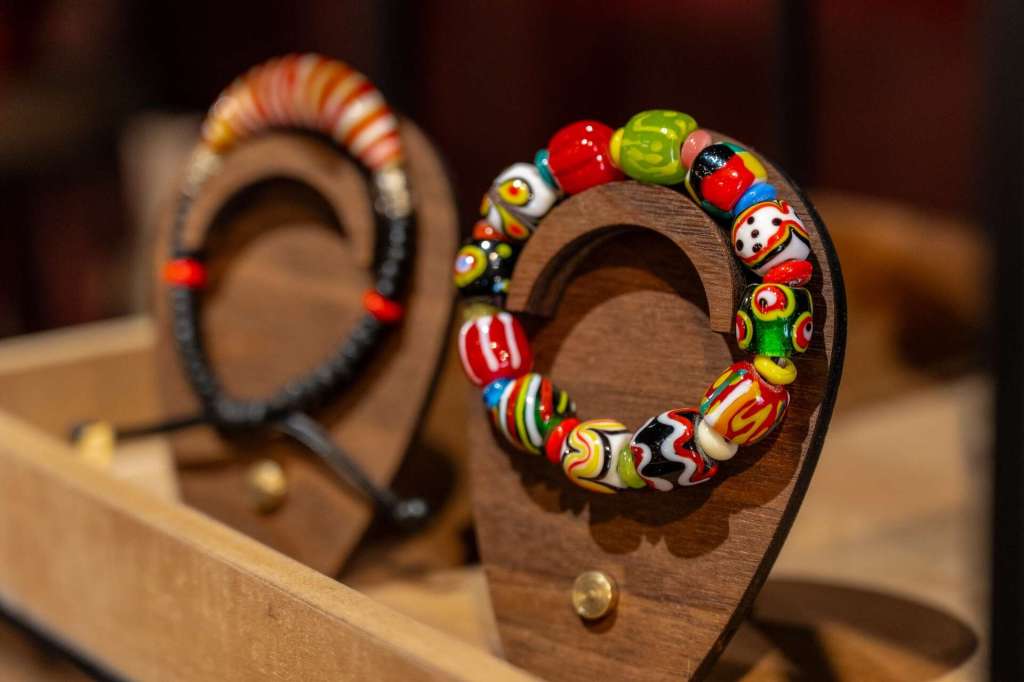
by Paiwan people, which means ‘accomplishment’. They are made of glass by fire and are regarded as a symbol of nobility. Each glass bead has a different story & represents a special meaning
( maolin-nsa.gov.tw )
- The Paiwan Indigenous People of Taiwan – 排灣族
- The Paiwan are one of Taiwan’s officially recognized Indigenous Peoples and are traditionally found in southern Taiwan, especially in Pingtung County (including the Hengchun Peninsula), as well as parts of southern Kaohsiung and Taitung County. Given your interest in Pingtung County, the Paiwan are especially important there—they are one of the region’s most prominent Indigenous communities.
Population: ~100,000 (making them one of Taiwan’s largest Indigenous groups)
Language family: Austronesian
Traditional environment: Mountain foothills and low mountain regions
Language
The Paiwan language belongs to the Formosan branch of the Austronesian language family. It includes several dialects that vary by region. While Mandarin Chinese is widely spoken today, Paiwan language revitalization efforts are active, especially through schools, cultural centers, and ceremonies.
Social Structure and Class System
One of the Paiwan’s most distinctive features is their hereditary class system, which historically included:
Aristocracy (chiefs and nobles)
Warriors
Commoners
Leadership was traditionally inherited, and noble families played central roles in rituals, diplomacy, and land stewardship. This stratified system is unique among Taiwan’s Indigenous peoples and still influences cultural identity today.
Beliefs and Spiritual Worldview
Traditional Paiwan spirituality centers on ancestor veneration and the belief that spirits inhabit the natural world.
Key features include:
Strong respect for ancestral spirits
Ritual specialists who communicate with the spirit world
Ceremonies marking life stages such as birth, coming of age, marriage, and death
While many Paiwan today practice Christianity, traditional beliefs remain deeply embedded in rituals, symbols, and festivals.
The Hundred-Pacer Snake (Agkistrodon acutus)
The hundred-pacer snake is the most powerful symbol in Paiwan culture.
Considered a sacred ancestor and protector
Associated with noble lineage and legitimacy
Commonly depicted in wood carvings, textiles, house posts, and ceremonial objects
Seeing snake motifs is often a sign that a structure or artifact is linked to traditional leadership.
Art, Architecture, and Craftsmanship
Paiwan material culture is especially renowned:
Wood and Stone Carving
Elaborate carvings on house pillars, doors, and slate panels
Designs include snakes, human figures, suns, and geometric patterns
Traditional Houses
Built from slate, stone, and wood
Semi-subterranean to regulate temperature
Houses often reflected the social status of the family
Textiles and Beadwork
Intricate embroidery using symbolic patterns
Glass beads are treasured heirlooms, often passed down generations
Clothing
Traditional Paiwan clothing uses dark base colors with embroidery in red, yellow, and white.
Clothing patterns often indicated social rank
Headdresses, bead necklaces, and ceremonial garments are worn during festivals and rituals
Livelihood and Economy
Traditionally, the Paiwan practiced:
Slash-and-burn agriculture
Cultivation of millet, taro, and sweet potatoes
Hunting and gathering (with strict ritual rules)
Today, many Paiwan communities engage in:
Agriculture
Cultural tourism
Arts and crafts
Education and public service
Festivals and Ceremonies
Paiwan festivals are deeply spiritual and community-focused. Important rituals include:
Millet harvest ceremonies
Ancestral remembrance rites
Community feasts led by hereditary leaders
Festivals vary by village and lineage, reflecting the decentralized nature of Paiwan society.
Paiwan Today
Modern Paiwan communities balance tradition with contemporary life:
Strong cultural revitalization movements
Language preservation programs
Museums and cultural parks in Pingtung and Taitung
Increasing global recognition of Paiwan art and design
- https://en.wikipedia.org/wiki/Paiwan_people?utm_source=chatgpt.com
- cip.gov.tw – The Paiwan People @ Council of Indigenous Peoples website
- https://taiwantoday.tw/AMP/culture/taiwan-review/25464/when-the-gods-return-to-the-village?utm_source=chatgpt.com
- https://thetaiwanmuseum.com/paiwan/?utm_source=chatgpt.com
- https://navajotimes.com/entertainment/2011/1111/112011paiwan.php?utm_source=chatgpt.com
- https://www.taiwanplus.com/shows/lifestyle/come-away-with-me/221222001/come-away-with-me-ep11-paiwan-culture-in-pingtung?utm_source=chatgpt.com
- https://www.youtube.com/watch?v=XZAo5dCQmCA
- https://journal.ndhu.edu.tw/taiwan-indigenous-people-and-animals/?utm_source=chatgpt.com
- https://www.maolin-nsa.gov.tw/en/district/1008/
- https://www.culturalsurvival.org/publications/cultural-survival-quarterly/resurrection?utm_source=chatgpt.com
- https://knowlegde.gov.taipei/News_Content.aspx?n=55BE1C83A051D6B4&s=52C81B1585AE5E79&sms=9424A464D3C37244&utm_source=chatgpt.com
- https://ab.hl.gov.tw/en-us/Explore/Ethnic_GroupIntro?utm_source=chatgpt.com
- taiwantoday.tw
- https://islandfolklore.com/paiwan-origin-myths/?utm_source=chatgpt.com
- https://iwgia.org/en/taiwan/5373-iw-2024-taiwan.html?utm_source=chatgpt.com
- https://en.wikipedia.org/wiki/Taiwanese_indigenous_peoples?utm_source=chatgpt.com
- https://joshuaproject.net/people_groups/print/14262/TW?utm_source=chatgpt.com
- https://en.wikipedia.org/wiki/Paiwan_language?utm_source=chatgpt.com
- https://www.paiwan.com.tw/formosa/index1.htm?utm_source=chatgpt.com
- https://www.justaiwantour.com/indigenous-taiwan/?utm_source=chatgpt.com
- https://tcmb.culture.tw/zh-tw/detail?id=488118&indexCode=Culture_People&utm_source=chatgpt.com
- https://www.youtube.com/watch?v=LijU_RIeTN8
- https://en.tacp.gov.tw/Indigenous/ItemDetail?ID=eadc0c5d-dd0c-4031-a1a2-af085c9b71b4&utm_source=chatgpt.com
- https://taiwaneverything.cc/2020/10/12/indigenous-tribes/
- https://joshuaproject.net/people_groups/14262/CH?utm_source=chatgpt.com
- http://article.sapub.org/10.5923.j.arts.20130302.02.html
- EASY SEARCH FOR MORE LINKS ! . . . . .
- scholar.google.com – The Paiwan People – 排灣族 @ Google Scholar
- youtube.com – The Paiwan People – 排灣族 @ You Tube . com
- images.google.com – The Paiwan People – 排灣族 @ Google Images
THE PAIWAN LANGUAGE – 排灣語
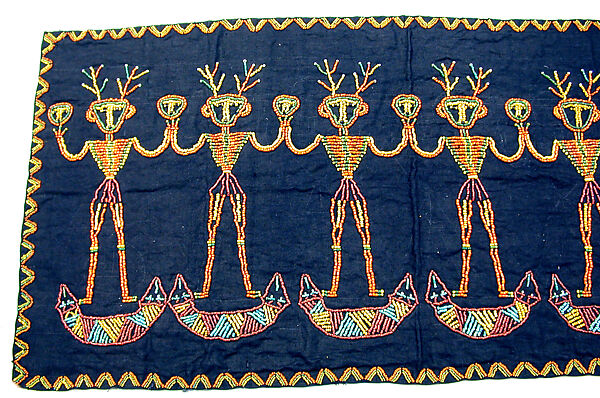
Metropolitan Museum of Art, New York ( metmuseum.org )
- The Language of the Paiwan People of Taiwan – 排灣族的語言
- The Paiwan language (Pinayuanan) is an Austronesian language spoken by the Paiwan people, the second-largest indigenous group in southern Taiwan. It is a Formosan language with several regional dialects and is considered endangered as younger generations increasingly adopt Mandarin.
- Speakers: Roughly 96,334 Paiwan people were reported in 2014, with varying degrees of fluency among them.
- Location: Primarily spoken in the southern tip of Taiwan, including the Central Mountain Range and the Hengchun Peninsula.
- Language Status: It is recognized as one of the national languages of Taiwan, but is listed as endangered because it is not always passed down to younger generations.
- Characteristics: It is a verb-initial language that uses extensive prefixes, suffixes, and reduplication. The language is considered to have high phonetic flexibility compared to Mandarin.
- Dialects: There are several dialects categorized into four main regional types: East, West, Central, and South.
- The language has received increased attention through indigenous pop music and media, such as the work of Singer-songwriter Abao, who produces music in her native Paiwan language.
- EASY SEARCH FOR MORE LINKS ! . . . . .
- scholar.google.com – The Language of the Paiwan People of Taiwan – 排灣族的語言 @ Google Scholar
- youtube.com – The Language of the Paiwan People of Taiwan – 排灣族的語言 @ You Tube . com
- images.google.com – The Language of the Paiwan People of Taiwan – 排灣族的語言 @ Google Images
* * * * *
NOTE : This site contains links to our ”favorite” and “most useful” websites . . . but the CloudBridge Project does not endorse or guarantee any of the products or services available through the links on the pages of this website.
本站包含了我們的 “最愛” 以及 “最有用” 的網站連結,但雲橋語文計劃並不保證其連結的有效性或對其背書.
Welcome to send us an email with your thoughts or comments:
欢迎用电子邮件的方式分享您的意见和建议:
Email: CloudBridgeTaiwan @ gmail . com
LATEST PAGE UPDATE: April 09 , 2026
最後一次更新時間為: 2026 / 04 / 09
Copyright ©2021 CloudBridge Project. All rights reserved.
版權所有 ©2021 雲橋語文計劃. 保留所有權利.
 CloudBridgeTaiwan