台灣 / 苗栗縣 – 文 化
* * * * *


* * * * *
Links to individual topics for MIAOLI – CULTURE
are displayed on this page in the following categories :

ART – 美術 … BELIEFS – 信仰 … BLOGS – 部落格 … CINEMA – 電 影 … CULTURE – 文化 … DINING – 餐館及餐飲 … ”FAVORITES” (LOCAL SPECIALTIES…) – 最愛 … FENG SHUI – 風水 … FESTIVALS – 節慶 … HISTORY – 歷史 … JADE MARKETS – 玉石市場 … MARTIAL ARTS – 武術 … MUSEUMS – 博物館 … NIGHT MARKETS – 夜市 … PERFORMING ARTS – 表演 … POTTERY – 瓷器 … SHOPPING – 購屋 … TEA – 茶 … TEMPLES – 寺廟 … WINE & SPIRITS – 酒
* * * * *
Click here for the CloudBridge Project Home Page for Miaoli
Click here for links to Language & Peoples of Miaoli
Click here for links to Business for Miaoli
Click here for links to Travel for Miaoli
Click here for links to Nature and Environment of Miaoli
For links to Culture for Miaoli . . . . .
. . . . . please continue to scroll down through this page
* * * * *
MIAOLI – 台灣 / 苗栗縣
CULTURE – 文化
* * * * *
ART – 美 術

- ART – 美 術
- youtube.com – Art scene in the culture of Miaoli
- tripadvisor.com – Northern Miaoli Art Center @ Trip Advisor . com
- https://miaolitravel.net – Art scene in the culture of Miaoli
- https://www.miaobeiac.org – Art scene in the culture of Miaoli
- https://eng.taiwan.net.tw – Art scene in the culture of Miaoli
- https://taiwaneverything.cc – Things to do in Miaoli @ Taiwan Everything website
- https://www.youtube.com – Art scene in the culture of Miaoli
- https://romantichakka.com – Indigo dyeing experience @ Hakka Affairs Council website
- https://eng.taiwan.net.tw – Art scene in the culture of Miaoli
- trimt-nsa.gov.tw – A stroll through Nanzhuang @ Tri Mountain National Scenic Area website
- https://miaolitravel.net – Art scene in the culture of Miaoli
- https://www.designboom.com – Art scene in the culture of Miaoli
- https://www.getmetotaiwan.com – Things to do in Miaoli @ Get me to Taiwan – website
- https://lifeoftaiwan.com – Art scene in the culture of Miaoli
- https://museums.moc.gov.tw – Art scene in the culture of Miaoli
- https://en.wikipedia.org – Art scene in the culture of Miaoli
- https://cityseeker.com – Art scene in the culture of Miaoli
- https://www.tfam.museum – Art scene in the culture of Miaoli
- EASY SEARCH FOR MORE LINKS ! . . . . .
- scholar.google.com – Art scene in the culture of Miaoli @ Google Scholar
- youtube.com – Art scene in the culture of Miaoli @ YouTube . com
- images.google.com – Art scene in the culture of Miaoli @ Google Images
- ART VILLAGES – 藝 術 村
- _____ – Art Villages in the culture of Miaoli
- trimt-nsa.gov.tw – A stroll through Nanzhuang @ Tri Mountain National Scenic Area website
- EASY SEARCH FOR MORE LINKS ! . . . . .
- scholar.google.com – Art Villages in the culture of Miaoli @ Google Scholar
- youtube.com – Art Villages in the culture of Miaoli @ YouTube . com
- images.google.com – Art Villages in the culture of Miaoli @ Google Images
- ART STREETS – 藝 術 街
- _____ – Art Streets in the culture of Miaoli
- EASY SEARCH FOR MORE LINKS ! . . . . .
- scholar.google.com – Art Streets in the culture of Miaoli @ Google Scholar
- youtube.com – Art Streets in the culture of Miaoli@ YouTube . com
- images.google.com – Art Streets in the culture of Miaoli @ Google Images
- FOLK ARTS – 民 間 藝 術
- _____ – Folk Arts in the culture of Miaoli
- EASY SEARCH FOR MORE LINKS ! . . . . .
- scholar.google.com – Folk Arts in the culture of Miaoli @ Google Scholar
- youtube.com – Folk Arts in the culture of Miaoli @ YouTube . com
- images.google.com – Folk Arts in the culture of Miaoli @ Google Images
BELIEFS – 信 仰

- BELIEFS – 信 仰
- taiwangods.com – Beliefs in the culture of Miaoli – backgrounder
- EASY SEARCH FOR MORE LINKS ! . . . . .
- scholar.google.com – Beliefs in the culture of Miaoli @ Google Scholar
- youtube.com – Beliefs in the culture of Miaoli @ YouTube . com
- images.google.com – Beliefs in the culture of Miaoli @ Google Images
- MYTHS – 神 话
- https://mag.clab.org.tw – Myths in the culture of Miaoli
- amcham.com.tw – Backgrounder on Miaoli @ American Chamber of Commerce website
- taipeitimes.com – Backgrounder on Miaoli @ Taipei Times website
- https://islandfolklore.com – Myths in the culture of Miaoli
- https://eng.taiwan.net.tw – Myths in the culture of Miaoli
- https://www.taiwan-photo-base.com – Myths in the culture of Miaoli
- https://www.youtube.com – Myths in the culture of Miaoli
- https://www.tripadvisor.com – Myths in the culture of Miaoli
- https://romantichakka.com – Myths in the culture of Miaoli
- https://www.taiwan-panorama.com – Myths in the culture of Miaoli
- https://www.cip.gov.tw – Myths in the culture of Miaoli
- polishgirlintaiwan.com – Trip to Miaoli @ Polish Girl in Taiwan blog
- http://cls.lib.ntu.edu.tw – Myths in the culture of Miaoli
- https://www.trimt-nsa.gov.tw – Myths in the culture of Miaoli
- https://eng.taiwan.net.tw – Myths in the culture of Miaoli
- https://mag.clab.org.tw/ – Myths in the culture of Miaoli
- https://taiwaneverything.cc – Myths in the culture of Miaoli
- https://islandfolklore.com/page/2/ – Myths in the culture of Miaoli
- https://www.taiwan-panorama.com – Myths in the culture of Miaoli
- EASY SEARCH FOR MORE LINKS ! . . . . .
- scholar.google.com – Myths in the culture of Miaoli @ Google Scholar
- youtube.com – Myths in the culture of Miaoli @ YouTube . com
- images.google.com – Myths in the culture of Miaoli @ Google Images
- LEGENDS – 传 说
- _____ – Legends in the culture of Miaoli
- https://en.wikipedia.org
- EASY SEARCH FOR MORE LINKS ! . . . . .
- scholar.google.com – Legends in the culture of Miaoli @ Google Scholar
- youtube.com – Legends in the culture of Miaoli @ YouTube . com
- images.google.com – Legends in the culture of Miaoli @ Google Images
- FOLKLORE – 民 間 传 说
- https://www.taiwandc.org/folk.htm – Folklore in the culture of Miaoli
- https://www.trimt-nsa.gov.tw – Folklore in the culture of Miaoli
- https://en.wikipedia.org – Folklore in the culture of Miaoli
- https://www.taipeitimes.com – Miaoli International Mask Festival @ Taipei Times website
- EASY SEARCH FOR MORE LINKS ! . . . . .
- scholar.google.com – Folklore in the culture of Miaoli @ Google Scholar
- youtube.com – Folklore in the culture of Miaoli @ YouTube . com
- images.google.com – Folklore in the culture of Miaoli @ Google Images
- RELIGION – 宗 教
- taiwangods.com – Religion in the culture of Miaoli
- EASY SEARCH FOR MORE LINKS ! . . . . .
- scholar.google.com – Religion in the culture of Miaoli @ Google Scholar
- youtube.com – Religion in the culture of Miaoli @ YouTube . com
- images.google.com – Religion in the culture of Miaoli @ Google Images
BLOGS – 部 落 格

- _____ – Blogs in the culture of Miaoli
- polishgirlintaiwan.com – Trip to Miaoli @ Polish Girl in Taiwan blog
- EASY SEARCH FOR MORE LINKS ! . . . . .
- scholar.google.com – Blogs in the culture of Miaoli @ Google Scholar
- youtube.com – Blogs in the culture of Miaoli @ YouTube . com
- images.google.com – Blogs in the culture of Miaoli @ Google Images
CINEMA – 電 影


(wikipedia.org)

(chaari.com)
- Cinema in Miaoli – 苗栗縣文化中電影的角色
- _____ – Cinema arts in the culture of Miaoli – 苗栗縣文化中電影的角色
- EASY SEARCH FOR MORE LINKS ! . . . . .
- scholar.google.com – Cinema arts in the culture of Miaoli @ Google Scholar
- youtube.com – Cinema arts in the culture of Miaoli @ YouTube . com
- images.google.com – Cinema arts in the culture of Miaoli @ Google Images
- Film in Miaoli – 苗栗縣文化中電影的角色
- _____ – Film arts in the culture of Miaoli – 苗栗縣文化中電影的角色
- EASY SEARCH FOR MORE LINKS ! . . . . .
- scholar.google.com – Film arts in the culture of Miaoli @ Google Scholar
- youtube.com – Film arts in the culture of Miaoli @ YouTube . com
- images.google.com – Film arts in the culture of Miaoli @ Google Images
- Movies in Miaoli – 苗栗縣文化中電影的角色
- _____ – Motion picture arts in the culture of Miaoli – 苗栗縣文化中電影的角色
- EASY SEARCH FOR MORE LINKS ! . . . . .
- scholar.google.com – Motion picture arts in the culture of Miaoli @ Google Scholar
- youtube.com – Motion picture arts in the culture of Miaoli @ YouTube . com
- images.google.com – Motion picture arts in the culture of Miaoli @ Google Images
CULTURE – 文 化
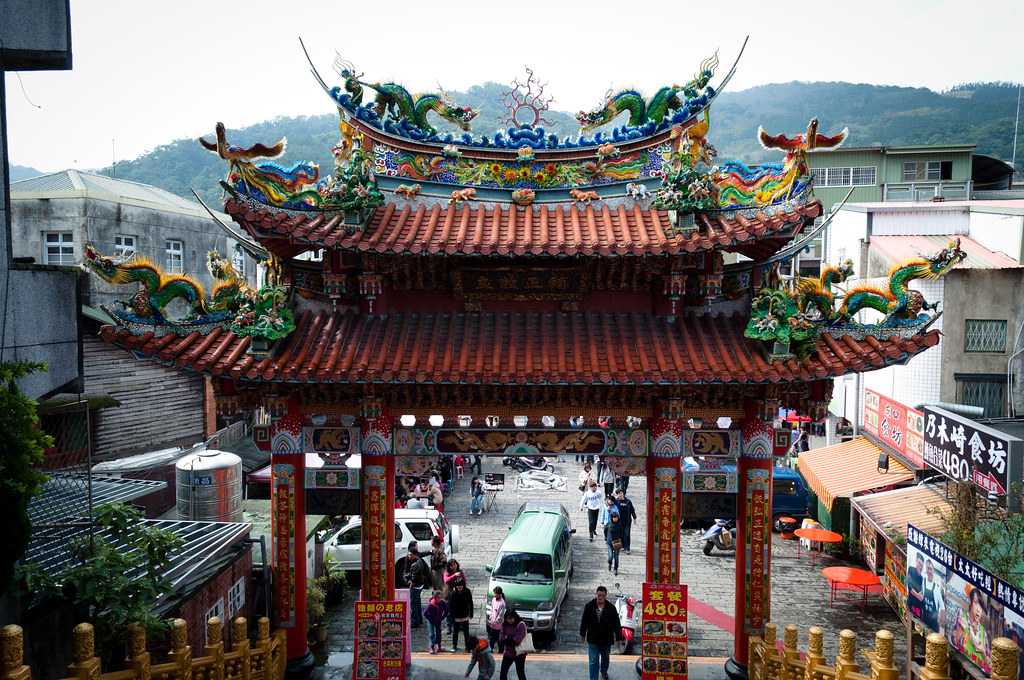
- WORLD HERITAGE SITES – 世 界 遺 產 區
- aiwan.net.tw – World heritage in the culture of Miaoli – backgrounder
- moc.gov.tw – World heritage in the culture of Miaoli – backgrounder
- miaoli.gov.tw – World heritage in the culture of Miaoli – backgrounder
- transmorgified.com – Nanzhuang Xiang in Miaoli @ Transmorgified . com
- unesco.org – World heritage in the culture of Miaoli – backgrounder
- mlc.gov.tw – World heritage in the culture of Miaoli – backgrounder
- biomedcentral.com – World heritage in the culture of Miaoli – backgrounder
- taipeitimes.com – World heritage in the culture of Miaoli – backgrounder
- theculturetrip.com – World heritage in the culture of Miaoli – backgrounder
- bradttaiwan.com – Miaoli Hakka Roundhouse @ Bradt Travel Guide for Taiwan
- iias.asia – World heritage in the culture of Miaoli – backgrounder
- taiwangods.com – World heritage in the culture of Miaoli – backgrounder
- ausheritage.org.au – World heritage in the culture of Miaoli – backgrounder
- taiwannews.com.tw – World heritage in the culture of Miaoli – backgrounder
- taiwaneverything.cc – World heritage in the culture of Miaoli – backgrounder
- miaolitravel.net – World heritage in the culture of Miaoli – backgrounder
- straitstimes.com – World heritage in the culture of Miaoli – backgrounder
- eco-business.com – World heritage in the culture of Miaoli
- EASY SEARCH FOR MORE LINKS ! . . . . .
- scholar.google.com – World heritage in the culture of Miaoli @ Google Scholar
- youtube.com – World heritage in the culture of Miaoli @ YouTube . com
- images.google.com – World heritage in the culture of Miaoli @ Google Images
- CULTURE – 文 化
- https://www.taiwangods.com – Culture of Miaoli @ Taiwan Gods . com
- _____ – Culture of Miaoli
- EASY SEARCH FOR MORE LINKS ! . . . . .
- scholar.google.com – Culture of Miaoli @ Google Scholar
- youtube.com – Culture of Miaoli @ YouTube . com
- images.google.com – Culture of Miaoli @ Google Images
- TRADITIONS – 传 统
- _____ – Traditions in the culture of Miaoli
- EASY SEARCH FOR MORE LINKS ! . . . . .
- scholar.google.com – Traditions in the culture of Miaoli @ Google Scholar
- youtube.com – Traditions in the culture of Miaoli @ YouTube . com
- images.google.com – Traditions in the culture of Miaoli @ Google Images
- FOLK CUSTOMS – 民間風俗
- _____ – Folk customs in the culture of Miaoli
- EASY SEARCH FOR MORE LINKS ! . . . . .
- scholar.google.com – Folk customs in the culture of Miaoli @ Google Scholar
- youtube.com – Folk customs in the culture of Miaoli @ YouTube . com
- images.google.com – Folk customs in the culture of Miaoli @ Google Images
- “Old Streets” in Miaoli –苗栗縣文化中老街的角色
- “Old Streets” in Miaoli County primarily refers to a few well-preserved historic streets/alleys that showcase Taiwan’s Hakka culture, local architecture, food, and traditions. The best known is Nanzhuang Old Street (南庄老街), also called Osmanthus Alley (桂花巷), plus a few others like Wenshui Old Street. Here’s a breakdown of what they are, what makes them special, and what to expect if you visit.
Nanzhuang Old Street (Osmanthus Alley)
Location & General Info
It’s in Nanzhuang Township, Miaoli County. Taiwan Everything+2Travel King+2
Often referred to by its nickname “Osmanthus Lane” because one of its alleys (桂花巷, Guihua Alley) is themed around osmanthus (sweet osmanthus flower). Travel King+2Trippois+2
The old street runs along Zhongzheng Road and includes side alleys. Taiwan Everything+2Travel King+2
Historical/Cultural Background
The area was once quite prosperous due to lumber, coal mining, and camphor businesses, especially during the Japanese colonial period. Get Me To Taiwan+2rtaiwanr.com+2
In 1935 there was a major earthquake (the Shinchiku-Taichu earthquake) which damaged many buildings. Some were rebuilt, and the present architecture reflects Japanese‐era styles among other influences. Get Me To Taiwan+2Taiwan Everything+2
What to See & Do
Guihua Alley (Osmanthus Alley): a narrow brick-paved alley lined with shops selling snacks, souvenirs, local Hakka foods, and osmanthus-flavored items. Get Me To Taiwan+3Travel King+3trimt-nsa.gov.tw+3
Nanzhuang Old Post Office: Originally built in 1900, rebuilt in 1935 after quake damage. It’s a historical building now used as an exhibition space. Taiwan Everything+2Travel King+2
Nanzhuang Theater: Founded in 1946; it has been transformed into a restaurant with nostalgic vibes and old movie posters. Taiwan Everything+2rtaiwanr.com+2
Laundry Ditch (“Shiesankung” 洗衫坑 / cloth-washing ditch): A water channel with stone slabs, historically used for washing clothes and vegetables. It remains as a cultural heritage reminder. Travel King+2rtaiwanr.com+2
Atmosphere & What to Expect
Narrow alleys, red-brick façades, wooden Japanese-style buildings. polishgirlintaiwan.blogspot.com+2Travel King+2
Local Hakka culture is very present: food, architecture, handicrafts. Taiwan Everything+2islandside chronicles+2
You can find small food stalls, cafes, places that feel quite “nostalgic.” It’s not a polished, modern shopping street; part of its charm is the rustic, slower pace. rtaiwanr.com+1
Wenshui Old Street
Also in Miaoli (Shitan Township), along Provincial Highway 6. Wanderlog
Has historic shop signs, old buildings, Hakka food, and is close enough to Dahu (famous for strawberries) that many shops sell strawberry products and related snacks. Wanderlog
Other Related Old Street Spots
Qing’an Tofu Street (in Tai’an Township) was formerly known as “Xishuikeng Old Street.” It’s smaller, more food/cuisine focused, especially known for handmade tofu and Hakka/Atayal culture intersections. nz.trip.com
Practical Tips for Visiting
Try to go on weekdays or earlier in the day if you want a quieter visit; during holidays and weekends, especially at Nanzhuang, it gets crowded. Get Me To Taiwan+1
Wear comfortable walking shoes—some paths/alleys / stone or brick paving can be uneven.
Taste the local foods!! Items like osmanthus wine or sweets, Hakka rice noodles or dumplings, etc. rtaiwanr.com+1
It’s helpful to have some knowledge of local transport or drive, because depending on where you stay, bus service may be limited in mountainous/hilly areas. Taiwan Everything+1
- Nanzhuang Old Street (南庄老街), also known as Osmanthus Alley (桂花巷), exudes nostalgic charm, blending traditional Hakka culture with beautifully preserved Japanese-era architecture and red-brick facades. Visiting Nanzhuang Old Street is like stepping into a beautifully preserved slice of Taiwan’s Hakka heritage. The fusion of local food, history, architecture, and natural beauty makes it an idyllic spot for a slow, immersive day trip—or even a relaxing weekend escape.
- The street is famed for its osmanthus-infused treats—think osmanthus wine, syrup, shaved ice, tangyuan (glutinous rice balls), osmanthus egg rolls, and even ice cream.
Additionally, you can sample authentic Hakka dishes like lei-cha (pounded tea), ban tiao (wide rice noodles), braised dried tofu, shell-ginger-wrapped rice dumplings, pig-cage buns, cold rice cakes, and more.
- Key Landmarks & Cultural Touchpoints :
- Laundry Ditch: A historic stone-washed canal at the street’s entrance where locals once did laundry—a window into bygone times.
- Yongchang Temple: A three-story temple dating back to 1905, serving as a local religious hub.
- Nanzhuang Old Post Office: A Japanese-era structure (originally circa 1900, rebuilt 1935) now functioning as a cultural hall or exhibition space.
- Nanzhuang Theater: Former vintage cinema from 1946, now styled as a nostalgic-themed eatery with old film posters.
- Nearby Attractions & Ecotourism: Explore the scenic neighborhood of walking paths, suspension bridges, and ecology trails within Tri-Mountain National Scenic Area—perfect for appreciating nature, seasonal tung blossoms, or catching fireflies in early summer.
- Additionally, Lion’s Head Mountain (獅頭山) nearby offers hiking trails with peaceful natural views.
- SHITAN OLD STREET (獅潭新店老街 ). Other old streets like Shisanjian Old Street and Nanjiang Old Street, as well as the Kangji Suspension Bridge, provide alternative historic and cultural strolls which are only a short walk or ride from Nanzhuang Old Street.
- taiwaneverything.cc– “The Gentle Loveliness of Miaoli’s Shitan & Nanzhuang Townships” @ Taiwan Everything blog
- polishgirlintaiwan.com – Shitan Old Street @ Polish Girl in Taiwan blog
- https://polishgirlintaiwan.blogspot.com/2019/03/a-walk-through-taian-nanzhuang-and.html?utm_source=chatgpt.com
- https://www.rtaiwanr.com/zh-TW/miaoli/miaoli/nanzhuang-old-street?utm_source=chatgpt.com
- https://nz.trip.com/moments/destination-miaoli-3199/
- https://wanderlog.com/place/details/5123086/wenshui-old-street?utm_source=chatgpt.com
- https://ibeauty.com.tw/central-taiwan/miaoli-travel-guide/?utm_source=chatgpt.com
- https://www.trimt-nsa.gov.tw/en/tour/2336/?utm_source=chatgpt.com
- https://andykho.com/taiwan-taoyuan-miaoli-taichung/?utm_source=chatgpt.com
- https://www.trimt-nsa.gov.tw/en/slow-city/?utm_source=chatgpt.com
- https://qa.trip.com/moments/destination-miaoli-3199/
- https://en.trippois.com/poi-1874?utm_source=chatgpt.com
- https://en.trippois.com/food-5880
- https://islandsidechronicles.wordpress.com/2013/05/10/nanzhuang-%E5%8D%97%E5%BA%84-miaoli-county/?utm_source=chatgpt.com
- https://trackstick.com/miaoli-taiwan/?utm_source=chatgpt.com
- https://taiwaneverything.cc/2025/02/14/miaoli-nanzhuang-shitan/?utm_source=chatgpt.com
- https://whywendywrites.com/miaoli/?utm_source=chatgpt.com
- https://medtours.net/things-to-do-in-Taipei/miaoli-one-day-tour?utm_source=chatgpt.com
- https://tarokotour.com/things-to-do-in-miaoli-exploring-the-hidden-gem-of-taiwan/?utm_source=chatgpt.com
- https://sg.trip.com/moments/detail/miaoli-3199-124108077/?utm_source=chatgpt.com
- https://www.taiwanobsessed.com/miaoli-taiwan-guide/?utm_source=chatgpt.com
- romantichakka.com – Wandering through Hakka-Infused Old Streets in Nanzhuang Township @ Taiwan Hakka Affairs Council website
- https://www.travelking.com.tw/eng/tourguide/taiwanoldstreets/nanzhuang-old-street.html?utm_source=chatgpt.com
- https://www.getmetotaiwan.com/culture/nanzhuang-old-street/?utm_source=chatgpt.com
- https://taiwaneverything.cc/2019/10/31/miaoli-county-nanzhuang-sanyi-tongluo-dahu-shitan-zhuolan/?utm_source=chatgpt.com
- EASY SEARCH FOR MORE LINKS ! . . . . .
- scholar.google.com – “Old Streets” in the culture of Miaoli @ Google Scholar
- youtube.com – “Old Streets” in the culture of Miaoli @ YouTube . com
- images.google.com – “Old Streets” in the culture of Miaoli @ Google Images
DINING – 餐 館 及 餐 飲

- DINING – 餐 館 及 餐 飲
- _____ – Dining in the culture of Miaoli
- EASY SEARCH FOR MORE LINKS ! . . . . .
- scholar.google.com – Dining in the culture of Miaoli @ Google Scholar
- youtube.com – Dining in the culture of Miaoli @ YouTube . com
- images.google.com – Dining in the culture of Miaoli @ Google Images
- COOKING – 烹 飪
- _____ – Cooking in the culture of Miaoli
- EASY SEARCH FOR MORE LINKS ! . . . . .
- scholar.google.com – Cooking in the culture of Miaoli @ Google Scholar
- youtube.com – Cooking in the culture of Miaoli @ YouTube . com
- images.google.com – Cooking in the culture of Miaoli @ Google Images
- CUISINE – 美 食
- _____ – Cuisine in the culture of Miaoli
- EASY SEARCH FOR MORE LINKS ! . . . . .
- scholar.google.com – Cuisine in the culture of Miaoli @ Google Scholar
- youtube.com – Cuisine in the culture of Miaoli @ YouTube . com
- images.google.com – Cuisine in the culture of Miaoli @ Google Images
- FOODS – 食 品
- _____ – Foods in the culture of Miaoli
- EASY SEARCH FOR MORE LINKS ! . . . . .
- scholar.google.com – Foods in the culture of Miaoli @ Google Scholar
- youtube.com – Foods in the culture of Miaoli @ YouTube . com
- images.google.com – Foods in the culture of Miaoli @ Google Images
- RECIPES – 菜 譜
- _____ – Recipes in the culture of Miaoli
- EASY SEARCH FOR MORE LINKS ! . . . . .
- scholar.google.com – Recipes in the culture of Miaoli @ Google Scholar
- youtube.com – Recipes in the culture of Miaoli @ YouTube . com
- images.google.com – Recipes in the culture of Miaoli @ Google Images
- RESTAURANTS – 餐 飲
- foodendine.com – Lake House Cafe @ Mingde Lake – Miaoli @ Food en Dine. com
- _____ – Restaurants in the culture of Miaoli
- EASY SEARCH FOR MORE LINKS ! . . . . .
- scholar.google.com – Restaurants in the culture of Miaoli @ Google Scholar
- youtube.com – Restaurants in the culture of Miaoli @ YouTube . com
- images.google.com – Restaurants in the culture of Miaoli @ Google Images
”FAVORITES” (LOCAL SPECIALTIES…) – 最 愛

- ”FAVORITES” (LOCAL SPECIALTIES) – 最愛
- _____ – Local specialties in the culture of Miaoli
- EASY SEARCH FOR MORE LINKS ! . . . . .
- scholar.google.com – Local specialties in the culture of Miaoli @ Google Scholar
- youtube.com – Local specialties in the culture of Miaoli @ YouTube . com
- images.google.com – Local specialties in the culture of Miaoli @ Google Images
- COFFEE – 咖 啡
- https://www.gother.com – Coffee in the culture of Miaoli
- https://www.goteamjosh.com – Coffee in the culture of Miaoli
- https://www.getmetotaiwan.com – Coffee in the culture of Miaoli
- https://www.oklaocoffee.com – Coffee in the culture of Miaoli
- https://www.priceline.com – Coffee in the culture of Miaoli
- https://www.trivago.co.za – Coffee in the culture of Miaoli
- https://english.ftvnews.com.tw – Coffee in the culture of Miaoli
- https://www.klook.com – Coffee in the culture of Miaoli
- https://layla.ai/itinerary – Coffee in the culture of Miaoli
- https://taiwaneverything.cc – Coffee in the culture of Miaoli
- https://www.taiwanplus.com – Coffee in the culture of Miaoli
- https://www.getmetotaiwan.com – Coffee in the culture of Miaoli
- https://tw.openrice.com – Coffee in the culture of Miaoli
- https://www.trimt-nsa.gov.tw – Coffee in the culture of Miaoli
- https://www.lemon8-app.com – Coffee in the culture of Miaoli
- https://www.klook.com – Coffee in the culture of Miaoli
- https://us.trip.com/travel-guide – Coffee in the culture of Miaoli
- https://www.tripadvisor.com – Coffee in the culture of Miaoli
- https://laorencha.blogspot.com – Coffee in the culture of Miaoli
- https://wanderlog.com – Coffee in the culture of Miaoli
- https://www.rtaiwanr.com – Coffee in the culture of Miaoli
- https://www.kkday.com – Coffee in the culture of Miaoli
- https://www.rtaiwanr.com – Coffee in the culture of Miaoli
- https://www.agoda.com – Coffee in the culture of Miaoli
- https://miaolitravel.net – Coffee in the culture of Miaoli
- https://www.trip.com – Coffee in the culture of Miaoli
- https://www.agoda.com – Coffee in the culture of Miaoli
- https://taiwantoday.tw – Coffee in the culture of Miaoli
- EASY SEARCH FOR MORE LINKS ! . . . . .
- scholar.google.com – Coffee in the culture of Miaoli @ Google Scholar
- youtube.com – Coffee in the culture of Miaoli @ YouTube . com
- images.google.com – Coffee in the culture of Miaoli @ Google Images
- Beverages in Miaoli – 苗栗縣化縣文化中饮料的角色
- Miaoli County shines in the world of beverage craftsmanship—from its floral, world-class “Oriental Beauty” tea to niche local specialties like grass jelly drinks and osmanthus wine. Miaoli also contributes to Taiwan’s iconic beer culture. These beverages offer a rich taste of Miaoli’s local flavor & tradition.
- The north-west region (Taoyuan, Hsinchu, Miaoli) is regarded as the center of Oriental Beauty tea production in Taiwan. Miaoli and Hsinchu combined produce about 630 tons of tea annually, primarily of the “Oriental Beauty” variety. Oriental Beauty tea is known for its elegant reddish-amber hue & distinctive honey-fruity aroma.
- Oriental Beauty Tea (東方美人茶), also known as “bug-bitten or honey-scented oolong”, is one of Taiwan’s most celebrated teas. It is produced primarily in Miaoli, Hsinchu, and Taoyuan. It is grown from the “Qingxin damou” cultivar and develops a distinctive sweet, honey-like aroma due to insect nibbling.
- Grass Jelly (仙草) from Shitan. In Shitan Township, you’ll find local specialty drinks made from “Mesona chinensis”, known as “g”rass jelly”. This cooling beverage can be served hot and viscous—or chilled and made into curdled jelly over ice—perfect for a refreshing treat Wikipedia.
- Osmanthus Wine in Nanzhuang. Nanzhuang Old Street, also called “Osmanthus Alley,” is renowned for its fragrant osmanthus wine—a bright local specialty often enjoyed by visitors exploring this historic area Wikipedia.
- Taiwan Beer – Zhunan Brewery. Miaoli County is home to one of the Taiwan Beer production facilities located in Zhunan. Taiwan Beer, particularly its amber lager made with ponlai rice, is beloved across the island for its smooth, subtly sweet, and umami-rich character Wikipedia.
- EASY SEARCH FOR MORE LINKS ! . . . . .
- scholar.google.com – Beverages in the culture of Miaoli @ Google Scholar
- youtube.com – Beverages in the culture of Miaoli @ YouTube . com
- images.google.com – Beverages in the culture of Miaoli @ Google Images
- Bubble Tea in Miaoli – 苗栗縣文化中珍珠奶茶的角色
- _____ – Bubble tea in the culture of Miaoli – 苗栗縣文化中珍珠奶茶的角色
- EASY SEARCH FOR MORE LINKS ! . . . . .
- scholar.google.com – Bubble tea in the culture of Miaoli @ Google Scholar
- youtube.com – Bubble tea in the culture of Miaoli @ YouTube . com
- images.google.com – Bubble tea in the culture of Miaoli @ Google Images
- Beer in Miaoli – 苗栗縣文化中啤酒的角色
- _____ – Beer in the culture of Miaoli – 苗栗縣文化中啤酒的角色
- EASY SEARCH FOR MORE LINKS ! . . . . .
- scholar.google.com – Beer in the culture of Miaoli – 苗栗縣文化中啤酒的角色 @ Google Scholar
- youtube.com – Beer in the culture of Miaoli – 苗栗縣文化中啤酒的角色 @ YouTube . com
- images.google.com – Beer in the culture of Miaoli – 苗栗縣文化中啤酒的角色 @ Google Images
FENG SHUI – 風 水

- Feng Shui in Miaoli – 苗栗縣文化中風水的角色
- Feng Shui in Miaoli is an organic part of life—rooted in its geography, architecture & spiritual traditions. From the orientation of homes and farms to the placement of everyday items & temple layouts, Miaoli exemplifies how this ancient practice can be integrated meaningfully into modern rural & cultural life.
- Miaoli is celebrated in Feng Shui practice for its harmonious geography: open fields paired with surrounding mountains create a “sand–water” (砂水) configuration, enabling strong qi (energy) to gather and stabilize in local towns. One visitor noted that the energy in Miaoli benefits the firstborn children of families living there. Every building & home is thoughtfully oriented—roof corners often avoid pointing directly at neighbors’ homes to reduce conflict and maintain balance.
- fengshuiaustralia.com – Visiting Miaoli @ Feng Shui Australia . com
- Feng Shui is not just a distant concept in Miaoli—it’s practiced locally:
- He Feng Farm in Dahu blends organic pear cultivation with agritourism, showing how rural properties integrate environmental balance into their layout Trippois.
Across the region, homeowners and Feng Shui masters like Zhang Ting-wei (張定瑋) advise on daily layouts—such as avoiding placing fish tanks incorrectly (which may lead to financial issues), or positioning appliances like fridges away from staircases to protect health Chang Ting Wei+1.
Spiritual & Cultural Harmony through Temple Orientation
Miaoli’s temples reflect long-standing Feng Shui thought: - Yuqing Temple (玉清宮), dedicated to Guan Yu, stands with its main entrance oriented south, aligning with auspicious traditional directions Wikipedia.
- Miaoli Wenchang Temple (文昌祠), originally an academy for scholars, faces southeast—again fitting classic Feng Shui patterns favoring scholarly and cultural energy Wikipedia.
- Other significant temples such as Xuanwang Temple, Shuntian Temple and Zhonggang Cihyu Temple also hold spiritual and communal importance throughout Miaoli Wikipedia+2Wikipedia+2.
- What is Feng Shui & Its Relevance in Taiwan
Feng Shui is a traditional Chinese practice involving the arrangement and orientation of spaces (buildings, homes, temples) to harmonize with the natural environment, especially via the flow of energy (“qi”), directions, landforms, water, etc.
In Taiwan, feng shui is still influential: people consult feng shui “masters” when selecting sites for new homes, refitting interiors, aligning temples, harvesting tombs, etc. It impacts dwelling-orientation, architecture, and even property value. gssinst.org+1
Miaoli County: Geographic & Cultural Context
Miaoli County (苗栗縣) is in north-western Taiwan. It has mountainous terrain, rolling hills, valleys, farmlands, and some coastal areas. The landforms are quite varied. This kind of terrain is precisely what feng shui practitioners consider important: hills, mountains, and water features affect the flow of qi.
The county has a strong Hakka population, and Hakka cultural traditions sometimes intersect with local geomantic beliefs and practices. Temples, shrines, academies all form part of the landscape, with symbolic orientation and placement.
Examples in Miaoli
Here are some examples from Miaoli that show how feng shui shapes built and sacred space:
Temples & Academies
Miaoli Wenchang Temple in Miaoli City is oriented to the southeast. It was originally an academy (Yingcai Academy) before becoming a temple. Its orientation and position reflect traditional feng shui ideas. Wikipedia
Yuqing Temple is dedicated to Guan Yu (Guansheng Dijun). Its main entrance faces south. The alignment of temple entrances, how courtyards are laid out, and how the temple interacts with the surrounding terrain are classic feng shui concerns. Wikipedia
Xuanwang Temple (formerly Yunti Academy) in Xihu Township shows another case of a temple/academy combining spiritual, educational, and architectural elements. The temple includes structures such as a “Jingshengting” (a tower for burning joss paper) and a Tudigong shrine, which in many Taiwanese temples are placed with orientation and placement considered for spiritual balance. Wikipedia
Infrastructure & Landmarks
Shengxing Station (in Sanyi Township) — some accounts note that its architecture (roof, eaves, surrounding mountains) has features that align with feng shui ideas. For example, some local belief that surrounding hills (“nine mountains”) resemble “tiger heads,” which may be seen as symbolic geomantic features. It’s said that design elements were included to “ ward off evil spirits” or in other words to adjust negative influences. Trippois
Hsin-lien Temple, Tudigong Shrines, various smaller village temples (福德祠 etc) are common in Miaoli; they are often placed in relation to village layout, water courses, hills, and the position of other structures, so that the local spiritual equilibrium is maintained. Mapcarta+2Mapcarta+2
Agricultural & Natural Features
There are farms (e.g. He Feng Farm) in Miaoli that emphasize harmony with landscape, organic methods, natural fertilizers etc. While not always explicitly labelled as feng shui practice, attention to natural environment, water flow, land slope, orientation of orchards can be part of a practical application of geomantic sensitivity. Trippois
Common Feng Shui Themes in Miaoli
From what is observable, these are recurring feng shui‐related themes in Miaoli:
Orientation: Buildings, especially temples and academies, often face in particular directions (south, southeast) believed to bring auspicious energy.
Placement relative to landforms: Hills or mountains behind structures for protection, water bodies or rivers in front / in view to gather positive energy. Natural terrain is considered carefully.
Temple architecture: Spatial layouts, entrances, gates, courtyards are arranged per traditional principles (e.g. balance, harmony, facing, avoiding harsh angles or alignment that points directly toward adjacent buildings).
Community ritual & symbolic features: Shrines, joss paper towers, gates, gates’ prostrations etc are built with symbolic meaning. Decisions about what to include (or not) often relate to local beliefs about energy and spiritual protection.
Impact on real estate / housing: As in other parts of Taiwan, feng shui can affect the desirability and value of land or houses. Sites perceived as well-aligned with feng shui may fetch better prices; conversely, poor feng shui (e.g. bad orientation, “poison arrows” from nearby structures, unfavorable terrain) may reduce value. (Although I did not find a specific study just for Miaoli, the broader Taiwanese pattern suggests this influence is real.) gssinst.org
Challenges / Modern Adaptation
Urbanization: As towns grow, ideal feng shui placements (ample space, unblocked sightlines to mountains or water) are harder to maintain.
Modern building restrictions, infrastructure, road layout sometimes conflict with ideal feng shui principles.
Environmental concerns (earthquakes, weather, sustainability) sometimes necessitate compromise or reinterpretation of traditional feng shui in architecture.
There may be tension between traditional/customary belief and scientific / legal / municipal requirements. - https://en.trippois.com/poi-1869?utm_source=chatgpt.com
- https://mapcarta.com/N9144758262
- https://touristplaces.guide/experience-the-beauty-of-miaoli-10-best-tourist-places/?utm_source=chatgpt.com
- https://www.taipeitimes.com/News/feat/archives/2001/04/03/80226?utm_source=chatgpt.com
- https://www.taipeitimes.com/News/biz/archives/2001/11/02/0000109821?utm_source=chatgpt.com
- https://www.taipeitimes.com/News/feat/archives/2008/03/02/2003403733?utm_source=chatgpt.com
- https://www.klook.com/en-US/activity/55108-shi-feng-stone-spa-miao-li/?utm_source=chatgpt.com
- https://www.klook.com/en-US/activity/55108-shi-feng-stone-spa-miao-li/?utm_source=chatgpt.com
- https://mapcarta.com/N4106909589
- https://trackstick.com/miaoli-taiwan/?utm_source=chatgpt.com
- https://sites.google.com/view/temples-and-festivals-project/%E9%A6%96%E9%A0%81?utm_source=chatgpt.com
- https://encyclopedia.uia.org/human-development/feng-shui-chinese?utm_source=chatgpt.com
- https://en.trippois.com/group-pois-Miaoli-Cultural?utm_source=chatgpt.com
- https://folklore.usc.edu/feng-shui-2/?utm_source=chatgpt.com
- https://www.hellomondo.com/taiwan/miaoli/?utm_source=chatgpt.com
- https://ideas.repec.org/a/ire/issued/v15n032012p325-346.html?utm_source=chatgpt.com
- https://trip101.com/article/things-to-do-in-miaoli?utm_source=chatgpt.com
- https://ideas.repec.org/a/ire/issued/v15n032012p325-346.html?utm_source=chatgpt.com
- https://www.intotaiwan.com/guides/auspicious-omens?utm_source=chatgpt.com
- https://factsanddetails.com/southeast-asia/Taiwan/sub5_1b/entry-3814.html?utm_source=chatgpt.com
- https://factsanddetails.com/china/cat15/sub99/entry-6505.html?utm_source=chatgpt.com
- https://www.missyqiqi.com/attractions-and-accommodations-in-miaoli-dahu/?utm_source=chatgpt.com
- https://www.taipeitimes.com/News/taiwan/archives/2007/01/27/2003346531?utm_source=chatgpt.com
- https://en.trippois.com/poi-1794?utm_source=chatgpt.com
- https://en.wikipedia.org/wiki/Xuanwang_Temple?utm_source=chatgpt.com
- https://en.wikipedia.org/wiki/Yuqing_Temple?utm_source=chatgpt.com
- https://en.wikipedia.org/wiki/Miaoli_Wenchang_Temple?utm_source=chatgpt.com
- https://www.gssinst.org/irer/wp-content/uploads/2020/10/v15n3-an-estimation-of-the-impact-of-feng-shui-on-housing-prices-in-taiwan.pdf?utm_source=chatgpt.com
- EASY SEARCH FOR MORE LINKS ! . . . . .
- scholar.google.com – Feng Shui in the culture of Miaoli – 苗栗縣文化中風水的角色 @ Google Scholar
- youtube.com – Feng Shui in the culture of Miaoli – 苗栗縣文化中風水的角色 @ YouTube . com
- images.google.com – Feng Shui in the culture of Miaoli – 苗栗縣文化中風水的角色 @ Google Images
FESTIVALS – 節 慶

- Festivals in Miaoli – 苗栗縣文化中節慶的角色
- Miaoli County bursts with cultural richness year-round—from fiery Hakka dragon rituals & sacred pilgrimages to fruit festivals, artistic celebrations & natural blooms.
- Dragon Bombing Festival – 火旁龍 – (Huo Pang Long / Bombing Dragon)
- A distinctive Hakka Lantern Festival tradition featuring dragon dance performances amid showering firecrackers. Rooted in folklore, it’s meant to ward off evil and usher in blessings. Officially promoted since 1998, it now stands as one of Taiwan’s four major Lantern Festival spectacles. The festival includes elaborate rituals like dragon eye-dotting, a dragon carnival, “dragon returns to heaven,” and “ascension of the dragon,” uniting both heritage & community spirit.
- wikipedia.org – Dragon Bombing Festival – 火旁龍 @ Wikipedia . org
- polishgirlintaiwan.com – Bombing Dragon Festival – Dragon Bombing Festival – 火旁龍 @ Polish girl in Taiwan blog
- Baishatun Mazu Pilgrimage – 白沙屯媽祖進香 – is an annual Taoist pilgrimage starting in lunar January and extending on into April, where pilgrims form a procession and carry the statue of the Mazu diety from Gongtian Temple in Baishatun (in Miaoli) to Chaotian Temple (in Yunlin) – and back – a distance of around 400 km (about 250 miles) – on foot. The route is guided by the perceived will of Mazu – & changes from year to year. This soul-stirring journey draws fervent devotion & intrigue among its Daoist believers.
- wikipedia.org – Baishatun Mazu Pilgrimage – 白沙屯媽祖進香 @ Wikipedia . org
- taiwan-panorama.com – The Baishatun Mazu Pilgrimage @ Taiwan Panorama e-zine
- taiwangods.com – Baishatun Matzu Foot Pilgrimage – 白沙屯媽祖進香
- taiwantoday.tw – Baishatun Matzu Foot Pilgrimage – 白沙屯媽祖進香
- Other seasonal & Cultural Festivals Across Miaoli:
- Peach & Plum Festival (Summer): Showcases local fruits in Sanyi and Taian Miaoli Travel.
- Zaoqiao Pumpkin Expo (May–June): A festive display of pumpkins Miaoli Travel.
- Houlong Watermelon Festival (June–August): Celebrated for big, juicy local melons Miaoli Travel.
- Sanyi Woodcarving Art Festival (June–July): Honors Sanyi’s renowned wood sculpture heritage Miaoli Travel.
- Red Dates Festival (July–August): A cultural and tourism celebration tied to the harvest in Gongguan Miaoli Travel.
- Ocean Festival (August): Summer nights filled with music and fireworks in Yuanli, Zhunan, and Tongxiao Miaoli Travel.
- Fruit Tourism Festival (Autumn): Showcases seasonal fruits like grapes and pears in Jhuolan Miaoli Travel.
- Chrysanthemum & Taro Festival, Pomelos Festival, Taian Hot Spring Festival, Sweet Potato Cultural Festival (Autumn–Winter): Explore local specialties like taro, pomelos, hot springs, and sweet potatoes in various townships Miaoli Travel.
- Tung Blossom Festival is held from mid-April to mid-May (e.g., April 19 – May 11, 2025), this festival celebrates the blooming of tun blossoms—offering scenic nature walks and cultural experiences Miaoli Travel.
- Winter Lantern & Fire Dragon Events. Smaller warm-hearted Winter Lantern Festivals light up the cold season with handcrafted lanterns and cultural performances Agoda.
The Fire Dragon series (early February) encapsulated dragon-related Festivities, including dragon eye-dotting, family-friendly carnivals, dragon night, and return-to-heaven ceremonies Trip.com.
- EASY SEARCH FOR MORE LINKS ! . . . . .
- scholar.google.com – Festivals in the culture of Miaoli @ Google Scholar
- youtube.com – Festivals in the culture of Miaoli @ YouTube . com
- images.google.com – Festivals in the culture of Miaoli @ Google Images
FLAG / EMBLEM – 旗幟或標誌
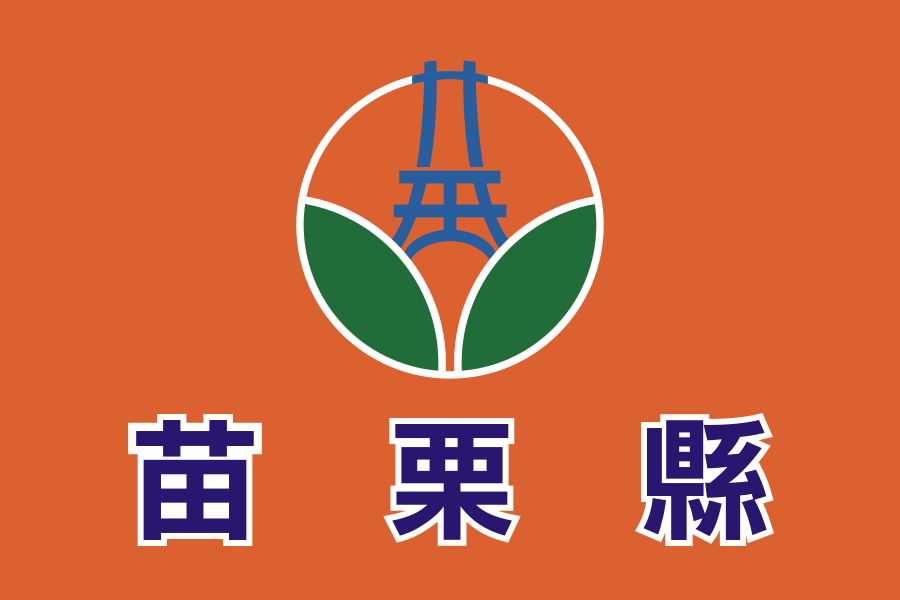
- Flag of Miaoli – 旗 幟 或 標 誌
- globalflag.idv.tw – Miaoli flag – 苗栗縣文化中旗幟或標誌的角色 @ globalflag . idv.tw
- EASY SEARCH FOR MORE LINKS ! . . . . .
- scholar.google.com – Flag of Miaoli @ Google Scholar
- youtube.com – Flag of Miaoli @ YouTube . com
- images.google.com – Flag of Miaoli @ Google Images

- Emblem of Miaoli – 旗 幟 或 標 誌
- _____ – Emblem in the culture of Miaoli – 苗栗縣文化中旗幟或標誌的角色
- EASY SEARCH FOR MORE LINKS ! . . . . .
- scholar.google.com – Emblem in the culture of Miaoli @ Google Scholar
- youtube.com – Emblem in the culture of Miaoli @ YouTube . com
- images.google.com – Emblem in the culture of Miaoli @ Google Images
HISTORY – 歷 史

( taiwannews.com.tw )
- History of Miaoli – 苗栗縣文化中歷史的角色
- Miaoli County (苗栗縣) has a long & layered history shaped by its indigenous cultures, Han Chinese migration & later by modern development.
- Indigenous Era : Before Han settlement, the Miaoli region was home to several Austronesian-speaking Indigenous peoples, mainly from the Taokas, Saisiyat & Atayal tribes. The Taokas people occupied much of the coastal & western plains and were adept at fishing & farming. The Saisiyat people lived in the foothills of the mountains and are still known for their Pas-ta’ai (矮靈祭) – the “Ritual of the Little People,” which is one of Taiwan’s most famous Indigenous ceremonies. The Atayal inhabited higher mountain regions in the east.
- These three indigenous groups have social & ritual traditions which are distinct from each other. They interacted with other tribes & later with settlers through trade & occasional conflict.
- Early Han Chinese Settlement (17th–19th Century). During the Qing dynasty (1683–1895), Han Chinese immigrants – mostly Hakka and Hoklo (Minnan) people – migrated to the area from southern China (mainly Guangdong & Fujian Provinces). The first major settlements appeared in the 18th century, especially around Toufen, Miaoli & Sanyi. The Hakka formed the majority of settlers, giving Miaoli its distinctive Hakka cultural identity which is still visible today in language, architecture, cuisine & festivals. Conflicts between Han settlers & Indigenous Peoples were common, as settlers expanded their farmland into tribal territories.
- Japanese Colonial Period (1895–1945). After Taiwan was ceded to Japan in 1895, Miaoli underwent major modernization. The Japanese built railways, roads, and administrative buildings, many of which still influence the region’s layout. Forestry and camphor extraction became important industries. The Japanese encouraged ceramic production, particularly in Sanyi, which later became famous for wood carving and porcelain art. Education and local governance were restructured to fit the Japanese model.
- Postwar Period and Modern Development (1945–Present). After 1945, Miaoli became part of the Republic of China (ROC). Miaoli County was officially established in 1950, with Miaoli City as its county seat. The region remained largely agricultural for decades and became famous for rice, tea, oranges & strawberries (especially in Dahu).
- From the 1980s onward, Miaoli developed more industries & its atrrations for tourism, including the Sanyi Wood Sculpture Museum, Hakka Cultural Park & scenic areas like Lion’s Head Mountain (獅頭山) & Nanzhuang Old Street. The Taiwan High-Speed Rail (THSR) station at Miaoli opened in 2015 and further improved accessibility & boosted tourism.
- Cultural Identity. Miaoli is now best known as Taiwan’s Hakka heartland, with over 60% of residents identifying as Hakka. The county preserves Hakka culture through (i.) Festivals: Tung Blossom Festival (桐花祭), Hakka Yimin Festival (義民節); (ii.) Architecture: Traditional Hakka sanheyuan (三合院) courtyard houses; and (iii.) Arts & crafts, particularly ceramics, wood carving & Hakka blue-dye textiles.
- https://www.miaoli.gov.tw/cp.aspx?n=259&utm_source=chatgpt.com
- https://www.mlc.gov.tw/search/list.aspx?Parser=99%2C12%2C78%2C%2C%2C%2C%2C%2C%2C%2C7%2C%2C%E6%96%87%E5%8C%96%E8%B3%87%E7%94%A2%2C%2C%2C2&utm_source=chatgpt.com
- https://www.taiwanobsessed.com/miaoli-taiwan-guide/?utm_source=chatgpt.com
- https://collections.nmth.gov.tw/CollectionContent.aspx?RNO=2011.012.0380&a=132&utm_source=chatgpt.com
- https://en.wikivoyage.org/wiki/Miaoli_County?utm_source=chatgpt.com
- https://luzhunan.com.tw/?utm_source=chatgpt.com
- https://www.bartlettil.gov/about-bartlett/sister-city?utm_source=chatgpt.com
- https://www.trimt-nsa.gov.tw/en/slow-city/?utm_source=chatgpt.com
- https://www.britannica.com/place/Miao-li-Taiwan?utm_source=chatgpt.com
- https://en.wikipedia.org/wiki/Miaoli?utm_source=chatgpt.com
- https://zh-yue.wikipedia.org/wiki/%E8%8B%97%E6%A0%97%E7%B8%A3?utm_source=chatgpt.com
- https://zh.wikipedia.org/zh-hant/%E8%8B%97%E6%A0%97%E7%B8%A3?utm_source=chatgpt.com
- https://www.mlc.gov.tw/
- https://www.nickkembel.com/miaoli-taiwan/?utm_source=chatgpt.com
- https://en.wikipedia.org/wiki/Miaoli_County?utm_source=chatgpt.com
- https://www.taipeitimes.com/News/feat/archives/2022/05/02/2003777552?utm_source=chatgpt.com
- https://whywendywrites.com/miaoli/?utm_source=chatgpt.com
- https://taiwantravelblog.com/travel-guide-to-miaoli/?utm_source=chatgpt.com
- https://taiwaneverything.cc/2018/03/20/miaoli-sanyi/?utm_source=chatgpt.com
- https://www.britannica.com/place/Miao-li-county-Taiwan?utm_source=chatgpt.com
- https://thcdc.hakka.gov.tw/1240/?utm_source=chatgpt.com
- https://www.mlc.gov.tw/eng/index.aspx
- https://nchdb.boch.gov.tw/?utm_source=chatgpt.com
- EASY SEARCH FOR MORE LINKS ! . . . . .
- scholar.google.com – History in the culture of Miaoli – 苗栗縣文化中歷史的角色 @ Google Scholar
- youtube.com – History in the culture of Miaoli – 苗栗縣文化中歷史的角色 @ YouTube . com
- images.google.com – History in the culture of Miaoli – 苗栗縣文化中歷史的角色 @ Google Images
JADE MARKETS – 玉 石 市 場

- Jade markets in Miaoli – 苗栗縣文化中玉石市場的角色
- There aren’t any notable jade markets located in Miaoli. Most prominent jade bazaars in Taiwan are centered in larger cities like Taipei or Kaohsiung. Visitors seeking jade or other gemstones would be advised to plan a trip to Taipei’s Jianguo Weekend Jade Market. It is Taiwan’s largest jade wholesale market, with around 800 vendors offering jade, gemstones, antiques, silver, gold accessories, pearls, coral & more. Prices for jade can vary widely (from inexpensive fake pieces to high‑end jadeite) & bargaining is a common practice.
- However, Miaoli does have a few distinctive cultural and artisan destinations related to traditional craft and folk culture worth exploring:
- Miaoli Ceramics Museum – 苗栗陶瓷博物館 (in Gongguan Township) is a pottery-focused museum showcasing local ceramic history, techniques & art.
- Wugu Cultural Village (also in Gongguan) is a cultural site highlighting Hakka heritage, ceramics & offers hands-on activities like pottery painting & Hakka snack-making.
- Sanyi Wood Sculpture Museum (in Sanyi Township) is a museum dedicated to traditional Taiwanese wood sculpture, with exhibitions reflecting different dynastic styles & Austronesian influences.
- travel.taipei -Taipei Weekend Jade Market 台北市建國假日玉市
- englishintaiwan.com – Taipei Weekend Jade Market 台北市建國假日玉市
- https://en.wikipedia.org
- wikipedia.org – Miaoli Ceramics Museum – 苗栗陶瓷博物館 @ Wikipedia . org
- https://strangersintaiwan.wordpress.com
- https://en.wikipedia.org
- https://www.travel.taipei
- EASY SEARCH FOR MORE LINKS ! . . . . .
- scholar.google.com – Jade markets in the culture of Miaoli – 苗栗縣文化中玉石市場的角色 @ Google Scholar
- youtube.com – Jade markets in the culture of Miaoli – 苗栗縣文化中玉石市場的角色 @ YouTube . com
- images.google.com – Jade markets in the culture of Miaoli – 苗栗縣文化中玉石市場的角色 @ Google Images
MARTIAL ARTS – 武 術

Josh Ellis photo ( goteamjosh.com )
- Martial arts in Miaoli – 苗栗縣文化中武術的角色
- _____ – Martial arts in the culture of Miaoli – 苗栗縣文化中武術的角色
- EASY SEARCH FOR MORE LINKS ! . . . . .
- scholar.google.com – Martial arts in the culture of Miaoli – 苗栗縣文化中武術的角色 @ Google Scholar
- youtube.com – Martial arts in the culture of Miaoli – 苗栗縣文化中武術的角色 @ YouTube . com
- images.google.com – Martial arts in the culture of Miaoli – 苗栗縣文化中武術的角色 @ Google Images
MUSEUMS – 博 物 館

- Museums in Miaoli – 苗栗縣文化中博物館的角色
- _____ – Museums in the culture of Miaoli County – 苗栗縣文化中博物館的角色
- EASY SEARCH FOR MORE LINKS ! . . . . .
- scholar.google.com – Museums in the culture of Miaoli County – 苗栗縣文化中博物館的角色@ Google Scholar
- youtube.com – Museums in the culture of Miaoli County – 苗栗縣文化中博物館的角色 @ YouTube . com
- images.google.com – Museums in the culture of Miaoli County – 苗栗縣文化中博物館的角色 @ Google Images
NIGHT MARKETS – 夜 市

- Night markets in Miaoli – 苗栗縣文化中夜市的角色
- Miaoli County night markets offer a quieter, more genuine experience compared to markets in nearby buzzing urban centers.
- Across Miaoli County there are a variety of smaller, community-focused night markets throughout the week: Guotai Night Market – Zhunan (竹南鎮); Zhonggang Night Market – Zhunan; Longfeng Night Market – Zhunan; Toufen Jianguo Night Market – Toufen (頭份); Shang Shun Night Market – Toufen; Gongguan Night Market – Gongguan (公館鄉); Houlong Night Market – Houlong (後龍鎮); Yuanli Night Market – Yuanli (苑裡鎮); Dalu Night Market – Dahu (大湖鄉); Tongluo Night Market – Tongluo (通霄鎮); Sanyi Night Market – Sanyi (三義鄉); Zhuolan Night Market – Zhuolan (卓蘭鎮).
- Miaoli Yingcai Tourism Night Market – 苗栗市英才觀光夜市 is located near the Miaoli Railway Station. It is one of the larger & more popular night markets in Miaoli. The market is open Wednesdays, Fridays & Saturdays. The market is spacious but not too crowd, with a relaxed atmosphere. The night market is known for snacks like guabao – 割包 (braised pork bun), oyster omelettes (蚵仔煎), deep-fried taro balls & small local breads.
- zh.wikipedia.org – Miaoli Yingcai Tourist Night Market – 苗栗市英才觀光夜市 @ Wikipedia . org
- foreignersintaiwan.com – Miaoli Yingcai Tourist Night Market – 苗栗市英才觀光夜市 @ Foreigners in Taiwan blog
- zh.wikipedia.org – List of Night Markets in Taiwan
- funtop.tw – Miaoli Night Market Guide: Recommended Food, Business Hours, and Stall Locations – 苗栗夜市攻略 @ Funtop 資訊網
- EASY SEARCH FOR MORE LINKS ! . . . . .
- scholar.google.com – Night markets in the culture of Miaoli @ Google Scholar
- youtube.com – Night markets in the culture of Miaoli @ YouTube . com
- images.google.com – Night markets in the culture of Miaoli @ Google Images
PERFORMING ARTS – 表 演

( britannica.com )
- Performing Arts in Miaoli – 苗栗縣文化中表演的角色
- _____ – Performing arts in the culture of Miaoli – 苗栗縣文化中表演的角色
- miaolitravel.net – Taiwan Hakka Bayin Opera Promotion Center @ Miaoli Travel . net
- EASY SEARCH FOR MORE LINKS ! . . . . .
- scholar.google.com – Performing arts in the culture of Miaoli – 苗栗縣文化中表演的角色 @ Google Scholar
- youtube.com – Performing arts in the culture of Miaoli – 苗栗縣文化中表演的角色 @ YouTube . com
- images.google.com – Performing arts in the culture of Miaoli – 苗栗縣文化中表演的角色 @ Google Images
- Theater in Miaoli – 苗栗縣文化中戲劇的角色
- _____ – Theater in the culture of Miaoli – 苗栗縣文化中戲劇的角色
- EASY SEARCH FOR MORE LINKS ! . . . . .
- scholar.google.com – Theater in the culture of Miaoli – 苗栗縣文化中戲劇的角色 @ Google Scholar
- youtube.com – Theater in the culture of Miaoli – 苗栗縣文化中戲劇的角色 @ YouTube . com
- images.google.com – Theater in the culture of Miaoli – 苗栗縣文化中戲劇的角色 @ Google Images
- Music in Miaoli – 苗栗縣文化中音樂的角色
- _____ – Music in the culture of Miaoli – 苗栗縣文化中音樂的角色
- EASY SEARCH FOR MORE LINKS ! . . . . .
- scholar.google.com – Music in the culture of Miaoli – 苗栗縣文化中音樂的角色 @ Google Scholar
- youtube.com – Music in the culture of Miaoli – 苗栗縣文化中音樂的角色 @ YouTube . com
- images.google.com – Music in the culture of Miaoli – 苗栗縣文化中音樂的角色 @ Google Images
- Song in Miaoli – 苗栗縣文化中歌曲的角色
- _____ – Song in the culture of Miaoli – 苗栗縣文化中歌曲的角色
- miaoli.gov.tw – 苗栗縣歌 @ 苗栗縣政府
- EASY SEARCH FOR MORE LINKS ! . . . . .
- scholar.google.com – Song in the culture of Miaoli – 苗栗縣文化中歌曲的角色 @ Google Scholar
- youtube.com – Song in the culture of Miaoli – 苗栗縣文化中歌曲的角色 @ YouTube . com
- images.google.com – Song in the culture of Miaoli – 苗栗縣文化中歌曲的角色 @ Google Images
POTTERY – 瓷 器
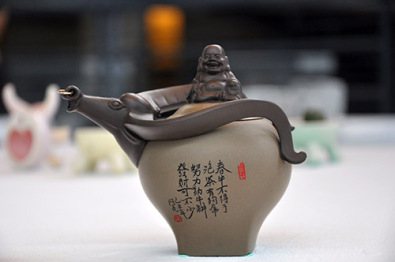
- Pottery in Miaoli – 苗栗縣文化中瓷器的角色
- _____ – Pottery arts in the culture of Miaoli – 苗栗縣文化中瓷器的角色Here’s a detailed look at the pottery / ceramics arts scene in Miaoli County (苗栗縣), Taiwan — its history, key sites, contemporary vitality, and how you might explore or participate.
Why Miaoli is special for pottery
Miaoli has favourable raw materials for ceramics: clay, silica sand, natural-gas/wood fuel, which historically enabled a strong ceramics/pottery industry. 客家委員會客家文化發展中心+2客家委員會客家文化發展中心+2
During the Japanese colonial period and afterwards, many factories and kilns were established in Miaoli (and the Hakka-areas) to use those resources. For example, the region’s clay could withstand high-temperature firings and was used for storage jars, vessels, and decorative ceramics. 客家委員會客家文化發展中心+2Taiwan Today+2
One particularly distinctive element: wood-fired kilns remain alive in Miaoli, not only as heritage sites but as active studios. In fact, Miaoli County is said to have around 40 wood-fired kilns (making it perhaps the densest county in Taiwan for that kind of kiln). Taiwan Today
The connection with Hakka village culture also plays a role: the craft, factory operations and community-kilns are embedded in local history. 客家委員會客家文化發展中心+1
In short: Miaoli’s ceramic craft is not just “art for gallery”, but deeply rooted in material resources, local industry, tradition and evolving contemporary practice.
Key sites & experiences
Here are several specific places in Miaoli County where pottery arts are visible, accessible, and often interactive.
Miaoli Ceramics Museum (苗栗陶瓷博物館) – Gongguan Township
Located in Gongguan Township, this museum was completed in 2005. Wikipedia
It covers thematic halls such as “Home of Ceramics: Miaoli”, “Life of the Old Master”, “Kilns in Miaoli”, “Traditional Ceramic Techniques and Modern Wood-Burning”. miaolitravel.net
The museum is a good starting point to see the history of ceramics in the region, the kinds of ware produced, and the kiln technology.
Visiting tip: It is accessible via Tongluo Station (eastwards) for transport; check opening hours. Wikipedia
Zhunan Snake Kiln (竹南蛇窯) – Zhunan Township
This kiln is a historic wood-fired kiln (used for ceramics) and is highlighted for preserving that heritage in Miaoli. Taipei Times+1
For example: An international pottery workshop was held there (in 2014) where international artists worked with the wood-fired kiln. Taiwan Today
Visiting here may allow you to observe traditional firing, kiln architecture, and sometimes interactive or demo sessions.
Tip: If you’re into the “process” part of pottery (kilns, firing, ash glaze etc.), this site provides a strong immersive experience.
Hwataoyao (華陶窯) – Yuanli Township
Founded in 1984, located in Yuanli Township, Miaoli County, this site combines workshop, wood-fired kilns, botanical garden. taiwanfun.com+1
The concept emphasises “origin of the land’s essence” and merges pottery production with landscape, nature, and heritage. miaolitravel.net
Visitors can often participate in pottery-making, visit gardens, view kilns and art pieces. Useful if you want a more hands-on experience.
Town of Gongguan Township – “Ceramic Road” & legacy
Gongguan’s history: The area had many ceramic factories, thanks to the clay and fuel resources. The township now promotes a “Ceramics Revival” initiative and a “Ceramic Road” (沿山路、延山路) where you walk past studios, kilns, shops. yuartheworld.com
This gives a street-/town-walk experience of pottery arts rather than only museum visits. It’s also tied to the Hakka culture of the region.
Pottery techniques & artistic development
Wood-fired ash glaze technique: One tradition in Miaoli is employing wood-fired kilns where ash from the fuel settles on the ceramic and forms natural glazes, rather than applying glaze separately. This produces expressive, natural textures and is a signature of many local kiln works. Taiwan Today
Storage jars and traditional forms: Historically, many ceramic items produced in Miaoli were functional: basins, jars, tanks, containers — especially in Hakka-villages. The raw clay in Miaoli is suitable for these heavier items because it can endure high temperature and is waterproof. 客家委員會客家文化發展中心+1
Contemporary art & international dialogue: Miaoli’s pottery scene isn’t frozen in the past. For example, there are festivals (see below), international artist workshops, and ceramics are evolving into fine art, sculpture, installation. Brand Spur
Material-heritage linking: The local clay, the fuel (wood/acacia/forest), the kiln architecture — all form part of the local heritage which potters in Miaoli continue to explore and reinterpret.
Festivals, competitions, and ongoing culture
The annual (or regular) Miaoli Pottery Festival brings together exhibitions, workshops, competitions. For example, the 2019 festival was themed “Flame. Gorgeousness” and featured international and Taiwanese ceramic artists. vietnamnews.vn
The International Miaoli Wood‑Fired & Ceramic Art Fair (2024 edition) is a major platform: open to artists from all nations, encouraging creative growth and international exchange. mlc.gov.tw+1
These events make Miaoli not just a historic centre but an active, contemporary hub for ceramic arts. If you time your visit during one of these events you may see demonstrations, buy unique art pieces, meet potters.
Visitor tips: how to explore pottery arts in Miaoli
Plan for studio visits or DIY workshops: Many kilns/studios let you try your hand at pottery-making, from throwing to glazing to firing. If you’re interested, contact ahead (especially for wood-fired kilns which may have limited schedule).
Go early or mid-week for quieter experience: Some studios limit visitors (for instance, Hwataoyao reportedly limits ~270 visitors/day) to maintain atmosphere. taiwanfun.com
Check kiln firing schedules: For wood-fired kilns, the firing cycle (preheating, glowing, cooling) may be a once-in-a-while special event; inquire ahead if you want to see firing in action.
Combine with other crafts / culture: Miaoli is also known for Hakka culture, wood carving (e.g., in Sanyi), tea culture, etc. So you could make a richer trip combining pottery + local culture.
Purchasing & transporting ceramics: If you buy pieces, consider fragility (some large jars), packaging for travel, duty/customs if bringing back home.
Respect studio/factory norms: Some places may be less touristy, more artisan; inquire about language, photo policy, and any fees.
Take the scenic route: For example, the Ceramic Road in Gongguan allows you to walk past multiple studios, kilns, boutiques in a scenic setting.
Souvenir / décor variation: From heavy storage vessels to finely glazed art pieces, Miaoli pottery covers a wide spectrum — affordable to high-end. So browsing around is worthwhile to spot something unique.
Summary
Miaoli County offers a rich and multi-layered pottery arts experience: from historic ceramic production rooted in local clay and fuel resources; through the iconic wood-fired kilns; into modern ceramic art festivals and studios; and with community/tourism integrations such as the Ceramic Road. Whether you are simply visiting museums or engaging in hands-on pottery creation, Miaoli gives access to a craft deeply connected with place, material and culture. - https://thcdc.hakka.gov.tw/8184/8185/8194/8198/90174/post?utm_source=chatgpt.com
- https://en.wikipedia.org/wiki/Miaoli_Ceramics_Museum?utm_source=chatgpt.com
- https://miaolitravel.net/Att/files/10003593.pdf?utm_source=chatgpt.com
- https://www.taipeitimes.com/News/feat/archives/2024/03/15/2003814940?utm_source=chatgpt.com
- https://taiwantoday.tw/AMP/society/top-news/21195/index?utm_source=chatgpt.com
- https://www.taiwanfun.com/central/taichung/articles/0303/0303Diversions.htm?utm_source=chatgpt.com
- https://yuartheworld.com/en/gongguan/?utm_source=chatgpt.com
- https://brandspurng.com/2019/11/21/flame-gorgeousness-2019-miaoli-pottery-festival/?utm_source=chatgpt.com
- https://vietnamnews.vn/media-outreach/548734/flame-gorgeousness-2019-miaoli-pottery-festival.html?utm_source=chatgpt.com
- https://miaolitravel.net/Att/files/10003684.pdf?utm_source=chatgpt.com
- https://thcdc.hakka.gov.tw/8185/8194/8198/10494/?utm_source=chatgpt.com
- https://taiwantoday.tw/AMP/society/top-news/15843/wood-flames-fire-miaoli-county%27s-ceramics-industry?utm_source=chatgpt.com
- https://thcdc.hakka.gov.tw/8184/8185/8194/8198/10482/post?utm_source=chatgpt.com
- EASY SEARCH FOR MORE LINKS ! . . . . .
- scholar.google.com – Pottery arts in the culture of Miaoli – 苗栗縣文化中瓷器的角色 @ Google Scholar
- youtube.com – Pottery arts in the culture of Miaoli – 苗栗縣文化中瓷器的角色 @ YouTube . com
- images.google.com – Pottery arts in the culture of Miaoli – 苗栗縣文化中瓷器的角色 @ Google Images
- Ceramics in Miaoli – 苗栗縣文化中瓷器的角色
- _____ – Ceramic arts in the culture of Miaoli – 苗栗縣文化中瓷器的角色
- EASY SEARCH FOR MORE LINKS ! . . . . .
- scholar.google.com – Ceramic arts in the culture of Miaoli – 苗栗縣文化中瓷器的角色 @ Google Scholar
- youtube.com – Ceramic arts in the culture of Miaoli – 苗栗縣文化中瓷器的角色 @ YouTube . com
- images.google.com – Ceramic arts in the culture of Miaoli – 苗栗縣文化中瓷器的角色 @ Google Images
- Porcelain in Miaoli – 苗栗縣文化中瓷器的角色
- Historical & geological foundations
- Miaoli is rich in suitable raw materials: for instance, good clay for high-temperature ceramics, natural gas or other fuel resources (historically) and wood for firing.
During the Japanese colonial period (1895-1945), ceramic production in Miaoli (and neighbouring Hsinchu) was stimulated because the Japanese colonial government recognized the high quality of the clay deposits. There was also adequate fuel in the surrounding forests. So the Japanese government supported kiln establishment.
- The region developed kilns producing everyday utilitarian vessels: jars, tanks, large vessels for storage, wine fermentation, pickling, etc. For example: “Basins, jars, tanks and pots” in Hakka village areas of Miaoli, because the local clay could endure high temperature and produce containers for liquids/solids safely.
- At one point Miaoli County had about 40 wood-firing kilns, making it Taiwan’s No. 1 county in terms of density for this type of kiln.
- Some historic kilns were demolished in urban redevelopment, which sparked criticism and concern about preserving ceramic heritage. So in short: the ceramic/porcelain arts in Miaoli rest on solid natural resource foundations + favourable industrial/historical conditions, but have also faced challenges of industrial decline and heritage preservation.
- Distinguishing features & techniques
- Here are some of the features that make Miaoli’s ceramic/porcelain work distinctive:
Wood-fired kilns: Many of the kilns use wood firing, which gives a distinctive natural texture, ash deposits, varied glaze effects from the ash and flame. Example: the Zhunan Snake Kiln (竹南蛇窯) is a notable example.
High-temperature resistant clay: The clay from Miaoli can endure higher temperature which supports more durable vessels (especially for storage of liquids, wine, etc.).
Shift from purely utilitarian to decorative and artistic: Originally, much of the production was functional (jars, tanks, storage), but over time (especially from the 1980s onward) there has been a shift towards decorative ceramics, artistic expression, and contemporary ceramic art.
Hakka cultural influence: Given that much of Miaoli is Hakka-speaking and has Hakka culture, the ceramics reflect that: locally specific motifs, forms, usage (e.g., storage jars for pickled goods) and colour/pattern choices.
Events & international exchange: Miaoli hosts international workshops, competitions and fairs (e.g., the “International pottery workshop” at Zhunan, the “Miaoli Pottery Festival”) which bring in foreign ceramic artists and raise the profile. - Key sites & community infrastructure
- Miaoli Ceramics Museum (苗栗陶瓷博物館) in Gongguan Township. This museum presents the history, kilns, traditional techniques, decorative art, etc.
- Taiwan Hakka Museum – Special exhibition halls: They have specific exhibitions on Hakka village ceramics and pottery in Miaoli – e.g., “Pottery in Hakka: the beauty of unpolished pottery of the area”
- Wugu Cultural Village (五穀文化村) in Gongguan – a cultural/industry tourism factory which exhibits ceramics, offers hands-on activities.
- Zhunan Snake Kiln – a historic wood-fired kiln tour site in Zhunan Township; also hosts international workshops.
These sites show how ceramics are not just industrial artefacts but cultural and tourism assets in Miaoli.
- Contemporary development, challenges & opportunities
- The local government is actively promoting ceramics in new ways: e.g., the Miaoli International Ceramics Award 2025 (“Outside of Possible”) aims to open up ceramics for more creative expression and international cultural exchange.
The International Miaoli Wood Fired and Ceramic Art Fair 2024 is another example of efforts to promote the craft globally and encourage innovation.
On the other hand, the traditional ceramics/porcelain industry in Miaoli has seen a decline: shifting markets, competition (cheap imports), loss of historic kilns, industrial restructuring. For example, the Control Yuan criticised the county government for inadequate preservation of old kilns.
But the push now seems to be: leveraging heritage + craft + tourism + contemporary art. Thus, you’ll find both older utilitarian ceramics (storage jars, wine jars) and avant-garde ceramic art pieces.
For collectors or enthusiasts: Miaoli’s ceramics offer both cultural depth (Hakka influence, wood-firing, traditional materials) and contemporary relevance.
- If you’re into ceramics or porcelain, Miaoli is intriguing because it bridges traditional craft (utilitarian ware, local materials, wood-firing) and modern ceramic art. It’s a good case of how local culture (Hakka, geology, kiln traditions) shape craft. Visiting Miaoli offers more than just shopping for pottery: you can see kilns, participate in making, understand the firing process, engage with living craft communities. For art/craft tourism it’s accessible: e.g., the “Ceramic Road” in Gongguan transforms everyday streets into ceramics-rich experience.
- https://www.nickkembel.com
- https://taiwaneverything.cc
- https://www.rtaiwanr.com
- https://www.taiwanfun.com
- https://www.taiwanteacrafts.com
- https://hakkashop.thcdc.hakka.gov.tw
- https://www.hellomondo.com
- https://brandspurng.com
- https://www.taipeitimes.com
- https://www.taipeitimes.com
- https://taiwantoday.tw
- https://www.taipeitimes.com
- https://www.taipeitimes.com
- https://thcdc.hakka.gov.tw
- https://en.wikipedia.org
- https://en.wikipedia.org
- https://yuartheworld.com
- https://taiwantoday.tw
- https://thcdc.hakka.gov.tw
- EASY SEARCH FOR MORE LINKS ! . . . . .
- scholar.google.com – Porcelain arts in the culture of Miaoli – 苗栗縣文化中瓷器的角色 @ Google Scholar
- youtube.com – Porcelain arts in the culture of Miaoli – 苗栗縣文化中瓷器的角色@ YouTube . com
- images.google.com – Porcelain arts in the culture of Miaoli – 苗栗縣文化中瓷器的角色 @ Google Images
SHOPPING – 購 屋
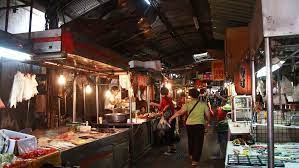
- Shopping in Miaoli – 苗栗縣文化中購屋的角色
- What to Expect When Shopping in Miaoli?
- For a modern shopping experience: Head to Shang Shun Mall.
- For local food and street vibes: Check out Miaoli Yingcai Night Market or explore quaint old streets like Nanzhuang and Sanyi.
- For local cultural crafts and agricultural goods: Visit Dahu, Yuanli, and cultural centers for hands-on goods and unique souvenirs.
- For convenient daily shopping: Carrefour offers everything you need with ease.
- Local Specialty Souvenirs: Miaoli guava products: jellies, cakes, snacks; High-quality oolong tea, along with honey, preserved fruits, and handmade snacks; Natural skincare items based on tea extracts, honey, and regional herbs—eco-friendly and artisanal.
- Shang Shun Mall (Toufen)
The first and largest full-scale shopping mall in Miaoli, opened in 2015.
Home to popular chain stores like Uniqlo, Daiso, Xiaomi, plus themed dining venues.
Part of a larger complex that includes entertainment facilities and a 210-room hotel.
- Miaoli Yingcai Night Market – 苗栗市英才觀光夜市 is the largest in the county, offering authentic Taiwanese street food and local snacks. The night market is open Wednesdays (5–10 PM), Fridays (6:30–11:30 PM) & Saturdays (5–10 PM). On Sundays, the market shifts to Houlong Night Market and runs from 5–11 PM.
- Nanzhuang Old Street (Osmanthus Alley): A charming red-brick lane famous for osmanthus wine, traditional Hakka snacks, and historic architecture.
- Nanzhuang Market: A working public market offering local ingredients and dishes like “gougou noodles” with braised soy sauce goodies.
- Sanyi Woodcarving Street: A hub for artisan woodcraft—find handcrafted sculptures, furniture, and souvenirs.
- Agricultural & Cultural Shopping: Dahu (Strawberry Capital) is famous for its large, sweet strawberries. The Dahu Wineland Resort and strawberry-themed museum offer unique treats like strawberry-flavored noodles, teas, ice cream, and wine.
- Yuanli Township. Known for traditional crafts from rush weaving and brick-making.
The Triangle Rush Exhibition Hall and Jin Liang Shing Brick Factory sell artisanal woven goods and bricks.
- Cultural Centers with Gift Shops:
- Miaoli Ceramics Museum (Gongguan): Features local pottery exhibits with an attached gift shop selling ceramics and related souvenirs.
- Wugu Cultural Village (Gongguan): A ceramics-themed cultural center offering hands-on experiences (e.g., ceramic painting) plus a souvenir shop showcasing Hakka crafts.
- Hypermarts & Everyday Goods. Carrefour in Miaoli City: A well-stocked hypermarket praised for its cleanliness, helpful staff, and serene mountain-side location—great for general shopping and daily necessities.
- https://www.koreatripguide.com
- https://taiwantravelblog.com
- foreignersintaiwan.com – Travel Guide to Miaoli – 苗栗旅遊懶人包 @ Foreigners in Taiwan blog
- taiwantravelblog.com – Miaoli Yingcai Night Market – 苗栗市英才觀光夜市 @ Taiwan Travel Blog
- https://en.wikipedia.org
- https://whywendywrites.com
- https://www.agoda.com
- https://www.nickkembel.com
- https://wanderlog.com
- https://tarokotour.com
- https://taiwaneverything.cc
- https://en.wikipedia.org
- https://en.wikipedia.org
- https://travel.com
- https://taiwaneverything.cc
- https://www.foreignersintaiwan.com
- https://en.wikipedia.org
- EASY SEARCH FOR MORE LINKS ! . . . . .
- scholar.google.com – Shopping in the culture of Miaoli @ Google Scholar
- youtube.com – Shopping in the culture of Miaoli @ YouTube . com
- images.google.com – Shopping in the culture of Miaoli @ Google Images
TEA – 茶
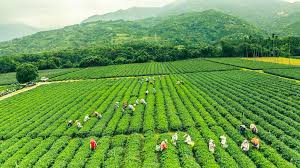
- Tea in Miaoli – 苗栗縣文化中茶的角色
- The north-western region of Taiwan (Taoyuan, Hsinchu, Miaoli) is considered the heartland of Oriental Beauty tea (東方美人茶) production in Taiwan.
- While Miaoli is not as high altitude as some mountain tea regions in Taiwan, its hills and particular soil/conditions yield distinctive flavour. Soil, micro-climate & elevation all contribute to the quality of the tea grown here. For example, in parts of Miaoli the tea farms sit on hilly terraces, with acidic red-mud soils and significant day-night temperature differences. This helps the tea leaves develop flavour.
- Tea production in Miaoli is often tied with Hakka culture, local cuisine, view-scapes of tea gardens, bike paths (e.g., Tongluo area) etc.
- Cool brew vs hot brew can show different aromas; some black tea from Shitan is described as “naturally sweet even without sugar” by Japanese tasters.
- Family-run small farms are common; many farms process their leaves themselves. Ecological/organic farming is growing in popularity. Some farms in Miaoli highlight natural farming, organic certification, minimal pesticide use. Some farms let visitors pick their own leaves while wearing Hakka style farmer clothing. A visit to a tea farm can also show the visitor how tea is processed.
- Spring is especially good for the harvest of tea. The first flushes from tea leaves harvested in the spring can be more delicate/aromatic), but many farms produce multiple harvests.
- Things for visitors to keep in mind: Because many farms are small and family-run, language may be largely Mandarin/Taiwanese; signage in English may be limited. For visitors during “tourist pick” times of the year, it may get busy; if you want a quieter experience, consider off-peak hours. Storage of tea matters: good tea keeps its aroma better if stored sealed, away from light/heat. When visiting plantations: check for wear appropriate shoes (some terrain may be sloped/hilly), and weather can affect access.
- Key tea types & what to look for:
- Oriental Beauty (東方美人茶). This is arguably the signature tea for Miaoli (and neighbouring Hsinchu/Taoyuan). It is distinct because the leaves are “bitten” by a certain leaf-hopper insect which triggers a chemical response in the plant resulting in honey-fruity aroma and reddish-amber liquor colour. Example: On a product listing “Elite Miaoli Oriental Beauty Tea” – origin Miaoli, red-amber colour with elegant fruity/honey aroma. Nice to know: Because of the insect “biting” requirement and specific terroir, good Oriental Beauty tends to be more premium.
- Black Tea (紅茶). Though perhaps less globally famed as Oriental Beauty, Miaoli is making strides with black tea. For example, tea from Shitan Township in Miaoli County recently debuted in Japan under the brand “Shitan Ancient Charm Black Tea”. It is described as smooth, honey-like aroma, suitable for cold brew too.
- Oolong / Baozhong / Four-Seasons Tea. Farms in Miaoli also produce oolong and “baozhong” varietals. A report says: “In Miaoli County … farms produce baozhong, oolong, and Tai-Tea … processed into crude & fine tea.” While not always high elevation compared with mountain tea regions, the terroir and small-scale production help maintain quality.
- Here are some recommended places to see, taste, and learn about tea in Miaoli:
- Tongluo Tea Factory (銅鑼茶廠). Located in Tongluo Township, Miaoli County.
The farm covers about ~30 hectares; about 3 ha certified organic.
Produces Oriental Beauty, green tea, “MiXiang” black tea.
Offers visitor experiences: tea‐picking, tea‐making DIY, tasting, etc.
Good for tea tourism: you can learn about the process from leaf to cup, taste the specific terroir of Miaoli.
- Taiwan Tea Corporation – Miaoli Branch / Sanyi Tea Factory. The Taiwan Tea Corporation has a branch / factory in Sanyi Township, Miaoli County.
This kind of large‐scale tea company helps connect local production with wider markets, quality control, and distribution.
- Shitan Township Tea Region. Shitan Township is noted not only for tea, but specifically black tea. As mentioned earlier, the “Shitan Ancient Charm Black Tea” brand is from here and is making inroads in Japan. So if you’re interested in something a little different from the typical Oriental Beauty, this area is interesting.
- Ten Ren Tea Culture Museum, Zhunan
Located on the boundary of Hsinchu and Miaoli County, in Zhunan Township.
Though not a farm, this museum is good for learning about tea history, tea making kits, tasting, etc — a nice complement to visiting actual plantations.
- https://heroesofadventure.com
- https://voiceofasean.com
- https://www.travelking.com.tw
- https://www.teahillusa.com
- https://teasoul.store
- https://taiwaneverything.cc
- https://www.ttch.com.tw
- https://en.trippois.com
- https://www.prnewswire.com
- https://www.ttch.com.tw
- https://www.ttch.com.tw
- EASY SEARCH FOR MORE LINKS ! . . . . .
- scholar.google.com – Tea in the culture of Miaoli – 苗栗縣文化中茶的角色 @ Google Scholar
- youtube.com – Tea in the culture of Miaoli – 苗栗縣文化中茶的角色 @ YouTube . com
- images.google.com – Tea in the culture of Miaoli – 苗栗縣文化中茶的角色 @ Google Images
TEMPLES – 寺 廟

Miaoli. (vestiges-of-kura-.kura.com)
- Temples in Miaoli – 苗栗縣文化中寺廟的角色
- Quanhua Temple – Nestled in the Lion’s Head Mountain scenic area, this Taoist/Buddhist temple is built into the mountainside Wikimedia Commons+4Wikimedia Commons+4Get Me To Taiwan+4.
- Miaoli Wenchang Temple (文昌祠) – Dedicated to the deity of literature, this temple also served as the county magistrate’s office during the Qing era Trippois+3Wikipedia+3Wikipedia+3.
- Yuqing Temple (玉清宮) – Located in Miaoli City and dedicated to Guan Yu, it hosts annual “Dragon Bombing” lantern festival ceremonies tachiang619.wordpress.com+15Wikipedia+15Wikipedia+15.
- Quanhua Temple (獅頭山)
Located in the Lion’s Head Mountain (Shitoushan) scenic area, renowned for its natural beauty and temple clusters built into the mountain Wikimedia Commons+3Get Me To Taiwan+3Wikimedia Commons+3.
Quanhua Temple is among the oldest and largest in the area, offering breathtaking views and cultural immersion Trippois+5Get Me To Taiwan+5Wikimedia Commons+5.
- Miaoli Wenchang Temple (文昌祠)
Completed in 1885 to honor Wenchang, the Taoist deity of culture and literature, along with Confucius and other figures Wikipedia+2Wikipedia+2.
Served as Miaoli County’s magistrate office when county infrastructure was lacking Wikimedia Commons+10Wikipedia+10Wikipedia+10.
Later recognized as a protected cultural site, with ceremonies allowing top-achieving students to enter its central gate Wikipedia.
- Yuqing Temple (玉清宮)
Established in 1906 (completed by 1917) and dedicated to Guan Yu; includes a park and notable architecture Wikipedia.
Hosts a Hakka-style “Dragon Bombing” festival during the Lantern Festival, unique to the region Wikipedia.
Notably, it stopped burning joss paper in 1999 for environmental reasons Wikipedia+1.
- Baishatun Gongtian Temple (拱天宮): A Mazu temple in Tongxiao famous for its dramatic cliffside setting and the famed Baishatun Mazu Pilgrimage Wikipedia+5Wikipedia+5whywendywrites.com+5.
- wikipedia.org – Baishatun Gongtian Temple – 拱天宮 @ Wikipedia . org
- baishatun.com.tw – Baishatun Gongtian Temple – 拱天宮 @ Wikipedia . org
- miaolitravel.net – Baishatun Gongtian Temple – 拱天宮 @ Wikipedia . orgBaishatun Gongtian Temple (白沙屯拱天宮), Tongxiao Township
Location & Deity: Located in Baishatun, Tongxiao Township, the temple is dedicated to the sea-goddess Mazu. Wikipedia+2台灣神明介紹+2
History & Significance: It was built in 1863 (during the Qing era) to serve the fishing/coastal community. Wikipedia+1
Unique features:
The temple is famous for its annual pilgrimage (“遶境”) in which devotees walk — over many days and many kilometres — from this temple to another (in Yunlin County) following Mazu’s guidance. taiwantourisme.com+2ReadyGo+2
It has become one of the major cultural-religious events in Taiwan.
Tips for visiting:
If you go during the pilgrimage period (typically late spring/early summer) you’ll see huge crowds, parades, and very lively atmosphere.
If you prefer a quieter visit, go outside the pilgrimage window.
As a coastal temple, you might combine it with a trip to the nearby shore or a walk in the village of Baishatun.
2. Zhonggang Cihyu Temple (中港慈裕宮), Zhunan Township
Location & Deity: In Zhunan Township, dedicated to Mazu. Wikipedia
History & Significance: Said to have been first constructed in 1685, and rebuilt in 1783. It is the oldest Mazu temple in Miaoli County. Wikipedia
Why it’s worthwhile:
Because of its age and historical continuity, it provides insight into early coastal/sea-faring religious devotion in Miaoli.
It has archival value: being listed as a historical building. Wikipedia
Visiting tips:
It is accessible from the rail station in Zhunan (making it relatively convenient).
The temple sits near the coast, so you might pair the visit with a seaside walk or sunset view.
3. Wenchang Temple (Miaoli City) (文昌祠), Miaoli City
Location & Deity: In Miaoli City, dedicated to Wenchang Dijun (the deity of literature & culture). Wikipedia
History & Significance:
Completed in 1885, originally as a temple + academy called Yingcai Academy. Wikipedia
It served both as a place of worship and education. At one point the county magistrate’s office operated there. Wikipedia
Interesting details:
Because it’s a temple of culture/literature, there are traditions such as special ceremonies during academic milestones (for example, students who excel are honored). Wikipedia
Visiting tips:
If you’re interested in the scholarly/cultural dimension of Taiwanese religious sites (not just the popular Mazu pilgrimage ones), this is a good stop.
The setting in Miaoli City makes it more urban-accessible than some mountain temples.
4. Shuntian Temple (順天宮), Yuanli Township
Location & Deity: In Yuanli Township (Fangli area) — dedicated to Mazu. Wikipedia
History & Significance:
Built in 1856 by Quanzhou‐settlers when local group divisions required a separate temple “inside the walls”. Wikipedia
It is protected as a historic building by the county. Wikipedia
Architecture & ambiance:
The temple retains many traditional features including rammed earth walls, stone/fir wood imported from China, and plaques dating back to 1891/1910/1928. Wikipedia
Visiting tips:
If you like quieter, less tourist-crowded temples (compared with the major pilgrimage sites), this is a good choice.
You could combine it with a visit in Yuanli which is less visited and gives a sense of local daily temple life. - Many temples in Miaoli reflect the strong Mazu (媽祖) tradition (particularly coastal areas), but there are also temples dedicated to cultural/deity figures beyond Mazu (e.g., Wenchang, Guan Yu etc.).
Temples are often intertwined with local community life, not just places of worship: academic ceremonies, festivals, pilgrimages, local identity.
When visiting:
Check festival/pilgrimage dates (some temples are extremely busy then)
Be respectful: many temples also host regular worshippers — cover shoulders/legs, speak softly, ask before photographing altars
Consider timing: early morning or off-peak gives a more restful experience
Combine temple visits with local nature/hiking: e.g., the area around Lion’s Head Mountain (獅頭山) has many temples + nice views. travelking.com.tw
- Zhonggang Cihyu Temple (中港慈裕宮): The oldest Mazu temple in Miaoli, originally built in 1685 in Zhunan Township Wikipedia+2Wikipedia+2.
- Xuanwang Temple (宣王宮): Located in Xihu Township, converted from the region’s first private academy into a Confucius temple in the 19th century Wikipedia.
- Daxingshan Temple (Jiuhuashan): A serene temple dedicated to Guanyin, known for its vegetarian offerings and minimalist spiritual design R Taiwan R.
- https://en.wikipedia.org
- https://www.taiwanese-gods.org
- https://www.trimt-nsa.gov.tw
- https://www.taipeitimes.com
- https://taiwaneverything.cc
- https://imreadygo.com
- https://en.nearbywiki.org
- https://mapcarta.com
- https://mapcarta.com
- https://www.rtaiwanr.com
- https://www.taipeitimes.com
- https://tripo.wingzero.tw
- https://www.travelking.com.tw
- https://en.wikipedia.org
- https://en.wikipedia.org
- https://www.taiwantourisme.com
- https://en.wikipedia.org
- EASY SEARCH FOR MORE LINKS ! . . . . .
- scholar.google.com – Temples in the culture of Miaoli @ Google Scholar
- youtube.com – Temples in the culture of Miaoli @ YouTube . com
- images.google.com – Temples in the culture of Miaoli @ Google Images
- Monasteries in Miaoli – 苗栗縣文化中修道院的角色
- _____ – Monasteries in the culture of Miaoli – 苗栗縣文化中修道院的角色
- EASY SEARCH FOR MORE LINKS ! . . . . .
- scholar.google.com – Monasteries in the culture of Miaoli @ Google Scholar
- youtube.com – Monasteries in the culture of Miaoli @ YouTube . com
- images.google.com – Monasteries in the culture of Miaoli @ Google Images
- Shrines in Miaoli – 苗栗縣文化中聖地的角色
- Tongxiao Shrine (通霄神社) – A rare Shinto shrine from Japan’s colonial era notable for its torii gate and worship hall remains Wikipedia+15Wikipedia+15Taiwan Tourism Administration+15.
- Tongxiao Shrine (通霄神社)
Built in 1937 during Japanese colonial rule as a Shinto shrine dedicated to Amaterasu Ōmikami and a Japanese prince R Taiwan R+5Tripo+5polishgirlintaiwan.blogspot.com+5.
After WWII, the main hall was transformed into a Martyrs’ Shrine honoring Koxinga (Zheng Cheng-gong) Tripo+5R Taiwan R+5R Taiwan R+5.
Listed as a historic site in 2002, it retains architectural elements like the torii and worship hall foundation Tripo.
Visitors often enjoy hiking nearby for panoramic views of the coast and mountains polishgirlintaiwan.blogspot.com.
- EASY SEARCH FOR MORE LINKS ! . . . . .
- scholar.google.com – Shrines in the culture of Miaoli @ Google Scholar
- youtube.com – Shrines in the culture of Miaoli @ YouTube . com
- images.google.com – Shrines in the culture of Miaoli @ Google Images
- Pagodas in Miaoli – 苗栗縣文化中寶塔的角色
- goteamjosh.com – Pagodas in the culture of Miaoli @ Josh Ellis Photography blog
- _____ – Pagodas in the culture of Miaoli – 苗栗縣文化中寶塔的角色
- EASY SEARCH FOR MORE LINKS ! . . . . .
- scholar.google.com – Pagodas in the culture of Miaoli @ Google Scholar
- youtube.com – Pagodas in the culture of Miaoli @ YouTube . com
- images.google.com – Pagodas in the culture of Miaoli @ Google Images
WINE & SPIRITS – 酒

- Wine culture in MIaoli – 苗栗縣文化中酒文化的角色
- _____ – Wine culture in Miaoli – 苗栗縣文化中酒文化的角色
- EASY SEARCH FOR MORE LINKS ! . . . . .
- scholar.google.com – Wine culture in the culture of Miaoli @ Google Scholar
- youtube.com – Wine culture in the culture of Miaoli @ YouTube . com
- images.google.com – Wine culture in the culture of Miaoli @ Google Images
- Traditional Liquor in MIaoli – 苗栗縣文化中傳統酒的角色
- _____ – Traditional liquor in the culture of MIaoli – 苗栗縣文化中傳統酒的角色
- EASY SEARCH FOR MORE LINKS ! . . . . .
- scholar.google.com – Traditional liquor in the culture of Miaoli @ Google Scholar
- youtube.com – Traditional liquor in the culture of Miaoli @ YouTube . com
- images.google.com – Traditional liquor in the culture of Miaoli @ Google Images
* * * * *
Click here for the CloudBridge Project Home Page for Miaoli
Click here for links to Language & Peoples of Miaoli
Click here for links to Business for Miaoli
Click here for links to Travel for Miaoli
Click here for links to Nature & Environment of Miaoli
For links to Culture for Miaoli . . . . .
. . . . . please scroll up through this page
* * * * *
NOTE : This site contains links to our ”favorite” and “most useful” websites . . . but the CloudBridge Project does not endorse or guarantee any of the products or services available through the links on the pages of this website.
本站包含了我們的 “最愛” 以及 “最有用” 的網站連結,但雲橋語文計劃並不保證其連結的有效性或對其背書.
Welcome to send us an email with your thoughts or comments:
欢迎用电子邮件的方式分享您的意见和建议:
Email: CloudBridgeTaiwan@gmail . com
LATEST PAGE UPDATE: Decem ber 12 , 2025
最後一次更新時間為: 2025 / 12 / 12
Copyright ©2021 CloudBridge Project. All rights reserved.
版權所有 ©2021 雲橋語文計劃. 保留所有權利.
 CloudBridgeTaiwan