* * * * *
the Cloudbridge Home Page for Kaohsiung
Click for links to Culture for Kaohsiung
Click here links to Business for Kaohsiung
Click for links to Travel for Kaohsiung
to Nature & Environment of Kaohsiung
For links to
Languages & Peoples of Kaohsiung . . . . .
. . . . . scroll down through this page
Click to return to the Home Page
* * * * *
台灣 / 高雄市
語言 及 人物
* * * * *

( ontheworldmap.com )

& Penghu, Kinmen & Matsu Islands
Also shown are:
Green Island ( Lu Dao ) & Orchid Island ( Lan Yu )
( cia.gov )

( wikipedia.org )
* * * * *
Links to individual topics
for KAOHSIUNG – LANGUAGE & PEOPLES
are displayed on this page
in the following categories :

Links to culture of languages & peoples of Kaohsiung
* * * * *
KAOHSIUNG
台灣 / 高雄市
LANGUAGE & PEOPLES
語言 及 人物
* * * * *
LANGUAGE – 語 言

LANGUAGE in the HOME – 2010
Blue: Mandarin Green: Hokkien
HOT PINK: Hakka
BURGUNDY: Austronesian Langauges
( wikipedia.org )

prior to colonization by the Chinese
in the 1600’s
( wikipedia.org )

( wikipedia.org )

STATUTORY REGIONAL LANGUAGE
( “HAKKA BASIC ACT” )
( wikipedia.org )
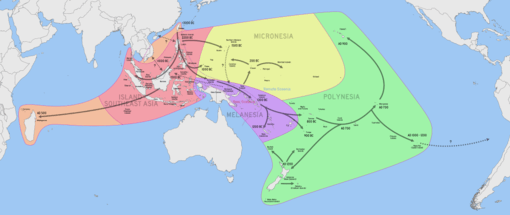
The languages of the “Austronesian People” show common links
stretching from Taiwan to Africa & to the eastern Pacific
( wikipedia.org )
- Languages Spoken in Kaohsiung
- 高雄市文化中語言的角色
- Languages of Kaohsiung, Taiwan (高雄市)
Kaohsiung is one of Taiwan’s most linguistically diverse cities. Its language landscape reflects several centuries of migration: Indigenous Austronesian peoples, Southern Fujian (Hoklo) settlers, Hakka communities, Japanese colonial influence, and post-1949 Mandarin-speaking migrants. Today, most residents use Mandarin Chinese in public life, but Taiwanese Hokkien (臺語 / Taigi) remains deeply rooted in everyday culture, while Hakka and Indigenous languages continue to be preserved and revitalized.
1. Mandarin Chinese (國語 / 華語) — the common language
Mandarin is the dominant language of education, government, business, media, and communication throughout Kaohsiung.
Used in schools and universities
Main language of government services
Common language among younger generations
Used as a bridge language between different ethnic groups
Many Kaohsiung residents are bilingual or multilingual, speaking Mandarin plus another local language such as Taiwanese Hokkien or Hakka.
2. Taiwanese Hokkien (臺語 / 台語 / Taigi) — the traditional language of southern Taiwan
Kaohsiung City is located in a region where Taiwanese Hokkien (Southern Min / Minnan) has historically been the strongest local language.
Historical background
Large numbers of settlers from southern Fujian (福建) arrived during the Qing dynasty.
Hokkien became the everyday language of farming villages, fishing communities, markets, and temples.
It remains especially important among older generations.
Where you hear it:
Traditional markets
Temples and religious festivals
Family conversations
Older neighborhoods
Folk performances and Taiwanese opera
Common Kaohsiung Hokkien expressions are very similar to those heard in nearby Tainan and Pingtung.
3. Hakka (客家話) — an important minority language
Kaohsiung has one of southern Taiwan’s most significant Hakka communities.
The most famous Hakka cultural area is:
Meinong District (美濃區)
Meinong is internationally known for:
Hakka traditions
Hakka architecture
Paper umbrellas (油紙傘)
Hakka cuisine
Hakka festivals
The main Hakka varieties spoken in Kaohsiung include:
Sixian Hakka (四縣腔) — very common in southern Taiwan
Hailu Hakka (海陸腔) — also present among some families
Kaohsiung’s Hakka population has historical connections with:
The Liudui (六堆) Hakka communities of Pingtung
Migrants from Miaoli, Hsinchu, Taoyuan, and other Hakka regions
The Kaohsiung City Government has supported Hakka language education and cultural preservation programs.
4. Indigenous languages of Kaohsiung
Kaohsiung includes mountainous districts where Indigenous peoples have lived for centuries. Their languages belong to the Austronesian language family, which is completely different from Chinese languages.
Important Indigenous communities include:
Bunun (布農族)
Found in mountain areas of southern Taiwan
Known for complex traditional singing, including the famous Pasibutbut polyphonic style
Bunun language
Austronesian language
Several dialect areas exist
Rukai (魯凱族)
Communities are found near the southern mountains, especially around the Kaohsiung–Pingtung border.
The Rukai language is known for:
Rich oral traditions
Ancient legends
Traditional songs and ceremonies
Paiwan (排灣族)
Although many Paiwan communities are centered in Pingtung County, Kaohsiung has connections with Paiwan-speaking communities.
Paiwan is one of Taiwan’s largest Indigenous languages and remains culturally important.
Kanakanavu (卡那卡那富族)
Kaohsiung is especially important for the Kanakanavu people, one of Taiwan’s officially recognized Indigenous groups.
Traditional homeland: Namasia District (那瑪夏區), Kaohsiung
Language: Kanakanavu (卡那卡那富語)
One of Taiwan’s most endangered Indigenous languages
5. Japanese (日本語) — historical influence
During the Japanese colonial period (1895–1945), Japanese became widely used in government, schools, and public administration.
Today:
Few people use Japanese as a daily language
Some older residents learned Japanese in childhood
Japanese loanwords remain in Taiwanese Hokkien and Mandarin
Examples:
便當 (bento) — lunch box
歐吉桑 (ojisan) — uncle/older man
運將 (unjō, from 運転手) — taxi driver (Taiwanese usage)
6. English and other international languages
Because Kaohsiung is:
Taiwan’s largest port city
An industrial center
A university city
A tourism destination
English is increasingly visible in:
Hotels
Transportation
Universities
Tourism services
International companies
Other immigrant languages are also present, including:
Vietnamese
Indonesian
Thai
Filipino languages
These reflect Taiwan’s growing Southeast Asian communities.
Language Map of Kaohsiung (simplified)
Area
Common Languages
Central Kaohsiung (harbor, downtown)
Mandarin + Taiwanese Hokkien
Older neighborhoods
Taiwanese Hokkien + Mandarin
Meinong
Hakka + Mandarin
Mountain districts
Indigenous languages + Mandarin
Universities/business areas
Mandarin + English
Immigrant communities
Southeast Asian languages
Language Preservation in Kaohsiung
Kaohsiung has active programs supporting:
Hakka language education
Indigenous language classes
Local cultural museums
Bilingual signage
Traditional arts and festivals - https://en.wikipedia.org/wiki/Taiwanese_Hokkien?utm
- https://cmn-hant.overseas.ncnu.edu.tw/en/further-study-area/summary-of-indonesia/languages-spoken-in-taiwan/?utm
- https://chakcg.kcg.gov.tw/en/cp.aspx?n=0DB360DADE0C52E4&utm
- https://chakcg.kcg.gov.tw/en/cp.aspx?n=86BFB0CD0E5DCB68&utm
- https://chakcg.kcg.gov.tw/en/cp.aspx?n=569E9DF104EEACBB&utm
- https://tcmb.culture.tw/zh-tw/subject/4866?utm=
- https://taiwan.md/en/culture/linguistic-diversity-and-mother-tongue-culture/?utm
- https://chakcg.kcg.gov.tw/en/Content_List.aspx?n=2C1BBD58BAF61D87&utm
- https://chakcg.kcg.gov.tw/en/cp.aspx?n=8AF4CFCEDE8FA5F1&utm
- https://en.wikipedia.org/wiki/Han_Taiwanese?utm
- https://english.hakka.gov.tw/Content/Content?LanguageType=ENG&NodeID=676&PageID=40022&utm
- https://chakcg.kcg.gov.tw/en/cp.aspx?n=569E9DF104EEACBB&utm
- wikipedia.org – Languages in the culture of Kaohsiung – backgrounder
- wikipedia.org – Languages in the culture of Kaohsiung – backgrounder
- kecc.com.tw – Languages in the culture of Kaohsiung – backgrounder
- taiwanese-secrets.com – Languages in the culture of Kaohsiung – backgrounder
- lonelyplanet.com – Languages in the culture of Kaohsiung – backgrounder
- lonelyplanet.com – Languages in the culture of Kaohsiung – backgrounder
- worldatlas.com – Languages in the culture of Kaohsiung – backgrounder
- anl.com.tw – Languages in the culture of Kaohsiung – backgrounder
- languagerush.com – Languages in the culture of Kaohsiung – backgrounder
- kcg.gov.tw – Languages in the culture of Kaohsiung – backgrounder
- ethnologue.com – Languages in the culture of Kaohsiung – backgrounder
- nikkei.com – Languages in the culture of Kaohsiung – backgrounder
- mylanguageexchange.com – Languages in the culture of Kaohsiung – backgrounder
- mylanguageexchange.com – Languages in the culture of Kaohsiung – backgrounder
- stackexchange.com – Languages in the culture of Kaohsiung – backgrounder
- meetup.com – Languages in the culture of Kaohsiung – backgrounder
- quora.com – Languages in the culture of Kaohsiung – backgrounder
- lifeoftaiwan.com – Languages in the culture of Kaohsiung – backgrounder
- worldpopulationreview.com – Languages in the culture of Kaohsiung – backgrounder
- EASY SEARCH FOR MORE LINKS ! . . . . .
- scholar.google.com – Languages in the culture of Kaohsiung – 高雄市文化中語言的角色 @ Google Scholar
- youtube.com – Languages in the culture of Kaohsiung – 高雄市文化中語言的角色 @ YouTube . com
- images.google.com – Languages in the culture of Kaohsiung – 高雄市文化中語言的角色 @ Google Images
PEOPLES – 人 物

- People Groups of Kaohsiung
- 高雄市文化中人物的角色
- Hoklo (Hokkien / Minnan) people (閩南人) — the historic majority population of southern Taiwan, especially influential in coastal Kaohsiung, fishing villages, temples, markets, and traditional festivals.
- Hakka people (客家人) — especially important in Meinong (美濃) and the broader Liudui (六堆) cultural region. Their agricultural traditions, architecture, cuisine, and language remain strong. Indigenous peoples (原住民族) — especially Bunun (布農族), Kanakanavu (卡那卡那富族), Rukai (魯凱族), and Paiwan (排灣族) communities in the mountainous districts of eastern Kaohsiung.
- Mainland Chinese migrants (外省人) — families who arrived after 1949 and contributed greatly to military, government, education, and urban development.
- New immigrant communities (新住民) — including people with roots in Vietnam, Indonesia, Thailand, the Philippines, and other Southeast Asian countries. International residents — connected with Kaohsiung’s port, universities, shipping, technology, and business sectors.
- https://www.tacp.gov.tw/?utm_source=chatgpt.com&lang=zh-TW
- https://www.nmth.gov.tw/en/?utm
- https://chakcg.kcg.gov.tw/en/?utm
- wikipedia.org – People groups in the culture of Kaohsiung – backgrounder
- wikipedia.org – People groups in the culture of Kaohsiung – backgrounder
- meetup.com – People groups in the culture of Kaohsiung – backgrounder
- joshuaproject.net – People groups in the culture of Kaohsiung – backgrounder
- lifeoftaiwan.com – People groups in the culture of Kaohsiung – backgrounder
- indexmundi.com – People groups in the culture of Kaohsiung – backgrounder
- worldpopulationreview.com – People groups in the culture of Kaohsiung
- EASY SEARCH FOR MORE LINKS ! . . . . .
- scholar.google.com – People groups in the culture of Kaohsiung – 高雄市文化中人物的角色 @ Google Scholar
- youtube.com – People groups in the culture of Kaohsiung – 高雄市文化中人物的角色 @ YouTube . com
- images.google.com – People groups in the culture of Kaohsiung – 高雄市文化中人物的角色 @ Google Images
ETHNIC MINORITIES – 少 數 民 族
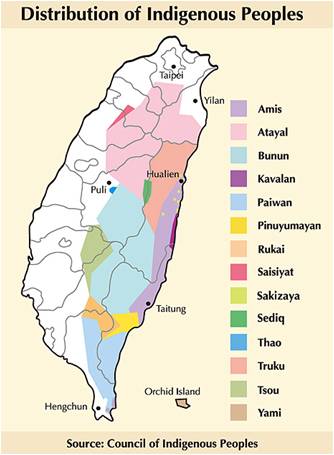
“recognized” Tribes of Indigenous Peoples
on the Island of Taiwan & Orchid Island ( 蘭嶼 )
( cip.gov.gw )
- Ethnic Minorities in Kaohsiung
- 高雄市文化中少數民族的角色
- Ethnic Minorities in Kaohsiung, Taiwan (高雄市)
Kaohsiung is one of Taiwan’s most ethnically diverse cities. Although the majority of residents are Han Chinese (primarily Hoklo and Hakka), the city is home to significant Indigenous communities, Hakka populations, and newer immigrant communities from Southeast Asia and elsewhere. These groups contribute to Kaohsiung’s rich cultural heritage through their languages, traditions, festivals, cuisine, and arts.
Indigenous Peoples (原住民族)
Kaohsiung’s eastern mountainous districts are part of the traditional homelands of several of Taiwan’s Indigenous peoples. These communities belong to the Austronesian language family, whose ancestors inhabited Taiwan thousands of years before Han Chinese settlement.
Bunun (布農族)
Bunun people
The Bunun are one of the largest Indigenous groups in Taiwan. In Kaohsiung, they are concentrated primarily in the mountain districts.
Known for:
Polyphonic choral singing, especially the Pasibutbut prayer for a successful millet harvest
Skilled hunting traditions
Millet agriculture
Rich oral traditions and legends
Distinctive weaving and textiles
Today, many Bunun communities actively preserve their language and traditional ceremonies while participating in modern Taiwanese society.
Rukai (魯凱族)
Rukai people
The Rukai traditionally inhabit the mountains along the Kaohsiung–Pingtung border.
Their culture is noted for:
Elaborate slate architecture
Lily motifs symbolizing honor and nobility
Fine beadwork and embroidery
Traditional dance and music
Strong clan traditions
The Rukai language remains an important part of community identity despite challenges faced by many Indigenous languages.
Paiwan (排灣族)
Paiwan people
Although the largest Paiwan communities are located in neighboring Pingtung County, Kaohsiung also has Paiwan residents.
The Paiwan are famous for:
Aristocratic social traditions
Intricate wood carving
Bronze and glass bead craftsmanship
Snake symbolism in art
Vibrant ceremonial dress
Many Paiwan artists from southern Taiwan have achieved national and international recognition.
Kanakanavu (卡那卡那富族)
Kanakanavu people
Kaohsiung is especially significant because it contains the traditional homeland of the Kanakanavu people in Namasia District.
Characteristics include:
Small population
Highly endangered language
Strong efforts at language revitalization
Traditional agricultural knowledge
Oral storytelling traditions
Government and community organizations now work together to preserve Kanakanavu culture for future generations.
Hakka (客家人)
Hakka people
Although the Hakka are part of the broader Han Chinese population, they have a distinct cultural identity.
Kaohsiung’s most famous Hakka community is:
Meinong District (美濃區)
The Hakka are known for:
Rice farming
Tobacco cultivation (historically)
Blue-dyed textiles
Oil-paper umbrellas
Hakka cuisine
Traditional music and mountain songs (山歌)
Meinong remains one of Taiwan’s best-preserved Hakka cultural centers.
New Immigrant Communities (新住民)
Beginning in the late twentieth century, Kaohsiung welcomed immigrants from many countries, especially through marriage, education, and employment.
Major communities include people from:
Vietnam
Indonesia
Thailand
Philippines
Cambodia
Myanmar
Many work in:
Manufacturing
Healthcare
Domestic care
Fishing
Shipping
Service industries
Today, these communities enrich Kaohsiung through:
Restaurants
Grocery stores
Cultural festivals
Language schools
Religious organizations
Their children are helping create an increasingly multicultural Taiwan.
Foreign Residents
As Taiwan’s largest port city and a major industrial center, Kaohsiung also has residents from:
Japan
South Korea
Europe
North America
Australia
India
Many are employed in:
International trade
Shipping
Petrochemicals
Universities
Technology
Renewable energy - Ethnic diversity is reflected in Kaohsiung’s religious life.
Residents practice:
Buddhism
Taoism
Taiwanese folk religion
Christianity
Catholicism
Islam
Indigenous traditional beliefs
Many cultural festivals combine religious observances with community celebrations. - Each ethnic community has contributed to Kaohsiung’s identity.
Community
Notable Contributions
Hoklo
Temple festivals, Taiwanese Hokkien language, seafood cuisine, traditional opera
Hakka
Farming traditions, music, architecture, paper umbrellas, cuisine
Bunun
Choral music, hunting traditions, weaving
Rukai
Slate houses, beadwork, embroidery
Paiwan
Wood carving, ceremonial dress, glass beads
Kanakanavu
Austronesian language, oral traditions
Southeast Asian immigrants
Cuisine, languages, festivals, multicultural education - Kaohsiung actively promotes multiculturalism through:
Indigenous cultural centers
Hakka cultural parks
Language revitalization programs
Indigenous education
New immigrant family resource centers
Multilingual public services
Cultural festivals and exhibitions - While exact percentages change over time, Kaohsiung’s population is broadly composed of:
Han Chinese (Hoklo majority) — the largest population group
Hakka — an important historic minority, especially in Meinong and surrounding districts
Indigenous peoples — among the largest urban Indigenous populations in Taiwan, with communities from Bunun, Rukai, Paiwan, Kanakanavu, and other tribes
New immigrants and foreign residents — a growing and increasingly visible part of the city’s multicultural character - Kaohsiung provides an excellent example of how Indigenous Austronesian heritage, Hakka traditions, Hoklo culture, and newer immigrant communities coexist in one modern metropolis. This diversity makes it one of the best places in Taiwan to explore the country’s multicultural identity.
- https://chakcg.kcg.gov.tw/en/?utm
- https://www.nmth.gov.tw/en/?utm
- https://www.tacp.gov.tw/?utm&lang=zh-TW
- wikipedia.org – Ethnic minorities in the culture of Kaohsiung – backgrounder
- wikipedia.org – Ethnic minorities in the culture of Kaohsiung – backgrounder
- worldpopulationreview.com – Ethnic minorities in the culture of Kaohsiung -backgrounder
- biomedcentral.com – Ethnic minorities in the culture of Kaohsiung – backgrounder
- waseda.jp – Ethnic minorities in the culture of Kaohsiung – backgrounder
- nlm.nih.gov – Ethnic minorities in the culture of Kaohsiung – backgrounder
- ey.gov.tw – Ethnic minorities in the culture of Kaohsiung – backgrounder
- cia.gov – Ethnic minorities in the culture of Kaohsiung – backgrounder
- kyu.edu.tw – Ethnic minorities in the culture of Kaohsiung – backgrounder
- lifeoftaiwan.com – Ethnic minorities in the culture of Kaohsiung – backgrounder
- kcg.gov.tw – Ethnic minorities in the culture of Kaohsiung – backgrounder
- wiley.com – Ethnic minorities in the culture of Kaohsiung – backgrounder
- lse.ac.uk – Ethnic minorities in the culture of Kaohsiung – backgrounder
- tandfonline.com – Ethnic minorities in the culture of Kaohsiung – backgrounder
- tandfonline.com – Ethnic minorities in the culture of Kaohsiung – backgrounder
- worldatlas.com – Ethnic minorities in the culture of Kaohsiung
- EASY SEARCH FOR MORE LINKS ! . . . . .
- scholar.google.com – Ethnic minorities in the culture of Kaohsiung – 高雄市文化中少數民族的角色 @ Google Scholar
- youtube.com – Ethnic minorities in the culture of Kaohsiung – 高雄市文化中少數民族的角色 @ YouTube . com
- images.google.com – Ethnic minorities in the culture of Kaohsiung – 高雄市文化中少數民族的角色 @ Google Images
DEMOGRAPHICS – 人 口 分 布

( tradingeconomics.com )

( wikiwand.com )
( wikiwand.com )
- Demographics of Kaohsiung
- 高雄市文化中人口分布的角色
- Demographics of Kaohsiung, Taiwan (高雄市)
Kaohsiung is Taiwan’s third-most populous municipality and the largest city in southern Taiwan. It is the country’s principal international port and one of its major industrial, commercial, educational, and cultural centers. Since the 2010 merger of Kaohsiung City and Kaohsiung County, the municipality has included both densely populated urban districts and extensive rural and mountainous areas, making it one of Taiwan’s most geographically and culturally diverse cities.
Population
Kaohsiung’s resident population is approximately 2.7 million people, representing about 11% of Taiwan’s total population. While it remains one of Taiwan’s largest cities, its population has gradually declined in recent years, reflecting nationwide trends of low birth rates, an aging population, and migration of some younger residents to other metropolitan areas.
Population Density
Kaohsiung covers nearly 3,000 square kilometers (about 1,150 square miles), making it Taiwan’s largest special municipality by land area.
Population density varies considerably:
Urban districts such as Lingya, Sanmin, Qianzhen, and Zuoying are densely populated.
Suburban districts have moderate population densities.
Mountain districts such as Namasia, Taoyuan, and Maolin have relatively small populations spread over large areas.
Age Structure
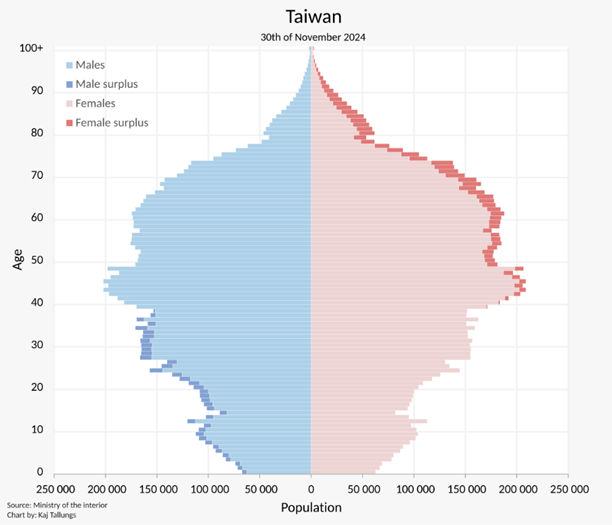
Like much of Taiwan, Kaohsiung has an aging population.
General trends include:
A declining proportion of children.
A shrinking working-age population.
A steadily growing population aged 65 and older.
Increasing demand for healthcare and senior services.
These demographic shifts are similar to those occurring throughout Taiwan.
Gender Distribution
The gender balance is relatively even, with women slightly outnumbering men, particularly among older age groups due to longer life expectancy.
Ethnic Composition
Kaohsiung is ethnically diverse.
Approximate composition includes:
Population Group
Characteristics
Hoklo (Taiwanese Minnan)
Largest ethnic group; predominant in urban and coastal districts
Hakka
Significant community, especially in Meinong and neighboring districts
Indigenous Peoples
Including Bunun, Rukai, Paiwan, Kanakanavu, and others in mountain districts
Post-1949 Mainland Chinese families
Present throughout the city, particularly in older military-dependent neighborhoods
New Immigrants
Growing communities from Vietnam, Indonesia, the Philippines, Thailand, and elsewhere
Indigenous Population
Kaohsiung has one of Taiwan’s largest Indigenous populations.
Major Indigenous peoples include:
Bunun people
Rukai people
Paiwan people
Kanakanavu people
Many Indigenous residents continue to live in traditional mountain communities, while others have moved to urban districts for education and employment.
Urban and Rural Population
One distinctive feature of Kaohsiung is its combination of metropolitan and rural landscapes.
Urban Areas
The city’s urban core includes:
Financial districts
Universities
Manufacturing centers
Shopping districts
Taiwan’s largest commercial port
Rural and Mountain Areas
Eastern districts include:
Forests
Indigenous villages
Agricultural communities
Tea and fruit farms
National scenic areas
This urban-rural diversity is unusual among Taiwan’s major cities.
Education
Kaohsiung has a highly educated population supported by numerous colleges and universities.
Major fields include:
Engineering
Marine sciences
Medicine
Business
Information technology
Environmental sciences
The city serves as the educational hub of southern Taiwan.
Employment
Major employment sectors include:
Shipping and logistics
International trade
Heavy industry
Steel production
Petrochemicals
Shipbuilding
Manufacturing
Healthcare
Tourism
Higher education
Technology and semiconductor-related industries
In recent years, Kaohsiung has worked to diversify its economy by expanding into green energy, digital technology, and advanced manufacturing.
Languages Spoken
The multilingual nature of Kaohsiung reflects its population.
Common languages include:
Mandarin Chinese
Taiwanese Hokkien (Taigi)
Hakka
Indigenous Austronesian languages
English (in education, tourism, and international business)
Vietnamese, Indonesian, Thai, and Filipino languages within immigrant communities
Religion
Most residents participate in one or more of Taiwan’s traditional religious traditions.
Common religions include:
Buddhism
Taoism
Taiwanese folk religion
Christianity
Catholicism
Indigenous traditional beliefs
Islam (primarily among immigrant communities)
Temples remain important centers of neighborhood life and community festivals.
Population Trends
Several long-term trends are shaping Kaohsiung’s future:
Aging population with increasing life expectancy.
Lower birth rates, consistent with national patterns.
Urban renewal, especially around the harbor waterfront.
Growth in international residents and new immigrants.
Economic transition from heavy industry toward technology, logistics, renewable energy, and cultural tourism. - https://www.dgbas.gov.tw/News_Content.aspx?n=3602&s=235805&utm
- https://data.gov.tw/en/datasets/155837?utm
- https://data.gov.tw/en/datasets/127020?utm
- https://data.nat.gov.tw/dataset/47058?utm
- https://data.gov.tw/en/datasets/20710?utm
- https://jiading-house.kcg.gov.tw/News.aspx?n=A3EA3200849474D0&sms=6B58D1CF66C37CC7&utm
- https://data.gov.tw/en/datasets/155848?utm
- https://data.gov.tw/en/datasets/173509?utm
- https://jiading-house.kcg.gov.tw/News.aspx?n=429BE0C8129A2CDB&sms=4F59948719ADB523&utm
- https://data.gov.tw/en/datasets/18504?utm
- https://data.gov.tw/en/datasets/155837?utm
- https://lyhr-house.kcg.gov.tw/News.aspx?n=2B332AEDBCE86AAA&sms=47DDC2C5C9DF228A&utm
- https://fongshan-house.kcg.gov.tw/News_Content.aspx?n=73DDD38D029602AB&s=7A9F6D6B4F41B685&sms=44B423223104B57C&utm
- indexmundi.com – Demographics in the culture of Kaohsiung – backgrounder
- kcg.gov.tw – Demographics in the culture of Kaohsiung – backgrounder
- population.city – Demographics in the culture of Kaohsiung – backgrounder
- straitstimes.com – Demographics in the culture of Kaohsiung – backgrounder
- worldpopulationreview.com – Demographics in the culture of Kaohsiung – backgrounder
- wikipedia.org – Demographics in the culture of Kaohsiung – backgrounder
- wikipedia.org – Demographics in the culture of Kaohsiung – backgrounder
- taiwannews.com.tw – Demographics in the culture of Kaohsiung – backgrounder
- kas.tw – Demographics in the culture of Kaohsiung – backgrounder
- kcg.gov.tw – Demographics in the culture of Kaohsiung
- EASY SEARCH FOR MORE LINKS ! . . . . .
- scholar.google.com – Demographics in the culture of Kaohsiung – 高雄市文化中人口分布的角色 @ Google Scholar
- youtube.com – Demographics in the culture of Kaohsiung – 高雄市文化中人口分布的角色 @ YouTube . com
- images.google.com – Demographics in the culture of Kaohsiung – 高雄市文化中人口分布的角色 @ Google Images
* * * * *
Click here for the Kaohsiung Home Page
Click here for links to Culture of Kaohsiung
Click here for links to Business in Kaohsiung
Click here for links to Travel in Kaohsiung
Click here for links to Environment & Nature of Kaohsiung
For links to Languages & Peoples of Kaohsiung . . . . .
. . . . . please scroll up through this page
* * * * *
NOTE : This site contains links to our ”favorite” and “most useful” websites . . . but the CloudBridge Project does not endorse or guarantee any of the products or services available through the links on the pages of this website.
本站包含了我們的 “最愛” 以及 “最有用” 的網站連結,但雲橋語文計劃並不保證其連結的有效性或對其背書.
Welcome to send us an email with your thoughts or comments:
欢迎用电子邮件的方式分享您的意见和建议:
Email: CloudBridgeTaiwan@gmail . com
LATEST PAGE UPDATE: May 25 , 2026
最後一次更新時間為: 2026 / 05 / 26
Copyright ©2021 CloudBridge Project. All rights reserved.
版權所有 ©2021 雲橋語文計劃. 保留所有權利.

