台灣 / 嘉義市 – 文 化
* * * * *


* * * * *
Links to individual topics for CHIAYI CITY – CULTURE
are displayed on this page in the following categories :

ART – 美術 … BELIEFS – 信仰 … BLOGS – 部落格 … CINEMA – 電 影 … CULTURE – 文化 … DINING – 餐館及餐飲 … ”FAVORITES” (LOCAL SPECIALTIES…) – 最愛 … FENG SHUI – 風水 … FESTIVALS – 節慶 … HISTORY – 歷史 … JADE MARKETS – 玉石市場 … MARTIAL ARTS – 武術 … MUSEUMS – 博物館 … NIGHT MARKETS – 夜市 … PERFORMING ARTS – 表演 … POTTERY – 瓷器 … SHOPPING – 購屋 … TEA – 茶 … TEMPLES – 寺廟 … WINE & SPIRITS – 酒
* * * * *
Click here for the CloudBridge Project Home Page for Chiayi City
Click here for links to Language & Peoples of Chiayi City
Click here for links to Business in Chiayi City
Click here for links to Travel in Chiayi City
Click here for links to Nature and Environment of Chiayi City
For links to Culture of Chiayi City . . . . .
. . . . . please continue to scroll down through this page
* * * * *
CHIAYI CITY – 台灣 / 嘉義市
CULTURE – 文 化
* * * * *
ART – 美 術
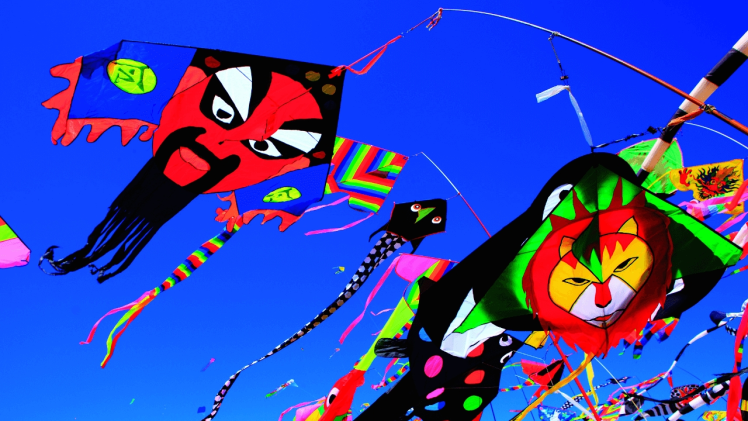
- ART – 美 術
- Chiayi City, Taiwan, while smaller than Taipei or Taichung, has a vibrant and growing art scene that blends traditional crafts, contemporary arts, and community-driven cultural projects. Its art culture reflects both local history and modern creative experimentation, supported by museums, galleries, street art, and festivals.
Here’s a detailed overview of the art scene in Chiayi City:
🎨 1. Museums and Galleries
Chiayi City Art Museum (嘉義市立美術館)
Central hub for visual arts exhibitions, featuring both contemporary and traditional Taiwanese art.
Hosts temporary exhibitions, art workshops, and educational programs for students and the public.
National Chiayi University Art Spaces
University galleries often display student and faculty works, fostering experimental and contemporary art practices.
Encourages collaboration with local artists and cultural projects.
Private Galleries
Small galleries scattered around Chiayi City focus on painting, photography, ceramics, and mixed media.
Provide platforms for emerging local artists to showcase their work.
🏮 2. Public Art & Street Culture
Murals and Street Art: Certain districts, especially near the train station and cultural streets, feature murals and graffiti reflecting local history and contemporary themes.
Artistic Installations: Public squares and parks sometimes host sculptures, light installations, or interactive art, blending urban space with creativity.
🏺 3. Traditional Crafts & Folk Arts
Wood Carving and Folk Sculpture: Chiayi has a tradition of temple carvings and folk art, preserved in workshops and temples.
Pottery and Ceramics: Local artisans maintain ceramic and pottery practices, sometimes integrated into contemporary art exhibitions.
🎭 4. Festivals and Cultural Events
Chiayi City Art Festival: Annual events showcase visual arts, performances, and public installations.
Street Performances and Folk Arts: Puppet shows, traditional music, and dance performances often intersect with visual arts in cultural events.
Collaborative Art Projects: Community-driven murals, exhibitions, and public art installations strengthen local engagement.
🌏 5. Art Education and Community Involvement
Workshops and Classes: Museums and cultural centers offer painting, photography, pottery, and multimedia art workshops.
Community Art Projects: Local residents and students collaborate on murals, public sculptures, and temporary exhibitions, making art accessible and participatory.
🔑 Key Features of Chiayi City’s Art Scene
Blend of Traditional and Contemporary: Combines folk arts with modern painting, photography, and installations.
Community-Centric: Art is integrated into public spaces, schools, and cultural streets.
Educational Focus: Art workshops, university galleries, and cultural programs nurture local talent.
Festival-Driven Exposure: Annual events and street performances bring art to the broader public, encouraging participation.
In summary, Chiayi City’s art scene is a dynamic mixture of traditional crafts, contemporary art, and community participation. With museums, galleries, festivals, and street art, the city fosters both cultural preservation and modern creative expression, making it a small but significant hub for arts in southern Taiwan. - https://nspp.mofa.gov.tw – Art scene of Chiayi City – backgrounder
- https://www.taiwan-panorama.com – Art scene of Chiayi City – backgrounder
- https://taiwaneverything.cc – Art scene of Chiayi City – backgrounder
- https://landezine.com – Art scene of Chiayi City – backgrounder
- https://www.tripadvisor.com – Art scene of Chiayi City – backgrounder
- https://docs.tfai.org.tw – Art scene of Chiayi City – backgrounder
- https://www.archdaily.com – Art scene of Chiayi City – backgrounder
- https://en.wikipedia.org – Art scene of Chiayi City – backgrounder
- https://www.taiwannews.com.tw – Art scene of Chiayi City – backgrounder
- https://befineartgallery.com – Art scene of Chiayi City – backgrounder
- https://international.thenewslens.com – Art scene of Chiayi City – backgrounder
- https://www.trip.com – Art scene of Chiayi City – backgrounder
- https://artogo.co – Art scene of Chiayi City – backgrounder
- https://www.taiwan-panorama.com – Art scene of Chiayi City – backgrounder
- antart.com/dandanillustrates – Art scene of Chiayi City – backgrounder
- https://www.soundoflife.com – Art scene of Chiayi City – backgrounder
- rtaiwanr.com – Chiayi City Koji Pottery Museum @ Round Taiwan Round
- https://taiwaneverything.cc – Art scene of Chiayi City – backgrounder
- https://www.lonelyplanet.com – Art scene of Chiayi City – backgrounder
- https://www.taipeitimes.com – Art scene of Chiayi City – backgrounder
- https://asia.nikkei.com – Art scene of Chiayi City – backgrounder
- https://en.wikipedia.org – Art scene of Chiayi City – backgrounder
- https://eng.taiwan.net.tw – Art scene of Chiayi City – backgrounder
- https://torontotaiwanfest.ca – Art scene of Chiayi City – backgrounder
- https://www.taiwantoday.tw – Art scene of Chiayi City – backgrounder
- https://www.designboom.com – Art scene of Chiayi City – backgrounder
- EASY SEARCH FOR MORE LINKS ! . . . . .
- scholar.google.com – Art scene of Chiayi City @ Google Scholar
- youtube.com – Art scene of Chiayi City @ YouTube . com
- images.google.com – Art scene of Chiayi City @ Google Images
- ART STREETS – 藝 術 街
- Art streets in Chiayi City, Taiwan are hubs of creative expression, cultural preservation, and community engagement. These streets often combine museums, galleries, artisan workshops, street murals, and cafés, creating vibrant spaces where locals and visitors can experience both traditional and contemporary arts.
Here’s a detailed overview:
🎨 1. Chiayi Cultural and Creative Industries Park (嘉義文化創意產業園區)
A central artistic and cultural district converted from a former alcohol factory.
Features art galleries, artisan studios, performance spaces, and exhibitions.
Hosts workshops, temporary art installations, and community projects, making it a hotspot for emerging artists and creative events.
🏮 2. Wenhua Road and Surrounding Cultural Streets
Streets near Wenhua Road and Chiayi Old Streets are lined with museums, traditional craft shops, and cafés with art exhibitions.
Street murals and public sculptures depict local history, folk legends, and contemporary themes.
These streets serve as a community canvas, reflecting Chiayi’s blend of heritage and modern creativity.
🖌 3. Lukang Street Influence
Though Lukang is technically in Changhua County, Chiayi’s art streets sometimes collaborate with traditional folk artisans from nearby towns.
Local streets occasionally feature folk-inspired murals, pottery shops, and craft exhibitions, integrating heritage art with urban creativity.
🎭 4. Cultural and Creative Events
Street exhibitions and pop-up galleries are common along art streets.
Festivals often transform these streets into interactive art zones, with performances, workshops, and installations.
Public participation is encouraged through community painting projects and temporary exhibits.
🌏 5. Key Features of Chiayi’s Art Streets
Integration of Old and New: Combines traditional crafts and modern art installations.
Community Engagement: Workshops, murals, and performances encourage local participation.
Tourism & Cultural Appeal: Art streets double as cultural landmarks, attracting visitors interested in both history and creativity.
Dynamic Spaces: Streets are living canvases, changing with seasonal events, exhibitions, and festivals.
In summary, Chiayi City’s art streets serve as cultural arteries, blending heritage crafts, contemporary art, and public engagement. They provide spaces for artists to showcase work, for communities to participate, and for visitors to explore Chiayi’s creative pulse. - https://landezine.com – Art Streets in the culture of Chiayi City
- https://chiayiartmuseum.chiayi.gov.tw – Art Streets in the culture of Chiayi City
- https://international.thenewslens.com – Art Streets in the culture of Chiayi City
- https://www.designboom.com – Art Streets in the culture of Chiayi City
- https://chenchengpo.ascdc.sinica.edu.tw – Art Streets in the culture of Chiayi City
- https://www.goteamjosh.com – Art Streets in the culture of Chiayi City
- https://www.rexby.com – Art Streets in the culture of Chiayi City
- https://chengpo.org – Art Streets in the culture of Chiayi City
- https://www.bridgemanimages.com – Art Streets in the culture of Chiayi City
- https://www.taiwan-panorama.com – Art Streets in the culture of Chiayi City
- https://www.tripadvisor.com – Art Streets in the culture of Chiayi City
- https://taiwantoday.tw – Art Streets in the culture of Chiayi City
- https://www.tripadvisor.com – Art Streets in the culture of Chiayi City
- https://www.tomrookart.com – Art Streets in the culture of Chiayi City
- https://nspp.mofa.gov.tw – Art Streets in the culture of Chiayi City
- https://taiwaneverything.cc – Art Streets in the culture of Chiayi City
- https://www.localguidesconnect.com – Art Streets in the culture of Chiayi City
- https://www.taiwanobsessed.com – Art Streets in the culture of Chiayi City
- https://travel.chiayi.gov.tw – Art Streets in the culture of Chiayi City
- https://www.taipeitimes.com – Art Streets in the culture of Chiayi City
- https://torontotaiwanfest.ca – Art Streets in the culture of Chiayi City
- EASY SEARCH FOR MORE LINKS ! . . . . .
- scholar.google.com – Art Streets in the culture of Chiayi City @ Google Scholar
- youtube.com – Art Streets in the culture of Chiayi City @ YouTube . com
- images.google.com – Art Streets in the culture of Chiayi City @ Google Images
- ART VILLAGES – 藝 術 村
- Art villages in Chiayi, Taiwan are community-driven spaces where local culture, creativity, and folk traditions converge. These villages often transform historic neighborhoods, abandoned factory areas, or traditional streets into centers for arts, crafts, performances, and cultural tourism. In Chiayi, they reflect a mix of heritage preservation, contemporary art, and public engagement.
Here’s a detailed overview of art villages in Chiayi:
🎨 1. Chiayi Cultural and Creative Industries Park (嘉義文化創意產業園區)
Formerly a Taiwan Tobacco & Liquor Factory, now a major art village and cultural hub.
Features galleries, artisan studios, performance spaces, and workshops.
Regularly hosts art exhibitions, craft fairs, and creative festivals, drawing local and visiting artists.
Functions as a community art incubator, supporting emerging artists and collaborative projects.
🏮 2. Chiayi Art Village Initiatives
Certain historic neighborhoods near Wenhua Road have been revitalized as art villages, with colorful murals, craft shops, and creative installations.
Local artisans often offer ceramic workshops, painting classes, and folk craft demonstrations, turning the area into a living cultural experience.
Emphasis on community participation, allowing residents and visitors to engage in creative activities.
🖌 3. Focus on Folk Arts and Cultural Heritage
Art villages often celebrate Chiayi’s local heritage, including wood carving, puppetry, traditional painting, and temple arts.
Some villages collaborate with nearby towns and rural communities, integrating folk crafts and contemporary art into public spaces.
🌏 4. Tourism and Cultural Events
Festivals, pop-up exhibitions, and night markets frequently occur in art village areas.
Visitors can experience interactive installations, workshops, performances, and local cuisine, making art villages multidimensional cultural destinations.
Art villages are also a way to preserve historical architecture while giving it a new creative purpose.
🔑 Key Features of Chiayi Art Villages
Creative Hubs: Combine galleries, workshops, performances, and exhibitions.
Community-Centric: Local participation is encouraged through hands-on art and collaborative projects.
Heritage Integration: Highlight folk arts, traditional crafts, and historic architecture.
Tourism-Friendly: Offer cultural experiences, festivals, and workshops for visitors.
In summary, Chiayi’s art villages are vibrant spaces where tradition and contemporary creativity meet. They preserve local heritage, foster artistic experimentation, and engage communities, making them both cultural landmarks and interactive tourist destinations. - _____ – Art Villages in the culture of Chiayi City– backgrounder
- EASY SEARCH FOR MORE LINKS ! . . . . .
- scholar.google.com – Art Villages in the culture of Chiayi City @ Google Scholar
- youtube.com – Art Villages in the culture of Chiayi City @ YouTube . com
- images.google.com – Art Villages in the culture of Chiayi City @ Google Images
- FOLK ARTS – 民 間 藝 術
- _____ – Folk Arts in the culture of Chiayi City
- Folk arts in Chiayi City, Taiwan are a rich reflection of the city’s cultural heritage, religious traditions, and local craftsmanship. Rooted in centuries-old practices, these arts often combine performance, visual arts, and ritual objects, preserving the identity and communal values of the region.
Here’s a detailed overview of folk arts in Chiayi City:
🎭 1. Traditional Performance Arts
Puppet Theater (布袋戲, Glove Puppetry)
Chiayi has a history of glove puppetry, a Taiwanese folk tradition featuring elaborately dressed puppets and musical storytelling.
Performances are often held in temples, cultural centers, and community festivals, connecting folklore with communal entertainment.
Taiwanese Opera and Folk Music
Local troupes perform Taiwanese opera (歌仔戲), folk songs, and religious music for temple festivals and cultural events.
Music often accompanies ritual ceremonies, temple processions, and seasonal celebrations.
🏺 2. Visual and Craft Arts
Wood Carving and Temple Sculptures
Many temples in Chiayi are adorned with intricate wood carvings, painted reliefs, and guardian figures.
These carvings often depict mythological stories, historical events, and religious deities, blending craftsmanship with cultural storytelling.
Ceramics and Pottery
Local artisans produce ceramic figurines, altar pieces, and decorative wares, reflecting both functional and aesthetic purposes.
Workshops and exhibitions sometimes integrate contemporary art techniques with traditional forms.
Lantern Making and Decorative Crafts
Folk festivals feature handcrafted lanterns, paper decorations, and ritual items, maintaining visual traditions of Taiwanese folk culture.
🏮 3. Ritual and Festival Arts
Temple Festivals: Central to Chiayi’s folk arts, including processions, lion dances, firecrackers, and ceremonial performances.
Folk Ceremonies: Arts are integrated into ancestral worship, harvest celebrations, and community events, sustaining traditional practices.
Costumes and Masks: Used in performances and religious dances, these are often handmade and richly decorated, preserving traditional aesthetics.
🌏 4. Cultural Preservation
Museums and Cultural Centers: Institutions like Chiayi City Art Museum and local cultural halls preserve and display folk art collections, ceremonial items, and historical artifacts.
Workshops and Educational Programs: Community workshops teach puppetry, carving, and traditional music, ensuring transmission to younger generations.
Community Engagement: Folk arts remain living traditions, practiced and celebrated by local residents during festivals and daily rituals.
🔑 Key Features of Folk Arts in Chiayi City
Performance-Based: Puppet theater, opera, and ritual music are central to cultural expression.
Visual Crafts: Wood carvings, ceramics, and decorative arts preserve traditional aesthetics.
Religious and Ritual Contexts: Arts are closely tied to temple life, festivals, and community ceremonies.
Preservation and Continuity: Local institutions, workshops, and festivals ensure folk arts remain vibrant and relevant.
In summary, folk arts in Chiayi City combine performance, craftsmanship, and religious tradition, creating a living cultural landscape that is both historically rooted and dynamically practiced. Puppet theater, temple carvings, ceramics, and festival arts are central to the city’s identity, making folk arts a key avenue for cultural heritage and community engagement.
- EASY SEARCH FOR MORE LINKS ! . . . . .
- scholar.google.com – Folk Arts in the culture of Chiayi City @ Google Scholar
- youtube.com – Folk Arts in the culture of Chiayi City @ YouTube . com
- images.google.com – Folk Arts in the culture of Chiayi City @ Google Images
BELIEFS – 信 仰

- BELIEFS – 信 仰
- Beliefs in Chiayi City, Taiwan are deeply intertwined with the city’s religious practices, folk traditions, and community culture. The local belief systems reflect a mix of Buddhism, Taoism, folk religion, and ancestor worship, often integrated into daily life, festivals, and public rituals.
Here’s a detailed overview of beliefs in Chiayi City:
🏯 1. Religious Beliefs
Buddhism
Practiced widely in Chiayi, with temples serving as spiritual centers, community hubs, and cultural landmarks.
Temples host rituals, meditation sessions, and festivals, often featuring Buddhist art, statues, and ceremonial objects.
Taoism
Taoist temples are prevalent, focusing on local deities, immortals, and protective spirits.
Rituals include offerings, divination, and festival processions, reflecting Taoist cosmology and philosophy.
Syncretism
Many temples and shrines in Chiayi blend Buddhist, Taoist, and folk beliefs, a common practice in Taiwanese religious culture.
Local festivals often combine rituals, performances, and folk arts, representing an integrated belief system.
🏮 2. Folk Beliefs and Practices
Ancestral Worship
Respect for ancestors is a central belief, manifested in home altars, temple offerings, and Qingming Festival rituals.
Families maintain rituals to honor past generations, reinforcing communal and familial ties.
Deities and Local Spirits
Popular local deities include Mazu (sea goddess), Tudigong (earth god), and city guardians.
Belief in protective spirits, fortune-telling, and blessings is common in daily life.
Folk Rituals
Practices such as paper offerings, ceremonial parades, and temple dances are expressions of local beliefs.
Festivals and rituals strengthen social cohesion and cultural continuity.
🌏 3. Cultural Significance
Community Identity: Beliefs are central to neighborhood and city identity, often anchored by temples and communal events.
Integration with Arts: Folk beliefs are expressed through puppet shows, temple carvings, murals, and ceremonial performances.
Tourism and Education: Religious sites and festivals attract visitors, providing insight into Taiwanese belief systems and cultural heritage.
🔑 Key Features of Beliefs in Chiayi City
Religiously Diverse: Combination of Buddhism, Taoism, and folk religion.
Ritual-Centric: Beliefs are expressed through festivals, temple ceremonies, and ancestral worship.
Culturally Integrated: Folk arts, performance, and community activities are tied to spiritual practices.
Living Tradition: Beliefs are actively practiced, not merely historical artifacts, maintaining cultural continuity.
In summary, beliefs in Chiayi City are a vibrant blend of religious traditions, folk practices, and community rituals, forming the backbone of local culture. Temples, festivals, ancestral rites, and folk arts together sustain a living spiritual and cultural landscape, making beliefs an essential aspect of the city’s identity. - https://www.siraya-nsa.gov.tw – Siraya Night Sacrifice
- https://www.hccc.gov.tw – Siraya Night Sacrifice
- https://www.taipeitimes.com – Siraya Night Sacrifice
- https://www.siraya-nsa.gov.tw – Siraya Night Sacrifice
- taiwan-scene.com – Exploring Taiwan’s Mazu belief in Chiayi @ Taiwan Scene E-zine
- https://www.koreatripguide.com – Beliefs in the culture of Chiayi City
- https://www.siraya-nsa.gov.tw – Beliefs in the culture of Chiayi City
- https://www.mdpi.com – Beliefs in the culture of Chiayi City
- taiwanbike.tw – Two day bicycle tour of Chiayi County coastal plain @ Taiwan Bike . tw
- taiwantourismus.de – Chiayi City backgrounder @ Travel in Taiwan e-zine
- https://skettlepunk.medium.com – Beliefs in the culture of Chiayi City
- https://www2.kenyon.edu – Beliefs in the culture of Chiayi City
- https://www.luoghiparlanti.it – Beliefs in the culture of Chiayi City
- https://www.arcjournals.org – Beliefs in the culture of Chiayi City
- https://www.taipeitimes.com – Beliefs in the culture of Chiayi City
- https://www.ijarnd.com – Beliefs in the culture of Chiayi City
- https://taiwantoday.tw – Beliefs in the culture of Chiayi City
- taiwanchurches.com – Taiwan Churches . com – website
- https://www.china-zentrum.de – Tsou people of Chiayi
- EASY SEARCH FOR MORE LINKS ! . . . . .
- scholar.google.com – Beliefs in the culture of Chiayi CIty @ Google Scholar
- youtube.com – Beliefs in the culture of Chiayi CIty @ YouTube . com
- images.google.com – Beliefs in the culture of Chiayi CIty @ Google Images
- MYTHS – 神 话
- _____ – Myths in the culture of Chiayi City
- Myths in Chiayi City, Taiwan are an integral part of the region’s folk culture and local identity, often connected to temples, festivals, and oral storytelling traditions. These myths reflect a blend of Taiwanese folk beliefs, Chinese mythology, and local legends, passed down through generations and expressed in art, performance, and rituals.
Here’s a detailed overview of myths in Chiayi City:
🐉 1. Mythical Figures and Deities
Mazu (媽祖) – The Sea Goddess
While Chiayi is inland, many communities worship Mazu as a protector against misfortune, reflecting the city’s historical connections to trade and migration.
Legends include miraculous interventions, protection of communities, and guidance for travelers.
Tudigong (土地公) – Earth God
Local myths often describe Tudigong as a benevolent guardian of villages and farmlands.
Stories emphasize justice, protection of the community, and interaction with humans, often celebrated in temple rituals.
City and Temple Guardians
Many temples feature mythical guardians, dragons, and legendary figures depicted in carvings and murals.
These figures are associated with protection, morality, and folklore narratives.
🏮 2. Local Legends
Folk Hero Tales
Stories of villagers or legendary figures overcoming adversity, protecting the community, or performing miraculous deeds.
Often integrated into temple festivals, puppet theater (布袋戲), and local opera performances.
Mythical Sites
Certain temples, mountains, or historical locations in Chiayi are linked to supernatural myths, such as spirits, legendary battles, or miraculous events.
Examples include Bagua Mountain (八卦山), associated with guardian spirits and local legends.
🖌 3. Cultural Expression of Myths
Temple Murals and Carvings: Myths are vividly depicted in wood carvings, painted murals, and ceramic statues.
Puppet Theater (布袋戲): Many performances retell mythical tales, heroic adventures, and divine interventions, keeping stories alive for modern audiences.
Festivals and Rituals: Myths are enacted or celebrated during processions, dances, and temple ceremonies.
🌏 4. Significance of Myths
Cultural Identity: Myths provide a sense of history, morality, and community cohesion.
Religious Integration: Many myths are intertwined with temple worship and deity veneration.
Artistic Inspiration: Myths influence visual arts, crafts, theater, and literature, contributing to the city’s cultural richness.
Educational Value: Local schools and cultural centers use myths to teach history, ethics, and heritage.
🔑 Key Features of Myths in Chiayi City
Blending of Folklore and Religion: Myths often involve deities, spirits, and moral tales.
Community-Centric: Stories are tied to temples, festivals, and local landmarks.
Living Tradition: Myths are actively expressed through performances, rituals, and visual arts.
Artistic Representation: Temples, murals, puppetry, and carvings bring myths to life visually and theatrically.
In summary, myths in Chiayi City form a living cultural tapestry, blending religion, folklore, hero tales, and local legends. They are expressed through temples, puppet theater, murals, and festivals, connecting residents to their historical roots and communal identity.
- EASY SEARCH FOR MORE LINKS ! . . . . .
- scholar.google.com – Myths in the culture of Chiayi City @ Google Scholar
- youtube.com – Myths in the culture of Chiayi City @ YouTube . com
- images.google.com – Myths in the culture of Chiayi City @ Google Images
- LEGENDS – 传 说
- _____ – Legends in the culture of Chiayi City
- Legends in Chiayi City, Taiwan are an important part of the city’s cultural heritage, folk imagination, and local identity. These stories, passed down orally or depicted in temples, art, and festivals, often blend historical events, heroic deeds, supernatural elements, and moral lessons, reflecting the collective memory and values of the community.
Here’s a detailed overview of legends in Chiayi City:
🏺 1. Legendary Figures
Local Heroes and Historical Figures
Chiayi legends often revolve around villagers, community leaders, or heroes who protected the town, overcame adversity, or performed miraculous deeds.
These figures are celebrated in temple murals, folk stories, and puppet theater (布袋戲), keeping their legacy alive.
Mythical Guardians
Legends frequently feature protective spirits, dragons, and guardian deities associated with temples, mountains, or rivers.
Examples include the guardian spirits of Bagua Mountain (八卦山), which local folklore credits with protecting the city from disasters or invaders.
🏮 2. Legendary Sites
Bagua Mountain
Many local legends are connected to Bagua Mountain, Chiayi’s scenic and spiritual landmark.
Tales include divine interventions, miraculous events, and battles between good and evil that shaped the local landscape or community.
Historic Temples
Temples like Chiayi City Confucius Temple and Buddhist/Taoist temples are linked to legends about miraculous deity appearances, sacred relics, or legendary events.
Festivals and processions often reenact these legendary narratives, keeping the stories alive.
🖌 3. Cultural Expressions of Legends
Puppet Theater (布袋戲): Many legends are dramatized in glove puppetry performances, blending heroic tales, morality, and folklore.
Temple Murals and Carvings: Visual storytelling preserves legendary events and divine deeds on walls, altars, and ceilings.
Festivals and Rituals: Annual temple celebrations often reenact legendary events with processions, dances, and performances.
🌏 4. Significance of Legends
Cultural Identity: Legends give Chiayi residents a sense of history, moral values, and community pride.
Religious Integration: Many legends are intertwined with deity worship and temple rituals.
Artistic Inspiration: Legends inspire folk art, murals, puppet theater, music, and festival performances.
Educational Role: Schools and cultural centers use legends to teach local history, ethics, and heritage.
🔑 Key Features of Legends in Chiayi City
Blend of History and Myth: Legends combine real events, heroic figures, and supernatural elements.
Community-Centered: Stories are linked to temples, mountains, and local landmarks.
Living Tradition: Legends are actively performed, illustrated, and celebrated in daily and festival life.
Cultural Preservation: Puppet theater, murals, and festivals help transmit legends to future generations.
In summary, legends in Chiayi City form a rich cultural tapestry, blending history, heroism, supernatural tales, and moral lessons. They are expressed through temples, puppet theater, murals, and festivals, preserving Chiayi’s identity, heritage, and communal values.
- EASY SEARCH FOR MORE LINKS ! . . . . .
- scholar.google.com – Legends in the culture of Chiayi City @ Google Scholar
- youtube.com – Legends in the culture of Chiayi City @ YouTube . com
- images.google.com – Legends in the culture of Chiayi City @ Google Images
- FOLKLORE – 民 間 传 说
- _____ – Folklore in the culture of Chiayi City
- Folklore in Chiayi City, Taiwan is a living reflection of the city’s history, traditions, and communal values, encompassing myths, legends, rituals, folk arts, and performance traditions. Folklore in Chiayi is deeply intertwined with temples, festivals, local crafts, and daily life, preserving both cultural identity and moral teachings.
Here’s a detailed overview of folklore in Chiayi City:
🏺 1. Oral Traditions
Legends and Myths: Stories of local heroes, guardian spirits, and miraculous events, often tied to temples, mountains, and rivers.
Proverbs and Folk Sayings: Passed down through generations, these reflect ethics, local wisdom, and community values.
Storytelling Performances: Puppet theater (布袋戲) and Taiwanese opera (歌仔戲) are used to transmit folklore narratives, combining entertainment with moral lessons.
🏮 2. Folk Arts and Crafts
Temple Carvings and Murals: Folk stories and mythological figures are depicted in wood carvings, painted reliefs, and sculptures.
Ceramics and Pottery: Used in both rituals and daily life, often decorated with motifs from local legends.
Paper and Lantern Crafts: Integral to festivals and religious ceremonies, reflecting symbolic meanings from folklore.
🎭 3. Festivals and Rituals
Temple Festivals: Processions, lion dances, and ritual performances reenact folklore stories and honor deities.
Harvest and Seasonal Celebrations: Folklore is embedded in agricultural rituals, harvest festivals, and local ceremonies.
Community Participation: Residents actively engage in performances, parades, and ritual preparations, maintaining folk traditions as living practices.
🌏 4. Folk Beliefs
Deity Worship: Mazu, Tudigong, and other local gods are central to folklore practices, with stories explaining their origins and protective powers.
Spirits and Supernatural Tales: Belief in guardian spirits, ancestral ghosts, and supernatural phenomena informs local customs and behavior.
Integration with Daily Life: Folk beliefs influence household rituals, business practices, and social interactions, blending spirituality with everyday living.
🔑 Key Features of Folklore in Chiayi City
Integrated Tradition: Combines oral storytelling, rituals, folk arts, and community practices.
Religious and Secular Blend: Folklore exists in both temple rituals and everyday life.
Community Engagement: Residents are active participants, not just observers, keeping traditions alive.
Artistic Expression: Puppet theater, murals, carvings, and crafts visually and performatively transmit folklore.
Cultural Preservation: Folklore sustains local identity, moral teachings, and historical memory.
In summary, folklore in Chiayi City is a dynamic cultural ecosystem where myths, legends, rituals, and folk arts intersect. It is actively practiced and celebrated, forming a bridge between historical heritage and contemporary community life. Temples, festivals, puppet theater, and folk crafts are key avenues through which folklore continues to thrive.
- EASY SEARCH FOR MORE LINKS ! . . . . .
- scholar.google.com – Folklore in the culture of Chiayi City @ Google Scholar
- youtube.com – Folklore in the culture of Chiayi City @ YouTube . com
- images.google.com – Folklore in the culture of Chiayi City @ Google Images
- RELIGION – 宗 教
- Religion in Chiayi City, Taiwan is a vibrant blend of Buddhism, Taoism, folk beliefs, and ancestor worship, reflecting Taiwan’s broader religious syncretism. In Chiayi, religion is deeply woven into daily life, community identity, cultural festivals, and local art, making temples and rituals central to the city’s social and spiritual landscape.
Here’s a detailed overview of religion in Chiayi City:
🏯 1. Major Religious Traditions
Buddhism
Numerous Buddhist temples exist throughout Chiayi City, serving as centers for worship, meditation, and community activities.
Temples often host festivals, chanting sessions, and cultural programs, preserving both spiritual and artistic traditions.
Taoism
Taoist temples are prominent, focusing on local deities, immortals, and city guardians.
Rituals include offerings, divination, and seasonal processions, emphasizing protection, prosperity, and moral guidance.
Folk Religion
A syncretic mix of Buddhist, Taoist, and indigenous beliefs is common.
Local practices include worship of Tudigong (Earth God), Mazu (Sea Goddess), and other guardian spirits, reflecting a connection to community and land.
🏮 2. Temples and Religious Sites
Chiayi City Temples
Chiayi Confucius Temple: Focuses on Confucian teachings and rituals, blending philosophy with civic and cultural practices.
Buddhist and Taoist Temples: Temples such as Puji Temple or City God Temple host daily rituals and festivals, displaying murals, carvings, and traditional architecture.
Temples often function as community centers, offering educational and social services.
Pilgrimage and Sacred Sites
Chiayi’s religious sites attract pilgrims and tourists, particularly during major temple festivals, deity birthdays, and seasonal celebrations.
🎭 3. Festivals and Rituals
Temple Festivals: Involve processions, lion dances, puppet theater, firecrackers, and ritual offerings, reflecting both belief and local art forms.
Ancestral Worship: Practiced in households and temples, particularly during Qingming Festival and Ghost Month, reinforcing family and community bonds.
Seasonal Rituals: Agriculture-based rituals honor earth gods and guardian deities, linking spiritual life to local livelihoods.
🌏 4. Cultural and Social Role
Community Cohesion: Temples and religious practices strengthen neighborhood identity and social networks.
Integration with Arts: Folk beliefs inspire temple architecture, carvings, murals, festivals, and performances, making religion a vehicle for cultural expression.
Education and Preservation: Temples provide cultural education, maintaining traditions for younger generations and visitors.
🔑 Key Features of Religion in Chiayi City
Syncretic Tradition: Combines Buddhism, Taoism, and folk beliefs.
Ritual-Centric: Religion is expressed through temples, festivals, and daily practices.
Community Integration: Religious sites serve as social, cultural, and educational hubs.
Cultural Continuity: Practices maintain folk arts, moral values, and historical heritage.
In summary, religion in Chiayi City is a dynamic, syncretic system that permeates spiritual life, community practices, and cultural expression. Temples, festivals, and rituals are not just spiritual centers but also key platforms for preserving local identity, folk arts, and communal heritage. - https://openmuseum.tw – Religion in the culture of Chiayi City
- https://en.wikipedia.org – Religion in the culture of Chiayi City
- https://goldenpin.org.tw – Religion in the culture of Chiayi City
- wikipedia.org – Chinese folk religion @ Wikipedia . com
- https://international.thenewslens.com – Religion in the culture of Chiayi City
- https://www.taiwan-panorama.com – Religion in the culture of Chiayi City
- EASY SEARCH FOR MORE LINKS ! . . . . .
- scholar.google.com – Religion in the culture of Chiayi City @ Google Scholar
- youtube.com – Religion in the culture of Chiayi City @ YouTube . com
- images.google.com – Religion in the culture of Chiayi City @ Google Images
BLOGS – 部 落 格

- BLOGS – 部 落 格
- _____ – Blogs in the culture of Chiayi City
- EASY SEARCH FOR MORE LINKS ! . . . . .
- scholar.google.com – Blogs in the culture of Chiayi City @ Google Scholar
- youtube.com – Blogs in the culture of Chiayi City @ YouTube . com
- images.google.com – Blogs in the culture of Chiayi City @ Google Images
CINEMA – 電 影


(wikipedia.org)

- CINEMA – 電 影
- _____ – Cinema arts in the culture of Chiayi City
- Cinema arts in Chiayi City, Taiwan are a small but growing part of the city’s cultural and creative scene, reflecting both traditional Taiwanese film appreciation and emerging independent filmmaking. While Chiayi is not a major film hub like Taipei or Kaohsiung, the city supports film screenings, festivals, and educational programs, often integrating cinema with local culture, history, and arts.
Here’s a detailed overview of cinema arts in Chiayi City:
🎬 1. Movie Theaters and Screening Spaces
Traditional Cinemas
Chiayi has several local cinemas and movie halls, screening commercial films, Taiwanese cinema, and occasional international films.
These venues often host community events or film-related cultural nights.
Cultural and Creative Venues
The Chiayi Cultural and Creative Industries Park sometimes screens films, particularly independent or art-house productions.
Universities and cultural centers host film screenings, workshops, and discussions, fostering local engagement with cinema arts.
🏮 2. Film Festivals and Events
Chiayi International Film Festival (or similar local events)
Showcases independent films, documentaries, and short films, with occasional focus on Taiwanese culture, history, and social issues.
Provides a platform for emerging filmmakers from southern Taiwan and beyond.
Community Screenings
Outdoor screenings in parks or cultural streets allow residents to experience cinema in interactive and communal settings.
🖌 3. Education and Creative Development
Universities and Art Schools: Offer film studies programs, workshops, and short film production courses, encouraging youth participation.
Community Film Projects: Local filmmakers sometimes collaborate with cultural centers to produce documentaries or films inspired by Chiayi’s history, folklore, and arts.
🌏 4. Integration with Local Culture
Films often reflect regional themes, such as Chiayi’s agricultural heritage, folk arts, temple festivals, and historical events.
Cinema arts are sometimes combined with folk arts, puppetry, or temple festivals, creating cross-disciplinary cultural events.
🔑 Key Features of Cinema Arts in Chiayi City
Independent and Community-Focused: Emphasis on local stories, emerging filmmakers, and public engagement.
Educational Role: Universities and cultural centers promote film literacy and production skills.
Cultural Integration: Films often highlight folk traditions, history, and regional identity.
Accessible Venues: Screenings occur in theaters, creative parks, and public spaces, encouraging community participation.
In summary, cinema arts in Chiayi City are a niche but culturally significant field, blending independent filmmaking, film education, and local storytelling. Though smaller than Taiwan’s major film hubs, Chiayi offers venues, festivals, and creative spaces that allow cinema to reflect and enrich the city’s heritage, arts, and community life.
- EASY SEARCH FOR MORE LINKS ! . . . . .
- scholar.google.com – Cinema arts in the culture of Chiayi City @ Google Scholar
- youtube.com – Cinema arts in the culture of Chiayi City @ YouTube . com
- images.google.com – Cinema arts in the culture of Chiayi City @ Google Images
- FILM – 電 影
- _____ – Film arts in the culture of Chiayi City
- EASY SEARCH FOR MORE LINKS ! . . . . .
- scholar.google.com – Film arts in the culture of Chiayi City @ Google Scholar
- youtube.com – Film arts in the culture of Chiayi City @ YouTube . com
- images.google.com – Film arts in the culture of Chiayi City @ Google Images
- MOVIES – 電 影
- _____ – Motion picture arts in the culture of Chiayi City
- EASY SEARCH FOR MORE LINKS ! . . . . .
- scholar.google.com – Motion picture arts in the culture of Chiayi City @ Google Scholar
- youtube.com – Motion picture arts in the culture of Chiayi City @ YouTube . com
- images.google.com – Motion picture arts in the culture of Chiayi City @ Google Images
CULTURE – 文 化
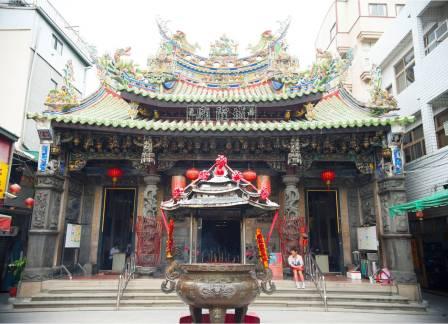
- WORLD HERITAGE SITES – 世 界 遺 產 區
- World Heritage in Chiayi City, Taiwan is not as prominent as in cities like Tainan or Taipei, but the area is rich in cultural and natural heritage that is recognized locally and nationally, and some sites contribute to Taiwan’s broader heritage landscape. While Chiayi itself does not currently host UNESCO World Heritage Sites, it serves as a gateway to significant heritage sites nearby, and it preserves intangible cultural heritage, historic architecture, and traditional practices.
Here’s an overview of world and cultural heritage related to Chiayi City:
🏯 1. Nearby UNESCO-Recognized Contexts
Alishan Forest Railway (阿里山森林鐵路)
While technically in Chiayi County, this historic railway is connected to Chiayi City as the main gateway for tourists.
Recognized for its engineering heritage, scenic value, and cultural significance in Taiwan’s history.
Part of the broader heritage landscape of Taiwan’s mountainous regions.
Traditional Arts and Crafts
Chiayi City supports local practices like puppet theater (布袋戲), temple carvings, and folk festivals, which are considered part of Taiwan’s intangible cultural heritage.
These practices, while not UNESCO-listed, are preserved, documented, and celebrated nationally, and some align with UNESCO’s intangible heritage frameworks.
🏮 2. Historic Buildings and Architecture
Chiayi Confucius Temple: A well-preserved temple that reflects traditional Confucian architecture and cultural practices.
Old City Walls and Historic Streets: Portions of Chiayi City maintain colonial-era and Qing Dynasty architecture, representing Taiwan’s urban heritage.
These sites preserve architectural, social, and cultural history, contributing to the city’s identity as a heritage hub in southern Taiwan.
🖌 3. Festivals and Intangible Heritage
Temple Festivals and Folk Arts: Puppetry, opera, and ritual performances are actively practiced in Chiayi.
Agricultural and Community Traditions: Local festivals, ancestral worship, and harvest celebrations reflect Taiwanese cultural heritage.
Such practices are often recognized by national cultural heritage programs and are part of Taiwan’s broader application for intangible heritage recognition.
🌏 4. Significance
Cultural Continuity: Preserves traditional arts, rituals, and community identity.
Tourism Gateway: Chiayi City serves as a starting point for heritage tourism, including trips to Alishan and nearby historic towns.
Educational Role: Local museums, cultural centers, and schools promote awareness of heritage preservation and intangible culture.
🔑 Key Features of Heritage in Chiayi City
Intangible Heritage: Puppet theater, folk arts, temple rituals, and festivals.
Historic Architecture: Temples, colonial-era buildings, and old streets.
Gateway to Natural Heritage: Connection to Alishan and other protected landscapes.
Cultural Tourism Focus: Heritage is experienced through festivals, museums, and guided tours.
In summary, Chiayi City itself does not currently host UNESCO World Heritage Sites, but it is a center for Taiwan’s intangible and tangible cultural heritage. Through its temples, folk arts, historic streets, and connection to Alishan, Chiayi serves as a cultural and heritage hub, preserving traditions and providing access to some of Taiwan’s most iconic heritage landscapes. - taiwantoday.tw – World heritage in the culture of Chiayi City – backgrounder
- taiwaneverything.cc – World heritage in the culture of Chiayi City – backgrounder
- wikivoyage.org – World heritage in the culture of Chiayi City – backgrounder
- forest.gov.tw – World heritage in the culture of Chiayi City – backgrounder
- forest.gov.tw – World heritage in the culture of Chiayi City – backgrounder
- reachtoteachrecruiting.com – World heritage in the culture of Chiayi City – backgrounder
- cushtravel.com – World heritage in the culture of Chiayi City – backgrounder
- trip.com – World heritage in the culture of Chiayi City – backgrounder
- forest.gov.tw – World heritage in the culture of Chiayi City – backgrounder
- wikipedia.org – World heritage in the culture of Chiayi City – backgrounder
- wikimedia.org – World heritage in the culture of Chiayi City
- EASY SEARCH FOR MORE LINKS ! . . . . .
- scholar.google.com – World heritage in the culture of Chiayi City @ Google Scholar
- youtube.com – World heritage in the culture of Chiayi City @ YouTube . com
- images.google.com – World heritage in the culture of Chiayi City @ Google Images
- CULTURE – 文 化
- The culture of Chiayi City, Taiwan is a rich blend of traditional Taiwanese heritage, folk customs, religious practices, and modern creative expression. The city’s cultural identity reflects its history as a regional center, its role in agriculture and trade, and its commitment to preserving arts and local traditions.
Here’s a detailed overview of the culture of Chiayi City:
🏯 1. Historical and Architectural Heritage
Chiayi Confucius Temple: Symbolizes the city’s respect for education, Confucian values, and civic traditions.
Historic Streets and Buildings: Colonial-era architecture, old city walls, and traditional marketplaces reflect Chiayi’s urban development and historical evolution.
These sites preserve cultural memory and architectural aesthetics.
🎭 2. Folk Arts and Performance
Puppet Theater (布袋戲): Chiayi is famous for glove puppetry, a traditional performing art that tells myths, legends, and moral stories.
Taiwanese Opera (歌仔戲) and folk music are performed during temple festivals, seasonal events, and community gatherings.
Temple Murals, Wood Carvings, and Ceramics: Folk arts are integrated into religious sites and community spaces, combining spiritual significance with artistic expression.
🏮 3. Religion and Beliefs
Buddhism, Taoism, and Folk Religion dominate the spiritual landscape.
Temples and shrines serve as centers for worship, festivals, and communal activities, reflecting the intertwining of faith and everyday life.
Beliefs are expressed through rituals, festivals, processions, and temple arts, preserving local traditions.
🍲 4. Culinary Culture
Chiayi is known for local snacks, street foods, and regional specialties, often tied to markets and night markets.
Traditional beverages, rice-based foods, and festival treats highlight agricultural heritage and communal sharing.
Culinary practices often intersect with festival celebrations and temple offerings.
🎨 5. Contemporary Arts and Creative Culture
Chiayi Cultural and Creative Industries Park: Serves as a hub for galleries, artisan workshops, performances, and film screenings.
Public art, murals, and street performances reflect modern interpretations of local history and culture.
The city fosters community engagement, art education, and creative experimentation alongside traditional cultural practices.
🌏 6. Festivals and Community Life
Temple Festivals: Integrate rituals, performances, and folk arts, maintaining communal traditions.
Harvest Celebrations and Cultural Fairs: Highlight agricultural roots and local creativity.
Educational Programs and Workshops: Promote traditional crafts, puppet theater, music, and visual arts, engaging both residents and visitors.
🔑 Key Features of Chiayi City’s Culture
Blend of Tradition and Modernity: Folk arts, temple rituals, and contemporary creative projects coexist.
Community-Centric: Festivals, workshops, and performances actively involve residents and local artisans.
Religious and Folk Integration: Spiritual practices influence arts, festivals, and daily life.
Heritage Preservation: Temples, historic buildings, and folk practices maintain cultural continuity.
Creative Innovation: Modern galleries, street art, and creative industries expand the city’s cultural expression.
In summary, Chiayi City’s culture is a vibrant, multifaceted ecosystem where history, religion, folk arts, festivals, culinary traditions, and contemporary creativity intersect. The city balances heritage preservation with modern artistic innovation, creating a dynamic cultural identity rooted in community, tradition, and creativity. - foreignersintaiwan.com – Culture of Chiayi @ Foreigners in Taiwan Chiayi Destination Guide (Great site !!!)
- taiwantourismus.de – Culture of Chiayi @ Travel in Taiwan e-zine
- cnn.com – Alishan Railway @ CNN Travel
- EASY SEARCH FOR MORE LINKS ! . . . . .
- scholar.google.com – Culture of Chiayi CIty @ Google Scholar
- youtube.com – Culture of Chiayi CIty @ YouTube . com
- images.google.com – Culture of Chiayi CIty @ Google Images
- TRADITIONS – 传 统
- Traditions in Chiayi City, Taiwan are closely tied to the city’s folk culture, religious practices, festivals, and community life. They reflect a mix of historical heritage, agricultural roots, temple-centered rituals, and artistic expression, preserving values and customs that have been passed down through generations.
Here’s a detailed overview of traditions in Chiayi City:
🏯 1. Religious Traditions
Temple Rituals and Festivals
Chiayi’s temples celebrate deity birthdays, seasonal events, and city guardian ceremonies.
Rituals include offerings, lion dances, firecrackers, and processions, often accompanied by puppet theater or Taiwanese opera.
Ancestor Worship
Practiced during Qingming Festival and Ghost Month, with families maintaining altars, offerings, and ritual ceremonies to honor ancestors.
Folk Belief Practices
Beliefs in local guardian spirits, Tudigong (Earth God), and Mazu (Sea Goddess) influence daily life and traditional observances.
🎭 2. Performance Traditions
Puppet Theater (布袋戲)
Glove puppetry is a longstanding tradition, performed during temple festivals, community events, and cultural programs.
Stories often feature mythical tales, local legends, and moral lessons, linking entertainment with cultural preservation.
Taiwanese Opera (歌仔戲)
Performed during festivals and religious celebrations, keeping traditional music, costumes, and storytelling alive.
🏮 3. Folk Arts and Crafts
Temple Carvings and Murals
Traditional craftsmanship is displayed in temple architecture, wood carvings, and decorative murals, representing legends, deities, and historical events.
Ceramics and Paper Crafts
Handmade items are used in rituals, festival decorations, and everyday life, preserving folk art traditions.
🍲 4. Culinary Traditions
Festival Foods
Special dishes and snacks are prepared for temple celebrations, harvest festivals, and family rituals, often incorporating rice, seafood, and seasonal ingredients.
Local Specialties
Chiayi’s food culture emphasizes street foods, market treats, and regional snacks, reflecting agricultural heritage and community sharing.
🌏 5. Community and Seasonal Traditions
Harvest Celebrations
Tied to Chiayi’s agricultural history, these events celebrate bountiful crops and communal effort, often with ritual offerings and festive performances.
Cultural Workshops and Classes
Community programs teach puppetry, folk crafts, traditional music, and ceremonial practices, engaging residents in cultural continuity.
🔑 Key Features of Traditions in Chiayi City
Religiously and Spiritually Rooted: Many traditions revolve around temples, deities, and ancestral worship.
Performance-Oriented: Puppet theater, Taiwanese opera, and festival performances are central to cultural transmission.
Artisanal and Craft-Based: Folk arts, murals, and ceremonial crafts preserve heritage.
Culinary Integration: Food and festival traditions reflect agriculture, family, and community values.
Community Engagement: Residents actively participate in rituals, festivals, and workshops, keeping traditions alive.
In summary, traditions in Chiayi City are a living blend of religious rituals, performance arts, folk crafts, culinary practices, and seasonal celebrations. They sustain the city’s cultural identity, community cohesion, and heritage, while being actively practiced and passed down through generations. - _____ – Traditions in the culture of Chiayi City
- EASY SEARCH FOR MORE LINKS ! . . . . .
- scholar.google.com – Traditions in the culture of Chiayi City @ Google Scholar
- youtube.com – Traditions in the culture of Chiayi City @ YouTube . com
- images.google.com – Traditions in the culture of Chiayi City @ Google Images
- FOLK CUSTOMS – 民 間 風 俗
- _____ – Folk customs in the culture of Chiayi City
- Folk customs in Chiayi City, Taiwan are a vibrant reflection of the city’s cultural heritage, religious practices, and communal life. Rooted in centuries of agricultural, spiritual, and artistic traditions, these customs encompass rituals, festivals, traditional arts, and everyday practices that connect residents to their history and community.
Here’s a detailed overview of folk customs in Chiayi City:
🏯 1. Religious and Spiritual Customs
Temple Worship
Residents regularly visit temples to pray, make offerings, and seek blessings from local deities such as Mazu (Sea Goddess), Tudigong (Earth God), and city guardians.
Customs include ritual ceremonies, incense burning, and divination practices.
Ancestor Worship
Practiced during Qingming Festival and other family rituals, involving altar offerings, food, and ceremonial rites.
Emphasizes respect for ancestors and familial continuity.
Ghost Month (Seventh Lunar Month)
Folk customs include offerings to spirits, burning joss paper, and avoiding certain activities, reflecting belief in the spiritual world.
🎭 2. Festivals and Seasonal Customs
Temple Festivals
Include processions, lion and dragon dances, puppet theater (布袋戲), and Taiwanese opera (歌仔戲).
Festivals honor deities’ birthdays, seasonal changes, or city guardian spirits.
Harvest and Agricultural Celebrations
Linked to Chiayi’s agricultural heritage, involving offerings, communal feasts, and ritual performances to ensure a good harvest.
🏮 3. Folk Arts and Crafts
Temple Murals and Wood Carvings
Decorative arts depict myths, legends, and religious stories, preserving cultural narratives.
Ceramics and Paper Crafts
Used in rituals, festivals, and daily practices, these crafts maintain traditional techniques and symbolic meanings.
Lantern and Festival Crafts
Handmade lanterns, festival decorations, and ritual items are central to community celebrations.
🍲 4. Culinary Customs
Festival Foods
Special dishes are prepared for temple celebrations, family rituals, and seasonal festivals, often featuring rice, pork, seafood, and local vegetables.
Street Foods and Market Snacks
Traditional flavors and recipes are shared through night markets and local gatherings, sustaining Chiayi’s culinary heritage.
🌏 5. Community and Social Customs
Collective Participation
Folk customs are community-centered, with residents actively participating in festivals, rituals, and local workshops.
Oral Traditions
Stories, legends, and folk songs are passed down orally, reinforcing moral lessons and cultural identity.
Integration with Modern Life
Many customs are adapted into creative events, educational programs, and cultural tourism, keeping traditions relevant for new generations.
🔑 Key Features of Folk Customs in Chiayi City
Religious and Spiritual Orientation: Centered on temple worship, ancestor veneration, and folk beliefs.
Performance-Based Traditions: Puppet theater, opera, dances, and festival processions preserve storytelling and artistic expression.
Artisanal Expression: Crafts, murals, and ceremonial objects embody heritage and symbolism.
Culinary Integration: Food customs connect celebration, ritual, and community.
Community Engagement: Customs are living traditions, maintained through participation and education.
In summary, folk customs in Chiayi City are a living tapestry of religious rituals, festivals, arts, culinary traditions, and community practices. They sustain cultural identity, social cohesion, and historical memory, while actively evolving to remain meaningful in contemporary life.
- EASY SEARCH FOR MORE LINKS ! . . . . .
- scholar.google.com – Folk customs in the culture of Chiayi City @ Google Scholar
- youtube.com – Folk customs in the culture of Chiayi City @ YouTube . com
- images.google.com – Folk customs in the culture of Chiayi City @ Google Images
- OLD STREETS in Chiayi City – 嘉義市文化中老街的角色
- Old Streets in Chiayi City, Taiwan are charming cultural corridors that showcase the city’s historical architecture, traditional commerce, local crafts, and culinary heritage. These streets are living museums, preserving Qing Dynasty and Japanese colonial-era buildings while remaining active centers of daily life, tourism, and cultural activities.
Here’s a detailed overview of Old Streets in Chiayi City:
🏛 1. Wenhua Road (文化路)
One of Chiayi’s most iconic old streets, lined with traditional shops, historic buildings, and temples.
Shops sell local snacks, traditional medicines, crafts, and souvenirs, preserving the commercial and cultural life of the city.
Street architecture reflects a mix of Qing Dynasty and Japanese colonial styles, featuring arched windows, ornate façades, and narrow lanes.
🏮 2. Zhongshan Road (中山路)
A historic shopping and cultural street with well-preserved buildings from the early 20th century.
Home to tea houses, specialty shops, and traditional markets, providing a window into Chiayi’s daily life and trade heritage.
Often hosts street performances, local festivals, and cultural exhibitions, keeping the street vibrant.
🖌 3. Lantan Old Street (蘭潭老街) / Lantan Historic Area
Located near Lantan Reservoir and scenic areas, this street combines heritage architecture with cultural attractions.
Visitors can find artisan shops, folk craft displays, and traditional eateries.
Serves as a gateway to understanding Chiayi’s folk arts, culinary traditions, and community life.
🍲 4. Cultural and Culinary Features
Traditional Snacks: Local specialties such as turmeric cakes, bean curd, rice-based treats, and street foods.
Craft Shops: Ceramics, handmade paper, wood carvings, and other folk arts are sold along the streets.
Cultural Events: Festivals and temple celebrations often use Old Streets as procession routes or event spaces, blending commerce, tourism, and tradition.
🌏 5. Significance of Old Streets
Cultural Preservation: Old Streets retain architectural heritage, urban planning patterns, and traditional commerce.
Tourism and Education: Visitors experience history, folk culture, and local cuisine, often guided by cultural tours.
Community Identity: Streets remain active hubs for social interaction, religious activities, and local markets.
Integration with Modern Life: Many streets have adapted to include cafés, galleries, and creative shops, merging tradition with contemporary culture.
🔑 Key Features of Chiayi’s Old Streets
Historic Architecture: Qing Dynasty and Japanese colonial-era buildings with distinctive façades.
Local Commerce: Traditional shops, street vendors, and specialty markets.
Cultural Expression: Murals, carvings, temples, and festival activities integrated into the streetscape.
Community and Tourism: Active engagement of locals and visitors in commerce, arts, and rituals.
Culinary Heritage: Local snacks and traditional dishes highlight Chiayi’s food culture.
In summary, Old Streets in Chiayi City are living cultural corridors that blend history, commerce, arts, festivals, and cuisine. They allow visitors and residents alike to experience the city’s heritage, folk traditions, and vibrant community life in a walkable, immersive environment.
- Chiayi City isn’t known for a single “old street,” but it boasts multiple historic lanes and neighbourhoods that reflect layers of history ranging from the Japanese colonial era to traditional Taiwanese crafts.
- Chiayi City has a collection of historic alleys, craft workshops, creative zones & food lanes that into a rich tapestry that is very walkable, and ideal for cultural exploration & local snack adventures.
- Key “Old Street” Areas & Heritage Lanes:.
- Taiping Old Street. A charming part of downtown Chiayi, Taiping Old Street features a mix of historic shops, food stalls, and a dedicated museum showcasing Chiayi’s local heritage. It’s one of the most inviting historic streets for both architecture and cuisine
- Xirong Street / Zhongzheng Road Corridor. Within walking distance north of Chiayi Station, this atmospheric area offers art-deco architecture like the iconic Chiayi Pharmacy building, alongside local eateries such as the turkey rice stalls Yanjing and Chiahe.
- laorencha.com – Zhongzheng Road Corridor @ Lao Ren Cha blog
- Guang Hua Road & Xinrong Road Crafts District. Here you’ll find the Guang Cai Embroidery Shop, specializing in hand-embroidered temple garments and lanterns, and Feng Yi Printing Shop, a traditional typographic shop established in 1954 with over 180,000 antique character dies on display.
- taiwaneverything.cc – Guang Hua Road & Xinrong Road Crafts District @ Taiwan Everything website
- Cultural Revitalization Zones:
- Chiayi Cultural & Creative Industries Park (G9 Creative Park) is housed in the former Japanese-era brewery near Chiayi Station. The park is now a lively hub of cafés, exhibitions, and creative markets inside restored industrial architecture.
- Hinoki Village (檜意森活村) is a preserved cluster of 28 Japanese-era wooden dormitories made from Alishan cypress, now repurposed as tea houses, galleries, and boutiques. It’s considered the largest Japanese-style building complex in Taiwan.
- wikipedia.org – Hinoki Village – 檜意森活村 @ Wikipedia . org
- Museum of Old Taiwan Tiles (台灣花磚博物館) was previously a timber storage house from Japanese rule. This museum exhibits over 4,000 decorative tiles from early 20th‑century Taiwanese architecture. It is just northeast of Chiayi Station.
- wikipedia.org – Museum of Old Taiwan Tiles (台灣花磚博物館) @ Wikipedia . org
- Culinary Scenes Along the Way
- Wenhua (Culture) Road Night Market is Chiayi’s most popular evening street-food destination. The half-kilometer stretch comes alive at night with beloved local foods like turkey rice, steamed buns, stinky tofu, and bubble tea, along with arcade games and small boutiques.
- Fenqihu Old Street – 奮起湖老街
- Fenqihu (奮起湖) is located in Zhuqi Township, and is a picturesque mountain village sitting at approximately 1,400 meters above sea level. Surrounded by hills on three sides, the town rests in a basin that looks like a “dustpan,” which inspired its old Hokkien name “Pùn‑ki‑ôo” or “dustpan lake” .
- Fenqihu is best known as a historic mid‑route station on the Alishan Forest Railway, which opened in 1912. Steam trains once stopped here at noon to refuel, and local vendors began selling boxed lunches—now the famous Fenqihu railway bento—to passengers. Over time, the town became known across Taiwan as the “Bento Kingdom.”
- Just below the station lies Fenqihu Old Street which is considered to be the highest-altitude old street in Taiwan. It is lined with nostalgic shops and closely resembles the atmosphere of Jiufen in northern Taiwan.
- Fenqihu stands out as a charming blend of railway nostalgia, mountain scenery, and authentic local culture. It is famous for its railway lunchboxes, historic station, & atmospheric old street.
- taiwanobsessed.com – Fenqihu Old Street @ Nick Kembel’s “Taiwan Obsessed” website (Great site !!!)
- foreignersintaiwan.com – Fenqihu Old Street @ Foreigners in Taiwan Destination Guide for Chiayi.
- https://www.trip.com – Old Streets in the culture of Chiayi City
- https://www.travelking.com.tw – Old Streets in the culture of Chiayi City
- https://www.travelking.com.tw – Old Streets in the culture of Chiayi City
- https://www.tripadvisor.ca – Old Streets in the culture of Chiayi City
- https://www.tripadvisor.com – Old Streets in the culture of Chiayi City
- wikipedia.org – Fenqihu Old Street @ Wikipedia . org
- EASY SEARCH FOR MORE LINKS ! . . . . .
- scholar.google.com – Old Streets in the culture of Chiayi City @ Google Scholar
- youtube.com – Old Streets in the culture of Chiayi City @ YouTube . com
- images.google.com – Old Streets in the culture of Chiayi City @ Google Images
DINING – 餐 館 及 餐 飲

- DINING – 餐 館 及 餐 飲
- _____ – Dining in the culture of Chiayi City
- Dining in Chiayi City, Taiwan is a flavorful reflection of the city’s regional culinary heritage, street food culture, and local specialties. The city offers a mix of traditional Taiwanese dishes, snack foods, fresh produce, and modern dining options, often closely tied to temple festivals, night markets, and community traditions.
Here’s a detailed overview of dining in Chiayi City:
🍲 1. Local Specialties
Turkey Rice (火雞肉飯, Huǒjī ròu fàn)
Chiayi is famous for this dish: shredded turkey over rice with savory sauce, often accompanied by pickled vegetables.
A must-try comfort food and signature local dish.
Bawan (肉圓, Taiwanese Meatball)
A glutinous rice dumpling stuffed with pork, bamboo shoots, and mushrooms, often served with sweet-savory sauce.
Oil Rice (油飯, Yóufàn)
Glutinous rice mixed with mushrooms, dried shrimp, and soy sauce, traditionally served at festivals and celebrations.
Chiayi-style Oyster Omelet (蚵仔煎)
Fresh oysters in a crispy-skinned omelet, served with sweet and spicy sauce, commonly found in night markets.
🏮 2. Street Food and Night Markets
Chiayi Night Markets (e.g., Wenhua Road Night Market)
Offer a wide range of snacks, desserts, drinks, and local delicacies.
Popular items include stinky tofu, fried chicken, bubble tea, shaved ice, and traditional pastries.
Snack Stalls and Local Vendors
Small shops and street vendors sell specialty foods unique to Chiayi, often using locally sourced ingredients.
🖌 3. Traditional and Festival Dining
Temple Offerings and Festival Foods
Food is integral to temple festivals, deity birthdays, and communal celebrations.
Special dishes such as rice cakes, sticky rice, and noodle dishes are prepared for ritual offerings and shared with the community.
Seasonal and Agricultural Dishes
Chiayi’s agricultural heritage influences local cuisine, emphasizing fresh vegetables, rice, and river produce.
☕ 4. Cafés and Modern Dining
Local Cafés and Tea Houses
Blend traditional flavors with modern café culture, offering Taiwanese teas, pastries, and coffee-based drinks.
Contemporary Restaurants
Feature fusion cuisine, creative plating, and regional specialties, appealing to both locals and tourists.
🌏 5. Dining Experience and Culture
Casual and Communal: Meals are often shared family-style or street-style, reflecting community values.
Flavor Diversity: Chiayi cuisine balances savory, sweet, and umami flavors, influenced by local ingredients.
Cultural Immersion: Dining is closely linked to folk traditions, festivals, and social gatherings, offering more than just food—it’s a cultural experience.
🔑 Key Features of Dining in Chiayi City
Signature Dishes: Turkey rice, Bawan, oyster omelets, and oil rice.
Street Food Culture: Night markets and snack stalls preserve folk culinary traditions.
Festival and Ritual Foods: Cuisine linked to temple celebrations and seasonal rituals.
Local Ingredients: Fresh produce, poultry, seafood, and rice highlight regional flavors.
Modern Dining Options: Cafés and restaurants incorporate creative interpretations of traditional cuisine.
In summary, dining in Chiayi City is a rich blend of traditional flavors, street food culture, festival cuisine, and modern culinary creativity. Food is not only a necessity but also a way to experience Chiayi’s heritage, community life, and local identity.
- EASY SEARCH FOR MORE LINKS ! . . . . .
- scholar.google.com – Dining in the culture of Chiayi City @ Google Scholar
- youtube.com – Dining in the culture of Chiayi City @ YouTube . com
- images.google.com – Dining in the culture of Chiayi City @ Google Images
- COOKING – 烹 飪
- _____ – Cooking in the culture of Chiayi City
- Cooking in Chiayi City, Taiwan reflects the region’s culinary heritage, agricultural abundance, and traditional techniques, combining local ingredients, folk recipes, and festival practices. Cooking in Chiayi is not only about making meals—it’s an expression of community identity, seasonal rhythms, and cultural continuity.
Here’s a detailed overview of cooking in Chiayi City:
🍚 1. Core Ingredients
Rice: Central to Chiayi cuisine, used in Turkey Rice, Oil Rice, and various festival dishes.
Poultry and Pork: Locally raised, forming the basis for shredded turkey, braised pork dishes, and meatballs.
Fresh Vegetables and Seafood: Seasonal produce and river fish or oysters are common in omelets, stir-fries, and soups.
Herbs and Condiments: Garlic, ginger, soy sauce, sesame oil, and local spices create savory and aromatic flavors.
🍲 2. Cooking Techniques
Stir-Frying and Braising: Common for meat, vegetables, and rice-based dishes, emphasizing rich, balanced flavors.
Steaming: Used for dumplings, buns, and rice dishes, retaining natural flavors and textures.
Deep-Frying: Popular for street foods like Bawan, oyster omelets, and snacks, creating crisp textures.
Simmering and Slow-Cooking: Applied to soups, sauces, and braised meats, reflecting traditional home cooking methods.
🏮 3. Traditional and Festival Cooking
Temple and Festival Foods
Dishes prepared for deity celebrations, ancestor worship, and harvest festivals often include rice cakes, sticky rice, noodles, and sweet treats.
Cooking is a community activity, with recipes passed down through generations.
Seasonal Dishes
Cooking aligns with the agricultural calendar, using fresh, seasonal ingredients to create dishes that reflect the time of year.
🍴 4. Home Cooking Culture
Family-Oriented: Meals are often shared communally, reinforcing family and community bonds.
Recipe Transmission: Traditional recipes are handed down orally, preserving local flavors, techniques, and culinary identity.
Practical and Flavorful: Emphasis on balanced nutrition, accessible ingredients, and simplicity with taste.
☕ 5. Modern Influences
Cafés and Fusion Cooking: Local chefs incorporate modern techniques and international flavors while maintaining Taiwanese roots.
Cooking Classes and Workshops: Offered at cultural centers and creative hubs, teaching traditional Chiayi dishes and contemporary adaptations.
🔑 Key Features of Cooking in Chiayi City
Local Ingredients: Rice, poultry, pork, seafood, and fresh vegetables dominate.
Traditional Techniques: Stir-frying, steaming, braising, deep-frying, and slow-cooking.
Community and Family Focus: Meals are shared, and recipes are preserved through generations.
Cultural Integration: Cooking is linked to temples, festivals, and folk customs.
Modern Adaptations: Contemporary culinary creativity blends with tradition in restaurants and cafés.
In summary, cooking in Chiayi City is a fusion of tradition, community, and regional flavor, where home kitchens, street food vendors, and festival cooks all contribute to a vibrant culinary culture. Food here is more than nourishment—it’s a living part of Chiayi’s heritage and social fabric. - https://www.ubereats.com – Cooking in the culture of Chiayi City
- https://thokohmakan.com – Cooking in the culture of Chiayi City
- https://www.hungryonion.org – Cooking in the culture of Chiayi City
- https://whywendywrites.com – Cooking in the culture of Chiayi City
- https://blog.myproguide.com – Cooking in the culture of Chiayi City
- https://en.wikipedia.org – Cooking in the culture of Chiayi City
- https://www.youtube.com – Cooking in the culture of Chiayi City
- https://www.salamtaiwan.net – Cooking in the culture of Chiayi City
- https://mmm-yoso.typepad.com – Cooking in the culture of Chiayi City
- https://www.storyofakitchen.com – Cooking in the culture of Chiayi City
- https://eatingintaipei.com – Cooking in the culture of Chiayi City
- https://topics.amcham.com.tw – Cooking in the culture of Chiayi City
- https://foodinloveid.com – Cooking in the culture of Chiayi City
- https://www.tripadvisor.com – Cooking in the culture of Chiayi City
- https://www.lemon8-app.com – Cooking in the culture of Chiayi City
- https://mmm-yoso.typepad.com – Cooking in the culture of Chiayi City
- https://travelsetu.com – Cooking in the culture of Chiayi City
- https://www.chiayi.gov.tw – Cooking in the culture of Chiayi City
- https://www.taiwanobsessed.com – Cooking in the culture of Chiayi City
- https://wanderlog.com – Cooking in the culture of Chiayi City
- https://miayang0727.com – Cooking in the culture of Chiayi City
- https://urbanpixxels.com – Cooking in the culture of Chiayi City
- https://www.youtube.com – Cooking in the culture of Chiayi City
- https://www.youtube.com – Cooking in the culture of Chiayi City
- https://www.youtube.com – Cooking in the culture of Chiayi City
- https://travel.chiayi.gov.tw – Cooking in the culture of Chiayi City
- EASY SEARCH FOR MORE LINKS ! . . . . .
- scholar.google.com – Cooking in the culture of Chiayi City @ Google Scholar
- youtube.com – Cooking in the culture of Chiayi City @ YouTube . com
- images.google.com – Cooking in the culture of Chiayi City @ Google Images
- CUISINE – 美 食
- _____ – Cuisine in the culture of Chiayi City
- Cuisine in Chiayi City, Taiwan is a flavorful reflection of the city’s regional ingredients, traditional recipes, and cultural heritage. Known for its local specialties, night market snacks, and festival foods, Chiayi’s cuisine blends home-style cooking, street food culture, and culinary creativity, offering a rich taste of southern Taiwanese gastronomy.
Here’s a detailed overview of cuisine in Chiayi City:
🍲 1. Signature Dishes
Turkey Rice (火雞肉飯, Huǒjī ròu fàn)
Shredded turkey served over rice with a savory soy-based sauce, often topped with green onions or pickled vegetables.
Chiayi is considered the birthplace of this iconic dish.
Bawan (肉圓, Taiwanese Meatball)
A glutinous rice dumpling filled with pork, bamboo shoots, and mushrooms, served with sweet-savory sauce.
Oil Rice (油飯, Yóufàn)
Glutinous rice mixed with mushrooms, dried shrimp, and soy sauce, traditionally served at festivals and family celebrations.
Chiayi-style Oyster Omelet (蚵仔煎)
Fresh oysters in a crispy-skinned omelet, drizzled with sweet and spicy sauce.
🏮 2. Street Food and Night Market Culture
Wenhua Road Night Market and other local markets feature:
Stinky tofu, fried chicken, rice cakes, shaved ice desserts, bubble tea, and local pastries.
Street food culture emphasizes quick, flavorful, and affordable snacks, reflecting local taste preferences.
🖌 3. Festival and Ritual Foods
Temple Offerings and Festival Dishes
Rice cakes, sticky rice, noodles, and sweet treats are prepared for deity birthdays, harvest festivals, and communal celebrations.
Food is a symbol of respect, community, and cultural continuity.
🍴 4. Home Cooking Traditions
Family-style Meals: Dishes are prepared for communal sharing.
Seasonal Ingredients: Fresh vegetables, poultry, and seafood are cooked according to agricultural cycles.
Traditional Techniques: Stir-frying, braising, steaming, and deep-frying preserve authentic flavors and textures.
☕ 5. Modern and Fusion Cuisine
Cafés and Specialty Restaurants: Blend Taiwanese flavors with international culinary styles.
Creative Street Food: Local vendors experiment with fusion snacks and modern twists on traditional recipes.
Cooking Workshops: Offer residents and tourists the chance to learn signature Chiayi dishes, combining tradition with modern culinary education.
🌏 6. Cultural Significance
Cuisine is deeply intertwined with folk customs, temple festivals, and seasonal celebrations.
Food is both nourishment and cultural expression, reflecting community values, historical heritage, and local identity.
Chiayi’s culinary culture emphasizes simplicity, flavor, and communal enjoyment, making it a central part of everyday life and tourism.
🔑 Key Features of Chiayi City Cuisine
Local Specialties: Turkey rice, Bawan, oil rice, oyster omelets.
Street Food Focus: Night markets and snack vendors preserve traditional flavors.
Festival and Ritual Foods: Dishes tied to temples, harvests, and communal events.
Seasonal and Regional Ingredients: Fresh, locally sourced poultry, seafood, and produce.
Contemporary Adaptations: Fusion cuisine, cafés, and workshops blend tradition with innovation.
In summary, cuisine in Chiayi City is a dynamic combination of tradition, street food culture, and modern culinary creativity. From night market snacks to festival foods and home-cooked meals, Chiayi offers a rich and authentic taste of southern Taiwanese culture.
- EASY SEARCH FOR MORE LINKS ! . . . . .
- scholar.google.com – Cuisine in the culture of Chiayi City @ Google Scholar
- youtube.com – Cuisine in the culture of Chiayi City @ YouTube . com
- images.google.com – Cuisine in the culture of Chiayi City @ Google Images
- FOODS – 食 品
- Foods in Chiayi City, Taiwan showcase the city’s local ingredients, traditional recipes, and vibrant street food culture, reflecting both everyday life and festive traditions. Chiayi is known for its signature dishes, night market snacks, and festival specialties, making it a destination for culinary exploration in southern Taiwan.
Here’s a detailed overview of foods in Chiayi City:
🍲 1. Signature Dishes
Turkey Rice (火雞肉飯, Huǒjī ròu fàn)
The city’s most famous dish: shredded turkey on rice with a soy-based savory sauce, often garnished with green onions or pickled vegetables.
Bawan (肉圓, Taiwanese Meatball)
Glutinous rice dumpling stuffed with pork, bamboo shoots, and mushrooms, served with a sweet-savory sauce.
Oil Rice (油飯, Yóufàn)
Glutinous rice mixed with mushrooms, dried shrimp, and soy sauce, commonly served during festivals and family gatherings.
Oyster Omelet (蚵仔煎, Kezai Jian)
Fresh oysters cooked in a crispy omelet, served with sweet and spicy sauce.
🏮 2. Street Foods and Night Markets
Chiayi Night Markets (e.g., Wenhua Road Night Market) are hubs for:
Stinky tofu, fried chicken, rice cakes, bubble tea, shaved ice, and local pastries.
Street foods are quick, flavorful, and affordable, providing a snapshot of Chiayi’s culinary culture.
🥟 3. Festival and Ritual Foods
Temple Offerings: Rice cakes, sticky rice, noodles, and sweets are prepared for deity birthdays and religious ceremonies.
Harvest and Seasonal Foods: Ingredients are chosen based on seasonal availability, celebrating agricultural cycles.
These foods serve both spiritual and social purposes, reinforcing community bonds.
🍴 4. Home-Cooked Foods
Meals are typically communal, with dishes prepared for family sharing.
Seasonal and local ingredients such as poultry, pork, seafood, and vegetables dominate.
Traditional techniques like stir-frying, braising, steaming, and deep-frying preserve authentic flavors.
☕ 5. Modern and Creative Foods
Cafés and Specialty Shops: Offer fusion foods, creative snacks, and local desserts.
Cooking Workshops: Teach both traditional dishes and modern interpretations of Chiayi cuisine.
Artisan Snacks: Handmade pastries, cakes, and beverages combine heritage recipes with modern flair.
🌏 6. Cultural and Social Significance
Food is deeply linked to religion, festivals, family, and community life.
Dining and cooking traditions reflect historical heritage, agricultural roots, and local identity.
Chiayi’s foods provide both nourishment and cultural experience, making them an essential part of exploring the city.
🔑 Key Features of Foods in Chiayi City
Local Specialties: Turkey rice, Bawan, oil rice, oyster omelets.
Street Food Culture: Night markets and snack vendors preserve traditional flavors.
Festival and Ritual Foods: Foods tied to temples, harvests, and communal events.
Fresh, Seasonal Ingredients: Poultry, pork, seafood, rice, and vegetables dominate.
Modern and Creative Options: Cafés, fusion cuisine, and artisan snacks complement traditional dishes.
In summary, foods in Chiayi City are a vivid expression of local culture, tradition, and creativity. From iconic signature dishes to street snacks, festival foods, and modern culinary innovations, Chiayi offers a full spectrum of flavors that tell the story of its people and heritage. - miayang0727.com – Foodie trip to Chiayi City @ Create Bites
- EASY SEARCH FOR MORE LINKS ! . . . . .
- scholar.google.com – Food in the culture of Chiayi CIty @ Google Scholar
- youtube.com – Food in the culture of Chiayi CIty @ YouTube . com
- images.google.com – Food in the culture of Chiayi CIty @ Google Images
- RECIPES – 菜 譜
- _____ – Recipes in the culture of Chiayi City
- Recipes in Chiayi City, Taiwan reflect the city’s culinary heritage, local ingredients, and traditional cooking techniques. Many recipes are tied to signature dishes, festival foods, and home-cooked meals, emphasizing simplicity, flavor, and communal sharing. These recipes are passed down through generations, often adapted to modern kitchens while retaining authentic tastes and cultural significance.
Here’s a detailed overview of recipes in Chiayi City:
🍚 1. Signature Dish Recipes
Turkey Rice (火雞肉飯, Huǒjī ròu fàn)
Ingredients: Shredded turkey breast, cooked rice, soy sauce, sesame oil, green onions, pickled vegetables.
Method:
Cook and shred turkey breast.
Mix soy sauce, sesame oil, and seasonings to make the sauce.
Pour sauce over rice, top with shredded turkey and green onions, and serve with pickles.
Notes: Simple yet flavorful, highlighting Chiayi’s signature comfort food.
Bawan (肉圓, Taiwanese Meatball)
Ingredients: Glutinous rice flour, sweet potato starch, pork filling (pork, bamboo shoots, mushrooms), soy sauce, sugar, garlic.
Method:
Make a translucent dough from glutinous rice flour and starch.
Wrap filling with dough and steam or deep-fry.
Serve with sweet-savory sauce.
Notes: Commonly eaten as a street food or festival snack.
Oil Rice (油飯, Yóufàn)
Ingredients: Glutinous rice, dried shrimp, shiitake mushrooms, soy sauce, sesame oil.
Method:
Soak glutinous rice, sauté mushrooms and shrimp in oil.
Mix with rice and steam until fully cooked.
Season with soy sauce and sesame oil.
Notes: Served during family gatherings, temple events, and festivals.
🍴 2. Festival and Ritual Recipes
Sticky Rice Cakes: Made with glutinous rice, sugar, and fillings like red bean or peanuts, used in temple offerings or Lunar New Year celebrations.
Seasonal Dishes: Recipes using fresh local vegetables, seafood, or poultry according to the agricultural calendar.
Cooking during festivals is often a community or family activity, reinforcing tradition and cultural identity.
🥟 3. Street Food and Snack Recipes
Oyster Omelet (蚵仔煎, Kezai Jian): Eggs, tapioca starch, oysters, and vegetables, cooked into a crispy omelet and topped with sweet-spicy sauce.
Chiayi-style Fried Chicken: Marinated chicken pieces deep-fried with local spices, a staple in night markets.
Local Pastries: Cakes and buns flavored with sesame, taro, or red bean paste.
☕ 4. Modern and Fusion Recipes
Cafés and creative restaurants experiment with fusion dishes like:
Turkey rice wraps or sliders.
Bubble tea-inspired desserts.
Modern takes on traditional cakes and dumplings.
Recipes often maintain traditional flavors while adapting presentation and technique for modern tastes.
🌏 5. Key Features of Chiayi Recipes
Ingredient Focus: Fresh, locally sourced poultry, pork, seafood, rice, and vegetables.
Cooking Techniques: Stir-frying, steaming, braising, deep-frying, and slow-cooking.
Cultural Significance: Recipes are linked to temples, festivals, family, and community traditions.
Balance of Tradition and Modernity: Classic dishes coexist with creative adaptations and contemporary interpretations.
In summary, recipes in Chiayi City are a living reflection of its culinary heritage, ranging from signature dishes and festival foods to street snacks and modern fusion creations. They emphasize fresh ingredients, traditional techniques, and cultural continuity, offering both authentic taste experiences and insights into local life.
- EASY SEARCH FOR MORE LINKS ! . . . . .
- scholar.google.com – Recipes in the culture of Chiayi City @ Google Scholar
- youtube.com – Recipes in the culture of Chiayi City @ YouTube . com
- images.google.com – Recipes in the culture of Chiayi City @ Google Images
- RESTAURANTS – 餐 飲
- _____ – Restaurants in the culture of Chiayi City
- EASY SEARCH FOR MORE LINKS ! . . . . .
- scholar.google.com – Restaurants in the culture of Chiayi City @ Google Scholar
- youtube.com – Restaurants in the culture of Chiayi City @ YouTube . com
- images.google.com – Restaurants in the culture of Chiayi City @ Google Images
”FAVORITES” (LOCAL SPECIALTIES) – 最 愛

- ”FAVORITES” (LOCAL SPECIALTIES) – 最 愛
- Local specialties in Chiayi City, Taiwan highlight the city’s culinary identity, agricultural heritage, and regional flavors. These dishes and foods are beloved by locals and visitors alike and are often tied to traditional recipes, street food culture, and festival celebrations.
Here’s a detailed overview of local specialties in Chiayi City:
🍚 1. Signature Dishes
Turkey Rice (火雞肉飯, Huǒjī ròu fàn)
Chiayi is famous as the origin of turkey rice.
Shredded turkey over steamed rice, drizzled with a soy-based, savory sauce and garnished with pickled vegetables.
Often eaten as a quick meal, lunchbox item, or comfort food.
Bawan (肉圓, Taiwanese Meatball)
A glutinous rice dumpling filled with pork, bamboo shoots, and mushrooms.
Served with sweet-savory sauce, a favorite street snack and festival food.
Oil Rice (油飯, Yóufàn)
Glutinous rice mixed with mushrooms, dried shrimp, and soy sauce, steamed to perfection.
Commonly served at festivals, temple events, and family gatherings.
🏮 2. Night Market and Street Foods
Oyster Omelet (蚵仔煎, Kezai Jian): Fresh oysters cooked in a crispy omelet with sweet-spicy sauce.
Chiayi Fried Chicken: Deep-fried with local spices, often crispy and flavorful.
Stinky Tofu: Fermented tofu fried and served with pickled vegetables.
Local Pastries: Cakes and buns flavored with sesame, taro, or red bean paste.
Night markets like Wenhua Road Night Market are hubs for these local specialties.
🥂 3. Beverages and Desserts
Bubble Tea: Chiayi offers local takes on classic Taiwanese bubble tea.
Shaved Ice Desserts (剉冰): Topped with fruits, beans, or syrups, popular in the hot southern Taiwan climate.
Tea: Local tea varieties, often served in cafés and traditional tea houses.
🖌 4. Festival and Ritual Foods
Temple Offerings: Rice cakes, sticky rice, and noodles prepared during deity birthdays and temple festivals.
Harvest Celebration Foods: Ingredients are seasonal, reflecting Chiayi’s agricultural traditions.
🌏 5. Culinary Significance
Cultural Identity: Local specialties reflect Chiayi’s folk traditions, history, and community values.
Street and Communal Culture: Many specialties are accessible in night markets and local eateries, fostering social interaction and communal enjoyment.
Blend of Tradition and Modernity: Traditional dishes coexist with modern interpretations in cafés and specialty restaurants.
🔑 Key Features of Local Specialties in Chiayi City
Signature Dishes: Turkey rice, Bawan, oil rice, oyster omelets.
Street Food Culture: Night markets and snack stalls preserve authentic flavors.
Festival Foods: Linked to temples, seasonal celebrations, and community rituals.
Local Ingredients: Fresh poultry, pork, seafood, rice, and vegetables.
Modern Adaptations: Fusion dishes, creative snacks, and artisan cafés complement traditional foods.
In summary, Chiayi City’s local specialties are a delicious representation of the city’s culture, history, and community spirit. From street snacks and signature meals to festival dishes and beverages, these foods provide a culinary journey through the city’s heritage and contemporary flavors. - foreignersintaiwan.com – Local favorites of Chiayi City @ Foreigners in Taiwan Chiayi City Destination Guide
- EASY SEARCH FOR MORE LINKS ! . . . . .
- scholar.google.com – Local specialties in the culture of Chiayi CIty @ Google Scholar
- youtube.com – Local specialties in the culture of Chiayi CIty @ YouTube . com
- images.google.com – Local specialties in the culture of Chiayi CIty @ Google Images
- COFFEE – 咖 啡
- Coffee in Chiayi City, Taiwan has been gaining popularity in recent years, reflecting both Taiwan’s growing specialty coffee culture and Chiayi’s local café scene. While Chiayi is more traditionally known for its tea and local cuisine, coffee has carved out a niche among young people, tourists, and creative communities, with cafés offering both locally roasted beans and international brewing techniques.
Here’s a detailed overview of coffee in Chiayi City:
☕ 1. Café Culture
Trendy Cafés
Chiayi has seen a rise in boutique cafés, often located in historic buildings or old streets, combining heritage architecture with modern interior design.
These cafés serve specialty coffee, espresso-based drinks, pour-overs, and creative beverages, catering to coffee enthusiasts.
Community Spaces
Many cafés double as art spaces or cultural hubs, hosting art exhibitions, live music, and workshops, blending coffee culture with local creativity.
🌱 2. Coffee Beans and Roasting
Locally Sourced Beans
While Taiwan’s main coffee-growing regions are in Yunlin, Nantou, and Chiayi’s surrounding hills, some local cafés use Taiwan-grown beans.
Specialty roasting emphasizes balance, aroma, and highlighting the unique character of Taiwanese coffee beans.
Popular Brewing Methods
Pour-over, siphon, Chemex, and espresso are widely used, reflecting modern coffee trends in Taiwan.
🍰 3. Coffee and Food Pairings
Many cafés in Chiayi serve coffee alongside local pastries, cakes, and light snacks.
Pairings often feature Taiwanese flavors, like taro, matcha, or red bean, creating a fusion of traditional ingredients and modern coffee culture.
🌏 4. Coffee Culture in Context
Coffee consumption complements Chiayi’s traditional tea culture, offering an alternative social and creative space.
Cafés are often located near cultural streets, art spaces, or historic neighborhoods, making them part of Chiayi’s urban and creative life.
Coffee has become a social lifestyle choice, especially among students, young professionals, and tourists seeking relaxation or creative inspiration.
🔑 Key Features of Coffee in Chiayi City
Growing Specialty Scene: Boutique cafés and local roasters emphasize quality and creativity.
Cultural Integration: Many cafés function as art hubs, performance spaces, and community gathering points.
Local Beans and Techniques: Some use Taiwanese-grown beans with modern brewing methods.
Food Pairings: Coffee often served with local desserts and pastries.
Urban Lifestyle: Cafés reflect Chiayi’s blend of history, creativity, and contemporary culture.
In summary, coffee in Chiayi City represents a modern complement to traditional Taiwanese beverage culture. It combines quality brewing, locally inspired flavors, and cultural creativity, making cafés both a place to enjoy coffee and a venue for social and artistic engagement. - https://www.rtaiwanr.com – Coffee in the culture of Chiayi City
- https://www.kkday.com – Coffee in the culture of Chiayi City
- https://coffeeology.wheree.com – Coffee in the culture of Chiayi City
- https://ezgo.ardswc.gov.tw – Coffee in the culture of Chiayi City
- https://taiwan-etaprogram.org – Coffee in the culture of Chiayi City
- https://eng.taiwan.net.tw – Coffee in the culture of Chiayi City
- https://taiwaneverything.cc – Coffee in the culture of Chiayi City
- https://www.wheree.com – Coffee in the culture of Chiayi City
- https://www.taipeitimes.com – Coffee in the culture of Chiayi City
- https://mmm-yoso.typepad.com – Coffee in the culture of Chiayi City
- https://travel-in-taiwan.com – Coffee in the culture of Chiayi City
- https://www.lemon8-app.com – Coffee in the culture of Chiayi City
- https://taiwaneverything.cc – Coffee in the culture of Chiayi City
- https://www.taiwan-panorama.com – Coffee in the culture of Chiayi City
- https://taiwannews.com.tw – Coffee in the culture of Chiayi City
- https://travel.chiayi.gov.tw – Coffee in the culture of Chiayi City
- https://www.rtaiwanr.com – Coffee in the culture of Chiayi City
- https://www.tripadvisor.com – Coffee in the culture of Chiayi City
- https://travel.chiayi.gov.tw – Coffee in the culture of Chiayi City
- https://www.tripadvisor.com – Coffee in the culture of Chiayi City
- https://urbanpixxels.com – Coffee in the culture of Chiayi City
- https://wanderlog.com – Coffee in the culture of Chiayi City
- EASY SEARCH FOR MORE LINKS ! . . . . .
- scholar.google.com – Coffee in the culture of Chiayi City @ Google Scholar
- youtube.com – Coffee in the culture of Chiayi City @ YouTube . com
- images.google.com – Coffee in the culture of Chiayi City @ Google Images
- BEVERAGES – 饮 料
- Beverages in Chiayi City, Taiwan encompass a rich mix of traditional drinks, local specialties, and modern café culture. From tea and herbal drinks to coffee, bubble tea, and fresh juices, the city’s beverage scene reflects Taiwanese culture, local agriculture, and evolving trends.
Here’s a detailed overview of beverages in Chiayi City:
🍵 1. Traditional Tea
Taiwanese Tea Culture
Chiayi is near Taiwan’s central highlands, a region known for tea cultivation, including oolong and black teas.
Tea houses serve brewed tea with traditional ceremonies, often paired with local snacks.
Specialty Teas
Local blends may include herbal infusions, floral teas, and fruit teas, highlighting regional flavors and medicinal traditions.
🧋 2. Bubble Tea (珍珠奶茶, Zhēnzhū nǎichá)
Popularity
Bubble tea is a ubiquitous beverage across Chiayi, available in night markets, cafés, and chain stores.
Local Variations
Vendors may use locally grown tapioca pearls, fresh milk, or tea from nearby plantations, giving a distinct regional taste.
☕ 3. Coffee
Specialty Cafés
Boutique cafés offer espresso drinks, pour-overs, and creative coffee beverages.
Some cafés feature Taiwanese-grown beans and artistic presentation, blending modern coffee culture with local aesthetics.
🍹 4. Fresh Juices and Local Drinks
Fruit Juices and Smoothies
Using locally grown fruits such as guava, papaya, mango, and citrus.
Herbal and Medicinal Drinks
Traditional drinks made from ginger, barley, and herbal roots, popular for wellness and seasonal consumption.
🏮 5. Alcoholic Beverages
Rice Wine and Traditional Liquors
Some local shops offer handmade rice wines or herbal-infused liquors, often linked to temple festivals and folk traditions.
Beer
Domestic and craft beer are available in restaurants, bars, and specialty stores, increasingly popular among younger residents.
🌏 6. Beverage Culture and Social Context
Community and Social Life
Drinks are part of daily life, social gatherings, and street culture, from tea houses to night market stalls.
Integration with Food
Beverages are often paired with snacks, desserts, or meals, enhancing culinary experiences.
Cultural Blend
Traditional beverages coexist with modern trends, reflecting Chiayi’s heritage and contemporary lifestyle.
🔑 Key Features of Beverages in Chiayi City
Traditional Roots: Tea, herbal drinks, and rice wines reflect local culture and agriculture.
Modern Trends: Coffee, bubble tea, and creative juices cater to contemporary tastes.
Local Ingredients: Fruits, tea leaves, herbs, and regional dairy products highlight fresh and regional sourcing.
Social Significance: Beverages are intertwined with community life, festivals, and casual socializing.
Diverse Options: From street stalls to boutique cafés, the city offers variety for all ages and preferences.
In summary, beverages in Chiayi City combine tradition, local flavors, and modern creativity, offering a spectrum that ranges from classic teas and herbal drinks to bubble tea, coffee, and fresh juices. Drinks here are more than refreshment—they are part of Chiayi’s cultural expression and social life. - _____ – Beverages in the culture of Chiayi City
- EASY SEARCH FOR MORE LINKS ! . . . . .
- scholar.google.com – Beverages in the culture of Chiayi City @ Google Scholar
- youtube.com – Beverages in the culture of Chiayi City @ YouTube . com
- images.google.com – Beverages in the culture of Chiayi City @ Google Images
- BUBBLE TEA – 珍 珠 奶 茶
- ChatGPT said:
Bubble tea in Chiayi City, Taiwan is a vibrant part of the local beverage culture, reflecting both Taiwan’s national love for this iconic drink and Chiayi’s own regional flair and innovations. Bubble tea is widely available in night markets, street vendors, chain stores, and boutique cafés, making it both a daily indulgence and a tourist favorite.
Here’s a detailed overview of bubble tea in Chiayi City:
🧋 1. History and Popularity
Bubble tea, or “zhēnzhū nǎichá” (珍珠奶茶), originated in Taiwan in the 1980s and quickly became a national and international phenomenon.
In Chiayi, bubble tea is ubiquitous, with shops found in downtown areas, old streets, and night markets.
The drink appeals to students, young professionals, and tourists, serving as both a refreshing beverage and a social activity.
🍹 2. Typical Ingredients
Tea Base: Usually black tea, green tea, or oolong tea, sometimes mixed with fruit flavors.
Milk or Creamer: Fresh milk, condensed milk, or non-dairy creamer for a creamy texture.
Tapioca Pearls (“Boba”): Chewy pearls made from tapioca starch, often cooked in brown sugar syrup.
Optional Toppings: Pudding, jelly, aloe, red beans, or popping boba for variety.
🏮 3. Local Variations and Trends
Regional Ingredients
Some vendors use locally sourced milk, tea leaves, or sweeteners to give a Chiayi twist.
Innovative Flavors
Seasonal fruits like mango, guava, or passionfruit appear in limited-time drinks.
Chewy and Sweet Pearls
Shops may customize the chewiness of tapioca pearls or the level of sweetness, catering to local tastes.
🍴 4. Where to Enjoy Bubble Tea
Night Markets: Such as Wenhua Road Night Market, offering classic and creative flavors.
Old Streets and Shopping Districts: Standalone bubble tea shops and chains are common.
Cafés and Modern Beverage Shops: Some pair bubble tea with pastries, cakes, or Taiwanese desserts.
🌏 5. Cultural Significance
Social Activity: Bubble tea is often enjoyed with friends or as a quick refreshment during shopping and sightseeing.
Part of Taiwanese Identity: Chiayi residents embrace bubble tea as both a local favorite and a link to Taiwan’s broader culinary culture.
Fusion with Tradition: Creative shops sometimes combine local flavors, fruits, or teas with traditional bubble tea elements, merging modern trends with regional identity.
🔑 Key Features of Bubble Tea in Chiayi City
Widespread Availability: Found in markets, streets, cafés, and restaurants.
Variety of Flavors: From classic milk tea to fruit teas and seasonal creations.
Customization: Sweetness, ice level, and pearl texture can often be adjusted.
Cultural Integration: Part of daily life, tourism, and modern social culture.
Local Innovation: Incorporation of regional ingredients like local milk, tea leaves, or fruits.
In summary, bubble tea in Chiayi City is a beloved and versatile beverage, bridging Taiwanese tradition, local flavors, and contemporary trends. It’s both a daily refreshment and a cultural experience, offering residents and visitors a taste of Chiayi’s modern culinary landscape. - _____ – Bubble tea in the culture of Chiayi City
- EASY SEARCH FOR MORE LINKS ! . . . . .
- scholar.google.com – Bubble tea in the culture of Chiayi City @ Google Scholar
- youtube.com – Bubble tea in the culture of Chiayi City @ YouTube . com
- images.google.com – Bubble tea in the culture of Chiayi City @ Google Images
- BEER – 啤 酒
- _____ – Beer in the culture of Chiayi City
- Beer in Chiayi City, Taiwan reflects the city’s growing craft beer scene, traditional Taiwanese beer culture, and modern drinking trends. While Taiwan Beer (台灣啤酒), the national brand, is widely available, Chiayi has seen an increase in craft breweries, specialty bars, and pubs, catering to locals, tourists, and younger audiences interested in diverse beer experiences.
Here’s a detailed overview of beer in Chiayi City:
🍺 1. Mainstream Beer
Taiwan Beer (台灣啤酒)
The classic, widely consumed beer throughout Taiwan, including Chiayi.
Available in restaurants, convenience stores, night markets, and supermarkets.
Common varieties: Classic lager, Gold Medal (Taiwan Beer Premium), and fruit-flavored options like mango or lychee.
🍻 2. Craft Beer Scene
Local Craft Breweries
Small breweries have started to emerge in Chiayi, offering handcrafted beers with unique flavors.
Styles include pale ales, IPAs, stouts, and seasonal brews.
Some breweries use local ingredients such as Taiwanese fruits, herbs, or rice.
Bars and Pubs
Specialty bars offer imported beers, craft selections, and beer tasting experiences.
Some combine food pairings, such as Taiwanese snacks or fusion cuisine, with their beer menu.
🏮 3. Beer in Night Markets and Street Culture
Beer is often paired with street food and night market snacks, creating a casual social drinking environment.
Popular pairings include fried chicken, grilled skewers, oysters, and savory pastries, reflecting Taiwan’s beer-and-snack culture (啤酒配小吃).
🌏 4. Beer Culture in Chiayi
Social and Community Aspect
Beer is part of casual dining, gatherings with friends, and festival celebrations.
Integration with Tourism
Some craft breweries and bars offer tours, tastings, and experiences that appeal to visitors.
Cultural Blend
Mainstream Taiwanese beer coexists with craft innovations and international influences, reflecting Chiayi’s growing modern food and beverage scene.
🔑 Key Features of Beer in Chiayi City
Mainstream Options: Taiwan Beer dominates casual consumption.
Emerging Craft Scene: Small breweries, local ingredients, and specialty brews are increasing.
Food Pairings: Beer is often enjoyed with night market snacks and local cuisine.
Social Significance: Part of casual dining, socializing, and community gatherings.
Tourism Integration: Some breweries and bars provide tasting experiences for visitors.
In summary, beer in Chiayi City combines traditional Taiwanese favorites with modern craft innovations, offering a range of experiences from casual street food pairings to boutique brewery tastings. It’s a growing component of the city’s social, culinary, and tourism culture.
- EASY SEARCH FOR MORE LINKS ! . . . . .
- scholar.google.com – Beer in the culture of Chiayi City @ Google Scholar
- youtube.com – Beer in the culture of Chiayi City @ YouTube . com
- images.google.com – Beer in the culture of Chiayi City @ Google Images
FENG SHUI – 風 水

- Feng Shui in Chiayi City – 嘉義市文化中風水的角色
- Feng Shui (风水) plays a subtle but significant role in the spiritual architecture and planning of Chiayi City and its surrounding temples. While not always explicitly advertised, traditional principles deeply influence temple orientation, layout, and location choices.
- Although Feng Shui may not always be overtly labeled in Chiayi’s urban planning, its essence is embedded in the traditional orientation of temples, the symbolic architecture, and local spiritual customs.
- From the Cheng Huang shrines to Mazu sanctuaries and everyday objects, Chiayi’s spiritual landscape reflects an enduring harmony sought through ancient geomantic wisdom.
- Key aspects of Feng Shui elements in Chiayi City are:
- Temple orientation & axis: North – South temple alignment, guardian corridors
- Site selection: temples built near rivers, beneath sacred trees, or at pilgrimage turnpoints
- Symbolic decor: Roof motifs like Sanxing, double‑dragon pagodas for good fortune and protection
- Talismans and charms:Temple‑issued amulets for luck, protection, and harmony
- Practical daily use: Facing direction, light, layout within homes/businesses influenced by Feng Shui teachings
- Practical Feng Shui Culture in Chiayi City: Within residential and business spaces in Chiayi, these broader principles are echoed in everyday folk practices. South‑facing entrances and open front courtyards are preferred to channel light and chi (energy flow). Clutter‑free pathways, commanding placements of desks or offerings, and use of symbolic Feng Shui coins or jade amulets indoors are common ways residents maintain harmonious space energy.
- twtraveller.com – Taiwanese beliefs & practices @ Taiwan Traveller . com
- intotaiwan.com – “Auspicious omens” @ Into Taiwan . com
- Feng Shui Principles in Local Temples:
- City God (Cheng Huang) Temples
- Chiayi Cheng Huang Temple (founded in 1715) exemplifies classic Feng Shui design: a north‑south axis building with three halls and two “protector‑dragon” corridors, intended to channel auspicious chi through entry and courtyard spaces Taiwan Scene+13Wikipedia+13Taipei Times+13.
- The Minxiong Cheng Huang Temple follows a similar layout, with consciously oriented courtyards and halls to align with natural energy flow and social harmony Explore Taiwan Hub.
- Mazu Temples & Site Selection
- Gangkou Temple (1684) was sited at the mouth of the Beigang River due to Feng Shui considerations of geomantic balance, reflecting the idea that waterfront locations can attract prosperity and ward off calamity Wikipedia+1Wikipedia+1.
- In Puzi, the founding story of the Peitian Temple describes how the statue of Mazu became “too heavy to move” under an ancient Hackberry tree—interpreted as a divine sign—resulting in the temple’s placement at that exact spot. That location later became the core of the town itself—a classic case of Feng Shui‑guided settlement based on spiritual feedback and landscape synergy Taiwan Scene+1Wikipedia+1.
- Pilgrimage Endpoints: Fengtian Temple in Xingang Township is the official turning point of the Dajia Mazu pilgrimage—a key spiritual and spatial organizing principle in Taiwanese folk religion. While primarily religious, the temple’s orientation and central location serve Feng Shui goals of balance and turnaround at the journey’s midpoint Travel in Taiwan+1Wikipedia+1.
- Feng Shui Elements Reflected:
- Cardinal Orientation & Layout: Temples throughout Chiayi commonly face south or southeast, balancing green dragon (east, growth) and white tiger (west, protection) aspects of Feng Shui landscape theory. These orientations also allow for optimal morning sunlight in main halls and gathering spaces.
- Symbolic Architecture: roof motifs such as Sanxing (Fu‑Lu‑Shou) represent prosperity, longevity & status, and double‑dragon pagodas symbolize protection & virtue. These common Feng Shui elements in local temples ward off misfortune while attracting positive energy.
- goteamjosh.com – Elements of temple architecture @ Josh Ellis Photography blog (Terrific site !!!)
- Amulets, Charms & Local Practice:
- Local temples in Chiayi—like Shuangjhong Temple (built in 1689)—distribute charms with specific blessings (e.g. for exams or relationships). These are rooted in Taoist talismanic traditions which act as portable Feng Shui enhancements to daily life Taipei Times.
- EASY SEARCH FOR MORE LINKS ! . . . . .
- scholar.google.com – Feng Shui in the culture of Chiayi City @ Google Scholar
- youtube.com – Feng Shui in the culture of Chiayi City @ YouTube . com
- images.google.com – Feng Shui in the culture of Chiayi City @ Google Images
FESTIVALS – 節 慶

- Festivals in Chiayi City – 嘉義市文化中節慶的角色
- Chiayi City is often called Taiwan’s wind‑music capital. The city supports an annual festival calendar filled with music, cultural heritage, youth culture, local tradition & seasonal events. For the latest information on festivals and special events, please check the tourism web pages at the Chiayi City Government website.
- chiayi.gov.tw – Tourism events @ Chiayi City Government website
- chiayi.gov.tw – Welcome to Chiayi City! Tourism. Travel. Dining. Hotels @ Chiayi City Government website
- The International Band Festival anchors the festive season, supported by floral spectacles, youth arts energy & traditional rituals like the High Swing Festival & City God’s processions.
- The best months to attend festivals in Chiayi City are: December through January for music, flowers & holidays; May for youth and spring bloom events.
- Chiayi City International Band Festival
When: Late December through early January
What: A large-scale music festival drawing domestic and international wind bands. Features parades, indoor/outdoor concerts, community performances, and a New Year’s Eve celebration in Chung Cheng Park. Chiayi has hosted this event since the late 1980s, and in 2024–25 it entered its 32nd edition WikipediaChiayi City GovernmentTaiwan Tourism Administration.
- Chiayi City New Year’s Eve Concert & Christmas Eve Street Caroling
When: December 24–31
What: Festive caroling and street parade on Christmas Eve, followed by a New Year’s Eve concert finale in the heart of the city’s music festival zone Wikipedia+1Travel+1.
- High Swing Festival (嘉義市鞦韆節)
When: Spring, usually annual
What: A spectacular cultural ritual at local temple grounds featuring a handmade bamboo swing rising over 10 m. Recognized as an intangible cultural heritage of Chiayi City Chiayi City Government.
- Chiayi City Tung Blossom Festival
When: April–May
What: Celebrates the blooming season of tung trees (桐花). Expect scenic walks, flower viewing, local light snacks, and small cultural workshops—especially popular among Hakka communities WikipediaChiayi City Government. - Chiayi Flower Festival (“Sea of Flowers Life Festival”) is held in December, and overlaps with band festival season. The Flower Festival features large-scale floral displays, light installations, music performances, outdoor cinema & agricultural exhibits.
- Chiayi Youth Festival (“Chiayi Youth”) is typically held in the spring or early summer. It is a youth-oriented arts & lifestyle festival featuring live music, pop‑up markets, modern dance/theatre, multimedia installations & wellness workshops. The Youth Festival generally draws a trend-savvy, local-and-international youth audience.
- Dancing of Light and Shadows: the Mid‑Autumn Light Festival is a creative festival that transforms the city streets into illuminated light-art installations during the Mid-Autumn period.
- City God’s Night Patrol (“Cheng‑Huang Night Tour of Jhuluo”) is a traditional ritual procession honoring the city deity, featuring temple etiquette & nocturnal street parades.
- Urban Indigenous Harvest Festival celebrates Indigenous culture in urban Chiayi through music, dance & harvest rituals, bridging tradition with contemporary urban culture.
- Chiayi City Shopping Festival, Science Education Expo, Junior Baseball Tournament & Rhinoceros Beetle Season: These are additional city-wide events with unituqe themes of interest to diverse audiences, from families to science & nature fun.
- EASY SEARCH FOR MORE LINKS ! . . . . .
- scholar.google.com – Festivals in the culture of Chiayi City @ Google Scholar
- youtube.com – Festivals in the culture of Chiayi City @ YouTube . com
- images.google.com – Festivals in the culture of Chiayi City @ Google Images
HISTORY – 歷 史

Chiayi City, located in southwestern Taiwan, has a rich and layered history that reflects indigenous cultures, colonial influences, resistance movements, and modern development. Its evolution has made it a cultural and administrative hub in southern Taiwan. Here’s a detailed overview of the history of Chiayi City, Taiwan:
- Indigenous and Early History
- Aboriginal Roots: Before Han Chinese settlement, the Chiayi region was inhabited by Pingpu indigenous tribes, who relied on agriculture, hunting, and fishing.
- Early Settlements: Han Chinese immigrants began arriving during the Ming and early Qing dynasties, bringing farming techniques and new cultural practices.
- Qing Dynasty Era (1683–1895)
- Administrative Establishment: Under Qing rule, Chiayi (then called Tsiai/Tsiayeh) became part of Tainan Prefecture.
- 1786 Lin Shuangwen Rebellion:
- Chiayi played a critical role during the anti-Qing uprising, led by Lin Shuangwen.
- After the rebellion was suppressed, the city earned the title “Chiayi” (嘉義) meaning “commended loyalty” from the Qing Emperor, honoring local residents who resisted the rebellion.
- Urban Development: The city developed markets, temples, and administrative offices, forming the foundation for its later urban layout.
- Japanese Colonial Period (1895–1945)
- Colonial Administration: Taiwan was ceded to Japan after the First Sino-Japanese War, and Chiayi became a regional administrative center.
- Modernization and Infrastructure:
- The Japanese introduced railroads, schools, hospitals, and urban planning, shaping Chiayi’s modern cityscape.
- They also developed agriculture and forestry industries, particularly sugar, rice, and camphor production.
- Cultural Influence: Japanese architecture, education, and public works influenced the city’s urban and cultural development.
- Post-War Era and Republic of China Administration (1945–present)
- Transition to ROC Rule: After 1945, Taiwan was handed to the Republic of China (ROC), and Chiayi City became part of Chiayi County before eventually becoming a provincial city.
- Urban Expansion: The city grew as a transportation hub, linking Tainan, Yunlin, and the Alishan region.
- Economic Development: Post-war industrialization and agriculture modernization contributed to Chiayi’s growth in commerce, education, and services.
- Cultural and Educational History
- Temples and Folk Culture: Chiayi has a rich religious and folk tradition, with temples like Chiayi City God Temple dating back centuries.
- Education and Arts: The city hosts National Chiayi University and cultural centers promoting local history, arts, and cuisine.
- Resistance and Pride: Historical events, like loyalty during the Lin Shuangwen rebellion, shaped Chiayi’s regional identity and civic pride.
- Modern Chiayi City
- Transportation Hub: Chiayi connects high-speed rail, conventional rail, and road networks, serving as a gateway to Alishan National Scenic Area.
- Tourism and Heritage: Historical sites, old streets, and Japanese-era buildings reflect Chiayi’s layered history.
- Cultural Continuity: The city preserves temples, festivals, and culinary traditions, blending indigenous, Han, and Japanese influences.
- 🔑 Key Historical Highlights
- Indigenous Foundations: Pingpu tribes were the original inhabitants.
- 1786 Lin Shuangwen Rebellion: Led to the city being named Chiayi (commendable loyalty).
- Japanese Colonial Influence: Urban planning, railways, schools, and public infrastructure.
- Post-War Modernization: Economic growth, urban expansion, and transportation hub development.
- Cultural Legacy: Temples, festivals, cuisine, and arts reflect a blend of historical influences.
- In summary, Chiayi City’s history is a story of indigenous heritage, Han settlement, resistance and loyalty, colonial modernization, and contemporary development. Its rich past is visible today in temples, old streets, architecture, festivals, and cuisine, making it both a historical and cultural center in southern Taiwan.
- taiwantrailsandtales.com – A hike through the Taiwan Red Cypress forests of the Alishan National Forest Recreation Area @ Taiwan Rails & Tales . com
- https://en.wikipedia.org – History in the culture of Chiayi City
- https://www.britannica.com – History in the culture of Chiayi City
- https://wikitravel.org – History in the culture of Chiayi City
- https://www.triposo.com – History in the culture of Chiayi City
- https://www.tripadvisor.com – History in the culture of Chiayi City
- https://eng.taiwan.net.tw – History in the culture of Chiayi City
- https://www.chiayi.gov.tw – History in the culture of Chiayi City
- https://www.lonelyplanet.com – History in the culture of Chiayi City
- https://taiwaneverything.cc – History in the culture of Chiayi City
- https://en.wikipedia.org – History in the culture of Chiayi City
- https://www.taiwangazette.org – History in the culture of Chiayi City
- EASY SEARCH FOR MORE LINKS ! . . . . .
- scholar.google.com – History in the culture of Chiayi City @ Google Scholar
- youtube.com – History in the culture of Chiayi City @ YouTube . com
- images.google.com – History in the culture of Chiayi City @ Google Images
JADE MARKETS – 玉 石 市 場

- Jade Markets in Chiayi City – 嘉義市文化中玉石市場的角色
- At the current time, there is no widely-recognized or permanent jade market specifically located in Chiayi City. However, Chiayi is known for its vibrant night markets, such as the Wenhua Road Night Market (文化路夜市) and the Chia-Le-Fu Night Market (嘉樂福夜市) , where visitors can find a variety of local goods, including jewelry & souvenirs. While these night markets primarily focus on food & general merchandise, some vendors may offer jade jewelry & accessories. It’s advisable to explore these markets to discover such items.
- For a more dedicated jade shopping experience, visitors often travel to other cities in Taiwan, such as Taipei or Taichung, where established jade markets like the Jianguo Holiday Jade Market in Taipei provide a wide selection of jade products.
- EASY SEARCH FOR MORE LINKS ! . . . . .
- scholar.google.com – Jade in the culture of Chiayi CIty @ Google Scholar
- youtube.com – Jade in the culture of Chiayi CIty @ YouTube . com
- images.google.com – Jade in the culture of Chiayi CIty @ Google Images
MARTIAL ARTS – 武 術

(goteamjosh.com)
- Martial arts in Chiayi City – 嘉義市文化中武術的角色
- _____ – Martial arts in the culture of Chiayi City – 嘉義市文化中武術的角色
- EASY SEARCH FOR MORE LINKS ! . . . . .
- scholar.google.com – Martial arts in the culture of Chiayi City – 嘉義市文化中武術的角色 @ Google Scholar
- youtube.com – Martial arts in the culture of Chiayi City – 嘉義市文化中武術的角色 @ YouTube . com
- images.google.com – Martial arts in the culture of Chiayi City – 嘉義市文化中武術的角色 @ Google Images
MUSEUMS – 博 物 館

- MUSEUMS – 博 物 館
- Chiayi City, Taiwan, offers a diverse array of museums that showcase its rich cultural heritage, artistic traditions, and historical evolution. Here are some notable museums you might consider visiting:
🎨 1. Chiayi Art Museum (嘉义市立美术馆)
Location: West District, Chiayi City
Established: November 2020
Highlights: Housed in a former tobacco and wine factory from the Japanese colonial era, this museum focuses on contemporary art and the city’s artistic legacy. It also features a branch of Eslite Bookstore.
Website: Chiayi Art Museum
🏛 2. Chiayi Municipal Museum (嘉义市立博物馆)
Location: East District, Chiayi City
Established: March 9, 2004
Highlights: Situated within the Chiayi Cultural Center, this museum offers exhibitions on geology, fossils, and fine arts. It also provides workshops in various traditional crafts.
Website: Chiayi Municipal Museum
🏯 3. Chiayi City Historical Relic Museum (嘉义市历史文物馆)
Location: East District, Chiayi City
Established: 1943
Highlights: This museum was originally a Shinto shrine and now showcases Chiayi’s history and urban development through various exhibitions.
Website: Chiayi City Historical Relic Museum
🧱 4. Museum of Old Taiwan Tiles (台灣花磚博物館)
Location: West District, Chiayi City
Established: 2015
Highlights: This museum displays over 4,000 pieces of classical-style tiles, particularly from 1915–1935, reflecting Taiwan’s architectural heritage.
Website: Museum of Old Taiwan Tiles
🌲 5. Taiwan Hinoki Museum (台灣檜木博物館)
Location: West District, Chiayi City
Established: Not specified
Highlights: Housed in a former timber factory, this museum focuses on Taiwan’s hinoki (Japanese cypress) wood, its uses, and cultural significance.
Website: Taiwan Hinoki Museum
☕ 6. Ping Huang Coffee Museum (品皇咖啡博物館)
Location: Taibao, Chiayi County
Established: Not specified
Highlights: This museum offers insights into Taiwan’s coffee culture, featuring exhibits on coffee production and tasting experiences.
Website: Ping Huang Coffee Museum
🚂 7. Alishan Forest Railway Garage Park (阿里山森林铁路车库园区)
Location: East District, Chiayi City
Established: Not specified
Highlights: This site serves as the base for the Alishan Forest Railway, showcasing various trains and equipment, making it a treat for railway enthusiasts.
Website: Alishan Forest Railway Garage Park - tripadvisor.com – Museums in the culture of Chiayi City – backgrounder
- taiwan.net.tw – Chiayi City Historical Relic Museum @ Taiwan Tourism Administration website
- tripadvisor.com – Museums in the culture of Chiayi City – backgrounder
- https://whywendywrites.com – Museums in the culture of Chiayi City – backgrounder
- https://www.taiwanobsessed.com – Museums in the culture of Chiayi City – backgrounder
- https://www.swcoast-nsa.gov.tw – Museums in the culture of Chiayi City – backgrounder
- https://gcatholic.org – Museums in the culture of Chiayi City – backgrounder
- https://www.dreamstime.com – Museums in the culture of Chiayi City – backgrounder
- https://travelsetu.com – Museums in the culture of Chiayi City – backgrounder
- https://www.swcoast-nsa.gov.tw – Museums in the culture of Chiayi City – backgrounder
- https://english.ftvnews.com.tw – Museums in the culture of Chiayi City – backgrounder
- wikipedia.org – Museums in the culture of Chiayi City – backgrounder
- taiwan.net.tw – Museums in the culture of Chiayi City – backgrounder
- rtaiwanr.com – Museums in the culture of Chiayi City – backgrounder
- inspirock.com – Museums in the culture of Chiayi City – backgrounder
- trip.com – Museums in the culture of Chiayi City – backgrounder
- travelking.com.tw – Museums in the culture of Chiayi City – backgrounder
- EASY SEARCH FOR MORE LINKS ! . . . . .
- scholar.google.com – Museums in the culture of Chiayi City @ Google Scholar
- youtube.com – Museums in the culture of Chiayi City @ YouTube . com
- images.google.com – Museums in the culture of Chiayi City @ Google Images
NIGHT MARKETS – 夜 市

- Night Markets in Chiayi City – 嘉義市文化中夜市的角色
- Chiayi City boasts a vibrant night market scene, offering a delightful mix of local flavors, cultural experiences & lively atmospheres. The best time to go is in the evenings, especially after 7 PM, when the markets are fully operational. The two popular night markets listed below are both accessible by public transport or a short taxi ride from Chiayi Railway Station.
- Wenhua Road Night Market (文化路夜市) is located in the West District of Chiayi City. It stretches along Wenhua Road for around half a kilometer. The market is open 24 hours; after 7 p.m. this stretch of Wenhua Road is pedestrian-friendly and cars are banned. The night market features famous Chiayi snacks and delicacies. Many popular restaurants and traditional dishes can also be found along the night market road. Local Specialties include dishes like Chiayi turkey rice (噴水雞肉飯), A’an rice cake (阿岸米糕), Yuxiangwu (魚香屋), and A’e douhua (阿娥豆花) .
- wikipedia.org – Wenhua Road Night Market (文化路夜市) @ Wikipedia . org
- rtaiwanr.com – Wenhua Road Night Market (文化路夜市) @ Round Taiwan Round website
- Chia-Le-Fu Night Market (嘉樂福夜市) is located in the West District of Chiayi City. It is open Thursday to Saturday, 6 PM – 12 AM. This is one of the largest night markets in Chiayi with over 300 food stalls. The offering include a wide range of street foods, clothing & accessories.
- wikipedia.org – Chia-Le-Fu Night Market – 嘉樂福夜市 @ Wikipedia . org
- EASY SEARCH FOR MORE LINKS ! . . . . .
- scholar.google.com – Night Markets in the culture of Chiayi City @ Google Scholar
- youtube.com – Night Markets in the culture of Chiayi City @ YouTube . com
- images.google.com – Night Markets in the culture of Chiayi City @ Google Images
PERORMING ARTS – 表 演

- PERFORMING ARTS – 表 演
- _____ – Performing arts in the culture of Chiayi City
- EASY SEARCH FOR MORE LINKS ! . . . . .
- scholar.google.com – Performing arts in the culture of Chiayi City @ Google Scholar
- youtube.com – Performing arts in the culture of Chiayi City @ YouTube . com
- images.google.com – Performing arts in the culture of Chiayi City @ Google Images
- THEATRE – 戲 劇
- _____ – Theater in the culture of Chiayi City
- EASY SEARCH FOR MORE LINKS ! . . . . .
- scholar.google.com – Theater in the culture of Chiayi City @ Google Scholar
- youtube.com – Theater in the culture of Chiayi City @ YouTube . com
- images.google.com – Theater in the culture of Chiayi City @ Google Images
- Music in Chiayi City – 嘉義市文化中音樂的角色
- _____ – Music in the culture of Chiayi City – 嘉義市文化中音樂的角色
- EASY SEARCH FOR MORE LINKS ! . . . . .
- scholar.google.com – Music in the culture of Chiayi City @ Google Scholar
- youtube.com – Music in the culture of Chiayi City @ YouTube . com
- images.google.com – Music in the culture of Chiayi City @ Google Image
- Song in Chiayi City – 嘉義市文化中歌曲的角色
- _____ – Song in the culture of Chiayi City – 嘉義市文化中歌曲的角色
- EASY SEARCH FOR MORE LINKS ! . . . . .
- scholar.google.com – Song in the culture of Chiayi City – 嘉義市文化中歌曲的角色 @ Google Scholar
- youtube.com – Song in the culture of Chiayi City – 嘉義市文化中歌曲的角色 @ YouTube . com
- images.google.com – Song in the culture of Chiayi City – 嘉義市文化中歌曲的角色 @ Google Images
POTTERY – 瓷 器
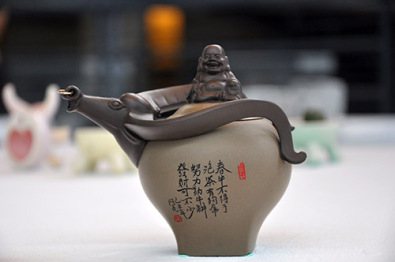
(wandering-taiwan.com)
- Pottery in Chiayi City – 嘉義市文化中瓷器的角色
- Chiayi City is renowned as the birthplace of Koji pottery (交趾陶), a traditional Taiwanese ceramic art form celebrated for its vibrant colors and intricate designs. This unique craft has deep roots in Chiayi’s cultural heritage and continues to thrive through dedicated artisans and institutions.
- Chiayi City’s dedication to preserving and promoting Koji pottery makes it a must-visit destination for enthusiasts of traditional crafts and Taiwanese culture. Whether you’re exploring its museums, engaging in hands-on workshops, or collecting unique ceramic pieces, Chiayi offers a rich tapestry of experiences that celebrate its ceramic heritage.
- Koji Pottery – A Cultural Legacy :
- Koji pottery, also known as Chiayi ware, originated from the Tang Sancai (Tang three-colored glazed pottery) tradition. Characterized by low-fired, brightly colored glazes, it was traditionally used for temple decorations, featuring motifs like farmers, fishermen, carpenters, scholars, and various natural elements. Due to its aesthetic appeal, it gradually transitioned from temple adornment to private collections. In Japan, this style is referred to as Kōchi ware.
- wikipedia.org – Cochin ware (also: Kochi ware or Jiaozhi ware – 交趾陶) @ Wikipedia . org
- ntsec.edu.tw – Appreciating Koji Pottery @ National Taiwan Science Education Center website
- Chiayi City Koji Pottery Museum: Located within the Chiayi Cultural Center Park, the Chiayi City Koji Pottery Museum is dedicated to preserving and showcasing this traditional art form. The museum houses a collection of Koji-related cultural relics, conducts research, and offers exhibitions and workshops. Visitors can learn about the origins and development of Koji pottery, as well as the contributions of notable figures like Ye Lin-zhi, regarded as the founder of Koji pottery, and Lin Tian-mu, who significantly advanced the craft.
- rtaiwanr.com – Chiayi City Koji Pottery Museum – 嘉義市政府文化局交趾陶館 @ Round Taiwan Round website
- mindtrip.ai – Chiayi City Koji Pottery Museum – 嘉義市政府文化局交趾陶館 @ Mind Trip website
- tripadvisor.com – Chiayi City Koji Pottery Museum – 嘉義市政府文化局交趾陶館 @ Trip Advisor website
- The Chiayi Municipal Museum, situated in the East District of Chiayi City, features a special exhibition area dedicated to colored potteries. This section showcases works by renowned colored pottery artisans from Chiayi and introduces the history & development of colored pottery. The museum’s collection reflects Chiayi’s rich ceramic heritage & its evolution over time.
- chiayi.gov.tw – Introduction to The Chiayi Municipal Museum @ Chiayi City Cultural Affairs Bureau website
- rtaiwanr.com – Chiayi City Historical Relic Museum – 嘉義市史蹟資料館 @ Round Taiwan Round website
- wanderlog.com – Best history museums in Chiayi City @ Wanderlog . com
- travel.chiayi.gov.tw – Chiayi City Historical Relic Museum – 嘉義市史蹟資料館 @ Chiayi City government website
- Bantaoyao Crafts Studio is located near the Fengtian Temple in Chiayi CityChiayi City. It is a traditional ceramic pottery studio offering visitors the opportunity to engage in DIY classes, allowing them to create their own pottery designs. The studio also features an exhibition hall for educational purposes and a traditional Chinese landscape setting, providing an immersive experience into the old-fashioned Taiwanese pottery culture.
- travelking.com.tw – Bantaoyao Crafts Studio of Jiao-Zhi & Chien-Nien
- taiwaneverything.cc – Experiencing Traditional Culture in Xingang Township and Chiayi City @ Taiwan Everything blog
- EASY SEARCH FOR MORE LINKS ! . . . . .
- scholar.google.com – Pottery Arts in the culture of Chiayi City – 嘉義市文化中瓷器的角色 @ Google Scholar
- youtube.com – Pottery Arts in the culture of Chiayi City – 嘉義市文化中瓷器的角色 @ YouTube . com
- images.google.com – Pottery Arts in the culture of Chiayi City – 嘉義市文化中瓷器的角色 @ Google Images
- Ceramics in Chiayi City – 嘉義市文化中瓷器的角色
- Exploring Ceramic Arts in Chiayi: Visitors to Chiayi City can immerse themselves in the rich ceramic arts culture through various museums & workshops. The Chiayi City Koji Pottery Museum offers a comprehensive look into the history and techniques of Koji pottery, while Bantaoyao Crafts Studio provides hands-on experiences for those interested in creating their own ceramic pieces. Additionally, the Chiayi Cultural and Creative Industries Park serves as a hub for contemporary ceramic art exhibitions and workshops.
- Notable Ceramic Arts Institutions in Chiayi :
- Chiayi City Koji Pottery Museum (scroll up to the prior section on Pottery Arts to lean more).
- Bantaoyao Crafts Studio (scroll up to the prior section on Pottery Arts to learn more).
- Chiayi Cultural and Creative Industries Park (G9 Creative Park) is located in the West District of Chiayi City. It is a multi-purpose park that was originally opened in 1916 as Chiayi Brewery by the Japanese government. In 2003, it was converted into a cultural and creative industries park. The park hosts various art exhibitions and creative workshops, including those focused on ceramics.
- wikipedia.org – Chiayi Cultural and Creative Industries Park – 嘉義文創園區 @ Wikipedia . org
- EASY SEARCH FOR MORE LINKS ! . . . . .
- scholar.google.com – Ceramic arts in the culture of Chiayi City @ Google Scholar
- youtube.com – Ceramic arts in the culture of Chiayi City @ YouTube . com
- images.google.com – Ceramic arts in the culture of Chiayi City @ Google Images
- Porcelain in Chiayi City -嘉義市文化中瓷器的角色
- Notable Ceramic Arts Institutions in Chiayi :
- Chiayi City Koji Pottery Museum (scroll up to the prior section on Pottery Arts to lean more).
- Bantaoyao Crafts Studio (scroll up to the prior section on Pottery Arts to learn more).
- Chiayi Cultural and Creative Industries Park – “G9 Creative Park” (scroll up to the prior section on Pottery Arts to learn more).
- EASY SEARCH FOR MORE LINKS ! . . . . .
- scholar.google.com – Porcelain arts in the culture of Chiayi City @ Google Scholar
- youtube.com – Porcelain arts in the culture of Chiayi City @ YouTube . com
- images.google.com – Porcelain arts in the culture of Chiayi City @ Google Images
SHOPPING – 購 屋

- Shopping in Chiayi City – 嘉義市文化中購屋的角色
- goteamjosh.com – Xingang & Beigang Lunar New Year Markets @ Josh Ellis Photography (Terrific Site !!!)
- trip.com – Shopping in Chiayi City @ Trip . com
- tripadvisor.com – Shopping in the West District of Chiayi City @ Trip Advisor . com
- Chiayi City in Taiwan offers a delightful mix of traditional markets, modern shopping malls, and unique cultural experiences. Whether visitors are looking to sample local delicacies, shop for fashion, or explore cultural artifacts, Chiayi City has something to offer every shopper.
- Nice Plaza – 耐斯廣場購物中心 is the largest shopping mall in Chiayi. It features a wide range of international & local brands, dining options & entertainment facilities.
- wikipedia.org – Nice Plaza – 耐斯廣場購物中心 @ Wikipedia . org
- images.google.com – Nice Plaza – 耐斯廣場購物中心 @ Google Images
- Chiayi City East Public Retail Market is traditional market offering fresh produce, local snacks & everyday goods, providing an authentic local shopping experience.
- images.google.com – Chiayi City East Public Retail Market @ Google Images
- Showtime Plaza is modern shopping center with a variety of retail stores, restaurants, and entertainment options, catering to both locals & tourists.
- images.google.com – Showtime Plaza @ Google Images
- Museum Of Old Taiwan Tiles – 臺灣花磚博物館 is a wooden house museum that contains a collection of thousands of preserved ceramic tiles from across Taiwan. The history and artistry of traditional Taiwanese tiles offer a glimpse into the island’s architectural heritage. The museum boasts an impressive collection and knowledgeable staff who are eager to share information about their craft.
- wikipedia.org – Museum Of Old Taiwan Tiles – 臺灣花磚博物館 @ Wikipedia . org
- taiwantoday.tw – Museum Of Old Taiwan Tiles – 臺灣花磚博物館 @ Taiwan Today e-zine
- wanderlog.com – Museum Of Old Taiwan Tiles – 臺灣花磚博物館 @ Wanderlog . com
- EASY SEARCH FOR MORE LINKS ! . . . . .
- scholar.google.com – Shopping in the culture of Chiayi City – 嘉義市文化中購屋的角色 @ Google Scholar
- youtube.com – Shopping in the culture of Chiayi City – 嘉義市文化中購屋的角色 @ YouTube . com
- images.google.com – Shopping in the culture of Chiayi City – 嘉義市文化中購屋的角色 @ Google Images
TEA – 茶

- Tea in Chiayi City – 嘉義市文化中茶的角色
- Chiayi City, Taiwan, is renowned for its rich tea culture, particularly the cultivation of Alishan High Mountain Oolong Tea—often hailed as the “Champagne of Taiwanese teas.” This prestigious tea thrives in the cool, misty elevations of the Alishan mountain range, offering a unique terroir that imparts a delicate floral aroma and a smooth, sweet taste.
🌿 Tea Culture in Chiayi
Chiayi serves as a gateway to the Alishan region, where tea cultivation has flourished for over a century. The area’s high altitude, combined with its misty climate, creates ideal conditions for growing high-quality oolong tea. The tea leaves are hand-picked and undergo meticulous processing to preserve their flavor and aroma.
🍃 Tea Experiences in Chiayi
1. Shizhuo Tea Field Trails
Shizhuo, a quaint village nestled in the Alishan foothills, offers scenic tea field trails that are perfect for leisurely hikes. Visitors can explore the lush tea plantations, enjoy panoramic views, and immerse themselves in the tranquil tea-growing environment. The trails are accessible via public transportation from Chiayi and Alishan, making it a convenient destination for tea enthusiasts. Taiwanderers
2. Linyun Tea Garden Experience
For a hands-on tea experience, the Linyun Tea Garden provides guided tours where visitors can participate in tea picking and tasting sessions. This immersive experience allows tea lovers to learn about the tea production process and savor freshly brewed Alishan oolong tea amidst the serene mountain landscape. m.kkday.com
3. Alishan Tea Tours
Several tour operators offer comprehensive tea tours in the Alishan region. These tours typically include visits to local tea plantations, demonstrations of traditional Taiwanese tea ceremonies, and opportunities to taste a variety of teas. Some tours also incorporate visits to nearby attractions, such as the historic town of Fenqihu, enhancing the cultural experience. alishanteatour.tilda.ws
🍵 Traditional Tea Houses in Chiayi
Zhuju Tea House
Located in Chiayi City, Zhuju Tea House offers an authentic Taiwanese tea-drinking experience. Set in a traditional building surrounded by lush greenery, it provides a peaceful setting to enjoy a variety of teas, including the renowned Alishan oolong. The tea house emphasizes the art of tea brewing and offers insights into Taiwanese tea culture.
🏞️ Exploring Tea Trails and Scenic Views
Chiayi’s tea trails, such as those in Shizhuo, offer more than just tea tasting—they provide an opportunity to connect with nature. Hiking through the tea fields allows visitors to experience the region’s natural beauty, including bamboo forests, misty mountains, and vibrant sunsets. These trails are suitable for all levels of hikers and are an excellent way to appreciate the serene landscape that contributes to the unique flavor of Alishan tea. Taiwan Obsessed - _____ – Tea in the culture of Chiayi City – 嘉義市文化中茶的角色
- EASY SEARCH FOR MORE LINKS ! . . . . .
- scholar.google.com – Tea in the culture of Chiayi City – 嘉義市文化中茶的角色 @ Google Scholar
- youtube.com – Tea in the culture of Chiayi City – 嘉義市文化中茶的角色 @ YouTube . com
- images.google.com – Tea in the culture of Chiayi City – 嘉義市文化中茶的角色 @ Google Images
TEMPLES – 寺 廟

- Temples in Chiayi City – 嘉義市文化中寺廟的角色
- Chiayi City is renowned for its rich tapestry of temples that reflect the island’s diverse religious heritage. These temples, ranging from Taoist and Buddhist to Confucian, offer a glimpse into the spiritual and cultural fabric of the region. These temples not only serve as places of worship but also as cultural landmarks that offer insights into the spiritual life of Chiayi City. These sites provide a meaningful experience for visitors interested in religious practices, architecture, or local history.
- Chiayi Cheng Huang Temple – 嘉義城隍廟 was established in 1715. It is a Taoist temple dedicated to the City God, Cheng Huang Ye, and is the only temple in Taiwan with a county-level City God title. It’s a center of local faith and cultural activities. Most of the current buildings date from a renovation in 1837. The temple consists of a series of four main parts. The fourth (the rear part) is a multi-story building offering a stunning view over the temple’s gate and other three parts.
- wikipedia.org – Chiayi Cheng Huang Temple – 嘉義城隍廟 @ Wikipedia . org
- stanford.edu – Chiayi Cheng Huang Temple – 嘉義城隍廟 @ Stanford Robotics website
- Chiayi Jen Wu Temple – 嘉義仁武宮 was constructed in 1677 to venerate Baosheng Dadi, the God of Medicine. It is a significant site for devotees seeking healing and protection.
- wikipedia.org – Chiayi Jen Wu Temple – 嘉義仁武宮 @ Wikipedia . org
- Chiayi City temple (Wenling Ma Miu) 嘉義市朝天宮 is a Taoist temple with a long history, offering warmth and psychological comfort to visitors. It houses gentle and compassionate deities on the first floor and five gods of wealth on the second floor.
- wanderlog.com – Chiayi City temple (Wenling Ma Miu) 嘉義市朝天宮 @ Wanderlog . com
- Chiayi Confucian Temple – 嘉義孔子廟 was constructed in 1706 to honor Confucius. The temple serves as a center for Confucian learning and cultural activities.
- wikipedia.org – Chiayi Confucian Temple – 嘉義孔子廟 @ Wikipedia . org
- rtaiwanr.com – Chiayi Confucian Temple – 嘉義孔子廟
- kiddle.co – Chiayi Confucian Temple – 嘉義孔子廟
- Jiuhuashan temple – 嘉義九華山地藏庵 is mainly a Buddhist temple, but it also includes halls dedicated to Taoism & Confucianism. It enshrines many deities, with Ksitigarbha being the main one. A Buddhist temple has existed at this site since the first half of the 18th century. Over time, it was modified and enlarged multiple times. The present-day temple, a tall seven-story building called the Lotus hall, was completed in 1979. The temple’s ensemble also contains two other buildings. One is the Chiayi Zhaozhong temple (嘉邑昭忠祠) dedicated to commemorate the memory of the Hakka militiamen killed in three civil uprisings during the Qing dynasty. It was rebuilt several times, the last reconstruction dating from 1999. The other building is a multi-usage building facing the Lotus hall.
- stanford.edu – Jiuhuashan temple – 嘉義九華山地藏庵 @ Stanford Robotics website
- St. John’s Cathedral – 聖若望主教座堂 is the mother church of the Roman Catholic Diocese of Chiayi. It was constructed in 1958 and serves as a place of Christian worship and community.
- wikipedia.org – St. John’s Cathedral – 聖若望主教座堂 @ Wikipedia . org
- Chiayi Shinto Shrine – 嘉義神社 are the remnants of a historic Shinto shrine, once among Taiwan’s most significant, now serving as a peaceful park and historical site.
- goteamjosh.com – Chiayi Shinto Shrine (嘉義神社) @ Josh Ellis Photography blog (Terrific site !!!)
- EASY SEARCH FOR MORE LINKS ! . . . . .
- scholar.google.com – Temples in the culture of Chiayi City – 嘉義市文化中寺廟的角色 @ Google Scholar
- youtube.com – Temples in the culture of Chiayi City – 嘉義市文化中寺廟的角色 @ YouTube . com
- images.google.com – Temples in the culture of Chiayi City – 嘉義市文化中寺廟的角色 @ Google Images
- Monasteries in Chiayi City – 嘉義市文化中修道院的角色
- _____ – Monasteries in the culture of Chiayi City – 嘉義市文化中修道院的角色
- EASY SEARCH FOR MORE LINKS ! . . . . .
- scholar.google.com – Monasteries in the culture of Chiayi City – 嘉義市文化中修道院的角色 @ Google Scholar
- youtube.com – Monasteries in the culture of Chiayi City – 嘉義市文化中修道院的角色 @ YouTube . com
- images.google.com – Monasteries in the culture of Chiayi City – 嘉義市文化中修道院的角色 @ Google Images
- Shrines in Chiayi City – 嘉義市文化中聖地的角色
- In Chiayi City, Taiwan, shrines—especially Shinto shrines—reflect a part of the history of the city during the Japanese colonial period (1895–1945). While most active religious sites in Chiayi City are temples, some shrines or shrine remnants remain as cultural & historical landmarks.
- Active Shinto shrines are no longer present in Chiayi City, since the Japanese colonial period ended. Shrine remnants, especially the Chiayi Shinto Shrine site, are preserved as historical and cultural sites. Confucian temples serve as important shrines for ancestor and Confucius worship.
- Chiayi Shinto Shrine (嘉義神社) – Ruins and Memorial Park. This shrine was originally built during the Japanese colonial era as a Shinto shrine to honor the kami (deities) and promote Shinto practice. It was one of Taiwan’s major Shinto shrines during the Japanese colonial era. After World War II and the end of Japanese rule, the shrine was dismantled, but parts of its grounds have been preserved as a public park and historical site. The site now includes some stone lanterns, torii gates & plaques commemorating its history. The park serves as a quiet place for visitors interested in colonial history and Japanese influence on Taiwan.
- goteamjosh.com – Chiayi Shinto Shrine (嘉義神社) @ Josh Ellis Photography blog (Terrific site !!!)
- Confucian Shrines / Temples in Chiayi City are primarily Confucian temples, like the Chiayi Confucian Temple. But these sites function similarly to shrines, focusing on veneration & cultural rituals related to Confucius and ancestors. The Chiayi Confucian Temple (built in 1706) is a key cultural landmark with beautiful traditional architecture.
- EASY SEARCH FOR MORE LINKS ! . . . . .
- scholar.google.com – Shrines in the culture of Chiayi City @ Google Scholar
- youtube.com – Shrines in the culture of Chiayi City @ YouTube . com
- images.google.com – Shrines in the culture of Chiayi City @ Google Images
- Pagodas in Chiayi City – 嘉義市文化中寶塔的角色
- _____ – Pagodas in the culture of Chiayi City – 嘉義市文化中寶塔的角色
- EASY SEARCH FOR MORE LINKS ! . . . . .
- scholar.google.com – Pagodas in the culture of Chiayi City @ Google Scholar
- youtube.com – Pagodas in the culture of Chiayi City @ YouTube . com
- images.google.com – Pagodas in the culture of Chiayi City @ Google Images
WINE & SPIRITS – 酒

- Wine Culture in Chiayi City – 嘉義市文化中酒的角色
- _____ – Wine in the culture of Chiayi City – 嘉義市文化中酒的角色
- EASY SEARCH FOR MORE LINKS ! . . . . .
- scholar.google.com – Wine in the culture of Chiayi City @ Google Scholar
- youtube.com – Wine in the culture of Chiayi City @ YouTube . com
- images.google.com – Wine in the culture of Chiayi City @ Google Images
- Traditional Liquor in Chiayi City – 嘉義市文化中傳統酒的角色
- _____ – Traditional liquor in the culture of Chiayi City – 嘉義市文化中傳統酒的角色
- EASY SEARCH FOR MORE LINKS ! . . . . .
- scholar.google.com – Traditional liquor in the culture of Chiayi City @ Google Scholar
- youtube.com – Traditional liquor in the culture of Chiayi City @ YouTube . com
- images.google.com – Traditional liquor in the culture of Chiayi City @ Google Images
* * * * *
Click here for the CloudBridgeProject Home Page for Chiayi City
Click here for links to Language & Peoples of Chiayi City
Click here for links to Business in Chiayi City
Click here for links to Travel in Chiayi City
Click here for links to Nature & Environment of Chiayi City
For links to Culture of Chiayi City . . . . .
. . . . . please scroll up through this page
* * * * *
NOTE : This site contains links to our ”favorite” and “most useful” websites . . . but the CloudBridge Project does not endorse or guarantee any of the products or services available through the links on the pages of this website.
本站包含了我們的 “最愛” 以及 “最有用” 的網站連結,但雲橋語文計劃並不保證其連結的有效性或對其背書.
Welcome to send us an email with your thoughts or comments:
欢迎用电子邮件的方式分享您的意见和建议:
Email: CloudBrideTaiwan@gmail . com
LATEST PAGE UPDATE: September 13 , 2025
最後一次更新時間為: 2025 / 09 / 13
Copyright ©2021 CloudBridge Project. All rights reserved.
版權所有 ©2021 雲橋語文計劃. 保留所有權利.
 CloudBridgeTaiwan